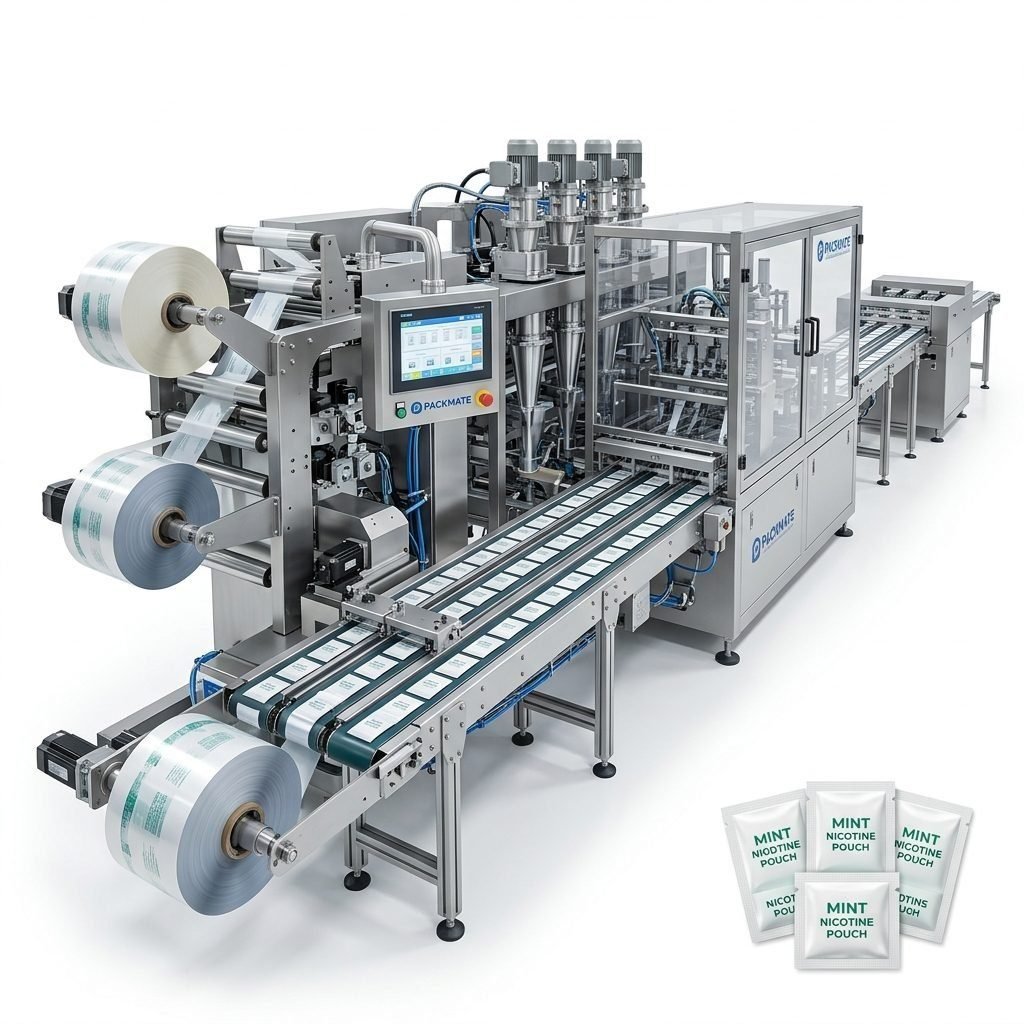
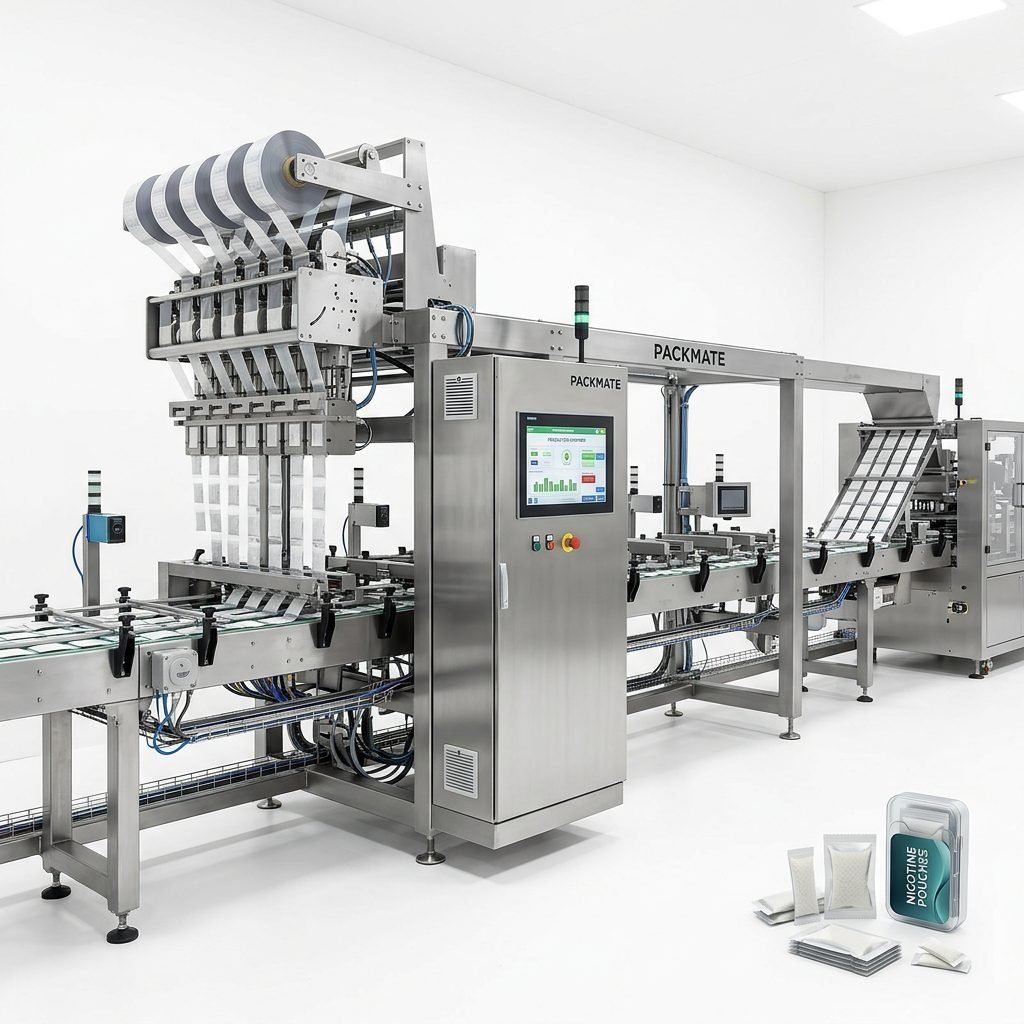
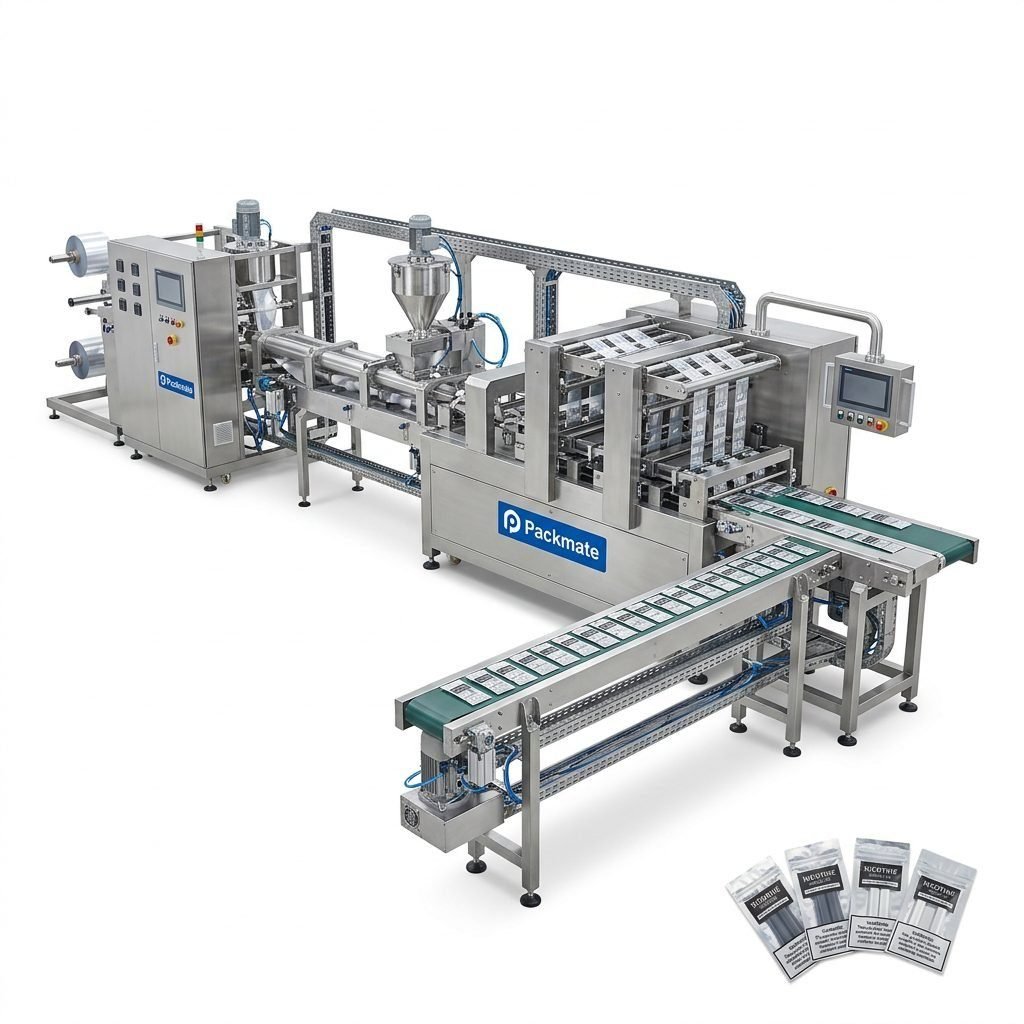
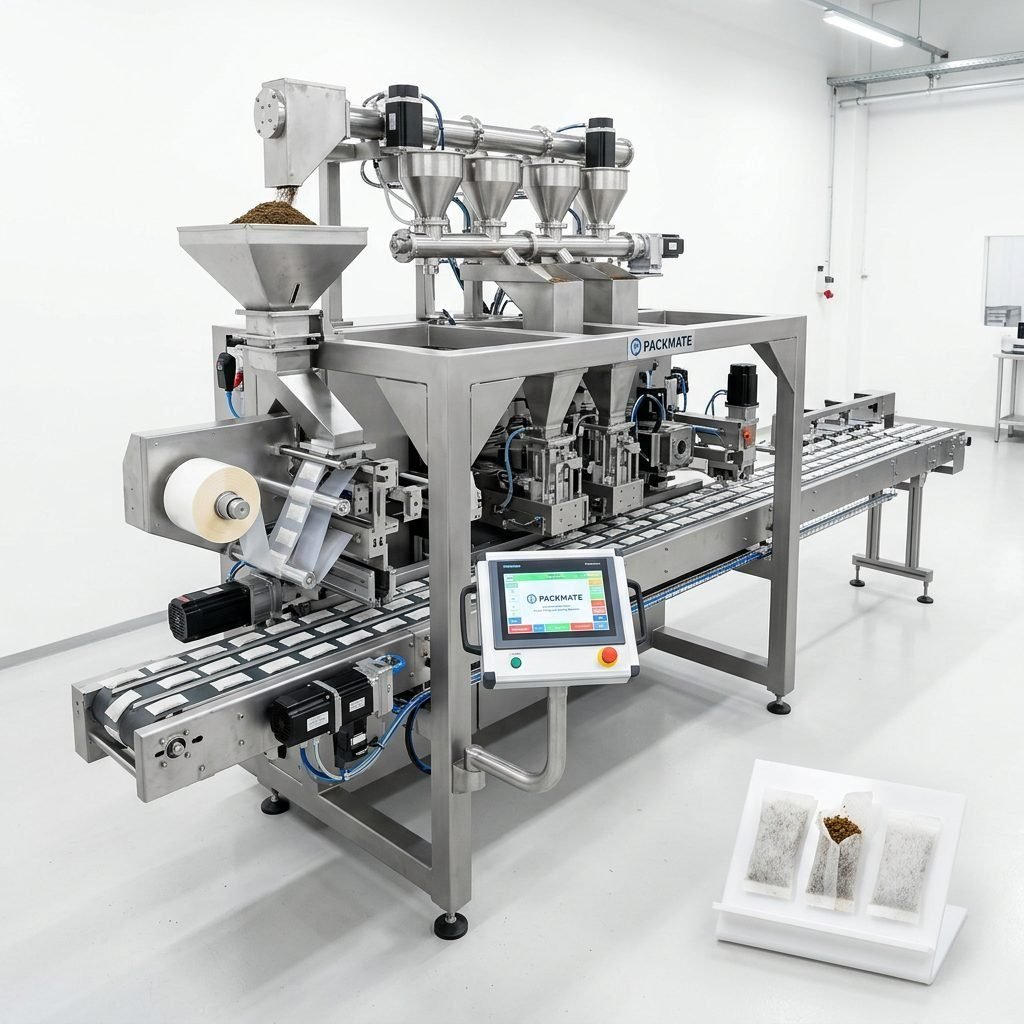
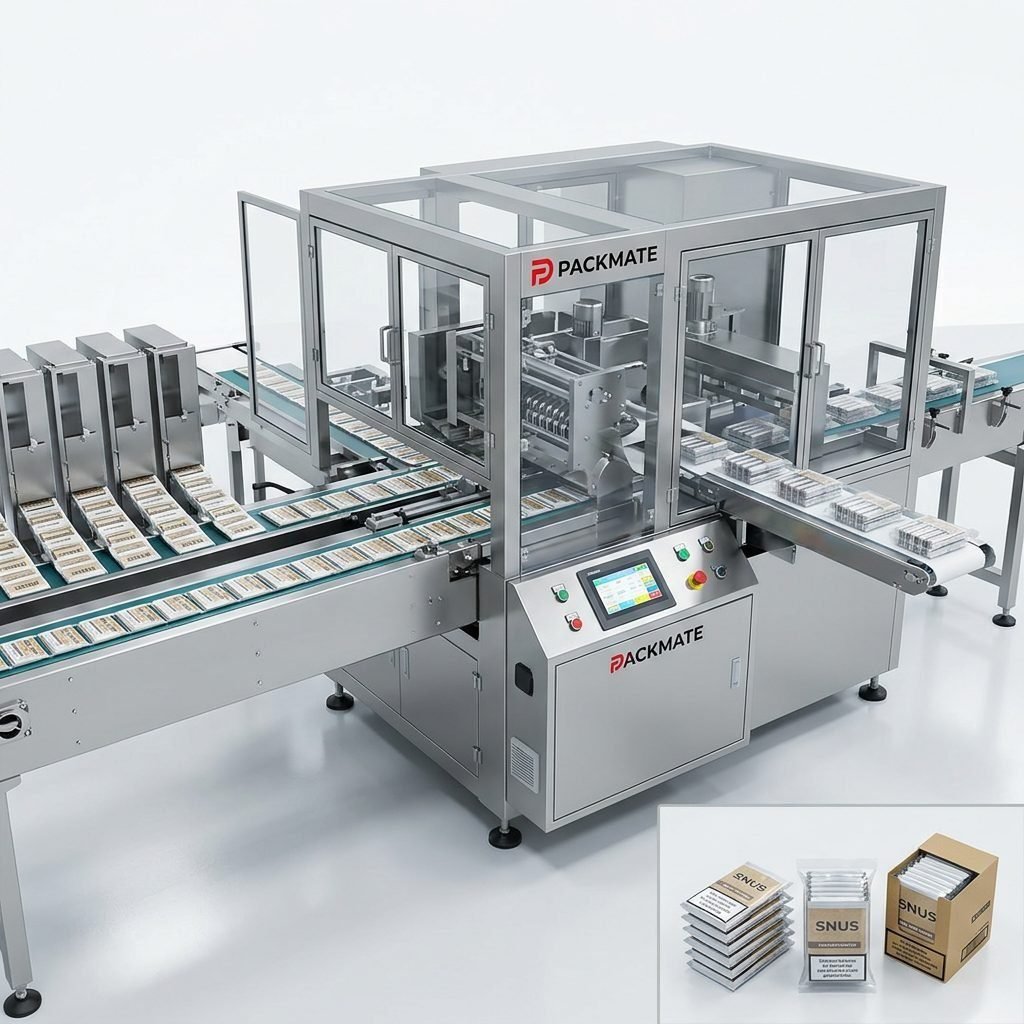
Choosing the right snus packaging machine in Pakistan requires careful analysis of product requirements, production targets, regulatory compliance, and long-term operating costs. This guide walks you through the practical steps to evaluate machines, compare suppliers, and decide on the best solution for nicotine pouches, snus sachets, stick packs, and multi-lane pouch production.
Why selecting the right snus packaging machine matters
A well-chosen machine increases throughput, reduces waste, ensures consistent pouch quality, and protects product integrity. In the snus and nicotine pouch market, even small variations in fill weight, seal quality, or dosing accuracy can lead to regulatory issues, customer complaints, or costly rework. Consider operations as a whole: machine uptime, maintenance skills available, spare parts lead time, and supplier service are as important as upfront price.
Key market factors in Pakistan
Pakistan’s manufacturing base for food and FMCG is growing, with increasing demand for automated packaging. For snus/nicotine pouches specifically, importers and producers prioritize machines that can: maintain hygienic design, operate reliably on local power supply, and be serviced quickly. Local climate (humidity and dust) can affect sealing and powder flow, so choose equipment designed for robust environmental conditions.
Types of snus packaging machines to consider
There are several machine types commonly used for snus and nicotine pouch production:
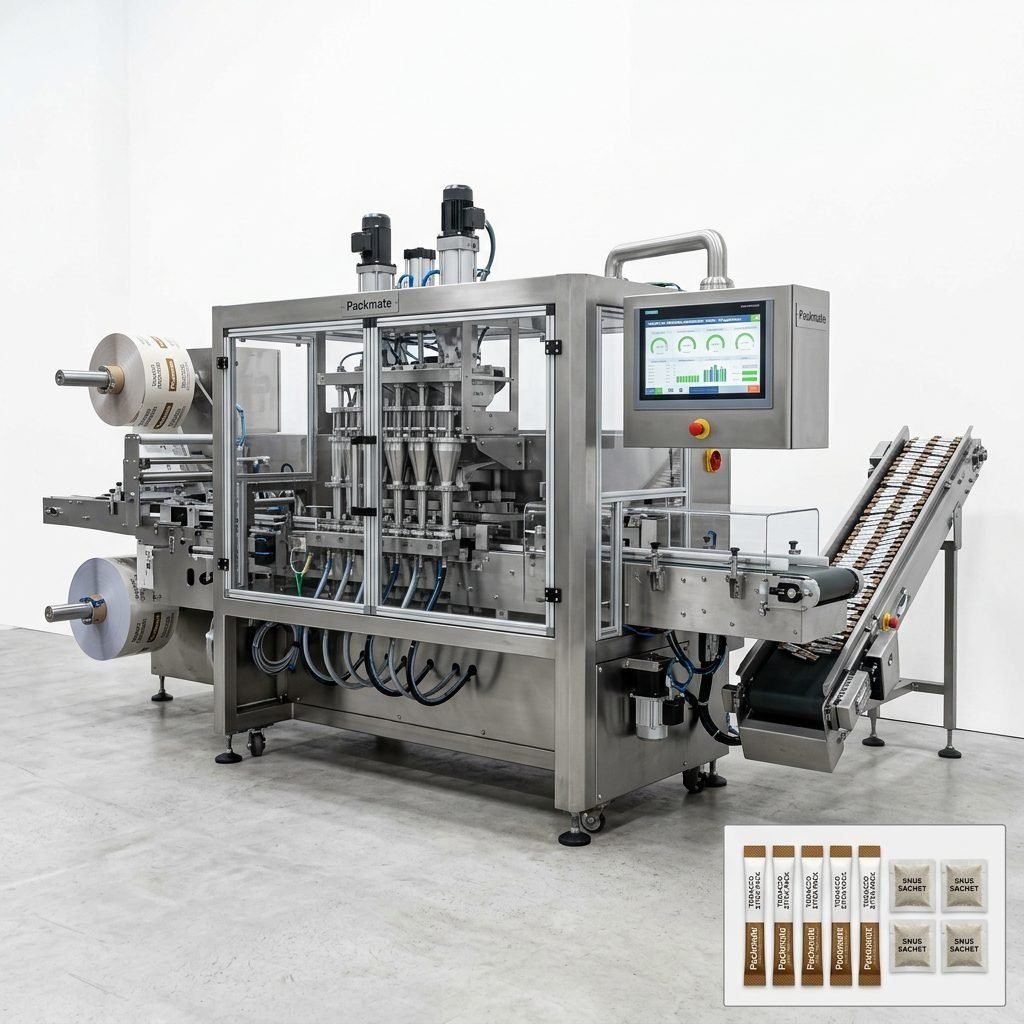
⚙️ Stick pack machines — ideal for single-dose stick formats, fast changeovers, and relatively simple sealing profiles.
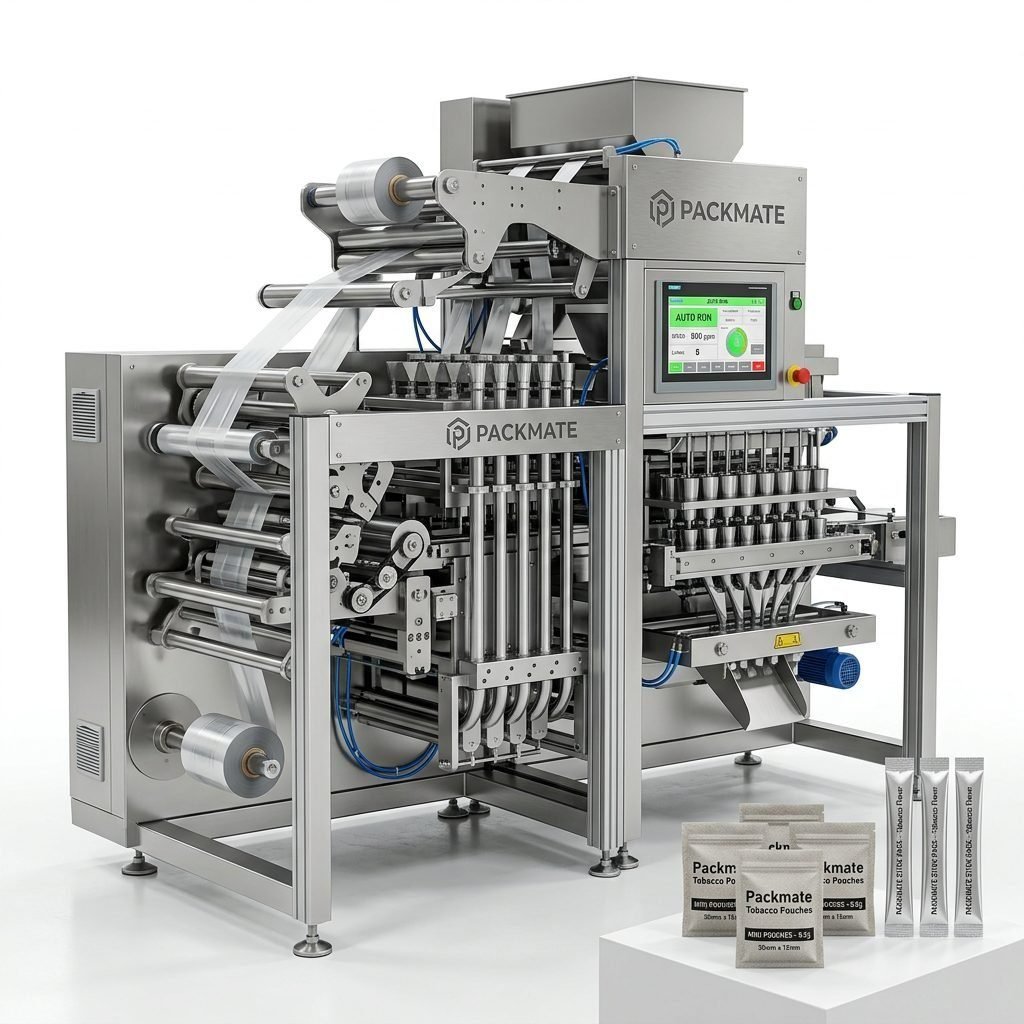
📦 Sachet & multi-lane machines — suited for higher throughput and multi-lane outputs, they can produce many pouches per minute across multiple lanes.
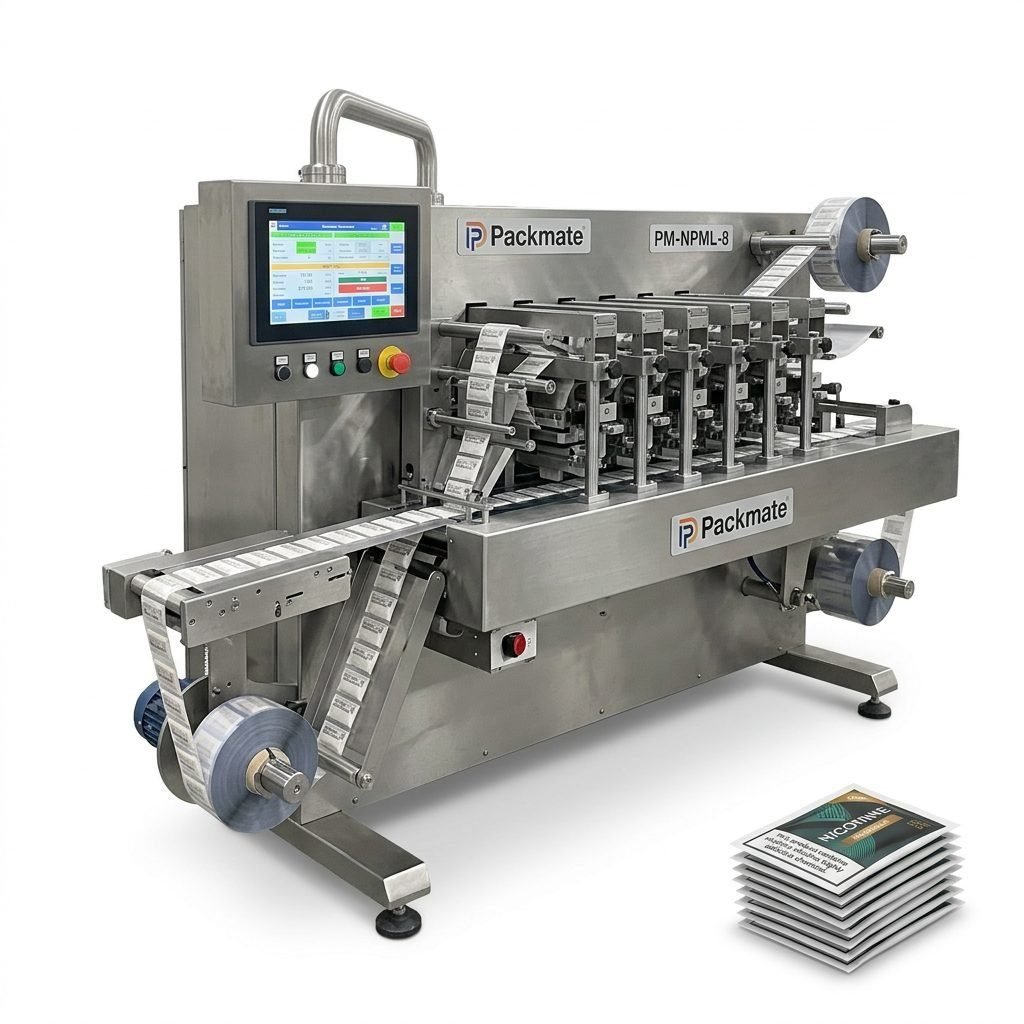
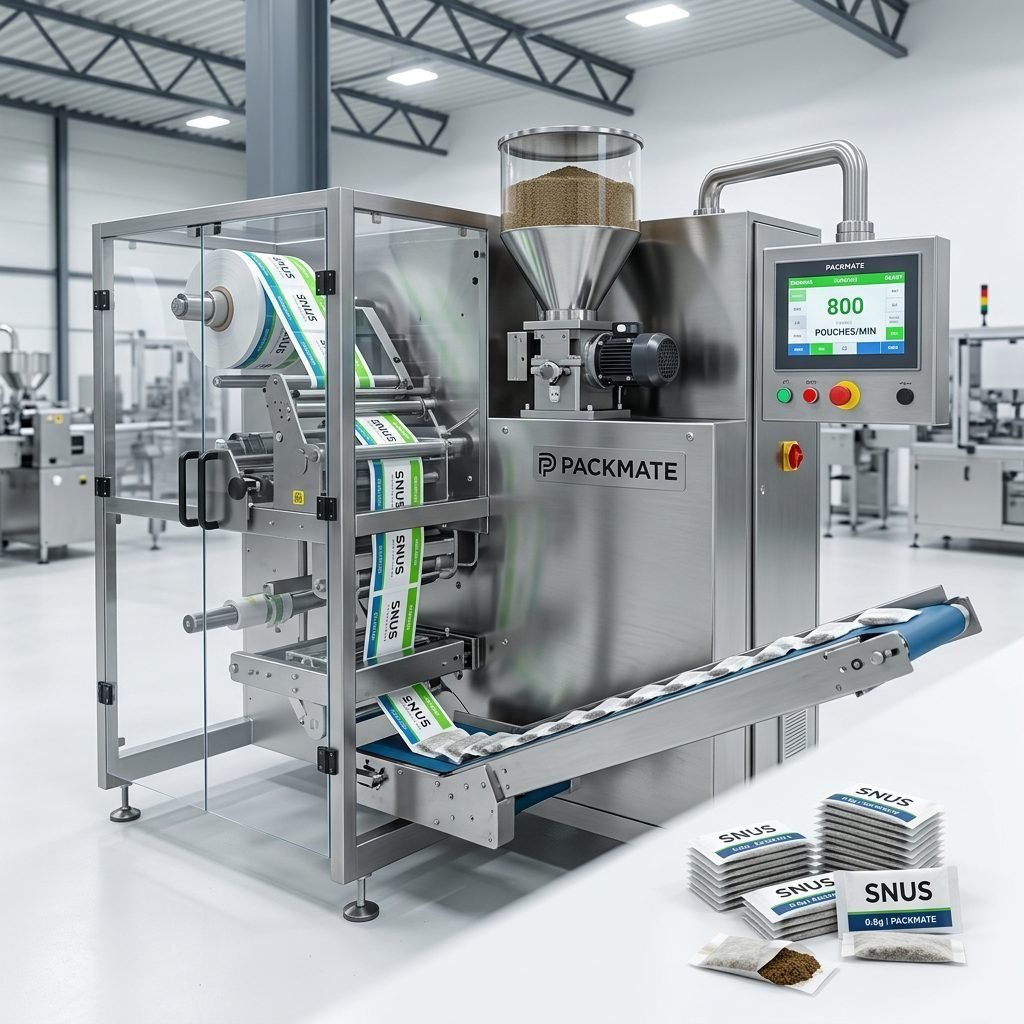
🔧 Dedicated snus / nicotine packaging machines — purpose-built for small-dose pouches with precision dosing systems and specialized sealing tools that protect product quality.
Manufacturer & solution example
If you need a trusted supplier with experience in snus packaging, consider checking manufacturers who offer full production lines and customizable systems. For detailed product categories and machine options, visit Snus & Nicotine Packaging Machines and explore Sachet & Stick Pack Machines.
Top technical specs to evaluate
When comparing models, focus on measurable technical specifications:
Throughput (pouches per minute): Ensure the machine can meet your daily production volume with realistic uptime assumptions.
Dosing accuracy: For nicotine pouches, high precision in small doses is critical to avoid compliance and quality issues.
Number of lanes & scalability: Multi-lane machines (2, 4, 6 lanes or more) offer higher output but require larger footprint and more complex synchronization.
Material compatibility & hygiene: Stainless steel contact parts, easy-to-clean design, and compliance with food/pharma standards such as CE/ISO.
Electrical & mechanical robustness
Verify voltage compatibility for Pakistan (typically 230V single-phase or 380V three-phase, depending on machine size) and confirm that the control system (PLC, HMI) supports local language or operator training. Durable components (servo drives, bearings, sealing bars) and accessible maintenance points reduce downtime and service costs.
Production layout & footprint
Planning the plant layout early is essential. Multi-lane or full-line solutions (weighing, filling, sealing, cartoning) are available — see Filling & Packaging Lines and Weighing & Packaging Systems for integrated options.
Quality, compliance, and certifications
Choose machines from manufacturers that provide compliance documents and certifications. CE and ISO certifications indicate adherence to international safety and quality standards. If you plan to export finished snus products, ensure the equipment and your processes meet destination country requirements.
After-sales support and spare parts
After-sales service is a major differentiator. Evaluate supplier response times for spare parts shipment, availability of local partners or agents, remote support options, and training packages. A clear spare parts list and recommended maintenance schedule reduce unexpected downtime.
Cost considerations and return on investment
Upfront purchase cost is only part of the equation. Include installation, operator training, consumables (film, pouches, adhesives), energy consumption, maintenance labor, and spare parts. A higher-quality machine with better uptime and accuracy can deliver faster ROI through reduced waste and higher effective throughput.
Real-world cost checklist
✅ Energy consumption estimates • ✅ Recommended spare parts list • ✅ Training and documentation included • ✅ Warranty and service SLA.
Selecting the right supplier: questions to ask
When you contact suppliers, ask direct questions that reveal capability:
– How many snus/nicotine machines have you supplied in the last 5 years?
– Can you provide case studies or references of similar installations? (Look for global cases and exhibition demos.)
– What warranty, spare parts, and field service commitments do you offer? Packmate’s company profile and case examples can be reviewed at About Packmate and Case.
Factory acceptance test & installation
Insist on a Factory Acceptance Test (FAT) to verify performance before shipment. FATs allow you to confirm speeds, dosing accuracy, and sealing integrity. During installation, request on-site commissioning, operator training, and documentation of SOPs (standard operating procedures).
Maintenance and operational tips for Pakistan environments
– Keep a local stock of critical wear parts (sealing bars, belts, bearings).
– Schedule preventive maintenance during low-production windows.
– Train at least two operators and one maintenance technician thoroughly.
– Use desiccant systems or climate control if humidity impacts powder flow or seal quality.
Auxiliary equipment to plan for
Consider complementary machines such as powder feeders, vibratory dosing conveyors, and automated case packers. Explore Auxiliary Packaging Equipment to complete production lines efficiently.
Common pitfalls and how to avoid them
– Underspecifying capacity: Always size the machine for expected growth, not just current demand.
– Ignoring local support: Choose suppliers with reachable service networks or fast spare parts shipping.
– Skipping FAT: Accepting performance claims without testing leads to surprises on installation day.
Why choose an experienced manufacturer
A manufacturer with multi-decade experience brings refined engineering, quality control, and proven designs. Manufacturers with full turnkey capabilities can integrate weighing, filling, and secondary packaging into one reliable production flow. You can learn about such manufacturing strength and certifications at their company profile and certificate pages: Certificate.
Decision checklist before purchase
Use this concise checklist to finalize your decision:
✅ Confirm production capacity and lane configuration.
✅ Validate dosing accuracy and sealing quality via FAT.
✅ Verify electrical compatibility and footprint.
✅ Check warranty, spare parts lead times, and training packages.
✅ Review compliance certificates and export/import constraints.
Further reading and resources
For a broader view of packaging categories and solutions, explore Bag & Pouch Packaging Machines and the company’s exhibition schedule at Our Exhibition.
Conclusion
Selecting the best snus packaging machine in Pakistan is a balance between technical fit, supplier capability, and lifecycle cost. Prioritize dosing accuracy, hygienic design, robust after-sales support, and a supplier that can demonstrate real-world case experience. A thorough FAT, clear installation plan, and staff training will ensure the equipment delivers optimal performance and helps your snus product reach the market reliably.
Frequently Asked Questions
Q1: What machine type is best for small independent runs of nicotine pouches?
A1: For small batches and flexibility, single-lane stick pack or low-lane sachet machines are recommended. They are easier to change over and require less floor space.
Q2: How important is a Factory Acceptance Test (FAT)?
A2: FAT is critical. It verifies machine performance under controlled conditions and prevents surprises during on-site commissioning.
Q3: Are there local service options for international manufacturers in Pakistan?
A3: Many manufacturers offer regional partners or remote support. Confirm spare parts shipping times and local technical contacts before purchasing.
Q4: What certifications should a snus packaging machine have?
A4: CE and ISO certifications are typical indicators of safety and manufacturing standards; additional hygienic or industry-specific approvals may be required depending on export destinations.
Q5: Where can I find more product details and contact information?
A5: For machine categories, catalogs, service and contact options, use the manufacturer’s product pages and contact channels such as Contact Us and the Catalog.