Choosing the right nicotine packaging machinery manufacturer for your Malaysia-based operation is one of the most important decisions you will make as you scale production. A correct choice affects product quality, regulatory compliance, uptime, and long-term operating costs. This guide walks you through practical, actionable criteria and a step-by-step evaluation process so you can confidently select a supplier that fits your technical requirements, budget, and growth plans.
Market overview: Why manufacturer choice matters
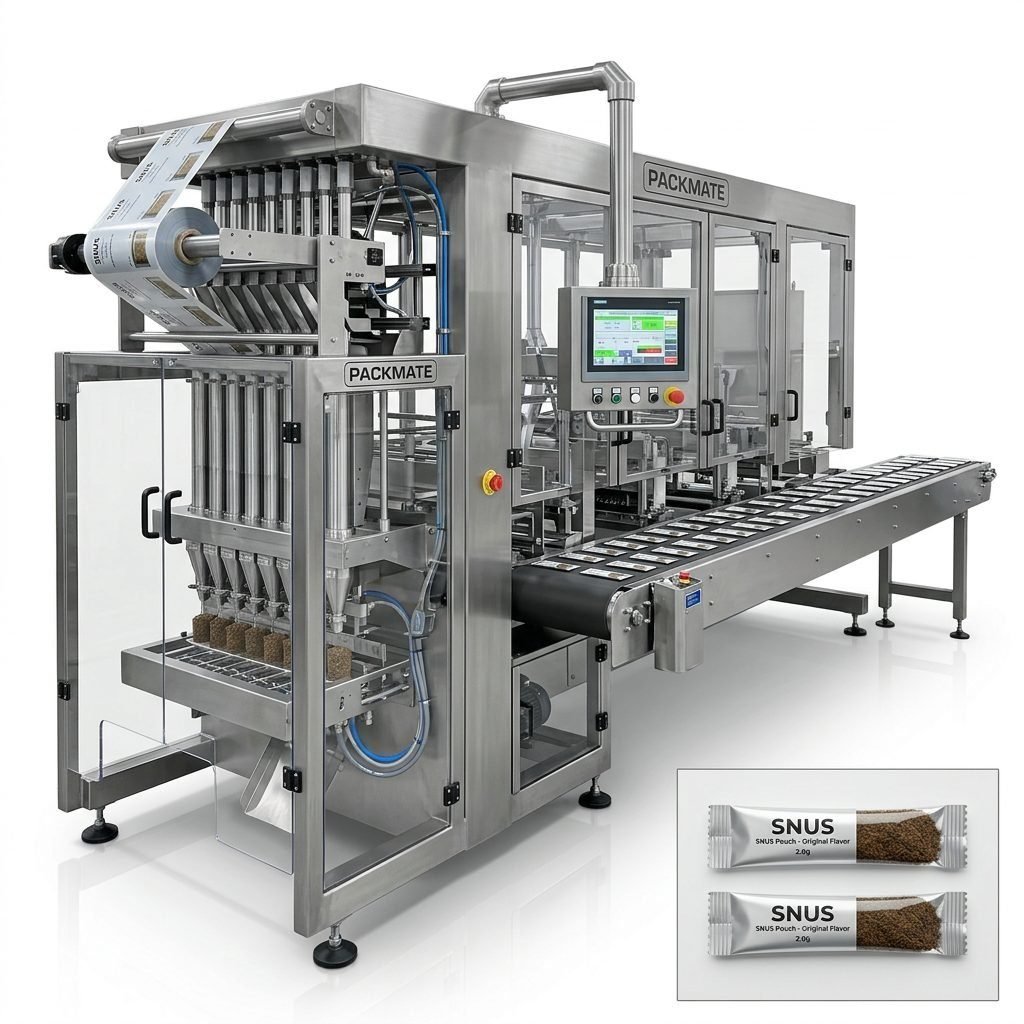
The nicotine pouch and snus market demands precision filling, high hygiene standards, and reliable multi-lane packaging solutions. Selecting a manufacturer with proven experience in snus and nicotine pouch lines reduces the risk of production setbacks. Look for suppliers who understand dosing accuracy, moisture control, and material compatibility for nicotine products.
Key decision areas at a glance
Top factors: engineering experience, machine range, production capacity, quality control, certifications (CE/ISO), spare parts support, warranty, local service in Malaysia, and turnkey integration capability.
1. Technical expertise and industry experience
Prioritize manufacturers with deep experience in nicotine pouch/snuss packaging. Vendors who have focused on snus packing machines for years understand the nuanced needs of small-dose pouches, such as consistent fill weight, anti-static material handling, and gentle product transfer to avoid dust or leakage.
Look for companies with documented timelines and milestones that show continuous improvement. A manufacturer with a 20-plus year history of R&D and multiple product generations typically offers more mature solutions and fewer field surprises.
Why certifications matter
Certifications like CE and ISO indicate adherence to international safety and quality standards. These credentials lower regulatory risk when exporting or selling finished nicotine products and demonstrate that the manufacturer follows documented quality and safety processes.
2. Machine range, technology and customization
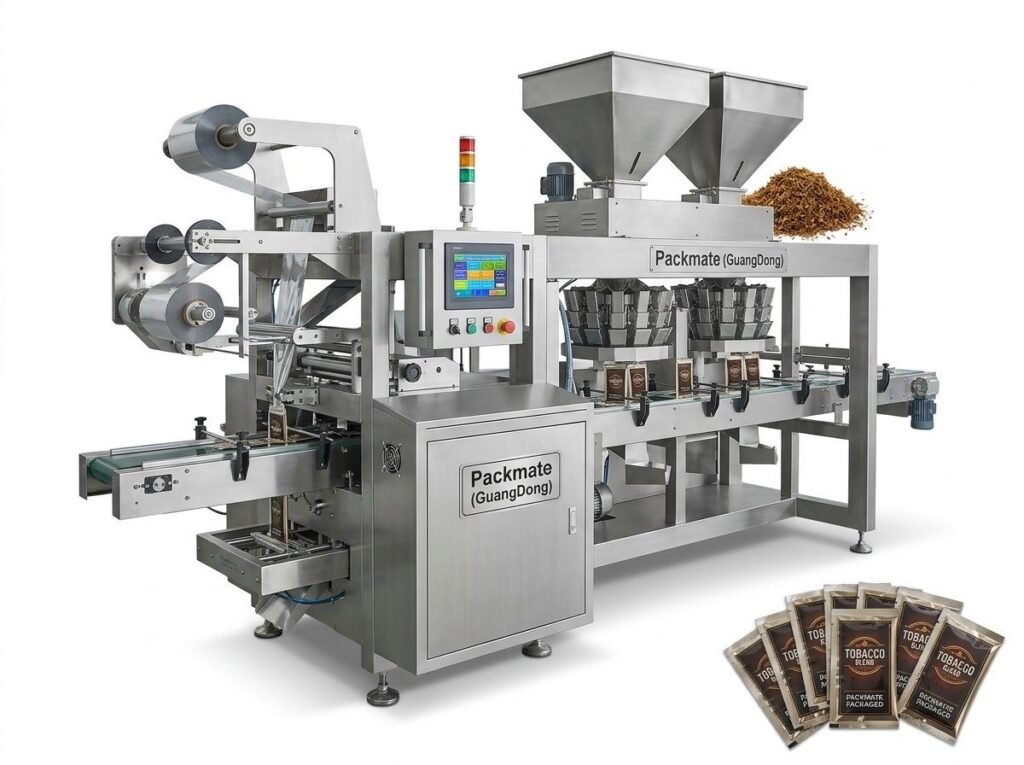
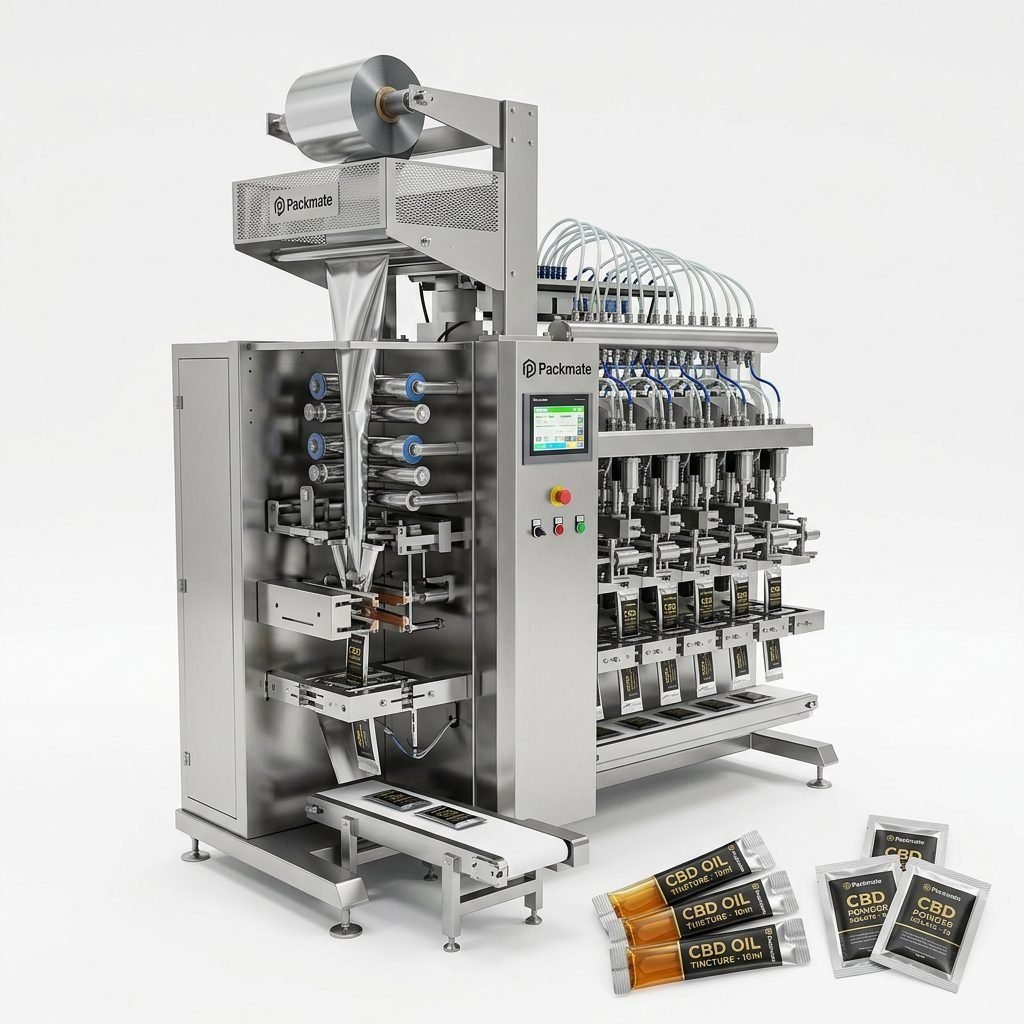
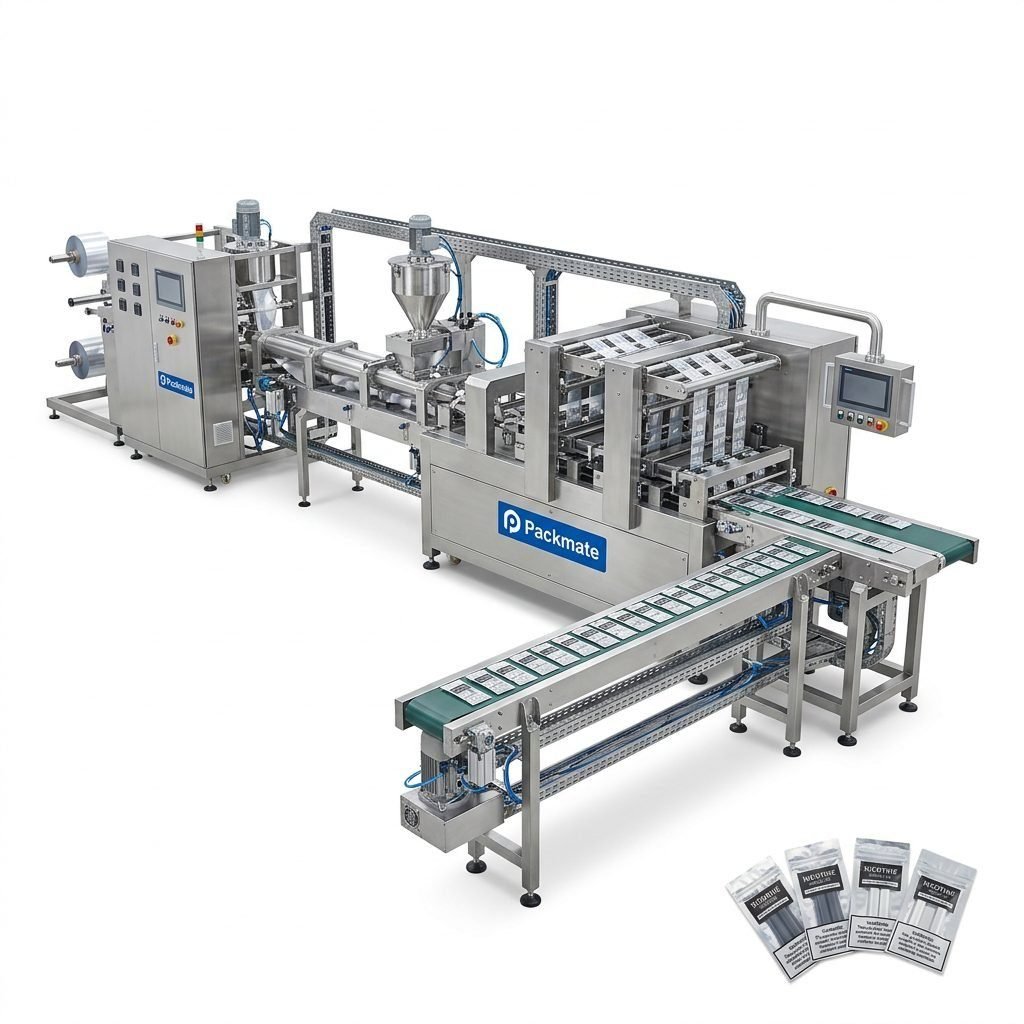
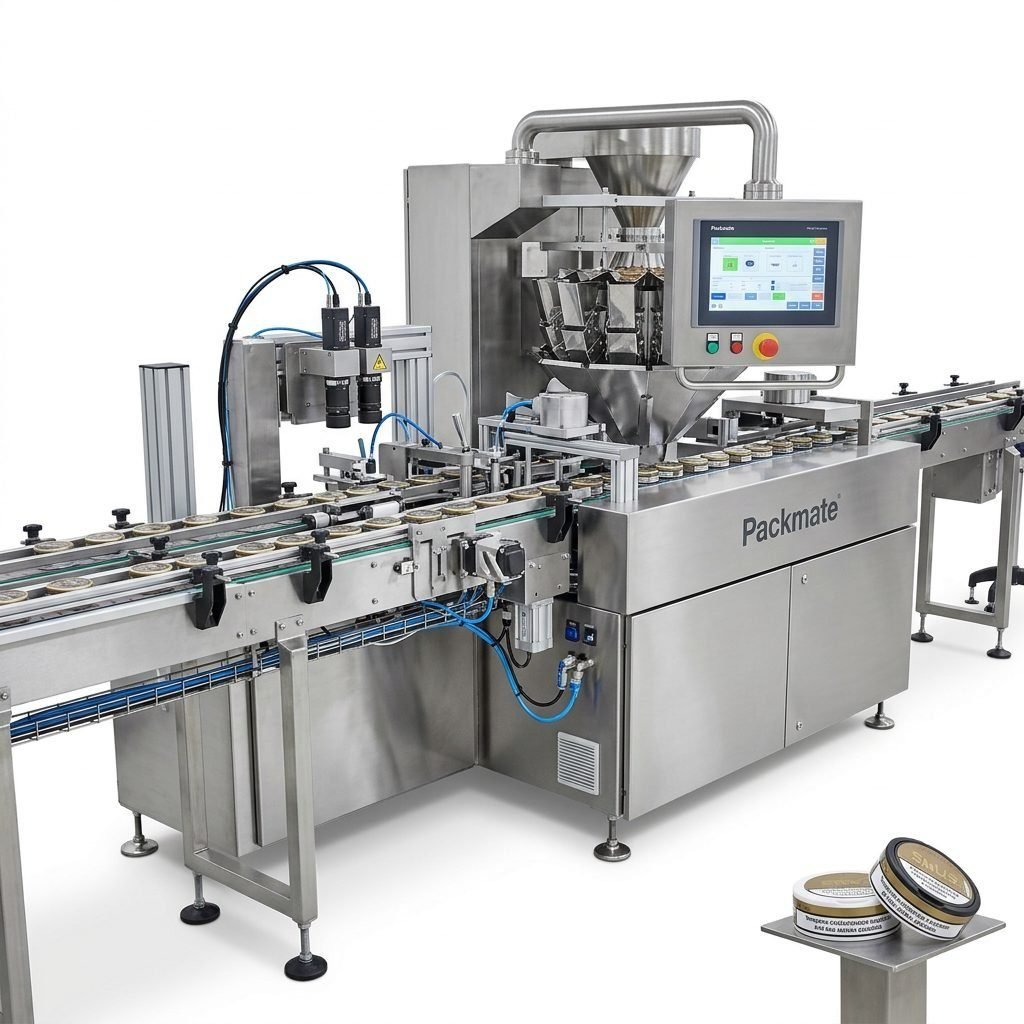
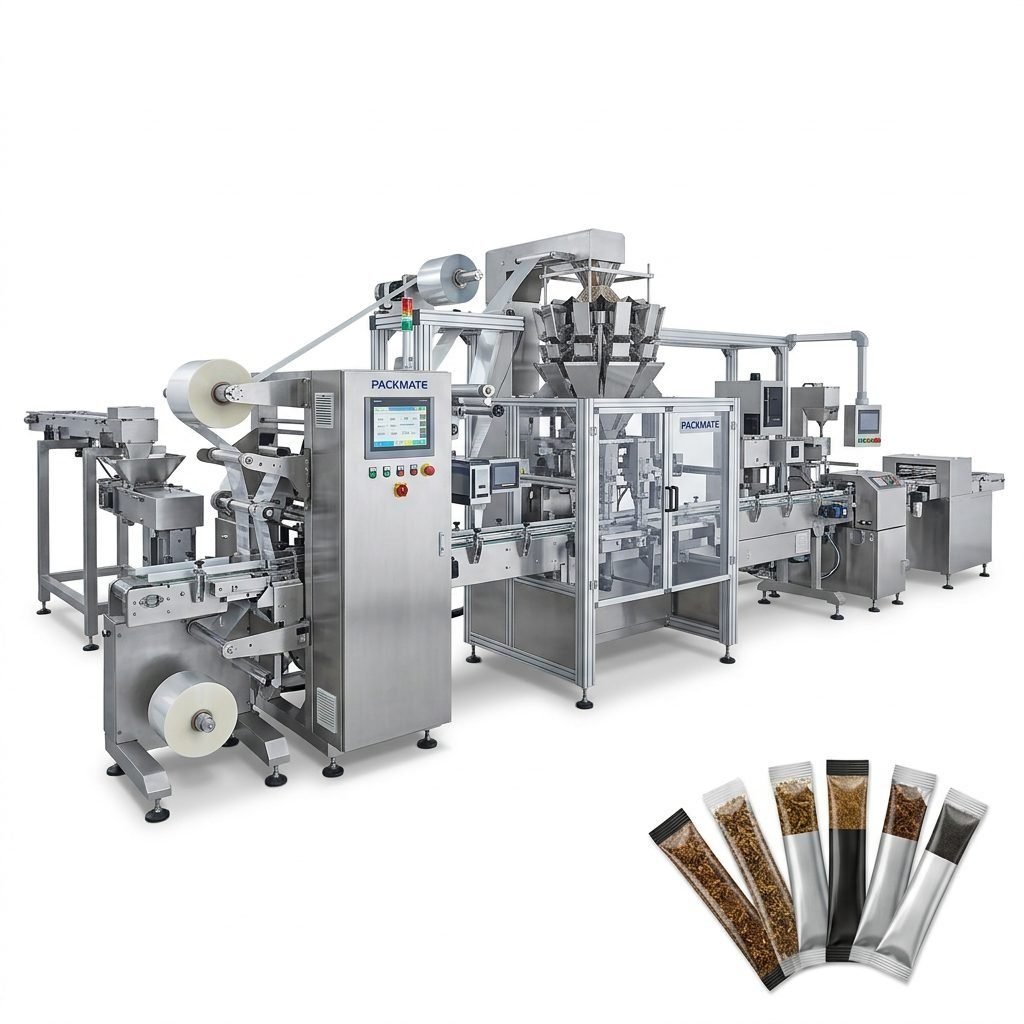
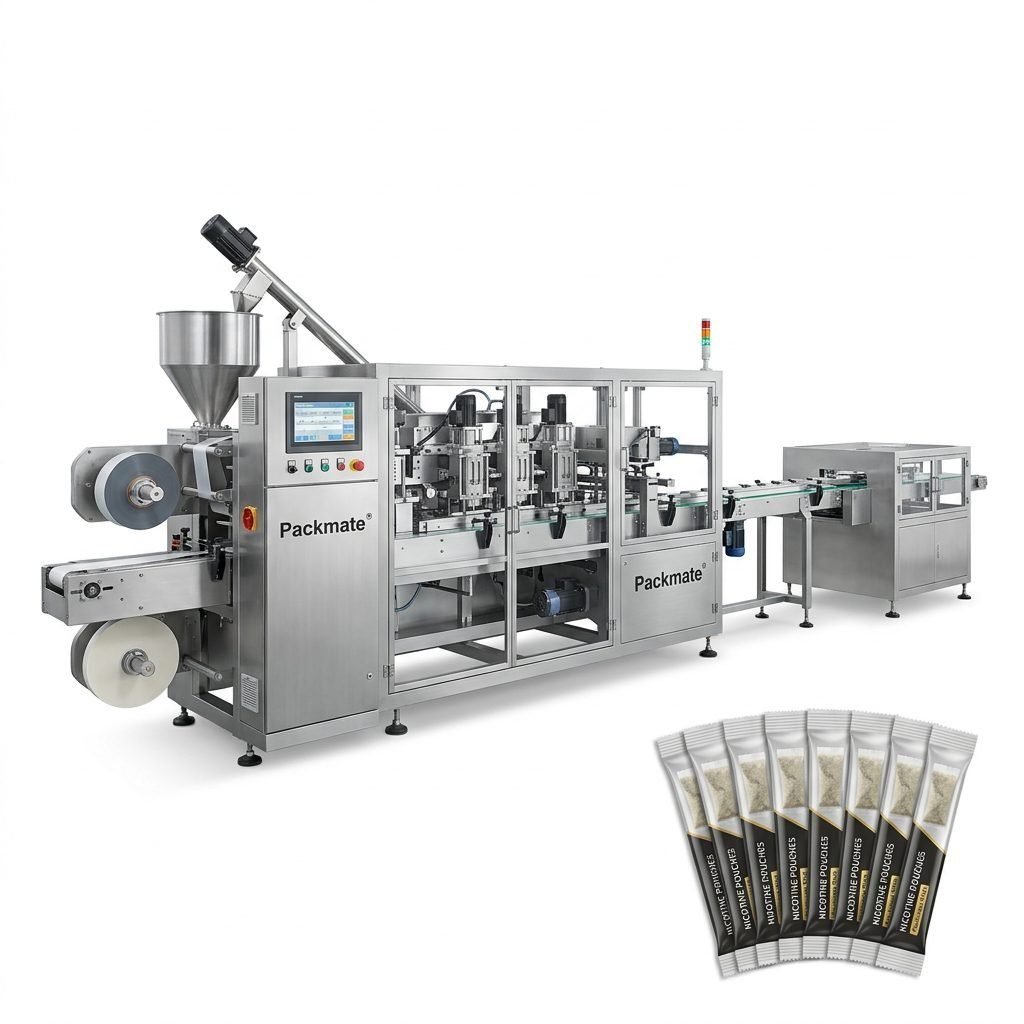
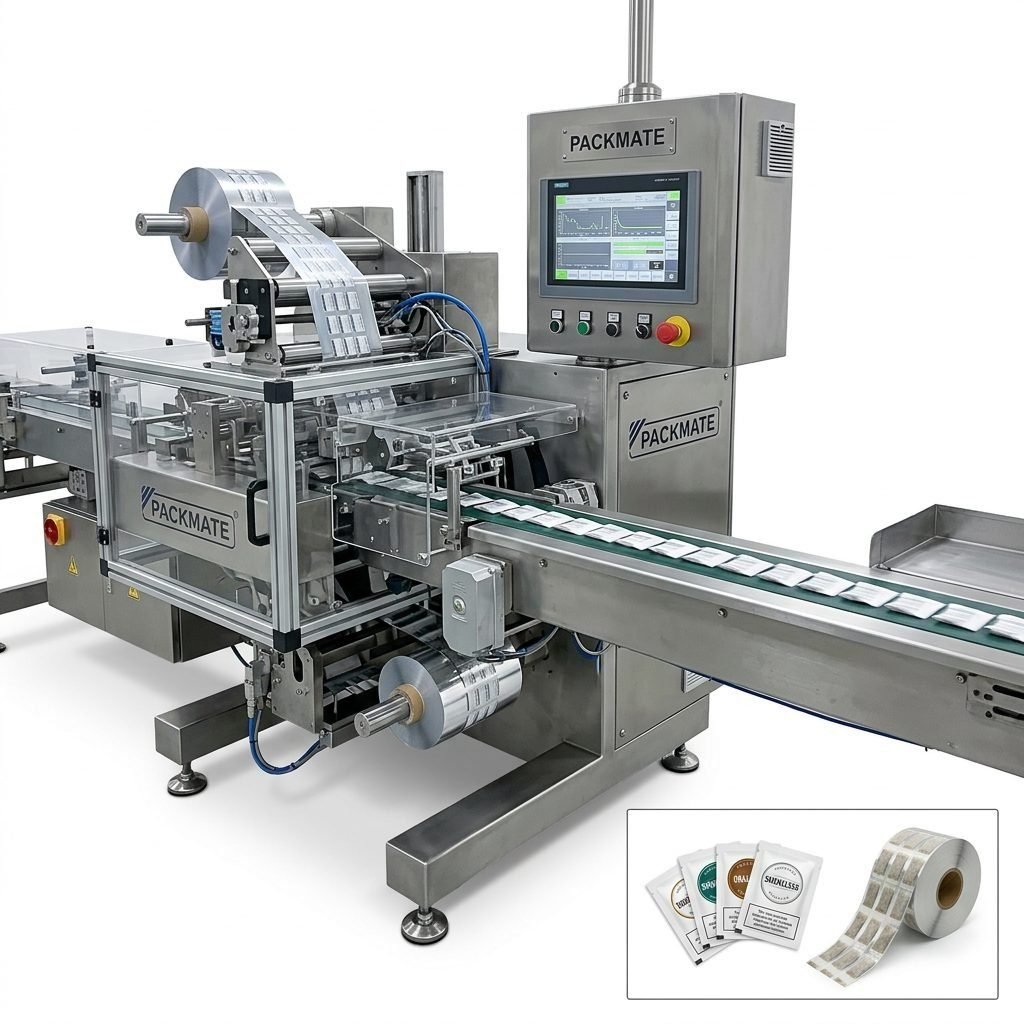
Effective nicotine pouch production may require several machine types: multi-lane pouch formers, precise dosing and weighing systems, vertical and horizontal sealing, and secondary packaging. Choose a supplier with a broad portfolio so you can scale or reconfigure lines with compatible equipment.
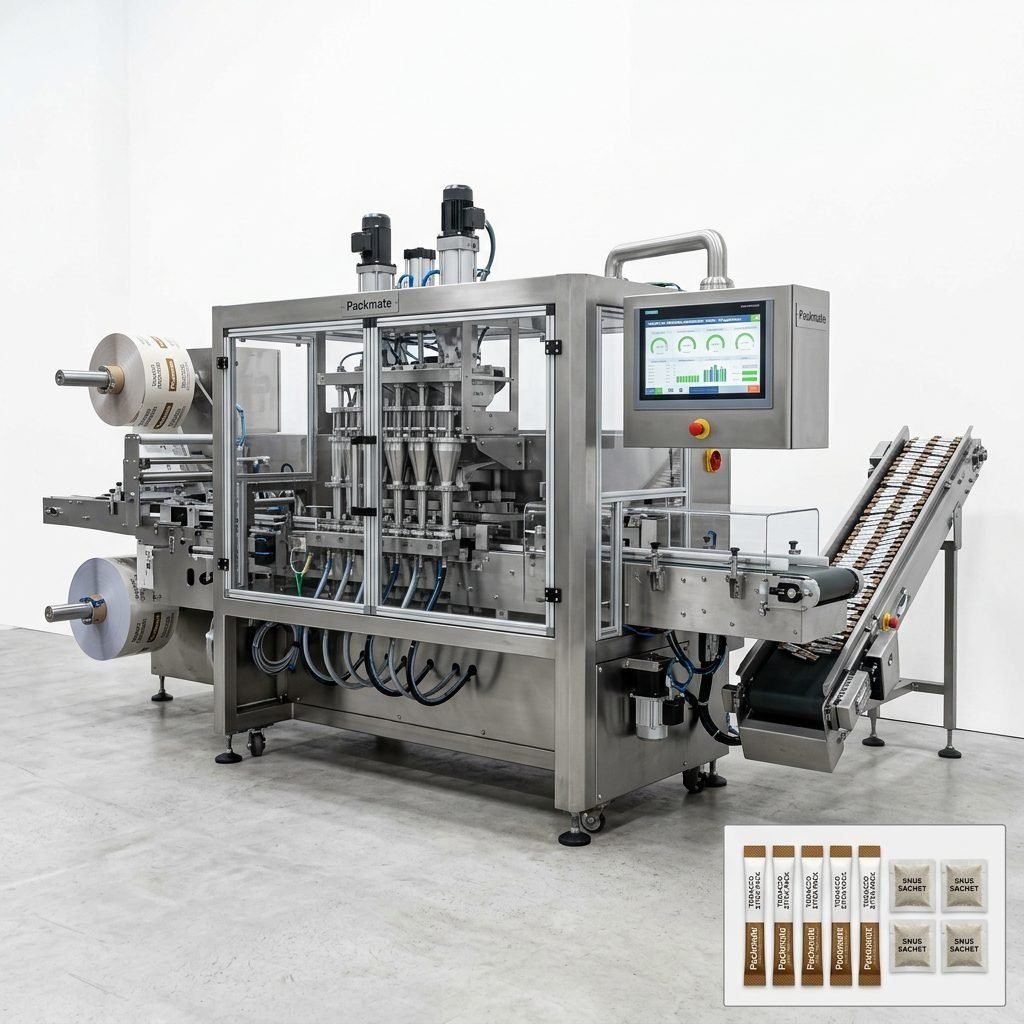
If you want to review specialized equipment, inspect product pages like Snus & Nicotine Packaging Machines or explore Sachet & Stick Pack Machines for multi-format options.
3. Production capacity and scalability
Always match machine throughput to your current demand and medium-term growth plan. A machine that is too large wastes capital and floor space; too small will hamper growth. Request realistic OEE (Overall Equipment Effectiveness) figures and actual performance data from reference sites.
Tip: ask for real-case output numbers (packs/min or pouches/min) for your product format and lane configuration. Compare quoted capacities to demonstrated results.
4. Quality control, testing and materials
A robust QC process during manufacturing ensures consistency in stainless steel finish, motor tuning, and control system calibration. Confirm whether the supplier conducts dry runs, weight verification tests, and long-duration reliability runs before shipping.
Material compatibility is crucial for nicotine: ensure seals, gaskets and contact surfaces are appropriate for your formulation. Detail this in the technical specification and include it in the purchase contract.
5. After-sales support and spare parts
Downtime is expensive. Evaluate the supplier’s spare parts lead times, warranty terms, and whether they have local partners or agents in Malaysia. Suppliers with global service networks reduce logistic delays and often provide remote troubleshooting to minimize on-site visits.
Red flag: vague warranty terms, long spare part lead times, or no documented service SLA (Service Level Agreement).
6. Turnkey solutions and integration capability
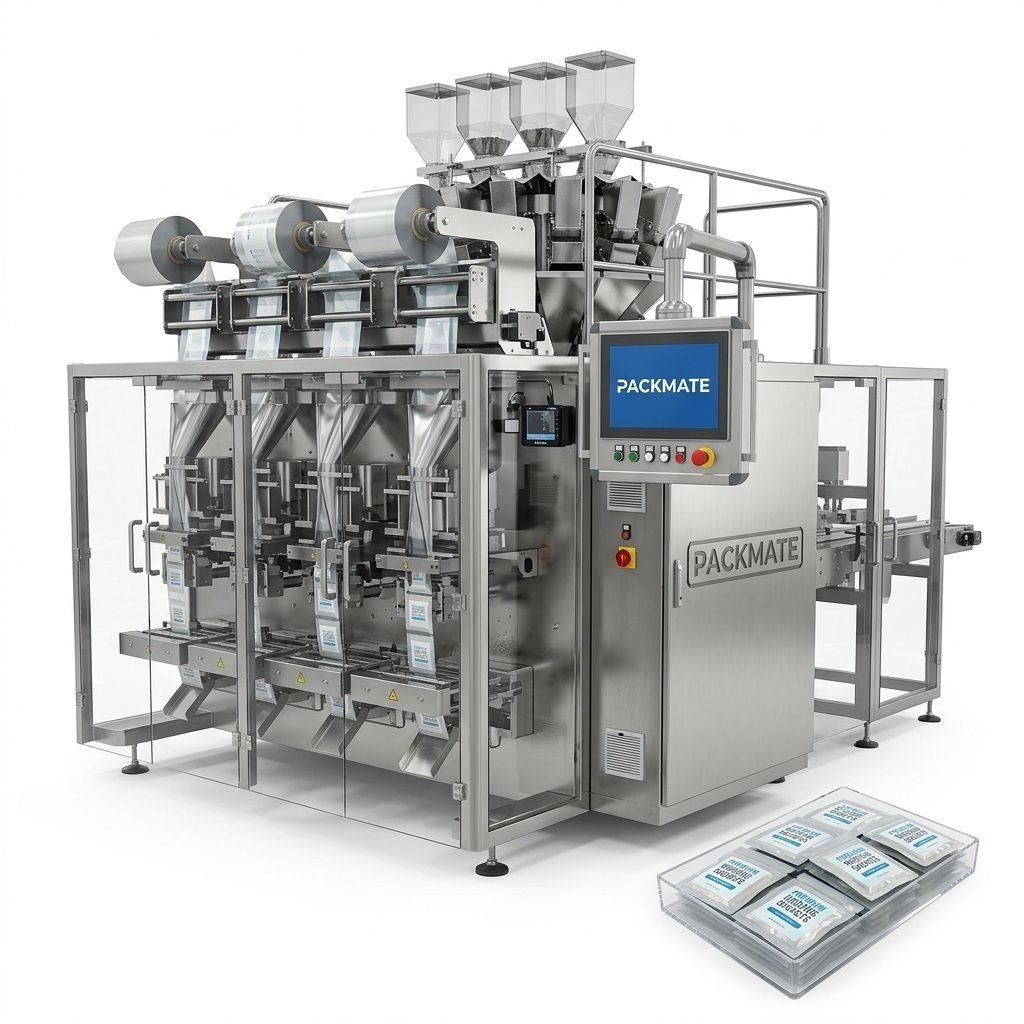
Many manufacturers offer turnkey lines that combine filling, weighing, sealing and secondary packaging. Turnkey suppliers simplify commissioning and responsibility boundaries; they handle integration, programming and process optimization. Review turnkey case studies or examples to understand their integration depth — for instance, see the manufacturer’s published cases at Case.
7. Factory visit and audit checklist
Whenever possible, visit the supplier’s factory. A visit uncovers real production practices, assembly precision, and test rig availability. Use a checklist:
– Workshop organization and cleanliness (5S practices)
– Presence of CNC machining and precision assembly lines
– On-site testing rigs and commissioning benches
– Quality documentation: IQ/OQ/PQ or equivalent
– Spare parts inventory and warehouse handling
8. Cost analysis: purchase price vs. total cost of ownership
The lowest capital price rarely represents the best value. Consider:
Total Cost Factors: energy consumption, spare part costs, ease of maintenance, changeover time, training needs, and expected lifespan.
Request an estimated TCO for 5 years and ask the vendor to itemize consumables and wear parts with recommended replacement intervals.
9. Lead time, logistics and local compliance in Malaysia
Check lead times for both standard machines and bespoke customizations. Factor in shipping, customs clearance, and on-site installation time. If the supplier has prior Malaysian customers or a presence in nearby SEA markets, they can better predict logistics and import compliance.
Include installation scope and acceptance testing in the contract — define acceptance criteria and penalty clauses for late delivery or underperformance.
10. References, case studies and exhibitions
Ask for reference customers who are producing similar nicotine pouch formats. Request factory acceptance reports or videos of running lines. Vendors that regularly attend international exhibitions often showcase live demos — check their exhibition page for upcoming events: Our Exhibition.
11. Questions to ask every supplier
Use this shortlist during vendor interviews:
– What is the demonstrated throughput for my product format?
– Can you provide a timeline for delivery, installation and commissioning?
– What warranty, spare parts policy, and service response time do you offer?
– Do you provide on-site training and comprehensive documentation?
– What is your experience with nicotine pouch regulatory or material handling issues?
12. Evaluating quotations and technical proposals
Compare proposals on a like-for-like basis: base machine, auxiliary equipment, controls, optional upgrades, training, spare parts, installation and acceptance testing. Ask suppliers to break down costs and clarify exclusions. A transparent supplier will provide a detailed Bill of Materials and scope.
13. Red flags and deal breakers
Watch out for:
Avoid vendors who: cannot provide references, refuse factory visits, show inconsistent test data, or have unclear warranty and spare parts policies.
14. Why a specialist nicotine/snuss machine maker is often the best fit
A specialist supplier brings product-specific know-how: tailored dosing systems, hygienic design for nicotine, reliable multi-lane configurations, and tested changeover procedures. Consider manufacturers who publish detailed product lines like Bag & Pouch Packaging Machines and Weighing & Packaging Systems.
15. Practical selection checklist before signing
– Verified references and live running videos
– Clear machine specification sheet and acceptance criteria
– Detailed spare parts list and recommended stock levels
– Defined service response times and escalation paths
– Agreed training plan and documentation handover
– Transparent payment and delivery schedule
Final recommendation
For Malaysian manufacturers and assemblers entering or expanding in the nicotine pouch market, partner with a supplier that demonstrates proven snus/nicotine expertise, solid manufacturing capability, and reliable global support. If you want to learn more about an experienced supplier with multi-lane snus lines, technical depth and global turnkey solutions, review their company profile at About Packmate and contact their team via Contact Us.
Quick selection summary (compact)
Core steps: verify experience → inspect machines → validate performance data → confirm spare parts & service → sign clear acceptance criteria.
Frequently Asked Questions
Q1: What certifications should I request for nicotine packaging machines?
A1: Ask for CE and ISO certification evidence and any material compatibility test reports. Also request documentation of electrical and safety compliance relevant to your import market.
Q2: How long is a typical lead time for a turnkey nicotine pouch line?
A2: Standard lead times vary, often 8–20 weeks depending on customization and workload. Confirm delivery windows and build them into your planning.
Q3: What spare parts should I stock locally in Malaysia?
A3: Keep critical wear parts: sealing jaws, sensors, belts, drive components, and a set of common electronics. Your supplier should recommend a parts list based on expected usage.
Q4: Can manufacturers support remote commissioning?
A4: Many suppliers now provide remote support, PLC code downloads, and video-assisted commissioning to speed installations and reduce travel time.
Q5: How do I ensure regulatory compliance for nicotine products in Malaysia and export markets?
A5: Work with your supplier to document materials, machine hygiene, and process control. Combine this with product-level regulatory guidance from local authorities or a compliance consultant.