Choosing the right nicotine packaging machinery in Palestine is more than a purchase — it’s an investment in production stability, regulatory compliance, and product quality. This guide walks you through practical considerations, machine types, performance metrics, customization options, and after-sales support so you can select machinery that meets your capacity goals and regulatory needs.
🔍 Know Your Product and Market Requirements
Start by defining precisely what you will package: nicotine pouches, snus, or related nicotine products. Key variables include pouch size, pouch shape (flat, round, sachet), fill weight range, and whether you need single-lane or multi-lane production. Market expectations in Palestine may demand compact, discreet packs or multi-dose formats — each affects machine choice and line layout.
Consider regulatory factors: local labeling requirements, health warnings, and any specific packaging materials approved for nicotine products. Machines capable of accurate printing or label application help you remain compliant without adding manual steps. If you plan exports, choose equipment that meets international standards such as CE and ISO.
📌 Production Volume and Scalability
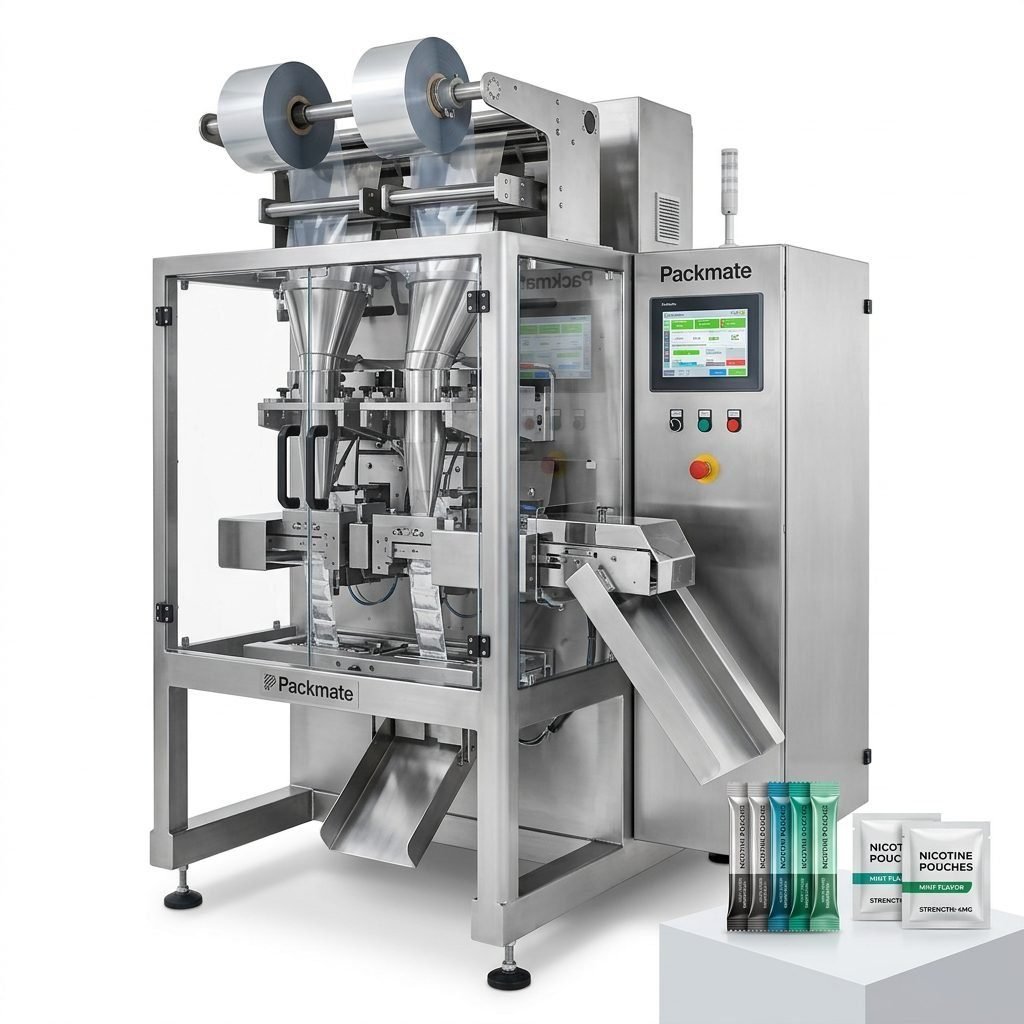
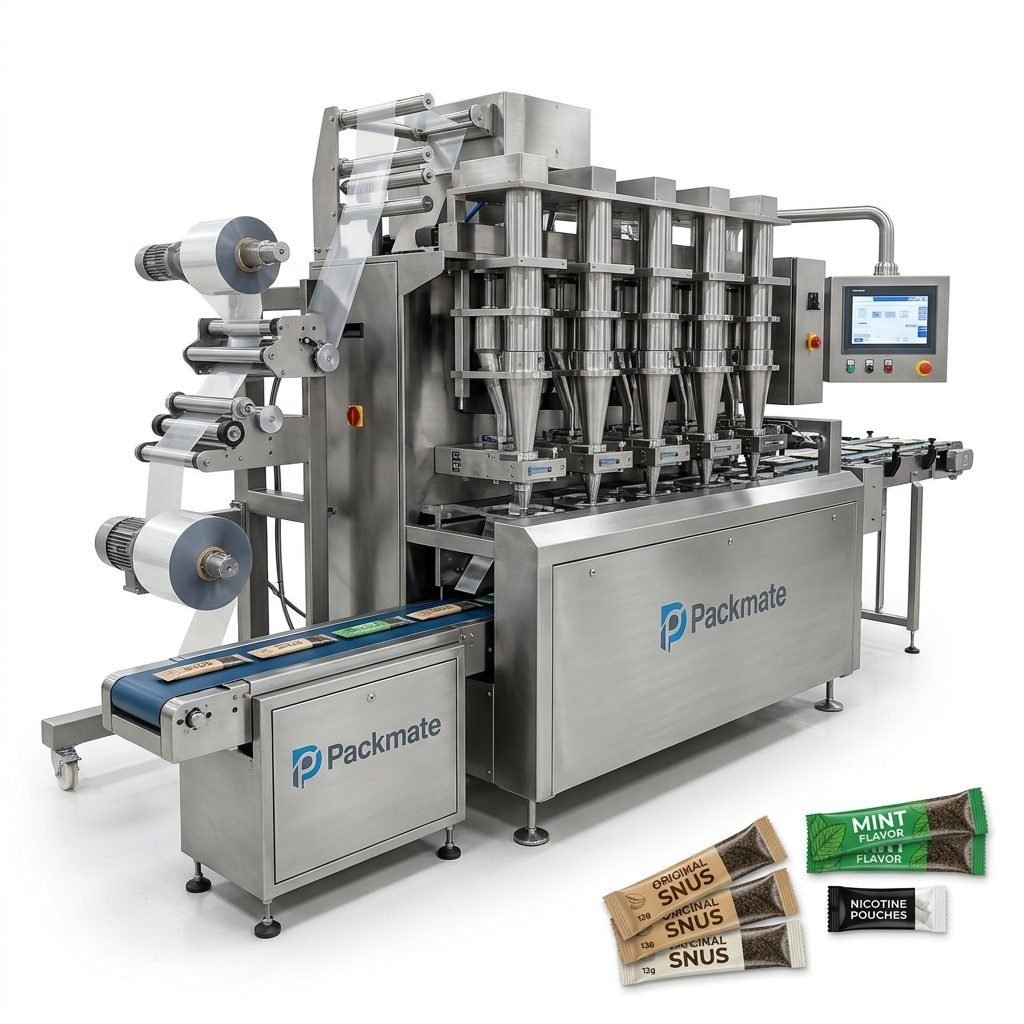
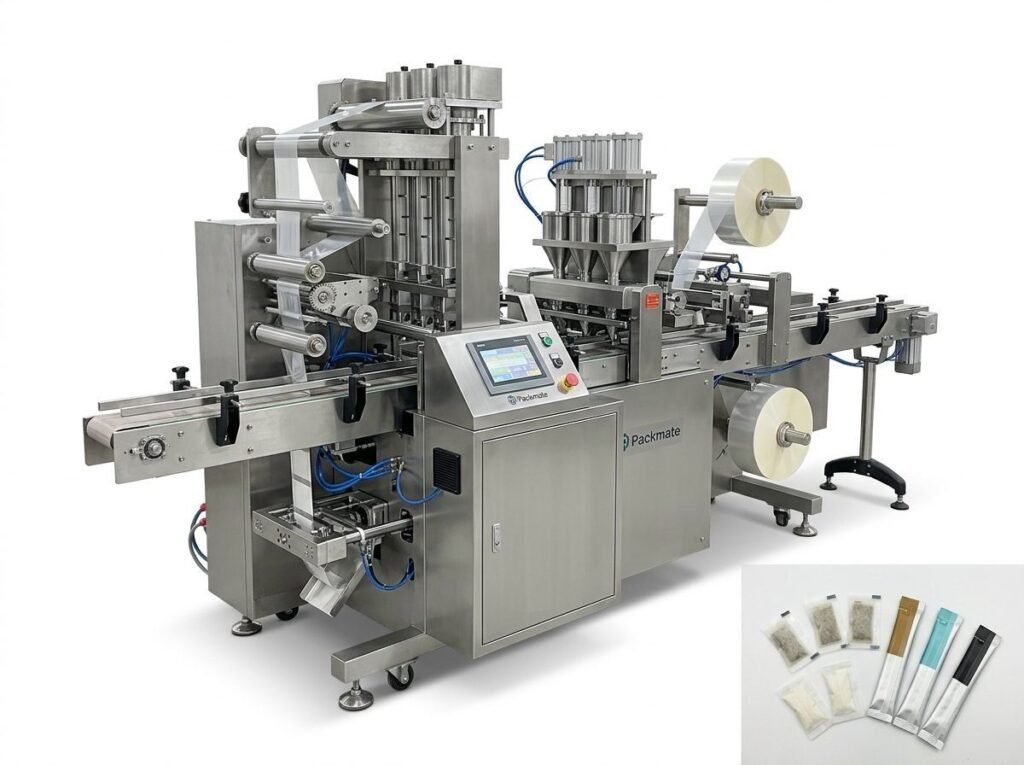
Estimate current and 3–5 year projected production volumes. Do you need a low-volume, high-flexibility line or a high-throughput multi-lane solution? Multi-lane machines are ideal for small-dose pouch production at scale; they increase throughput without multiplying floor space. For reference, Packmate offers both single-lane and multi-lane systems for snus and nicotine pouches which can be found under Snus & Nicotine Packaging Machines.
Key rule: choose a machine that meets your near-term demand comfortably and allows modular expansion. Investing in modular machines reduces downtime and spreads capital expenditure over phases.
✅ Essential Machine Types for Nicotine Packaging
Different packaging forms need different equipment. Here are the primary machine categories to consider:
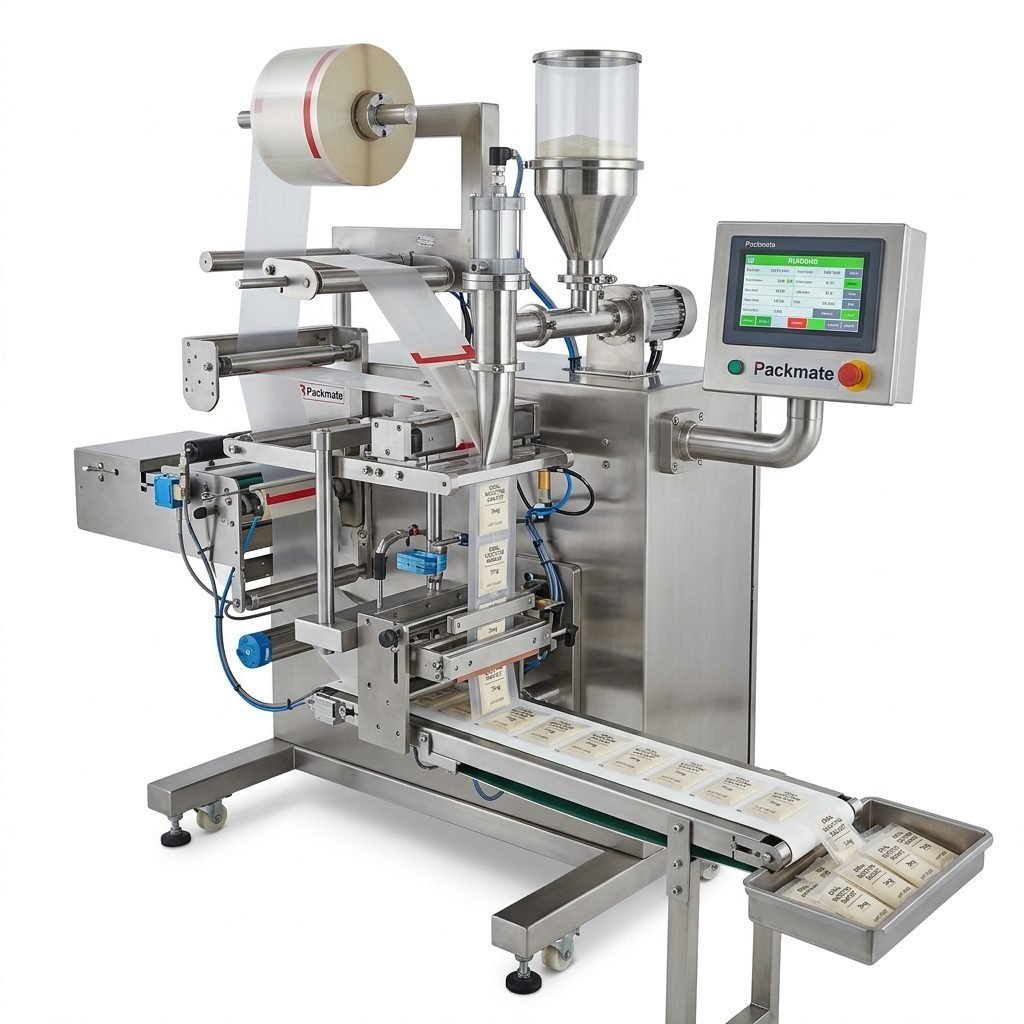
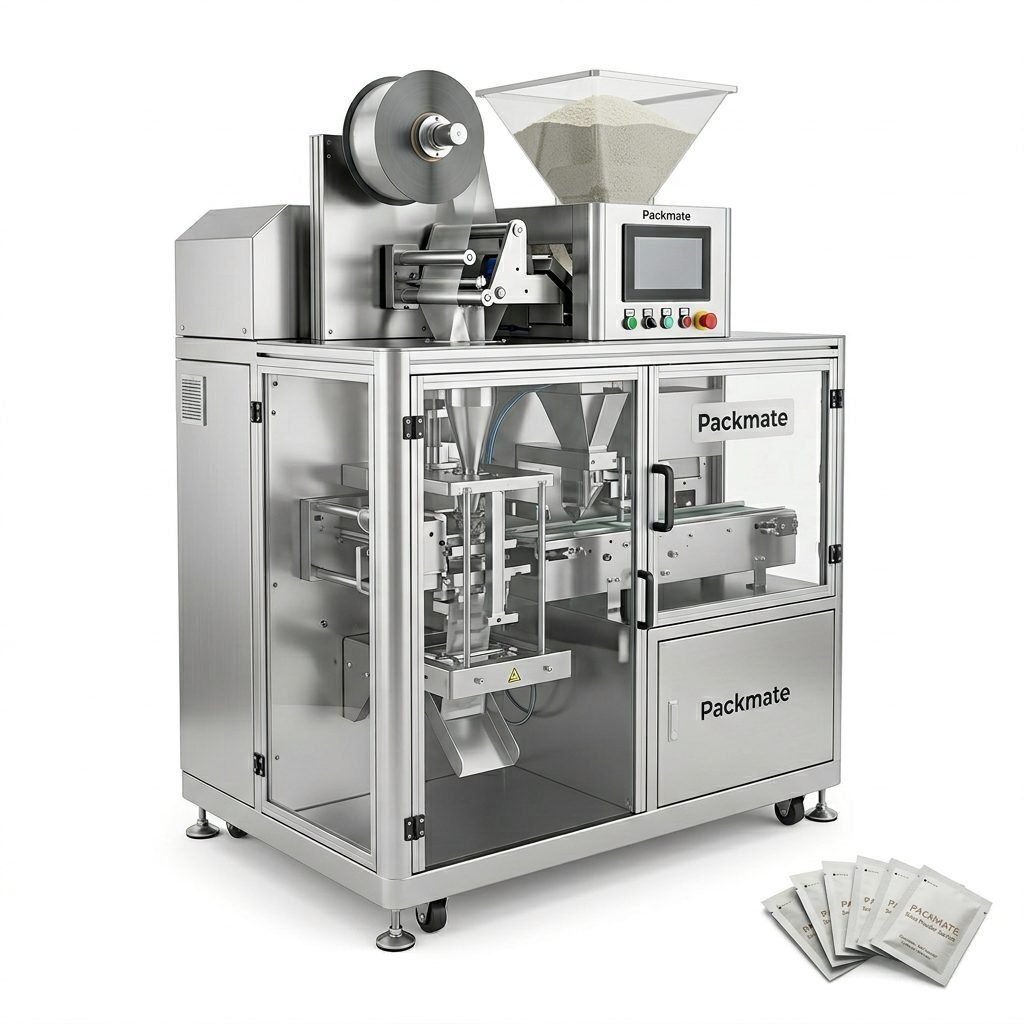
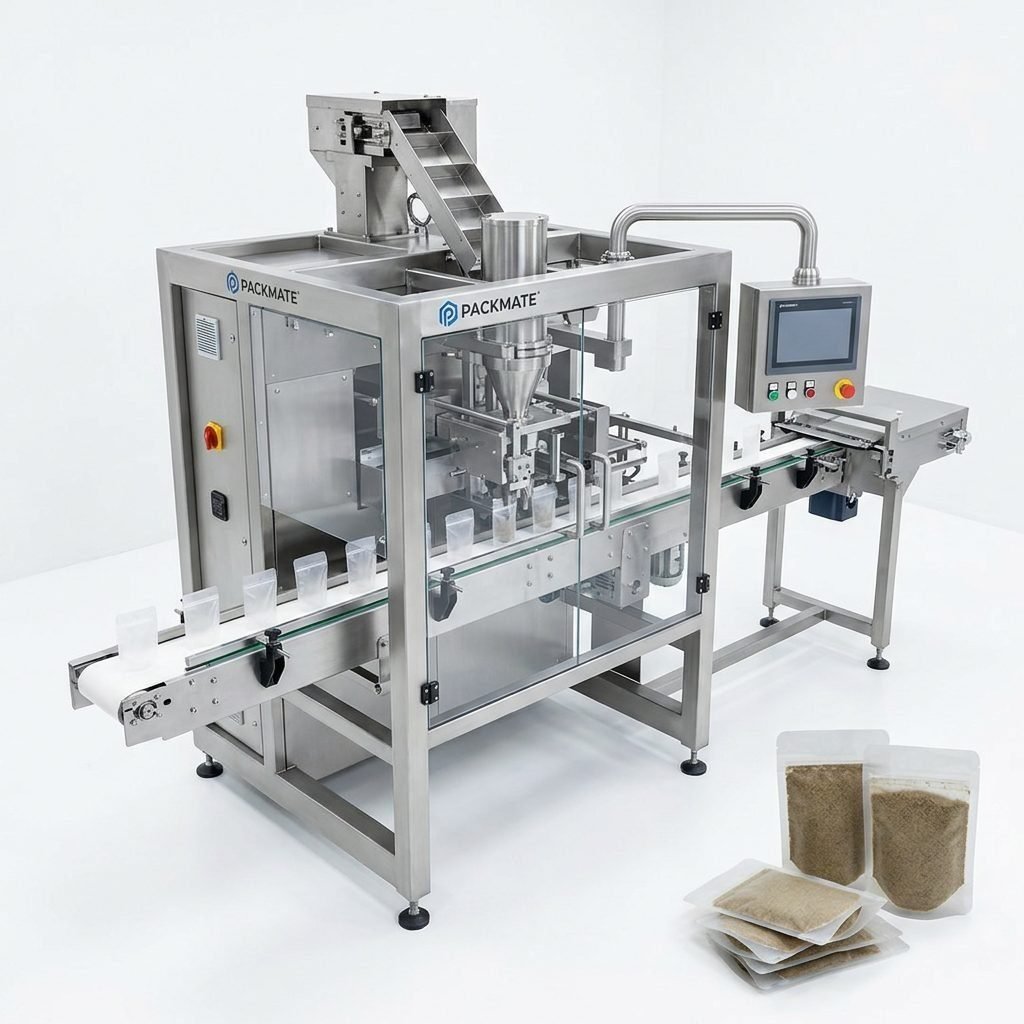
🔹 Stick pack and sachet machines: Ideal if you produce single-dose pouches or powder/tea blends. These machines offer precise dosing and high-speed sealing.
🔹 Snus / Nicotine pouch packing machines: Specifically engineered for small-dose nicotine pouches and snus with delicate handling and accurate fill control. See technical variants at Snus & Nicotine Packaging Machines.
🔹 Multi-lane systems: Multiply output while conserving floor area; suitable for manufacturers scaling from pilot to commercial volumes. Packmate’s multi-lane solutions have proven stability for small-dose pouch production.
🔹 Auxiliary equipment and weighing systems: Automatic weighers and feed systems are essential to keep consistent fill weight and reduce variability. Explore Weighing & Packaging Systems for integrated options.
💡 Performance Metrics: What to Compare
When comparing models, focus on measurable performance: throughput (pieces/min or pouches/min), filling accuracy (± tolerance), uptime statistics, and changeover time. Machines with servo controls and PLC automation typically offer better repeatability and faster recipe changes.
Consider these performance features as non-negotiable: precise fill control for nicotine doses, gentle material handling to protect pouch integrity, and stable sealing across various laminate structures. Machines with in-line quality checks such as weight checks, seal inspection, and reject systems help maintain consistent product quality.
Tip: request OEE (Overall Equipment Effectiveness) data or performance reports from the supplier. Real-world uptime is more important than theoretical speed.
🔧 Build Quality, Materials & Certifications
Check machine frame materials, contact surfaces, and finishing. Stainless steel contact parts (304/316) reduce contamination risks and are easier to clean. A robust mechanical design reduces maintenance and extends service intervals. All reputable nicotine packaging equipment should meet international certifications — Packmate machines comply with CE and ISO standards, which helps with legal compliance and buyer confidence.
🧩 Customization and Flexibility
Nicotine products evolve: new pouch sizes, alternative laminate structures, or packaging formats. Choose a supplier who offers modular designs and custom tooling. Customization examples include quick-change forming sets, different dosing technologies (volumetric, auger, multi-head weighers), and options for printing or labeling.
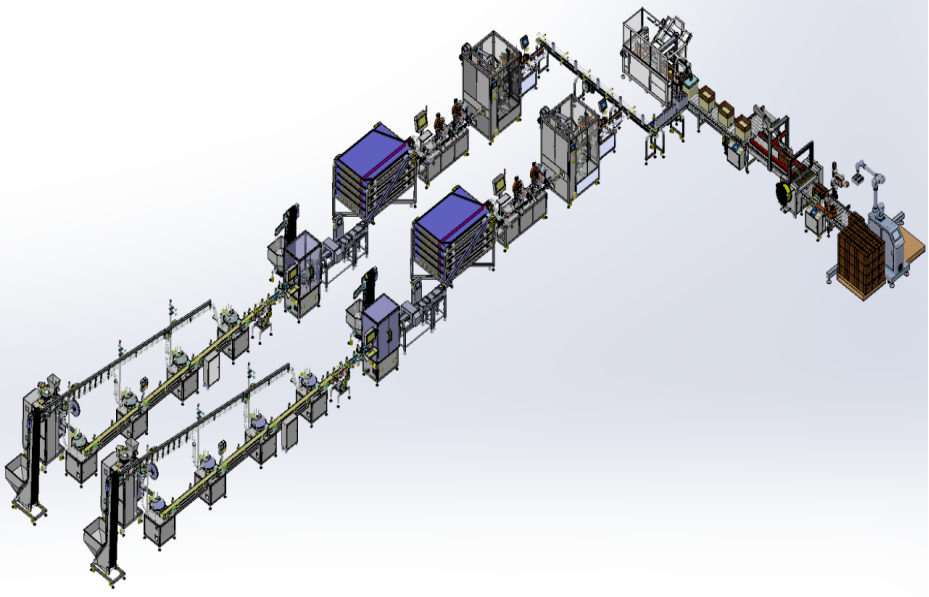
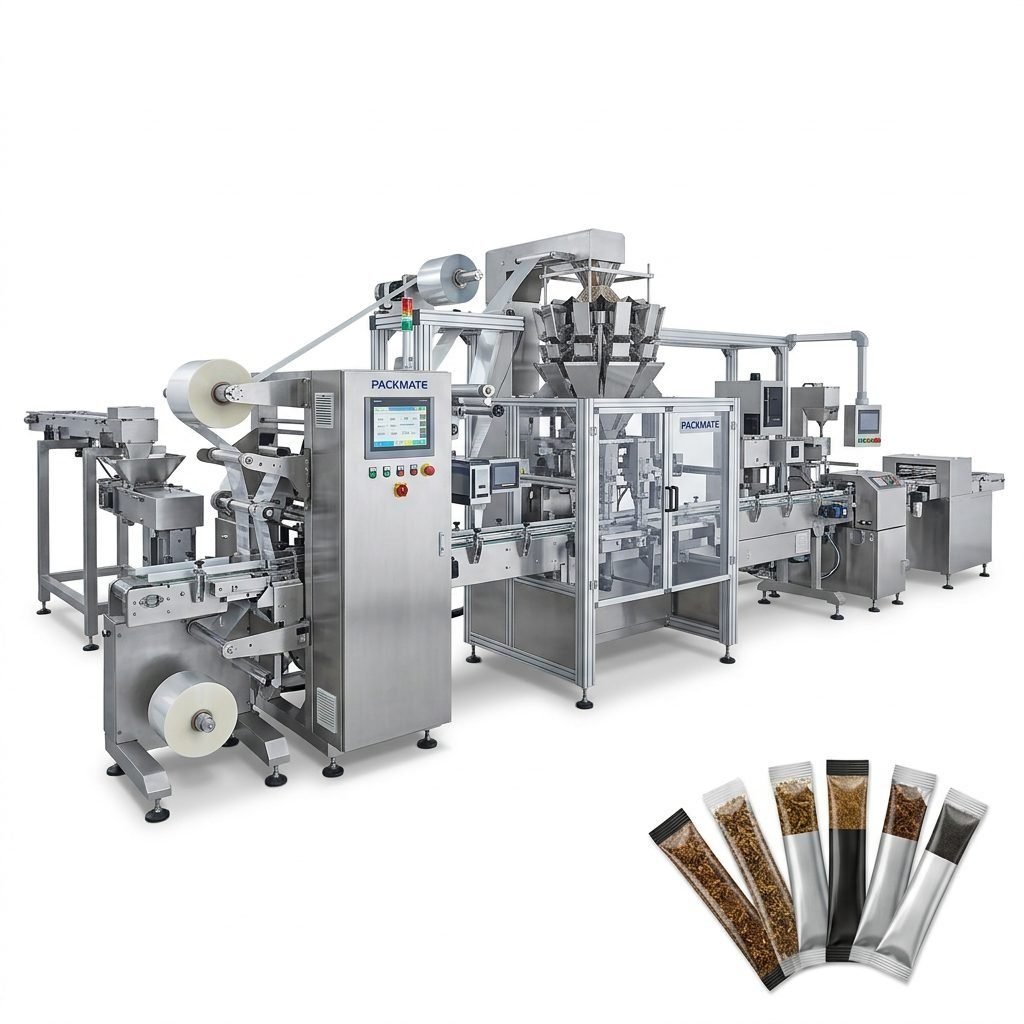
If you need integrated solutions — linking filling, sealing, cartoning, and secondary packaging — examine turnkey providers who can deliver synchronized lines and comprehensive testing. Packmate provides full production lines including filling & packaging lines which saves integration time and reduces compatibility issues.
⚙️ Automation, Controls & Operator Interface
Modern packaging machines should offer advanced HMI (Human-Machine Interface) panels, recipe management, and remote diagnostics. Look for PLC and servo controls for smooth motion and precise registration. Remote support capability is especially valuable if you’re operating in a location where field service visits are less frequent.
Important control features:
• Intuitive touch-screen HMI with multi-language support
• Recipe storage for fast changeovers
• Alarm logging and remote access for diagnostics
🔁 Maintenance, Spare Parts & Service
Evaluate the supplier’s local support, parts stocking strategy, and training services. Machines are only as good as the support behind them: prompt spare parts supply and remote troubleshooting reduce downtime. Ask for a spare parts list and expected lead times.
Reminder: request onsite commissioning and operator training included in the purchase agreement. Proper training reduces operator error and extends machine life.
💰 Total Cost of Ownership (TCO) — Beyond the Purchase Price
Compare bids not just on purchase price but on TCO: energy consumption, wear parts, average downtime, service agreements, and consumables cost. Machines with better efficiency and longer-lasting components often cost less over 3–5 years even if the initial investment is higher.
Ask suppliers for published consumable costs, typical weekly maintenance routines, and recommended spare parts kits. These details help build a realistic operating budget.
📦 Packaging Materials Compatibility
Check which film laminates, foils, and paper materials the machine can handle. Material compatibility affects sealing parameters, pouch integrity, and shelf life. Machines that accommodate a wider range of materials give you flexibility to optimize cost and barrier properties.
📑 Factory Acceptance Test (FAT) & Performance Trials
Insist on a Factory Acceptance Test or witnessed trials. FAT demonstrates that the machine performs to agreed specifications using your materials if possible. Successful FAT reduces surprises during installation and shortens commissioning.
If the supplier offers case studies or references (for example, international installations visible in their Case section), review them to learn about long-term performance and real-life support experiences.
📞 Supplier Selection: Questions to Ask
When vetting suppliers, ask:
✔ What is the machine’s guaranteed throughput and filling accuracy?
✔ What certifications does the machinery carry (CE, ISO)? See Certificate for details.
✔ What is included in standard warranty and what are service response times in my region?
✔ Can you provide references from similar nicotine or snus packaging installations?
✔ Are spare parts kits and recommended stock lists provided?
🔗 Integration with Existing Lines
If you already have upstream or downstream equipment, verify electrical interfaces, pneumatic requirements, and software compatibility. Suppliers experienced in turnkey projects can reduce integration time — vendors with an established portfolio of filling & packaging lines and auxiliary equipment make this process smoother.
📝 Practical Checklist Before Purchase
✅ Define product specs and future roadmap
✅ Verify material compatibility and testing samples
✅ Request FAT and on-site commissioning
✅ Confirm spare parts availability and service terms
✅ Compare TCO, not just headline price
🔎 Why Choose an Experienced Manufacturer?
Experienced manufacturers understand material behaviors, dosing challenges, and regulatory nuances. A vendor like Packmate with decades of machine-building history can offer proven multi-lane systems, tailored engineering, and global support. Check their About Packmate and exhibition records to assess credibility and global footprint.
📈 Case Studies & Client Success
Review real-world installations to learn how different configurations perform under production conditions. Case studies reveal how suppliers solved layout constraints, sanitation challenges, and material changeover issues. Packmate’s Case page highlights examples of global turnkey solutions that can inform your selection criteria.
📬 Next Steps: From Quotation to Commissioning
After shortlisting suppliers, request detailed proposals with technical specifications, electrical/pneumatic requirements, installation scopes, and warranty terms. Plan for a clear timeline that includes FAT, shipping, customs clearance, installation, and operator training. If you need direct assistance or a site visit, reach out via Contact Us to arrange meetings and technical clarifications.
Final reminder: prioritize reliability, support, and compliance when selecting nicotine packaging machinery. A well-chosen machine reduces downtime, ensures dose accuracy, and protects your brand.
Useful Resources & Links
For model exploration and detailed product lines visit: Snus & Nicotine Packaging Machines, or review format options at Sachet & Stick Pack Machines. See real-world deployments in Case and get direct support via Contact Us.
Frequently Asked Questions
Q1: What machine type is best for small-dose nicotine pouches?
A1: Specialized snus/nicotine pouch packing machines or multi-lane pouch machines are ideal because they combine gentle handling with precise dosing and high throughput.
Q2: How important is a Factory Acceptance Test (FAT)?
A2: FAT is crucial — it verifies performance on agreed specifications and reduces commissioning surprises. Insist on witnessed FAT and sample runs.
Q3: Should I buy a fully automated line or assemble machines from multiple vendors?
A3: Turnkey suppliers reduce integration risk and save time, but best-of-breed components from multiple vendors can be combined if you have strong engineering resources. Balance integration complexity against supplier experience.
Q4: What after-sales services matter most for operations in Palestine?
A4: Fast spare parts delivery, remote diagnostics, commissioning, and operator training are essential. Confirm regional support options and spare parts lead times before purchase.
Q5: Where can I view product catalogs and certifications?
A5: Suppliers typically publish catalogs, certificates, and machine datasheets online — check the Catalog and Certificate pages for technical data and compliance documents.