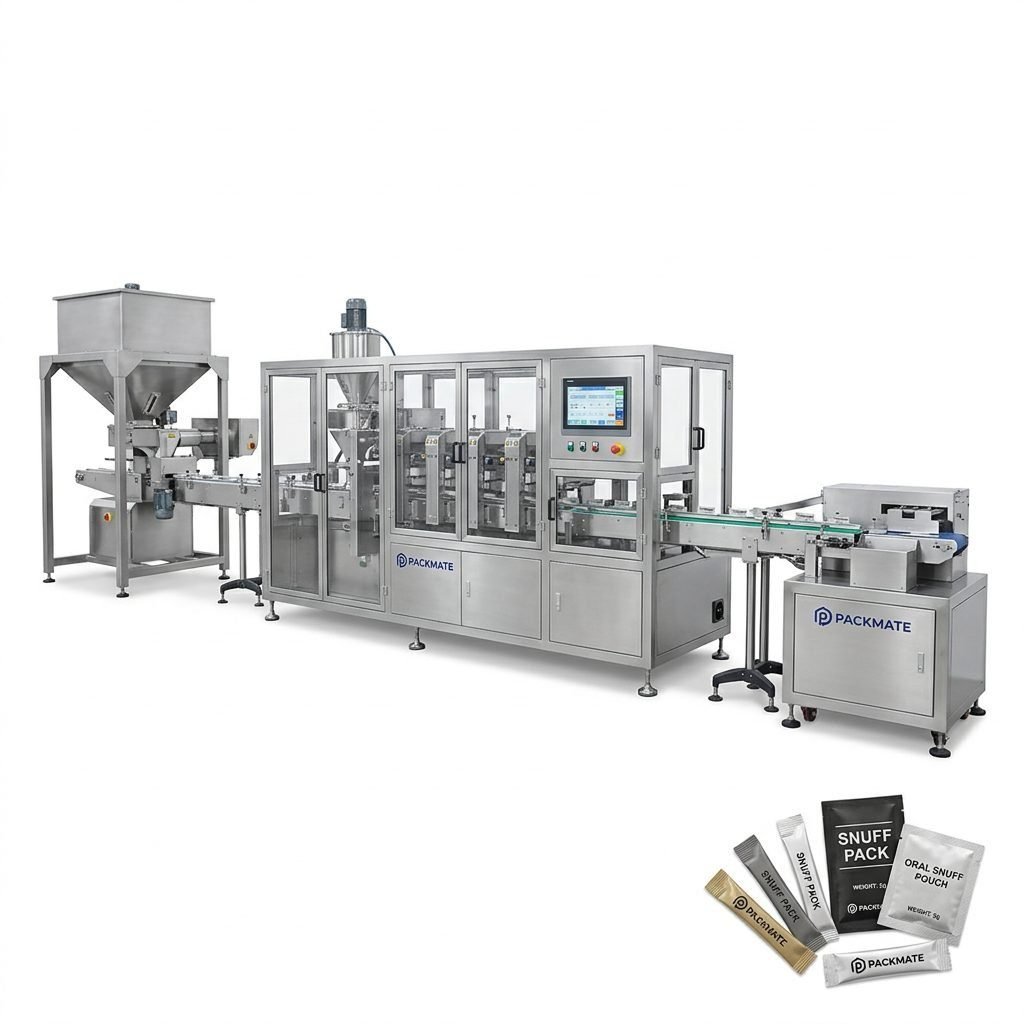
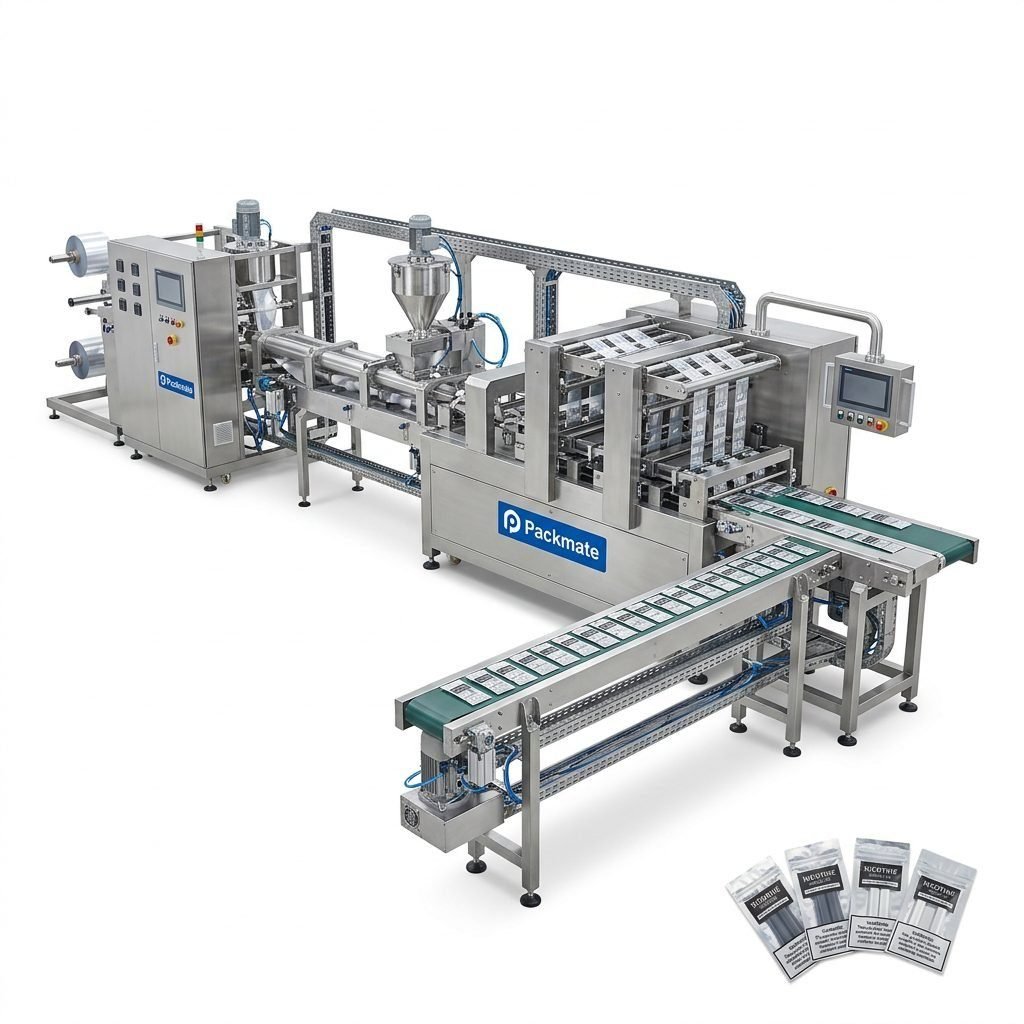
Choosing the right snus packaging machine is a pivotal decision for producers in Guyana looking to scale production, ensure regulatory compliance, and protect product quality. This guide walks local manufacturers through the most important technical, operational, and commercial considerations so you can select a machine that matches output targets, product formats, and long-term business goals.
Why the right machine matters for Guyanese producers
In a market where shelf life, consistent dosing, and packaging integrity are critical, the packaging machine determines both product quality and cost-efficiency. A well-chosen system reduces waste, minimizes downtime, and speeds up product launches. For small- to mid-scale snus manufacturers in Guyana, the machine must balance price, reliability, and adaptability to local supply chains and labor skills.
Know your product and market first
Start by defining product specs: pouch size, dosing (mg), moisture sensitivity, and whether you will offer single sachets, multi-pouches, or stick packs. Also confirm regulatory requirements for nicotine products in Guyana and export target markets — these affect labeling, sealing, and traceability features.
Machine types to consider
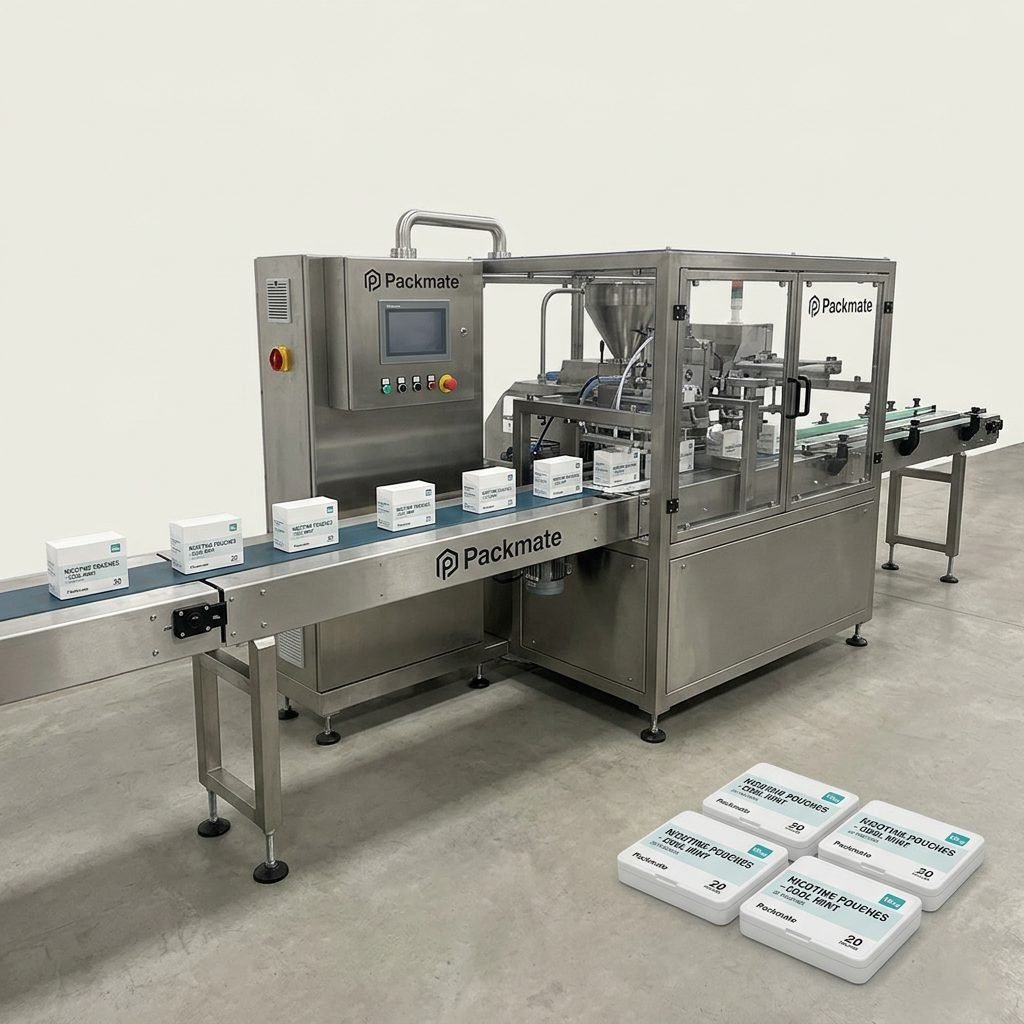
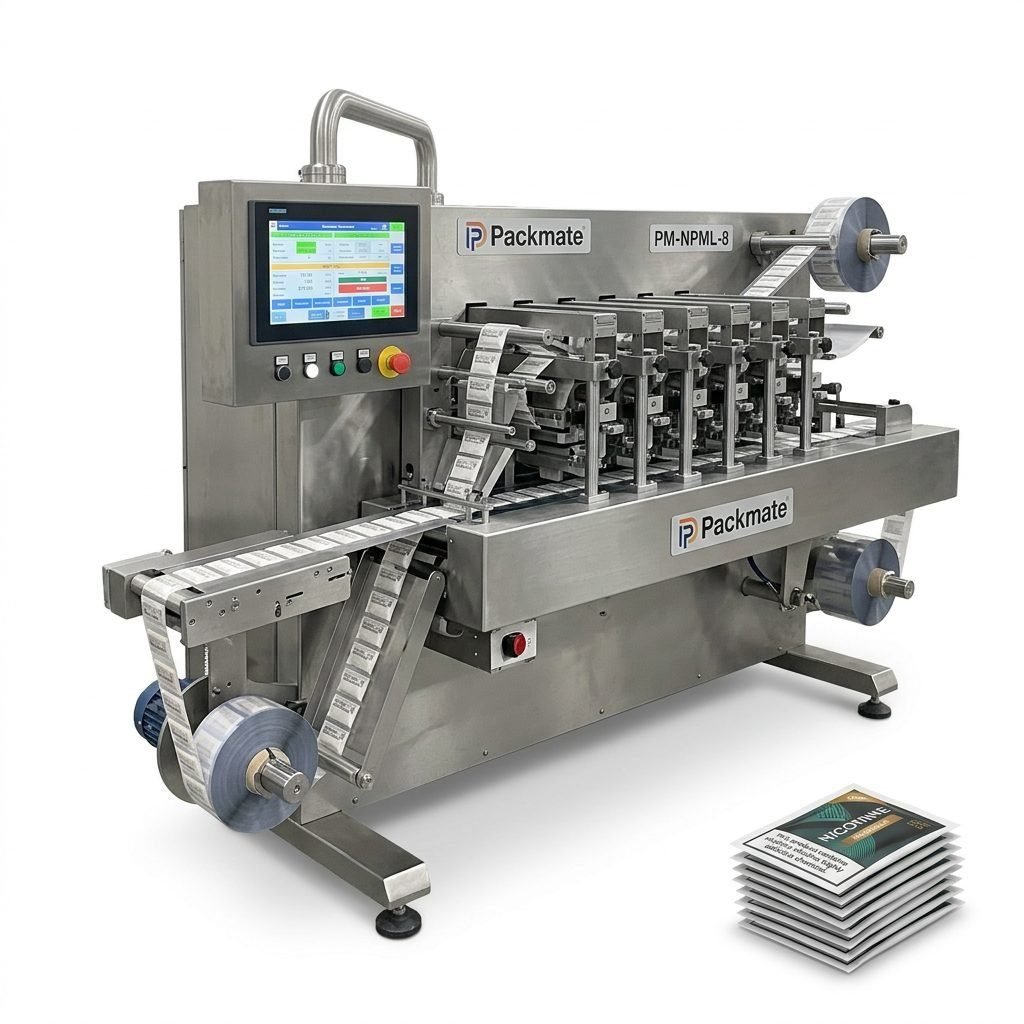
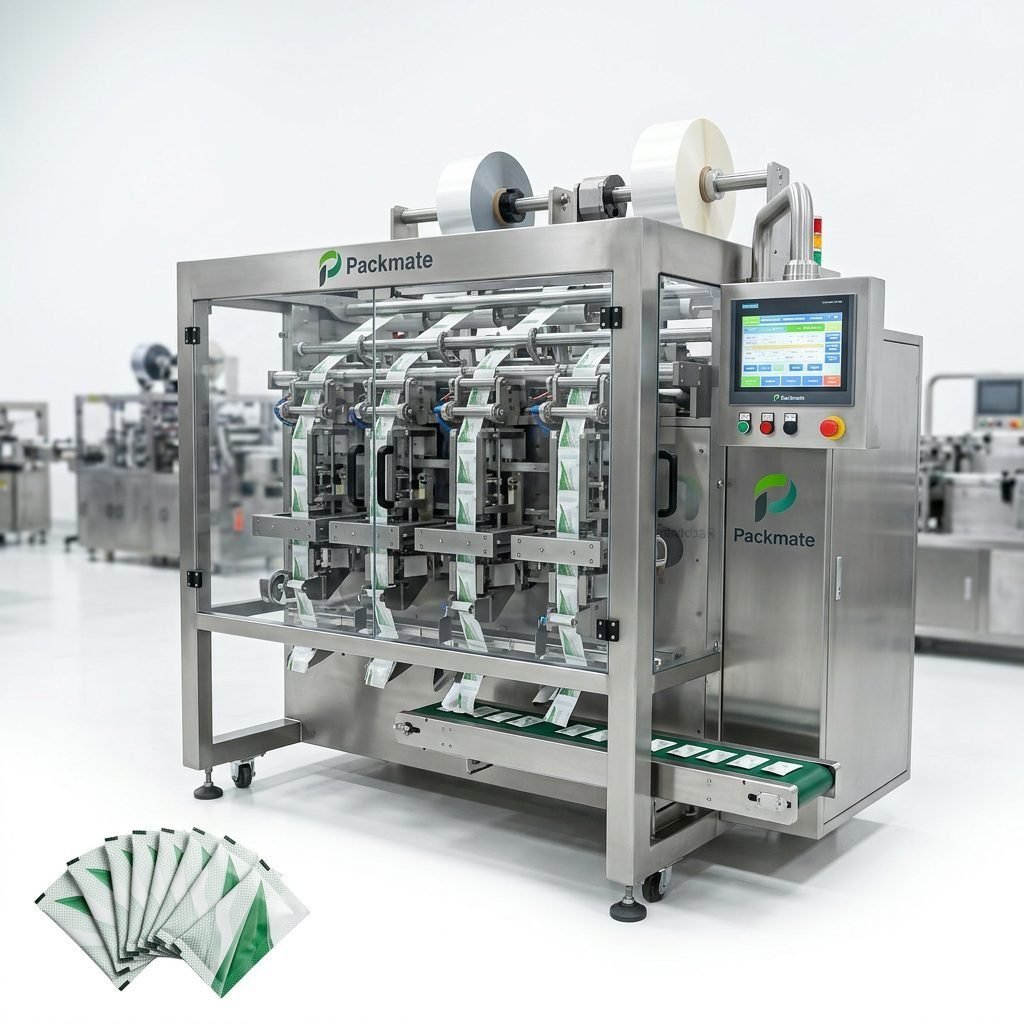
🔹 Multi-lane snus pouch machines — High throughput for small-dose pouches across multiple lanes. Ideal if you plan to scale quickly or run several SKUs in parallel.
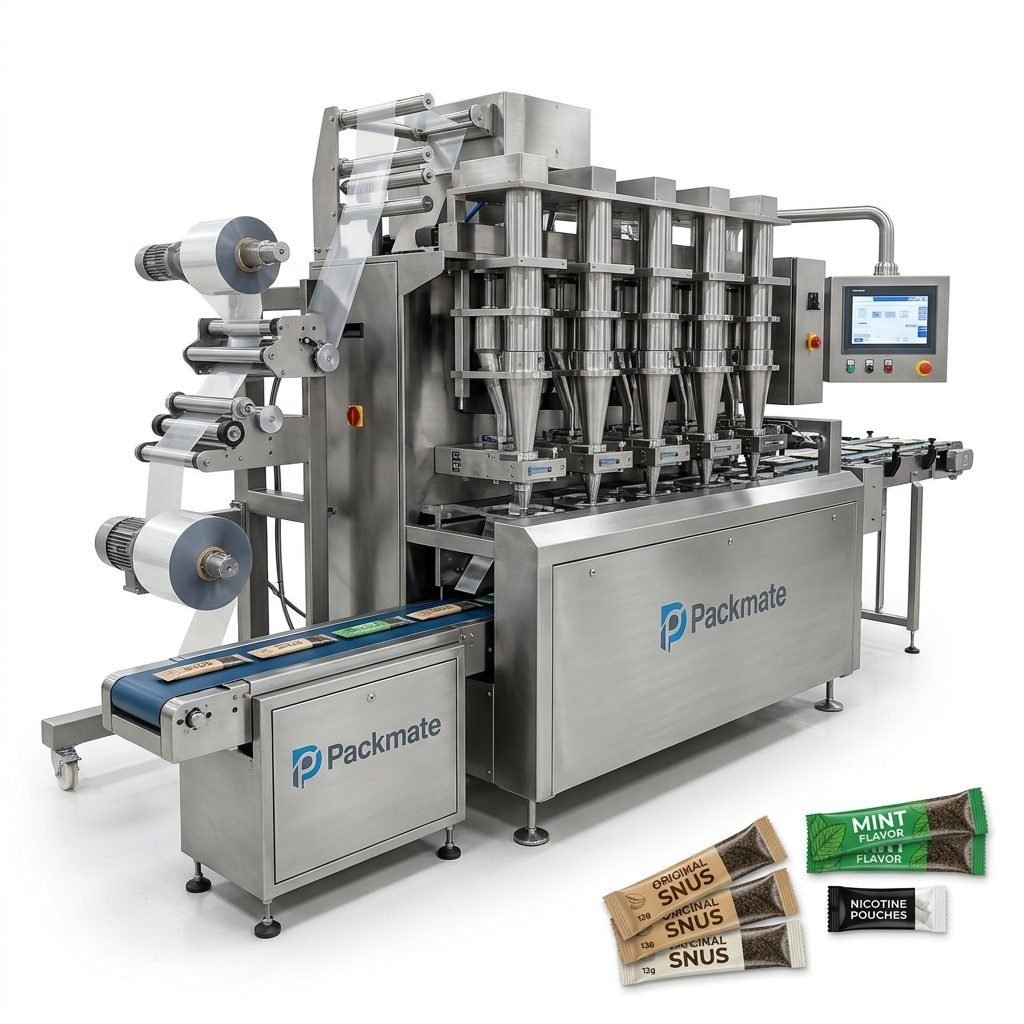
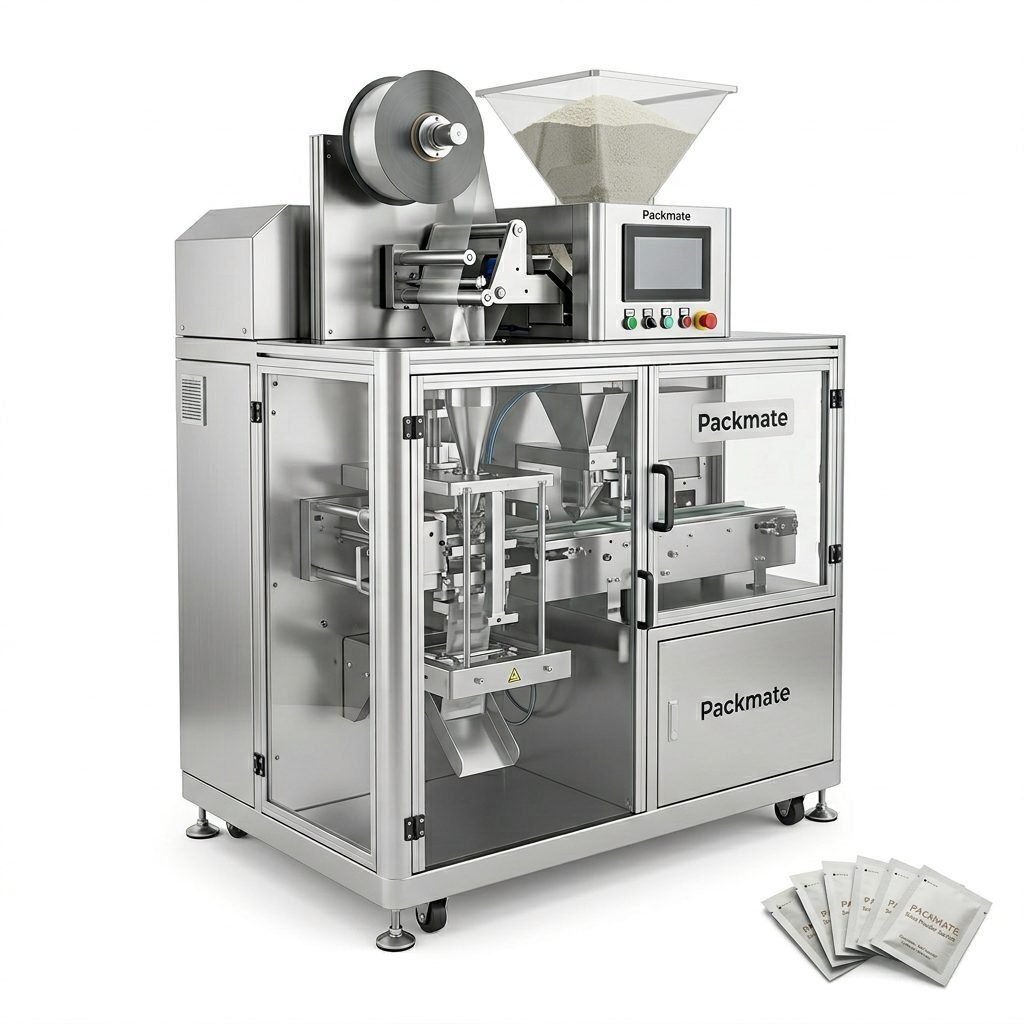
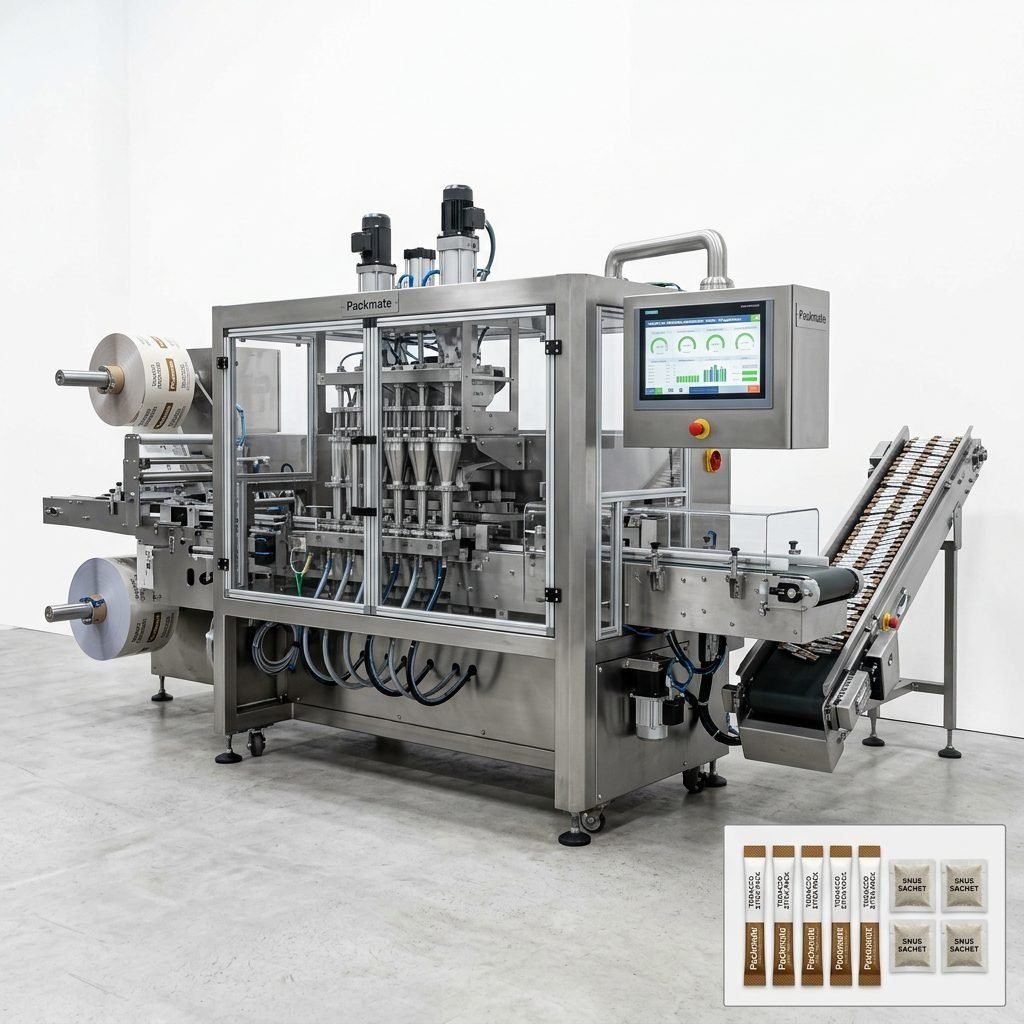
🔹 Sachet & stick pack machines — Best for simple, low-cost single-portion packaging. Good for test markets or limited-run flavors.
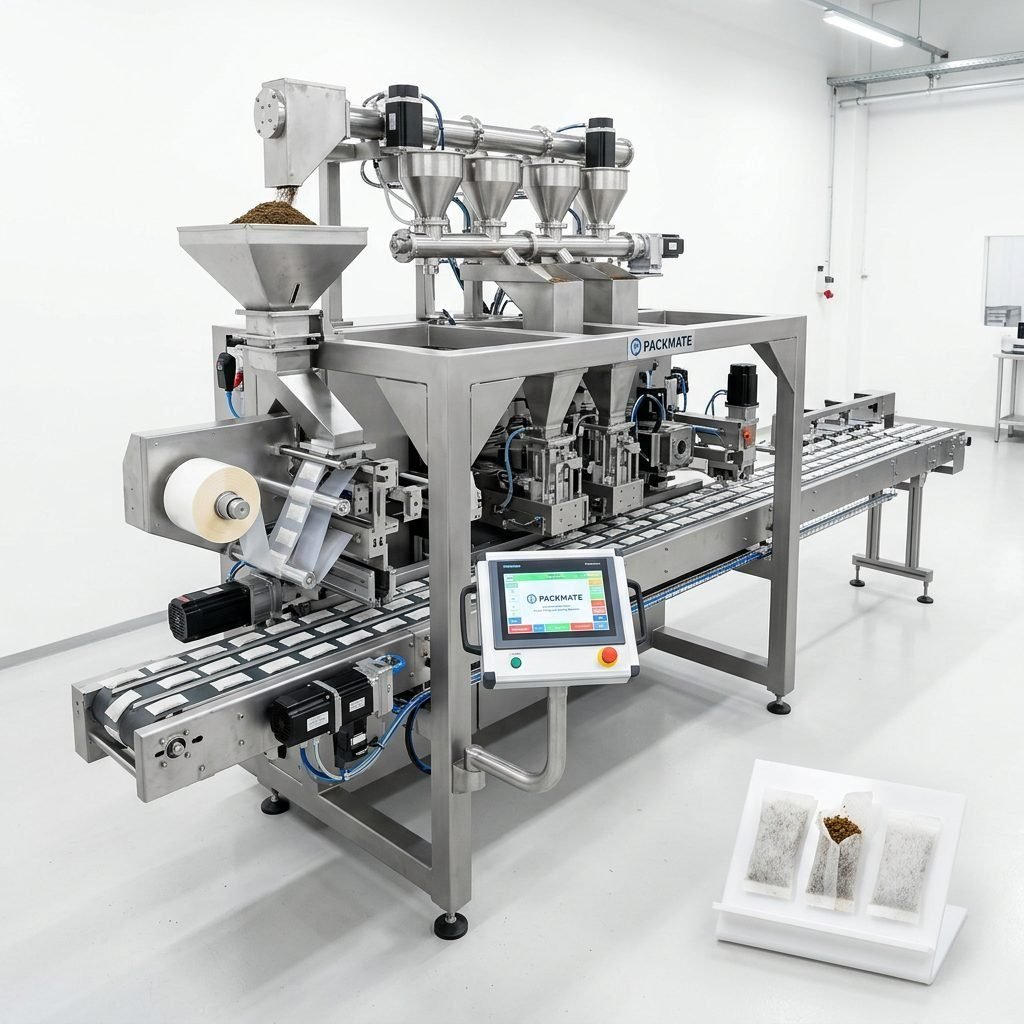
🔹 Pouch/bag packaging systems — Flexible for different bag types and secondary packaging lines if you need reclosable or display-ready formats.
When to choose which
If your focus is rapid volume growth, multi-lane snus machines are often the best investment. For lower volumes or pilot SKUs, a reliable stick/sachet machine minimizes capital outlay and complexity.
Technical specifications that impact performance
Selecting a machine requires careful review of core specs: speed (packs/min per lane), number of lanes, dosing accuracy, sealing quality, and material compatibility. Look beyond nominal speed — consider net output after changeovers and maintenance.
⚙️ Dosing & accuracy: For nicotine pouches tolerance is crucial. Aim for machines with precision filling systems and repeatability under ±2–3%.
⚙️ Sealing & barrier performance: Heat-seal and laminates must deliver oxygen and moisture resistance to guarantee shelf life.
⚙️ HMI and controls: Intuitive touchscreens, recipe management, and remote diagnostics reduce operator training time and speed changeovers.
Materials, spare parts and consumables
Verify the machine supports the film, laminate, and pouch materials you plan to use, and ensure spare parts are available regionally or via fast shipping. Suppliers with documented global support and parts catalogs can minimize downtime — check the manufacturer’s service page such as Service options.
Production uptime, maintenance and local skills
In Guyana, logistical lead times and skilled technicians may be limited. Choose machines designed for easy maintenance, with modular parts and accessible components. Consider suppliers offering installation, commissioning, and local training to shorten the learning curve.
✅ Spare parts packages: Have a starter kit of critical parts on site (seals, belts, sensors).
✅ Training & remote support: Look for remote diagnostics and local technician training as part of the purchase.
Certifications, compliance and supplier credibility
Choose manufacturers with recognized certifications (CE, ISO) and proven global deployments. A supplier profile that lists factory size, production capability, and case studies indicates reliability — for example, Packmate’s factory and global cases demonstrate scale and experience. You can learn more about the company’s background at About Packmate and review real-world implementations under Case.
Warranty and after-sales
Confirm warranty scope, response time guarantees, and availability of regional service partners. A clear spare-parts and service agreement reduces the long-term cost of ownership and protects production schedules.
Budgeting, ROI and total cost of ownership
Beyond purchase price, calculate installation, training, spare parts, consumables, utilities, and downtime risks. High-efficiency multi-lane machines can deliver faster payback at scale; however, for niche flavors or small volumes, a lower-cost sachet machine may be more appropriate.
💡 Tip: Build an ROI model that includes realistic uptime (70–85% for new lines) and seasonal demand fluctuations.
Practical buying checklist for Guyanese producers
Use this checklist when evaluating proposals:
🔎 Throughput & lanes: Can the equipment meet your daily/weekly volume targets with planned shifts?
🔎 Dosing accuracy & validation: Are dosing systems validated and repeatable under production conditions?
🔎 Material compatibility: Does the machine support your selected films, laminates, or pouches?
🔎 Local support & spares: Are spare parts and technical support available with acceptable lead times?
🔎 References & certifications: Ask for similar installations and review certificates such as CE/ISO.
How to evaluate supplier proposals
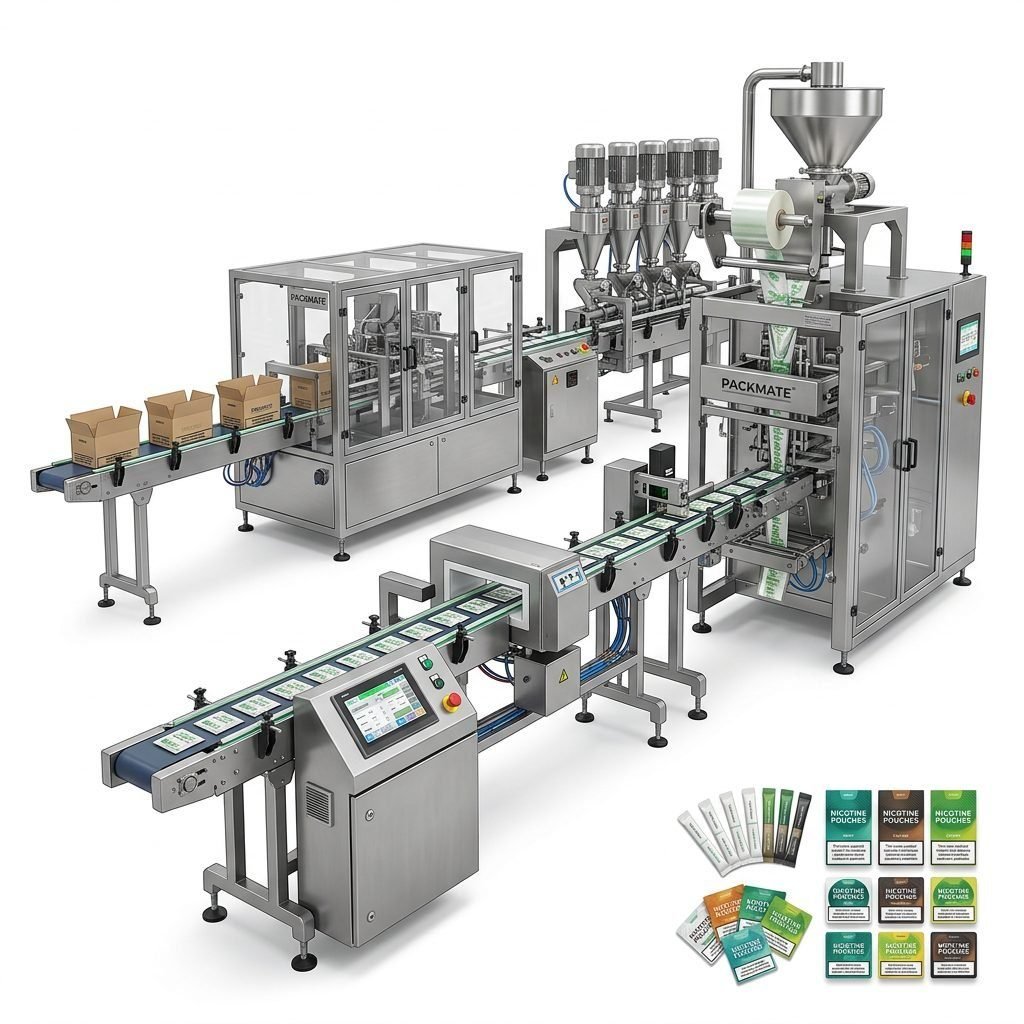
Request detailed specifications, a breakdown of included services (installation, training, spares), a timeline from order to commissioning, and performance guarantees. Ask for video demos or live machine trials if travel is constrained. If you need integrated solutions, consider vendors that provide end-to-end filling and packaging lines: Filling & Packaging Lines.
Final considerations before ordering
Confirm site power, compressed air, floor loading, and utility requirements. Plan for training and document a spare parts stocking policy. If export is part of your plan, verify the machine’s documentation supports customs and regulatory review.
Supplier example & next step
Suppliers with extensive experience, factory capabilities, and a wide product range can speed procurement and reduce risk. If you want to review specific machine models, explore Packmate’s product ranges such as their Bag & Pouch Packaging Machines and related systems.
Summary
Selecting the best snus packaging machine for Guyana requires balancing throughput, precision, material compatibility, and serviceability. Evaluate machine type against your volumes, prioritize dosing accuracy and sealing quality, and choose a supplier with proven experience and reliable after-sales support. Careful planning around installation, spare parts, and operator training will protect uptime and ensure a faster return on investment.
Common Questions
Q: How do I decide between a single-lane sachet machine and a multi-lane pouch machine?
A: Base the decision on projected volumes, SKU count, and budget. Multi-lane systems cost more upfront but offer higher throughput and better long-term unit cost at scale.
Q: What spare parts should I stock locally in Guyana?
A: Keep critical consumables and wear parts on hand: sealing elements, belts, sensors, and a set of replacement nozzles or filling components. Your supplier can recommend a starter kit.
Q: How long does installation and commissioning typically take?
A: Smaller machines may be installed in days, while integrated multi-lane lines often require several weeks for full commissioning, validation, and staff training.
Q: Can I get remote support and diagnostics for complex machines?
A: Many modern suppliers provide remote diagnostics via the HMI and secure connections. Confirm remote-service availability and response SLAs before purchase.
Q: Where can I find trusted suppliers and more product details?
A: Start by reviewing manufacturers with documented experience in snus and nicotine packaging, their product catalogs, certifications, and case studies. For more information on Packmate’s offerings and certifications, visit their product pages and Contact Us.