Choosing the right nicotine packaging machine for production in Iraq requires more than a basic comparison of price tags. You need to evaluate production capacity, compliance with local and international regulations, integration with existing lines, and after-sales service in the Middle East. This guide walks you through every critical factor so you can select a reliable, efficient, and compliant solution that suits your business goals.
🔍 Why the right nicotine packaging machine matters in Iraq
The nicotine pouch market is growing rapidly across global markets, and Iraq is no exception. A well-chosen packaging machine does more than seal pouches — it optimizes production flow, reduces waste, helps you meet quality standards, and protects your product integrity. For nicotine and snus products, precision filling and gentle handling are essential to maintain product consistency and brand trust.
⚙️ Key production goals to define first
Before comparing brands and models, list your production targets. These typically include:
• Daily output (units per hour/day)
• Packaging format (single-lane vs multi-lane; sachet, stick pack, or pouch)
• Fill material characteristics (powder, granule, moist snus/pouch)
• Desired automation level (manual feeding to fully automatic turnkey line)
• Budget and expected ROI horizon
📦 Primary machine types for nicotine/snус packaging
Understanding machine categories helps narrow down options quickly:
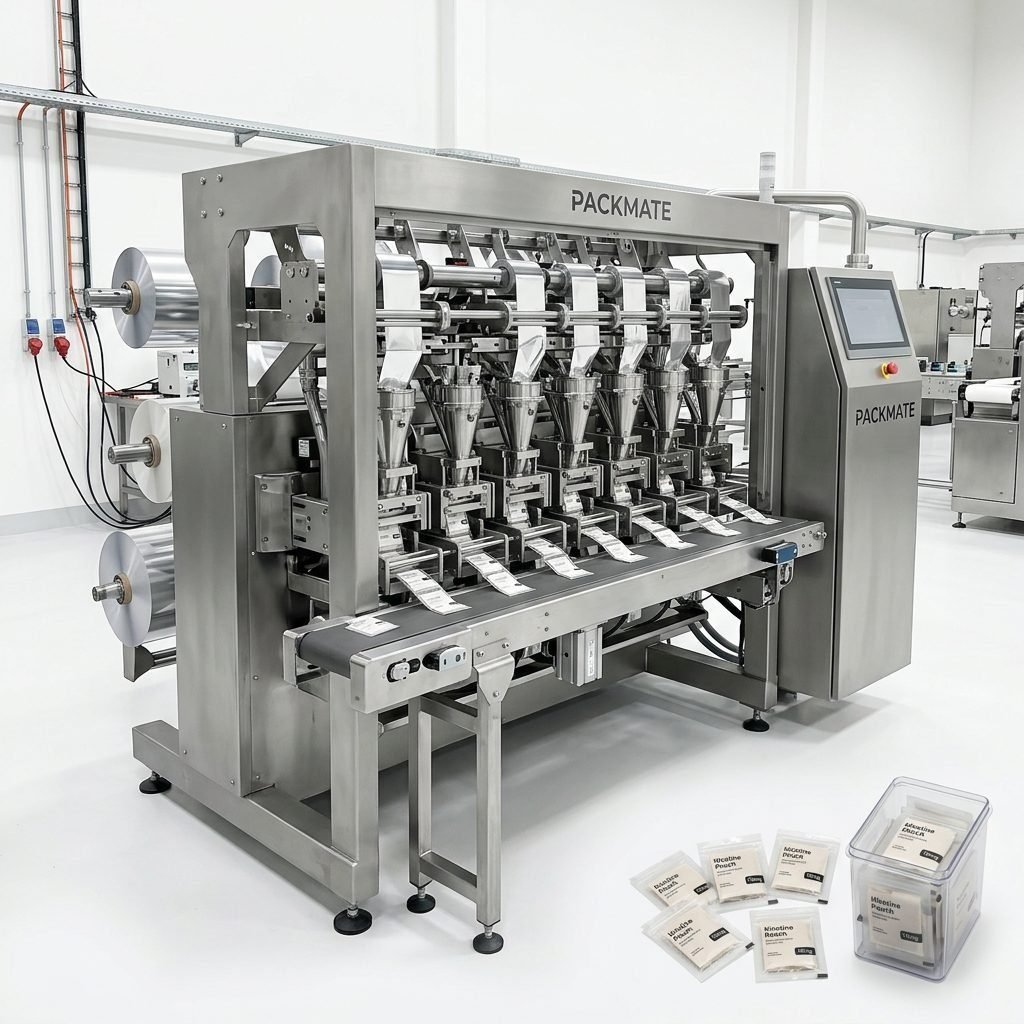
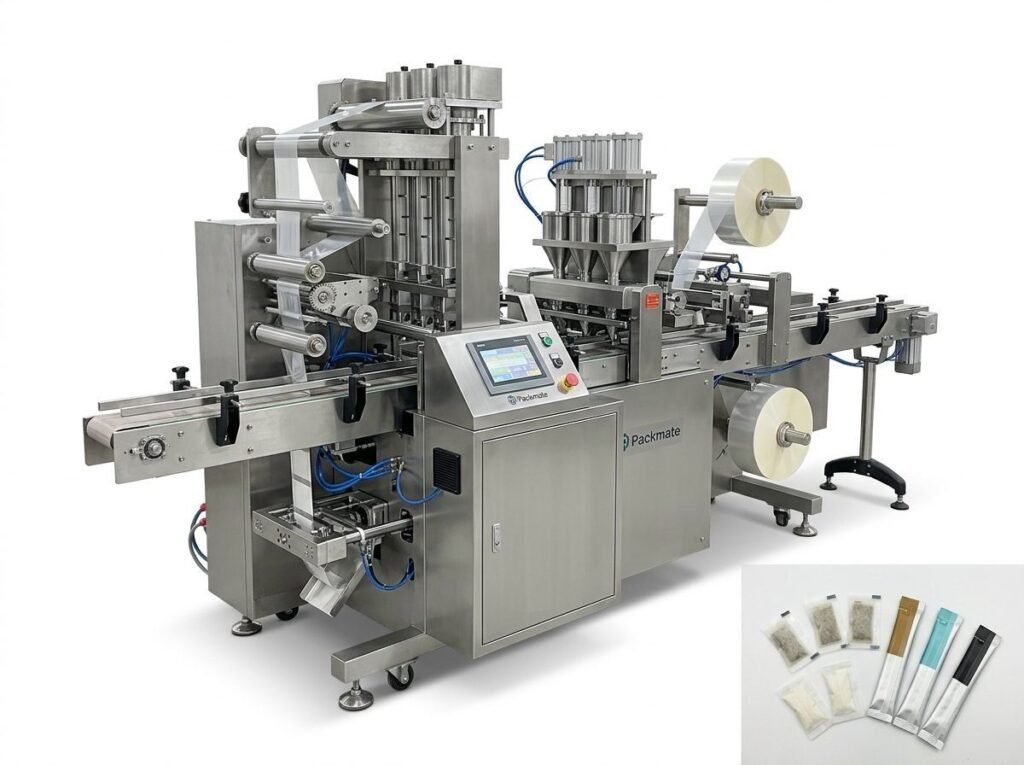
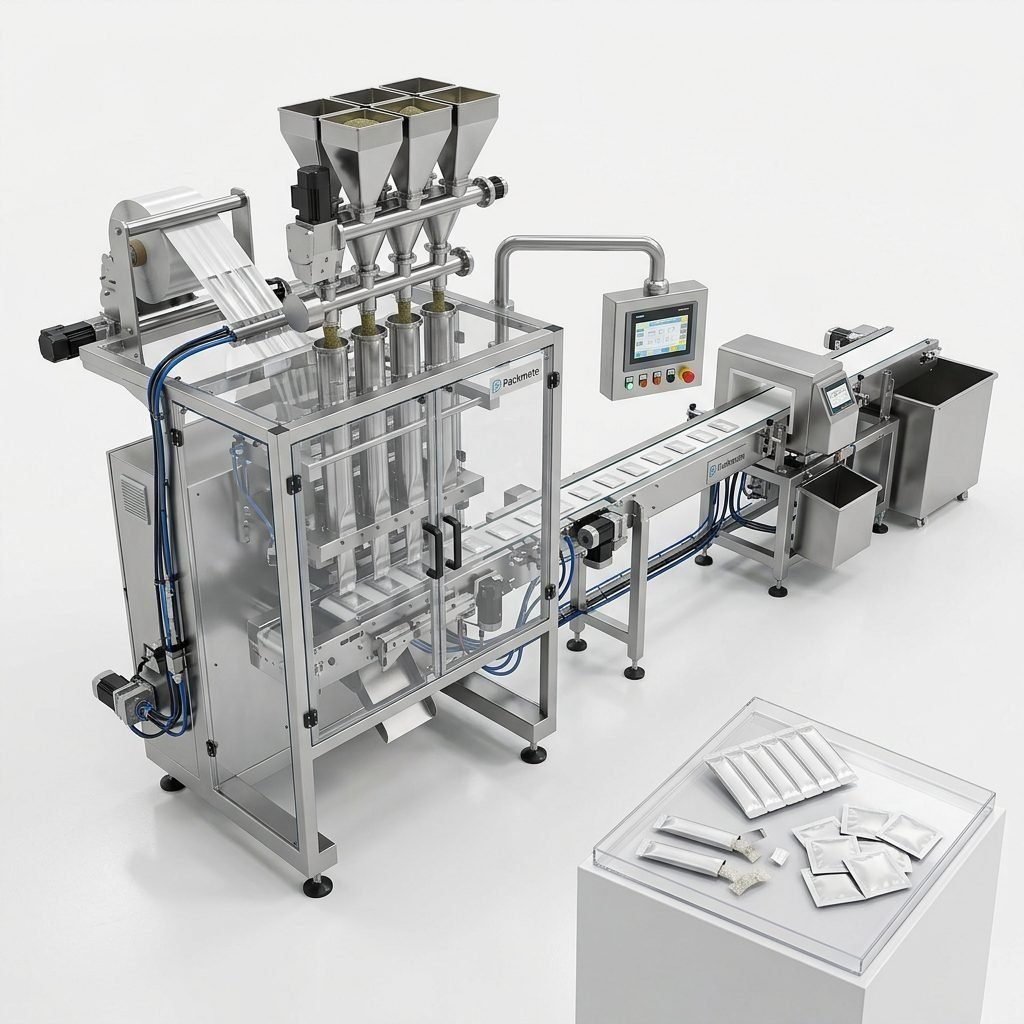
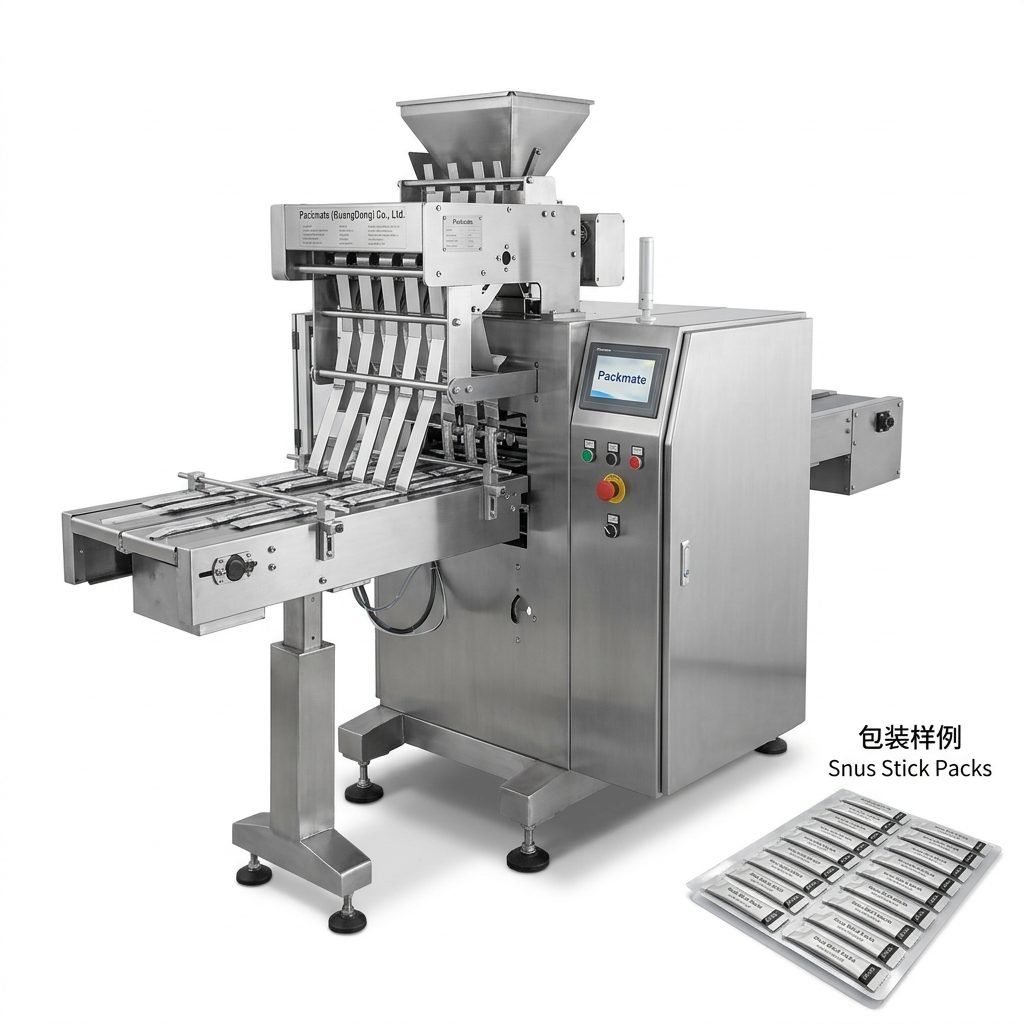
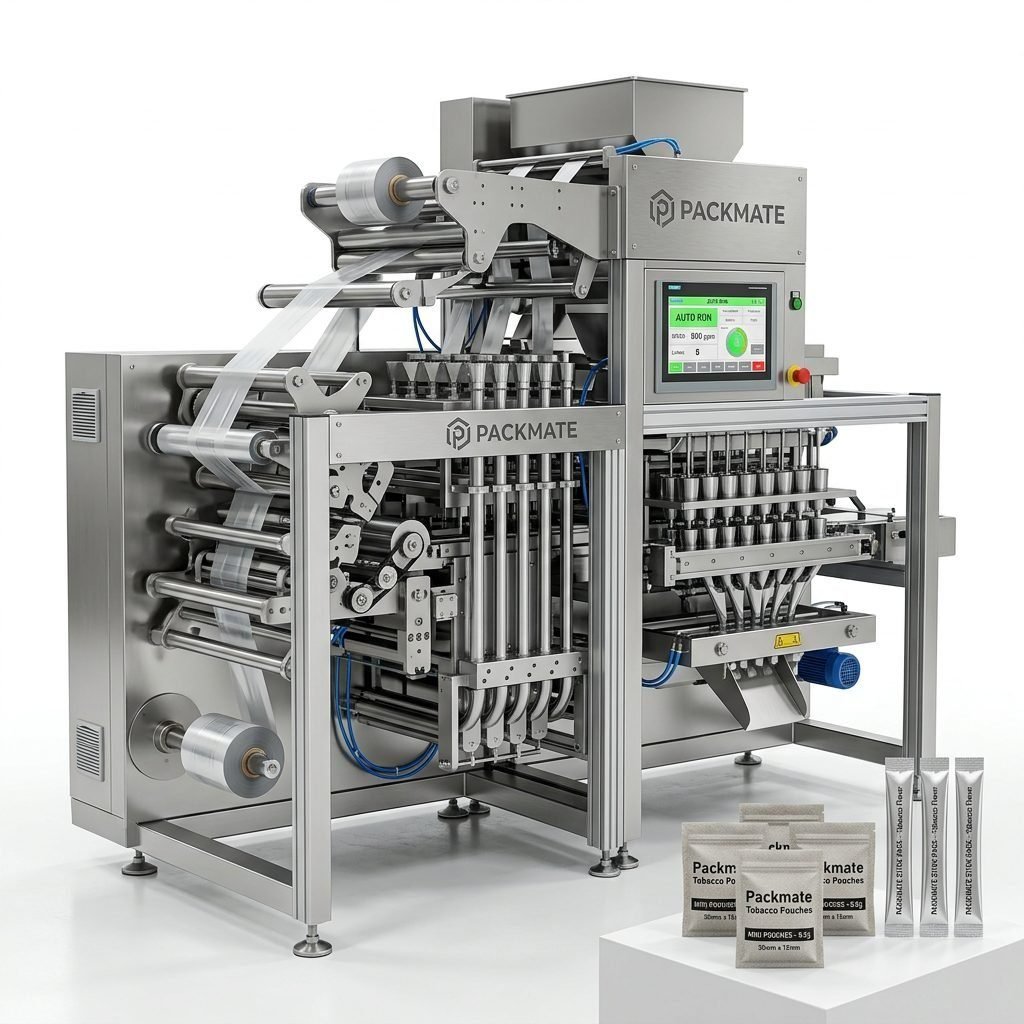
Stick Pack & Sachet Machines — Ideal for single-dose pouches and flexible packaging formats. They are compact and versatile for flavored or nicotine sachets.
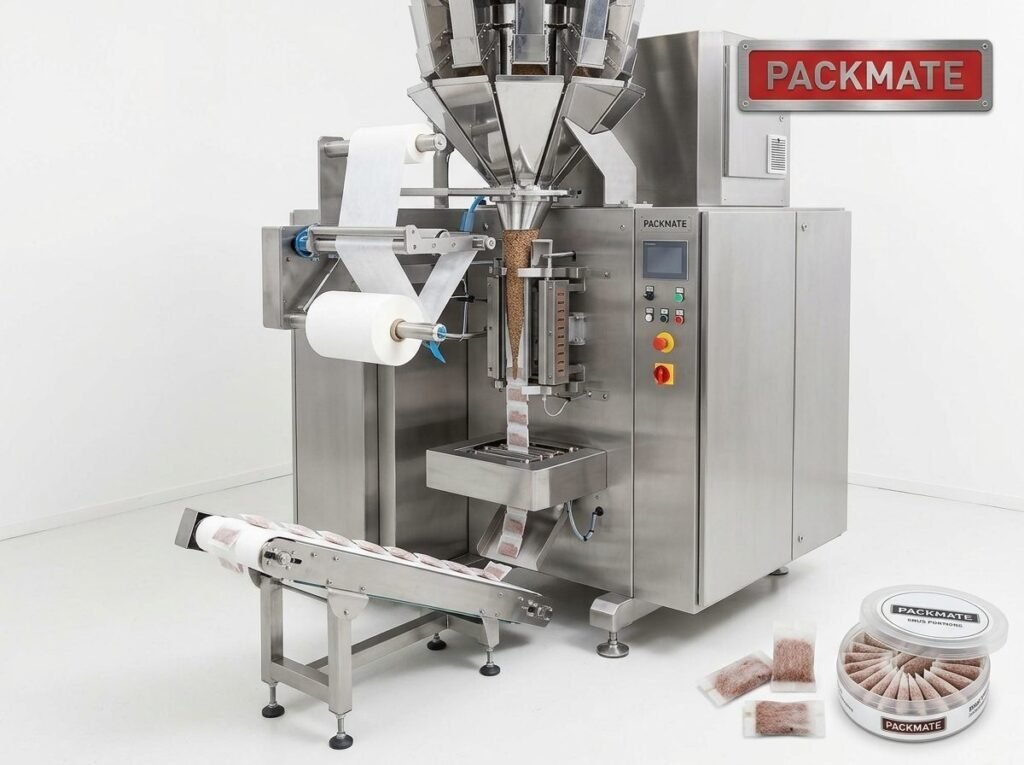
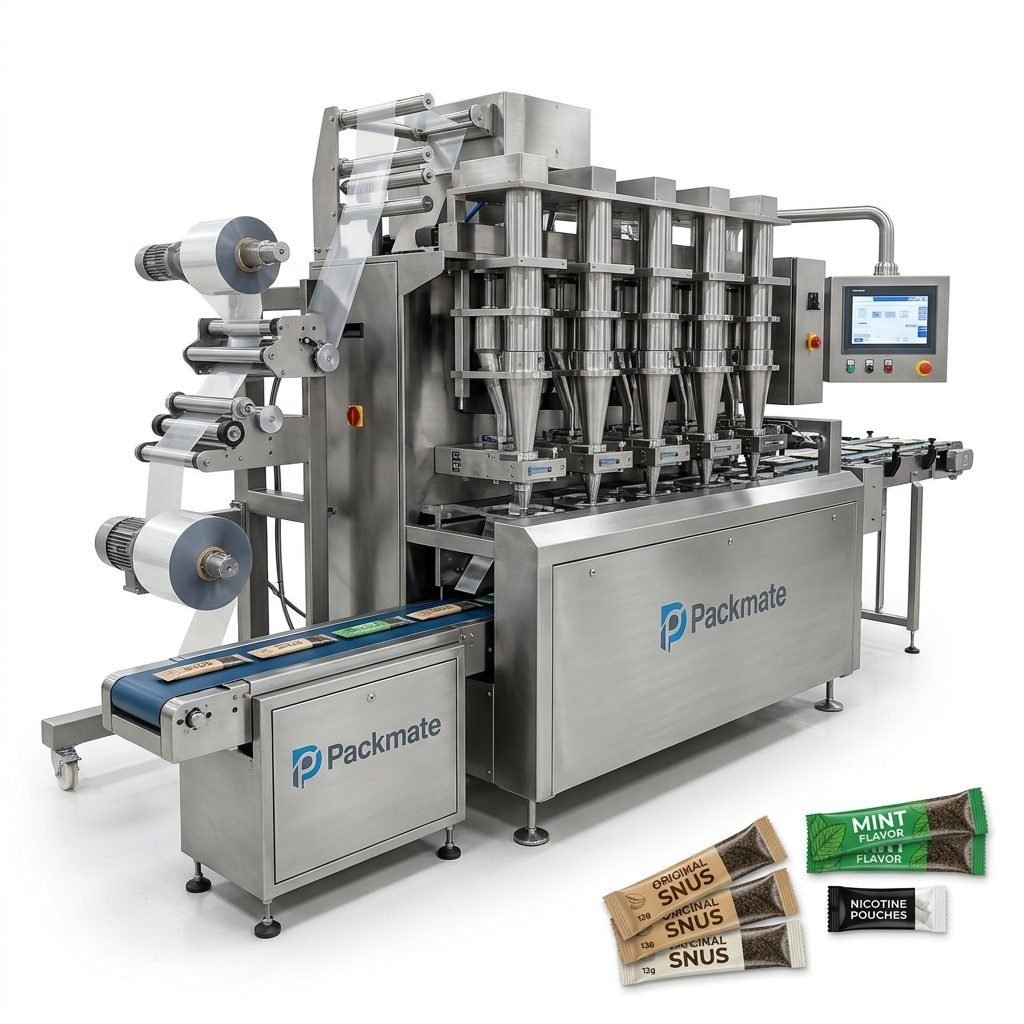
Multi-lane Snus Pouch Machines — High throughput systems designed for small-dose snus and nicotine pouches with precise portion control.
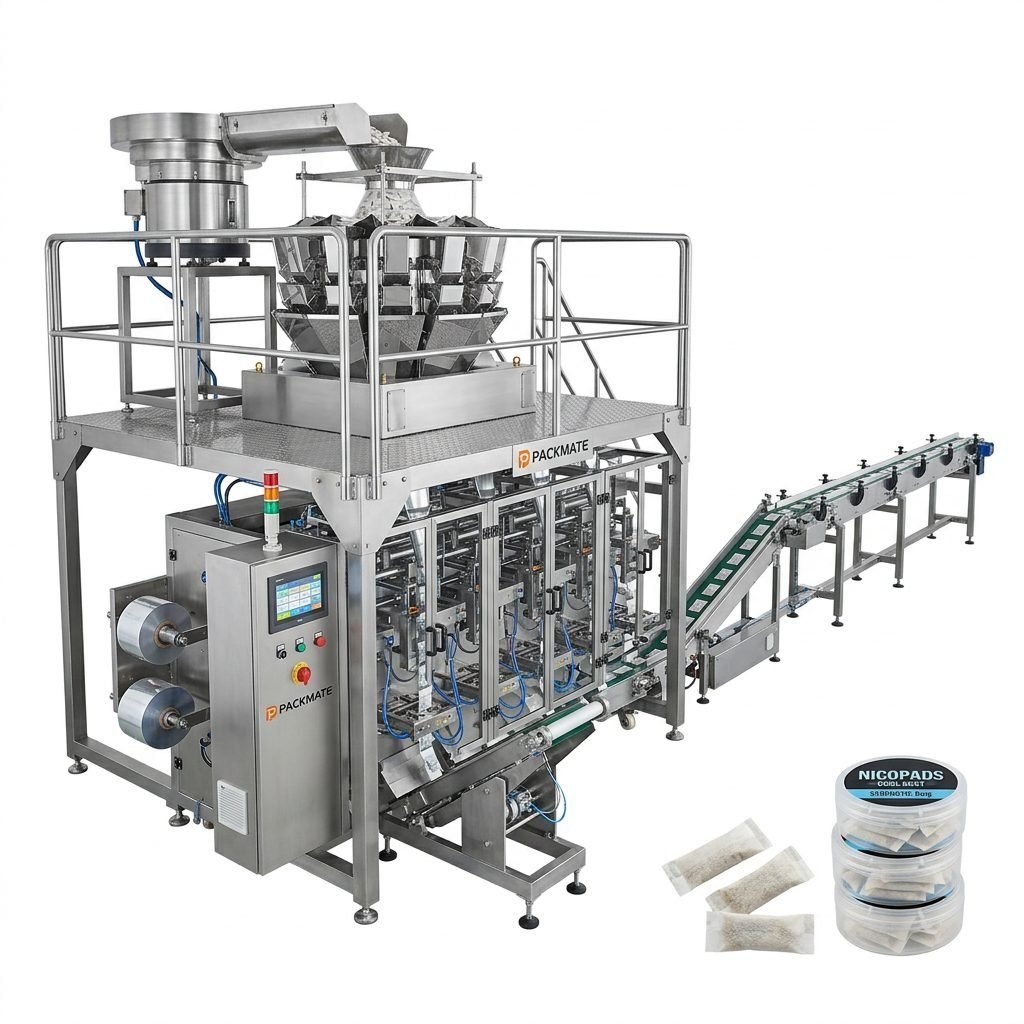
Filling & Weighing Systems — Critical when working with powders, granules, or variable weight targets; ensure compatibility with dosing heads and feeders.
✅ Practical selection checklist
Use this checklist to evaluate candidate machines:
Production rate: Can the machine reach your required units/hour with consistent quality?
Format flexibility: Does it handle current and future pouch sizes and materials?
Portion accuracy: What is the filling tolerance and how is it measured?
Automation & integration: Does it integrate with upstream feeders and downstream cartoners or case packers?
Material compatibility: Suitable for powder, granules, moist pouches or nicotine liquids?
Hygiene & maintenance: Are cleaning procedures and spare parts readily accessible?
Certifications: Does it comply with CE/ISO and local regulations for nicotine products?
🧭 Regulatory & safety considerations in Iraq
Compliance is crucial. Machines that carry international certifications (CE, ISO) reduce regulatory friction when importing equipment into Iraq and provide assurance for electrical safety and mechanical integrity. Speak with suppliers about documentation, and ensure packaging materials and labeling meet local tobacco or nicotine product regulations.
📑 Documentation & certification checklist
Request the following from manufacturers:
• CE declaration and conformity reports
• ISO quality system certificates
• Electrical schematics and installation manuals
• Spare parts list and recommended maintenance intervals
• Machine performance data and test reports
💡 Choosing between local suppliers and international brands
Local suppliers can offer faster support and easier logistics, while established international manufacturers may bring advanced technology and proven multi-market experience. For many Iraq-based producers, the optimal path is partnering with a reputable international supplier that has regional service capabilities or a local representative.
If you want to explore proven models, start with category pages such as Snus & Nicotine Packaging Machines and Sachet & Stick Pack Machines to compare features and specs.
🔧 After-sales service and spare parts
Strong after-sales service is non-negotiable. Confirm lead times for spare parts, availability of onsite technicians, remote support options, and training for your operators. A supplier with a clear service plan will minimize downtime and protect your production targets.
Training: Operator and maintenance training for local staff.
Spare parts stocks: On-site or regional warehouses shorten repair times.
Remote diagnostics: Modern machines often provide remote troubleshooting to reduce engineer visits.
📈 Cost, ROI and total cost of ownership
Compare machines using total cost of ownership (TCO) rather than initial purchase price alone. TCO includes energy consumption, spare part costs, downtime risk, required consumables, and expected lifespan. Higher-end multi-lane systems often deliver much faster ROI for larger production volumes due to lower labor and per-unit costs.
💱 Financial factors to model
Build a simple ROI model incorporating:
• Capital expenditure (equipment + installation)
• Monthly operating costs (labor, power, maintenance)
• Expected throughput and defect rates
• Projected sales and margin per unit
• Payback period and sensitivity to downtime
🧰 Typical floor layout and integration tips
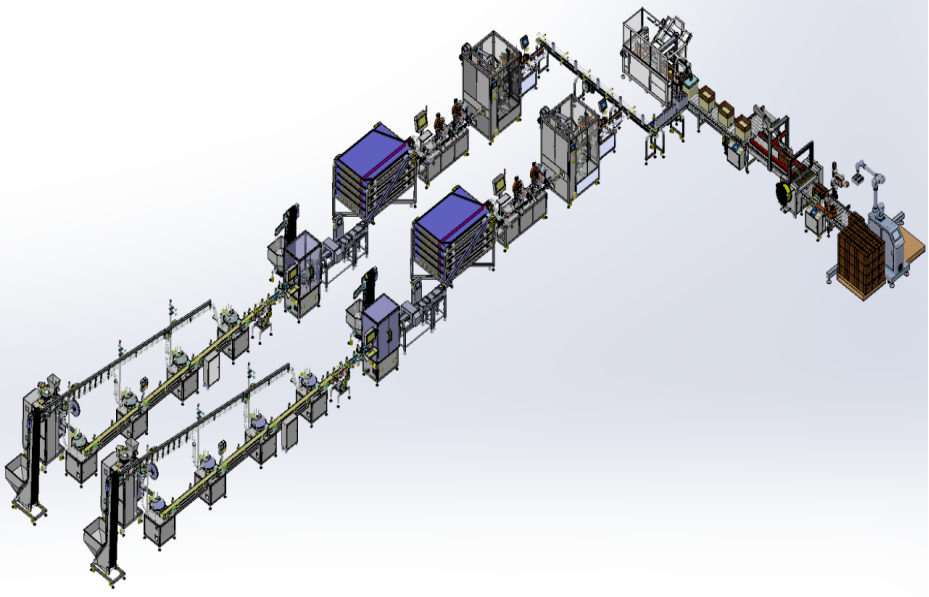
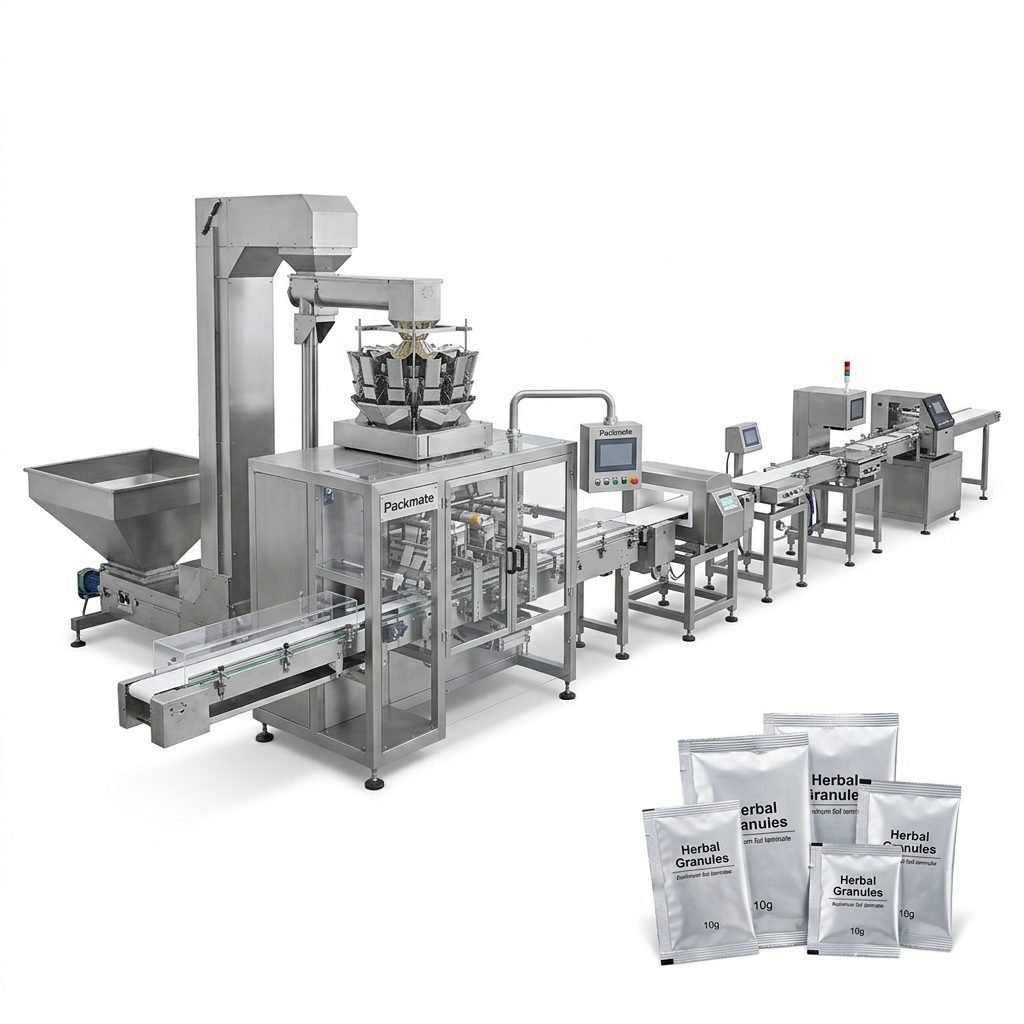
Plan the physical layout before purchase: allocate space for infeed conveyors, bulk material hoppers, dust extraction (if working with powders), and downstream packaging. Ensure utilities like power, compressed air, and drainage meet machine specifications.
Integration checklist:
• Power and air capacity verified
• Dust and waste handling planned
• Material handling ergonomics for operators
📣 Supplier selection: what to ask manufacturers
When contacting vendors, ask direct questions that reveal machine maturity and the vendor’s capacity to support Iraq operations:
• Can you provide machine performance videos and reference clients?
• What is included in the standard warranty and what are optional service packages?
• Do you offer turnkey lines with auxiliary equipment such as weighing systems and case packers?
• How long are lead times for spare parts and critical components?
• Can you assist with installation, commissioning, and operator training on-site?
💬 Useful manufacturer resources
Explore specific machine categories to compare options and specifications. Useful links:
• Snus & Nicotine Packaging Machines
• Sachet & Stick Pack Machines
• Filling & Packaging Lines
• About Packmate
🔎 Real-world considerations: case examples and adaptations
Manufacturers with specialized snus packaging experience can offer adaptations such as low-humidity chambers, stainless-steel contact surfaces, and precision multi-head dosing for consistent nicotine dosing. Ask for case studies or customer references to verify the supplier’s claims.
Tip: Request long-run performance reports showing mean time between failures (MTBF) and overall equipment effectiveness (OEE).
📞 Local support and logistics in Iraq
Confirm customs clearance procedures and shipping timelines. Select vendors who provide installation guidance for local engineers or partner with regional agents. For reliable service, a supplier with global experience and multi-market presence can help you navigate import and compliance complexities.
🧾 Final selection roadmap
1) Define production targets and formats.
2) Shortlist machine types: sachet/stick pack, multi-lane pouch, or integrated filling lines.
3) Validate technical specs, certifications and spare parts policies.
4) Request site layout checks and installation planning.
5) Confirm service agreements, training, and spare parts lead times.
📌 Conclusion: Pick a partner, not just a machine
Selecting the right nicotine packaging machine for Iraq is a strategic investment. Look beyond the headline price: evaluate technical fit, regulatory compliance, after-sales service, and the supplier’s experience in nicotine/snус packaging. A trusted partner helps you scale efficiently and maintain product quality as demand grows.
❓ Frequently Asked Questions
Q1: What machine type is best for small-batch nicotine pouches?
A1: For small batches, modular sachet or stick pack machines and single-lane snus pouch machines provide cost-effective flexibility and easy format changes.
Q2: How important are certifications like CE/ISO?
A2: Very important — certifications ensure safety, quality management, and smoother import/customs processes. They are also valuable for building trust with retailers and distributors.
Q3: Can machines be customized for local Iraqi requirements?
A3: Yes. Reputable manufacturers offer customizations for local regulations, formats, and environmental conditions. Discuss specific needs during the quoting phase.
Q4: Where can I see examples and verified machine specs?
A4: Start with manufacturer product pages like Snus & Nicotine Packaging Machines and Filling & Packaging Lines for detailed specifications and case references.
Q5: How do I evaluate total cost of ownership?
A5: Include initial cost, installation, energy, consumables, spare parts, expected downtime, and labor. Compare machines on per-unit cost over a realistic production horizon.