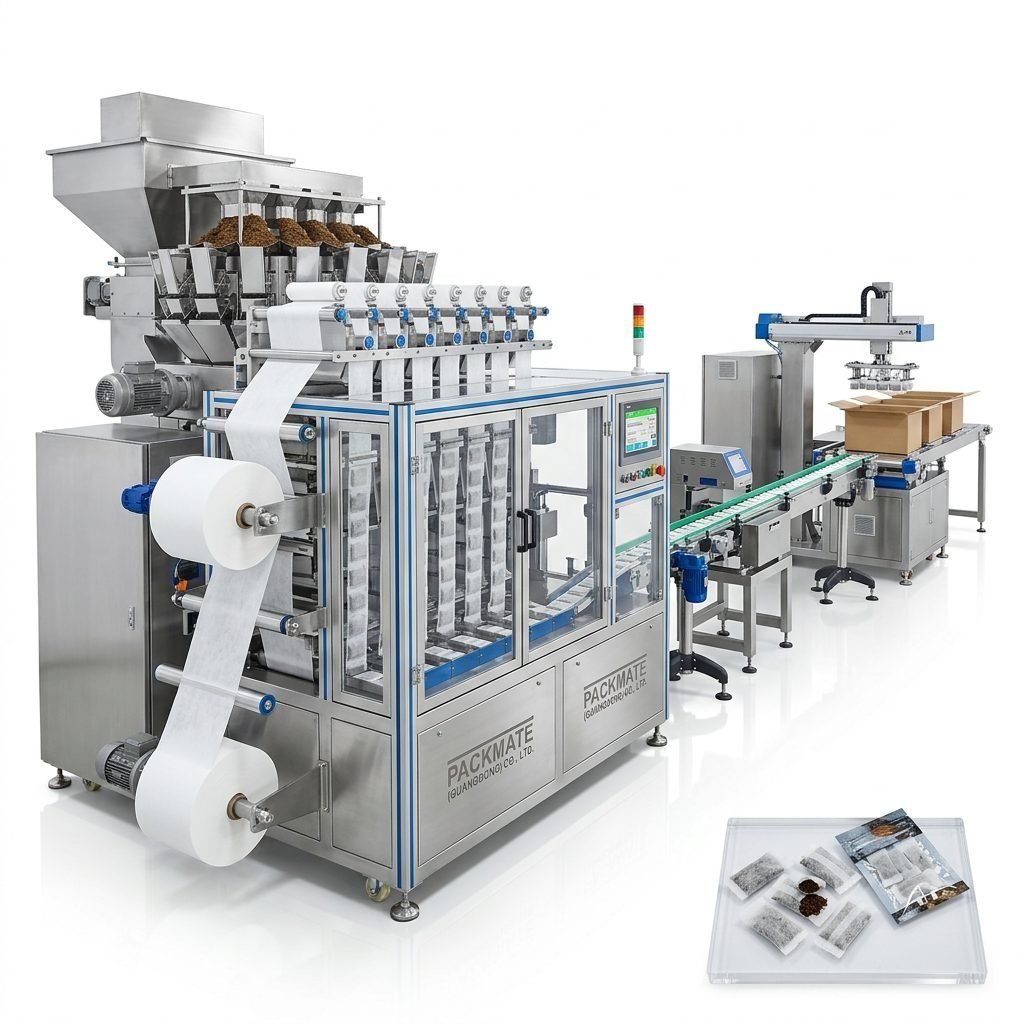
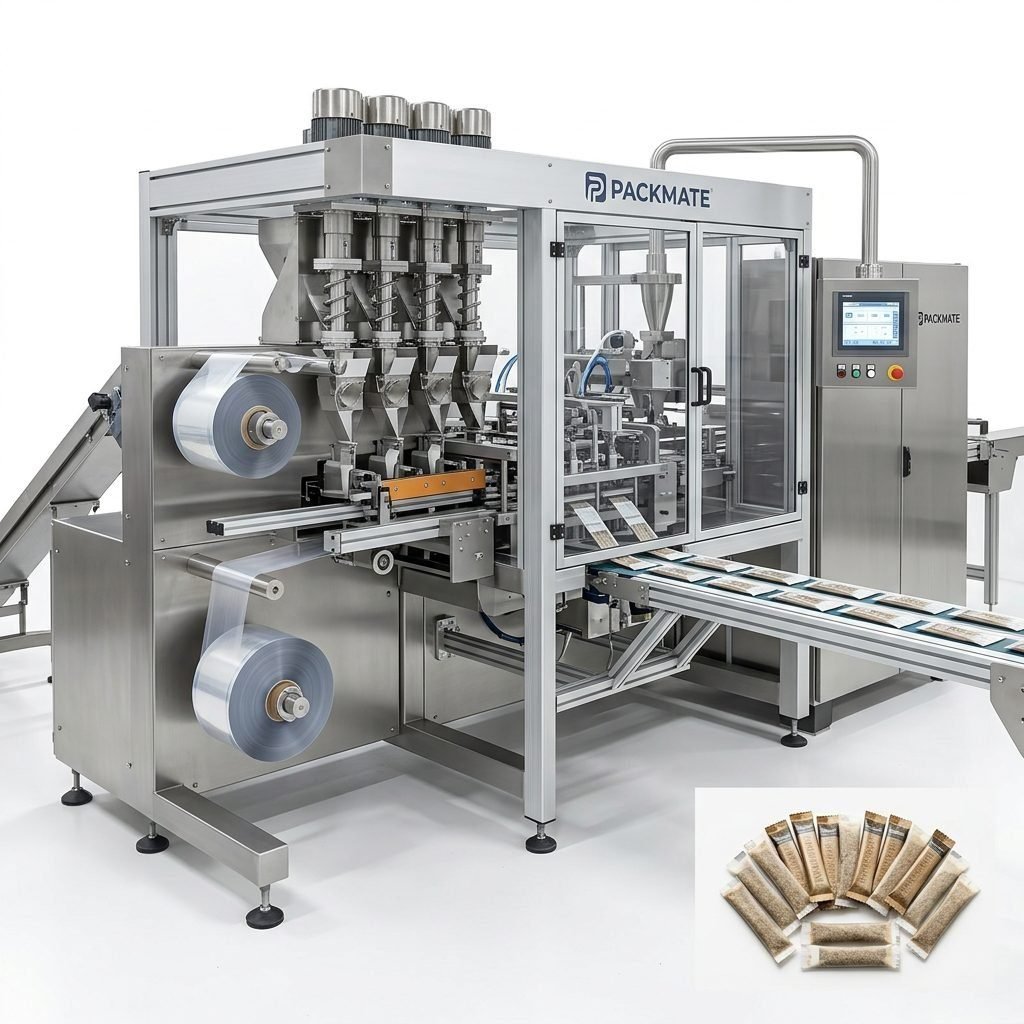
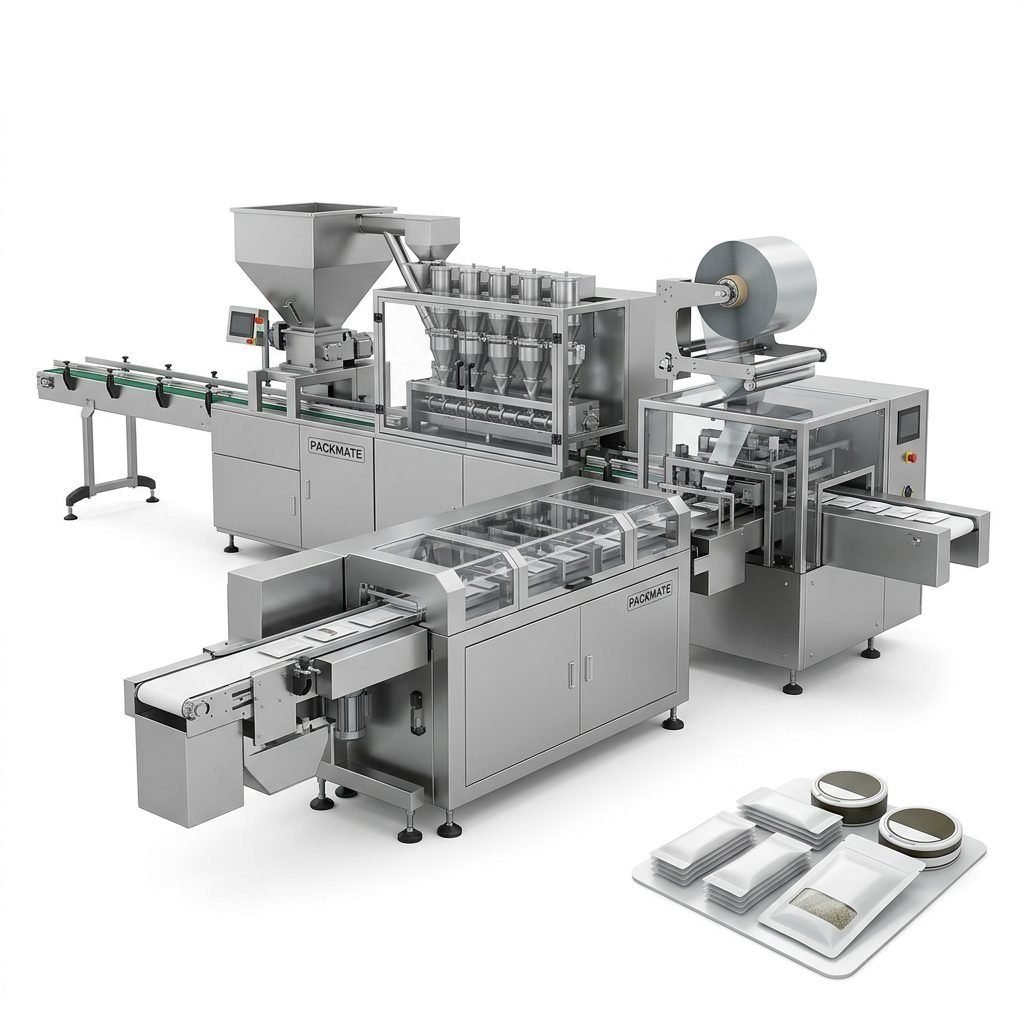
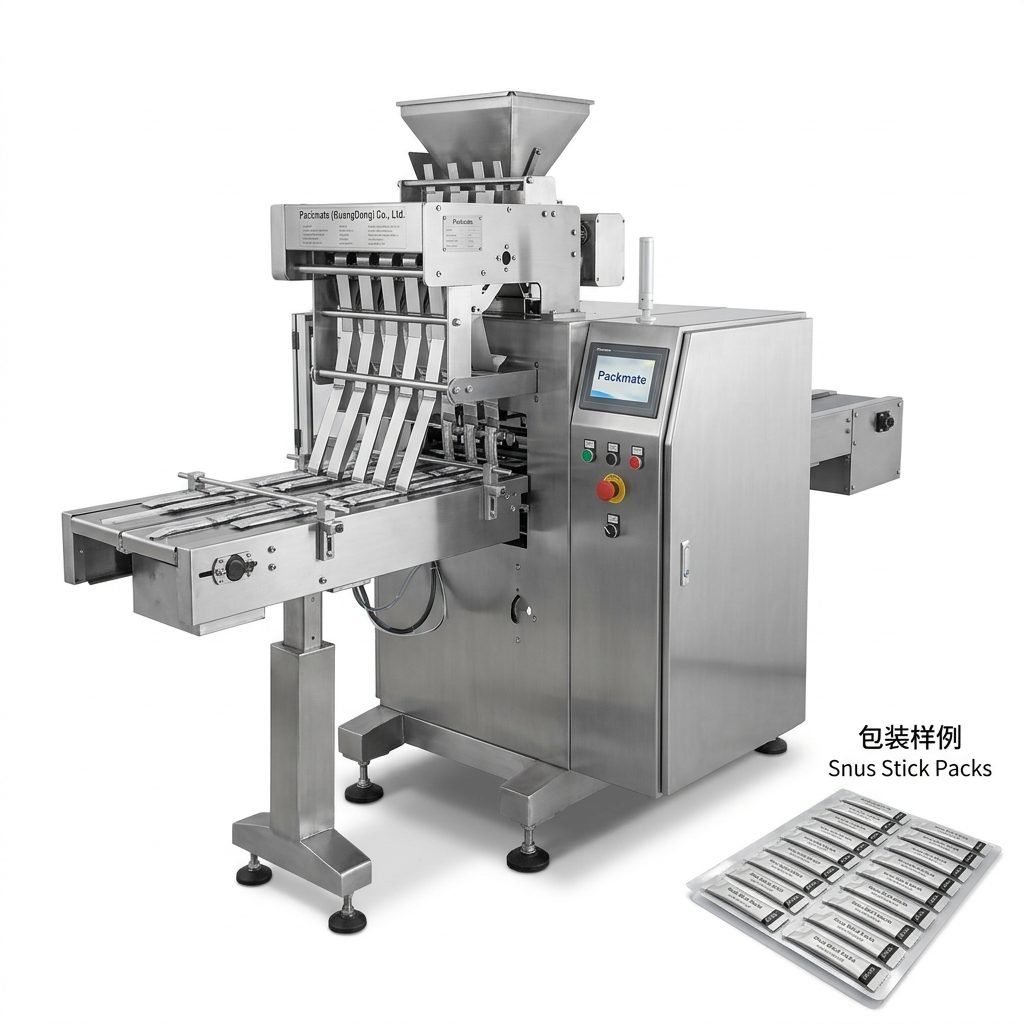
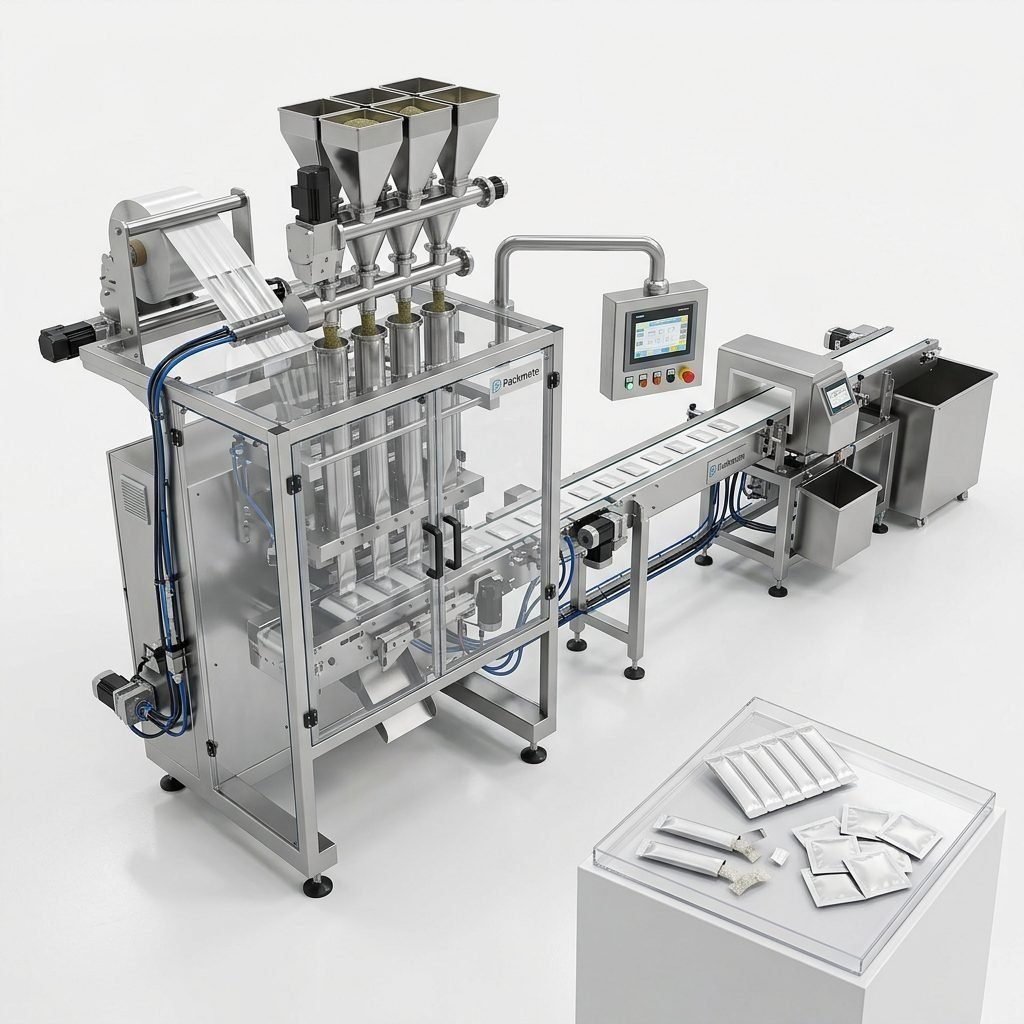
Choosing the right nicotine packaging machine manufacturer in Eritrea can determine the efficiency, compliance, and long-term success of your product line. Whether you are launching nicotine pouches, snus, or similar oral products, the machine you invest in must meet production speed, hygiene standards, and local support expectations. This guide walks through practical criteria, inspection checklists, and negotiation tips to help procurement teams and factory managers make a confident decision. The advice is tailored for buyers in Eritrea but applies to any market seeking robust, certified, and scalable packaging solutions.
Understand Your Production Needs 🔧
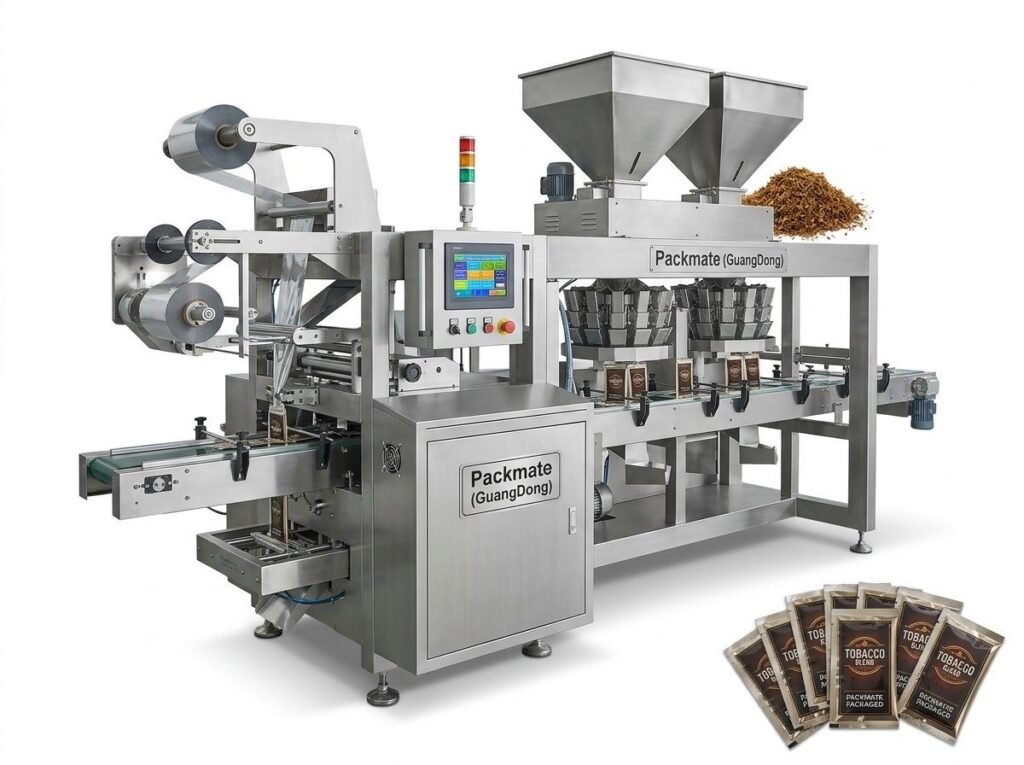
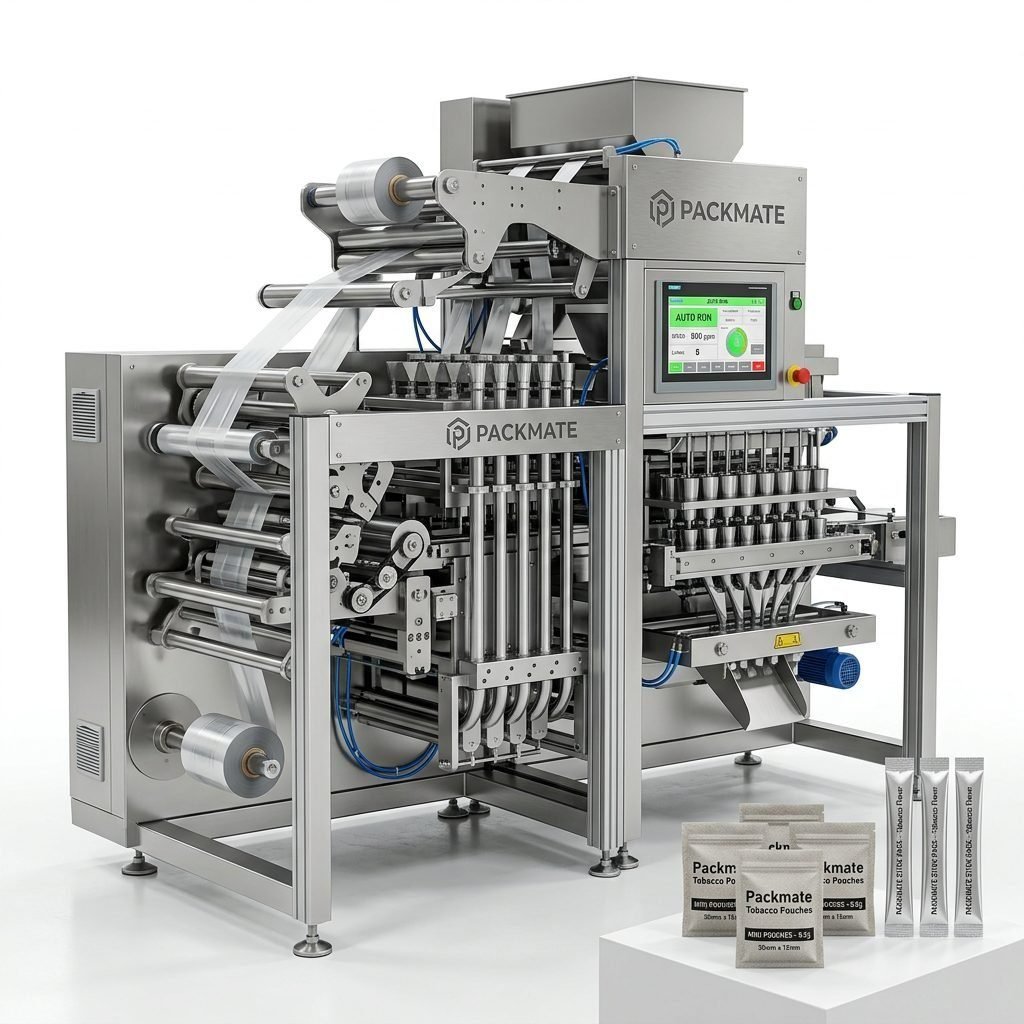
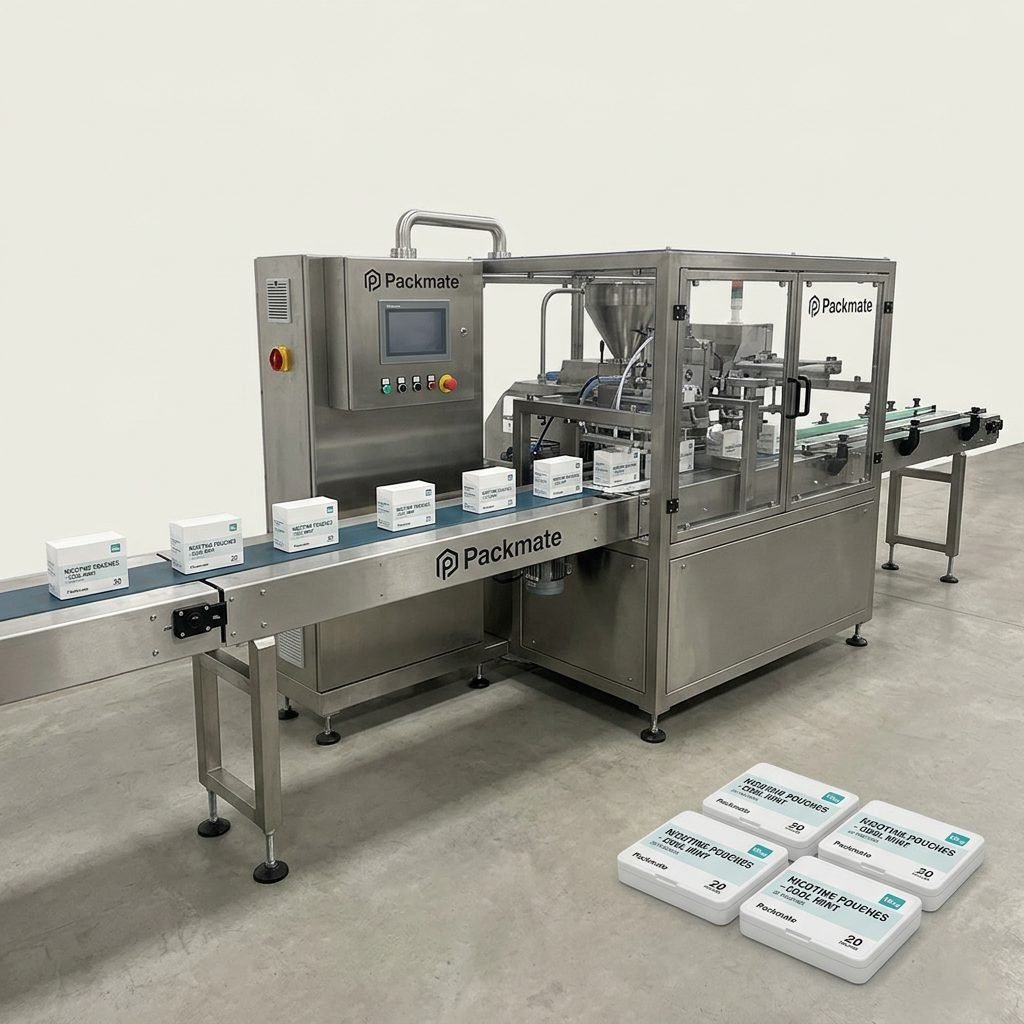
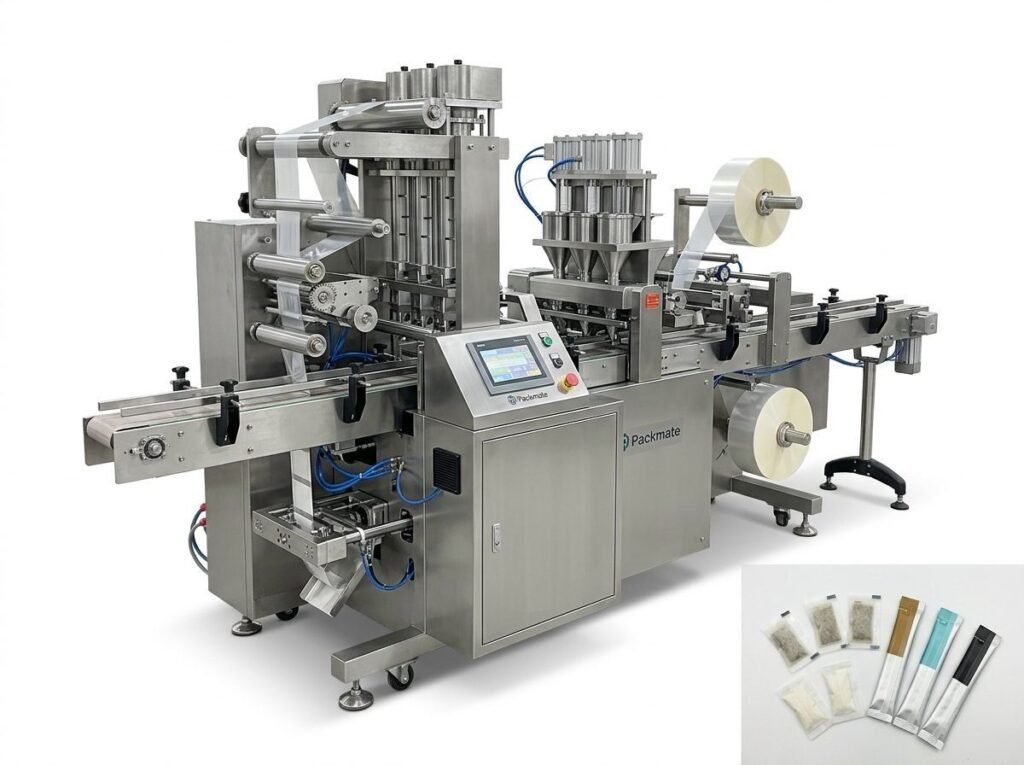
Start by documenting your required output: units per minute, daily throughput, pouch format, and any multi-lane requirements. Machines for nicotine pouches vary from single-lane stick pack systems to high-speed multi-lane snus packaging machines. Clarify whether you need integrated weighing, nitrogen flushing, or secondary cartoning. A clear production brief prevents costly over-specification or under-capacity purchases.
✅ Key production specifications to list:
• Target output (pouches per minute / per hour)
• Pouch formats and sizes (single-dose, two-piece, etc.)
• Required filling accuracy and tolerance
• Integration with filling/weighing lines or upstream dosing systems
Match Machine Type to Product
Different nicotine products need different packaging mechanisms. Stick pack and sachet machines are common for single-serve nicotine pouches. Multi-lane snus machines are ideal when scaling small-dose pouches across several lanes to reach high throughput with compact footprint. Review manufacturers’ product pages such as Snus & Nicotine Packaging Machines and Bag & Pouch Packaging Machines to compare models and technical specs.
Evaluate Manufacturer Experience & Track Record 📦
Experience matters. Look for manufacturers with a history of delivering nicotine pouch and snus equipment as these products require tight dosing control and hygienic design. A supplier with decades of engineering practice and a range of successful deployments reduces risk. Check case studies, certifications, and exhibition presence to confirm credibility.
🔍 What to look for:
• Years in business and specialization in snus/nicotine packaging
• Factory size, CNC capabilities, and production capacity
• Industry certifications such as CE, ISO
• International installations and client references
Why Certifications and Factory Strength Matter
Certified equipment (CE, ISO) ensures compliance with safety and quality benchmarks. Factories equipped with advanced CNC centers and precision assembly lines can deliver machines with tighter tolerances and better longevity. Verify the manufacturer’s production footprint and quality control practices — reliable suppliers will openly share certification documents and plant capabilities.
Inspect Technical Support and After-Sales Service ⚙️
Local availability of spare parts, remote diagnostic capability, and responsive technical teams are critical for minimizing downtime. Ask about service response times, spare parts lead times, and whether they provide on-site installation and operator training. Service agreements, extended warranties, and remote monitoring options add value and peace of mind.
Manufacturers like the one behind Packmate often provide global turnkey solutions and long-term technical support. Check their service options and customer support policies on their company pages such as About Packmate and the Service section.
Assess Machine Design and Material Hygiene
Packages containing nicotine need hygienic equipment designs to prevent contamination and ensure product safety. Evaluate machine contact parts for stainless steel grade, ease of cleaning, and CIP (clean-in-place) features when relevant. Look for sealed electrical cabinets and food-grade conveyors to maintain regulatory compliance.
Important hygiene checks:
• Material grade of contact parts (304/316 stainless steel)
• Smooth welds and minimal crevices
• Easy-to-remove tooling for cleaning
Request Factory Acceptance Testing & References 📄
A trustworthy manufacturer will offer Factory Acceptance Tests (FAT) before shipment and provide video demonstrations of your exact model running your product (or a close simulation). Ask for customer references and visit cases when possible. Review installation videos, production reports, and request third-party performance attestations if needed.
Explore manufacturer case histories to confirm real-world performance. You can review documented installations in global markets via the Case page to see examples of delivered lines and client outcomes.
Compare Total Cost of Ownership (TCO)
Beyond initial purchase price, calculate TCO: energy consumption, spare parts costs, downtime risk, consumables, training, and upgrade paths. Cheaper machines can be more expensive over time due to poor reliability or unavailable spares. Negotiate spare parts kits, training sessions, and extended warranty terms into the purchase.
Negotiate Delivery, Installation, and Training Terms
Clarify lead times, shipping responsibilities, customs handling for Eritrea, and on-site installation scope. Ask whether the manufacturer will commission the line, conduct operator training, and support validation documentation if required by local regulators. Well-defined acceptance criteria and service SLAs reduce post-delivery disputes.
Contract checklist:
• Delivery and installation timeline
• FAT and SAT acceptance criteria
• Warranty and spare parts lead times
• Training and documentation deliverables
Local Support and Spare Parts Logistics in Eritrea
Understand how spares will reach Eritrea and whether the manufacturer works with regional distributors or agents. A supplier with established logistics chains or local partners can drastically reduce downtime and import headaches. Confirm available spare parts lists and consider stocking critical wear components locally.
When to Consider Turnkey vs. Modular Solutions
Turnkey lines reduce integration risk because the supplier delivers a complete, tested production line. Modular solutions offer flexibility and lower initial capital but require more integration effort. For new factories in Eritrea aiming for rapid market entry, turnkey lines from experienced suppliers can be advantageous.
If you need integrated weighing or filling, review options in the Weighing & Packaging Systems and Filling & Packaging Lines sections to match upstream equipment with your packaging machine choice.
Final purchasing tips:
• Prioritize hygiene, reliability, and serviceability over lowest price.
• Request FAT videos and detailed spare parts lists before signing.
• Secure clear warranty and response time commitments for Eritrea.
• Consider vendors with global references and export experience to Africa.
Next Steps: Contact and Evaluation
Prepare a request-for-quotation (RFQ) that includes product samples, expected line speed, and required documentation. Share your timeline and ask for a detailed breakdown of machine components, optional modules, and training packages. Reach out to manufacturers with proven nicotine packaging experience and global installations to request proposals and FAT demonstrations. For more information on contacting the manufacturer, see their Contact Us page.
Frequently Asked Questions
Q1: What certifications should I insist on for nicotine packaging machines?
A1: Ask for CE and ISO compliance as a baseline. Also confirm material certificates for food-contact stainless steel (304/316) and any necessary electrical safety documentation.
Q2: How long is a typical lead time for a custom snus packaging line?
A2: Lead times vary by configuration and factory workload; typical delivery can range from 8 to 20 weeks. Custom multi-lane lines and turnkey projects can take longer due to integration and FAT requirements.
Q3: What spare parts should I stock locally in Eritrea?
A3: Stock critical wear parts such as sealing jaws, belts, bearings, sensors, and common pneumatic components. Keep a basic electrical spare kit (fuses, PLC modules) and request the manufacturer’s recommended spare parts list.
Q4: Is remote support effective for resolving machine issues?
A4: Remote diagnostics and guided repairs are effective for software or parameter issues. For mechanical failures, remote guidance helps triage but onsite service or local technicians will often be necessary.
Q5: Should I choose turnkey or modular equipment for my first line?
A5: For a fast, low-risk setup, turnkey is recommended. If you need flexibility and phased investment, modular systems can be integrated over time but require more in-house coordination.