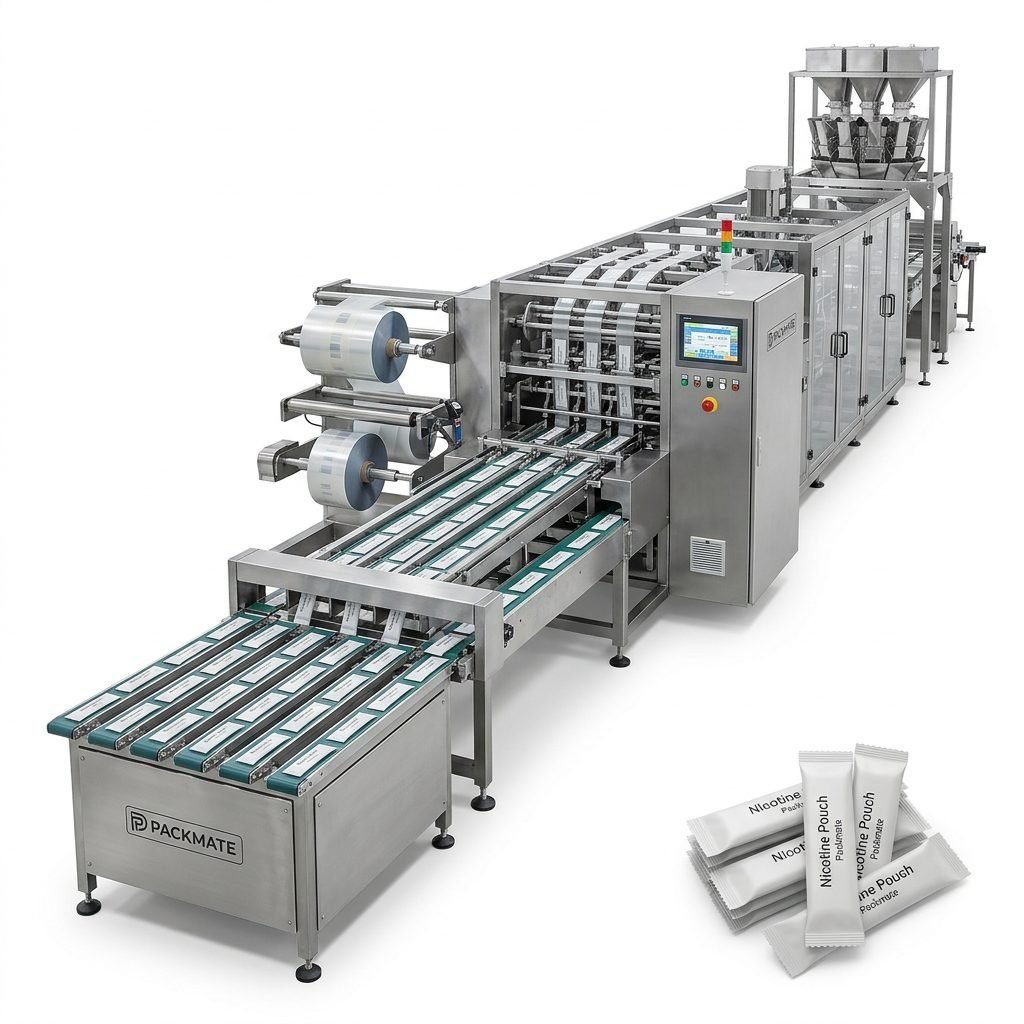
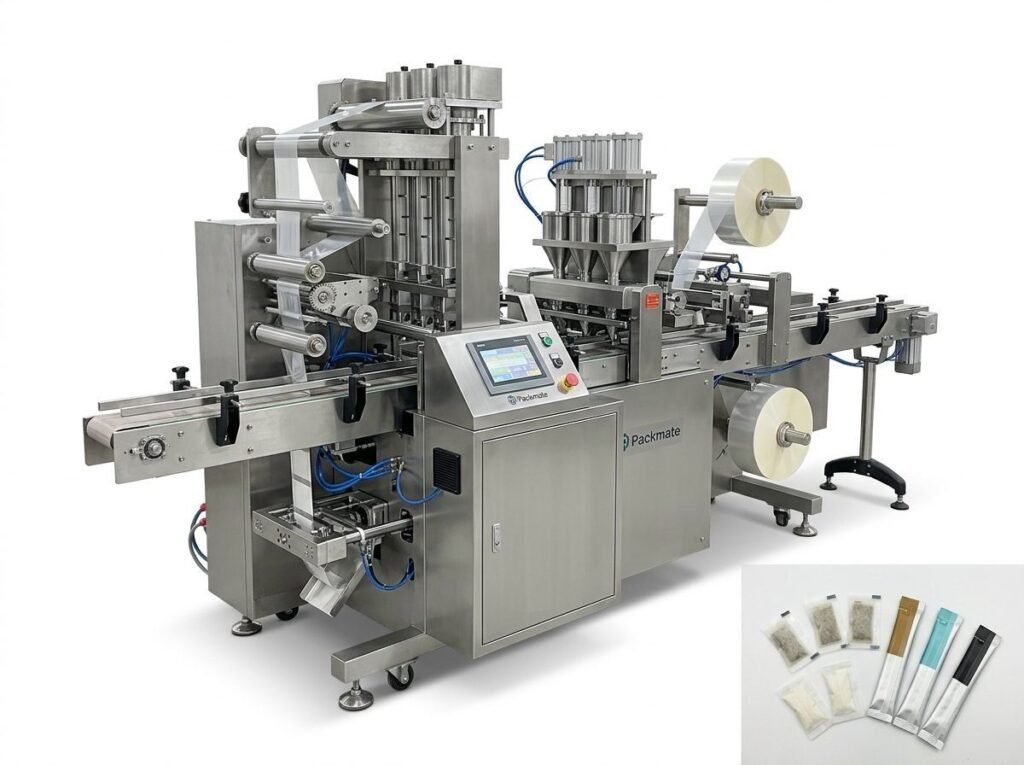
Entering the nicotine pouch market in Laos requires more than a good product idea — it requires the right packaging machinery that matches your production goals, regulatory needs, and future growth plans. This guide walks production managers, entrepreneurs, and procurement teams through practical steps to choose the right nicotine packaging machine for a Laos-based production line, covering machine types, production capacity, compliance, layout, supplier selection, and total cost of ownership.
Understand the Product and Market Requirements
The first step is defining the product specifics: pouch size, pouch material, dose weight tolerance, and whether you will produce single-dose or multi-lane formats. Nicotine pouches and snus come in many formats — from stick packs to sachets to multi-lane sachets. Matching machine type to product format avoids costly retrofits and changeovers later.
Key product questions:
What pouch types will you run? What target output (pouches/min) is required? Do you need multi-lane output for fast growth?
Choose the Right Machine Type
Packaging machines for nicotine pouches generally fall into a few categories. Each has pros and cons depending on capacity, space, and product handling needs.
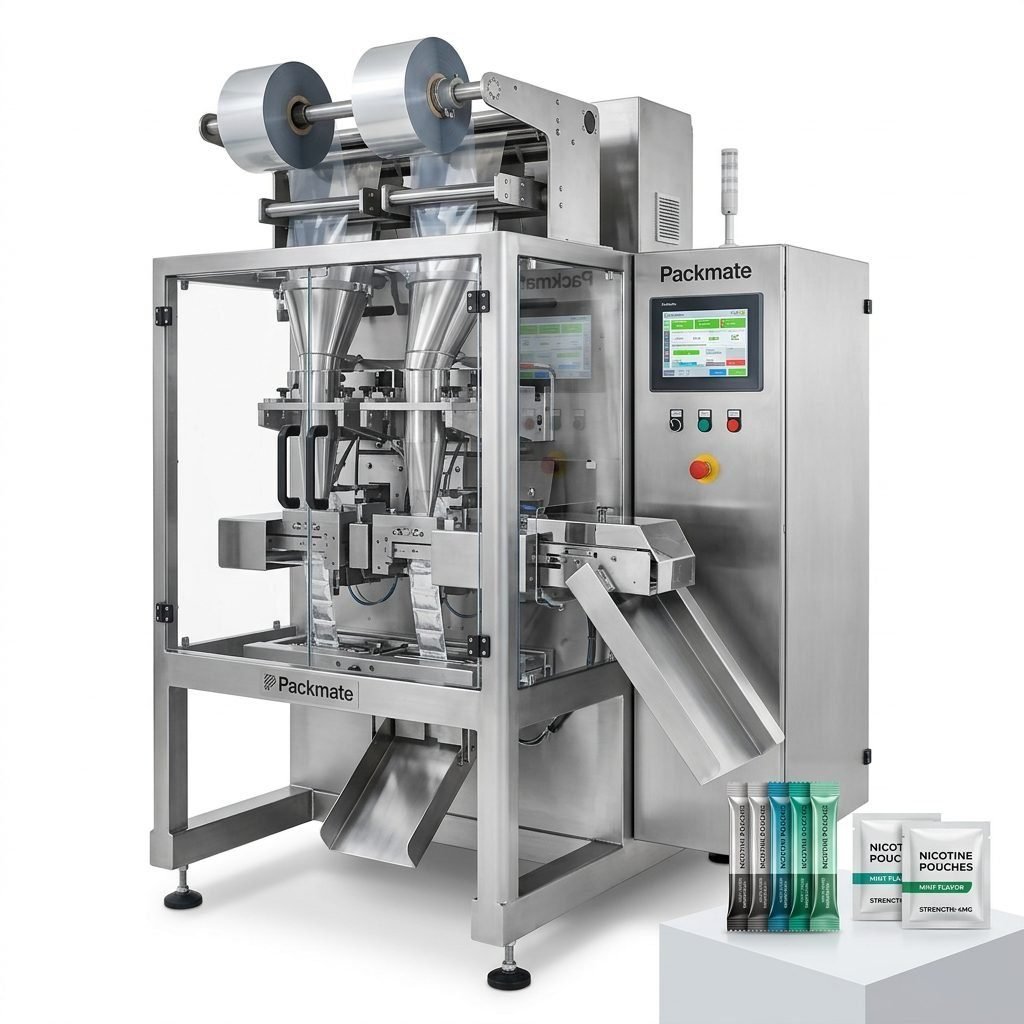
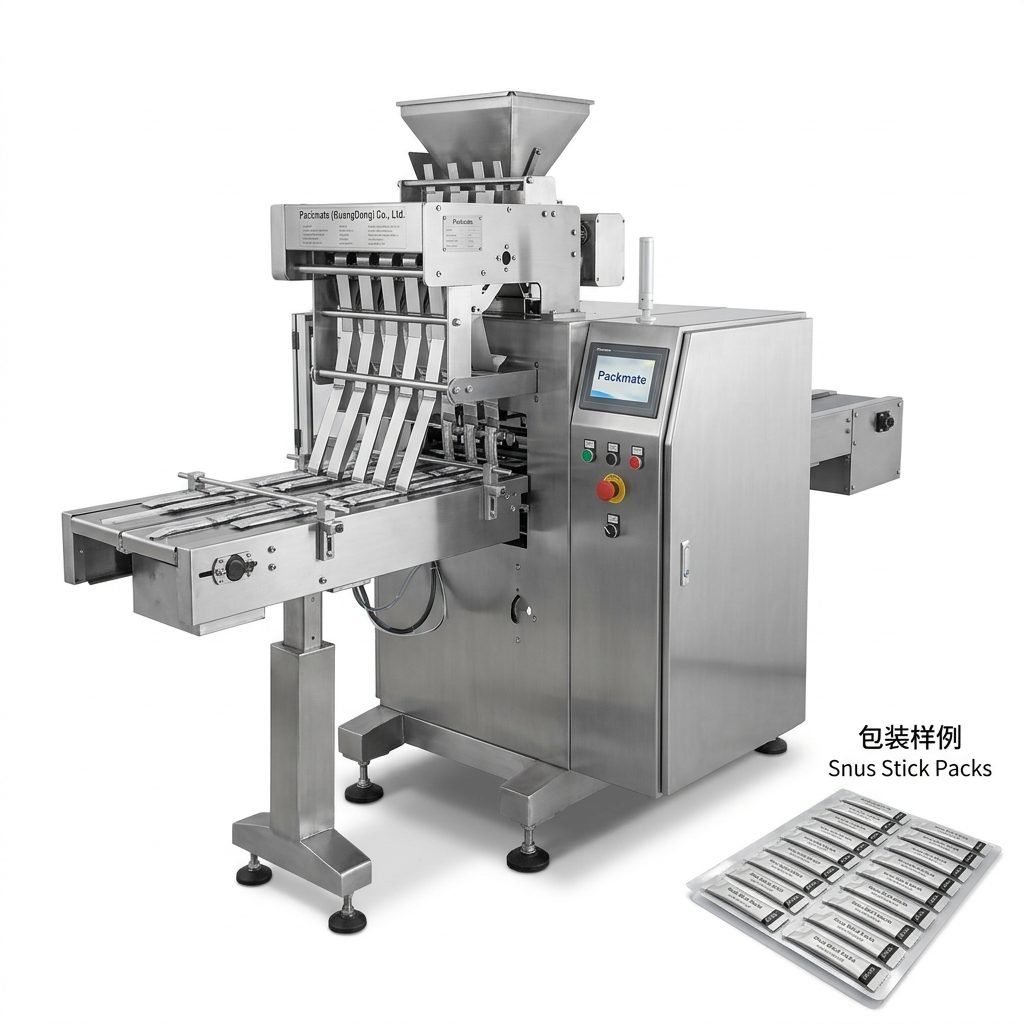
- Stick pack machines — ideal for single-dose stick formats and relatively simple sealing.
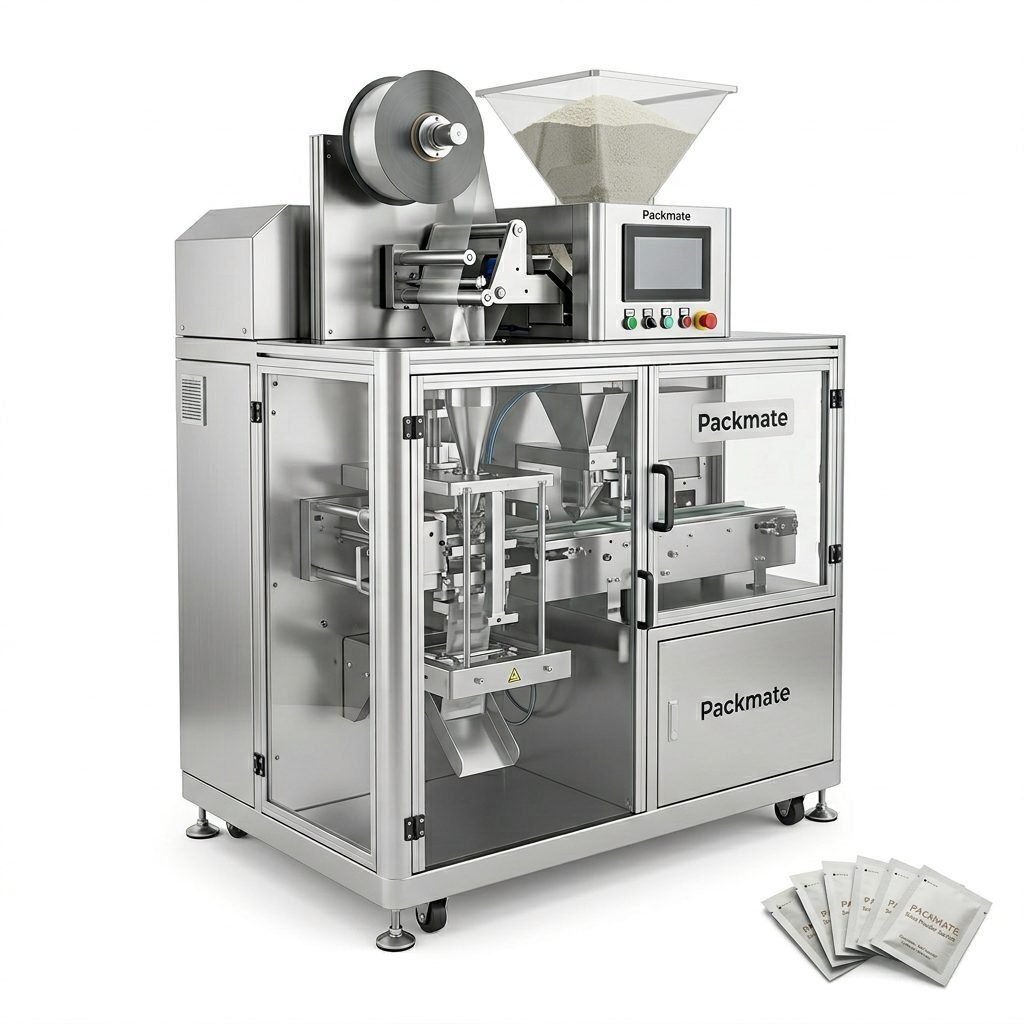
- Sachet & stick pack machines — flexible lines capable of producing various sachet shapes and sizes. See examples of Sachet & Stick Pack Machines.
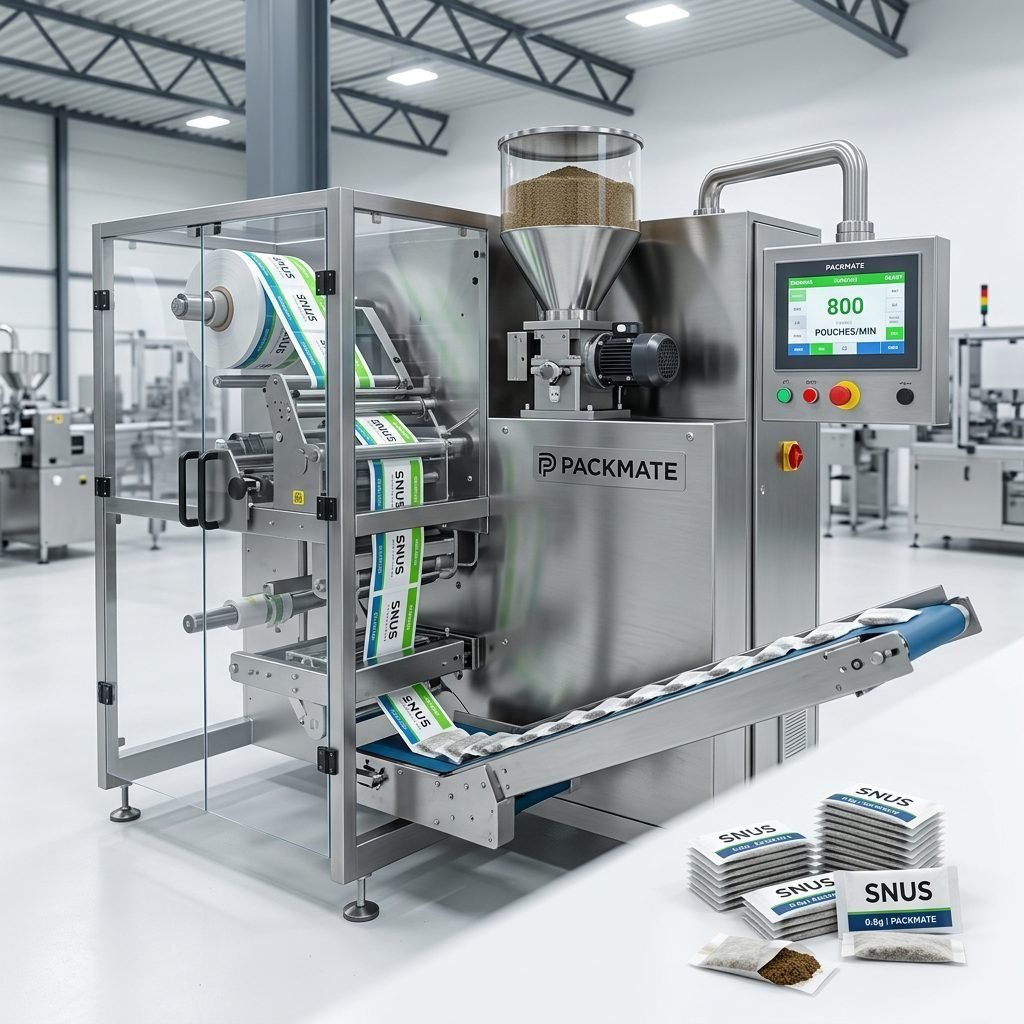
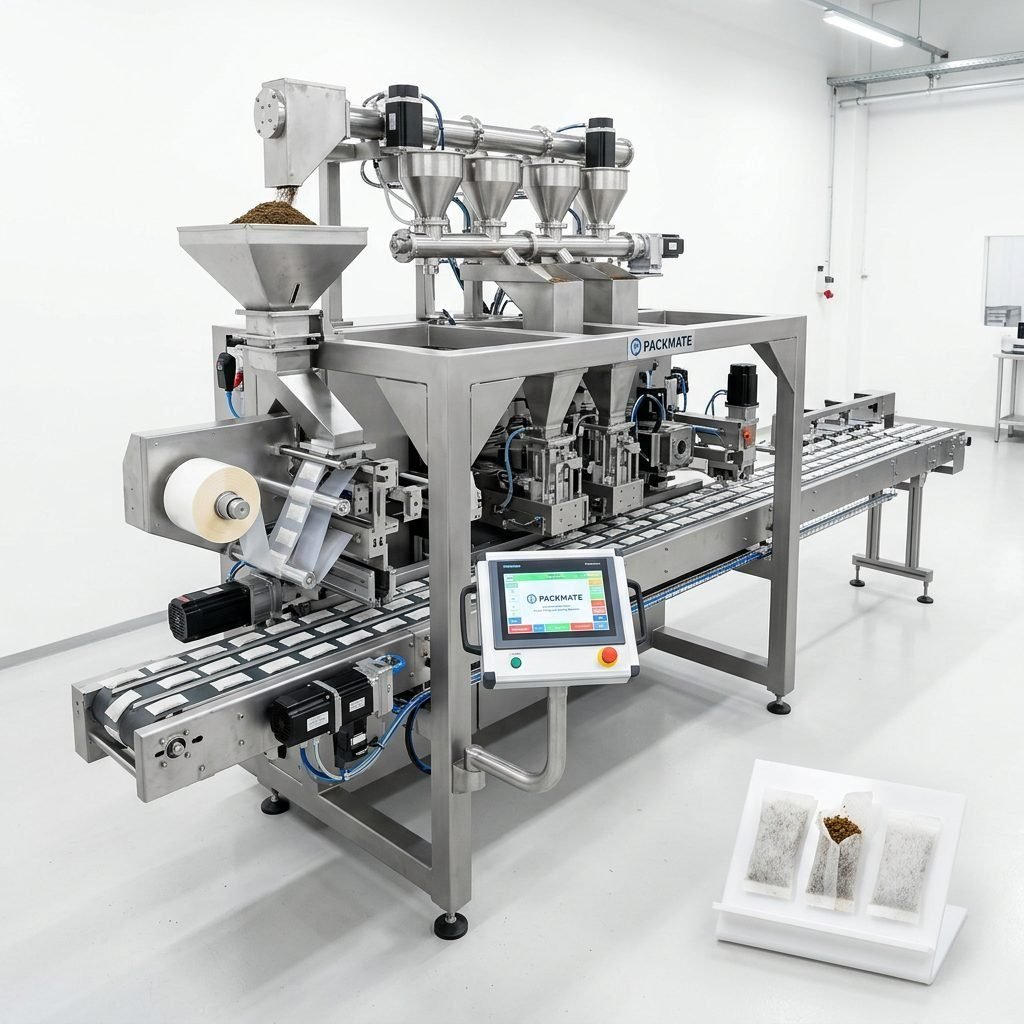
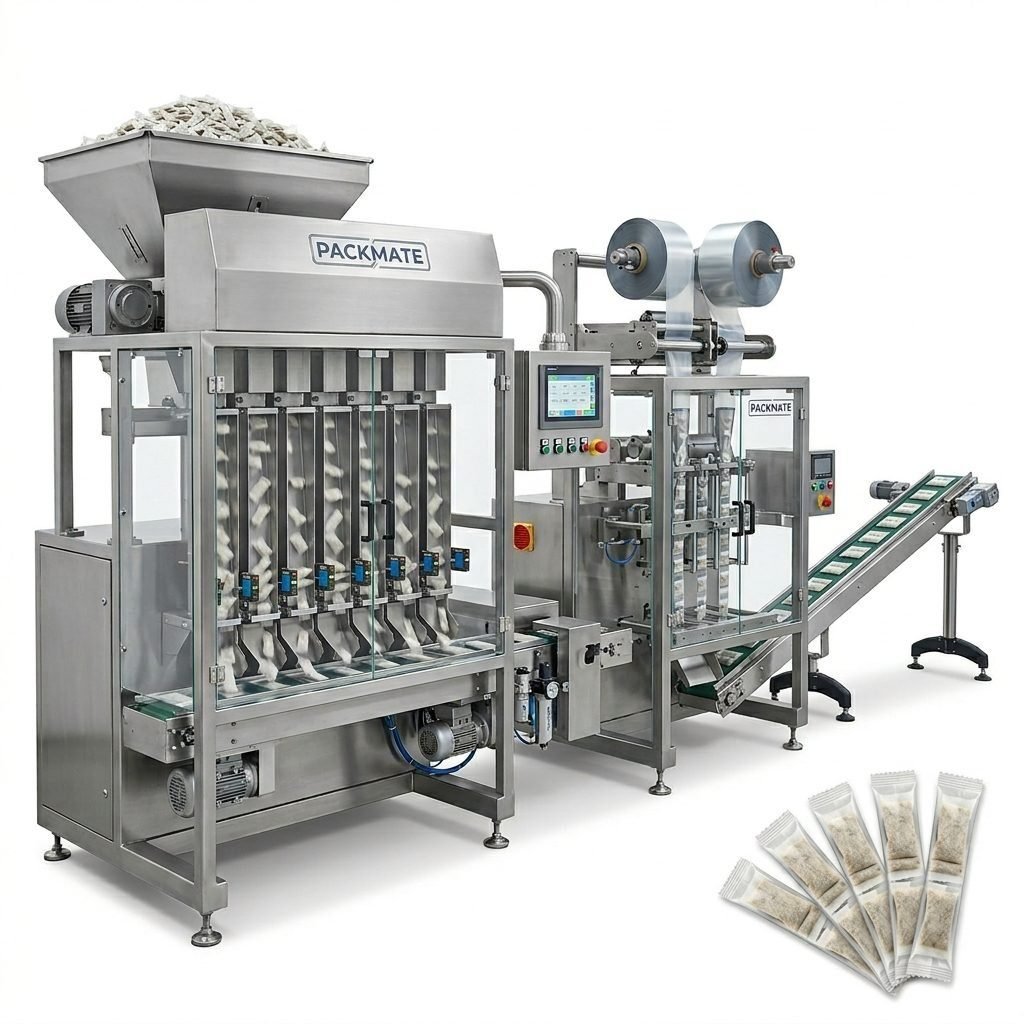
- Multi-lane snus pouch machines — the preferred choice for high output of small-dose pouches with precise filling.
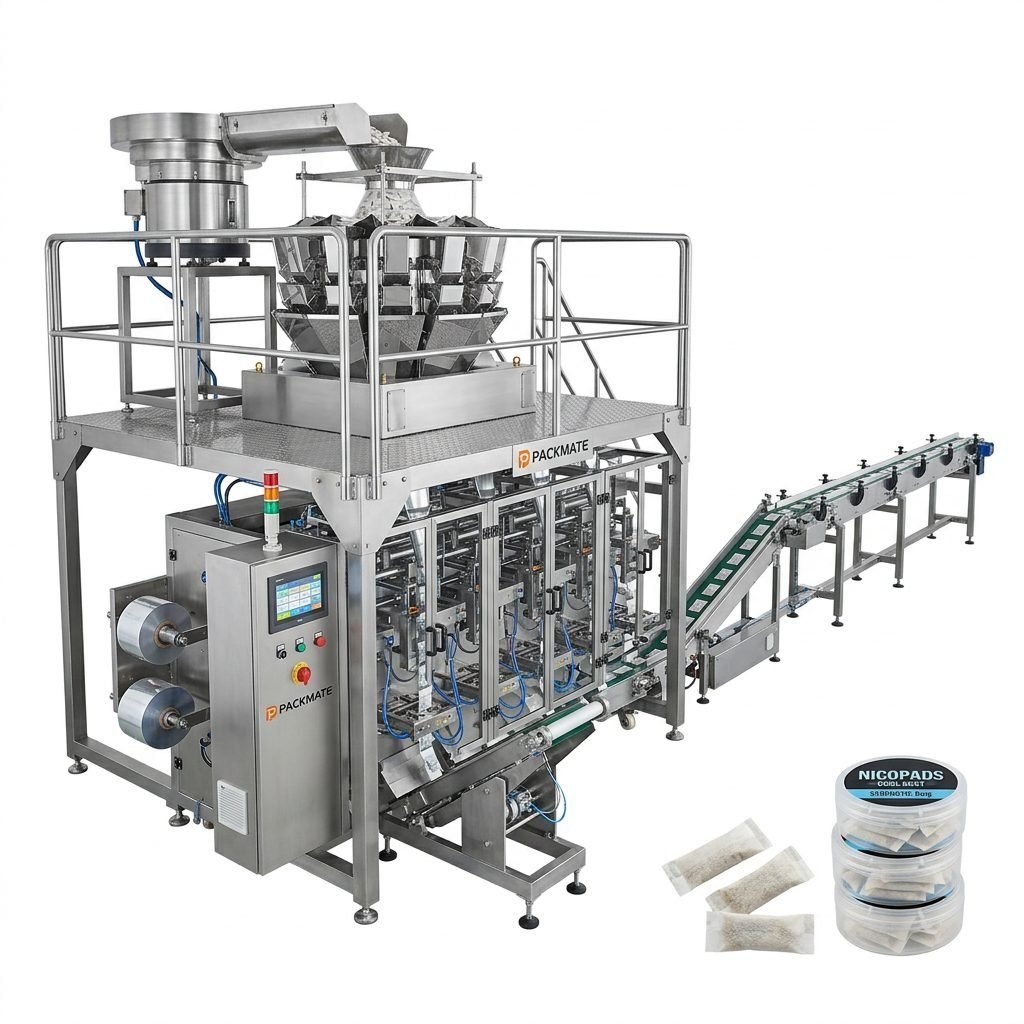
- Complete filling & packaging lines — integrated systems for dosing, weighing and final packaging. Learn about Filling & Packaging Lines.
Production Capacity and Speed
Decide your target output in pouches per minute and per shift. Consider not only current demand but also anticipated growth in Laos and export markets. Machines are specified by nominal speed (e.g., pouches/min) and realistic operational speed (allowing for changeovers and maintenance). Always ask suppliers for real-world production data.
Tip:
Choose machines with modular lanes so you can scale by adding lanes instead of buying an entirely new machine.
Accuracy, Filling Systems and Weighing
Nicotine product dosing demands high accuracy. Choose between volumetric fillers, auger systems, and precision multi-head weighers depending on product form (powder, granule, paste). For highest precision and reduced giveaway, integrated weighing systems are recommended — explore Weighing & Packaging Systems.
Compliance with Regulations and Safety
Laos and target export markets will have regulatory requirements for nicotine products and packaging. Machines must be CE/ISO compliant and capable of producing packaging that meets labeling and child-resistant requirements if applicable. Ask suppliers for certificates and validation support.
Packmate Snus Machine, for example, offers machines that comply with international standards and can provide necessary documentation and testing support. Learn more About Packmate.
Factory Layout, Space and Services in Laos
Fit the equipment to your available floor space and utilities. High-speed multi-lane machines require stable power, compressed air, and sometimes climate control to maintain product stability. Plan for:
- Clear production flow from raw material intake to finished goods.
- Maintenance aisles and access for spare parts.
- Dedicated QC and sampling areas to meet regulatory checks.
Local support:
Evaluate availability of local technicians and spare parts in Laos or nearby countries. A manufacturer with global service networks reduces downtime risk.
Supplier Selection: Why Experience Matters
Choose manufacturers with proven experience in nicotine pouch machinery. Key aspects:
- Years of industry experience and a robust product portfolio.
- References and case studies showing installations similar to your scale. See Case examples.
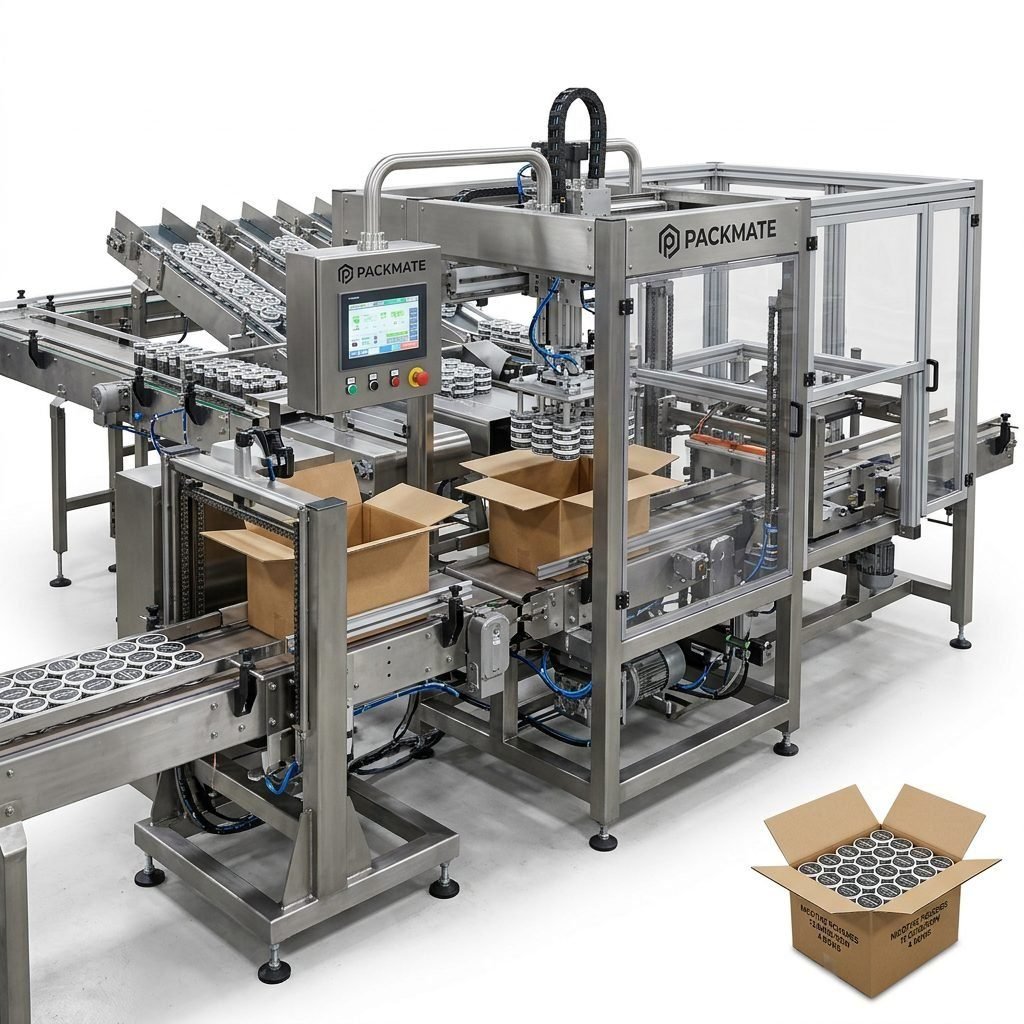
- Ability to provide turnkey solutions including auxiliary equipment like cartoners, checkweighers, and conveyors.
Packmate Snus Machine combines 30+ years of engineering experience with multiple machine models and turnkey capabilities — useful when you want a single vendor to handle integration.
Total Cost of Ownership (TCO) and ROI
Evaluate not just purchase price but long-term costs: energy consumption, spare parts, maintenance labor, and changeover time. Calculate ROI by comparing current manual or semi-automatic output to expected automated output, minus ongoing costs. Machines with higher upfront cost may deliver faster ROI through reduced labor and higher yield.
ROI checklist:
Estimated pouches/day, labor reduction, material savings from accurate dosing, and maintenance costs for the first 3-5 years.
Service, Spare Parts and Training
Strong after-sales service prevents small issues from becoming production-stopping problems. Confirm:
- Warranty terms and availability of spare parts.
- Training programs for operators and maintenance staff.
- Remote support capabilities and on-site service options.
Integration with Upstream/Downstream Equipment
Packaging machines rarely operate alone. Coordinate with auxiliary equipment suppliers to integrate feeders, bulk hoppers, metal detectors, labeling, and cartoning lines. If you need integrated solutions, check suppliers with a complete offering like Snus & Nicotine Packaging Machines.
Factory Acceptance Testing and Installation
Before shipment, request factory acceptance tests (FAT) with your product or a close simulant. FAT verifies performance, accuracy, and integration. Plan for site acceptance testing (SAT) after installation in Laos to validate performance under local conditions.
Must-have for purchase:
Written FAT/SAT protocols, training schedule, and spare parts list.
Sustainability and Energy Efficiency
Energy-efficient drives, optimized pneumatics, and material-efficient sealing reduce operational costs and support sustainability goals. Consider machines with energy recovery features and modular standby modes for low production periods.
Making the Final Decision
Rank potential suppliers by: technical fit, TCO, service capabilities, and evidence of installed performance. Request demonstrations, check client references, and verify compliance documentation. When possible, visit an installation or attend an exhibition where machines run live — see Our Exhibition for opportunities.
Quick procurement checklist
🔧 Machine type match
📈 Capacity & scalability
⚖️ Filling accuracy and weighing options
📦 Service, warranty & spare parts
💡 FAT/SAT and operator training
Why Packmate Can Be a Strategic Partner
With a 20,000㎡ manufacturing facility, advanced CNC capabilities, and over 30 years of experience, Packmate offers specialized snus and nicotine pouch machinery plus turnkey packaging lines. Their portfolio includes multi-lane systems ideal for small-dose pouches and global installation experience — helpful for manufacturers in Laos targeting both domestic sales and export.
For more details on modular options and auxiliary equipment, see Packmate’s comprehensive product lists and support services: Bag & Pouch Packaging Machines and Auxiliary Packaging Equipment.
Final Recommendations
Start with a clear product and capacity specification, vet suppliers by proven installations and service support, and prioritize machines that offer modular scalability and high dosing accuracy. Factor in regulatory compliance, local serviceability in Laos, and a realistic TCO model to make a durable investment.
Common Questions (FAQs)
Q1: What machine speed should I target for a new nicotine pouch line in Laos?
A1: Base the speed on your daily production target. Many small-to-medium lines aim for 2000–10,000 pouches/day; select machine lanes and nominal pouches/min accordingly. Include uptime and maintenance windows when calculating real throughput.
Q2: How critical is multi-lane capability?
A2: Multi-lane machines allow higher throughput in limited floor space and are often more cost-effective than multiple single-lane machines. They are highly recommended if you expect rapid scale-up.
Q3: What documentation should a supplier provide?
A3: Request CE/ISO certificates, FAT/SAT protocols, electrical and pneumatic requirements, spare parts lists, and training plans. Also ask for customer references and case studies.
Q4: Is it better to buy a turnkey line or assemble from multiple vendors?
A4: Turnkey suppliers reduce integration risk and accelerate time-to-market. If you have strong engineering resources, modular vendors can be combined, but expect more project management overhead.
Q5: How do I ensure long-term spare parts availability in Laos?
A5: Choose suppliers with global distribution, list critical spares in the initial contract, and consider stocking a 6–12 month spare parts kit on-site to minimize downtime.