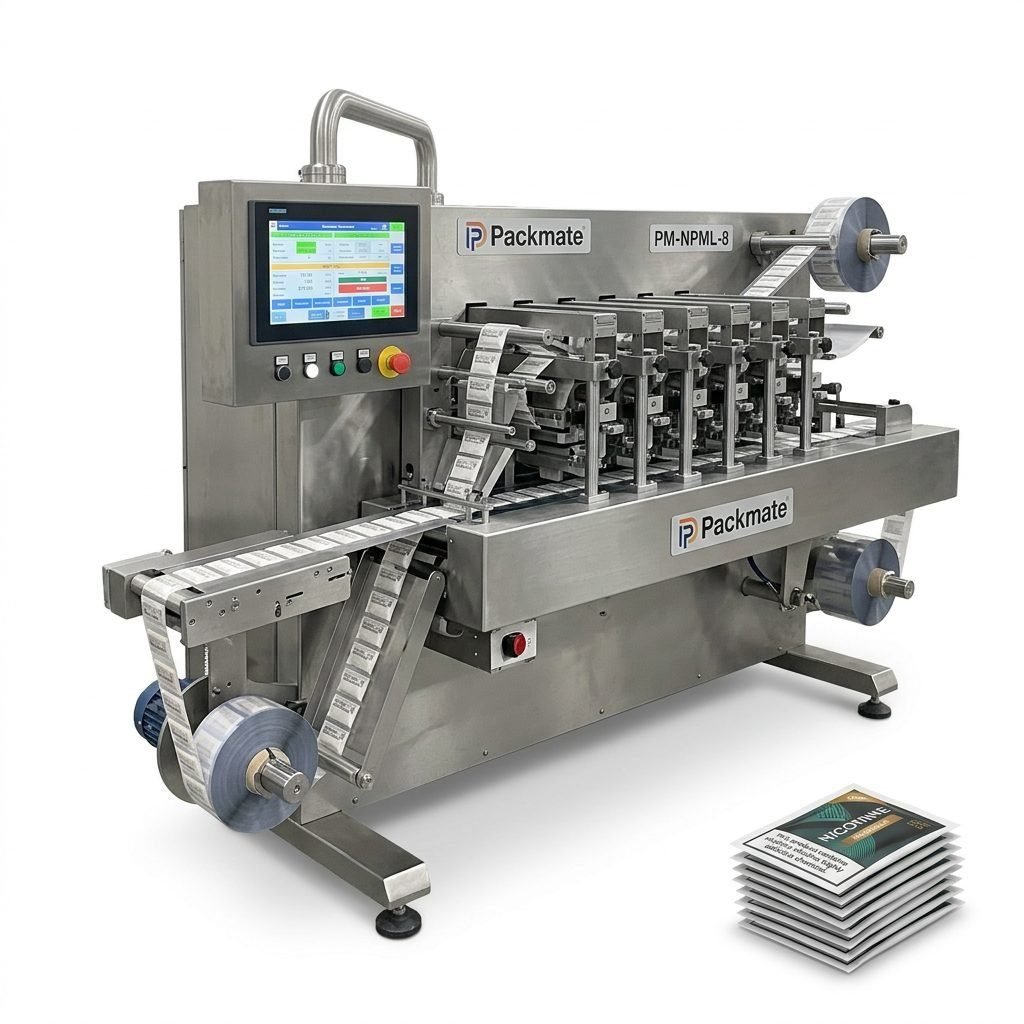
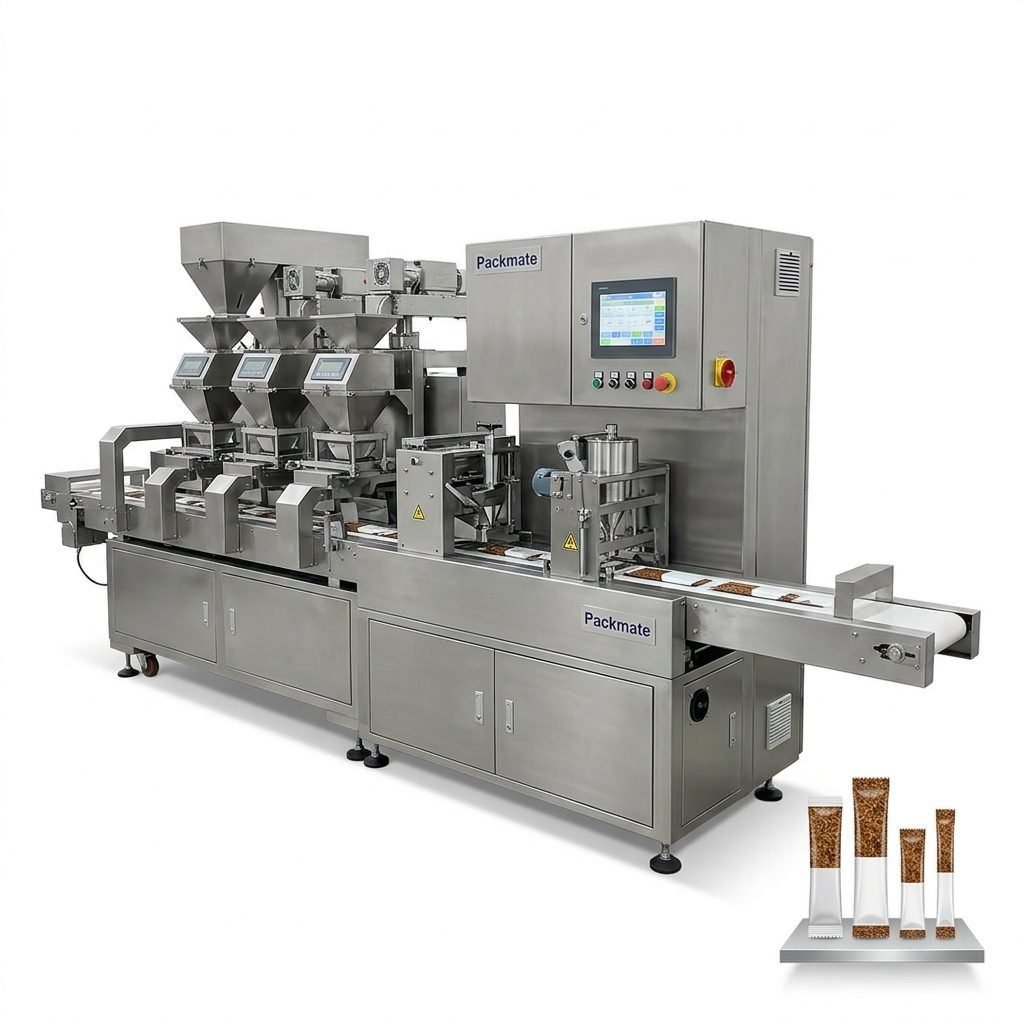
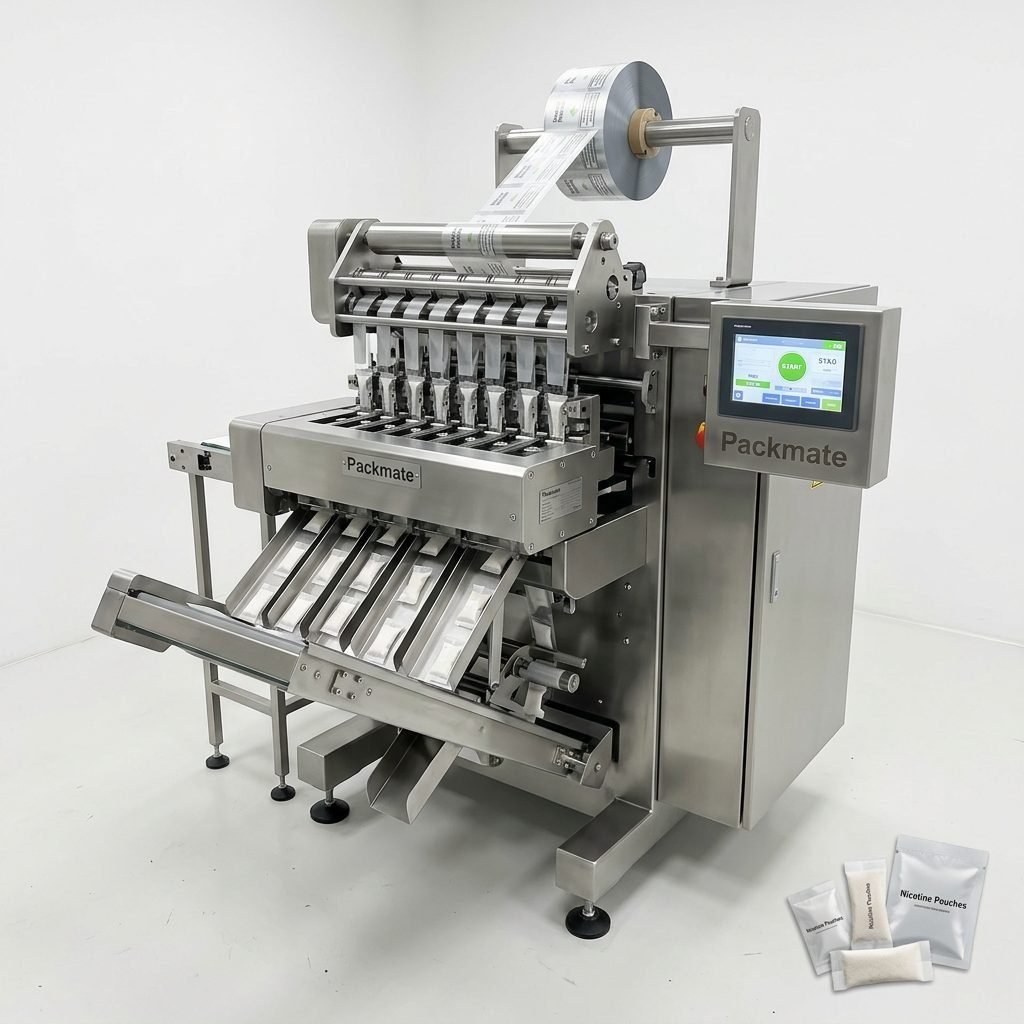
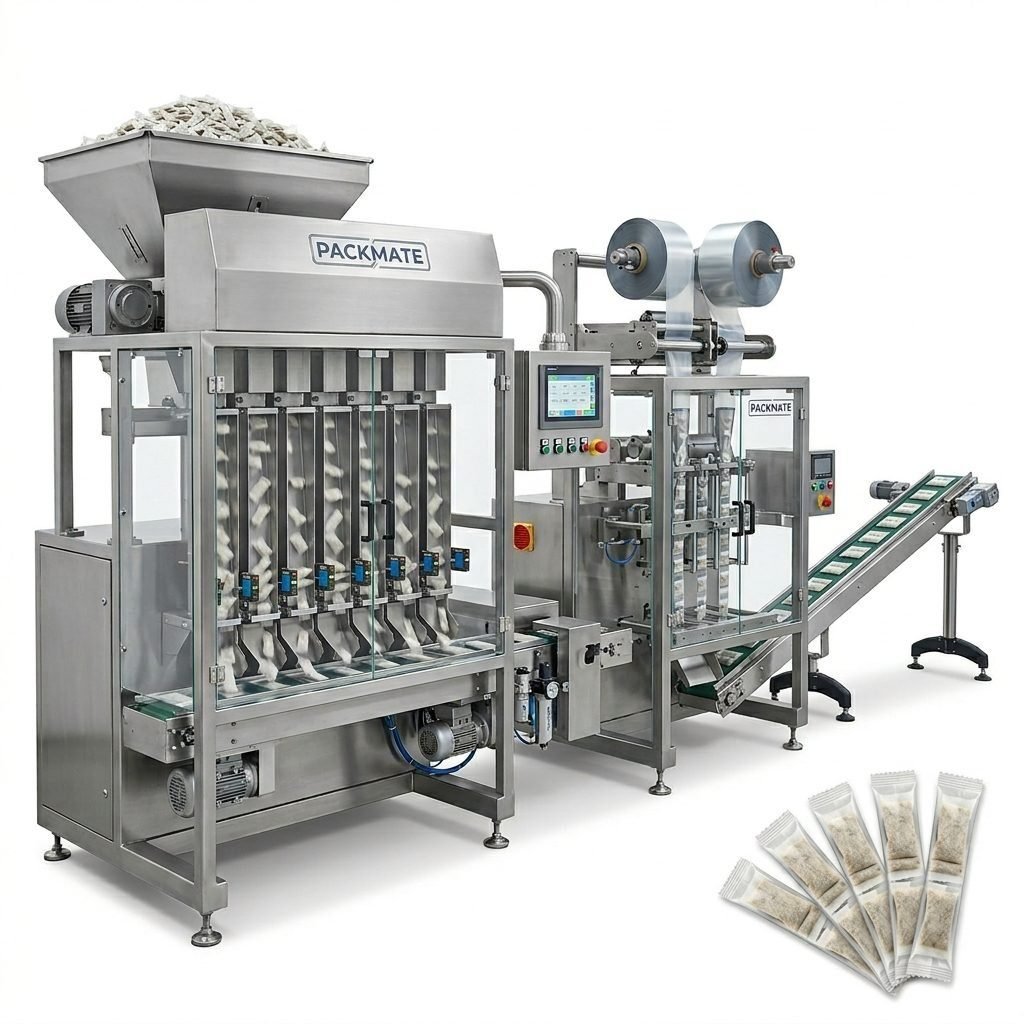
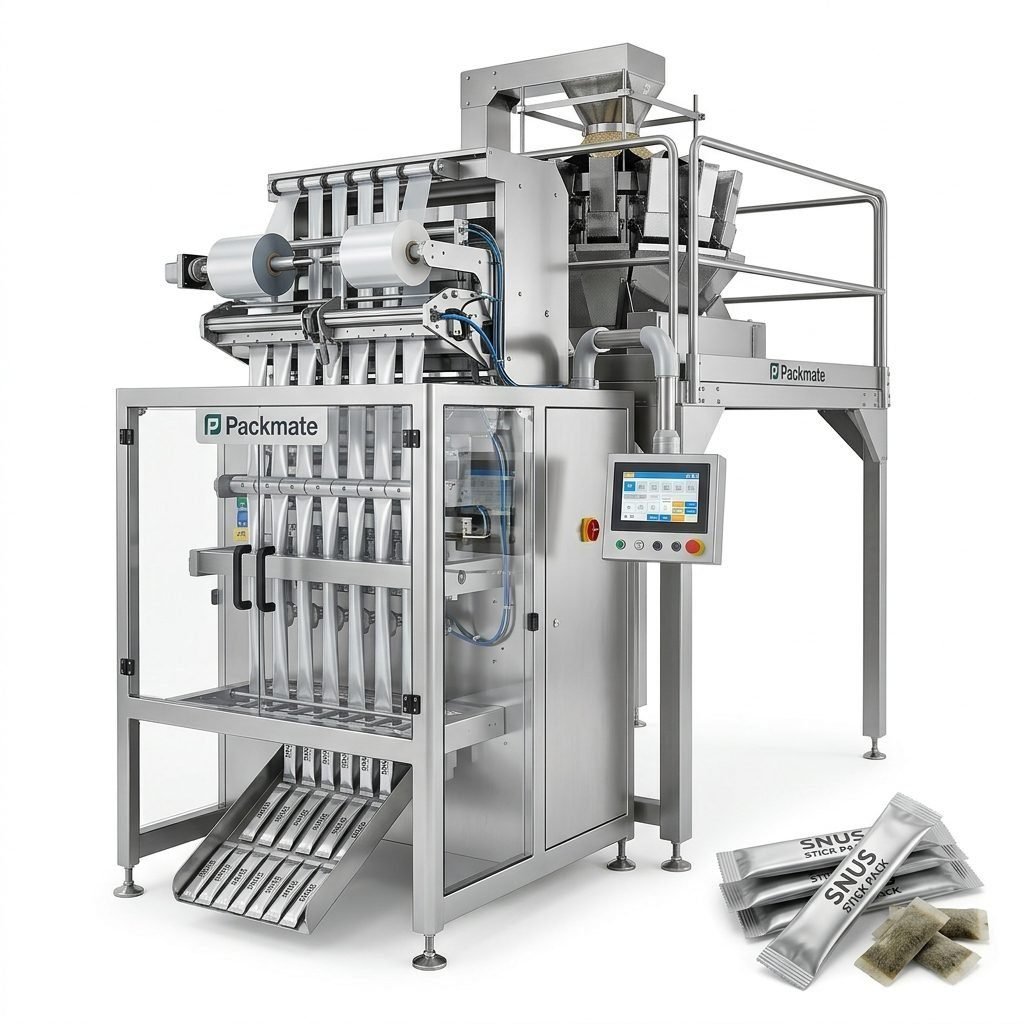
Choosing the right snus packaging machine for a factory in Sao Tome and Principe is more than a purchase—it’s a long-term investment in production stability, product quality, and regulatory compliance. This guide will walk you through the critical decisions you must make, the machine types available, and practical tips for evaluating suppliers and calculating return on investment. Whether you plan to produce nicotine pouches, traditional snus, or related consumer formats, understanding these elements will help you select a reliable partner and equipment that fits your operational goals.
Understand Your Production Goals and Local Market
Start by defining the product formats, daily output targets, and product SKUs you plan to support. In Sao Tome and Principe, demand may be concentrated in small to mid-size batches for local distribution or regional export. Ask yourself:
Which pouch types will you run (pillow sachets, stick packs, multi-lane sachets, or small nicotine pouches)?
What daily throughput do you need (pouches per minute and number of shifts)?
Do you require flexibility to run different pouch sizes and materials with quick changeovers?
Key takeaway: Clarifying SKUs and throughput upfront narrows equipment choices and avoids costly over-specification.
Types of Snus Packaging Machines
Selecting a machine type depends on product format and automation level. Common options:
Sachet & Stick Pack Machines
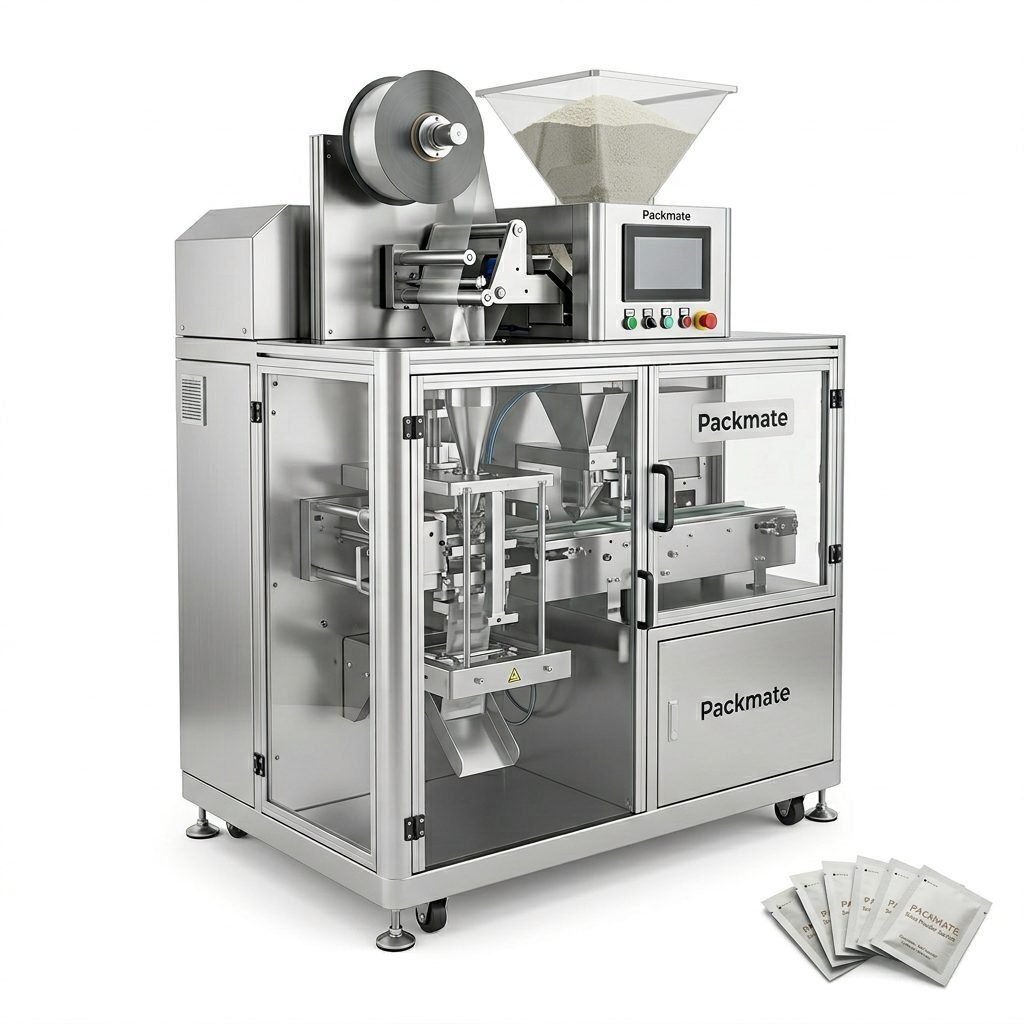
Ideal for single-dose nicotine pouches and flavored sachets. These machines are compact, cost-effective, and suitable for moderate production lines. They offer accurate dosing and high speed when configured for multi-lane operation.
Multi-lane Nicotine Pouch Machines
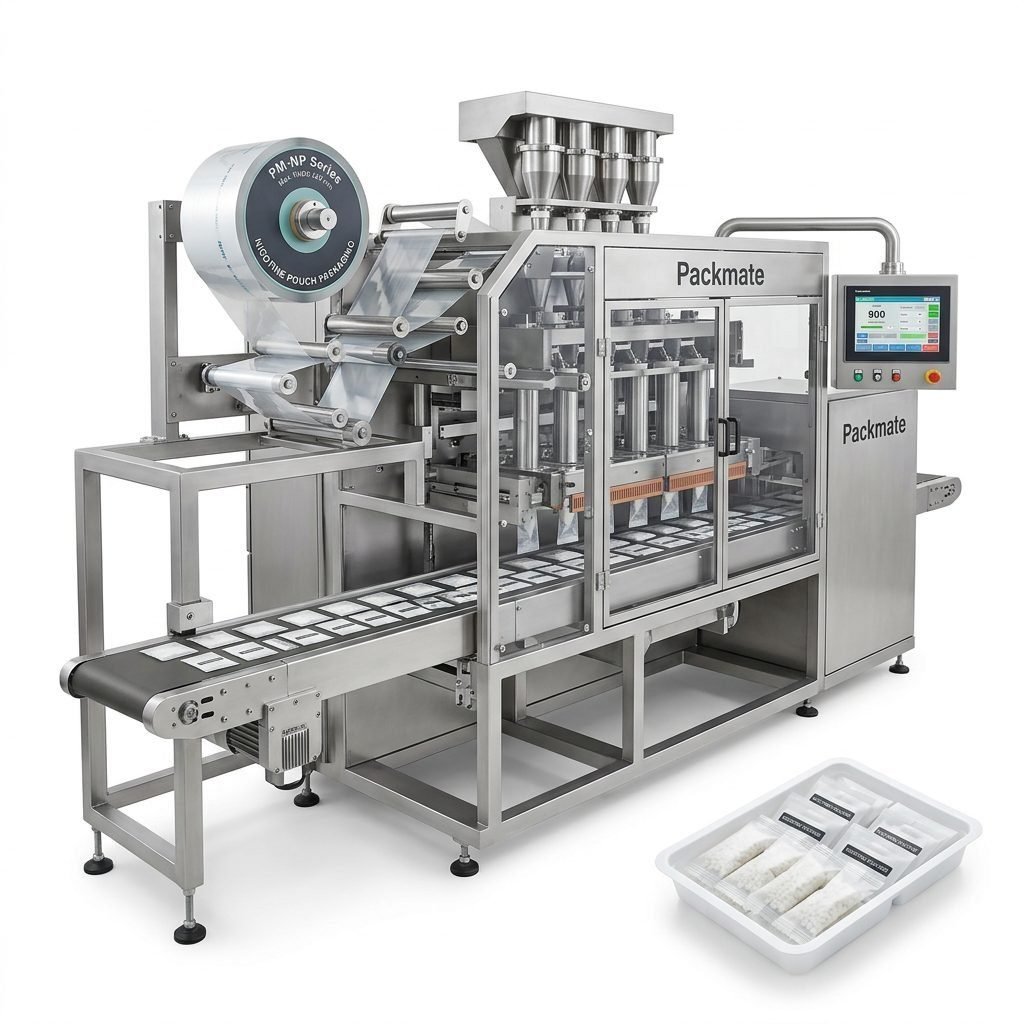
If your goal is high throughput with small-dose pouches, multi-lane lines reduce per-unit cost and save floor space. These are often fully automated with automated dosing, pouch formation, and discharge systems.
Stick Pack and Sachet Hybrid Lines
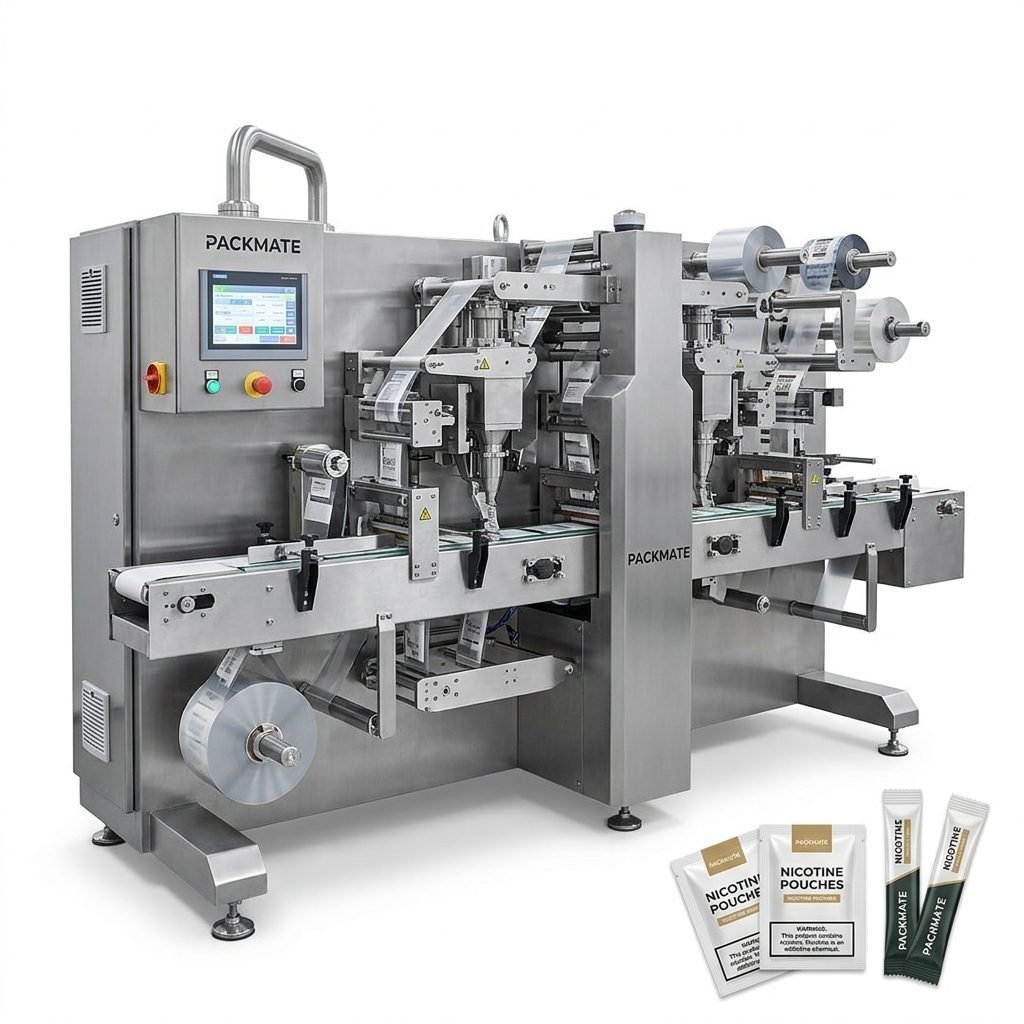
For manufacturers requiring flexibility across stick packs and sachets, hybrid machines allow switching formats with modular tooling. Expect longer changeovers but greater SKU versatility.
Key Technical Specifications to Compare
When comparing manufacturers and models, focus on the specifications that determine performance and uptime:
- Max pouches per minute (and per lane)
- Number of lanes and expandability
- Filling accuracy and dosing technology
- Tooling changeover time and ease
- Material compatibility (films, foil, laminate types)
- Electrical and pneumatic requirements suitable for local utilities
Performance note: A machine rated for 300 pouches/minute may deliver less in practice if your product requires careful dosing or slower sealing; always request factory acceptance tests (FAT) with your exact materials.
Materials, Pouch Design, and Barrier Requirements
Pouch material affects shelf-life, sealing quality, and machine settings. Discuss barrier needs—oxygen, moisture, aroma retention—with your supplier. Typical materials include laminated films with heat-seal layers suited for nicotine products.
Ask the supplier for past case studies that match your material choices, and request samples sealed on the same model you intend to buy.
Throughput, OEE and Real-World Productivity
Rated speed is one measure; overall equipment effectiveness (OEE) tells the real story. Evaluate:
- Planned vs. unplanned downtime statistics
- Mean time to repair (MTTR) and mean time between failures (MTBF)
- Spare parts availability and lead times
A reliable supplier will provide performance data from similar installations and references in similar markets.
Automation, Integration and Controls
Control systems should be intuitive for operators and allow remote diagnostics when possible. Consider:
• PLC & HMI brand and spare part accessibility.
• Network readiness for data collection and production analytics.
• Options for automatic film splicing, in-line checkweighers, and robotic case packing.
If you are implementing a complete line, evaluate the supplier’s ability to integrate upstream and downstream equipment such as feeders, weighers, and case packers. Explore packaged solutions like their Filling & Packaging Lines and Weighing & Packaging Systems.
Quality, Certifications and Compliance
For export and local retail, equipment should comply with international standards. Request documentation such as CE and ISO certificates and ask about:
- Factory quality control procedures and test reports
- Material traceability and sanitation-friendly design
- Safety features and guarding to protect operators
Packmate Snus Machine, for example, provides CE and ISO compliance and can demonstrate global installations.
Tip: Ask for a pre-shipment inspection video and complete documentation pack with mechanical drawings, electrical schematics, and spare parts lists.
Supplier Selection: What to Verify
Choosing a manufacturer should go beyond price. Verify:
- Company history, manufacturing capacity, and certifications
- Availability of local or regional service partners
- Training programs for operators and maintenance teams
- Spare parts lead times and consumable supply chain
You can learn about the manufacturer’s profile and product portfolio at their About page and detailed product categories such as Snus & Nicotine Packaging Machines and Bag & Pouch Packaging Machines.
Factory Acceptance Testing and FAT Protocols
FAT is your best protection against delivery surprises. Ensure the FAT includes:
- Production proof with your actual materials and pouches
- Performance verification at specified speeds and accuracy
- Operator training and maintenance walkthroughs
- Documentation handover and packing for transport
Installation, Commissioning and After-Sales Service
Confirm what support the supplier provides on-site for commissioning, and whether remote commissioning is available. Key service items:
• Warranty coverage and response times.
• Spare parts kits and consumables reorder guides.
• Remote diagnostic tools and software support.
Service reminder: Quick spare parts delivery to Sao Tome and Principe is critical—confirm shipping channels, customs support, and local partners.
Calculate Total Cost of Ownership (TCO) and ROI
A low initial price can hide high operating costs. Include:
- Initial equipment cost and installation
- Shipping, customs, and import duties
- Operator and maintenance training costs
- Spare parts and consumables over 3–5 years
- Energy consumption and facility upgrades
Estimate ROI by modeling realistic throughput, yield, and operating hours—not just peak capacity figures.
Practical Considerations for Sao Tome and Principe
Local infrastructure and logistics will impact your choice:
- Power supply stability—consider UPS and voltage stabilization equipment.
- Shipping timelines—longer lead times may require additional spare parts inventory.
- Local technical skills—opt for machines with modular designs and clear diagnostics for easier maintenance.
How to Validate a Supplier Remotely
If you cannot visit the factory, request:
- Live video walkthroughs of the manufacturing facility.
- Virtual FAT sessions showing your product samples on the target machine.
- References from customers in similar environments and contactable case studies.
Explore their exhibition presence and global footprint for credibility—look for participation in trade shows or public demos at Our Exhibition.
Decision checklist: Production format, throughput, material compatibility, FAT results, spare parts lead time, warranty and service network.
Final Selection Tips
• Prioritize reliability and uptime over marginal speed advantages.
• Favor suppliers with a track record in snus/nicotine pouch packaging and demonstrable references.
• Insist on FATs with your materials and an agreed acceptance protocol.
• Balance automation level with local maintenance capability—choose intuitive controls and good documentation.
Useful Resources and Links
Explore product lines and services to refine your shortlist:
• Snus & Nicotine Packaging Machines: Product Details
• Bag & Pouch Packaging Machines: Machine Options
• Case Studies and Global Installations: Case
Conclusion
Selecting the best snus packaging machine for Sao Tome and Principe requires a careful balance of production needs, material compatibility, supplier reliability, and total cost of ownership. By focusing on FAT validation, spare parts readiness, and after-sales service, you can minimize risk and secure a machine that supports consistent product quality and business growth.
Frequently Asked Questions
Q1: What production capacity should I choose for a small-to-medium factory?
A practical approach is to model expected demand for the next 3–5 years and select a machine that meets peak weekday output with room for modest growth. Multi-lane machines are ideal if you expect rapid scale-up, while single-lane stick or sachet machines fit smaller, flexible operations.
Q2: How important is FAT and can it be done remotely?
FAT is essential. It proves the machine works with your exact materials and demonstrates achievable speeds and accuracy. If travel is difficult, insist on a live remote FAT with high-quality video, written acceptance criteria, and recorded test runs using your inputs.
Q3: Are multi-lane machines more cost-effective?
Yes, for high-volume small-dose products they reduce per-unit costs and floor space. However, they require more sophisticated maintenance and higher upfront investment. Evaluate based on projected volumes and technical support availability.
Q4: What after-sales services should I negotiate?
Negotiate warranty terms, guaranteed response times, spare parts kits, and remote diagnostic support. Training for operators and maintenance staff should be included or offered at reasonable cost. Confirm spare parts shipping timelines to Sao Tome and Principe.
Q5: Where can I find trustworthy suppliers with proven snus packaging expertise?
Look for manufacturers with decades of experience in pouch packaging and documented installations. Review product lines, certifications, and case studies on supplier websites and request references. For further details, you may check suppliers’ product pages and company information such as their About and Service pages to verify capabilities.