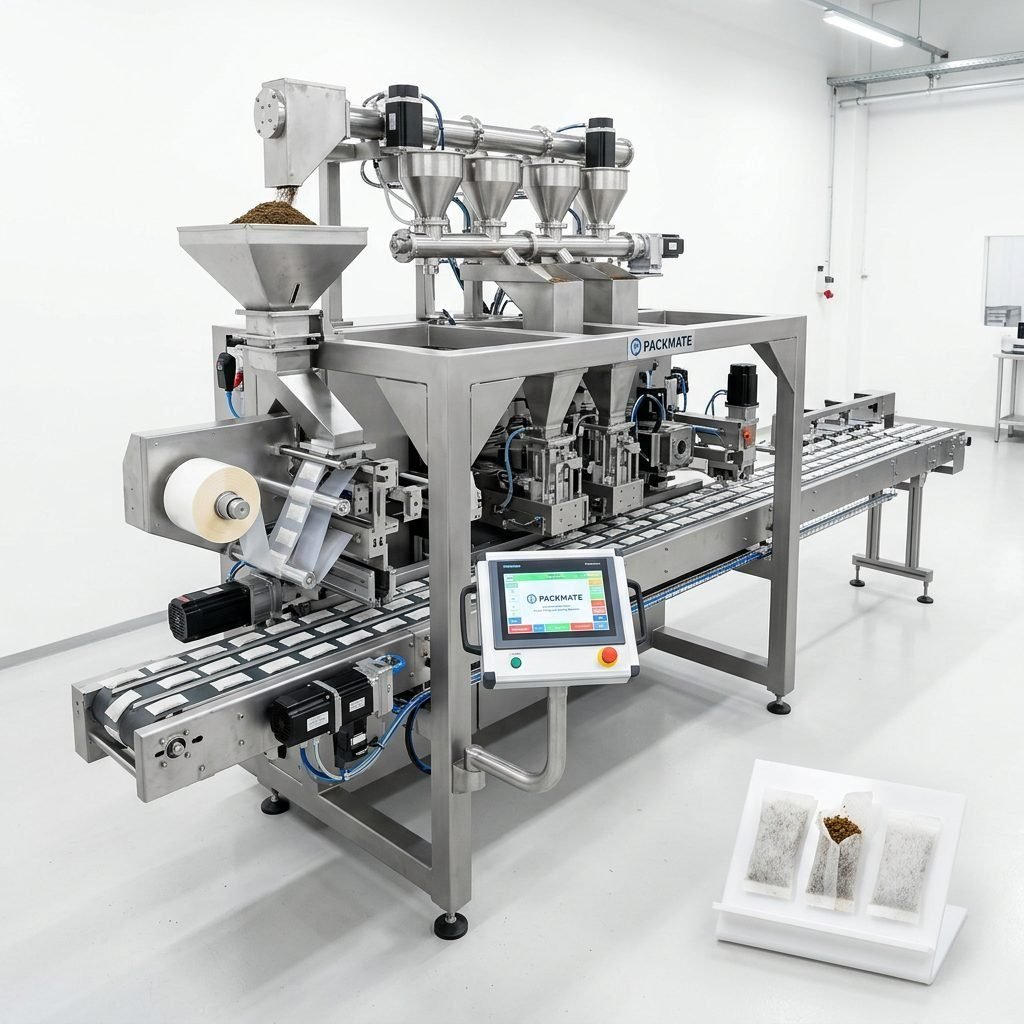
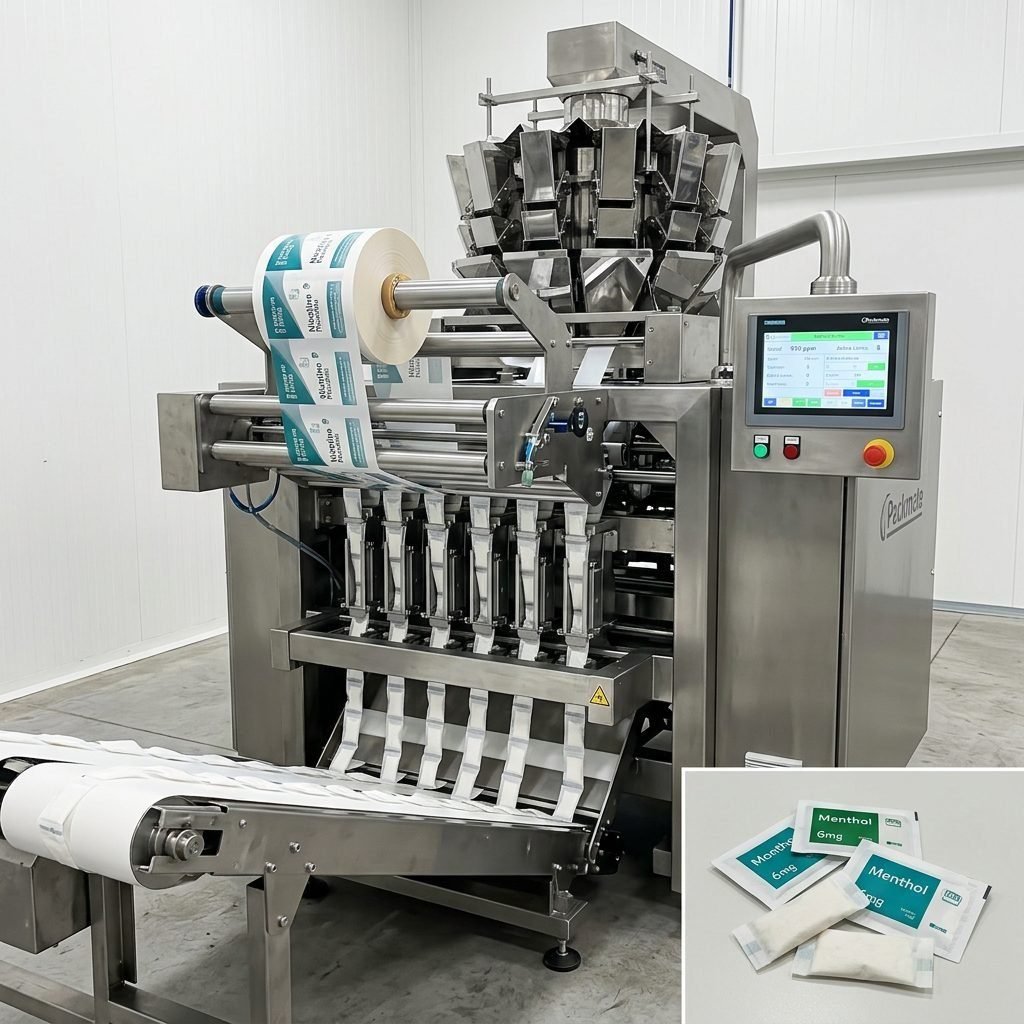
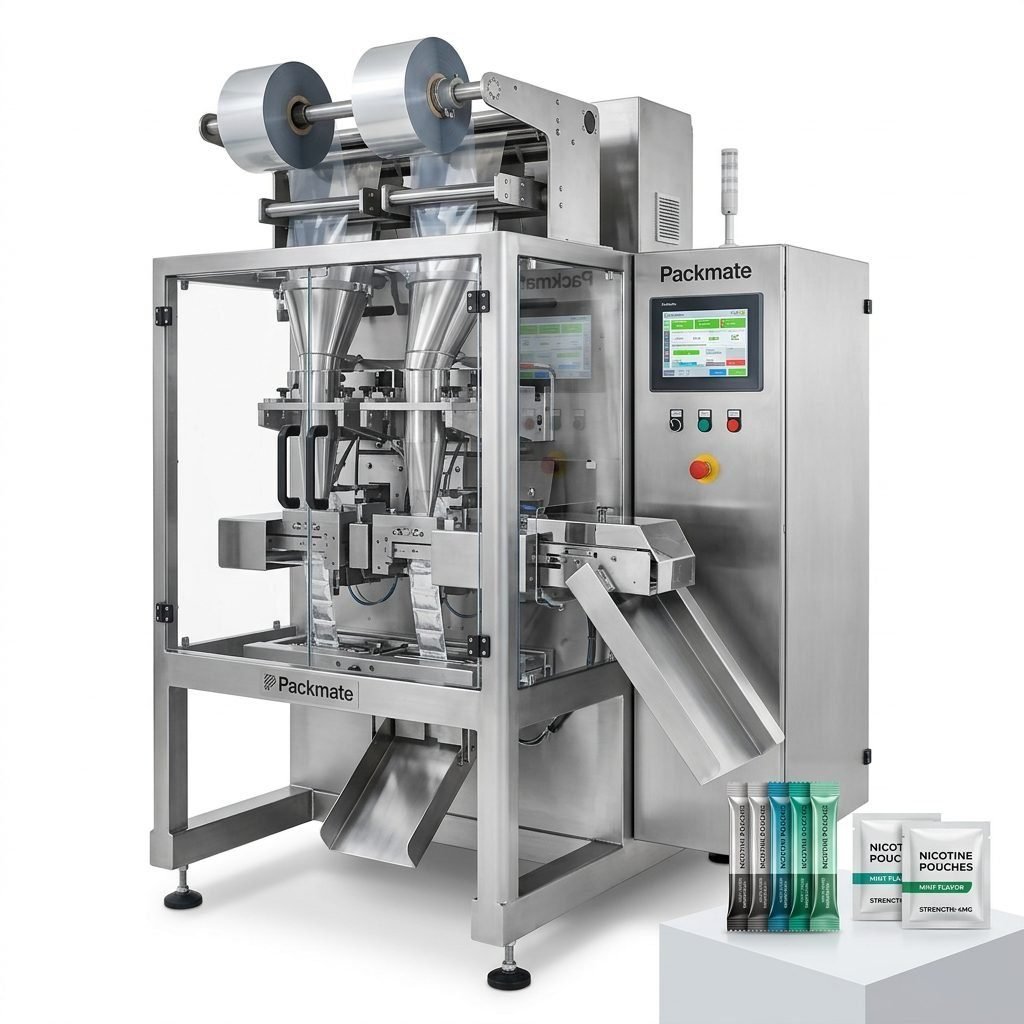
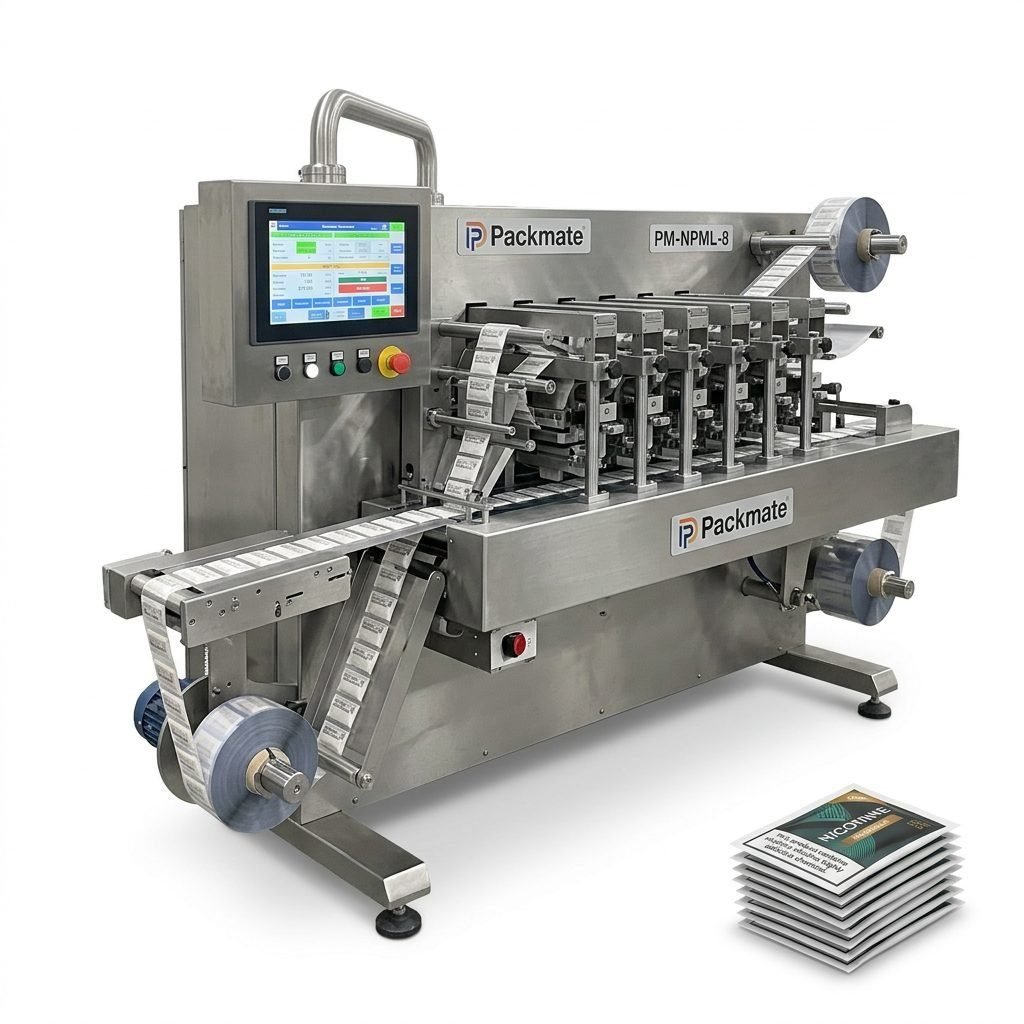
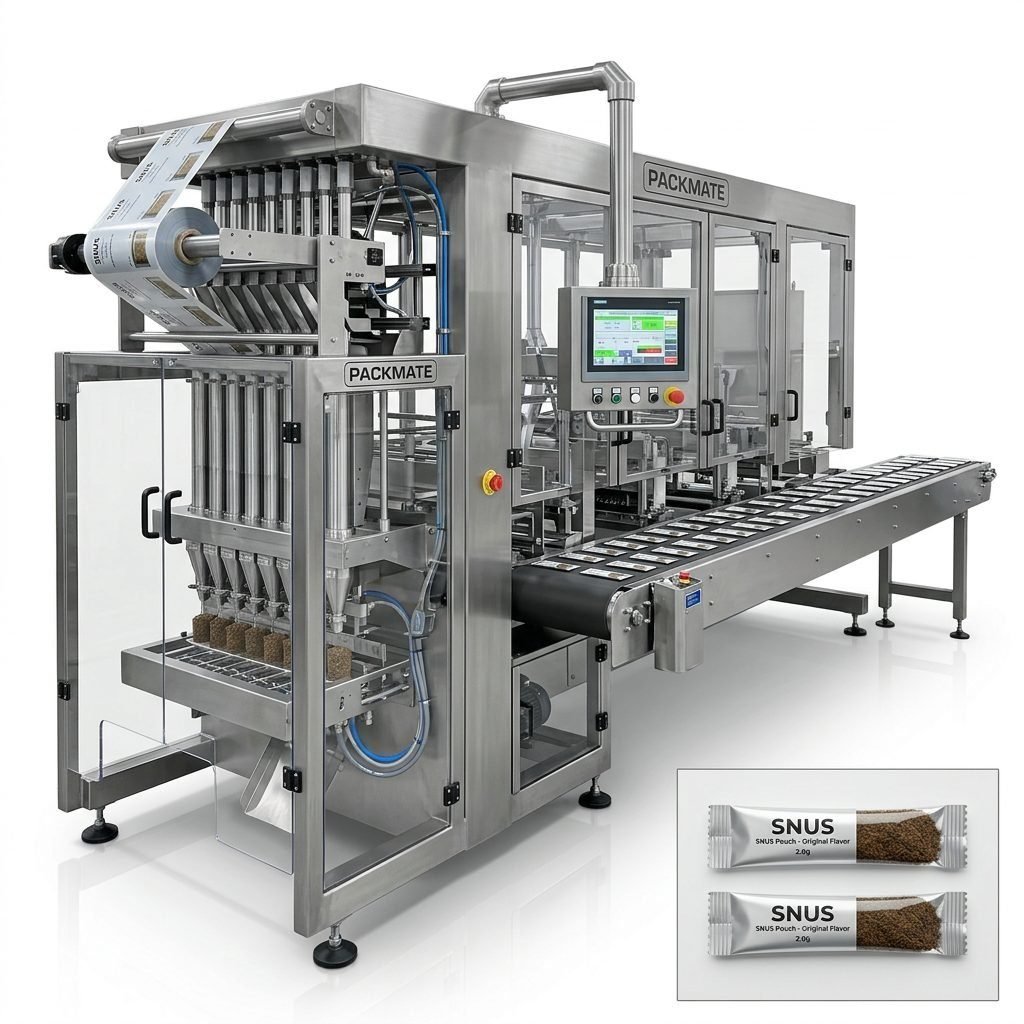
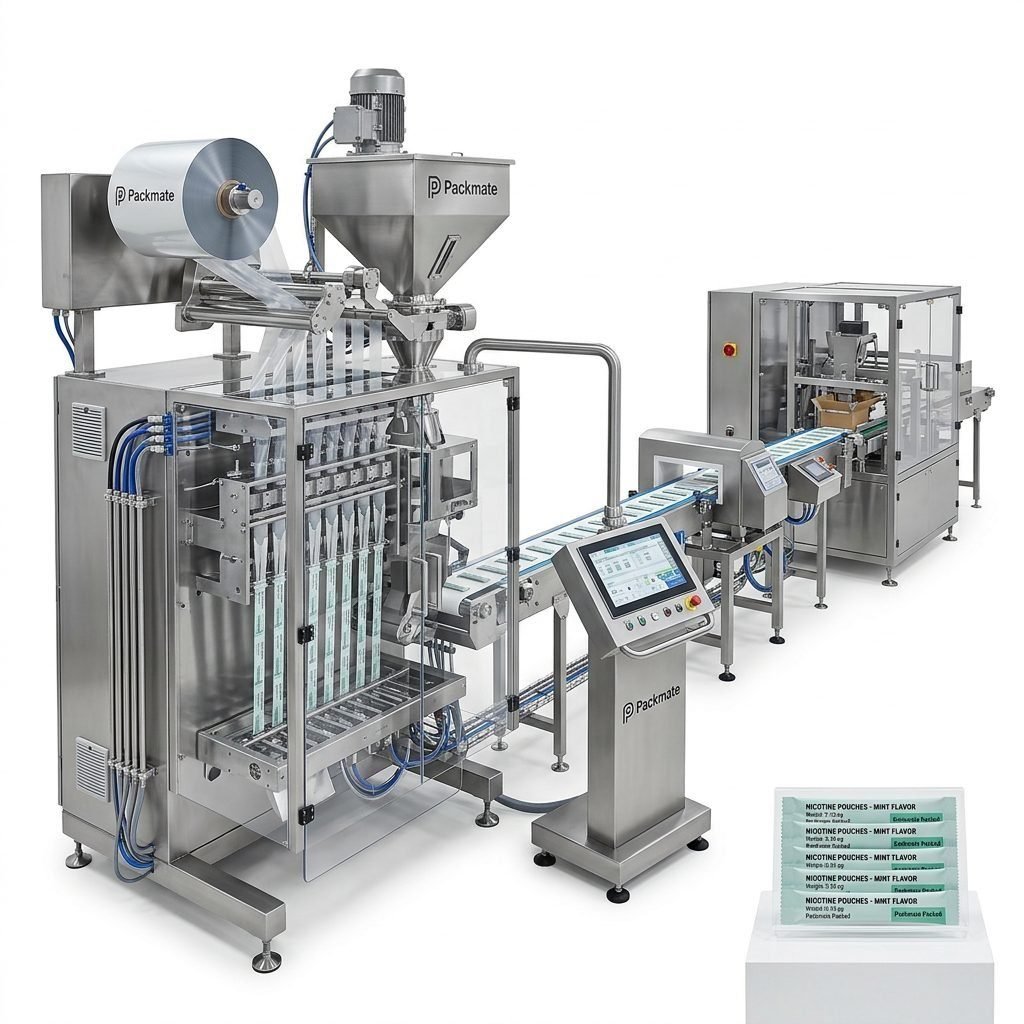
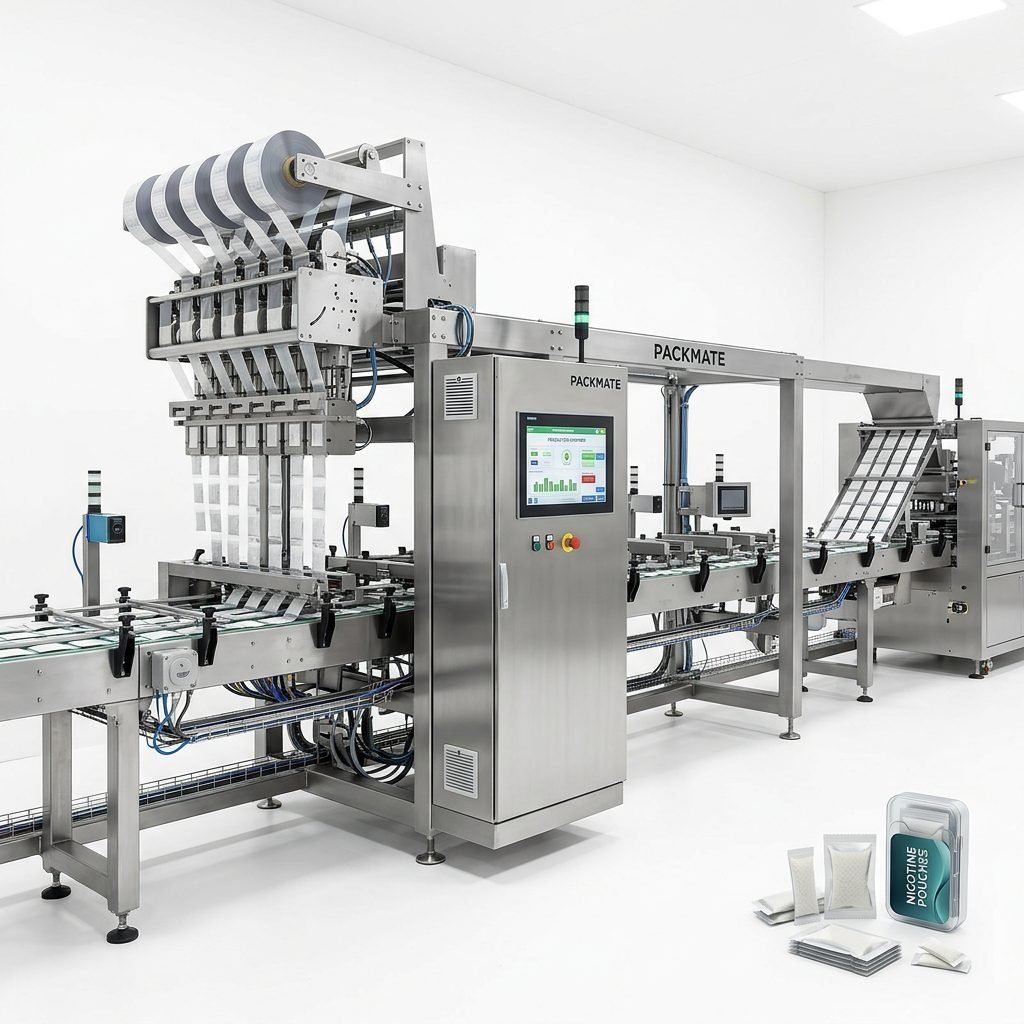
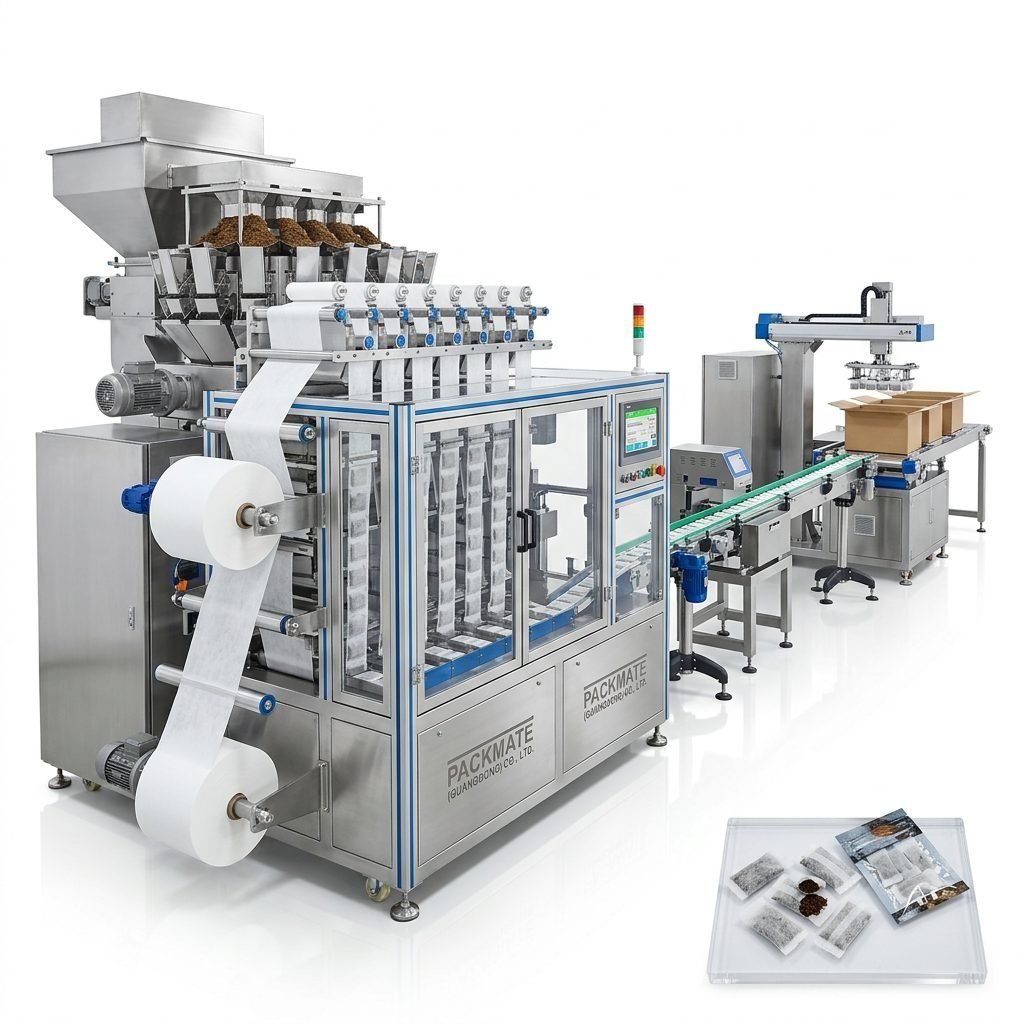
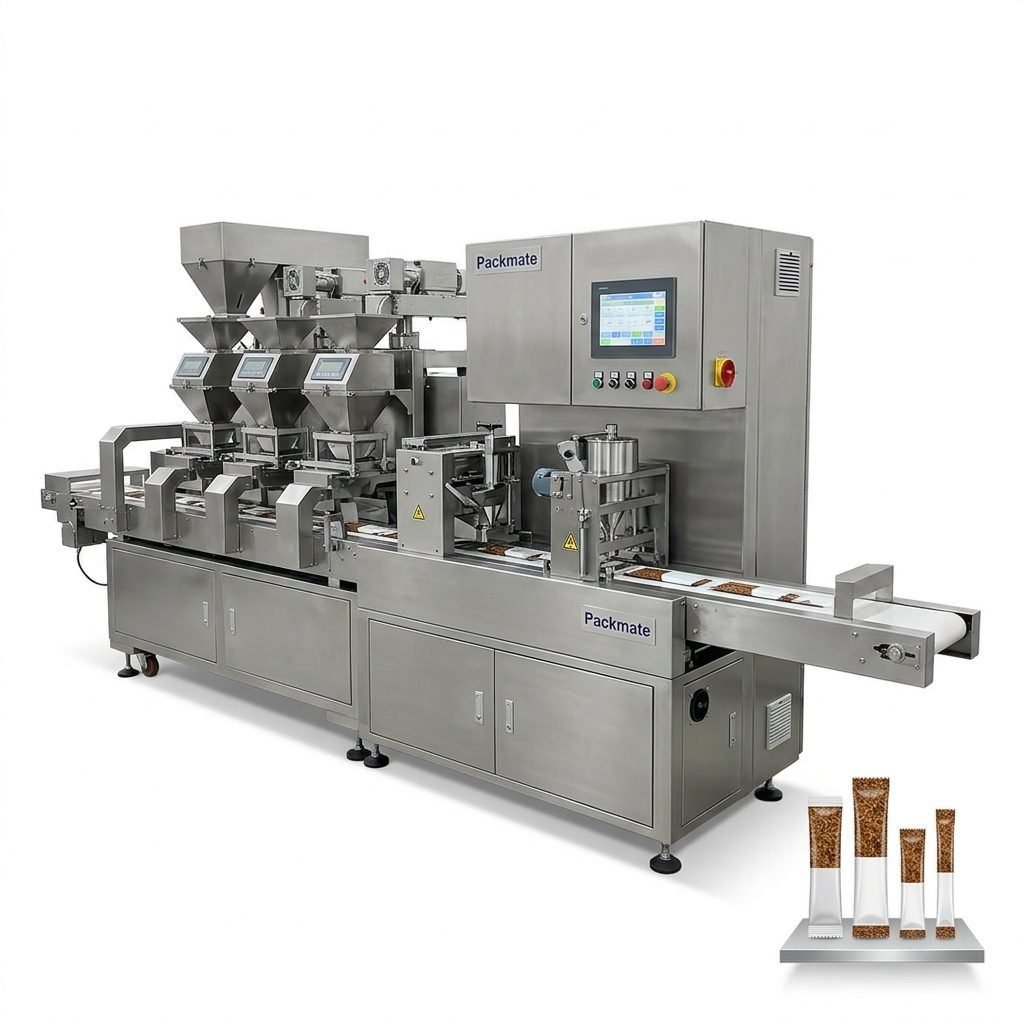
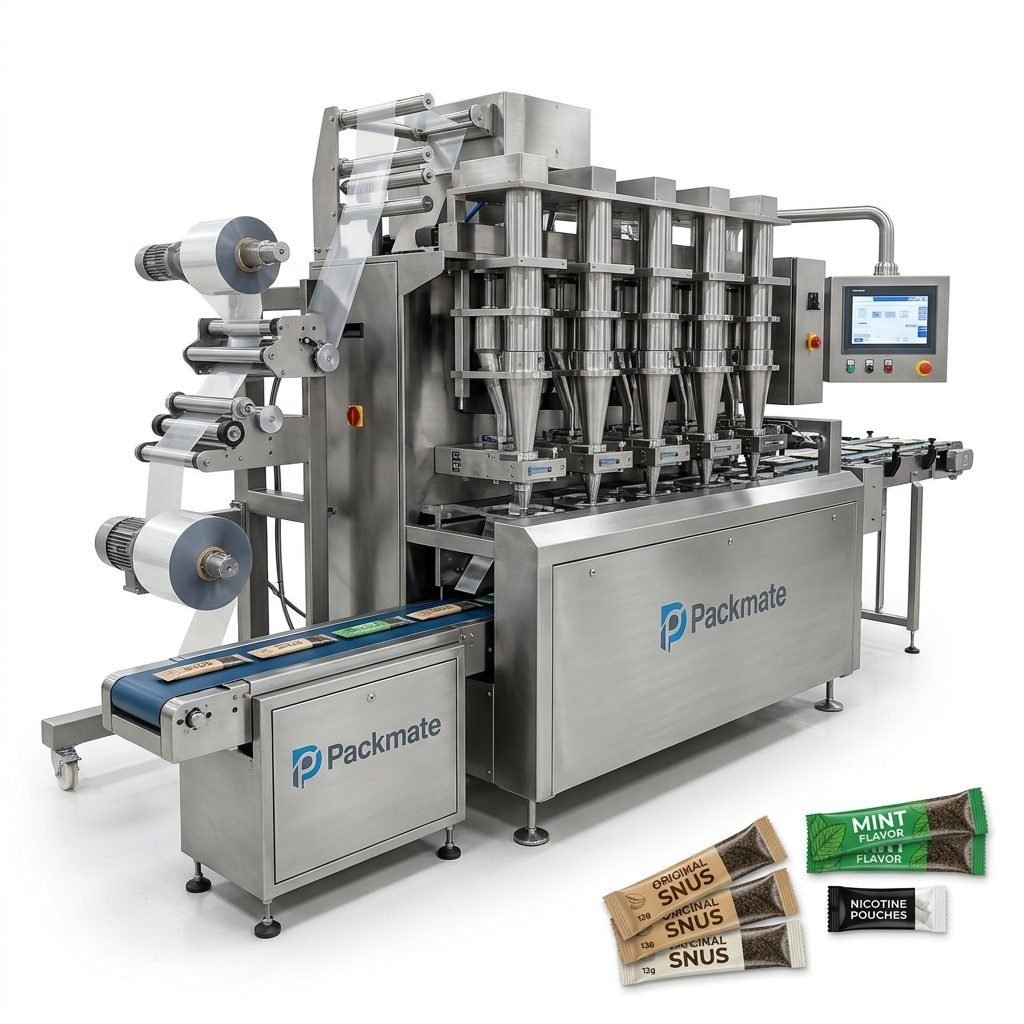
Selecting the right nicotine packaging machine manufacturer in Guinea-Bissau is a strategic decision that affects product quality, regulatory compliance, production efficiency, and long-term costs. This guide walks you through practical, industry-proven criteria and actionable steps to find a reliable partner who can deliver high-performance snus and nicotine pouch packaging lines tailored to your needs.
Why choosing the right manufacturer matters
In an industry where precision, hygiene, and consistency are non-negotiable, a packaging machine is more than equipment — it’s the backbone of your production. A trusted manufacturer ensures machines are durable, maintainable, and compliant with international standards. Choosing the wrong partner risks downtime, high maintenance costs, and product recalls.
What a reliable manufacturer should offer
Look for firms that combine engineering experience, modern manufacturing capability, and global service. Key guarantees include consistent machine performance, spare parts availability, and timely technical support. For instance, experienced suppliers such as Packmate Snus Machine emphasize over 30 years of engineering and a complete production ecosystem, which is the kind of profile you want for critical packaging applications.
Key takeaway: A manufacturer with deep R&D experience, modern CNC machining centers, and certified quality control is more likely to deliver long-term value and fewer surprises.
Top criteria to evaluate potential manufacturers
Use this checklist when screening suppliers. Each element connects directly to performance, reliability, and return on investment.
1. Industry expertise and track record
Experience matters. Suppliers with decades of focused R&D and product refinement tend to provide better engineering solutions and faster troubleshooting. Verify customer references, global installation cases, and exhibition presence to confirm credibility.
2. Machine range and customization options
A broad model range allows you to scale and customize lines for specific products — be it snus pouches, stick packs, sachets, powders, or liquids. Check whether the manufacturer offers turnkey solutions and can integrate weighing, filling, and auxiliary equipment seamlessly. Explore product lines such as
Snus & Nicotine Packaging Machines and
Sachet & Stick Pack Machines.
Must ask: Can the machine handle your target pouch size, fill weight tolerance, lane count, and production speed? Confirm multi-lane options if you need high throughput.
3. Factory capacity and quality assurance
A manufacturing facility with advanced CNC centers and precision assembly lines signals the ability to maintain consistent tolerances and quality. Look for evidence of quality systems and certifications; these are essential for export and regulatory compliance. See supplier credentials at their certificate page such as
Certificate.
4. After-sales service and spare parts
Rapid access to replacement parts and skilled technicians reduces downtime. Confirm the supplier’s spare-parts policy, lead times, remote diagnostics capability, and training programs. Reliable suppliers provide global service networks or clear remote support plans. For services, check their
Service options and contact channels.
5. Compliance, safety and regulatory support
Packaging nicotine products invokes stringent labeling, material, and hygiene requirements in many markets. Confirm the supplier’s machines meet CE, ISO, and other relevant standards. Ask for documentation that supports regulatory audits and inspections.
Pro tip: Request a compliance package with machine test reports, material certificates, and calibration data before purchase.
Operational considerations for Guinea-Bissau
Local infrastructure, customs procedures, and availability of skilled maintenance personnel can influence machine uptime. When dealing with suppliers abroad, clarify logistics, packaging for shipment, installation services, and local training sessions to ensure smooth commissioning.
Logistics & Installation
Discuss FOB/CIF terms, shipping timelines, and who handles customs clearance. Ensure the vendor provides an installation and commissioning plan with on-site support or remote guidance. Confirm the availability of local partners or qualified technicians in your region.
Technical performance metrics to verify
Be precise about the KPIs you expect from the machinery. Technical metrics matter more than marketing claims.
- Production speed (pouches per minute and multi-lane throughput)
- Fill weight accuracy and repeatability
- Changeover time between product sizes
- Downtime frequency and mean time to repair (MTTR)
- Electrical and air consumption for operational budgeting
Checklist item: Ask for video demonstrations, factory acceptance tests (FAT), and third-party inspection reports to validate claimed performance.
Comparing cost vs. long-term ROI
Initial purchase price is only part of the equation. Calculate total cost of ownership (TCO) including spare parts, consumables, service contracts, energy usage, and depreciation. A slightly higher upfront cost may be justified if it results in fewer stoppages, better yield, and easier maintenance.
Financing & warranty terms
Negotiate warranty coverage, response time SLAs, and options for extended warranties or maintenance contracts. Confirm what is covered (e.g., wear parts vs. major components) and who pays for international shipping of spare parts.
Evaluating machines by product type
Different nicotine formats require different machine families. Ensure the supplier has proven models for your exact format.
- Nicotine pouches / snus: multi-lane precision pouch systems — check sealing and dosing accuracy. See Snus & Nicotine Packaging Machines.
- Stick packs & sachets: high-speed forming and precise heat-sealing — review Sachet & Stick Pack Machines.
- Filling lines for powders/liquids: integrated weighing and dosing modules — inspect Filling & Packaging Lines.
Factory visits, FAT and acceptance testing
Whenever possible, conduct a factory visit and witness a Factory Acceptance Test (FAT). If travel is restricted, request a live video FAT showing the machine running your product. Agree acceptance criteria in writing before shipment to avoid disputes later.
FAT essentials: product specs, production speed, sealing integrity, reject rates, and operator training checklist.
Selecting the right commercial partner
A good vendor relationship is built on transparency. Evaluate response speed, technical communication, willingness to share references, and clarity on lead times. Find suppliers who provide clear documentation such as catalogs, case studies, and exhibition demos. Explore the manufacturer’s profile and global cases for reassurance:
About Packmate and
Case.
Negotiation checklist
Before signing, confirm the following in writing:
- Detailed machine specifications and options
- Guaranteed production rates and acceptance criteria
- Warranty terms, spare parts list, and service response time
- Training and documentation deliverables
- Shipping terms, installation schedule, and commissioning plan
Note: A clear contract reduces misunderstandings. Insist on detailed annexes that specify test conditions and acceptable tolerances.
Making the final decision
Weigh technical fit, supplier reliability, TCO, and service capability. Favor partners who demonstrate transparent testing, solid factory infrastructure, and a commitment to after-sales support. If you need a full packaging ecosystem — from weighing to auxiliary equipment — choose a supplier with integrated solutions such as
Weighing & Packaging Systems.
Final checklist before purchase
– Verified references and on-site or live FAT demonstrations.
– Agreed acceptance criteria and warranty conditions.
– Clear logistics, installation, and training plan.
– Spare parts availability and a spare-parts price list.
– Compliance documents for your target market.
Remember: The right machine will give you consistent product quality, reduced waste, and predictable operational costs.
Conclusion
Choosing the best nicotine packaging machine manufacturer in Guinea-Bissau requires a balance of technical verification, supplier credibility, and practical logistics planning. Prioritize manufacturers with proven experience, comprehensive product lines, modern factory capabilities, and strong after-sales service. By following the checks and negotiation tips above, you can minimize risks and secure packaging equipment that supports long-term growth and regulatory compliance.
Frequently Asked Questions
Q1: How do I validate a manufacturer’s claimed production speed?
Request a Factory Acceptance Test (FAT) or a live video demo running your specific product at the required speed and lane configuration. Ask for recorded run-time data and reject rates during the test.
Q2: What certifications should I expect from an international supplier?
Expect ISO and CE as a baseline for quality and safety. For export and market entry, request material and electrical certificates, calibration records, and any region-specific documentation your authorities require.
Q3: How important is spare parts availability?
Extremely important. Long lead times for critical spare parts can cause costly production stoppages. Ask for a recommended spare-parts list and typical lead times for each item.
Q4: Should I choose a turnkey supplier or assemble components from different vendors?
Turnkey suppliers reduce integration risk and often provide better documentation, single-point responsibility, and easier commissioning. If you have in-house integration capabilities and want cost flexibility, a modular approach may work, but it requires stronger project management.
Q5: How can I ensure good after-sales support from overseas manufacturers?
Negotiate clear SLAs in the contract, ask for remote diagnostic tools, confirm spare-parts stock options, and verify local partners or certified service agents. Check the vendor’s exhibition activity and case studies to assess global reach and commitment.