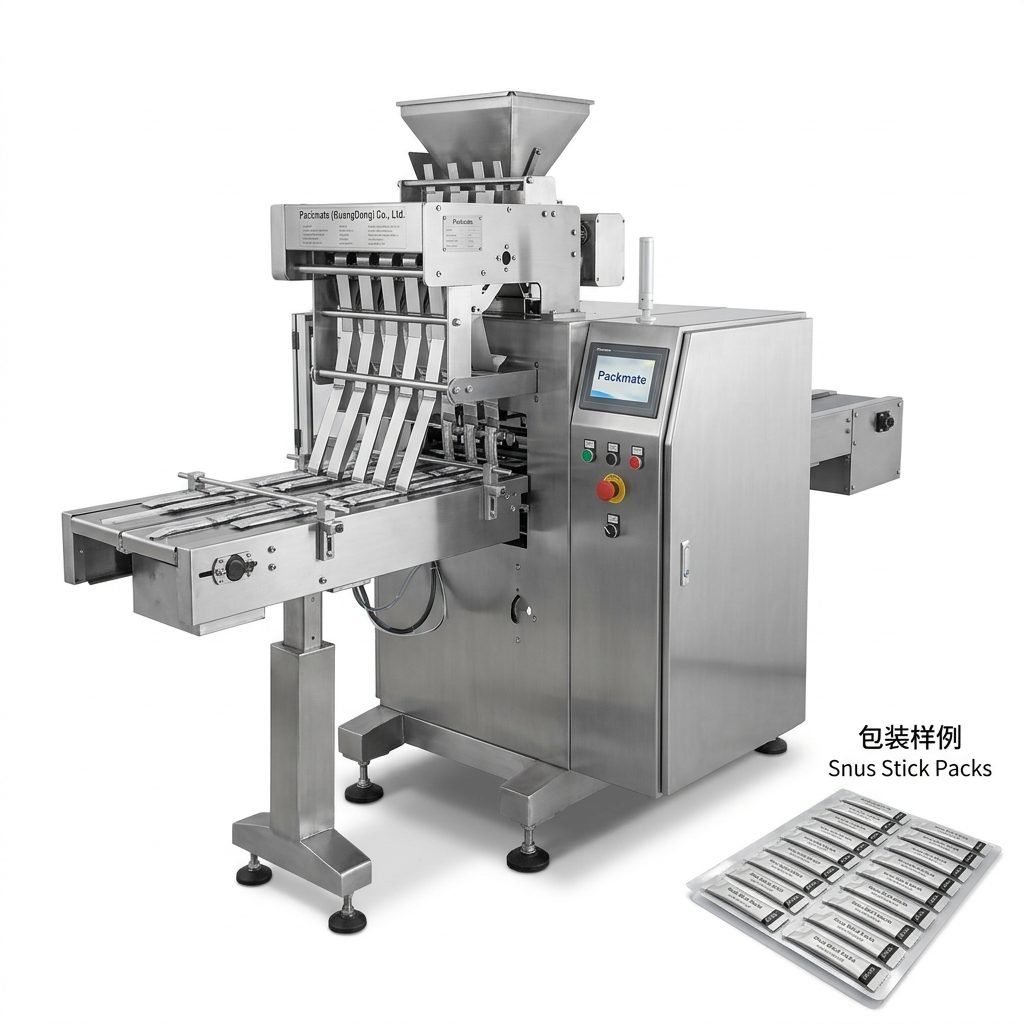
Choosing the right snus packaging machine for your Cyprus operation is a strategic decision that affects product quality, production cost, regulatory compliance, and time-to-market. This guide walks you through the practical considerations, technical comparisons, and supplier evaluation criteria to help you select the best machine for nicotine pouches, snus, and similar small-dose products.
🔍 Why the Right Snus Packaging Machine Matters
A well-matched machine ensures consistent pouch weight, stable sealing, minimal waste, and reliable uptime. For businesses in Cyprus — where imports, regulatory checks, and small-batch flexibility are important — selecting the right equipment reduces production interruptions and protects margins. Low variability in dosing and sealing quality directly improves customer satisfaction and reduces returns.
📦 Know Your Product: Format, Dose, and Materials
Start by documenting product attributes: average pouch weight, moisture sensitivity, granule or powder characteristics, pouch material (foil-laminated, paper, film), and preferred packaging format (stick pack, sachet, or multi-lane pouches). Machines optimized for light, multi-lane snus pouches differ from systems designed for bulk-filled sachets. Choosing a machine tailored to your product avoids frequent changeovers and material compatibility issues.
⚙️ Production Capacity & Speed Requirements
Estimate realistic daily and monthly outputs. Consider peak production needs and future scale-up. Machines are rated by pouches per minute and lane count; multi-lane systems provide higher aggregate outputs but require precise synchronization. If you plan to grow, favor modular designs that allow adding lanes or integrating auxiliary systems.
✅ Regulatory Compliance & Certifications
For export and local distribution in Cyprus and the EU, ensure equipment complies with international standards (CE, ISO) and is compatible with clean-room or hygienic requirements if needed. Request documentation and test reports during evaluation — certified machines reduce approval time for new production lines. See Packmate’s certificate references for typical certifications: Certificate.
📌 Quick Pre-Selection Checklist
- Target pouches/minute and total lanes
- Material compatibility (films, laminates)
- Accuracy of dosing (mg tolerance)
- Changeover time and tooling cost
- After-sales support and spare parts availability
🧰 Common Machine Types and When to Choose Them
Understanding common packaging machine families helps narrow options quickly. Below are the most relevant types for snus and nicotine pouch producers.
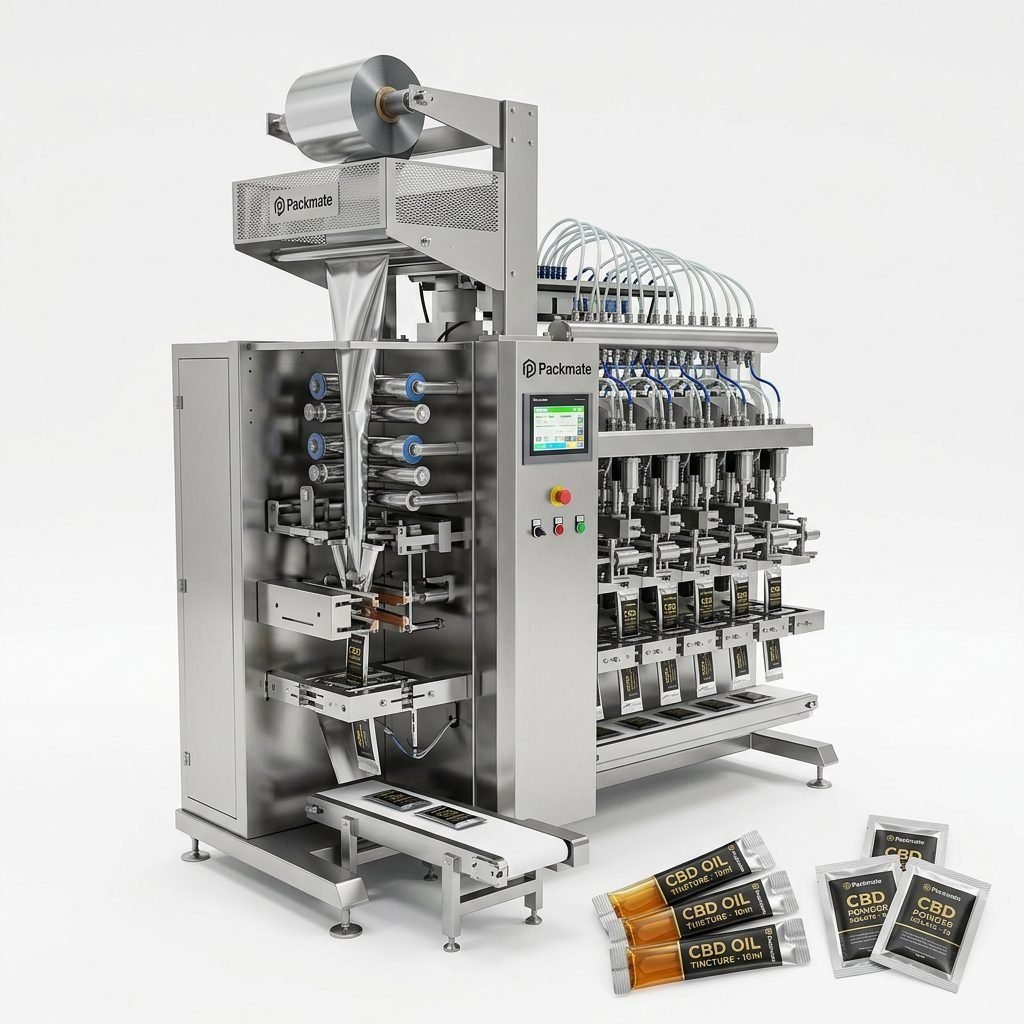
Sachet & Stick Pack Machines
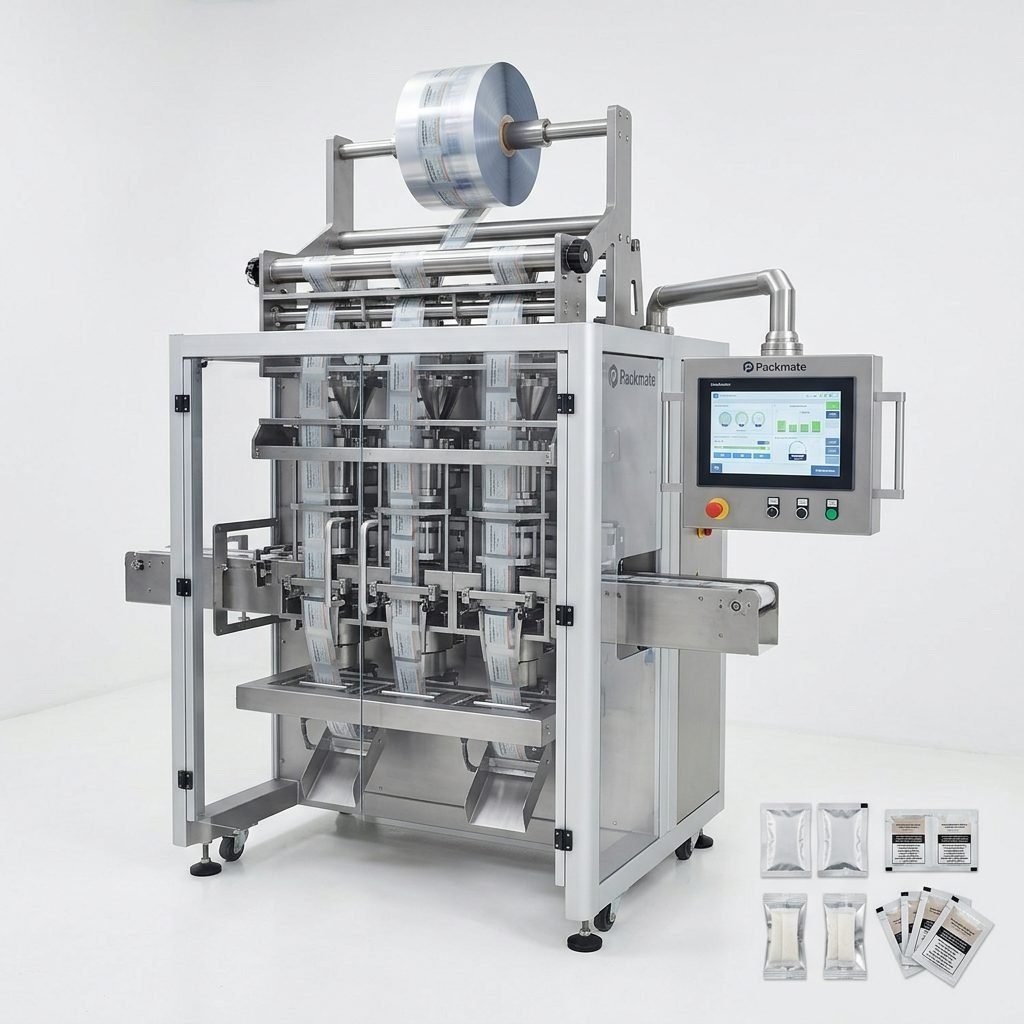
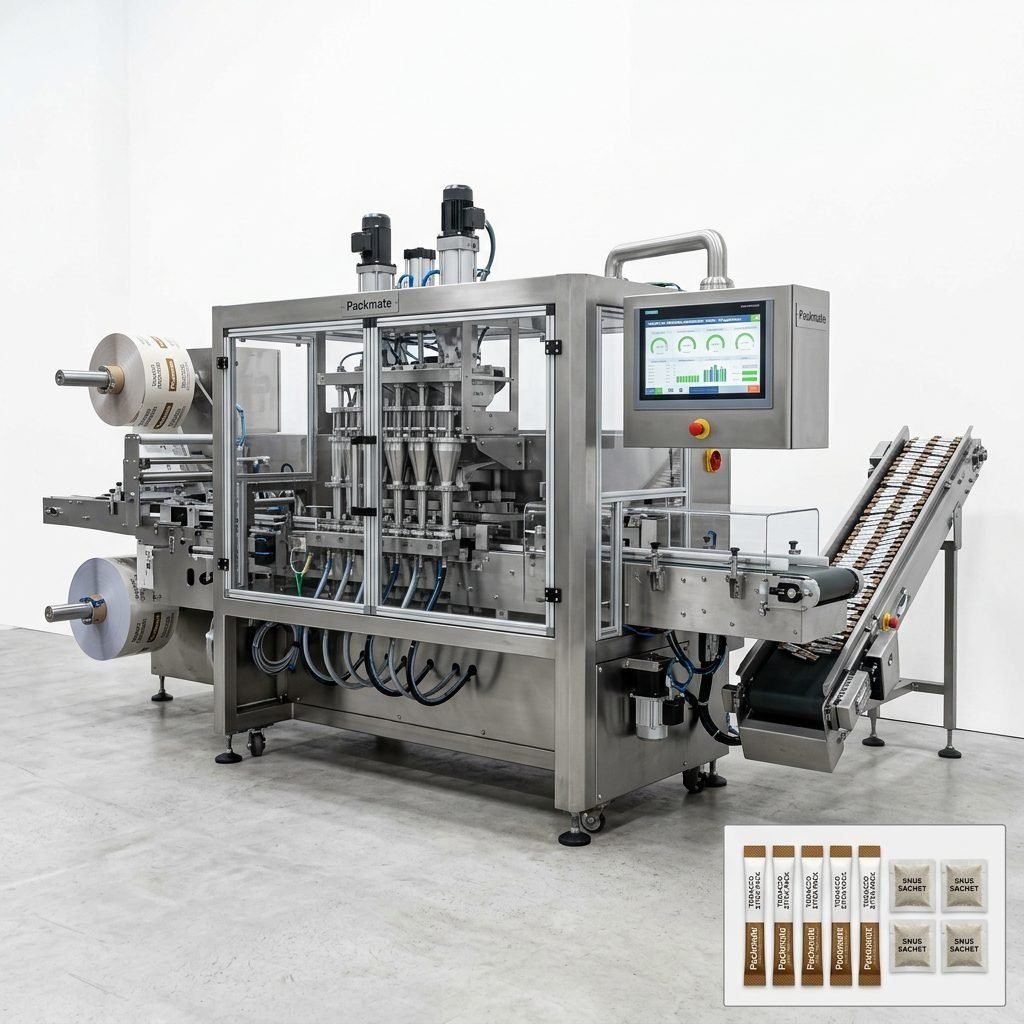
Sachet and stick pack machines are ideal for single-dose pouches and slim formats. They can be configured for powder, granule, and small particulate products. Look for machines with precise dosing modules and servo-driven film transport. Check detailed machine categories at Sachet & Stick Pack Machines.
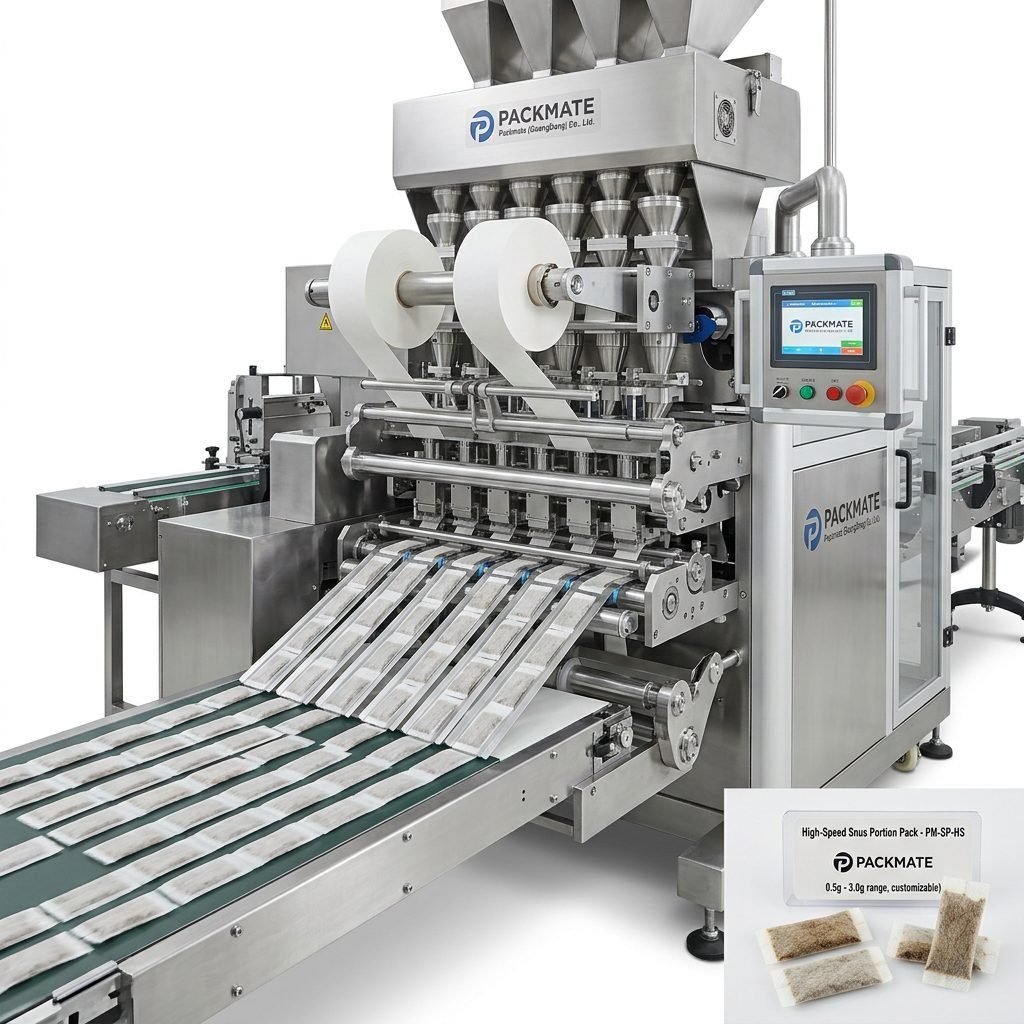
Multi-lane Snus / Nicotine Packaging Machines
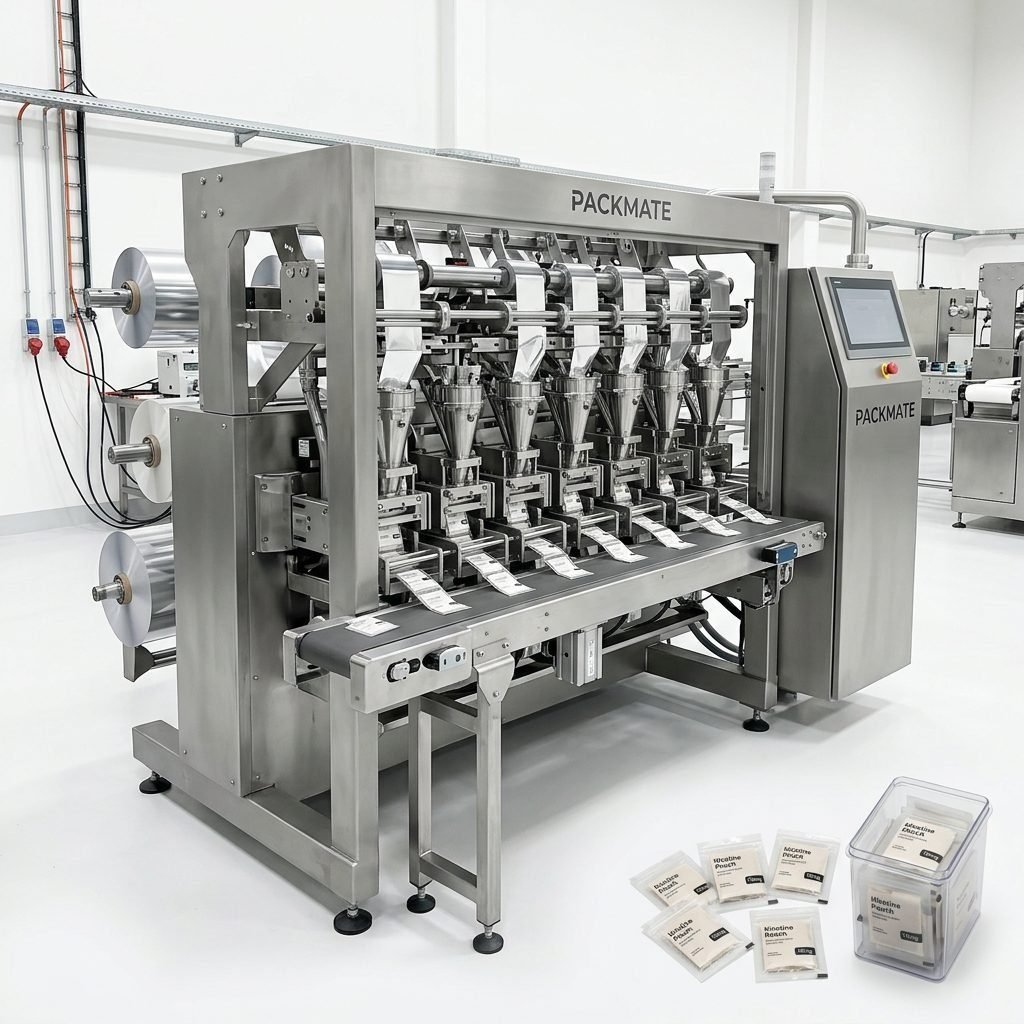
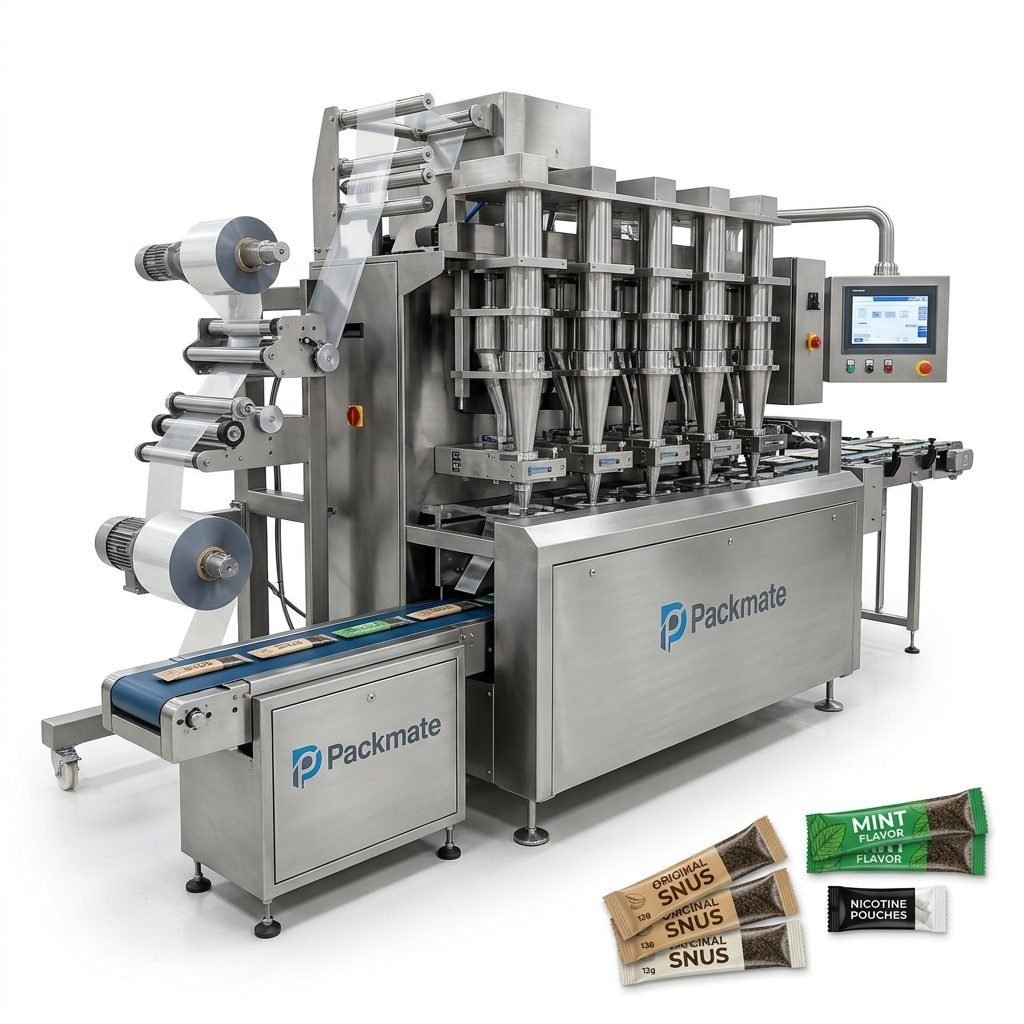
Multi-lane systems dramatically increase throughput for small-dose pouches by producing several lanes in parallel. These systems often include synchronized cutting, heat sealing, and integrated feeding systems for powder or wet blends. If your product is high-volume, multi-lane machines are often the best ROI. See examples: Snus & Nicotine Packaging Machines.
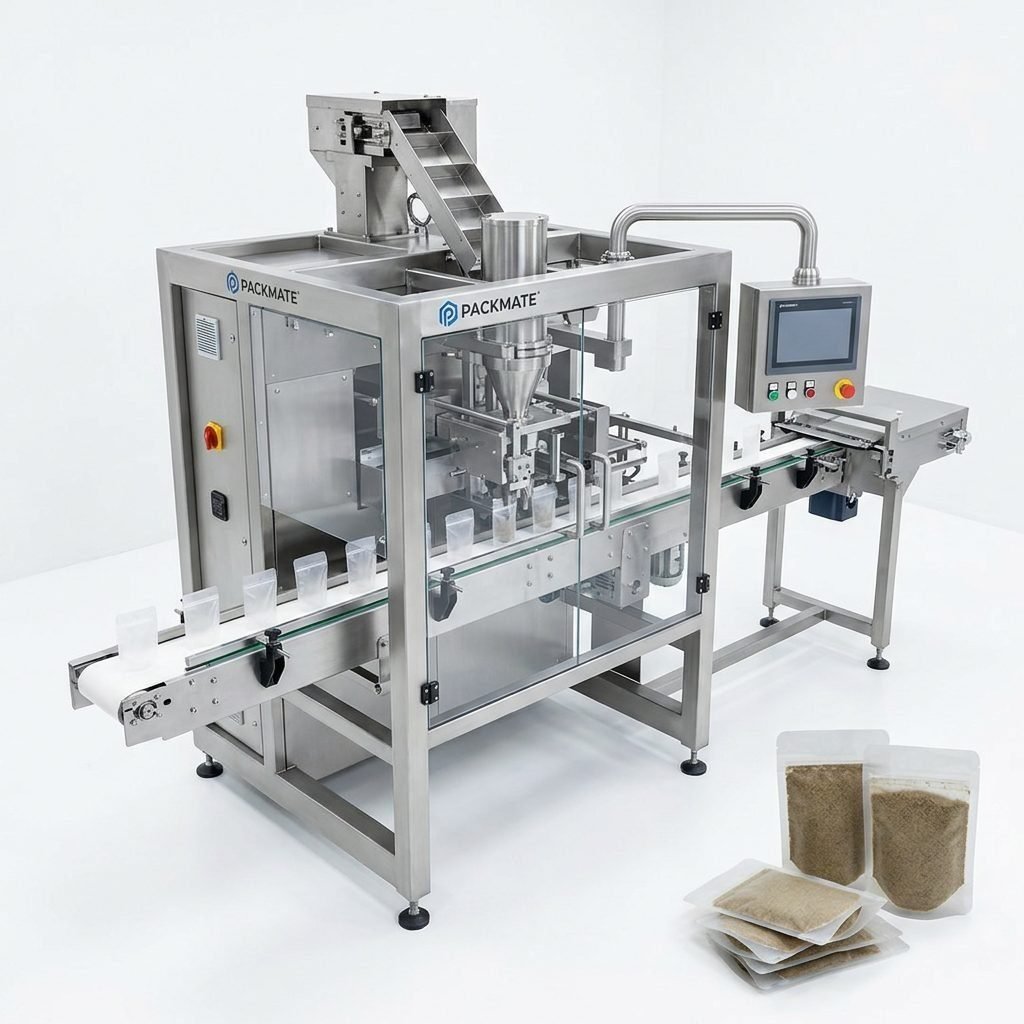
Bag & Pouch Packaging Machines
For larger, reclosable bags or secondary packaging, bag and pouch systems handle wider film widths and more robust sealing demands. These are useful when you need pouches inside secondary retail packs. Explore integrated bag systems: Bag & Pouch Packaging Machines.
📝 Key Technical Specifications to Compare
When you are comparing machines, focus on metrics that directly affect production and cost-of-ownership:
- Rated output (pouches/minute) and tested output under real materials
- Dosing accuracy (mg or % deviation)
- Number of lanes and lane synchronization method
- Film handling (servo-driven vs. belt-driven) and tension control
- Sealing system (heat/ultrasonic) and temperature stability
- Control system: PLC brand, HMI language options, recipe management
- Ease of cleaning and parts that contact product (material grade)
- Integration options: weighing feeders, vibratory feeders, filling lines — see typical add-ons at Weighing & Packaging Systems and Filling & Packaging Lines
Pro Tip: Ask for a video of the machine running with your actual film and product. Lab tests using generic materials often overstate performance.
🏭 Manufacturing Strength & After-Sales Support
A reliable vendor offers more than equipment: they provide documentation, spare parts, training, and long-term support. Packmate emphasizes factory strength (20,000㎡, advanced CNC) and decades of engineering experience — key indicators of stability. Learn more about the company and service options at About Packmate and Service.
Spare Parts & Local Availability in Cyprus
Confirm lead times for critical spare parts and whether local distributors keep common wear parts in stock. Long delivery times for small components can cause extended downtime, so prioritize vendors with regional logistics or distributor agreements.
💶 Cost Considerations & Calculating ROI
Total cost includes purchase price, installation, training, tooling, energy consumption, consumables (cutting blades, guide belts), and maintenance. Build a simple ROI model:
- Annual production target (pouches)
- Yield/waste rate difference between candidate machines
- Labor savings from automation
- Maintenance cost per year
- Payback period goal (months/years)
Machines with higher initial cost but lower waste and faster changeovers often deliver superior ROI over 2–4 years compared to cheaper, less precise alternatives.
📦 Choosing a Supplier in Cyprus or for Cyprus Supply
Local or regionally supported suppliers reduce import complexity and speed up service response. When choosing a vendor for Cyprus shipments, evaluate:
- Installation & commissioning support and on-site training
- Spare parts warehouse and typical shipping times
- References and case studies in similar markets — see global examples at Case
- Participation in industry exhibitions (demonstrates transparency) — visit Our Exhibition
🧾 Pre-Purchase Questions to Ask the Vendor
Before signing a purchase agreement, ask for:
- Factory acceptance test (FAT) video with your product
- Detailed spare parts list and recommended spares
- Warranty terms and response time SLAs
- Training plan for operators and maintenance staff
- Available customization options and lead times
Must-have Request: A written FAT report and a spare parts kit list included in the quotation.
🔧 Installation, Commissioning & Validation
Plan installation steps, site utilities, and qualification protocols in advance. Ensure the supplier provides:
- Installation layout drawings and power/air requirements
- Commissioning checklist and performance verification steps
- Operator and maintenance training on-site or remote
- Documentation including manuals, electrical schematics, and spare part cross-reference
⚠️ Common Mistakes to Avoid
Avoid these pitfalls when buying snus packaging machinery:
- Choosing machines based only on top speed without real-material testing
- Neglecting spare parts lead time and local stocking
- Underestimating changeover time for multi-format production
- Overlooking documentation and software recipe capabilities
🔎 Final Recommendation: How to Decide
Balance production needs, product characteristics, and available budget. For small-dose snus and nicotine pouches, prioritize dosing accuracy, lane synchronization, and quick changeovers. For higher volumes, multi-lane systems deliver the best per-unit cost. Validate every candidate with a Factory Acceptance Test running your actual materials and request clear spare parts and service terms before purchase.
Vendor Spotlight: Packmate offers a wide portfolio of solutions including snus and nicotine packaging machines, sachet & stick pack systems, and auxiliary equipment — view the product range at Snus & Nicotine Packaging Machines and support services at Service.
📘 Useful Links
Explore product categories and company resources for detailed specifications and case studies:
❓ Frequently Asked Questions
Q1: What machine speed do I need for a new snus product launch?
A1: Base the speed on target daily output, available shifts, and acceptable waste margins. Start by defining daily pouch targets, then back-calculate required pouches/minute. Validate with vendor tests using your material.
Q2: How important is multi-lane vs single-lane design?
A2: Multi-lane designs increase aggregate throughput and reduce floor footprint per pouch produced but add complexity. Choose multi-lane for high-volume runs; choose single-lane for flexible, frequent format changes.
Q3: What documentation should a reputable supplier provide?
A3: A complete package includes FAT reports, CE/ISO certificates, electrical schematics, spare parts lists, operator manuals, and training plans. Confirm warranty coverage and SLAs in writing.
Q4: Are turnkey production lines available for snus/nicotine pouches?
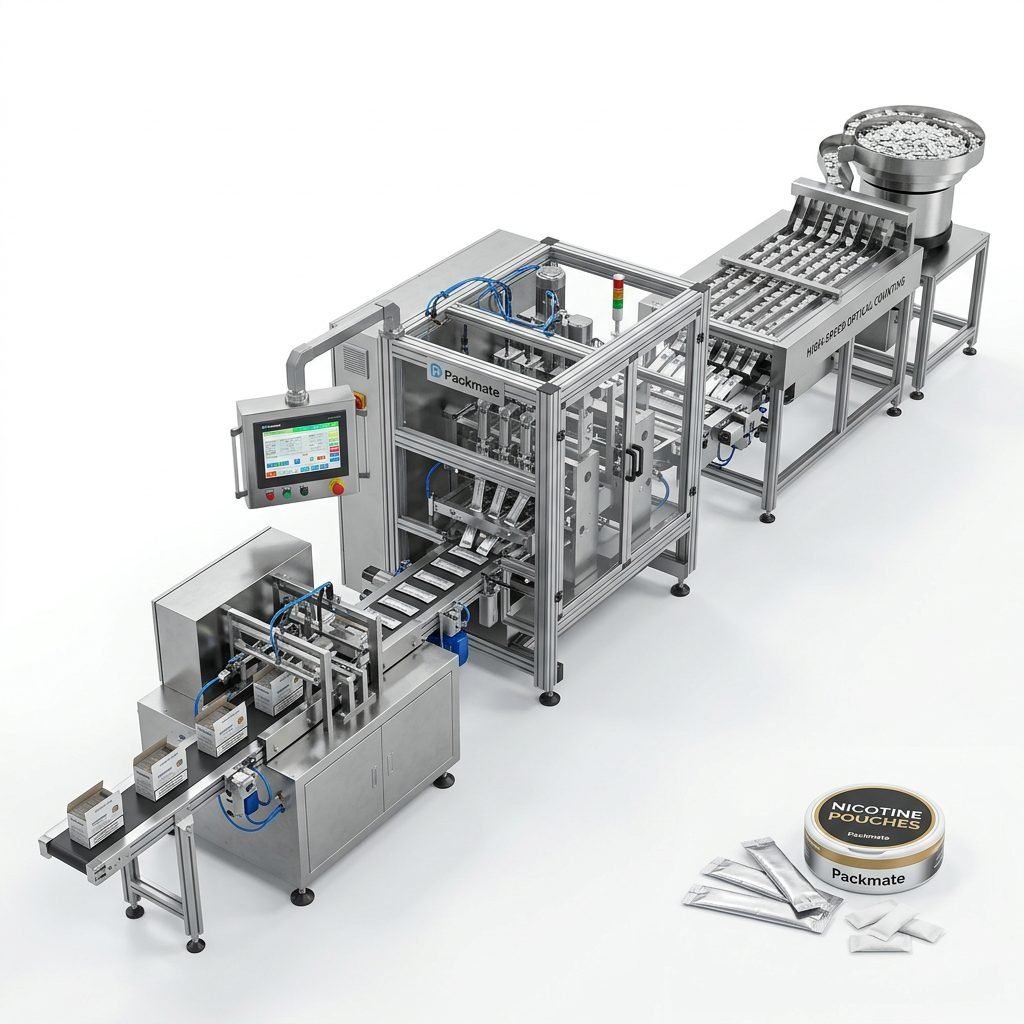
A4: Yes—many vendors, including Packmate, supply turnkey lines that combine feeders, dosing, packaging machines, and secondary packaging. See turnkey options at Filling & Packaging Lines.
Q5: How do I secure local support in Cyprus?
A5: Ask the supplier about distribution partners or authorized service providers in nearby regions, request spare parts stocking plans, and negotiate training for your maintenance team to minimize dependence on long-distance service calls.