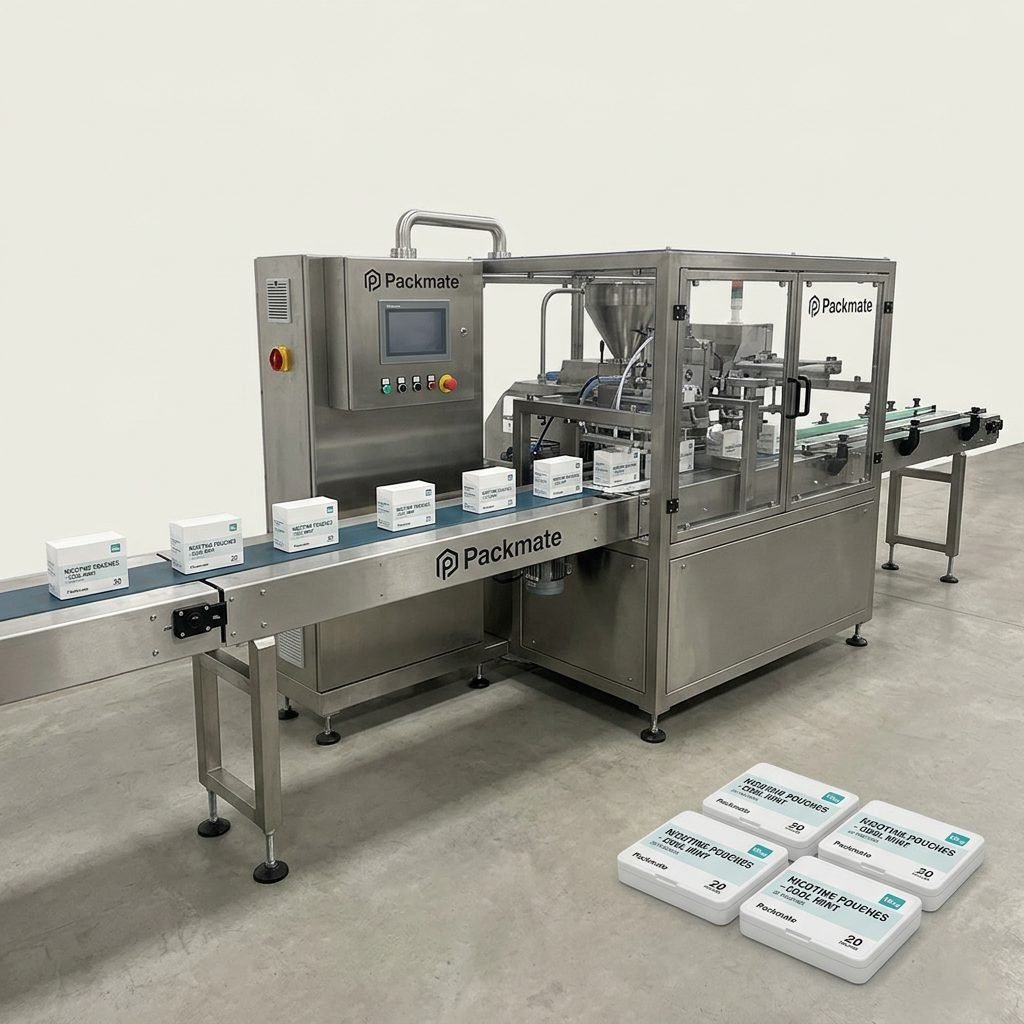
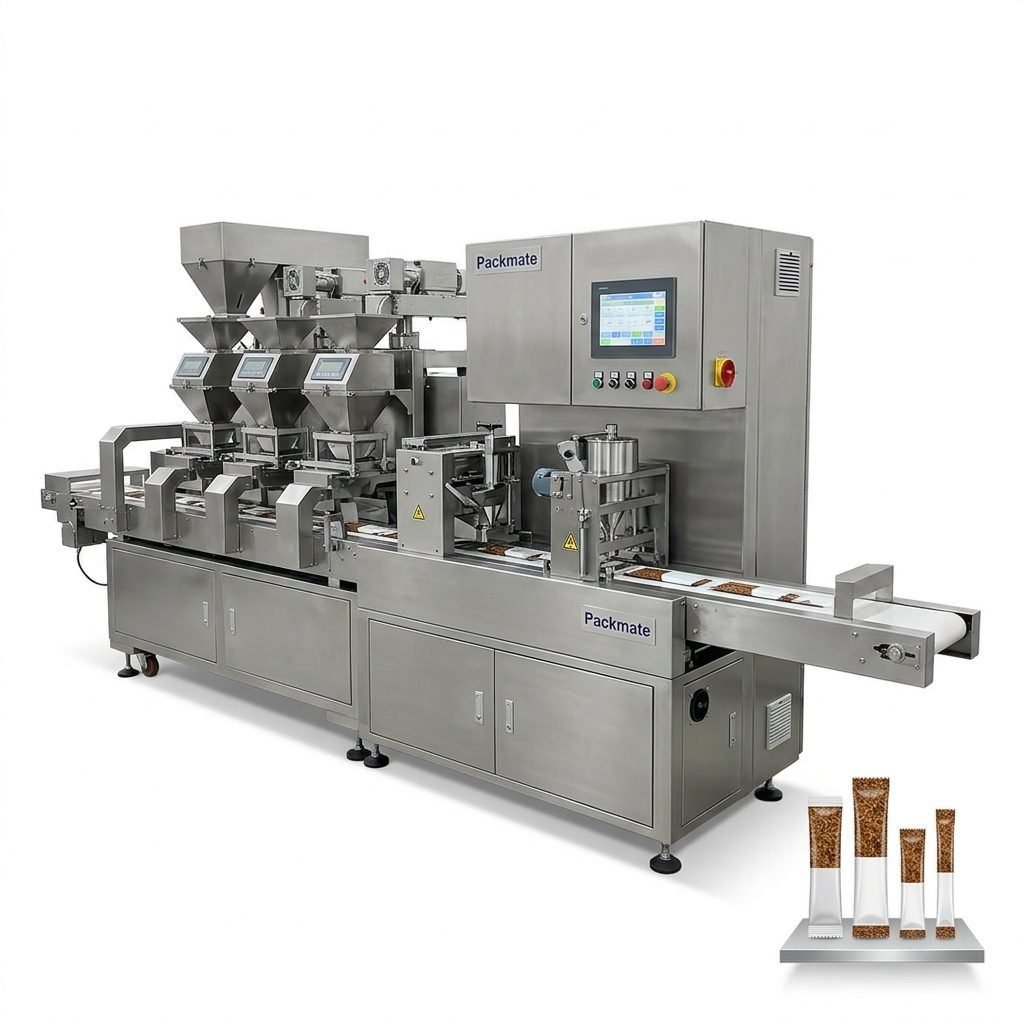
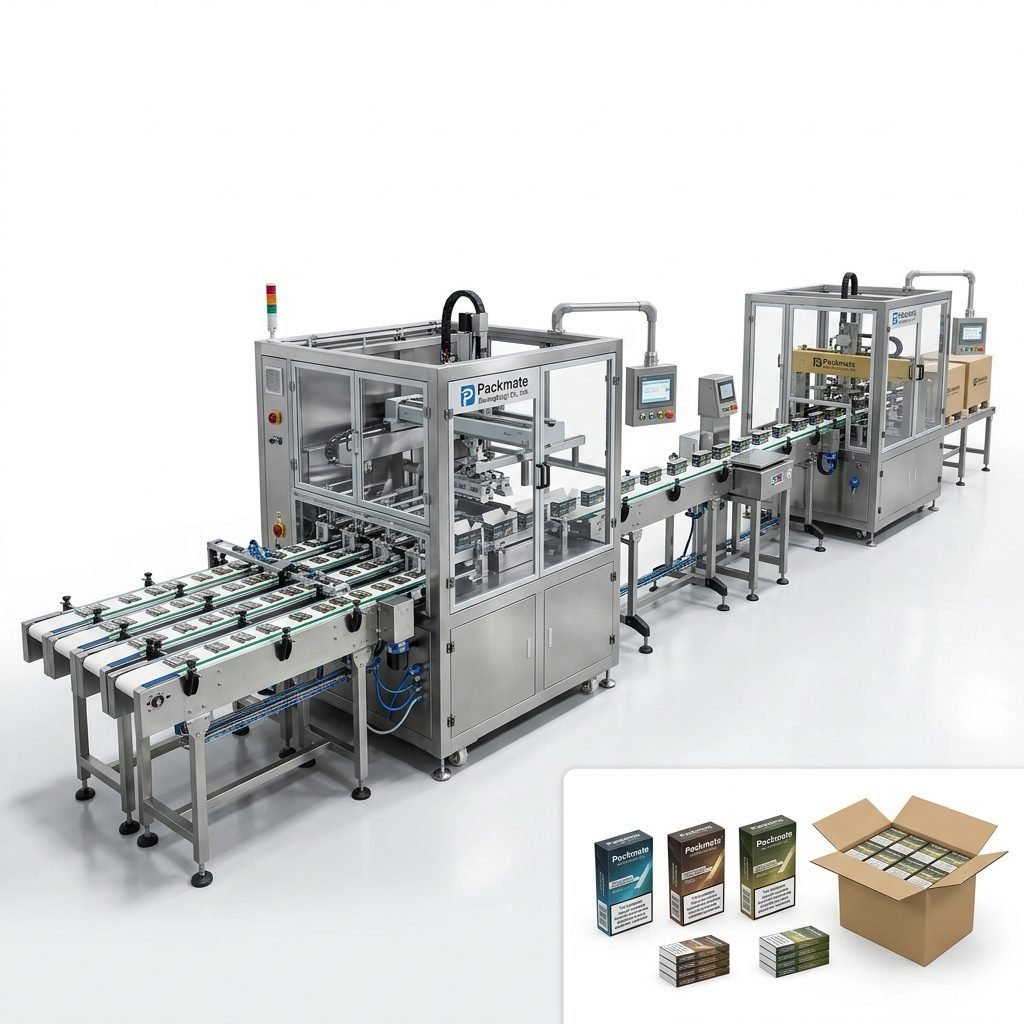
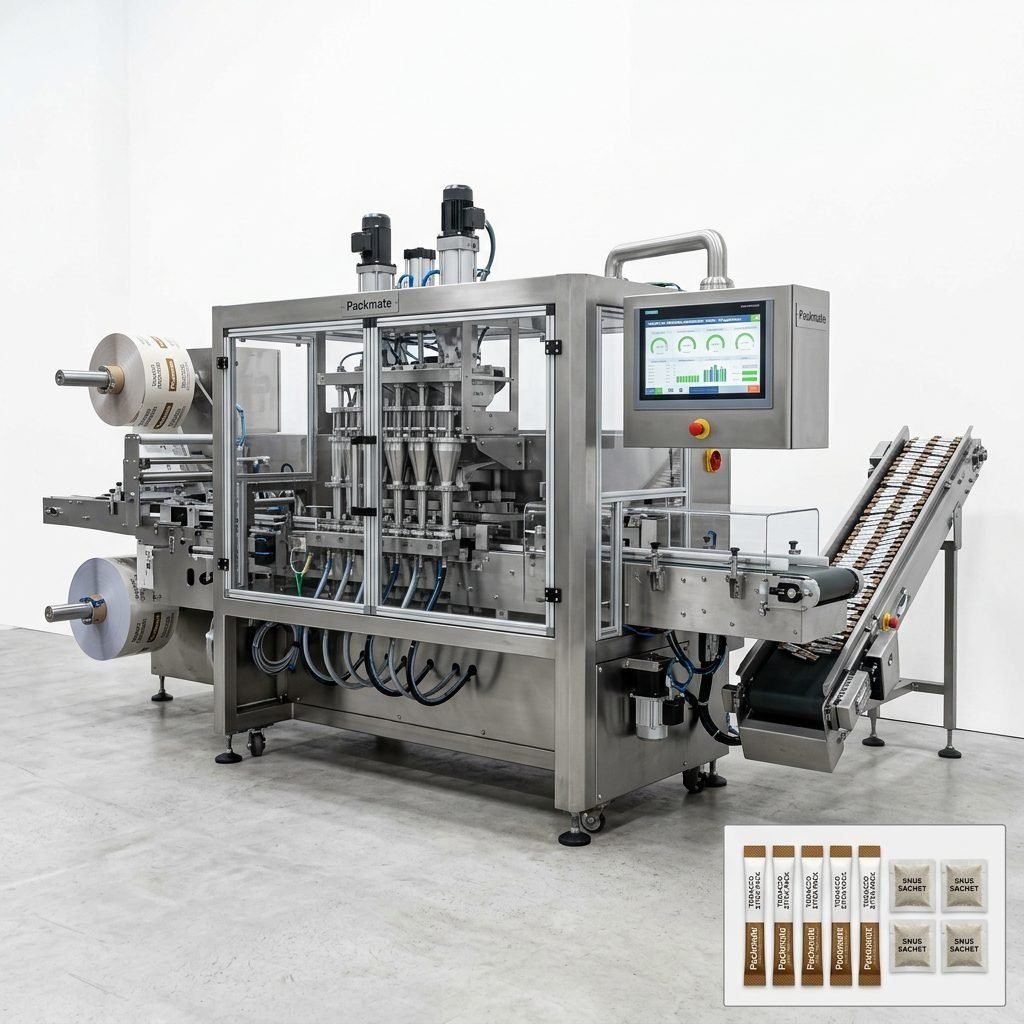
Choosing the right snus packaging machinery for operations in Oceania requires balancing performance, regulatory compliance, local service, and long-term cost of ownership. This buyer’s guide explains practical steps and decision criteria to help manufacturers, contract packers, and entrepreneurs select machines that deliver consistent pouch quality, uptime, and profitability.
Understand Oceania Market Needs and Regulations
Oceania covers diverse markets with different preferences for snus and nicotine pouches. Consider local consumer formats (stick, sachet, multi-dose pouches), average production runs, and labeling or ingredient rules in target countries. Regulatory compliance is critical — look for machinery that supports traceability, tamper-evident seals, and integration with batch coding systems. Equipment that complies with international standards (CE, ISO) simplifies market entry and inspections and reduces compliance risk.
Why certifications matter
Certified equipment reflects tested safety, electrical, and mechanical standards. Prioritize manufacturers that provide certificates and documented quality control, so your snus lines meet both local and export requirements.
Match Machine Type to Product Format and Throughput
Selecting the right machine depends primarily on the pouch type and desired output. Are you producing single-dose snus pouches, stick packs, or small-dose nicotine sachets? Each format requires specific forming, dosing, and sealing modules. For multi-lane operations, choose machines designed for consistent fill accuracy across lanes to avoid variability in weight and seal quality.
Common machine categories
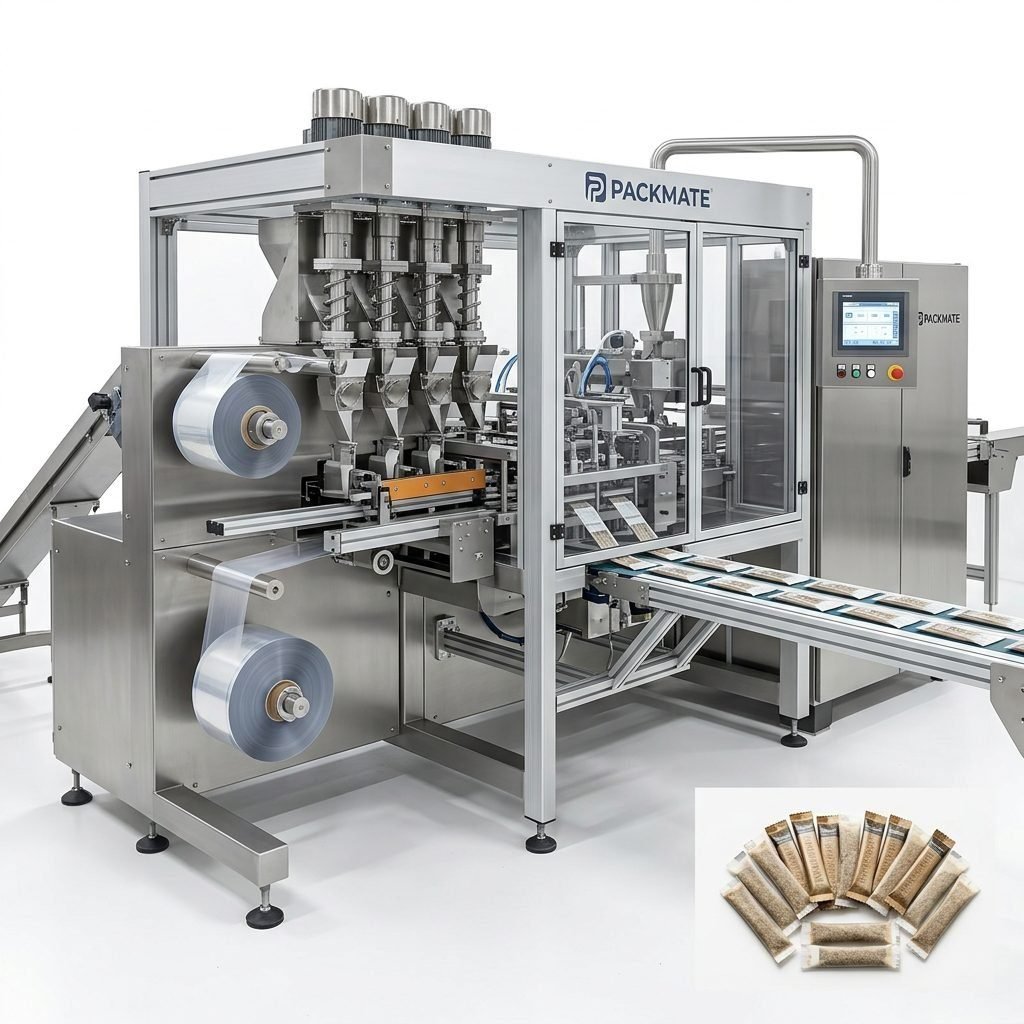
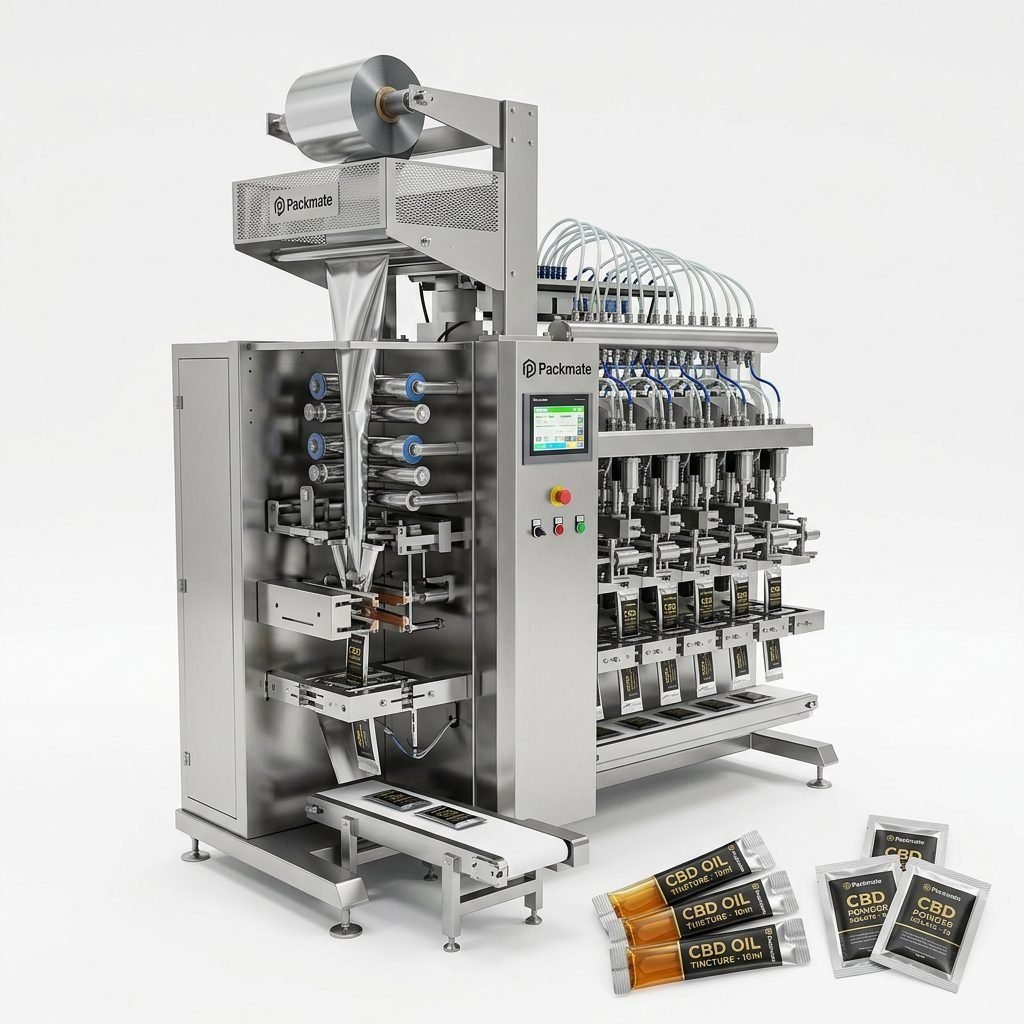
– Stick pack & flow-wrapped systems for long single-dose sticks.
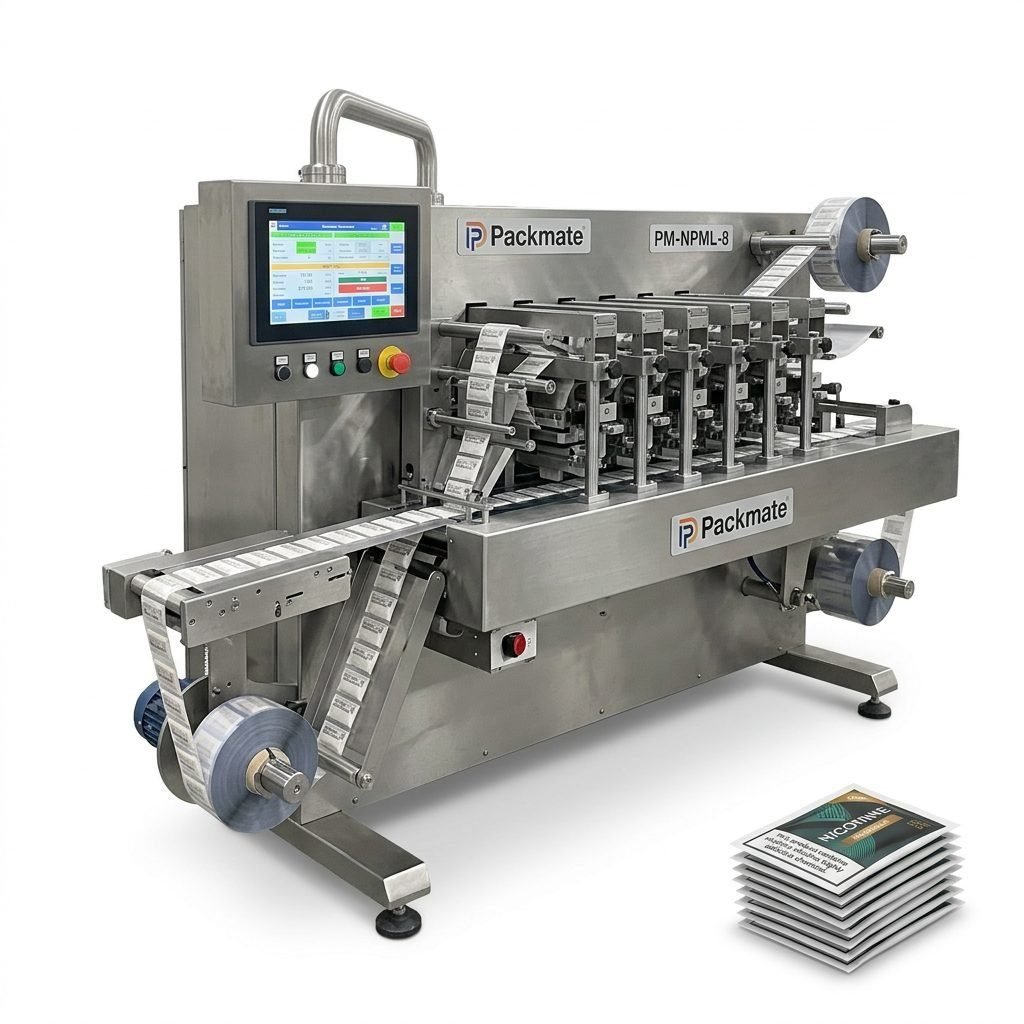
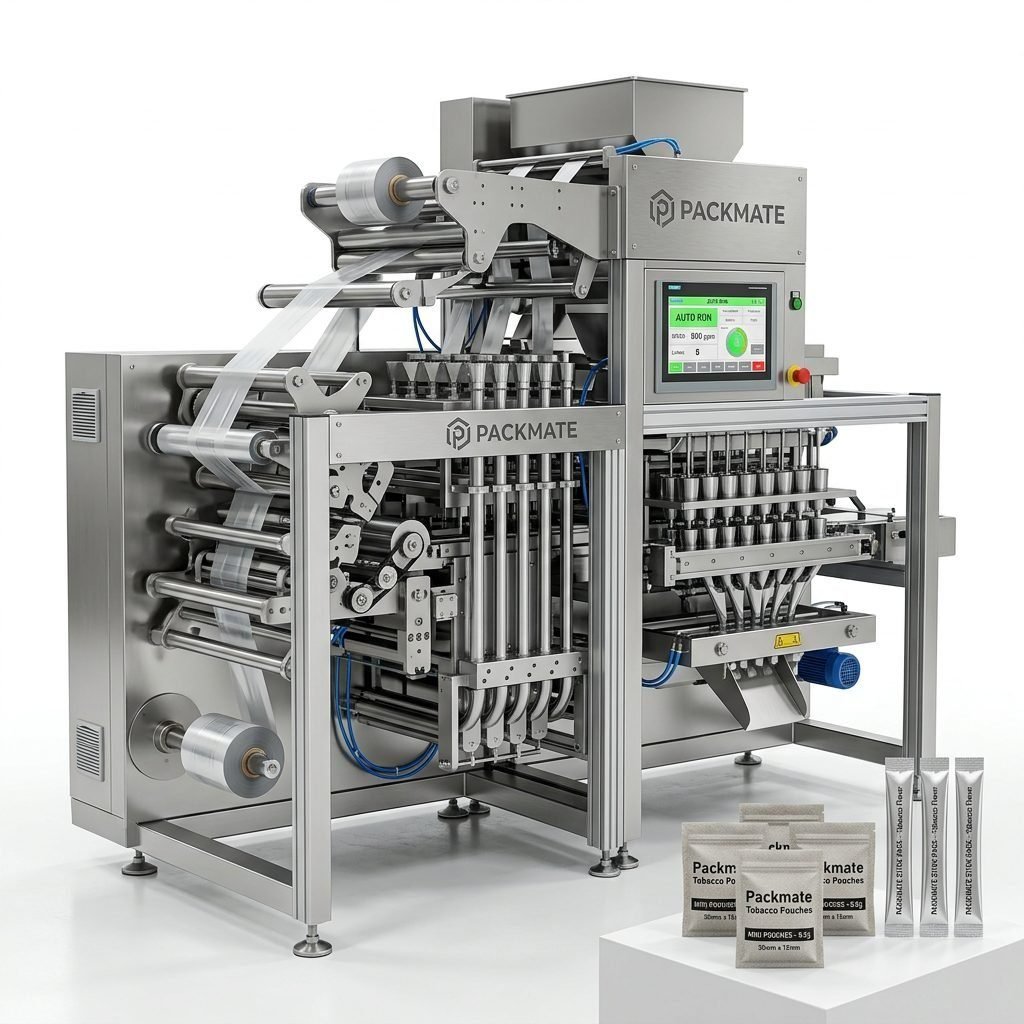
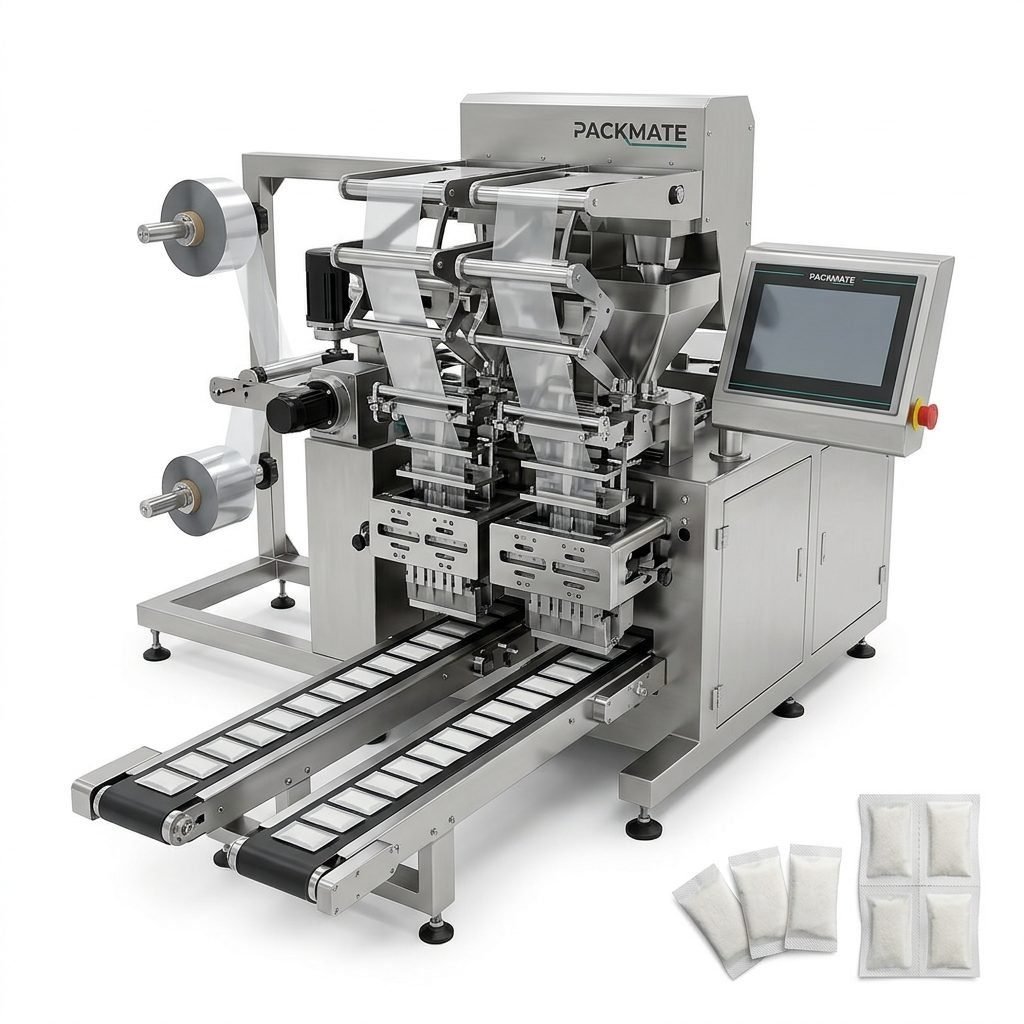
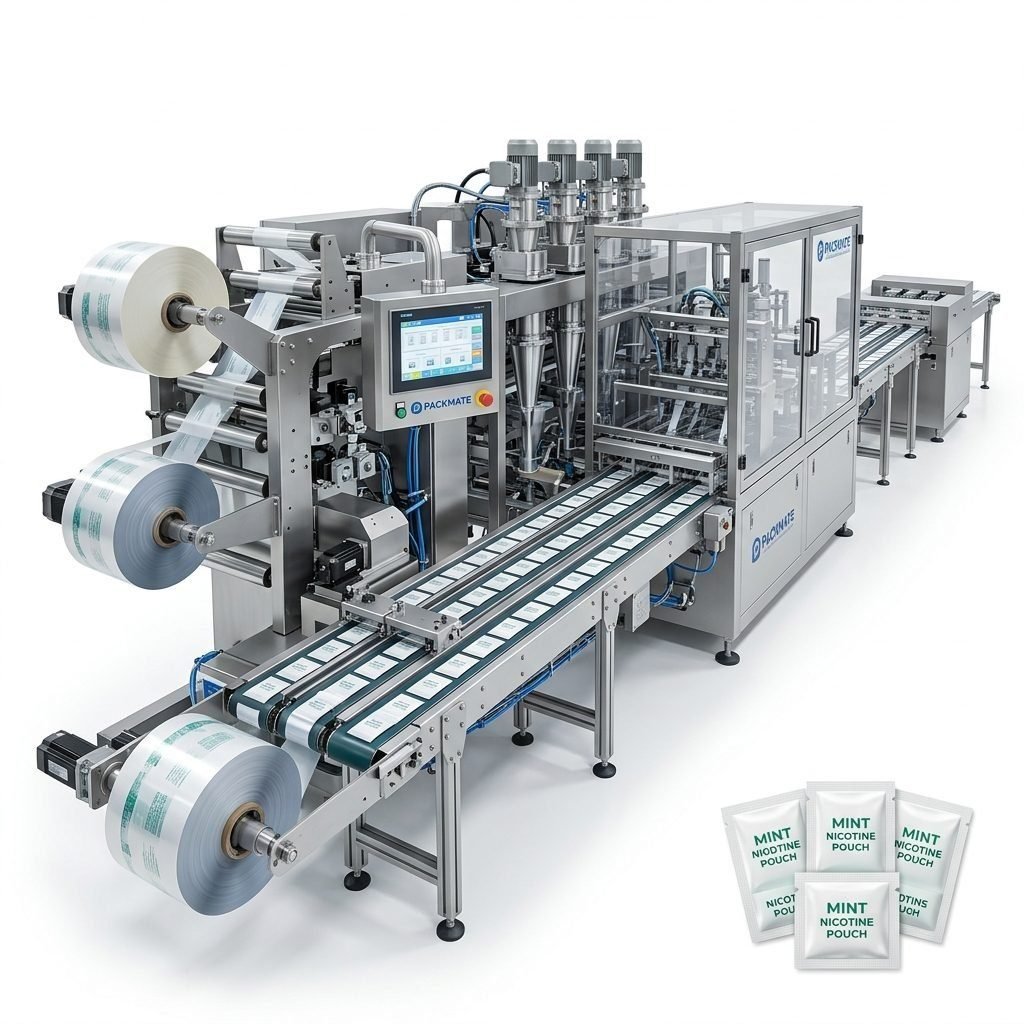
– Sachet & multi-lane pouch machines for small-dose nicotine pouches.
– Multi-function lines that combine filling, pouch forming, and secondary packaging for finished cartons.
Explore product pages to compare specifications: Snus & Nicotine Packaging Machines and Sachet & Stick Pack Machines provide useful model-level details and performance ranges.
Evaluate Production Capacity, Speed and Accuracy
Speed and accuracy affect both yield and product quality. Fast machines that sacrifice dosing precision or seal integrity create waste and compliance problems. Ask for verified speed metrics at realistic product densities and multi-lane setups. Demand documentation of weight variation and pouch integrity at target speed.
- Actual tested output at target pouch weight and lane count
- Dosing accuracy (± tolerance) and method (volumetric, auger, multi-head weighing)
- Sealing consistency and pouch integrity test data
Dosing Technologies and Product Compatibility
Snus and nicotine pouches contain a blend of tobacco or tobacco-free substrates, moisture, flavor liquids, and micro-doses. Dosing technology must be compatible with particle size, moisture level, and stickiness. Options include auger fillers for powders, multi-head weighers for complex blends, and liquid fillers for wet pouches. Choose equipment that minimizes product degradation and static, and that supports gentle handling where necessary.
Ask suppliers about:
– Product testing under real process conditions.
– Quick-change parts for cleanability and cross-product runs.
– Materials in contact with product (food-grade stainless steel, polished surfaces).
Automation, Integration and Industry 4.0 Readiness
High automation reduces labor cost and improves consistency. Verify PLC/HMI platforms, data logging, and remote diagnostics. Industry 4.0 features — such as production dashboards, OEE tracking, and predictive maintenance alerts — improve long-term efficiency and uptime, especially for remote locations in Oceania where on-site service visits may be less frequent.
Footprint, Ergonomics and Maintenance Accessibility
Factory floor space in Oceania may be limited; select equipment with a compact footprint while allowing operator access for changeovers and cleaning. Inspect the layout for maintenance points, tool-free access panels, and standardized spare parts. Machines that are easy to maintain reduce downtime and lower the requirement for on-site specialist service trips.
Spare parts and service network
Choose suppliers with clear spare parts lists, global shipping options, and local partners or technicians in Oceania. Manufacturers that provide installation services, operator training, and long-term support contracts help protect productivity.
Total Cost of Ownership (TCO) and Return on Investment
Initial purchase price is only part of the story. TCO includes installation, spare parts, consumables (seals, film), energy consumption, maintenance labor, and expected uptime. Ask suppliers for lifecycle cost estimates based on measured mean time between failures (MTBF) and average energy draw. Well-engineered machines often cost more upfront but deliver lower operating costs and higher reliability.
- Payback period at projected production volume
- Estimated year-on-year reduction in scrap/waste
- Spare parts availability and average repair time
Supplier Reputation, Customization and Validation Support
Choose manufacturers with proven experience in snus lines and multi-lane systems. Ask for references, factory acceptance test (FAT) videos, and case studies. Suppliers that offer customization for pouch size, lane configurations, and bespoke feeding systems deliver greater flexibility as your product range grows. Check whether they provide commissioning support, IQ/OQ/PQ validation documentation, and operator training programs.
See examples of successful implementations and global cooperation in supplier case studies: Case.
Warranty, After-Sales Service and Local Support in Oceania
A strong warranty and clear service policy are essential. Confirm response times for technical support, availability of local technicians or partners, and options for remote troubleshooting. For customers in Oceania, access to spare parts warehouses or fast shipping routes reduces the risk of extended downtime.
Service agreement components
– Preventive maintenance schedules and checklists.
– Remote monitoring and diagnostic access.
– Training for local maintenance staff and operators.
– Clear escalation paths and spare part lead times.
Practical Buying Steps for Oceania Purchasers
1) Define product specifications: pouch type, weights, material, run-lengths, and secondary packaging.
2) Shortlist suppliers with proven snus experience and request model comparisons and references.
3) Request FAT or machine trials with your actual product to verify accuracy, sealing, and output.
4) Review TCO and warranties, and confirm local support availability.
5) Plan for integration, commissioning, and staff training before delivery.
- FAT or pilot run with actual materials
- Spare parts package and lead times
- Installation and validation plan
- Training and documentation in English
Case Study Snapshot: Turnkey Snus Line Implementation
A medium-size manufacturer in Oceania required a multi-lane pouch line to enter the nicotine pouch market. The selected solution combined a multi-lane sachet machine, a precision multi-head weigher, and a cartoning system. Key success factors included upfront product trials, standardized quick-change parts, and training for local technicians. The result: predictable yields, reduced scrap, and faster market launch.
If you need end-to-end solutions and product-specific machinery information, explore supplier categories such as Bag & Pouch Packaging Machines and Weighing & Packaging Systems.
Selecting a Partner: Why Manufacturer Experience Counts
Experienced manufacturers provide more than machinery — they offer engineering knowledge, turnkey capabilities, and continuous improvement. Look for firms with decades of R&D and proven multi-region delivery. Manufacturers with dedicated snus lines understand nuances of dose consistency, moisture management, and film compatibility. Investigate a supplier’s factory capabilities, CNC machining, and quality control processes to ensure build quality.
Discover more about supplier profiles and mission statements on their About page: About Packmate.
Key negotiation points
– FAT acceptance criteria and penalty clauses for non-conformance.
– Inclusive training and documentation packages.
– Spare parts starter kit and guaranteed lead times.
– Warranty extension and performance guarantees.
Preparing for Delivery and Commissioning
Plan logistics, utilities, and on-site support before the machine arrives. Confirm power, compressed air, and floor load capacity. Coordinate an installation timeline and verify that key personnel attend commissioning and training sessions. A clear handover checklist ensures the line starts reliably and your team gains operational confidence quickly.
Final Recommendations
– Prioritize machines with verified performance on snus or nicotine pouch products.
– Require FAT tests with your materials and production targets.
– Evaluate total cost of ownership and local support options in Oceania.
– Choose partners with turnkey capabilities and strong documentation for compliance and training.
Frequently Asked Questions
Q1: How do I verify a snus machine will handle my product?
A1: Request a product trial or FAT using your exact formulation and pouches. Insist on performance data (speed, dosing accuracy, seal quality) under production conditions.
Q2: What after-sales support should I expect for Oceania buyers?
A2: Expect remote diagnostics, spare parts availability, preventive maintenance schedules, and training. Confirm local partners or an expedited shipping plan for critical parts.
Q3: Is multi-lane equipment suitable for small businesses?
A3: Multi-lane machines increase throughput and lower unit cost but require higher initial investment. Small businesses can start with fewer lanes or modular systems that scale as demand grows.
Q4: How important is Industry 4.0 functionality?
A4: Industry 4.0 features are valuable for production visibility and predictive maintenance, especially in remote markets. They help optimize OEE and reduce unscheduled downtime.
Q5: Where can I see examples of installed lines and real results?
A5: Review case studies and exhibition demos to evaluate real-world performance: Our Exhibition and Case.