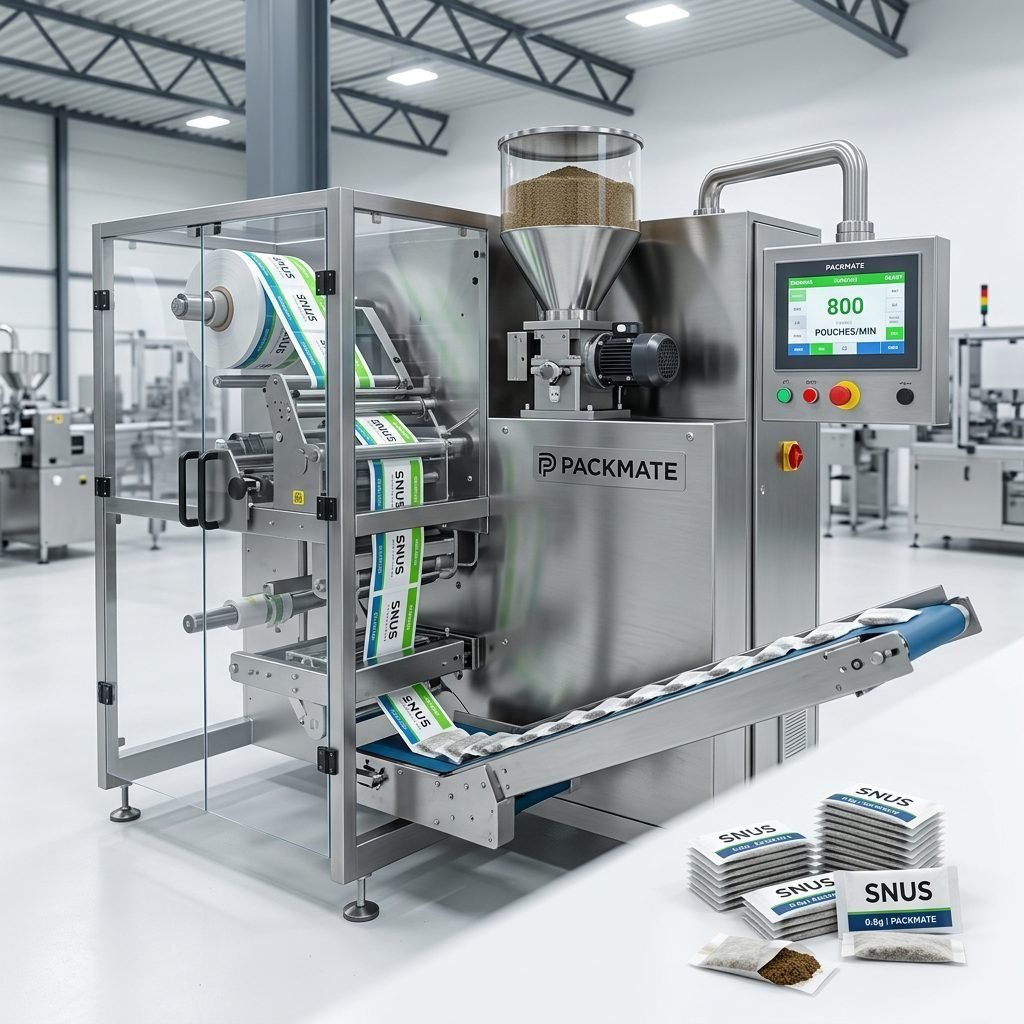
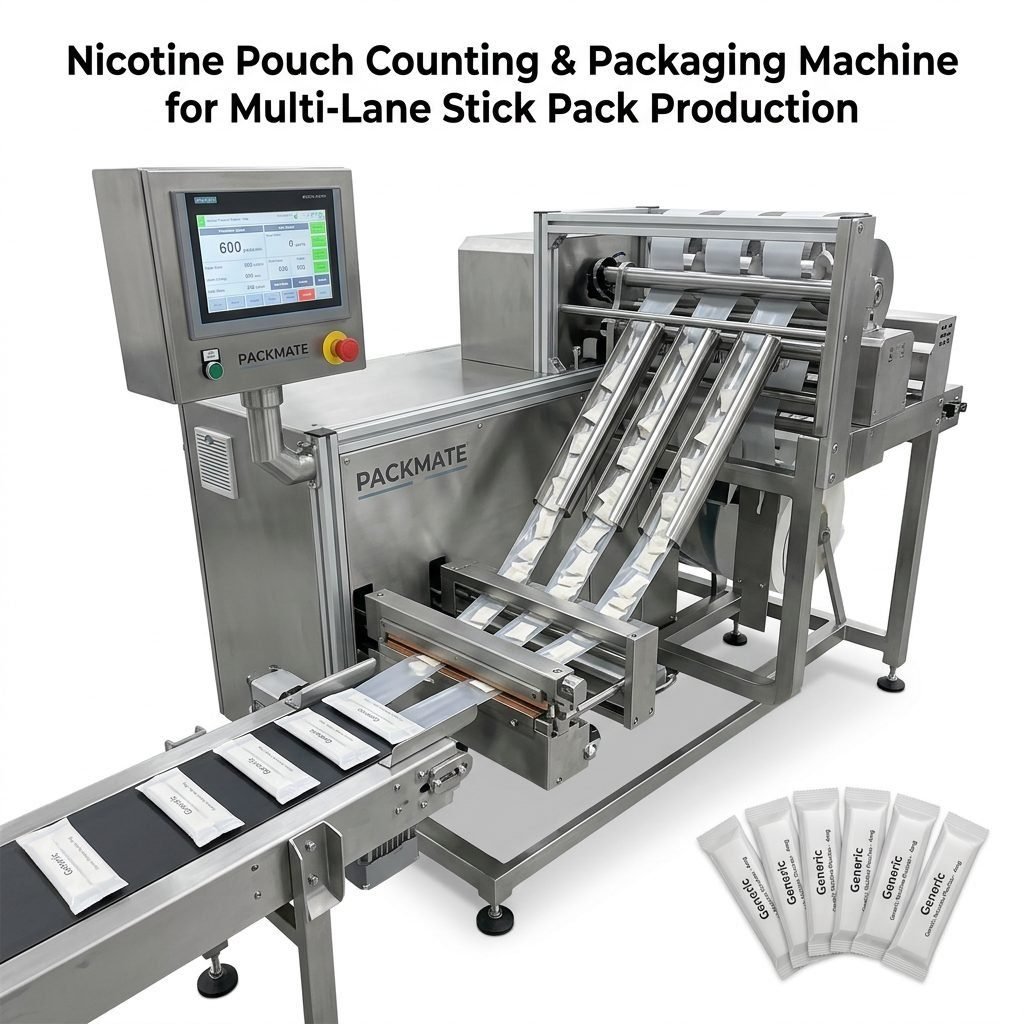
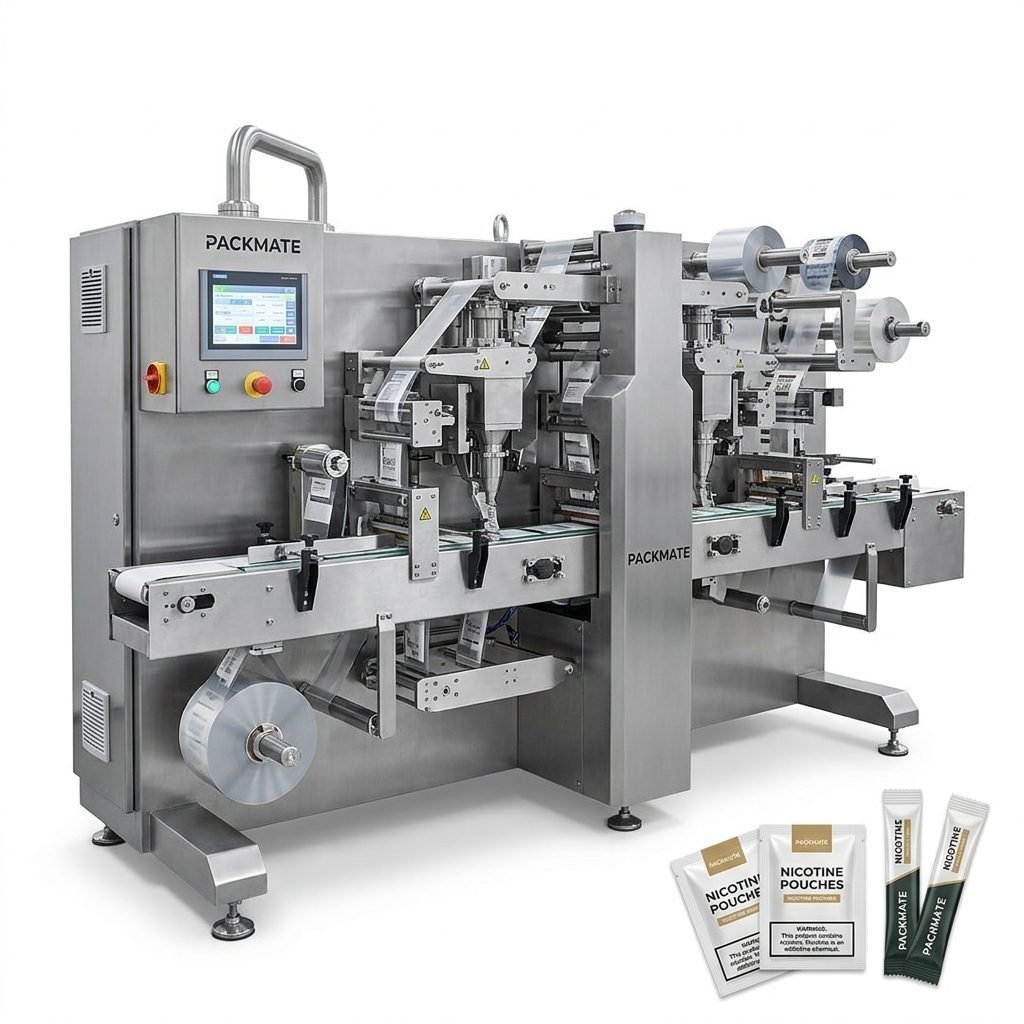
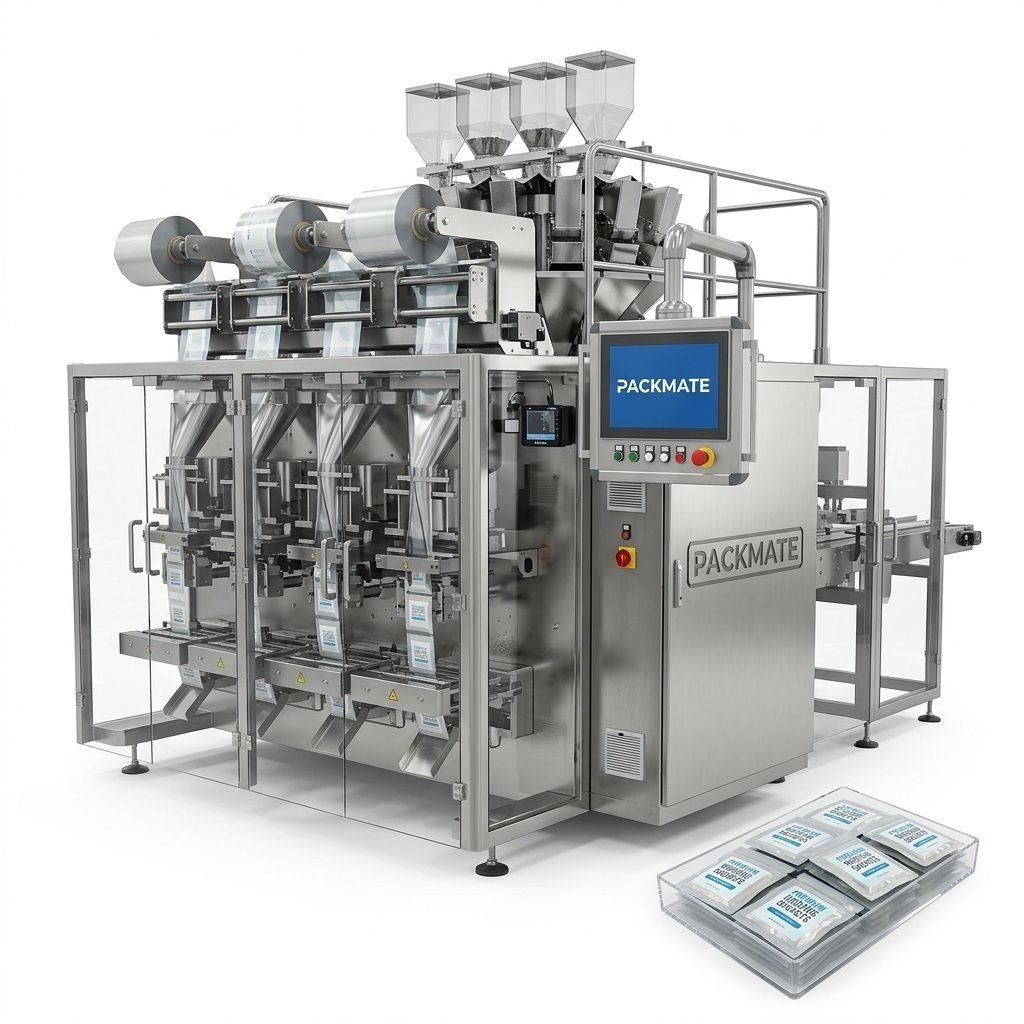
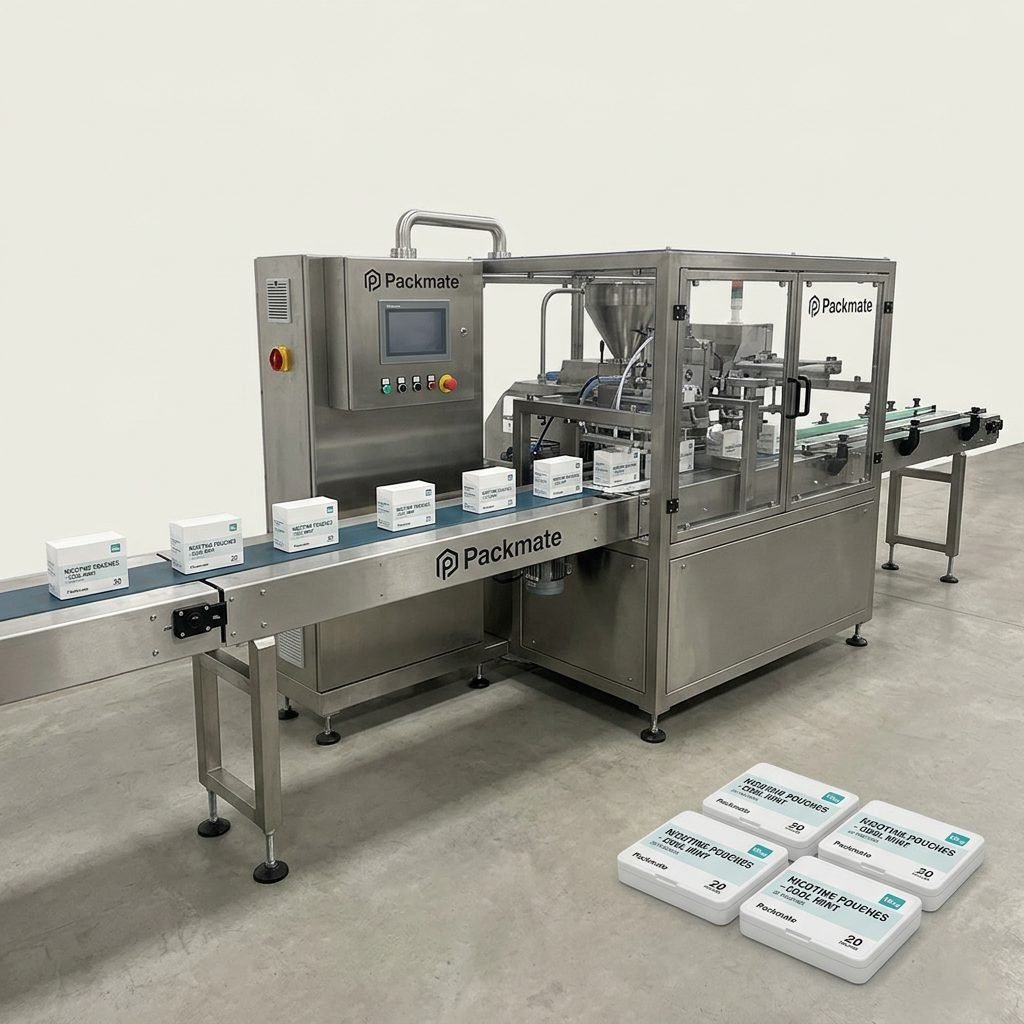
Choosing the right manufacturer for nicotine pouch and snus packaging machinery in the Philippines is more than a procurement decision — it’s a strategic investment in production reliability, regulatory compliance, and long-term brand success. This guide walks you through practical criteria and decision steps so you can confidently select a partner who delivers quality machines, strong service, and real value.
Why the manufacturer matters: beyond the machine
A packaging machine is only as good as the engineering, parts, after-sales support, and process know-how behind it. When you evaluate suppliers, pay attention to engineering experience, factory capabilities, certification and compliance, spare parts logistics, global references, and turnkey service offerings. The right manufacturer becomes an extension of your production team, helping you optimize yield, minimize downtime, and meet regulatory expectations.
Quick checklist (at-a-glance)
🔍 Experience — decades of machine R&D and production
⚙️ Machine range — multi-lane, stick pack, sachet, powder/granule systems
📜 Certifications & compliance — CE, ISO and global standards
🤝 After-sales service — spare parts, training, remote support
1. Verify engineering and production capabilities
Manufacturers with strong engineering roots show this in their factory footprint, precision machining centers, and assembly practices. Look for evidence such as a dedicated manufacturing area, CNC machining, precision assembly lines, and documented quality testing. A factory footprint of substantial size (for example, a 20,000㎡ facility) and modern equipment typically signals the ability to deliver reliable machines consistently.
What to request
Ask for workshop photos, a factory tour (virtual or in-person), and descriptions of their machining and testing equipment. Request examples of the machine models they manufacture and the assembly/testing procedures they use. If a supplier shares a clear production timeline and quality checkpoints, that’s a positive sign of process maturity.
2. Prioritize proven machine platforms and model variety
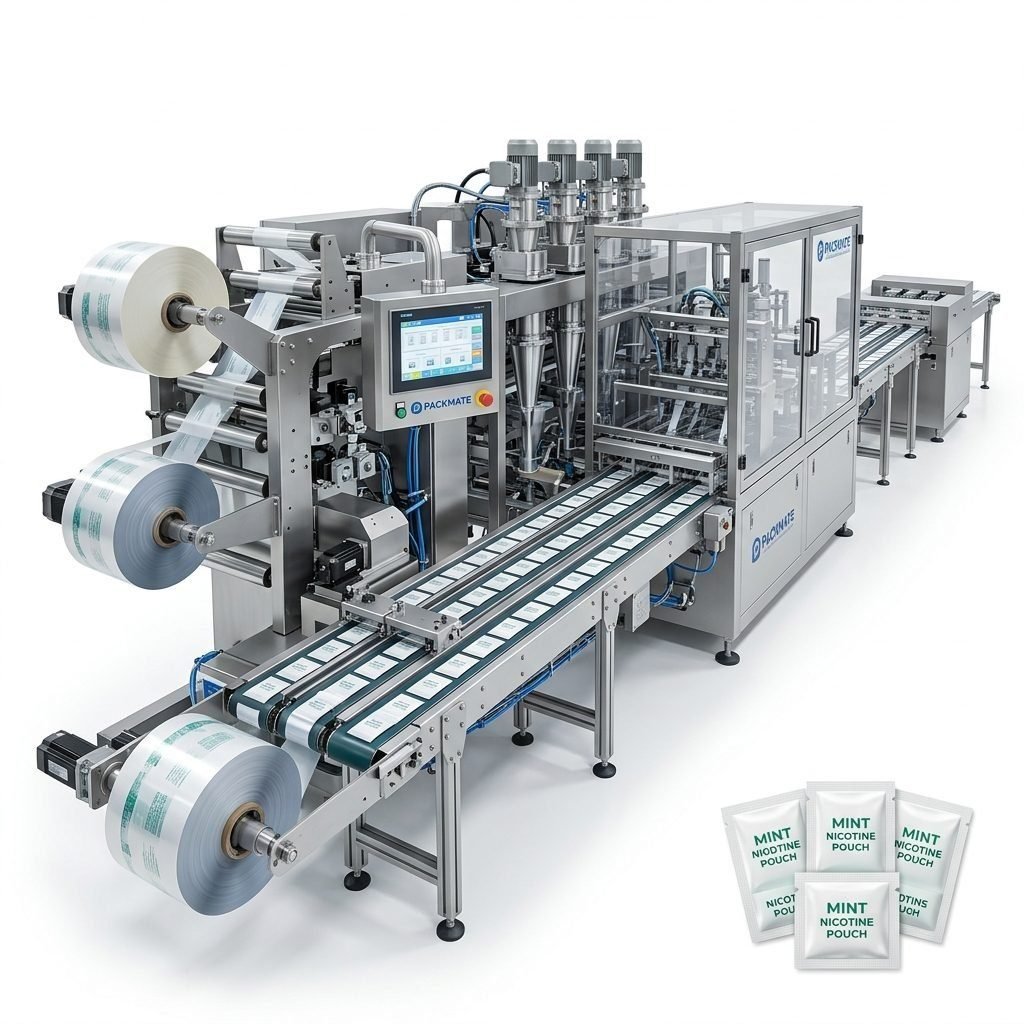
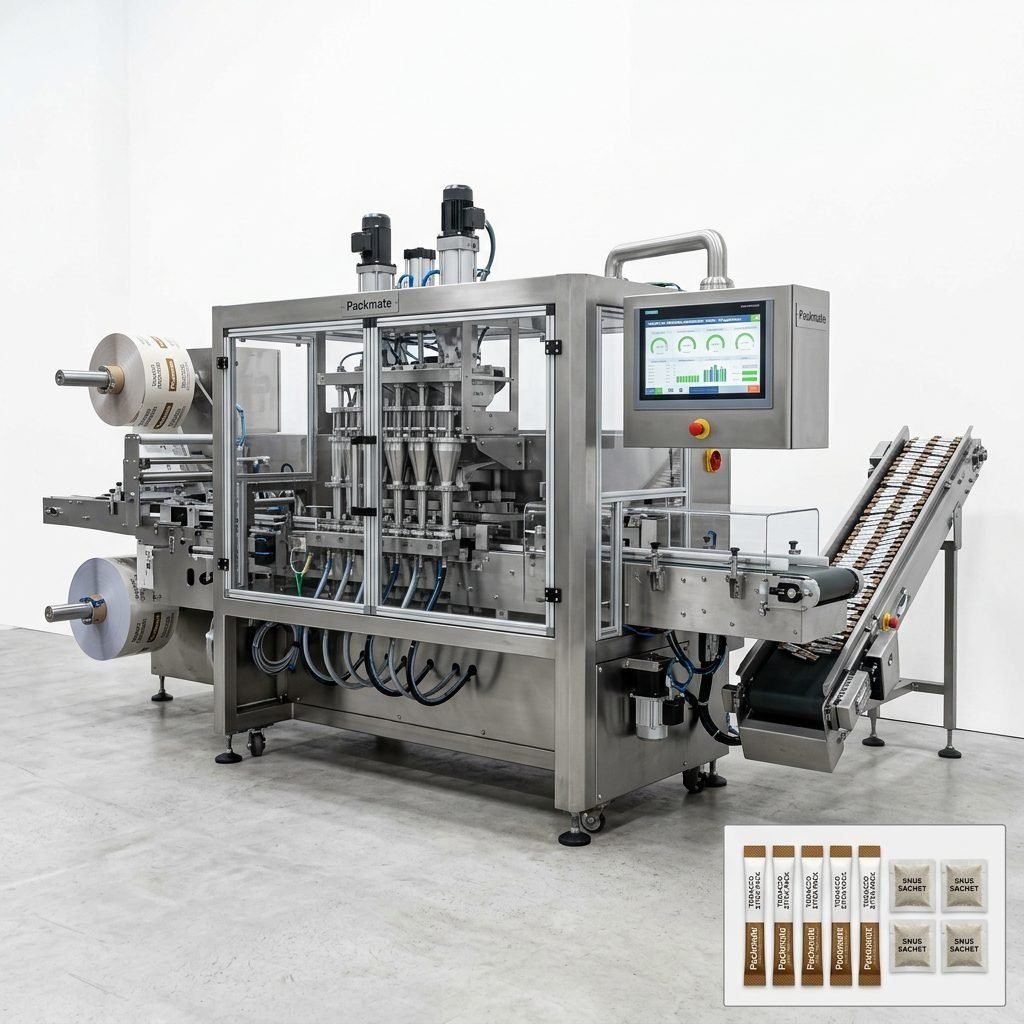
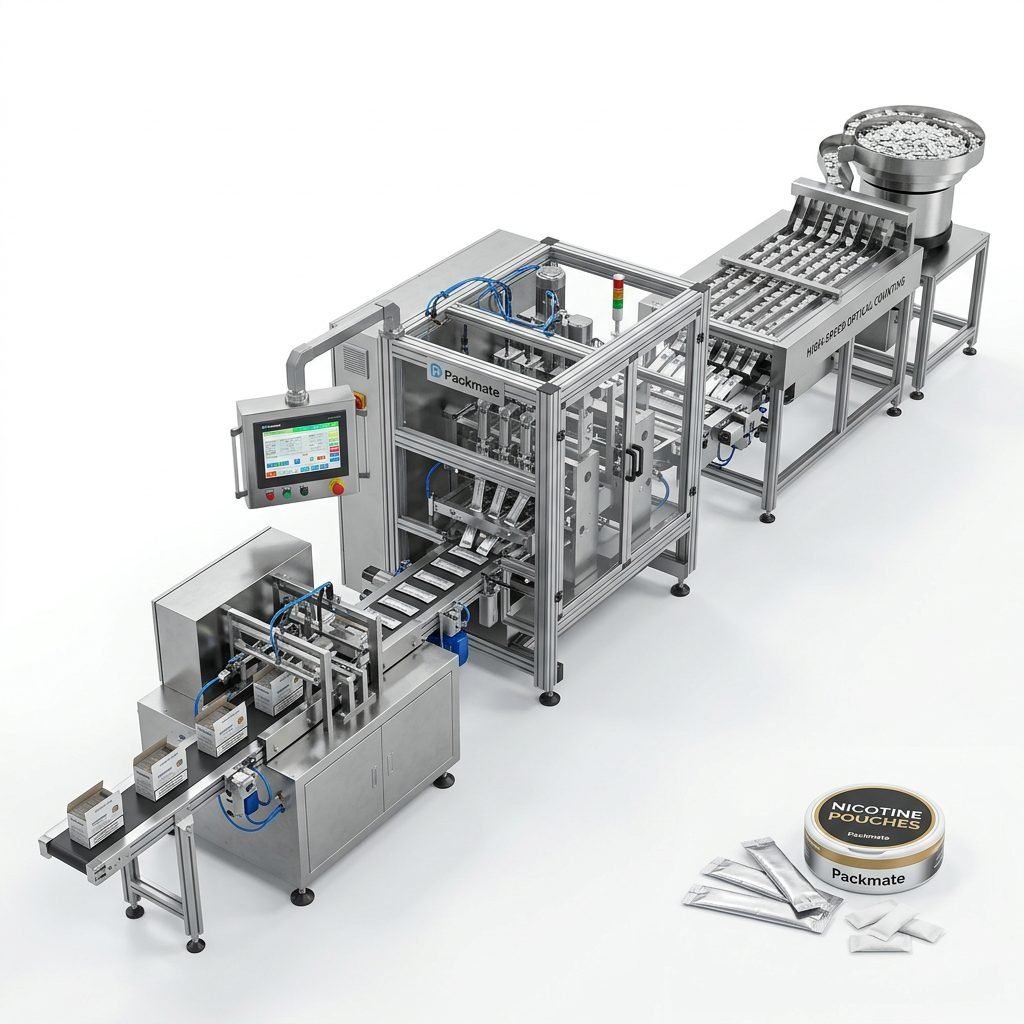
A manufacturer that offers a wide product range — including snus / nicotine pouch packing machines, stick pack and sachet machines, multi-lane systems, and supporting filling/weighing equipment — gives you flexibility as your product or capacity needs change. Established platforms with multiple models mean fewer surprises and better documented performance.
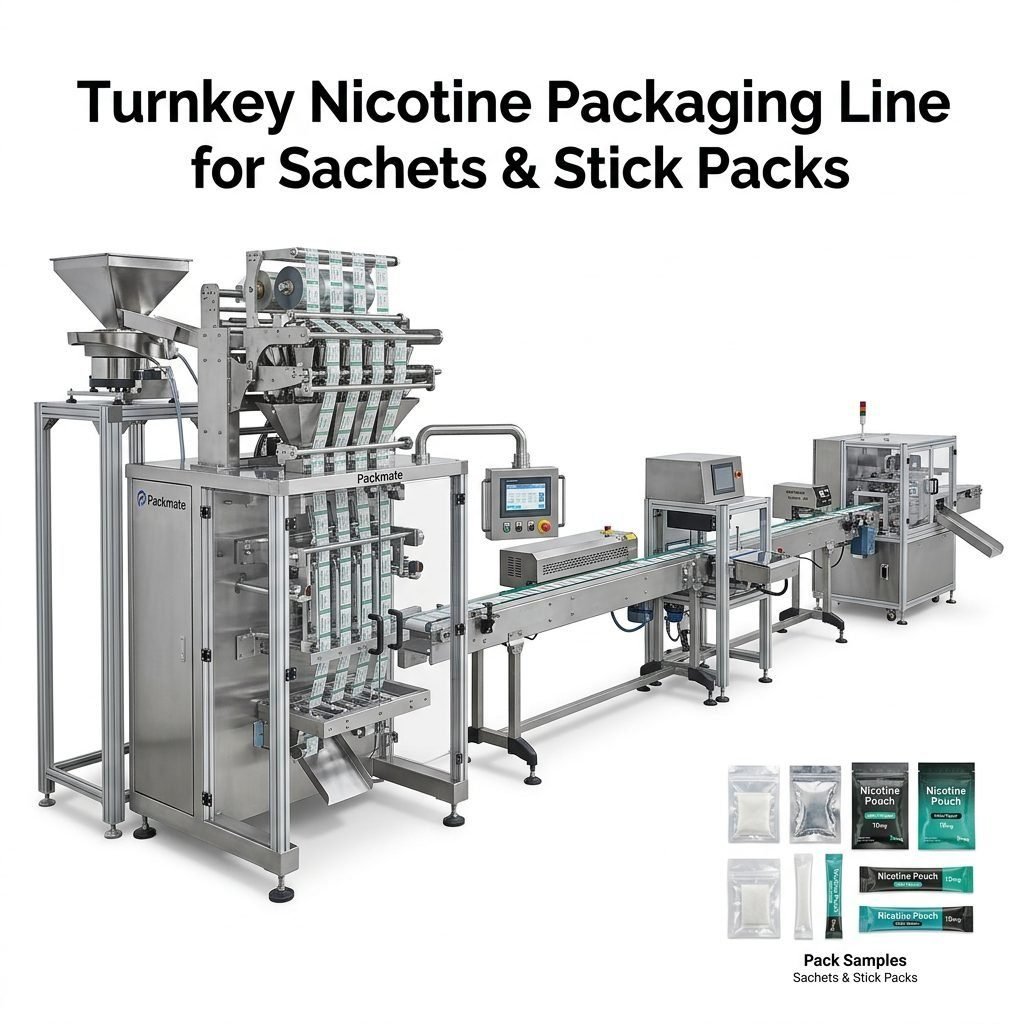
For example, you can explore specialized product pages such as Snus & Nicotine Packaging Machines and Sachet & Stick Pack Machines to compare specifications and application fit.
3. Check certifications, compliance, and safety standards
Regulatory compliance is critical, particularly if your product will be exported. CE and ISO certificates are common quality markers. Ensure the manufacturer provides clear documentation and can advise on local regulatory requirements for nicotine product machinery. If you need test reports or safety assessments, a reputable supplier will supply them promptly.
4. Evaluate customization and turnkey capabilities
Nicotine pouch product lines often require tailored solutions: specific dosing systems, multi-lane configurations, or integration with upstream/downstream equipment. A manufacturer that delivers turnkey solutions — including weighing, filling, packaging, and auxiliary equipment — saves you integration time and ensures smoother performance across the line. See examples of full-line offerings on their Filling & Packaging Lines page.
✅ Customization matters: ability to adapt lane count, dosing range, and pouch formats is essential for future-proofing production.
5. After-sales service, spare parts, and local support
After-sales capability often makes the biggest difference in uptime and cost of ownership. Verify response times for technical support, availability of spare parts, training programs, and local service networks. Manufacturers that offer remote diagnostics, spare parts kits, and field service training reduce downtime and accelerate troubleshooting.
Key service indicators
– Guaranteed spare parts availability and parts list
– Remote support and PLC/HMI firmware update procedures
– On-site commissioning and operator training packages
– Maintenance schedules and recommended consumables
6. Review references, case studies, and exhibition presence
Past performance is a strong predictor of future reliability. Ask for case studies or client references in similar product segments and markets. Companies that regularly attend global exhibitions and demonstrate machines live usually have mature product lines and a commitment to transparency. You can learn more about a manufacturer’s track record via their Case and Our Exhibition pages.
7. Compare total cost of ownership, not just the price
The cheapest machine upfront can become the costliest over time if it has higher failure rates, poor spare-parts availability, or insufficient support. Analyze total cost of ownership (TCO): initial price, installation & commissioning, spare parts, energy consumption, warranty terms, and projected maintenance. A higher-quality machine with robust service will often yield lower TCO.
TCO factors to quantify
– Downtime risk and mean time to repair (MTTR)
– Cost and lead time for replacement parts
– Energy efficiency and consumables usage
– Warranty coverage and service fees
8. Assess lead time, logistics, and installation plan
Lead times can vary widely depending on customization level and factory schedules. Confirm realistic delivery dates, packaging for international shipping, and an installation plan that includes site acceptance testing (SAT), commissioning, and operator training. A clear logistics and installation plan reduces surprises and helps keep your project on schedule.
📦 Tip: Request a phased delivery and acceptance schedule that ties payments to milestones (factory acceptance test, shipment, commissioning).
9. Warranty, training, and documentation completeness
Comprehensive documentation (mechanical drawings, electrical diagrams, PLC/HMI manuals), operator guides, and maintenance schedules are essential. Confirm the length and scope of the warranty, what it covers, and the process to claim service. Training programs for operators and maintenance teams should be included or available as a service option.
10. Cultural fit and communication
Effective communication, transparency, and cultural fit matter for long-term partnerships. Choose a manufacturer that is responsive, shares technical insights openly, and is willing to align with your production philosophy and timelines. Regular reporting during engineering and assembly stages helps build trust and ensures smooth project delivery.
Real-world example: what a strong partner looks like
A manufacturer with 30+ years of R&D experience, a large dedicated factory, advanced CNC machining, and a portfolio of 50+ machine models can offer the stability and range you need. They provide tailored solutions for nicotine pouches, stick packs, and sachets, and support customers globally with turnkey lines and documented certifications. For more background on such a partner, review the About Packmate page and their Certificate information.
Questions to ask during supplier evaluation
– Can you provide machine references in similar markets and products?
– What is your typical lead time for a multi-lane snus packaging line?
– How do you handle spare parts and emergency support in the Philippines?
– Can you provide a clear warranty and post-warranty service plan?
🔧 Must-have: factory acceptance testing (FAT) before shipment ensures machines meet agreed performance metrics and protects your investment.
Making the final selection
Narrow your shortlist to 2–3 suppliers and request a detailed proposal that includes technical drawings, component lists, test reports, lead times, warranty terms, and an itemized quote for optional services (installation, training, spare parts kit). Compare them side-by-side with a weighted scoring matrix that values reliability, service, TCO, and alignment with your product roadmap.
Where to get help
If you need direct contact or further clarification on machine offerings and service in the Philippines, use the manufacturer’s contact channels to request consultation and quotations — for instance, visit their Contact Us page to initiate a conversation.
Closing checklist before purchase
– Confirm certifications, FAT results, and acceptance criteria
– Finalize delivery, installation, and commissioning schedule
– Lock in spare parts list and initial consumables supply
– Agree on training plan and documentation delivery
– Clarify warranty claims process and remote support availability
Frequently Asked Questions
Q1: How important are CE and ISO certificates when buying nicotine packaging machines?
A1: Very important — certificates demonstrate adherence to international quality and safety standards, which helps with regulatory compliance and export clearance.
Q2: Should I prioritize a local dealer in the Philippines or buy directly from the manufacturer?
A2: Both options have benefits. A local dealer speeds up support and parts delivery, while buying direct often provides better customization and factory-level guarantees. Ideally choose a manufacturer with local partners or reliable logistics to the Philippines.
Q3: What is a realistic lead time for a custom snus multi-lane packaging line?
A3: Lead time varies with complexity; 12–20 weeks is a typical range for customized multi-lane systems, but confirm with the supplier and plan for FAT and shipping.
Q4: How can I verify a manufacturer’s claims about machine performance?
A4: Request FAT videos or on-site demonstrations, client references, and documented test reports. Visiting their factory or attending an exhibition demo provides the best verification.
Q5: What support should I expect after installation?
A5: Expect commissioning, operator training, initial spare parts, and an agreed SLA for technical support. Remote troubleshooting and timely spare parts delivery are essential for minimizing downtime.