Choosing the right snus packaging machine in Niger involves more than picking the highest speed model. You must balance production capacity, local utilities, regulations, and long-term service. This guide walks you through practical steps and decision points to help you select a reliable, cost-effective snus / nicotine pouch packaging solution that fits your operation and growth plans.
Understanding the Niger Market & Production Needs
Before buying equipment, analyze your target market in Niger and surrounding regions. Consider product formats, daily output goals, and distribution. Are you producing single-dose nicotine pouches, multi-pouch sachets, or stick packs? Each format demands a specific packaging approach. Also factor in regulatory labeling and material restrictions in West Africa.
Key questions to answer
🔍 What is your planned daily throughput (units/day)?
🔍 Which pouch type and film materials will you use (foil, laminate, recyclable films)?
🔍 Are you producing multiple SKUs or a single product line?
Types of Snus Packaging Machines
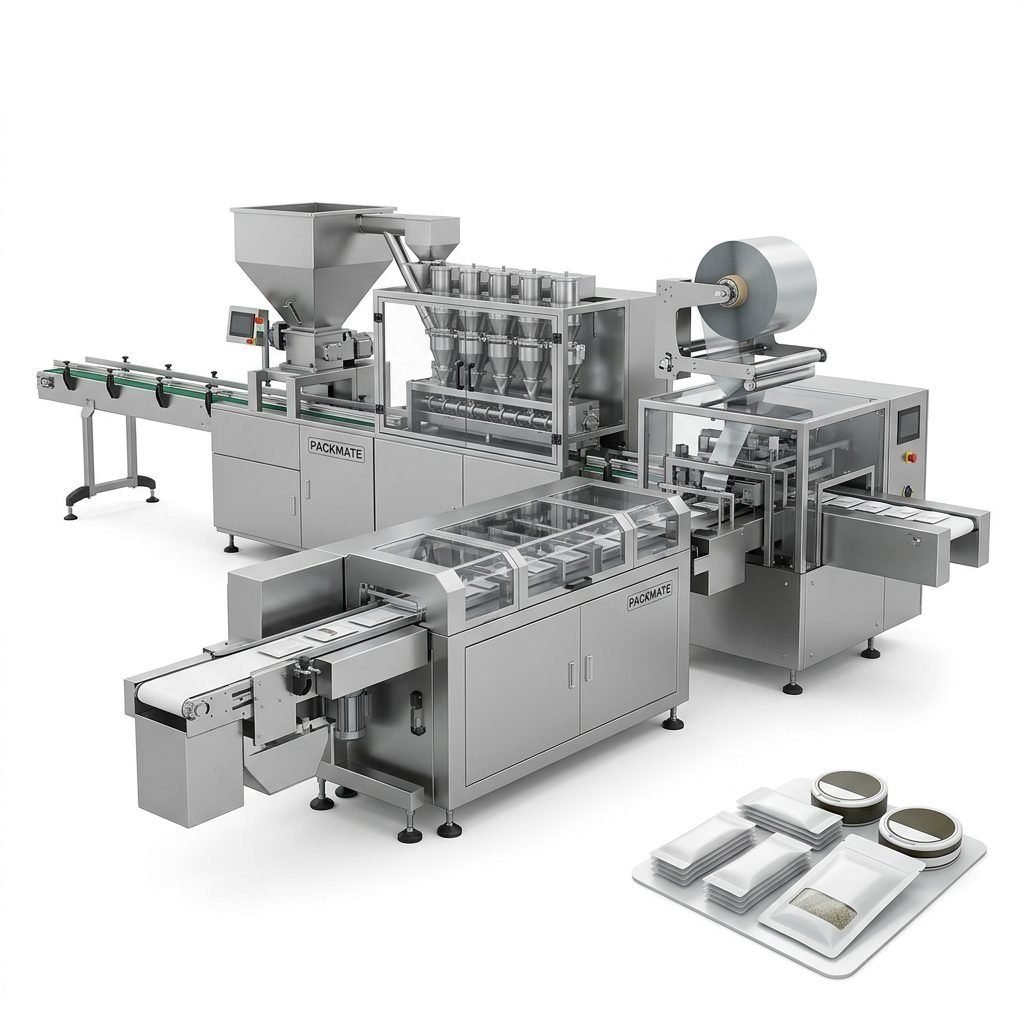
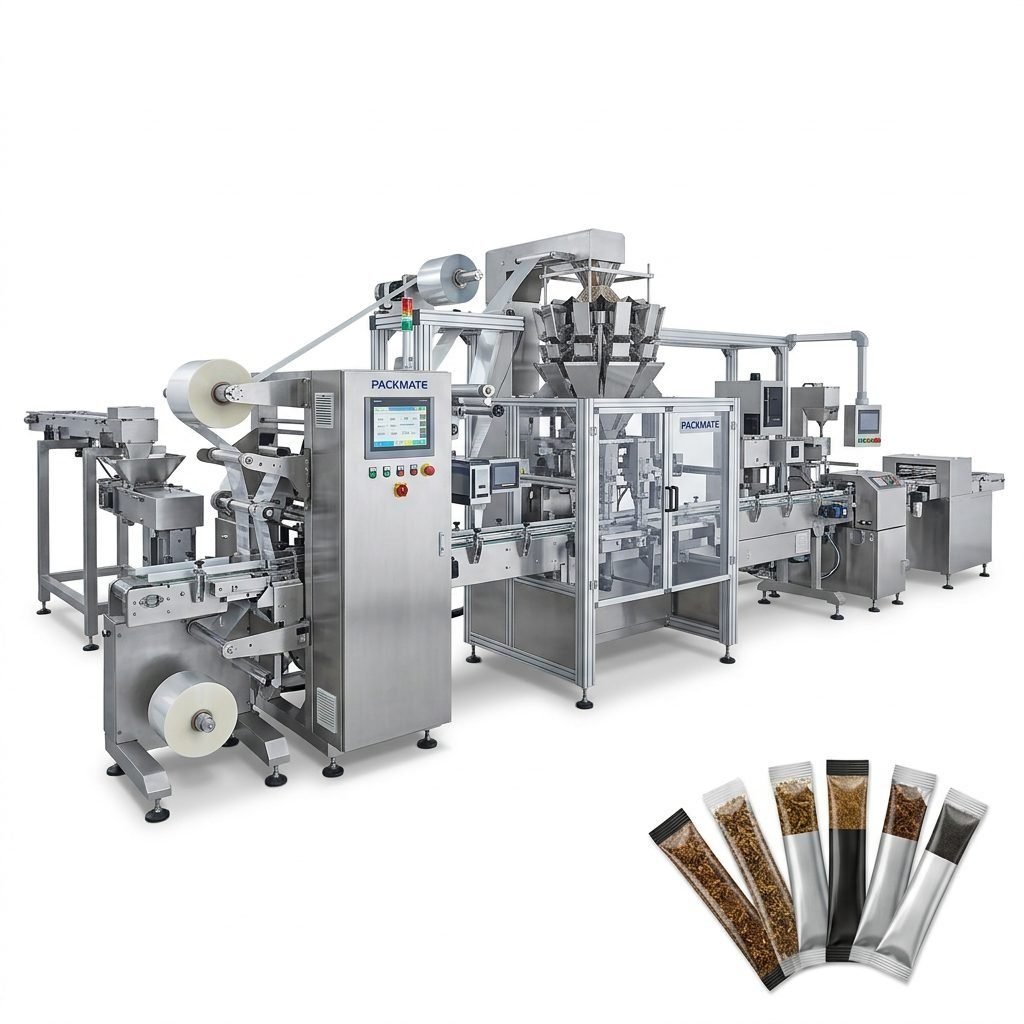
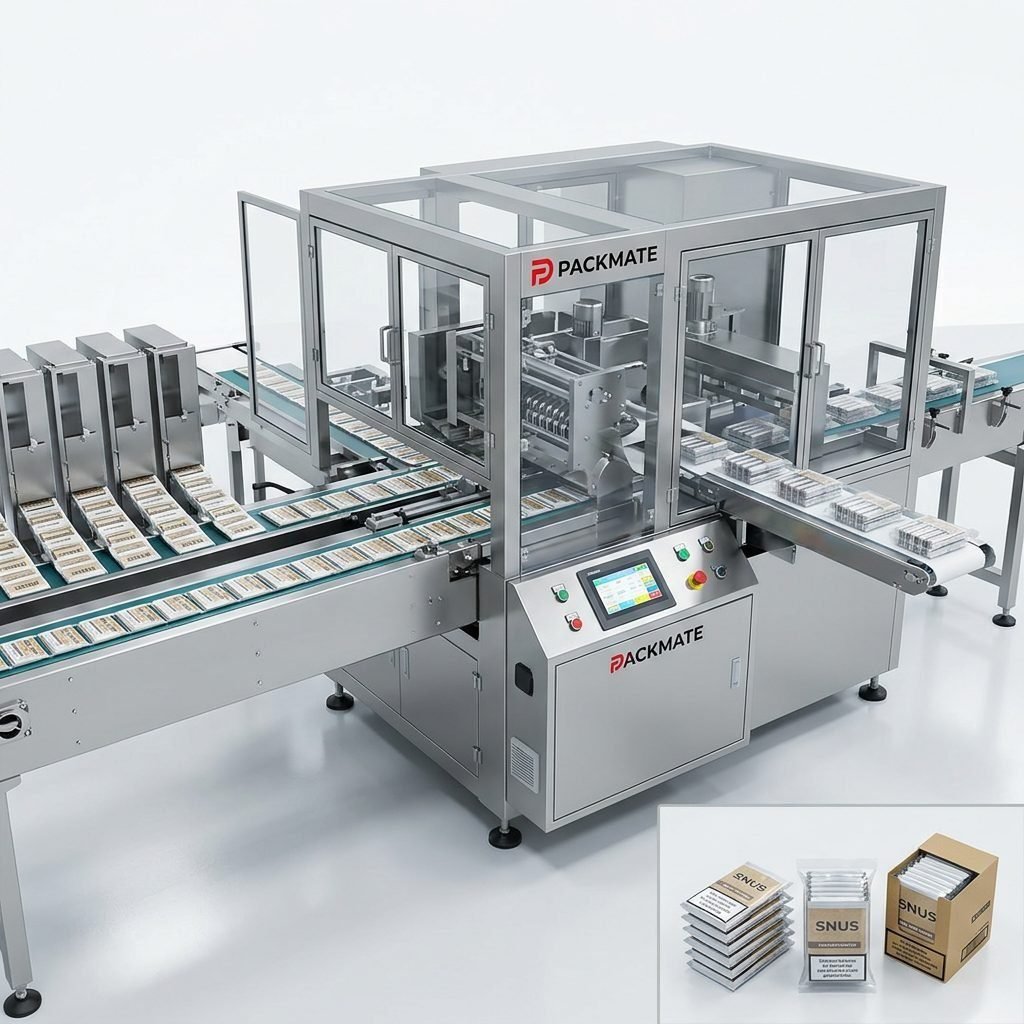
Different machinery suits different product types. The most common categories include multi-lane snus pouch machines, stick pack machines, sachet machines, and integrated weighing & filling lines. For product examples and machine families, visit the manufacturer product pages to compare models and capabilities.
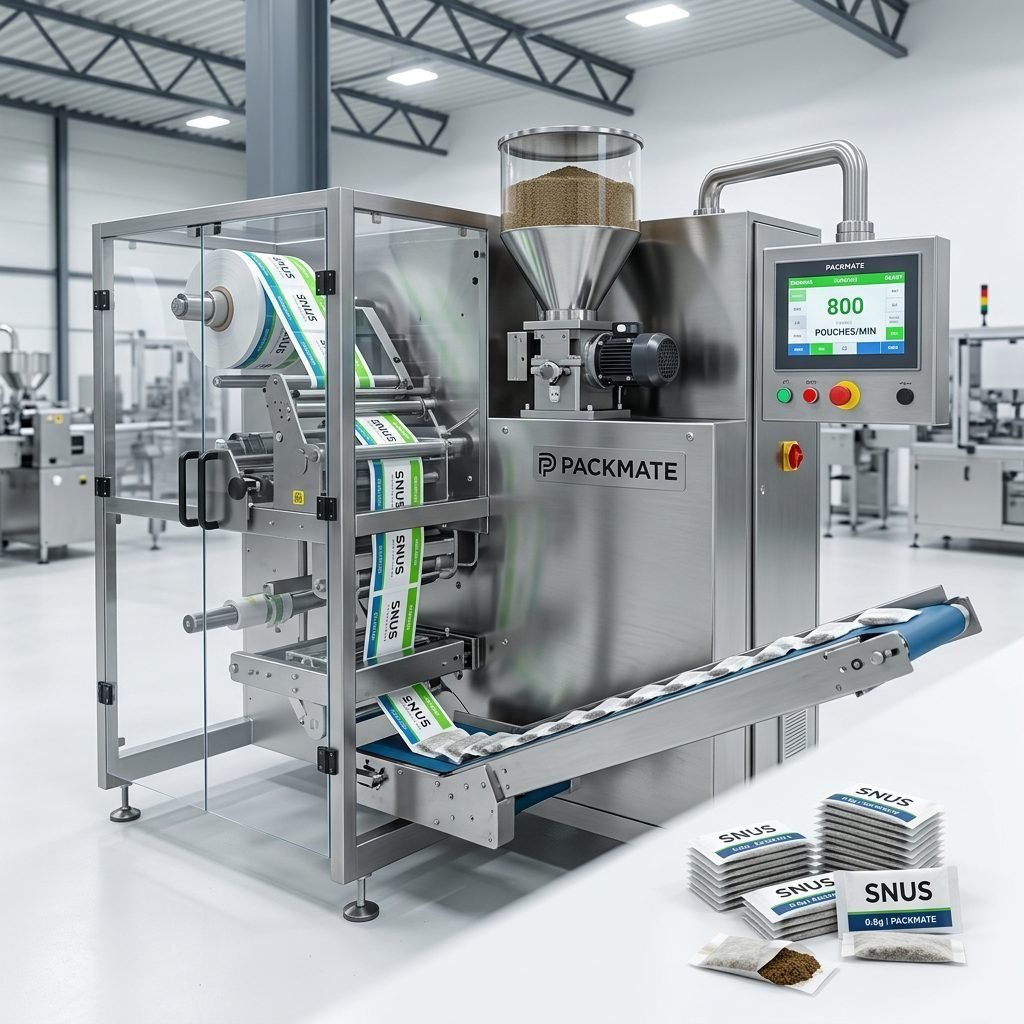
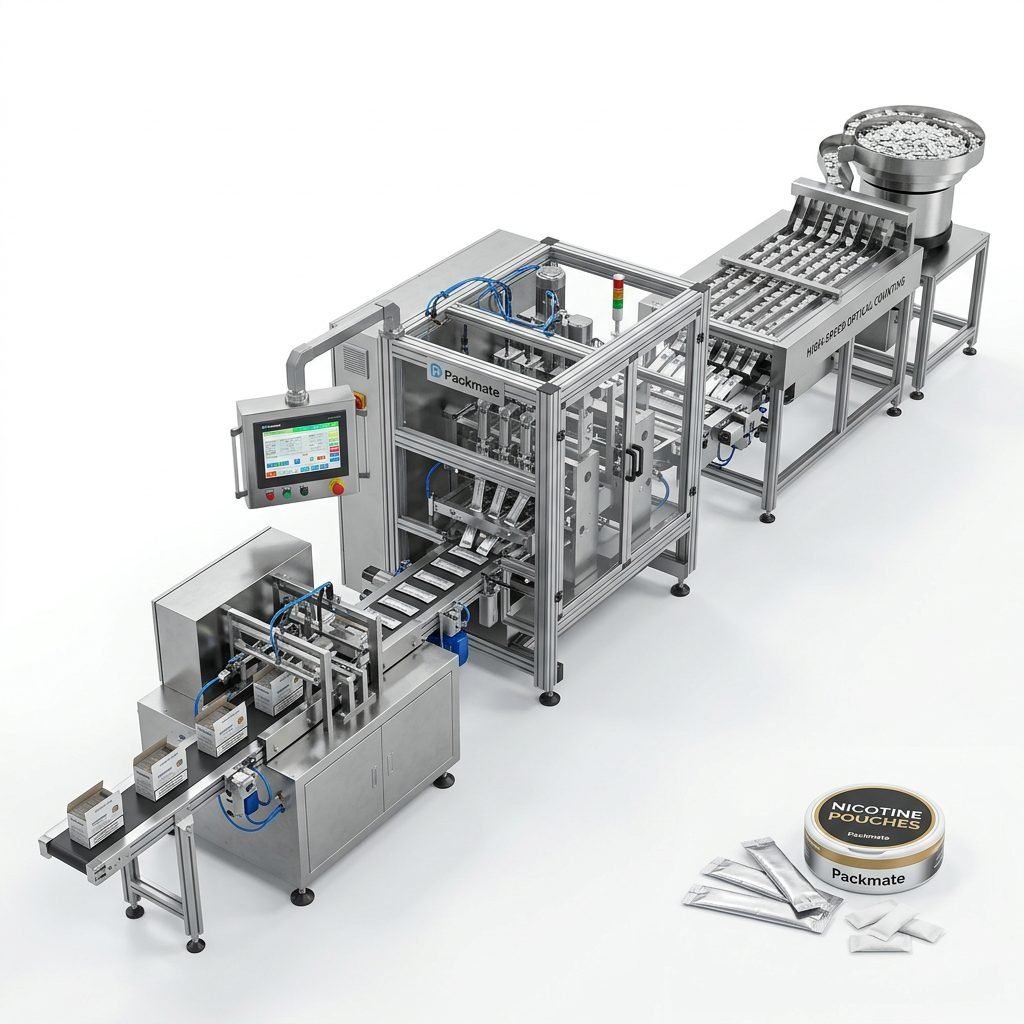
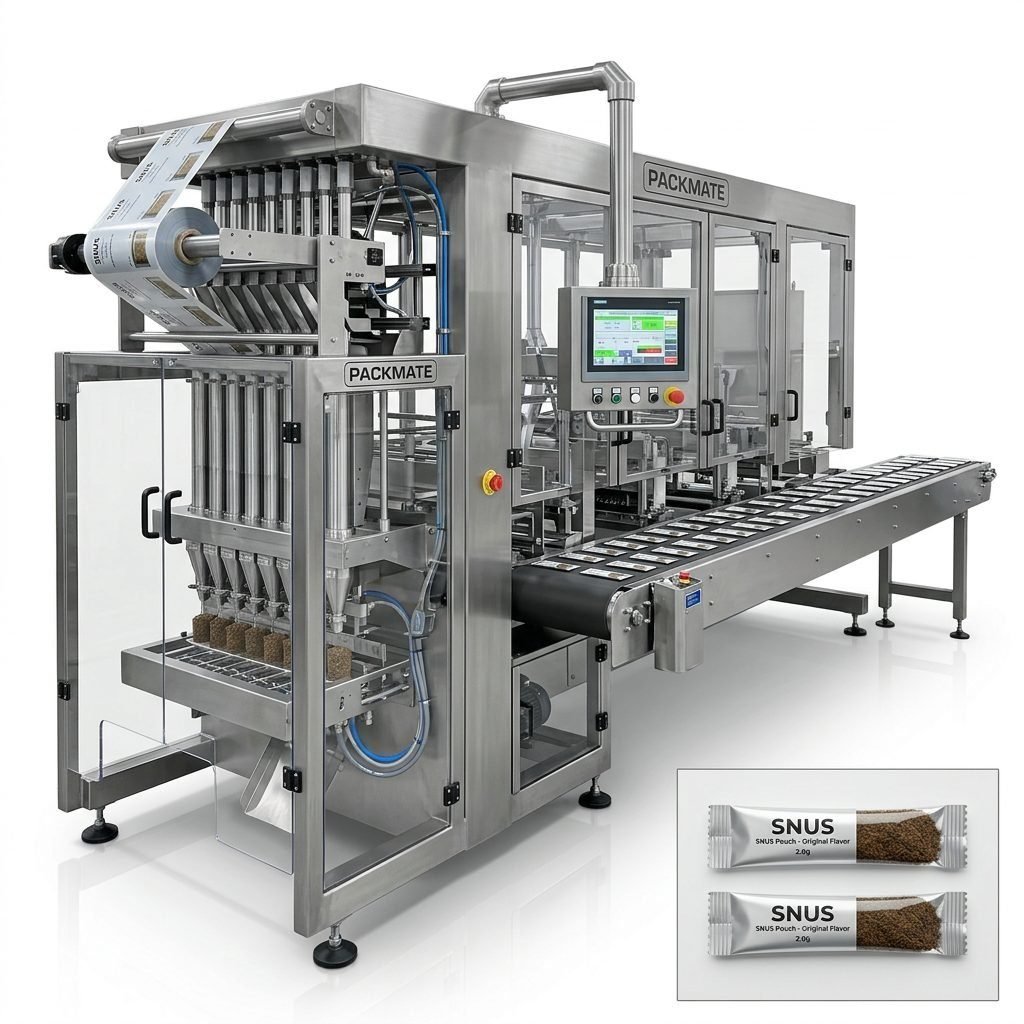
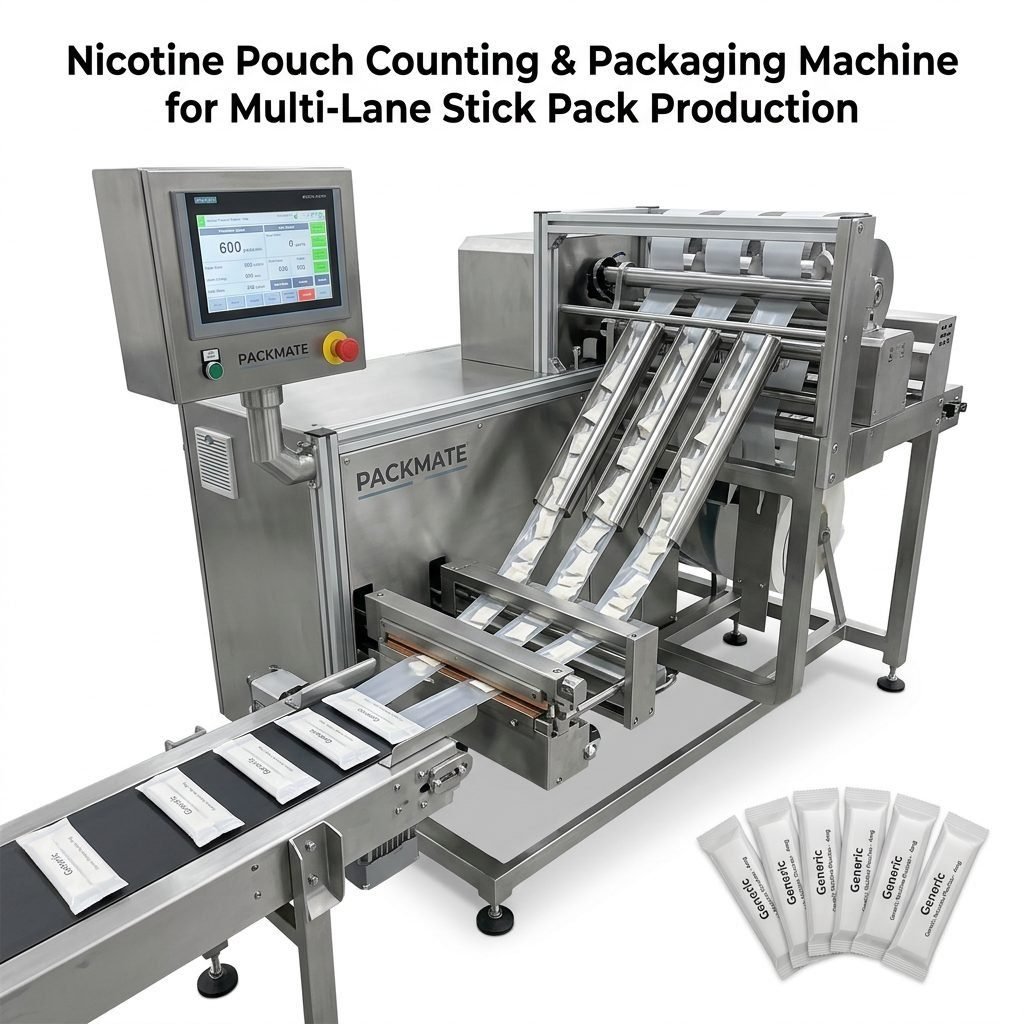
– ⚙️ Multi-lane snus/nicotine pouch machines: High throughput for small-dose pouches; ideal for mass production. See Snus & Nicotine Packaging Machines for examples.
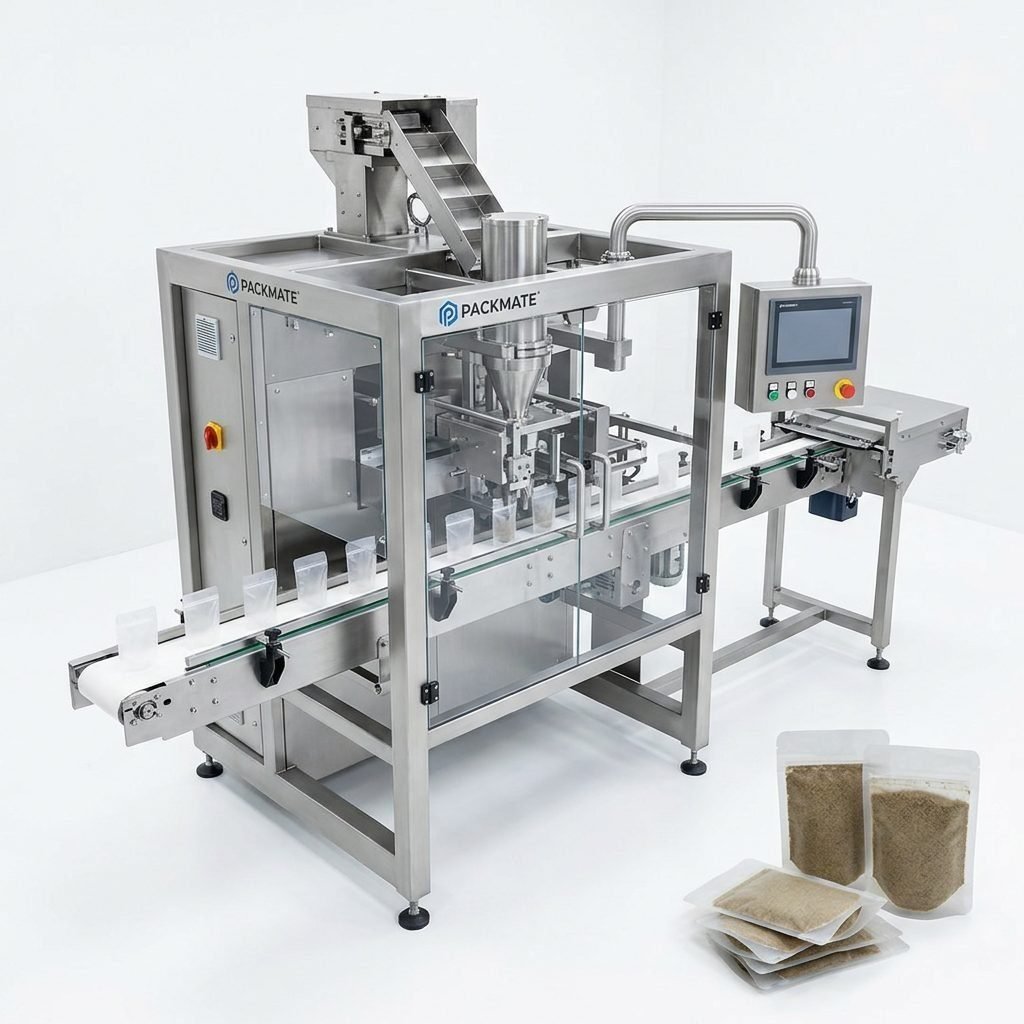
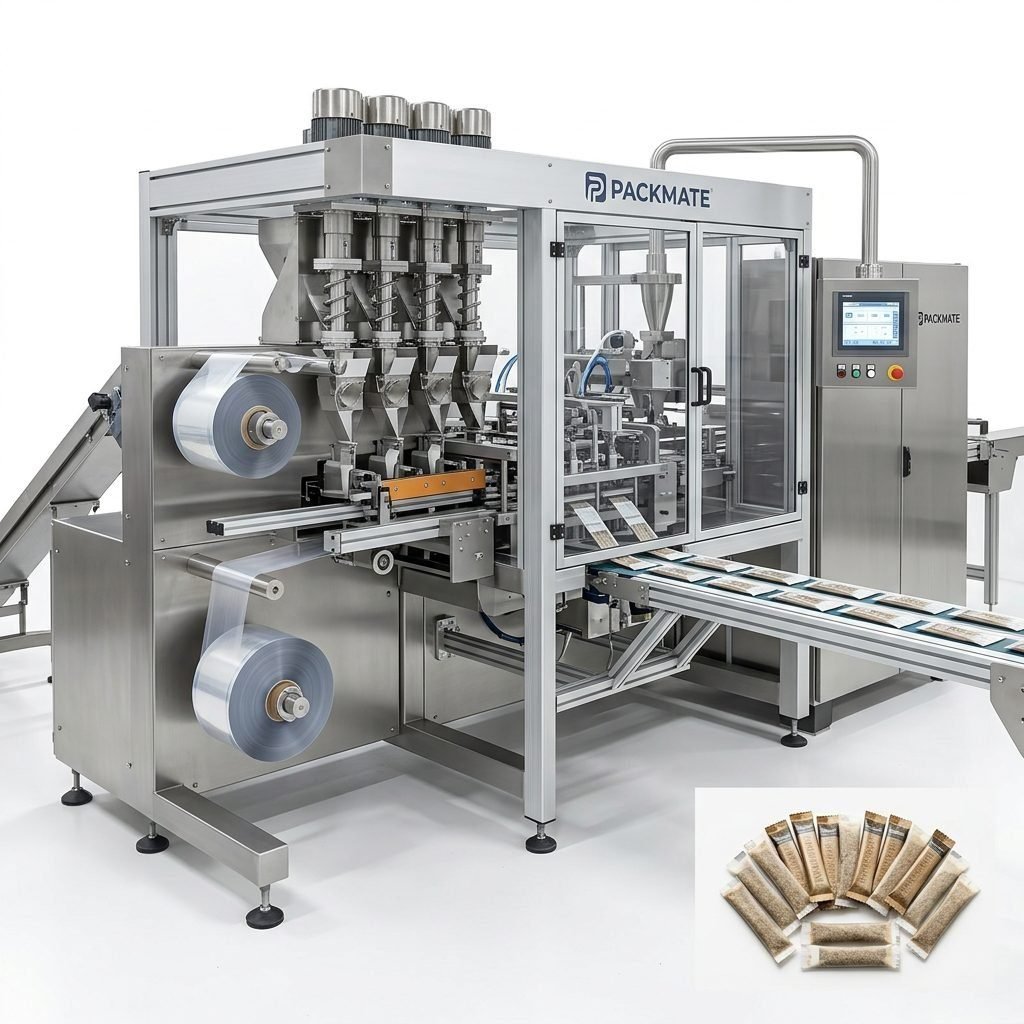
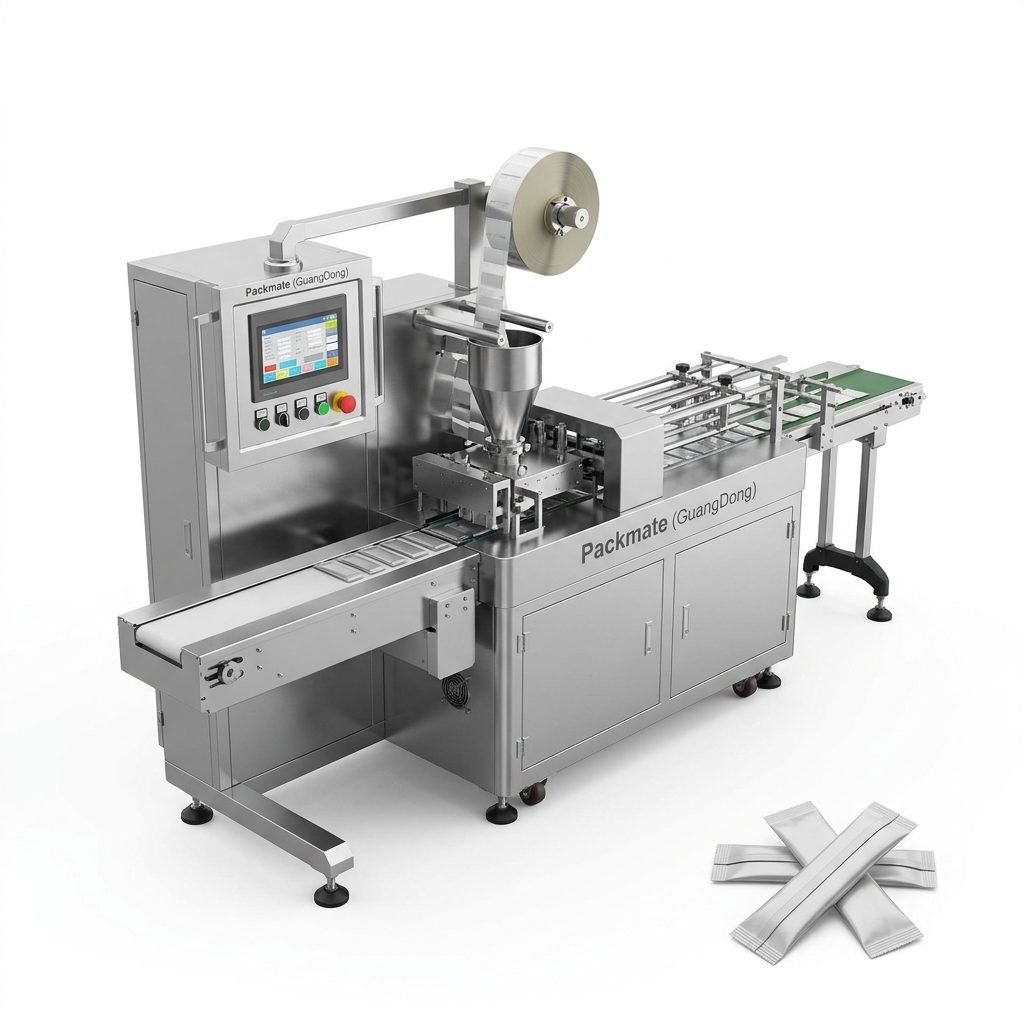
– ⚙️ Stick pack & sachet machines: Suitable for single-dose sticks and sachets; flexible for promotional formats. Learn about Sachet & Stick Pack Machines here.
– ⚙️ Integrated weighing & filling systems: Best when precise dosing is required for powders or granular nicotine blends; check Weighing & Packaging Systems for more details.
Critical Technical Specifications to Compare
When comparing machines, focus on performance metrics that affect output, quality, and operating cost.
Speed and Throughput
Machine speed is given in pouches per minute (ppm) or packs/min. Consider peak vs. sustainable speeds — specify continuous duty performance. If you require high-volume supply lines, multi-lane systems often deliver the best throughput-per-foot.
Accuracy and Dosing
For nicotine or powdered fills, dosing accuracy affects product consistency and regulatory compliance. Choose machines with precise weighing modules and servo-controlled dosing to minimize giveaway and waste.
Flexibility & Changeover
If you plan multiple SKUs, prioritize machines with quick changeover features, adjustable lanes, and programmable recipes. This reduces downtime and supports seasonal or promotional product lines.
Control System & Automation Level
Modern PLCs, HMI touchscreens, and remote diagnostics are essential for efficient operation. Request details on software updates, remote support capability, and language/localization options to ensure smooth operation in Niger.
❗ Important: Ask the supplier for real-life case studies and uptime statistics. Machines should be CE/ISO compliant and accompanied by a clear spare-parts list and lifetime support plan.
Materials, Seals & Packaging Film Compatibility
Material compatibility defines product shelf life and appearance. Ensure the machine handles your chosen laminates and can form, fill and seal at the required temperatures. For recyclable options, verify sealing performance and machine settings to prevent seal failures.
Factory Capabilities & Supplier Credentials
A strong manufacturer backbone reduces delivery risks. Look for: manufacturing area, CNC and assembly capabilities, and experience in snus lines. For example, Packmate Snus Machine highlights 20,000㎡ factory space, advanced CNC equipment, and 30+ years experience — criteria that indicate robust manufacturing and customization capacity. Visit About Packmate to learn more.
Certifications and Compliance
Request copies of CE, ISO, and safety certificates. Machines built to international standards simplify import clearance and reassure local authorities and buyers.
Service, Installation & Local Support
After-sales support is critical, especially when operating in regions with limited local service networks. Ask about:
✅ Installation and commissioning packages
✅ Training for operators and maintenance staff
✅ Spare parts lead times and local stocking options
✅ Remote diagnostics and paid maintenance contracts — see Service offerings for standard options.
📌 Tip: Choose suppliers that offer local partners or regional technicians to shorten downtime and shipping time for spare parts.
Budgeting & Total Cost of Ownership (TCO)
Purchase cost is only part of the equation. Calculate TCO by including installation, spare parts, consumables, energy consumption, operator labor, and expected maintenance. Machines with higher initial cost but lower downtime and waste often deliver better ROI.
Financial checklist
– Capital expenditure (machine price + shipping + customs)
– Installation & training fees
– Annual maintenance & spare parts budget
Factory Acceptance Test (FAT) & Site Acceptance Test (SAT)
Always request a FAT with your product before shipping. A proper FAT validates performance, dosing accuracy, sealing quality, and PLC recipes. After installation, the SAT confirms the machine operates under local conditions in Niger.
How to Evaluate Suppliers — Practical Steps
1) Review technical catalogs and request performance curves. 2) Ask for references and case studies from similar projects or climates. 3) Visit the factory or request a virtual tour and live demo. Packmate publishes case references and exhibition demos that can help verify real-world performance. See Case examples and Our Exhibition to view real installations.
Checklist Before Placing an Order
– Confirm model and capacity (ppm / lanes).
– Confirm materials compatibility and sample runs at FAT.
– Agree on spare parts kit, manuals, and training schedule.
– Confirm warranty terms, lead times, and payment milestones.
– Verify export documentation and local import guidance for Niger.
✅ Ready resources: For an overview of full packaging lines including auxiliary equipment and filling systems, check Filling & Packaging Lines and Auxiliary Packaging Equipment to assemble a complete production solution.
Negotiation & Contract Tips
Negotiate payment terms that align with milestones (design approval, FAT, shipping, SAT). Include penalty clauses for missed performance guarantees and a clear spare-part list with prices. Ensure training, installation, and remote support hours are clearly specified.
Final Selection: Matching Machine to Business Goals
Your ideal machine balances current needs and future expansion. Prioritize reliability, energy efficiency, and supplier support when selecting between similar models. A well-chosen packaging line will reduce downtime, improve product quality, and lower long-term costs.
Contact & Next Steps
If you need turnkey solutions or a customized quotation, contact the manufacturer directly for tailored proposals and quotations. For more information on certifications or company background, visit About Packmate or reach out via Contact Us.
Frequently Asked Questions
Q1: How long does delivery and installation typically take?
Delivery depends on model availability and customization; standard lead times range from 8 to 16 weeks plus shipping. Allow extra time for FAT and customs clearance. Installation and SAT often take 1–3 weeks depending on line complexity.
Q2: What after-sales support should I expect?
Expect commissioning, operator training, preventive maintenance plans, and spare parts supply. Confirm remote diagnostic options and availability of regional technicians to minimize downtime.
Q3: Can the machine be upgraded for higher speeds or more lanes?
Many machines are modular and allow upgrades (additional lanes, servo upgrades). Confirm upgrade pathways and costs before purchase to ensure future scalability.
Q4: Are spare parts and consumables easy to source in Niger?
Sourcing depends on the supplier’s logistics network. Choose manufacturers who stock critical spares regionally or provide fast international shipping; consider stocking key wear items locally to reduce lead time.
Q5: Where can I see real machine demos and case studies?
Request live demos or visit exhibitions where suppliers display lines. You can also review published case studies and past exhibitions for real-world performance; see Case and Our Exhibition for examples.