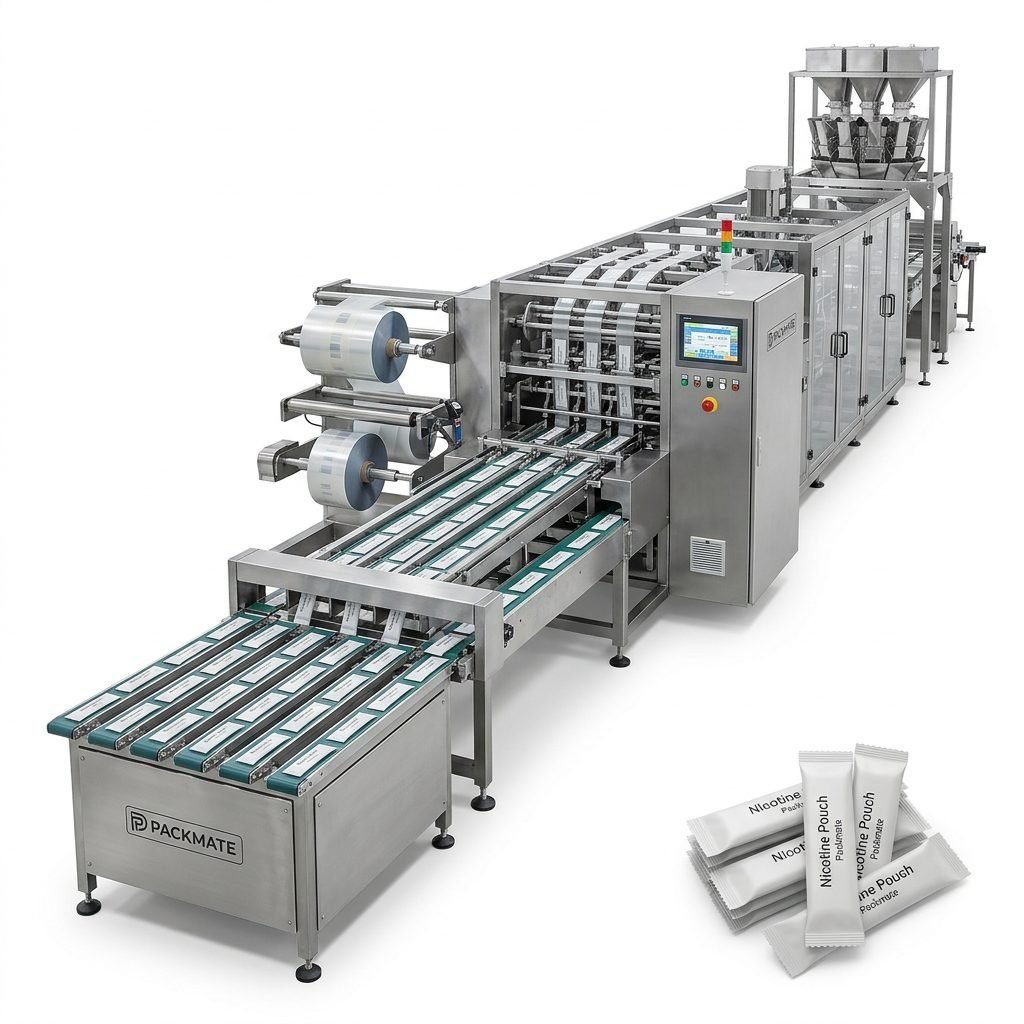
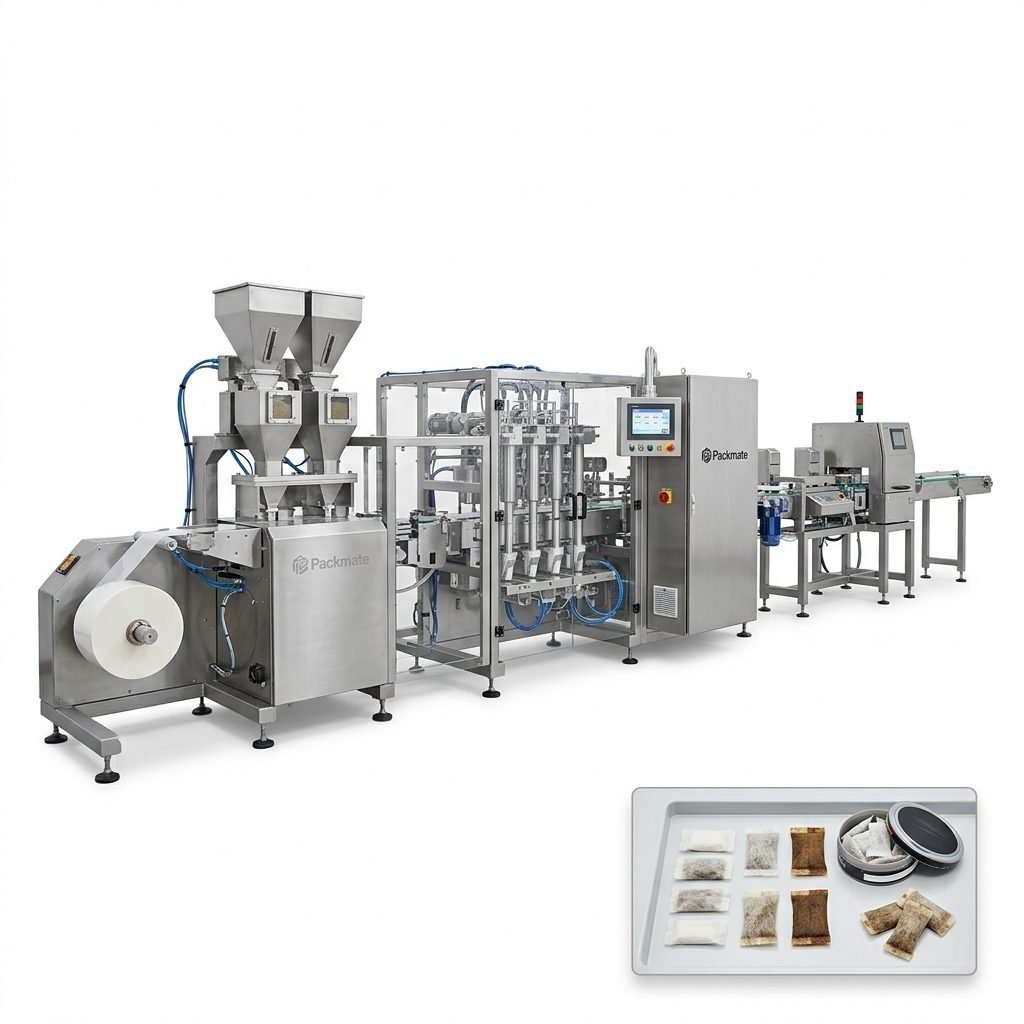
Choosing the right nicotine packaging machine for your business in Suriname requires more than just picking the most affordable option. You need a solution that matches local market demand, regulatory requirements, production capacity, and long-term service support. This guide walks you through the decision-making process, highlights the most suitable machine types, and explains how to evaluate suppliers that deliver reliability and compliance.
Understand the Suriname Market & Regulatory Landscape
Suriname’s tobacco and nicotine product market is evolving. When planning production, consider local consumer preferences (pouch size, flavor formats), import/export pathways, and national regulations that affect nicotine-containing products. Regulatory compliance is essential — machines must support tamper-evident packaging, accurate dosing, and traceability features to meet both domestic and potential export requirements.
🔒 Compliance tip: Ask suppliers about CE and ISO certification, and whether they can help configure line-level traceability (batch codes, date stamps). Packmate has documented certifications and global export experience that can simplify approvals for new facilities.
Match Machine Type to Your Product Format
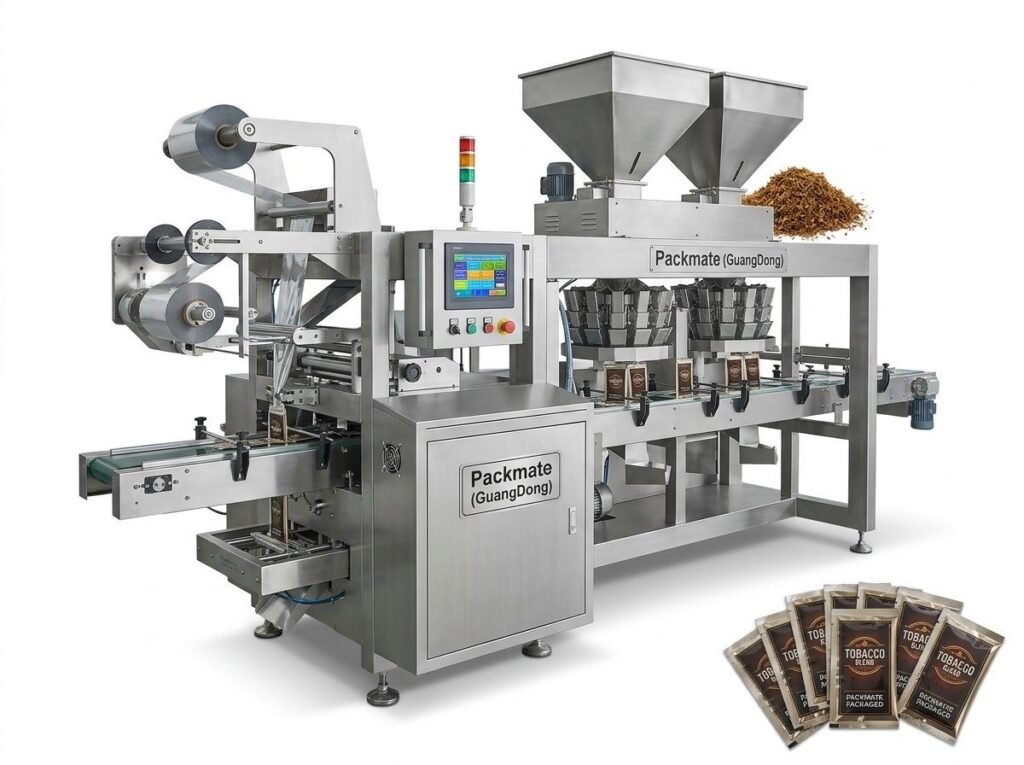
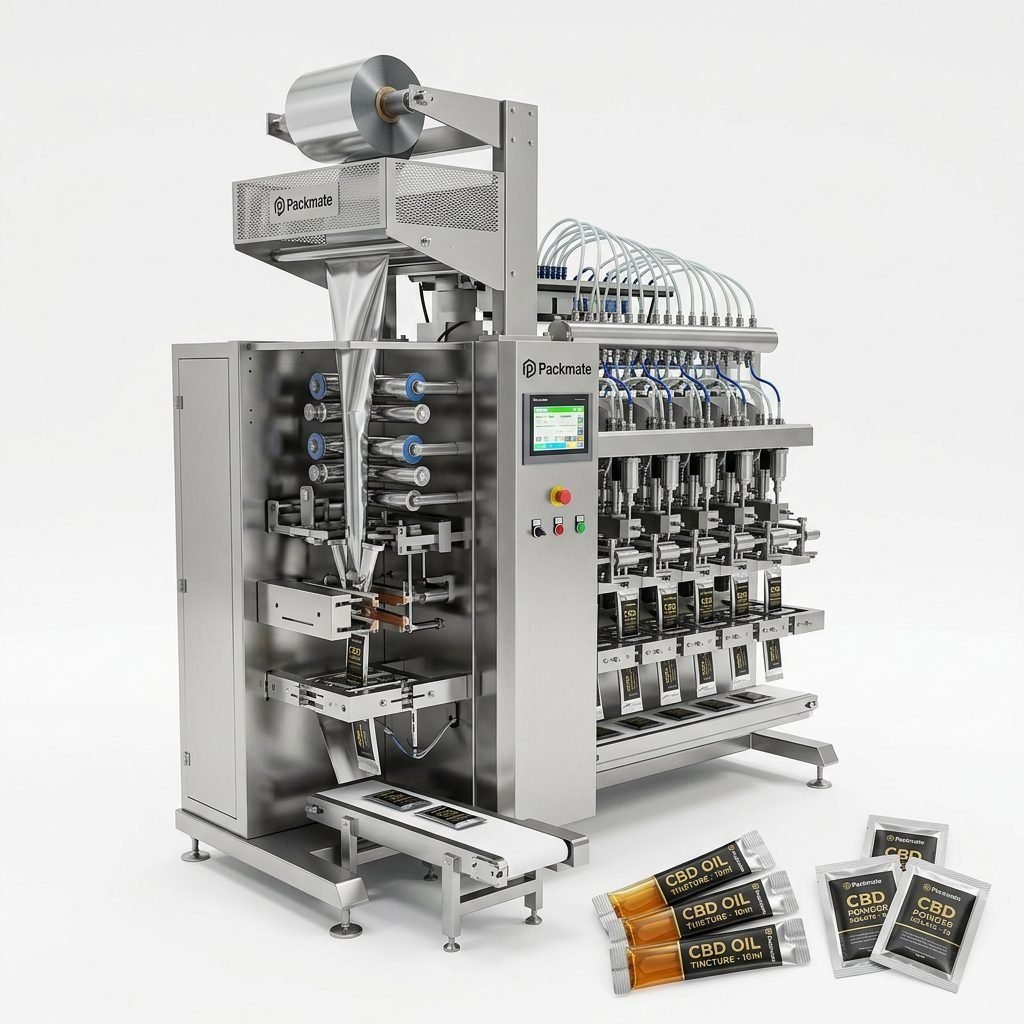
Choose machine technology based on the product you plan to produce. Common options include single-serve pouches, stick packs, sachets, and multi-lane pouch lines. Each format has different speed, filling, and sealing requirements.
Snus & Nicotine Pouch Machines
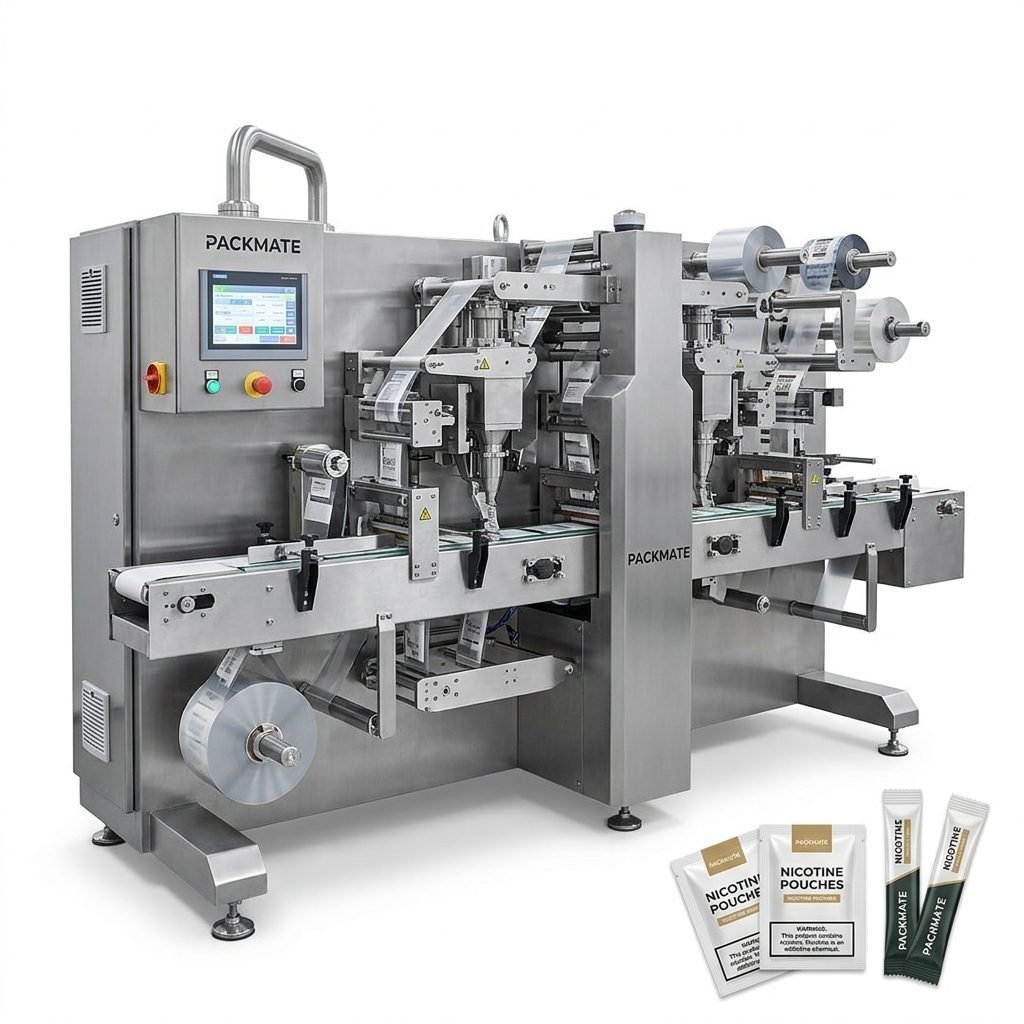
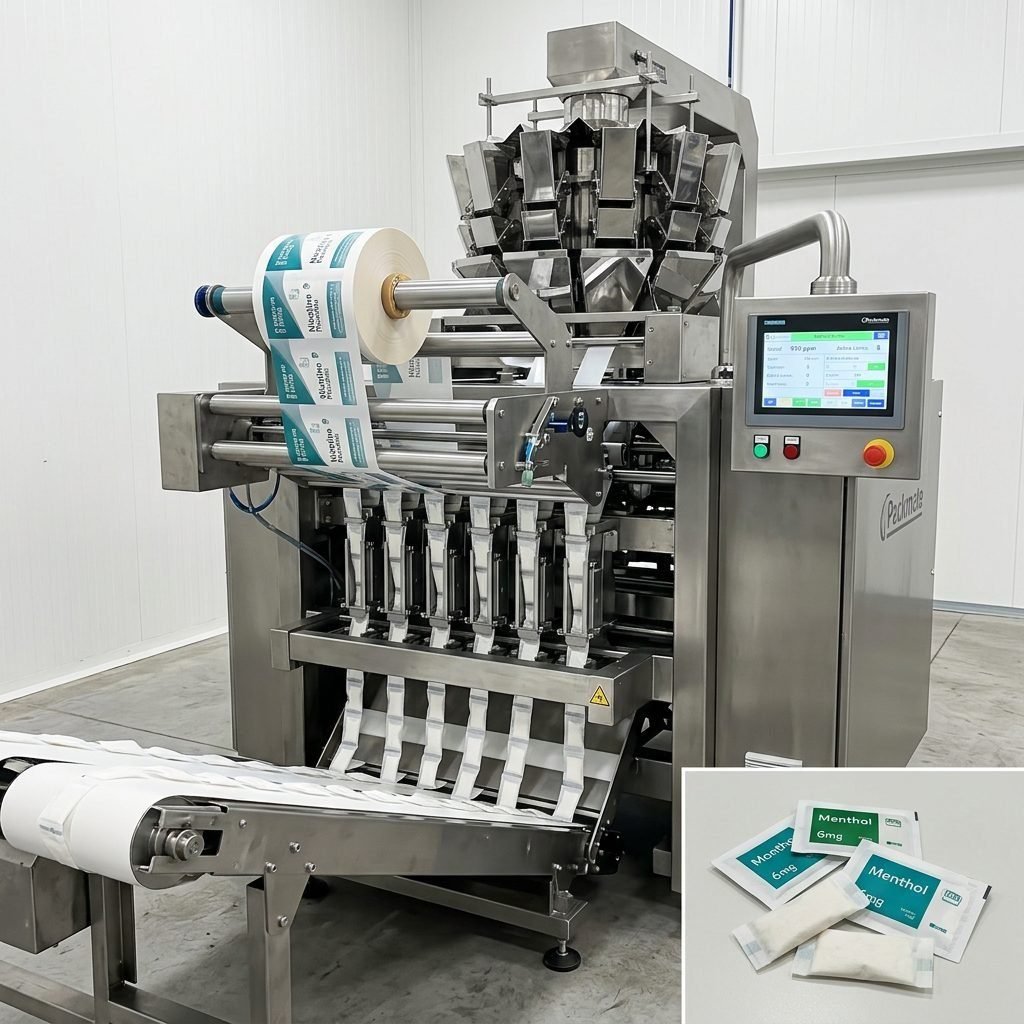
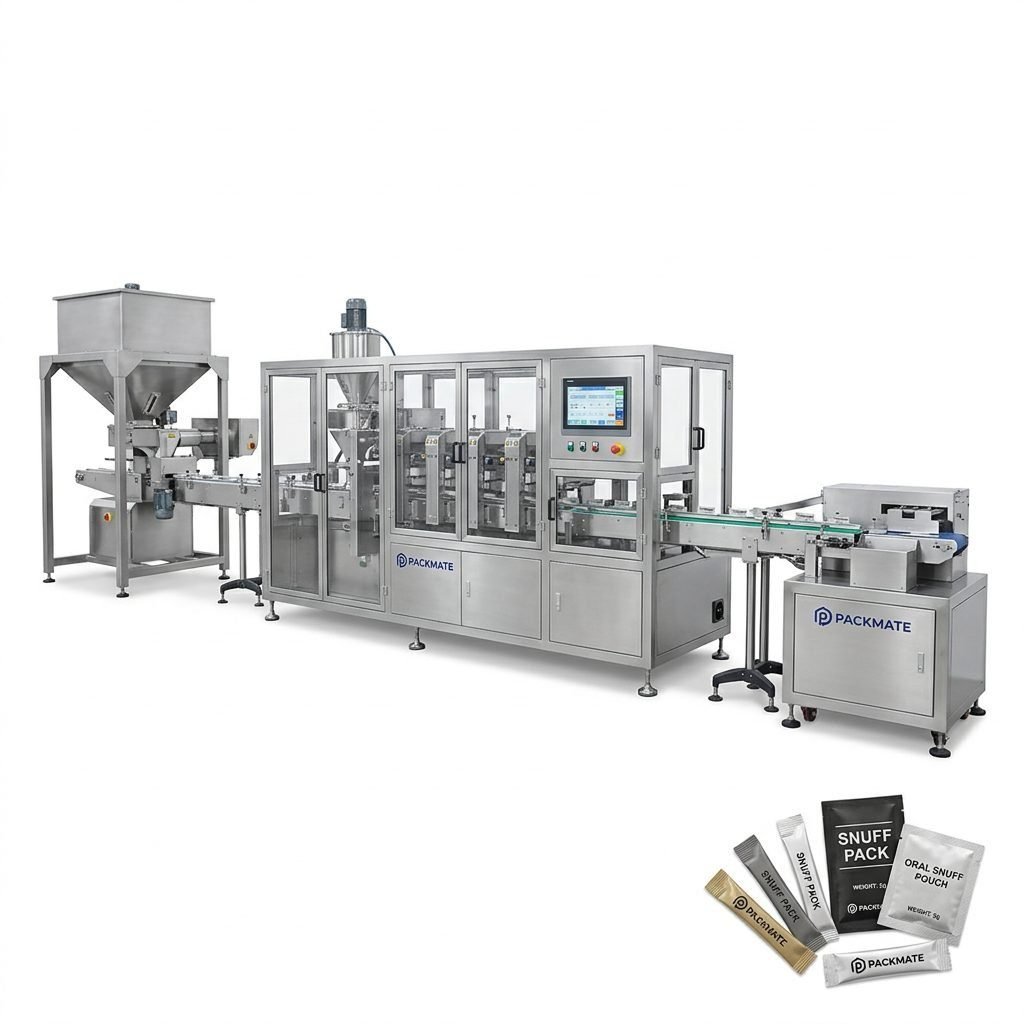
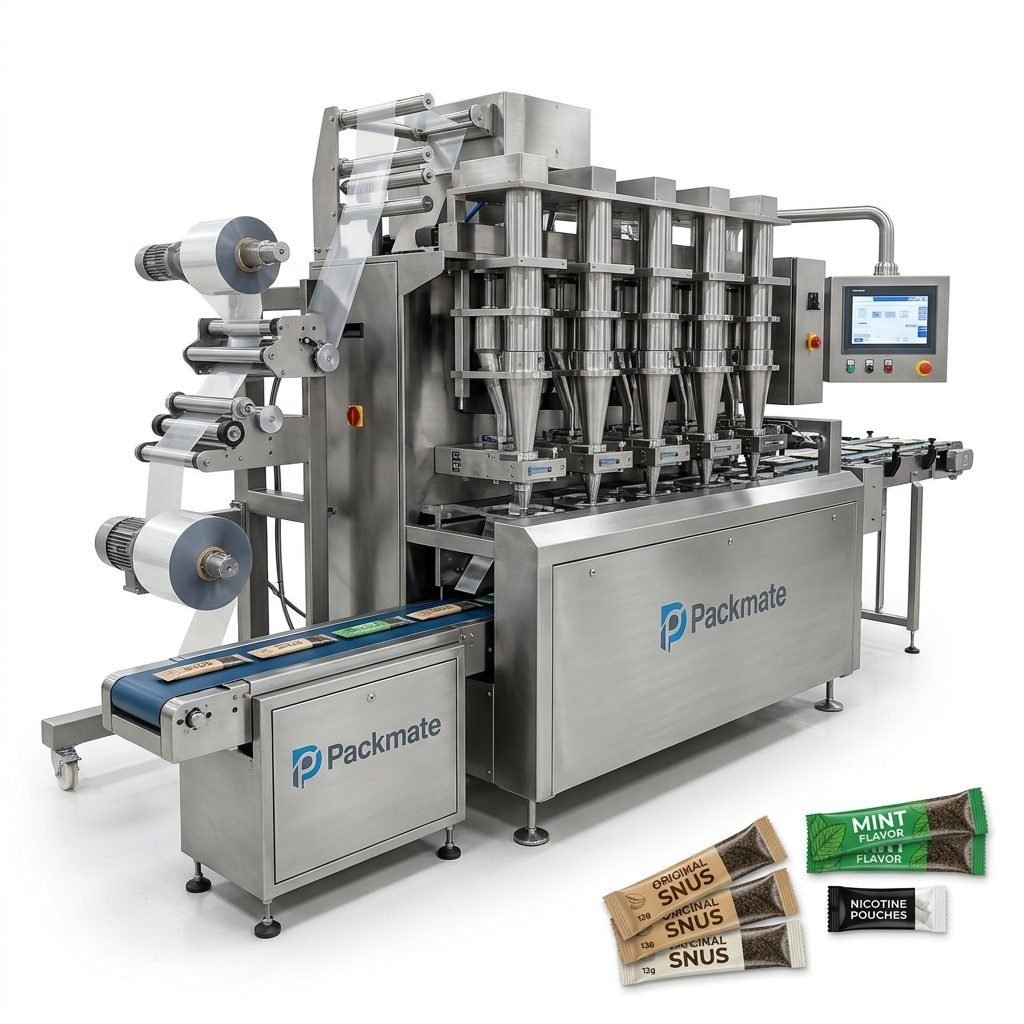
For nicotine pouches and snus, specialized pouch packaging machines handle very small doses with high accuracy. These lines can be tailored for headspace or vacuum packaging, and are ideal when product consistency and gentle handling are critical. Explore dedicated technologies here:
Snus & Nicotine Packaging Machines.
Sachet & Stick Pack Machines
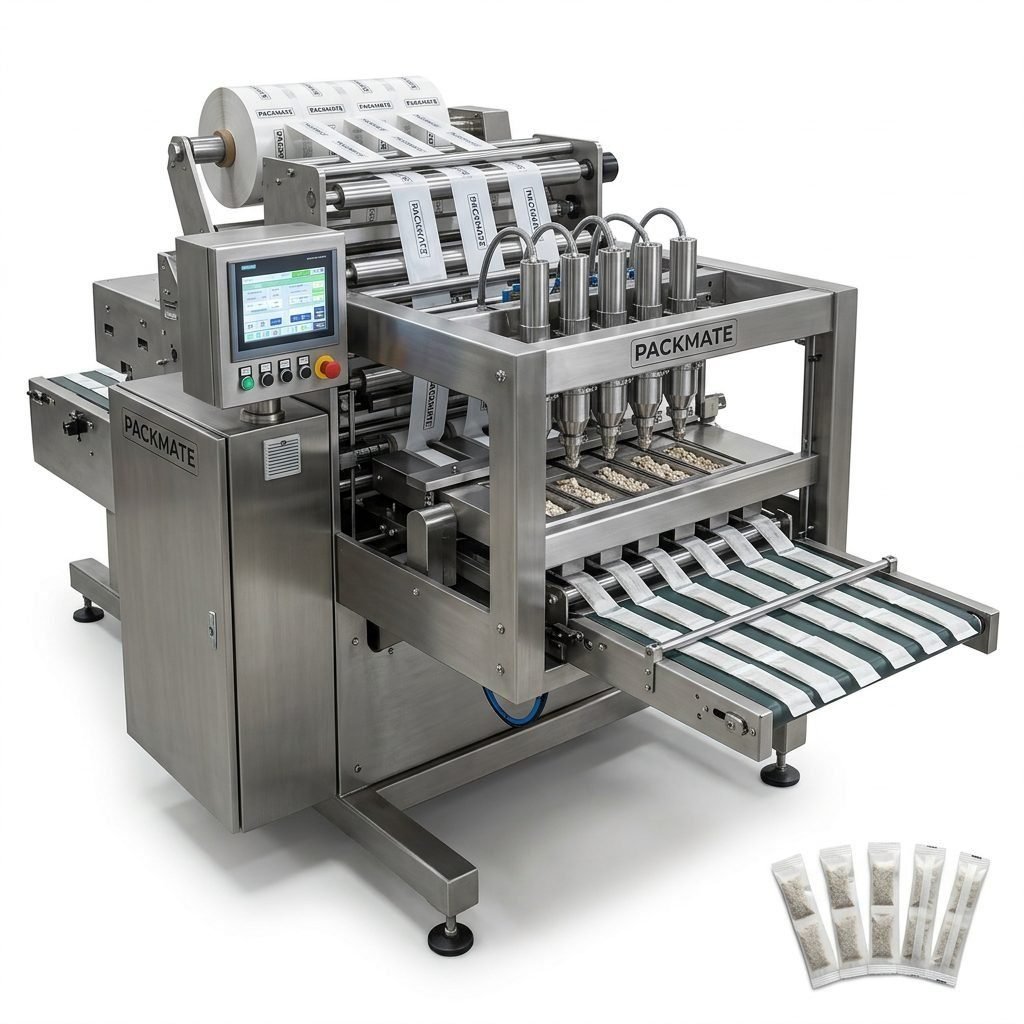
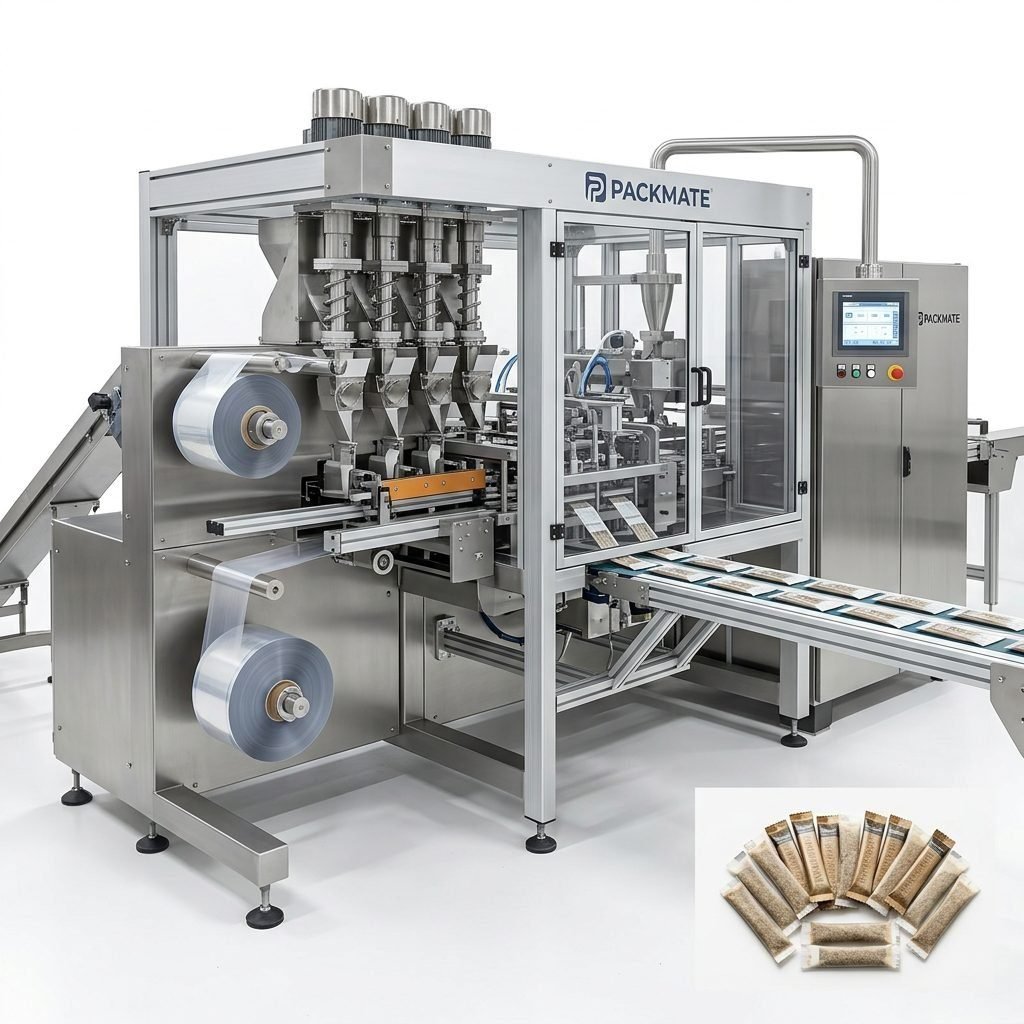
If you need higher speeds with flexible formats for single-dose servings, consider stick pack or sachet machines. These systems are often more compact and can be an economical choice for growing brands that require moderate to high throughput.
Learn more about these systems:
Sachet & Stick Pack Machines.
✅ Quick rule: For premium small-dose pouches choose specialized snus pouch lines; for high-volume single-dose formats consider stick pack/sachet lines.
Key Technical Specifications to Evaluate
When comparing suppliers, evaluate the following specifications carefully:
- Filling accuracy and dosing range — critical for nicotine products.
- Production speed (pouches/min or packs/min) and number of lanes for multi-lane systems.
- Material compatibility (wet/dry, powder, granular).
- Changeover time and ease of cleaning for frequent product shifts.
- Automation level: PLC controls, HMI interfaces, and remote diagnostics.
- Traceability options: inkjet coders, labelers, and data logging.
Production Capacity Planning
Estimate daily and monthly production targets realistically. Consider seasonal demand, inventory requirements, and expansion plans. If you foresee rapid growth, investing in modular multi-lane systems can lower cost per unit and reduce downtime during scale-up.
🔧 Capacity tip: Choose a machine with room to grow — it’s often cheaper to buy a larger-capacity model or a multi-lane layout than to add a second line later.
Customization & Turnkey Solutions
A one-stop supplier that offers turnkey production lines simplifies procurement. Look for manufacturers that provide integration of weighing, filling, packaging, and auxiliary equipment. Packmate delivers full lines including weighing and filling systems, which reduces engineering complexity and shortens commissioning time.
For examples of full-line capabilities, see:
Filling & Packaging Lines.
Factory Strength & Quality Control
Choose suppliers with strong manufacturing infrastructure: advanced CNC machining, experienced assembly teams, and strict QA processes. A reputable manufacturer will provide documentation, performance testing, and the ability to customize components to meet sanitary or production requirements. Packmate’s 20,000㎡ facility and 30+ years of engineering experience are examples of this kind of capability.
Certifications & International Experience
Verify certifications such as CE and ISO to ensure machines meet international safety and quality standards. Suppliers with global exhibition presence and export cases can better support compliance questions and after-sales logistics. Learn more about a manufacturer’s credentials:
Certificate and
Case histories.
After-Sales Service and Spare Parts
Reliable local or regional service reduces downtime. Confirm lead times for spare parts, availability of remote diagnostics, and training options. A strong supplier will provide installation guidance, operator training, and preventative maintenance plans. For direct contact and support, use:
Contact Us.
🌍 Global tip: Suppliers with global installations will better understand import/export logistics, world-class commissioning, and spare parts distribution — reducing the risk for new operations in Suriname.
Budgeting: Upfront Cost vs. Total Cost of Ownership
Consider total cost of ownership (TCO): initial purchase, installation, tooling, spare parts, maintenance, and energy consumption. Cheaper machines may have higher running costs or more frequent downtime. Invest in robust equipment with proven uptime records and good service networks to protect your production schedule and margins.
Installation, Training & Ramp-Up
Plan for a commissioning period that includes site preparation, utilities, operator training, and sample validation runs. A reliable supplier will offer on-site training and commissioning services, as well as remote support during the ramp-up phase. Ask for a trial run or demo videos to visualize how the machine will perform with your product.
Maintenance Best Practices
Implement a maintenance schedule: daily cleaning, weekly inspections, and scheduled component replacements. Keep a small inventory of critical spare parts such as sensors, belts, and seals. Use a maintenance log to track issues and service activities — this improves uptime and supports warranty claims.
⚠️ Maintenance reminder: Neglecting routine cleaning and calibration is the most common cause of production losses in nicotine pouch lines.
Sourcing Tips & Supplier Evaluation Checklist
Use this checklist when evaluating machine suppliers:
- References from similar installations.
- Factory visit or virtual tour availability.
- Testing with your exact product before shipment.
- Clear warranty and spare parts policy.
- Service package and training options.
- Documentation in English and local language support if needed.
Why Consider Packmate as a Supplier
Packmate’s long history in packaging machinery and focus on snus and nicotine pouch lines offers advantages: specialized multi-lane solutions, extensive model options, and a manufacturing footprint with advanced CNC and assembly systems. Their turnkey approach can accelerate production launch and ensure consistency in product output.
Learn more about the company:
About Packmate.
Common Procurement Scenarios & Recommendations
Scenario 1: Small start-up with limited capital — begin with a flexible sachet or single-lane pouch machine, then expand to multi-lane as demand grows. Scenario 2: Established brand scaling exports — invest in multi-lane automated lines with integrated weighing and packaging systems for high throughput and consistent quality. Scenario 3: Multiple SKUs — prioritize quick-change tooling and software recipes to reduce downtime during product switches.
Preparing Your Facility in Suriname
Ensure your plant layout includes adequate space for conveyors, auxiliary equipment, and operator access. Allocate utility capacity (electricity, compressed air, vacuum) and a controlled environment for sensitive nicotine products. Confirm local customs clearance and import documentation to prevent shipment delays.
📦 Logistics tip: Coordinate with your supplier early on crate sizes and shipment details — oversized equipment or missing permits are frequent causes of customs delays.
Final Checklist Before Purchase
Before signing contracts, confirm the following: machine performance test data, warranty terms, spare parts list, training schedule, lead times, and accepted payment/transport arrangements. Ensure contract terms cover installation support and acceptance criteria after commissioning.
Next Steps
Reach out to reputable suppliers to request quotations with detailed technical specs and reference installations. Schedule product-specific trials to validate packaging performance. If you want to explore specialized snus and nicotine pouch equipment or full packaging lines, check these resources:
Snus & Nicotine Packaging Machines and
Filling & Packaging Lines.
Summary: Make an Informed Investment
Selecting the right nicotine packaging machine in Suriname is a strategic decision that affects product quality, compliance, and profitability. Prioritize suppliers with proven technology, strong manufacturing capability, and dependable after-sales service. Balance upfront cost with long-term performance to secure a sustainable production path for your brand.
Frequently Asked Questions
Q1: What certifications should I expect from a reliable packaging machine supplier?
A1: Look for CE and ISO compliance, documented quality management systems, and any product-specific certifications relevant to your export markets.
Q2: How long does it typically take to install and commission a nicotine pouch line?
A2: Depending on complexity, site readiness, and customization, installation and commissioning can take from 2 weeks up to 8 weeks. Plan for operator training and validation runs.
Q3: What ongoing support should be included with a machine purchase?
A3: Ensure the scope covers spare parts lists, remote technical support, scheduled preventive maintenance, and on-site service options during the warranty period.
Q4: Can suppliers test machines with my exact product formulation before shipment?
A4: Reputable suppliers will offer product testing and video demonstrations. Request documented test reports and, if possible, witnessed trials.
Q5: Where can I find examples of installed lines and customer references?
A5: Review supplier case studies and exhibition appearances to evaluate real-world performance and service satisfaction:
Case and
Our Exhibition.