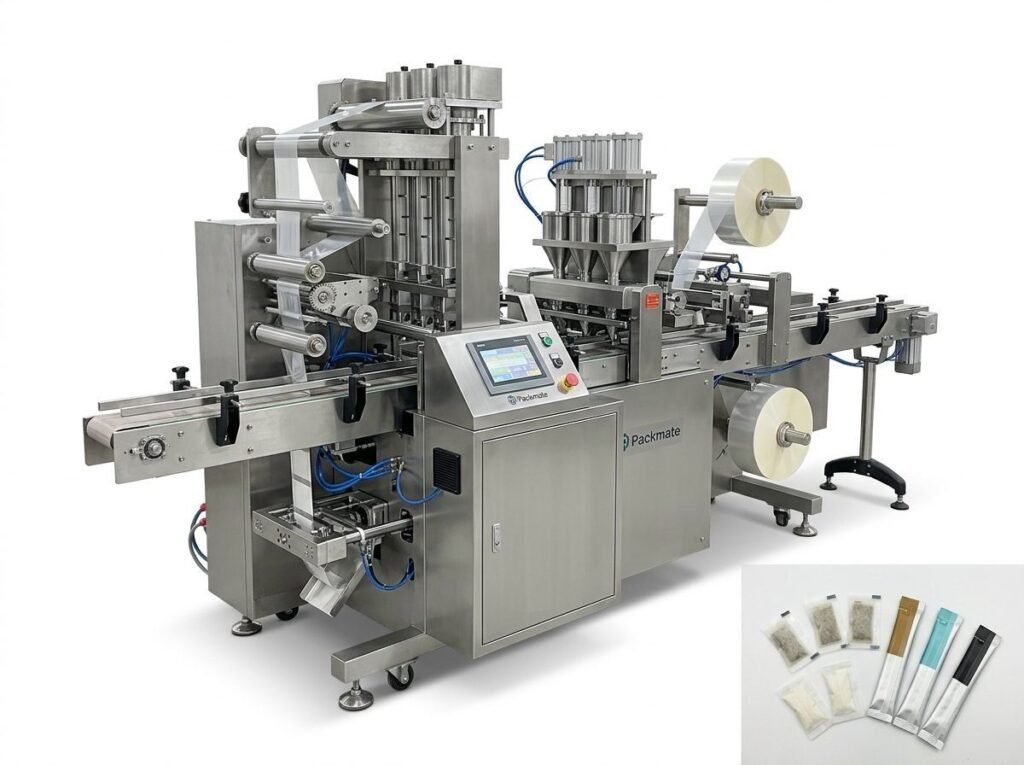
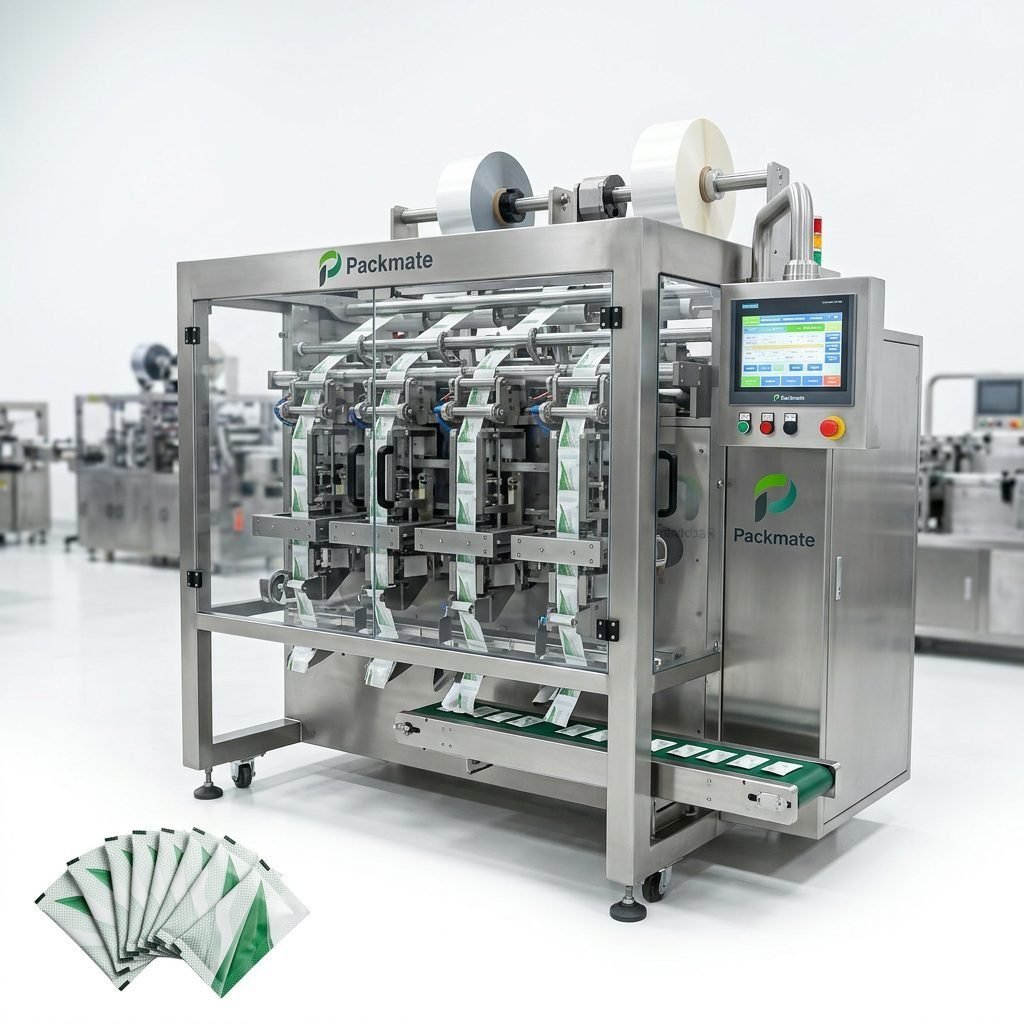
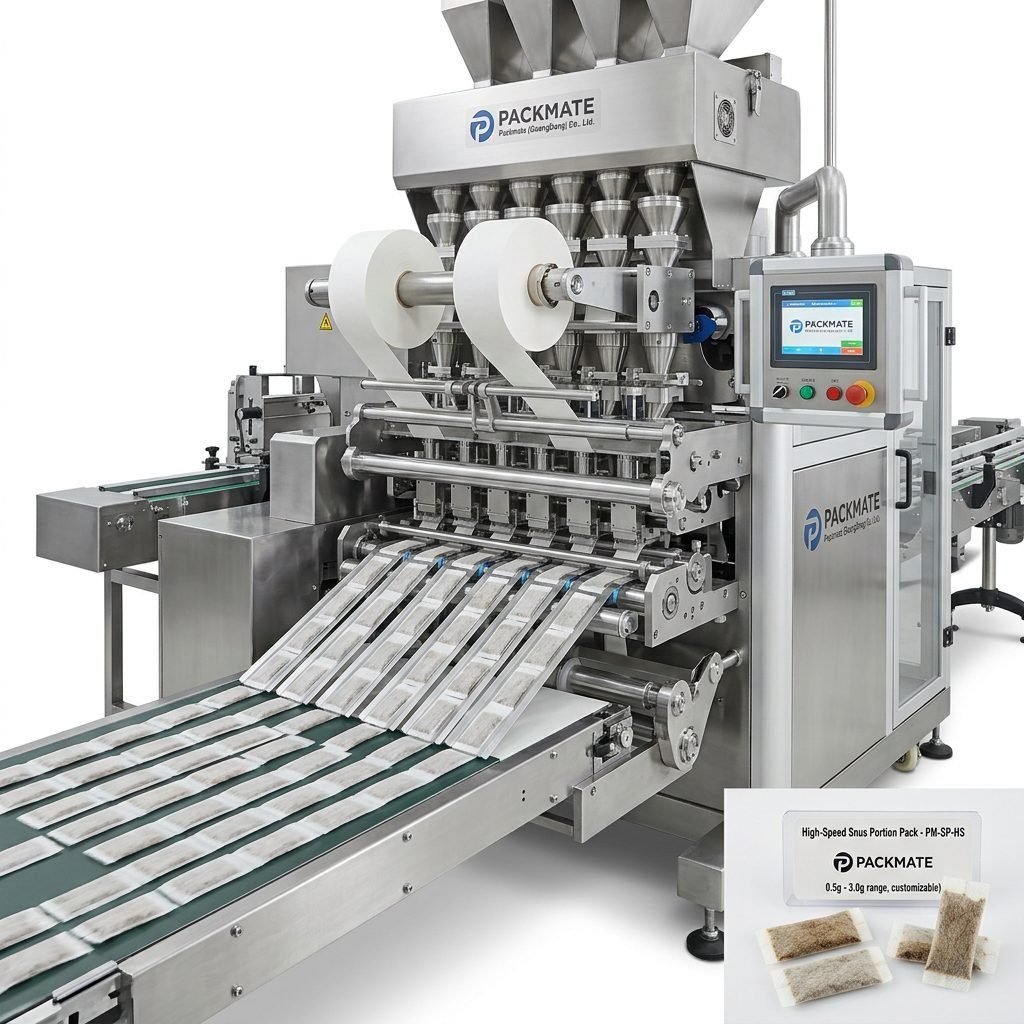
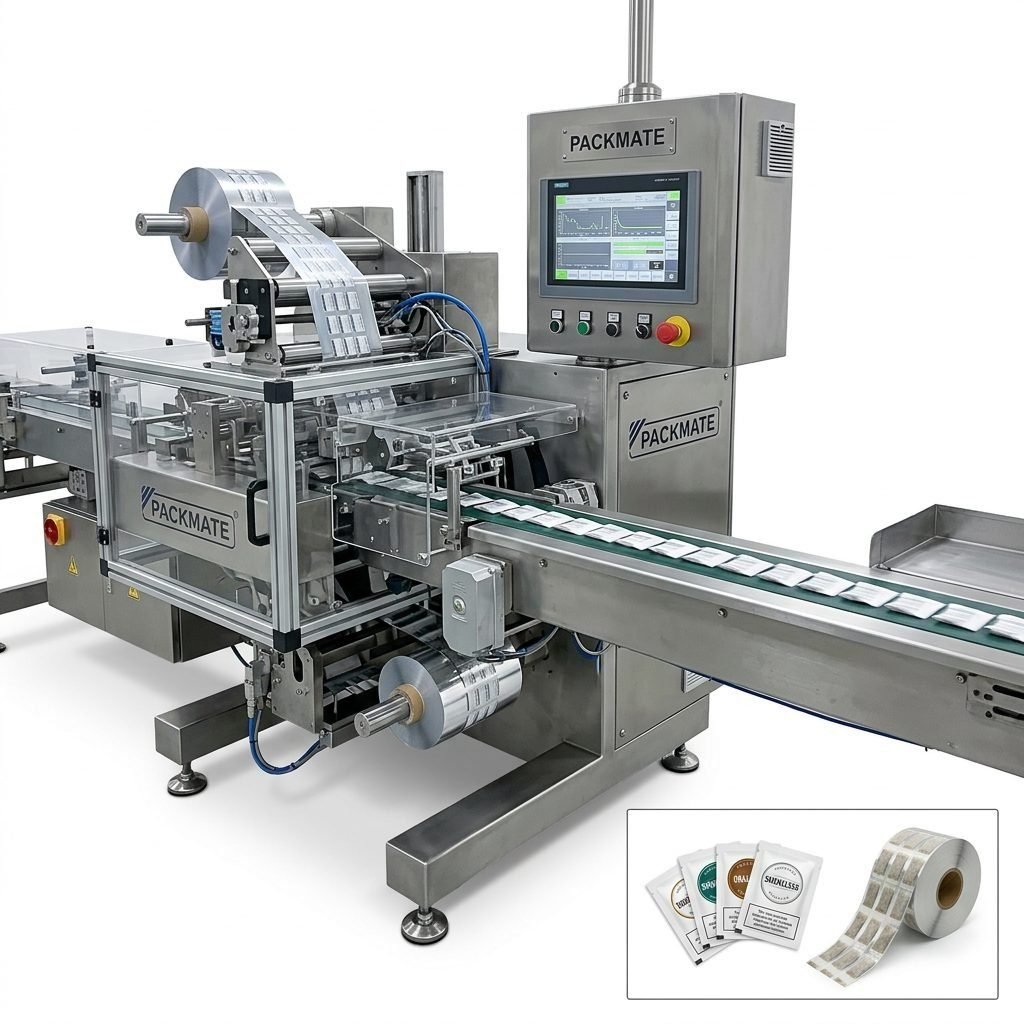
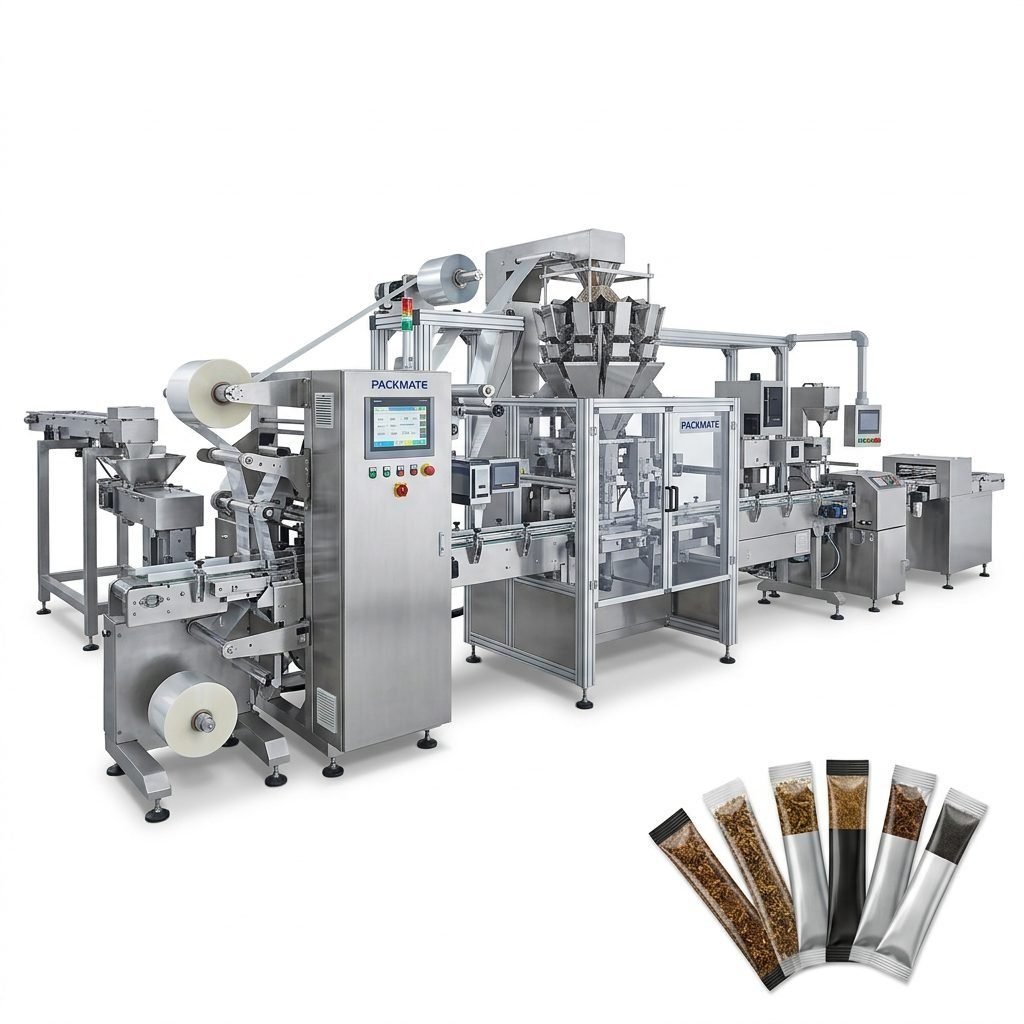
Multi-lane pouch packing machines are transforming high-speed, small-dose pouch production for industries such as snus and nicotine pouches, tea, powders, and specialty consumables. This guide walks you through the main machine types, how they work, where they excel, and practical buying and installation tips so you can select the right multi-lane solution for reliable, efficient production.
Types of Multi-Lane Pouch Packing Machines
Modern multi-lane pouch packing systems come in several configurations depending on pouch style, production speed, and filling type. Below are the most common types you’ll encounter:
Rotary Multi-Lane Pouch Machines
Rotary systems use a central rotating turret to index multiple lanes simultaneously. They are ideal for very high throughput and compact floor space. Typical applications include nicotine pouches, small sachets, and single-serve doses.
Linear Multi-Lane Form-Fill-Seal (FFS) Machines
Linear multi-lane machines feed film through synchronized lanes and seal/form pouches in-line. They are flexible for different pouch sizes with relatively simpler mechanical design and easier maintenance.
Stick & Sachet Multi-Lane Systems
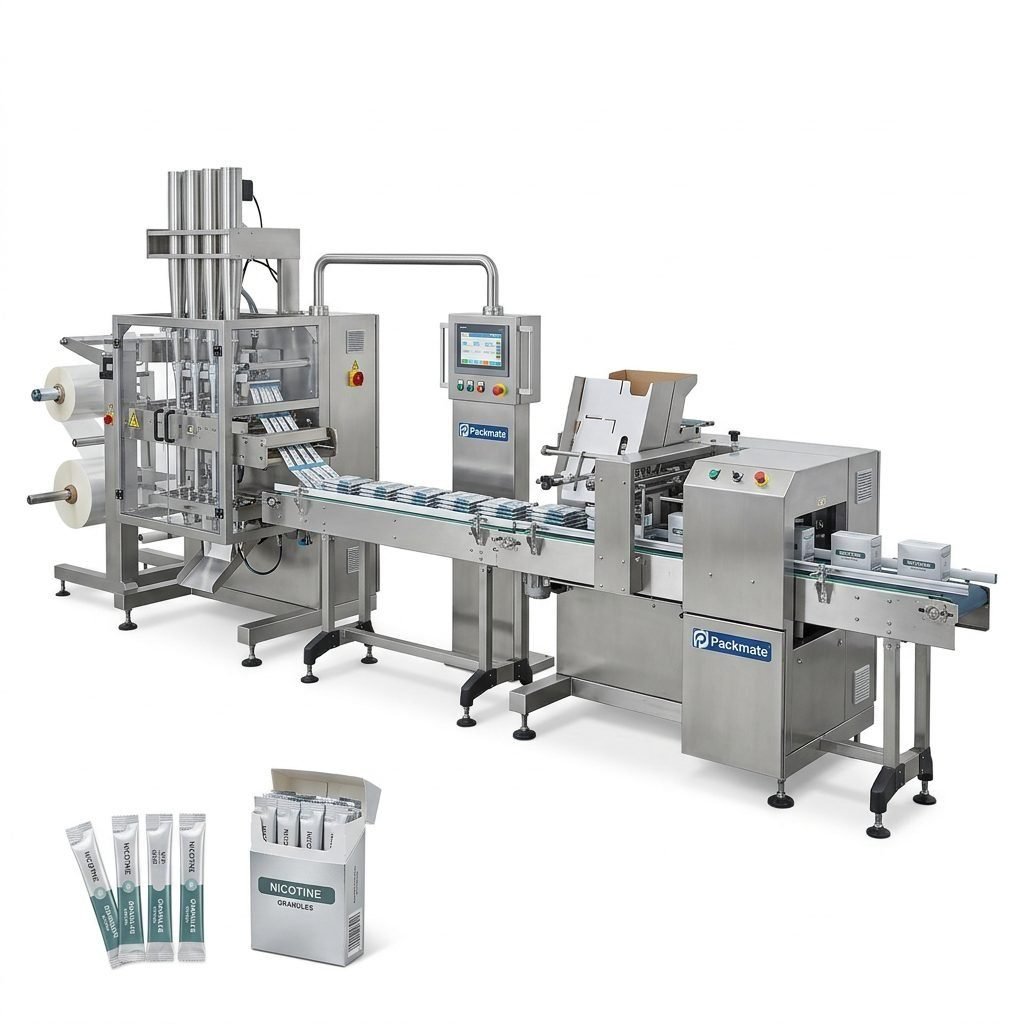
Specifically tuned for stick packs and sachets, these systems combine precision dosing and fast sealing across many lanes. Many manufacturers provide dedicated lines for stick and sachet applications; see examples in the range of Sachet & Stick Pack Machines.
⚙️ Key point: Choose the machine type based on required lanes (4, 8, 12+), pouch format (snus pouch vs stick vs sachet) and the filling material (granule, powder, liquid). Multi-lane solutions save footprint and increase per-machine output when designed correctly.
Working Principle: How Multi-Lane Pouch Machines Operate
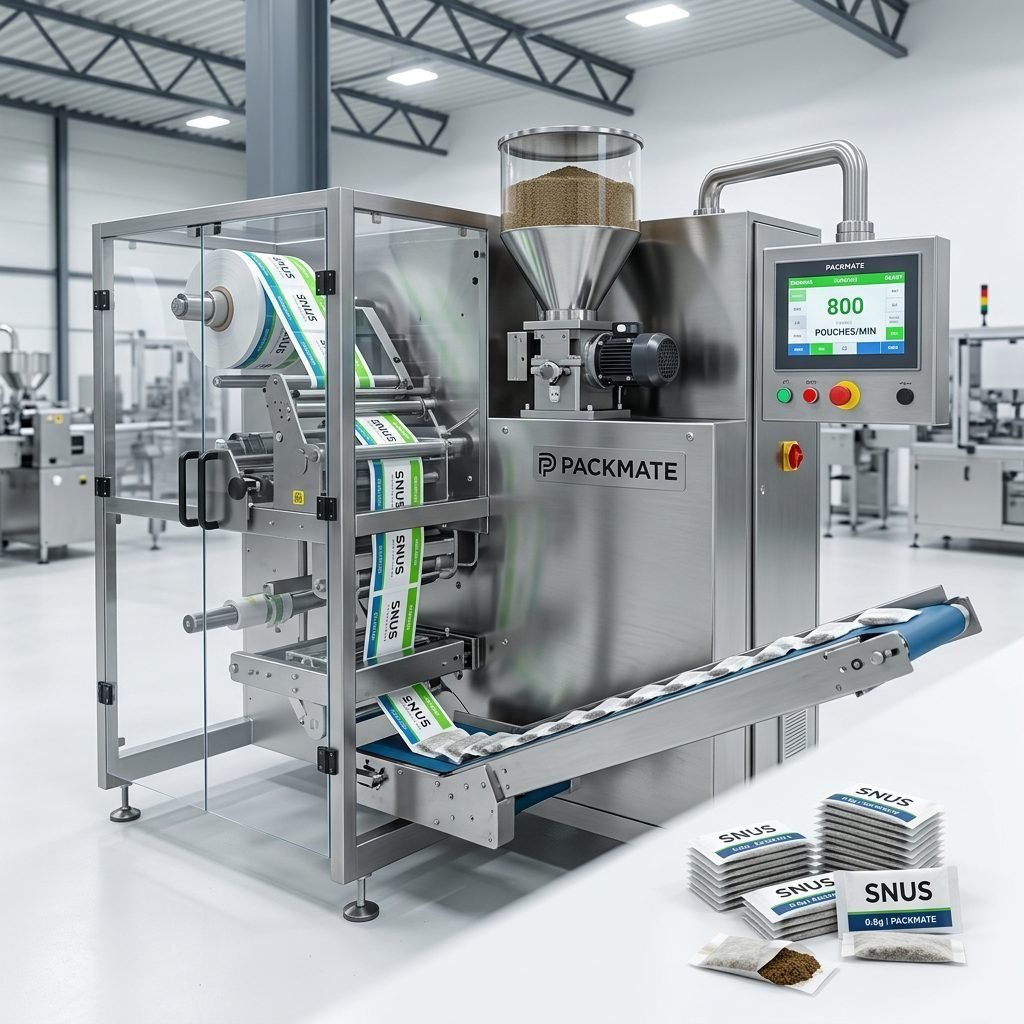
Although mechanical details differ, multi-lane pouch packers follow a common workflow: film feed → forming/folding → sealing → cutting → dosing/filling → final sealing and discharge. Synchronization is the core challenge: each lane must be precisely indexed so that forming, dosing, and sealing are coordinated without cross-lane interference.
Film & Forming
The film unwinds from rolls and is guided into multiple forming channels. Precision guides and servo control maintain consistent tension across lanes, preventing wrinkles and seal issues.
Dosing and Filling
Dosing systems vary by product: auger fillers for powders, multi-head weighers for granules, piston pumps for liquids, and special feeders for very small-volume nicotine pouch blends. Multi-lane dosing either duplicates a dosing head per lane or uses a synchronized shuttle that splits portions across lanes.
Sealing, Cutting & Discharge
Heat-sealing or ultrasonic sealing forms the pouch edge, and rotary or intermittent cutters separate finished pouches. Proper cooling and conveyor discharge ensure stacks or collection receptacles receive pouches without jamming.
✅ Tip: Machines with servo control and centralized PLC offer finer lane synchronization, faster changeovers, and easier recipe management for multiple pouch sizes.
Key Components & Materials Compatibility
Selecting compatible components ensures longevity and product safety. Typical high-value components include:
Frame and Mechanical Parts
Stainless steel frames (SS304 or SS316 where required) and precision-machined guides reduce contamination risk and improve corrosion resistance, important for food and pharmaceutical applications.
Control Systems
PLCs, HMI touchscreens, and servo drives give you flexibility for recipes, lane adjustments, and remote diagnostics. Look for open communication protocols (Ethernet/IP, Modbus) for integration into factory automation.
Filling Heads & Hoppers
Materials must be compatible with product properties: food-grade polished surfaces for powders and pouches in contact with consumable ingredients. Hygienic design reduces cleaning time during changeovers.
📌 Note: For nicotine pouch production, ensure materials and seals meet regulatory and safety standards. Many producers choose manufacturers with relevant certifications; see details at Certificate.
Performance Metrics to Evaluate
When comparing machines, pay close attention to measurable performance indicators:
- Output rate per lane and total lanes (pouches/min)
- Accuracy of dosing (± tolerance)
- Changeover time between pouch sizes
- Downtime and mean time between failures (MTBF)
- Ease of maintenance and spare parts availability
Applications & Industry Use Cases
Multi-lane pouch machines are widely used across several sectors:
Snus & Nicotine Pouches
High-precision, small-dose pouches are a prime use case. Multi-lane systems deliver high throughput while maintaining strict portion control. Explore purpose-built solutions at Snus & Nicotine Packaging Machines.
Food, Tea & Flavor Sachets
Tea, sweeteners, and single-serve flavor sachets benefit from synchronized multi-lane filling with accurate weighers or auger fillers.
Pharma & Nutraceutical Single-Serve Pouches
Where hygiene and dosage are critical, pharmaceutical pouch lines with validated dosing and traceability options are preferred.
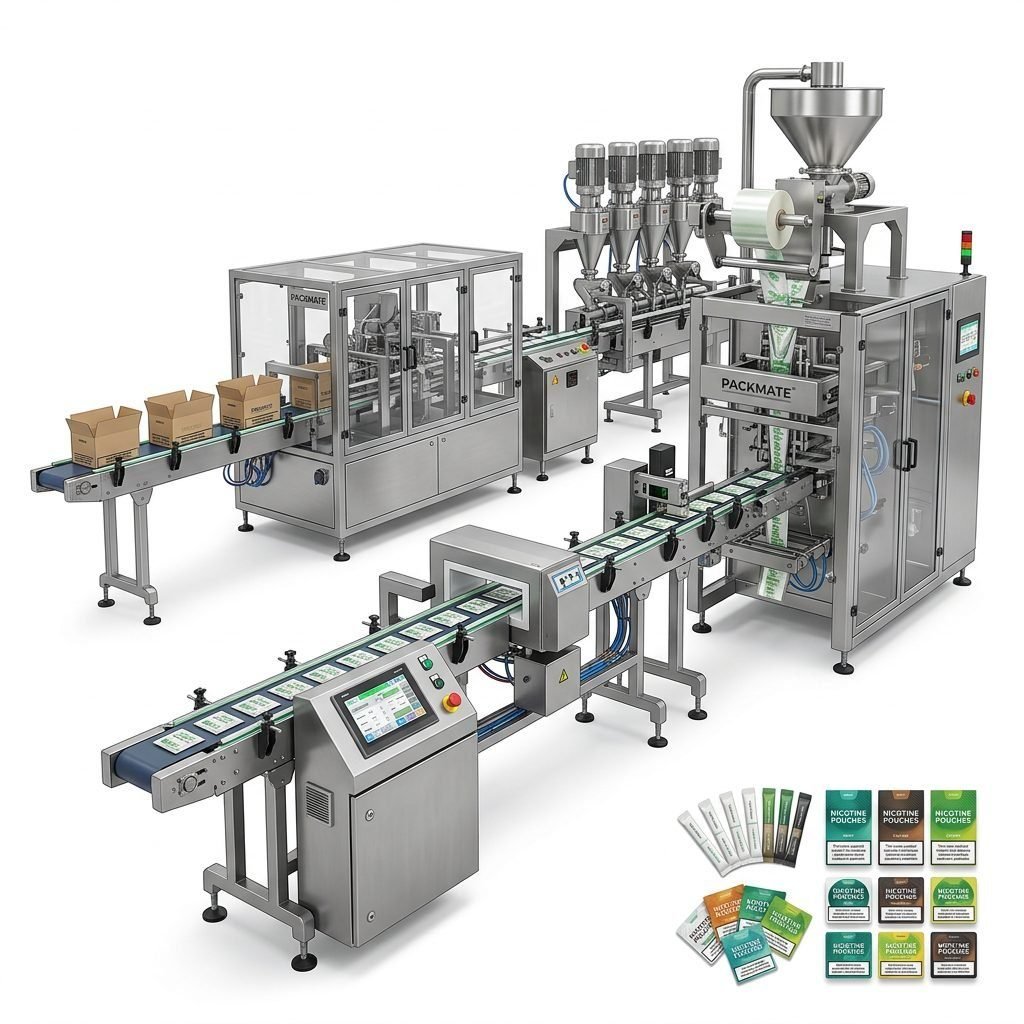
🔎 Real-world example: Packmate’s multi-lane machines have been deployed globally for nicotine pouch production and integrated into complete filling & packaging lines; see their filling solutions at Filling & Packaging Lines.
Buying Tips: What to Ask Suppliers
Investing in a multi-lane pouch machine is a long-term decision. Use this checklist when evaluating suppliers:
- Production Requirements: Clarify lanes, pouch sizes, and target throughput.
- Material Compatibility: Confirm compatibility with your powders, liquids, or blends.
- Changeover & Flexibility: Ask about tool-less changeovers and recipe storage.
- After-Sales Service: Check on spare parts availability, training, and field service.
- Certifications & Quality Control: Request compliance certificates and test reports.
⚠️ Warning: Cheaper imports may lack robust dosing precision or spare parts support. Prioritize vendors with proven track records in the snus and nicotine pouch sector; for manufacturer background see About Packmate.
Installation, Commissioning & Maintenance
Proper installation and commissioning are essential to achieve advertised performance. Consider the following:
Site Preparation
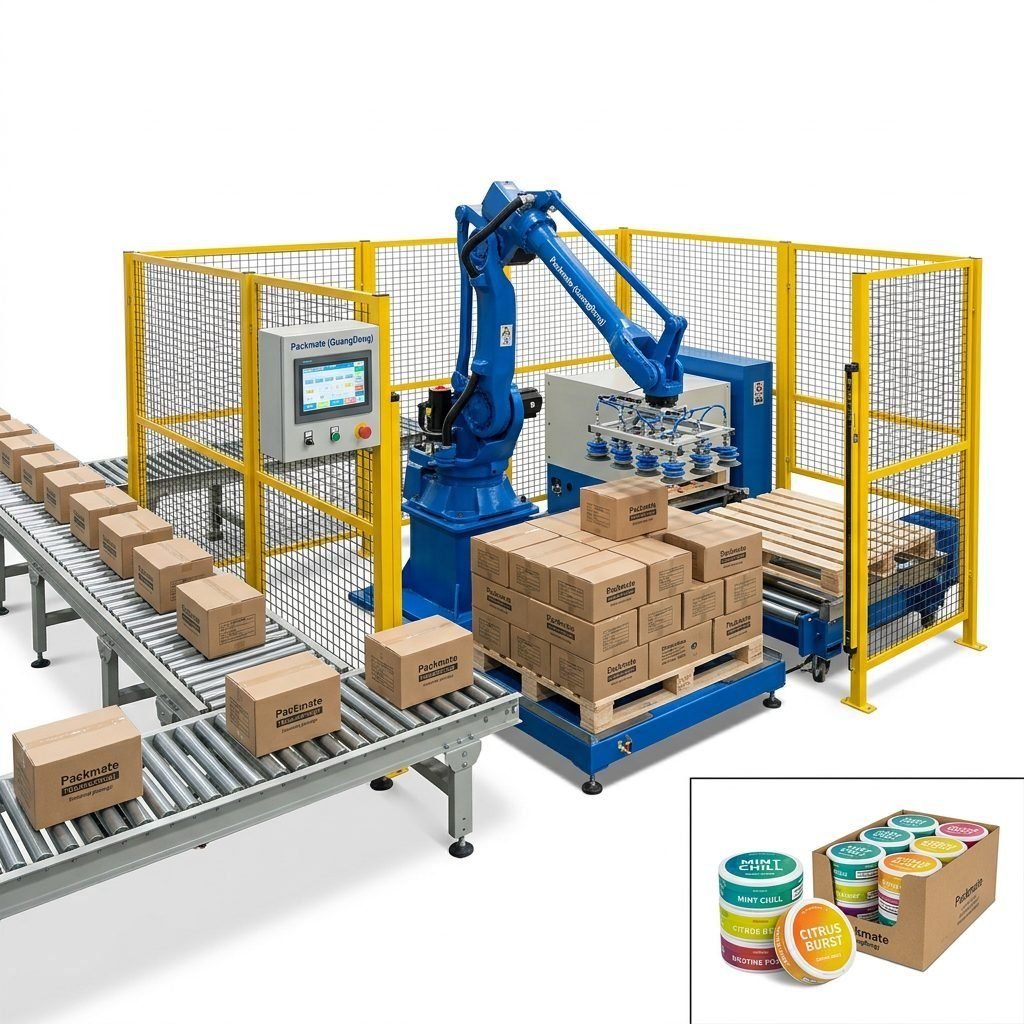
Ensure adequate floor load capacity, electrical supply, compressed air quality, and utility routing. Multi-lane packaging lines often integrate with upstream weighing and downstream cartoning—plan layout accordingly.
Commissioning & Training
On-site commissioning with factory technicians shortens ramp-up time. Training operators and maintenance teams on preventive care and quick troubleshooting will reduce downtime.
Preventive Maintenance
Scheduled lubrication, belt replacement, and validation of dosing accuracy are routine tasks. Maintain spare kits for seals, belts, and sensors to minimize production interruptions.
Customization & Turnkey Lines
Many customers require turnkey solutions combining multi-lane pouch machines with upstream weighing and downstream packaging. Work with manufacturers who can design and deliver integrated lines, perform FAT/SAT, and support global installation. For full systems and auxiliary equipment, review options at Weighing & Packaging Systems and Auxiliary Packaging Equipment.
🔧 Customization advantage: Custom lane counts and dosing modules optimize ROI by balancing capital expense and per-unit output for your specific product.
Cost Considerations and ROI
Evaluate total cost of ownership, not just upfront price. Key cost drivers include machine reliability, spare parts pricing, energy consumption, and local service availability. A higher initial investment in robust multi-lane equipment often pays off through higher uptime and lower labor per unit.
Quality, Certifications & Exhibitions
Reputable manufacturers hold CE, ISO and other relevant approvals. Visiting live demos at exhibitions helps you verify machine performance under real production conditions. See recent manufacturer showcases at Our Exhibition and case studies at Case.
After-Sales Support & Spare Parts
Good after-sales service includes remote diagnostics, spare parts kits, training, and technical documentation. Ask for service contracts and guaranteed response times before purchase; you can review support options at Service and contact the supplier via Contact Us.
💡 Pro tip: Negotiate a spare parts package and a short-term performance warranty that covers critical elements such as dosing accuracy and lane synchronization.
Summary: Choosing the Right Multi-Lane Pouch Solution
A successful investment balances production goals with machine capability: choose the right lane count, ensure precise dosing and hygienic design, verify control systems and service support, and prefer suppliers with proven delivery of integrated lines. Vendors with deep experience in snus and nicotine pouch equipment, such as those offering specialized snus packaging machines, can significantly reduce time-to-market and technical risk.
📌 Final reminder: Visit manufacturer demos, request performance warranties, and confirm spare parts lead times before committing to a multi-lane purchase.
Common Questions
1. What production speed can I expect from an 8-lane pouch machine?
2. How difficult is lane-to-lane synchronization and what controls are best?
3. Can the machine handle very small doses used in nicotine pouches?
4. What certifications should I require for food or pharmaceutical lines?
5. How to plan spare parts inventory for minimum downtime?
For detailed technical specifications, custom line design, or to arrange a factory visit, review Packmate’s comprehensive product pages and contact their team for tailored solutions.