In the competitive world of nicotine pouch manufacturing, understanding the full cost of production equipment is critical to making profitable, long-term decisions. This guide breaks down the real expenses you should expect when investing in a nicotine pouch / snus packaging line, explains the major cost drivers, and offers practical buying tips tailored for manufacturers and packaging engineers.
Key Components of Nicotine Pouch Production Equipment
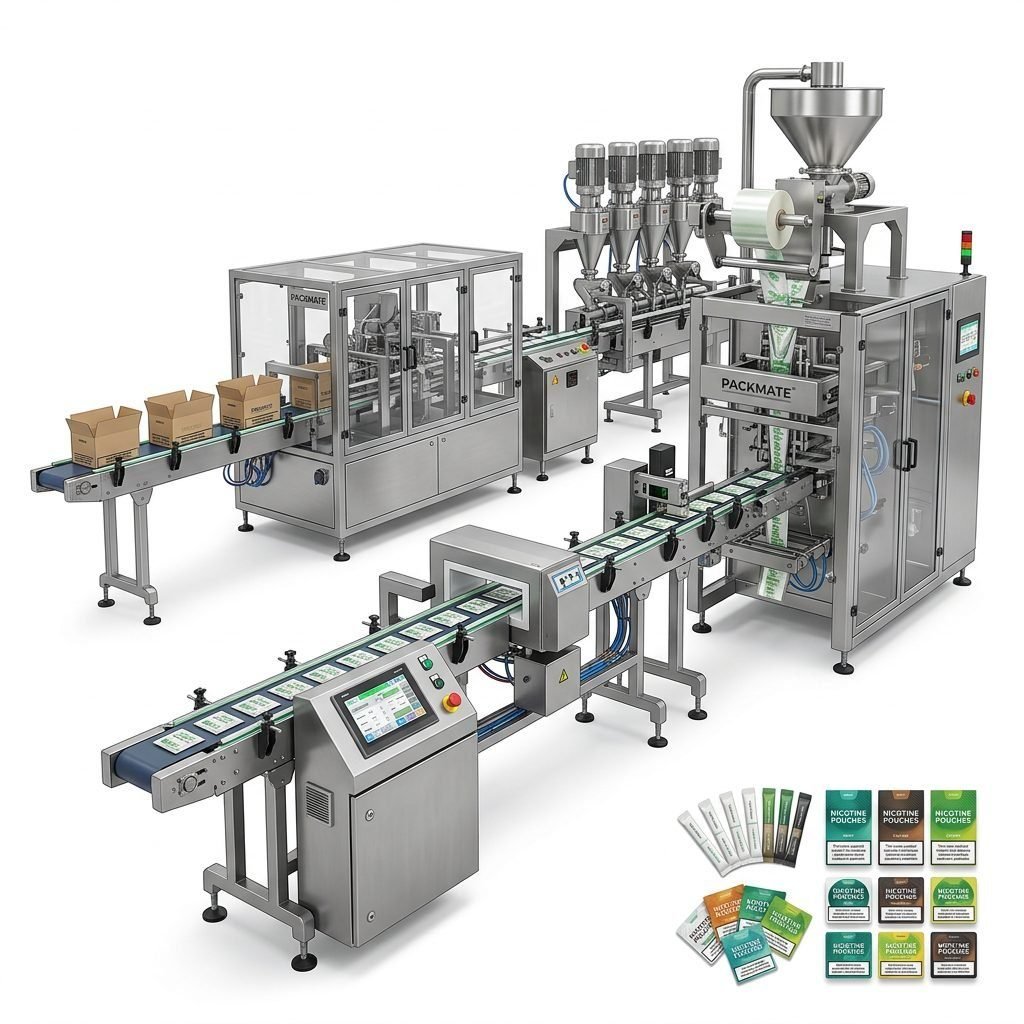
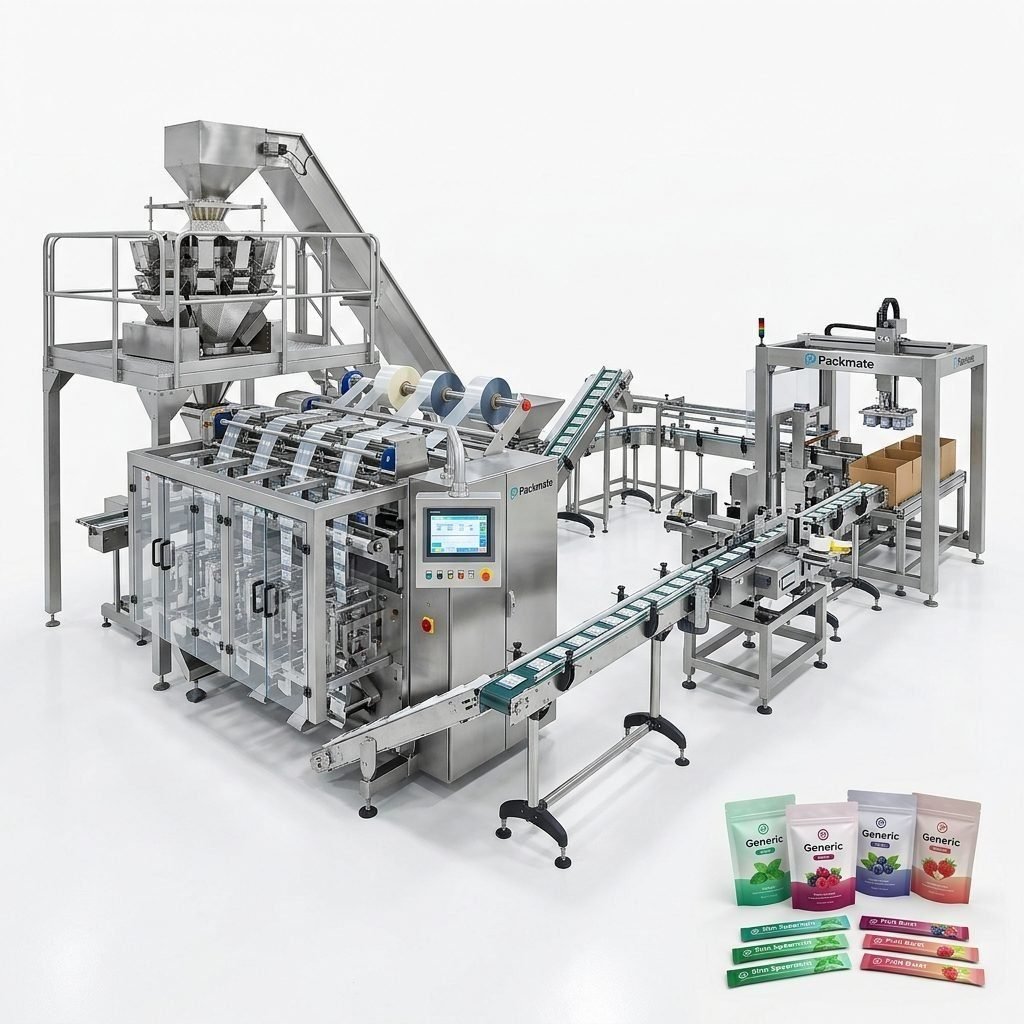
⚙️ Production lines for nicotine pouches normally include multiple specialized machines working together. Typical components are:
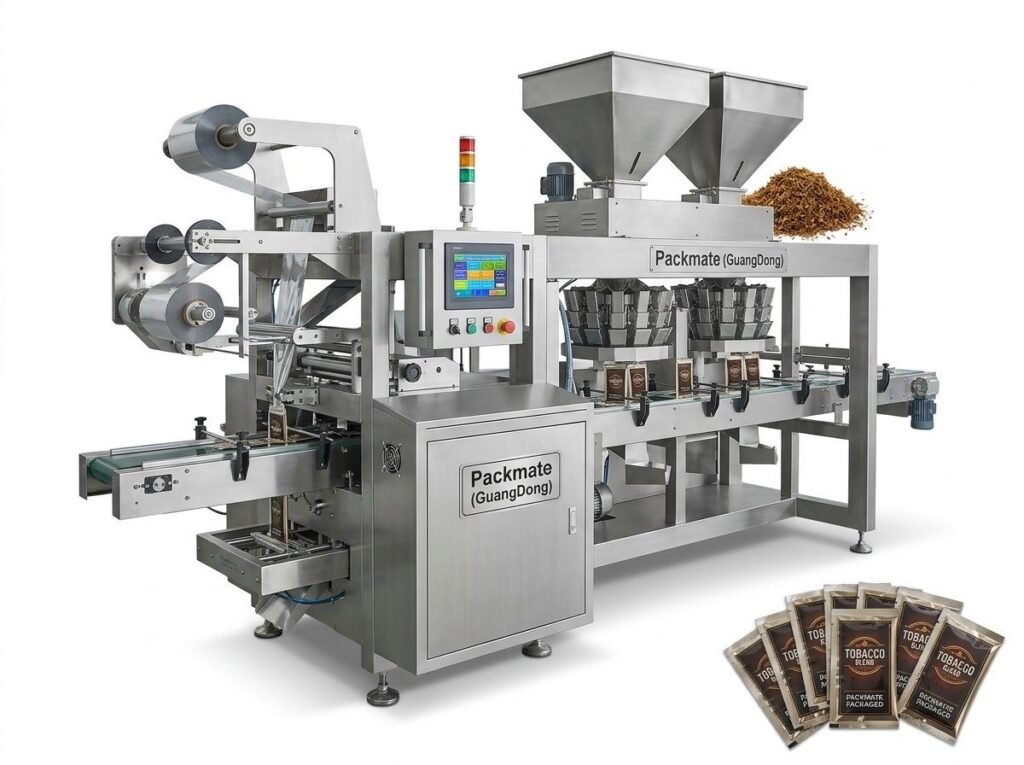
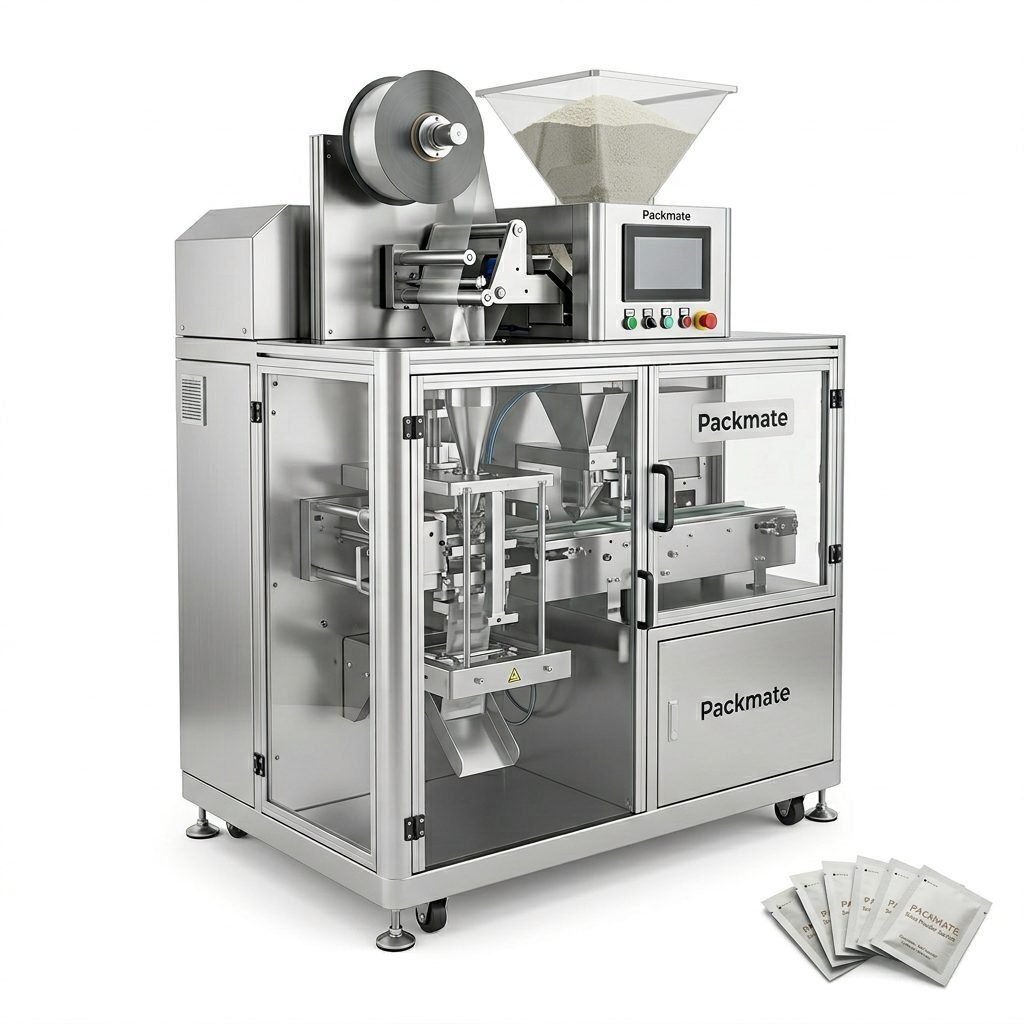
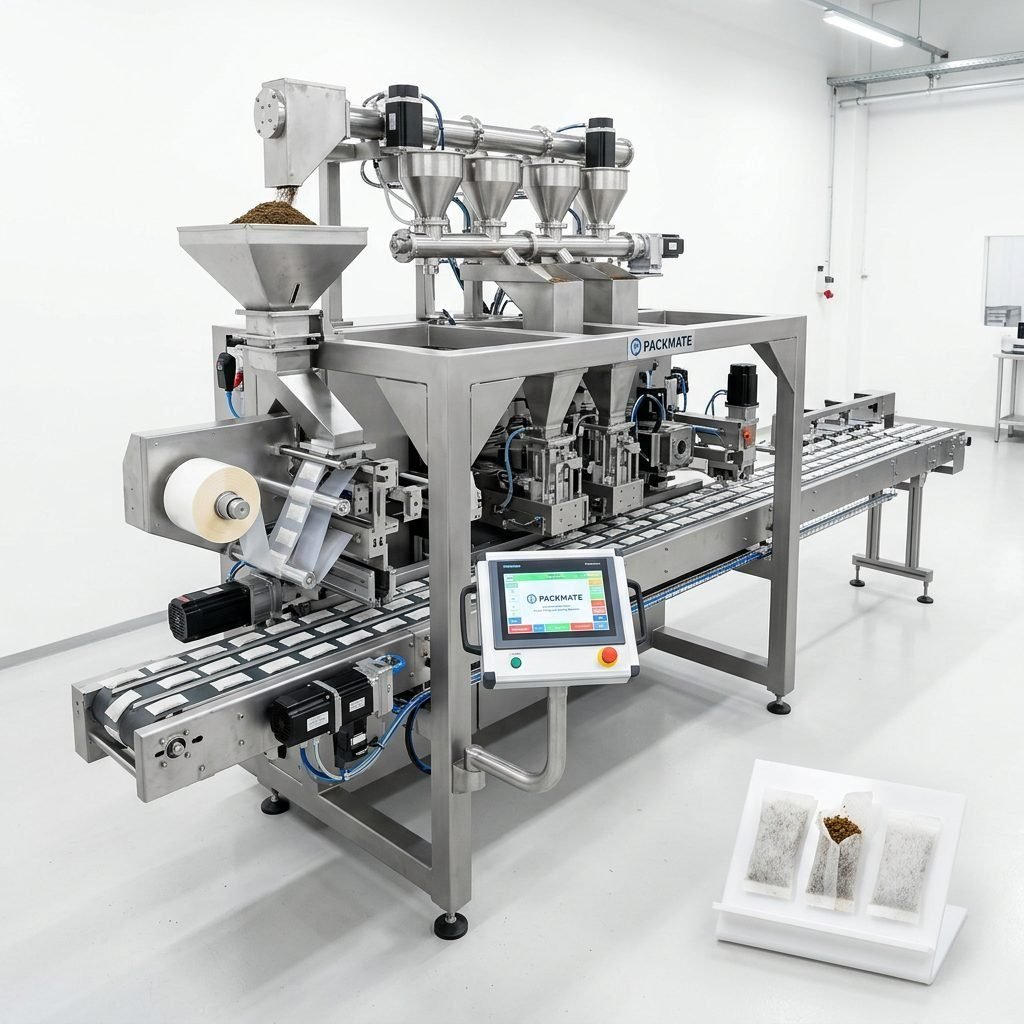
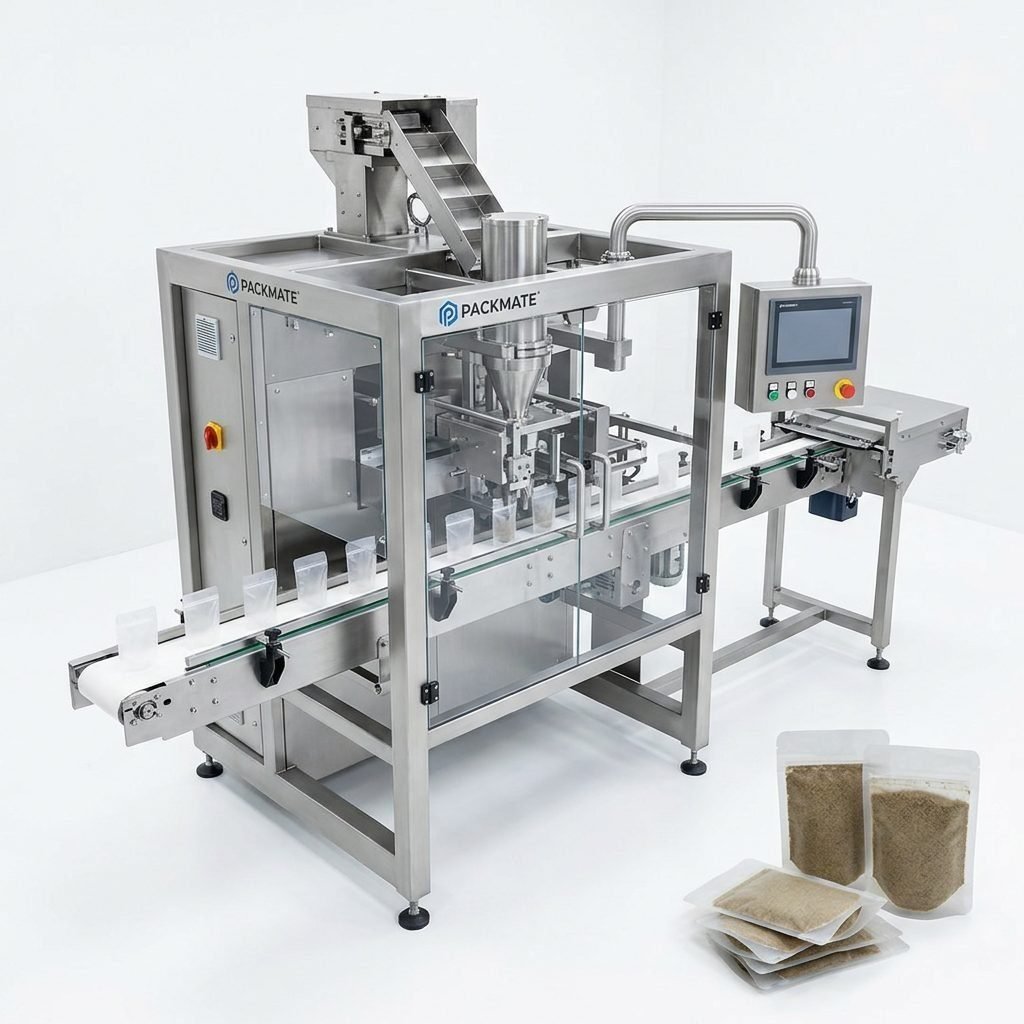
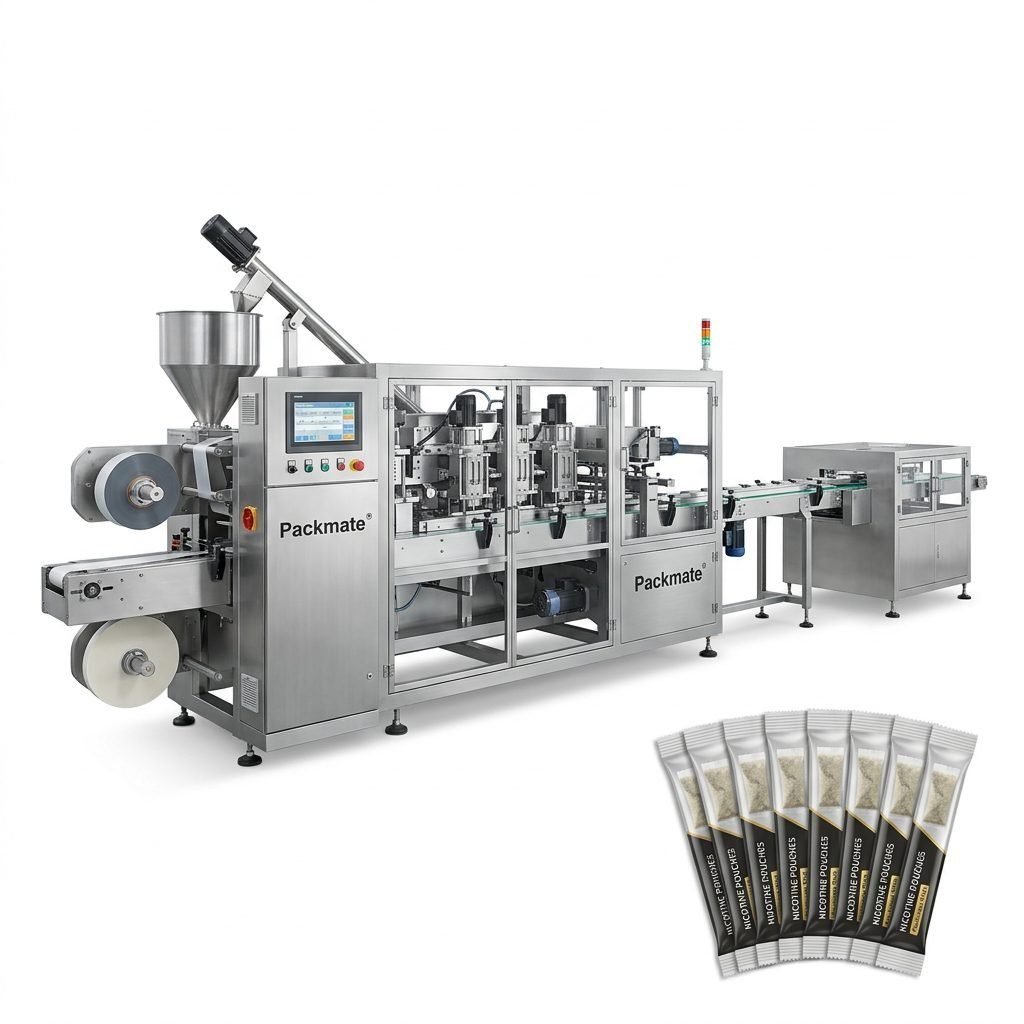
Primary packaging machines (form-fill-seal units such as multi-lane snus pouch machines), weighing and dosing systems, secondary packaging (cartoning and bagging), and auxiliary equipment (conveyors, metal detectors, labeling).
Where to start: machine types and their roles
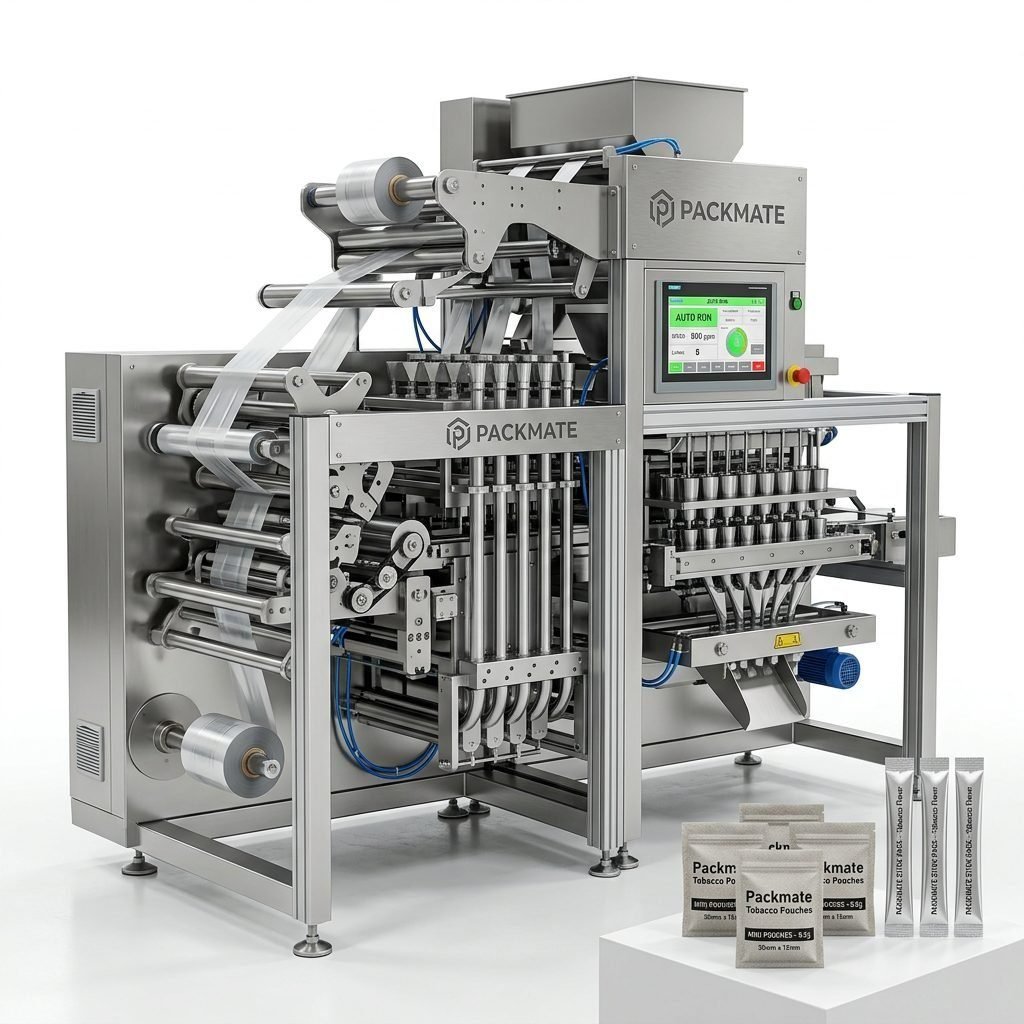
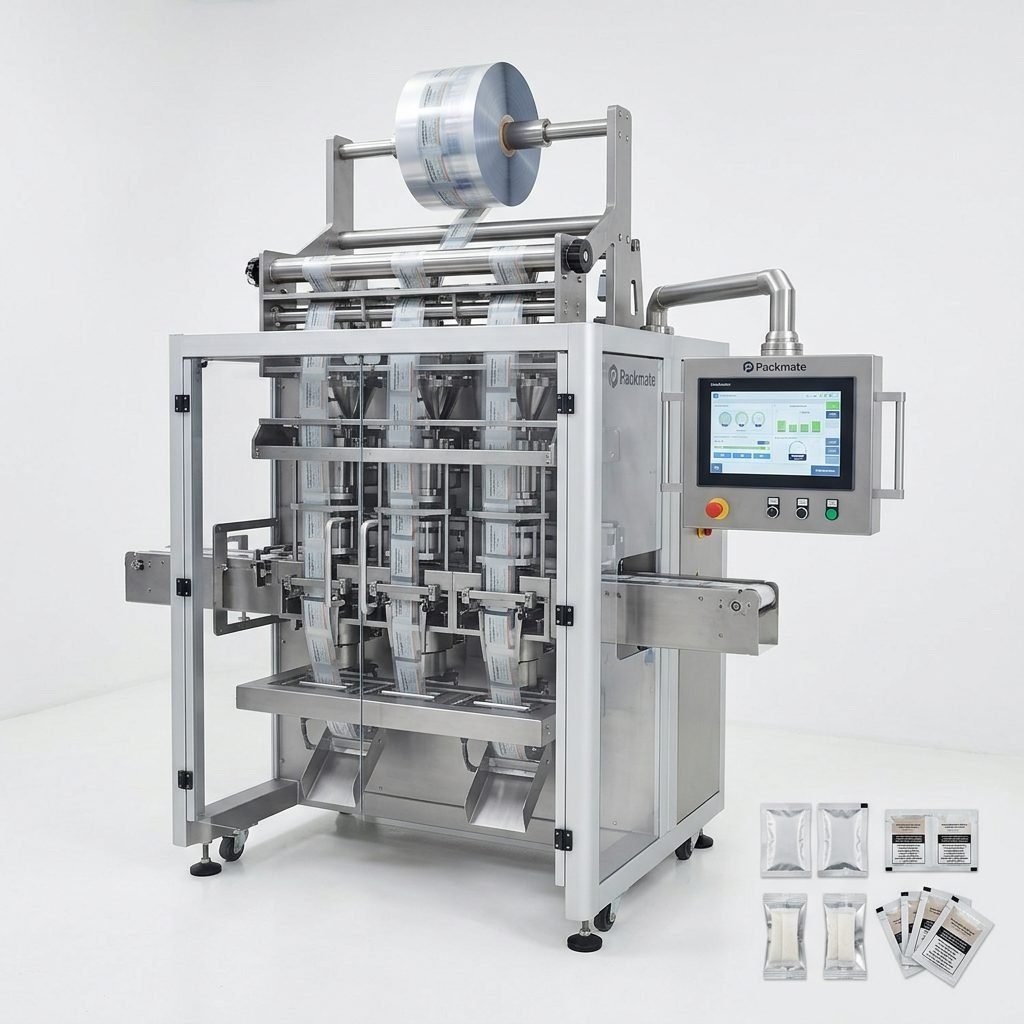
– Multi-lane snus packers: high-throughput systems that form and seal small pouches in parallel lanes — ideal for mass production.
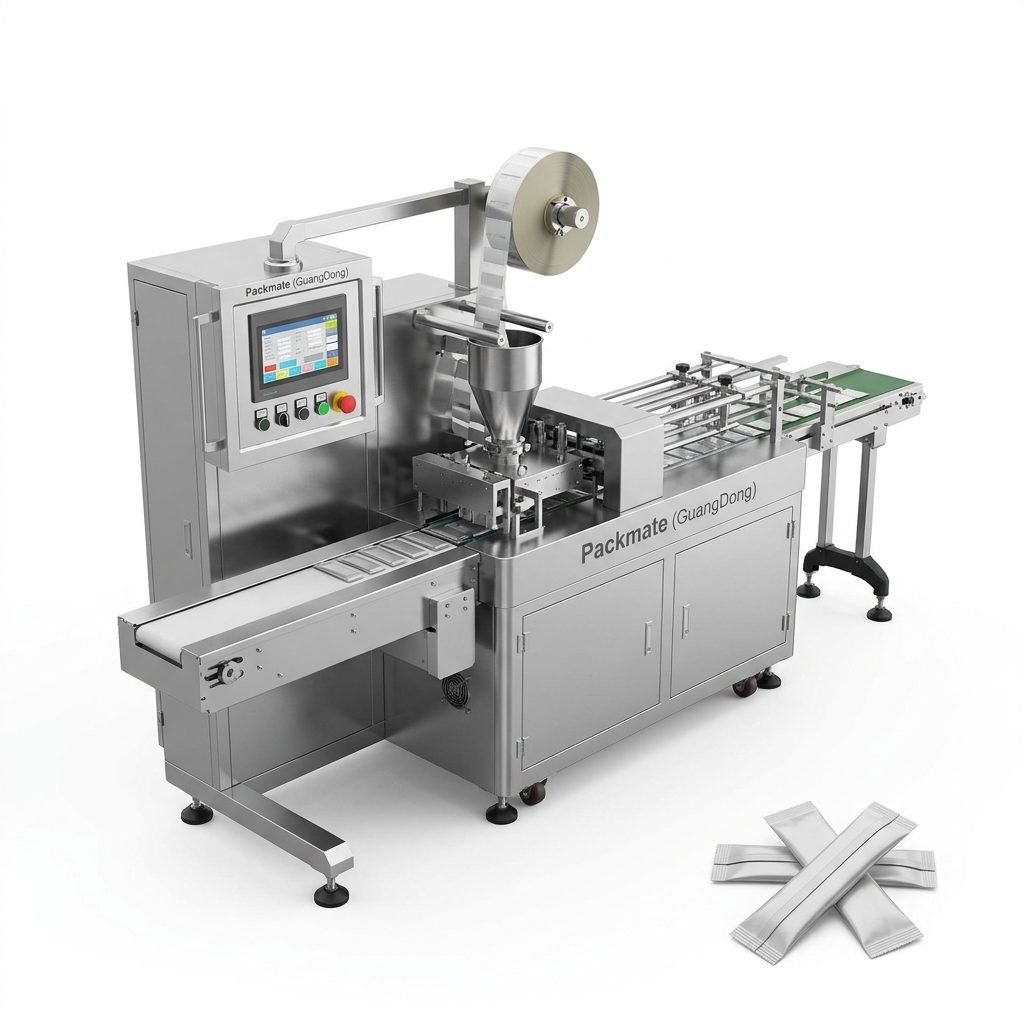
– Stick pack / sachet machines: useful for single-dose/flow-pack formats that require precision sachet formation.
– Weighing & dosing systems: critical for consistent nicotine pouch weight and regulatory compliance. See example systems in the comprehensive Weighing & Packaging Systems catalog.
Cost Breakdown: What You Will Pay For
A realistic purchasing decision starts with a detailed itemized estimate. The main cost buckets include:
1. Core machinery
Core machinery — the snus packer or nicotine pouch machine — often represents the largest single purchase. Entry-level systems for lower volumes may start at a modest investment, while high-speed, multi-lane machines with advanced automation and in-line weighing can be a significant capital expense.
2. Filling and dosing units
Precise dosing units (vibratory or piston), and auxiliary feeders for powders and granules are essential. Inaccurate dosing leads to waste or regulatory problems — invest in reliable weighing systems.
3. Secondary packaging
Cartoners, case packers, and pouch baggers form the downstream portion of the line. Costs vary with automation level: semi-automatic units are cheaper, fully automated case packing lines cost more but reduce long-term labor expenses.
4. Controls, software, and PLC integration
Modern lines come with PLC control, HMI interfaces, recipe management, and sometimes MES integration. Budget for custom programming, recipe development, and testing. Advanced control packages increase upfront cost but pay back through reduced downtime and faster changeovers.
5. Installation, commissioning and training
Installation and on-site commissioning are often underestimated. Costs include travel, technicians on site, utilities hookups, and operator training. Allow for at least 5–10% of equipment cost for a typical international installation, more for turnkey lines with complex integration.
6. Spare parts, tooling and consumables
Plan for spare parts inventory (belts, seals, sensors), custom tooling (fill nozzles, molds), and consumables (films, packaging materials). Running without a healthy spare parts stock increases downtime risk.
Typical Price Ranges (Indicative)
Below are ballpark figures to help you plan. Exact prices depend on capacity, customization, and region.
• Small single-lane or entry-level machine: $20,000 – $60,000
• Mid-range multi-lane snus packer: $60,000 – $180,000
• High-speed multi-lane production line (fully integrated): $180,000 – $800,000+
• Secondary packaging and automation add-ons: $20,000 – $250,000+
Hidden and Ongoing Costs to Include
Many buyers focus on sticker price and miss ongoing or one-time hidden costs. Common unseen expenses:
✅ Utility upgrades (compressed air, power supply adjustments) — necessary for high-speed lines.
✅ Facility modifications — mezzanine, foundation, or cleanroom requirements.
✅ Certification testing and documentation — CE, ISO, or local regulatory compliance.
✅ Shipping, customs duties, and local taxes — can add 10–30% to purchase cost depending on origin.
✅ Insurance and warranty extension costs.
Packaging materials and film selection
The choice of pouch film, inner liners, and barrier materials greatly affects per-unit cost. Film with higher barrier properties increases material cost but protects nicotine pouches better, reducing returns and waste. Work with suppliers who have experience in nicotine pouch materials and can optimize film thickness and laminates.
How to Evaluate ROI and Payback
Calculate ROI by estimating throughput, yield, labor savings, and reduction in material waste. A few steps:
1. Estimate daily production (pouches/day) at expected uptime.
2. Multiply by gross margin per pouch (price – materials – direct labor).
3. Subtract operating costs (maintenance, energy, material spoilage).
4. Divide initial capital investment by annual net benefit to get payback period.
Tip: Include conservative downtime estimates — real-world uptime is often lower than factory specs.
Buying Tips and Negotiation Strategies
– Request detailed quotations that break down machine components, shipping, installation, spare parts kits, and training.
– Ask for references and case studies from similar projects — visiting an installed line is ideal. See real examples in the Packmate Case studies.
– Negotiate warranty terms and include performance acceptance tests as part of contract.
– Consider used or refurbished equipment only if full service history and spare parts availability are verified.
Choosing the right supplier
Pick a manufacturer with proven nicotine pouch experience, global support capability, and strong manufacturing capacity. Packmate Snus Machine combines 30+ years of engineering with a 20,000㎡ factory and full turnkey solutions — ideal for producers planning to scale. Learn more About Packmate for manufacturer background and capabilities.
Customization, Upgrades and Future-Proofing
Think about future product changes and format variations. Investing slightly more in modular machines or flexible servo-driven systems allows rapid format changeovers and accommodates new pouch sizes or multi-flavor lines without full replacement.
Future-proofing also includes ensuring compatibility with Industry 4.0 standards: remote diagnostics, data logging, and predictive maintenance support to minimize downtime over the machine lifecycle.
Maintenance and Total Cost of Ownership (TCO)
TCO includes depreciation, spare part consumption, labor for routine maintenance, and unscheduled repair costs. Implement preventive maintenance plans and consider extended support contracts to stabilize annual operating costs.
Service and spare parts logistics
Reliable spare parts delivery and local service presence reduce downtime. Confirm the supplier’s spare parts lead times and consider keeping critical spares in-house if your site is remote. For a list of auxiliary equipment options and spares, check Auxiliary Packaging Equipment.
Checklist Before Signing a Purchase Order
• Detailed equipment scope and included consumables
• Clear acceptance testing and performance guarantees
• Warranty period and what it covers
• Spare parts kit included with delivery
• Training and commissioning scope, timeline, and costs
• Compliance documents (CE/ISO/other regional certificates)
Where to See Machines and Get Support
Visit manufacturer exhibition booths and factory demonstration centers to see real equipment running. Packmate often exhibits at major shows and offers live demos — see Our Exhibition to find upcoming events. You can also explore product ranges directly under Snus & Nicotine Packaging Machines or the integrated Filling & Packaging Lines pages to compare models and configurations.
Final Recommendations
– Start with a clear production target and quality specification.
– Build a full cost model including hidden and operating costs.
– Choose suppliers with nicotine pouch experience, strong manufacturing capabilities, and international service networks.
– Validate performance through factory acceptance tests and reference site visits.
– Keep scalability and spare parts support central to your decision.
Useful links
Explore product and service options:
- Snus & Nicotine Packaging Machines
- Weighing & Packaging Systems
- Auxiliary Packaging Equipment
- About Packmate
Frequently Asked Questions
Q1: How much should I budget for a mid-capacity nicotine pouch line?
A1: For a balanced mid-capacity, plan for $80,000–$250,000 including primary machine, dosing system, and basic secondary packaging — plus installation and shipping.
Q2: Is it better to buy multi-lane machines or multiple single-lane units?
A2: Multi-lane machines deliver higher throughput and smaller footprint but are more complex and costlier up front. Multiple single-lane units can offer redundancy and incremental scaling. Evaluate based on space, capital availability, and maintenance resources.
Q3: What lead times should I expect?
A3: Lead times depend on customization, factory schedule, and shipping. Standard machines may ship in 8–16 weeks; heavily customized turnkey lines can take 4–8 months. Confirm delivery and commissioning timelines in the contract.
Q4: How can I minimize downtime and maintenance costs?
A4: Implement preventive maintenance, keep critical spares on hand, train operators thoroughly, and subscribe to remote diagnostics and timely spare parts delivery. Discuss maintenance packages with your supplier.
Q5: Who can help me design a turnkey nicotine pouch production line?
A5: Experienced suppliers that offer full packaging lines — from dosing to secondary packaging — are ideal. Review turnkey options and real-world cases on the Filling & Packaging Lines and Case pages, or contact the manufacturer directly via the Contact Us page to start a tailored solution.