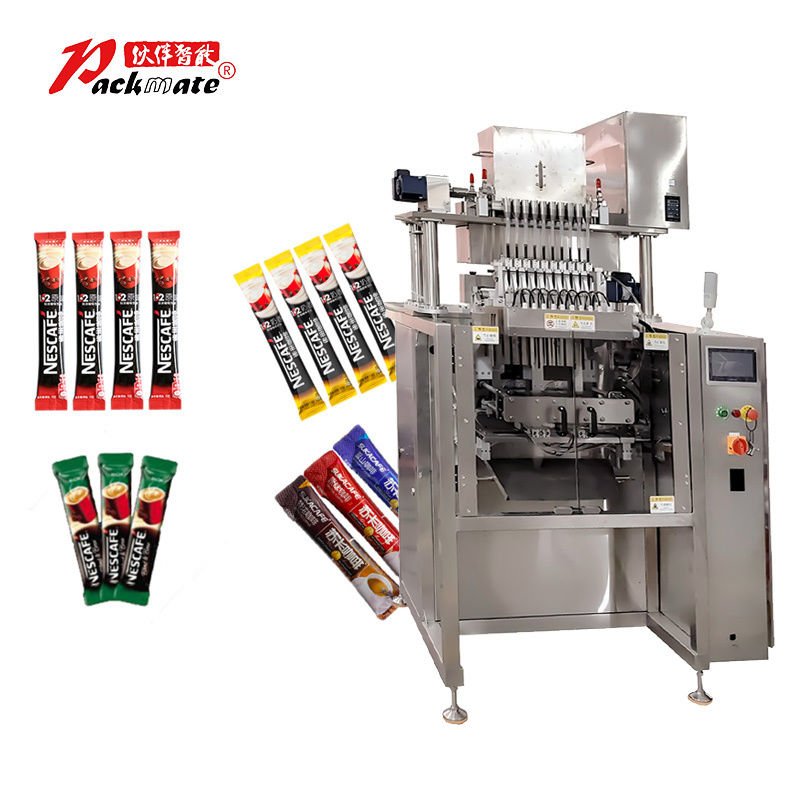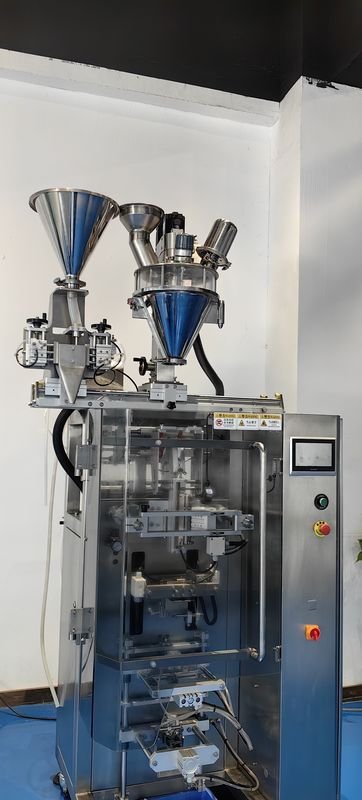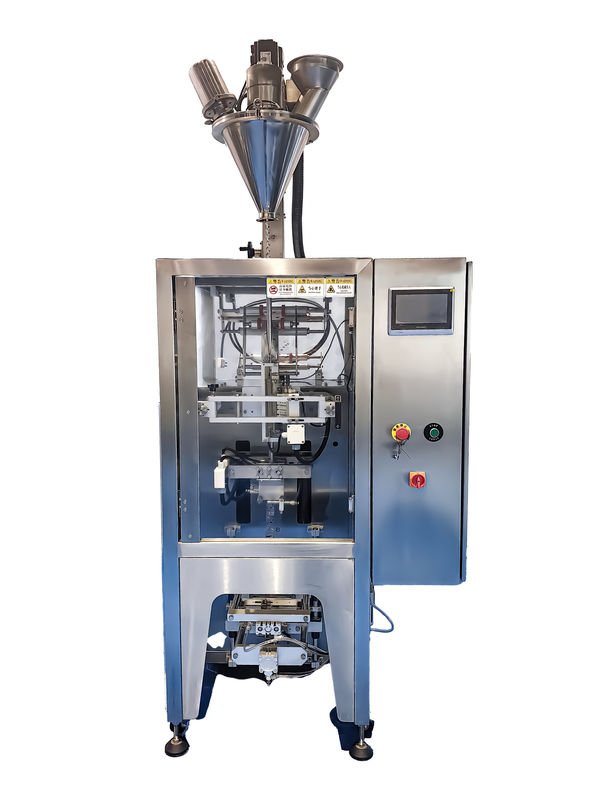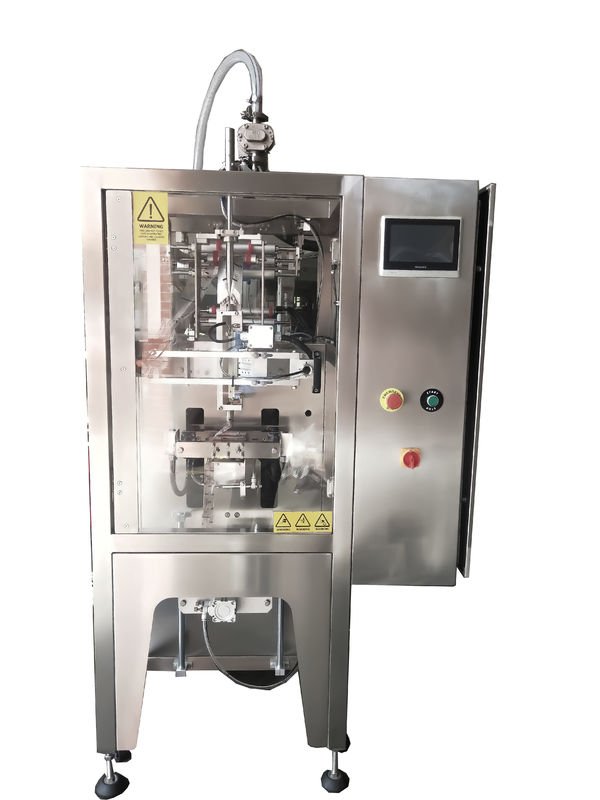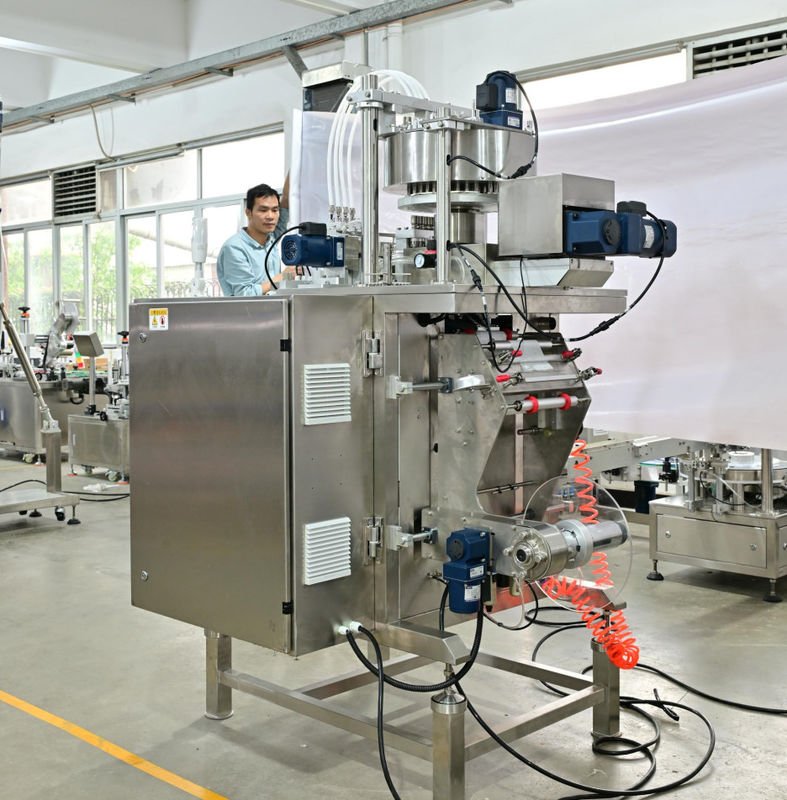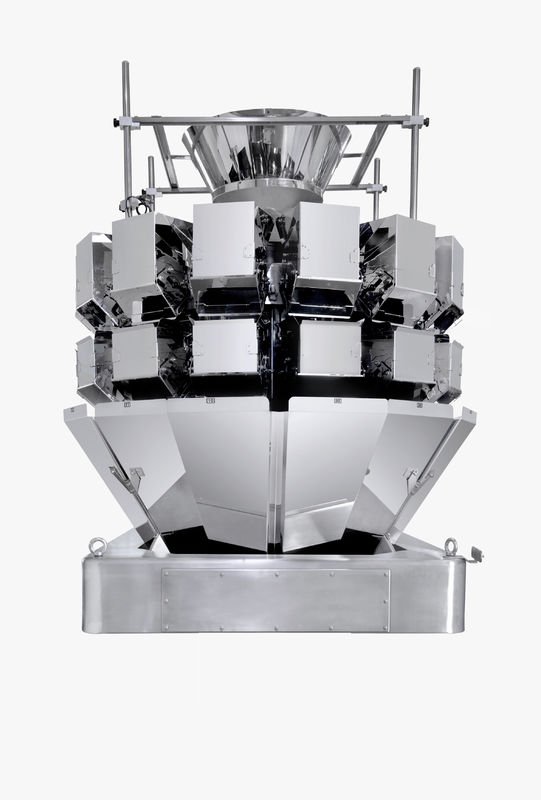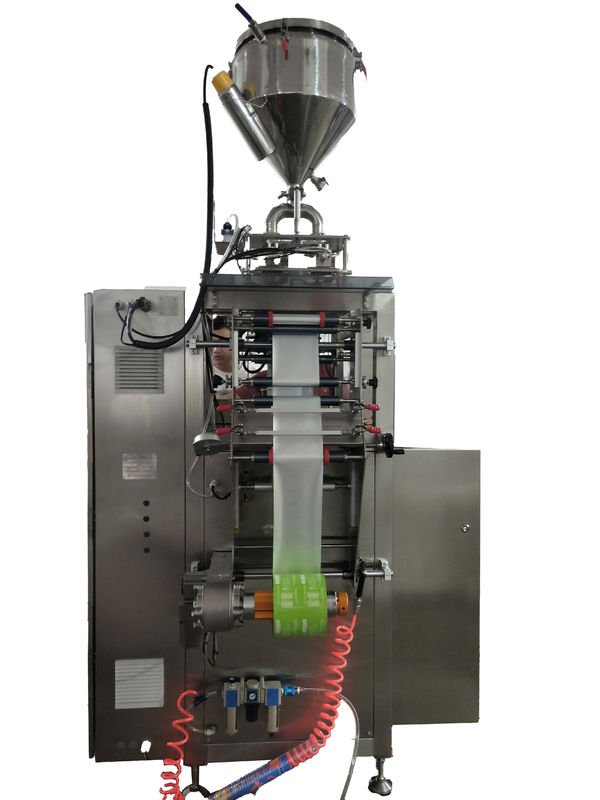

The Automatic Liquid Pouch Filling and Sealing Machine is a compact, high-efficiency VFFS solution engineered for accurate micro-dose sachet packaging of liquid and semi-liquid products. With a maximum film width of 170 mm and a filling range of 1–50 ml, it integrates pouch forming, precise metering, stable film tracking, and heat sealing into one continuous workflow. Designed for clean, repeatable packaging, the machine runs smoothly in long production shifts, delivering consistent pouch shape, reliable seal integrity, and orderly cutting alignment. It supports common composite packaging films used for modern sachets, helping manufacturers achieve dependable output for single-use portions, trial packs, and convenient on-the-go formats while maintaining controllable speed and stable pneumatic demand for standard factory conditions.
Product Introduction
Built for small-dose liquid pouch production, this machine focuses on the core requirements of sachet packaging: stable bag forming, consistent fill volume, and firm sealing. A roller bag-pulling mechanism driven by a Schneider servo motor improves film transport stability and enhances pouch-length control, reducing variation during high-speed operation. To ensure accurate registration of printed films, a JULONG optoelectronic eye tracks color marks precisely, supporting neat sealing positions and consistent cutting lines. The overall structure is optimized for efficiency and practicality, enabling manufacturers to run small batches or scale up to higher throughput without sacrificing quality or repeatability.
Product Features
Integrated forming-filling-sealing workflow: Combines pouch making, filling, and sealing in one automated system to reduce manual intervention, lower handling risks, and improve product-to-product consistency.
Micro-filling capability for small-dose products: Designed for 1–50 ml applications, suitable for single-use portions and sample packaging that demand stable dosing and clean output.
Servo-driven roller film pulling: Schneider servo motor + roller pulling structure provides smoother film movement, better pouch length repeatability, and improved running stability across different speeds.
Accurate film mark tracking: JULONG optoelectronic eye enhances registration accuracy for printed composite films, supporting tidy alignment of sealing and cutting positions.
Strong, uniform heat seals: Sealing structure delivers firm seams compatible with composite packaging materials; selectable sealing patterns help match different film textures and appearance preferences.
Flexible production speed: Configurable output supports both short runs and continuous production, balancing productivity with stable pouch quality.
Practical pneumatic demand: Controlled air consumption and stable pressure requirements help maintain efficiency with common factory air supplies.
Technical Specifications
| Bag Size (Making Capacity) | W ≤ 85 mm; L ≤ 120 mm |
| Max Film Width | ≤ 170 mm (with one forming/molding set equipped) |
| Packaging Capacity (Filling Range) | 1–50 ml |
| Measurement Accuracy | ±1–10% (dependent on packaging material and fill quantity) |
| Packaging Speed | 50–100 bags/min (gearbox ratio 1:20) |
| Packaging Film | Composite packaging material |
| Optoelectronic Eye | JULONG |
| Bag Pulling Method | Roller bag pulling (Schneider servo motor) |
| Sealing Width | Horizontal: 9 mm; Vertical: 7 mm |
| Heat Sealing Pattern | Mesh pattern (0.8 mm spacing) or straight pattern (1.2 mm spacing) |
| Air Source Pressure | 6 kg |
| Gas Consumption | 0.2 m³/min |
Application Fields
This automatic liquid pouch filling and sealing machine is ideal for industries requiring accurate small-volume dosing and consistent sealing for liquid or semi-liquid formulations. Typical applications include cosmetics and personal care sachets (e.g., serums, lotions, shampoos, conditioners), hotel amenities, household liquid samples, and other single-use portion packs. With compatibility for widely used composite packaging films, it adapts well to different branding designs and barrier-performance needs, making it a practical choice for standardized sachet production across diverse product lines.