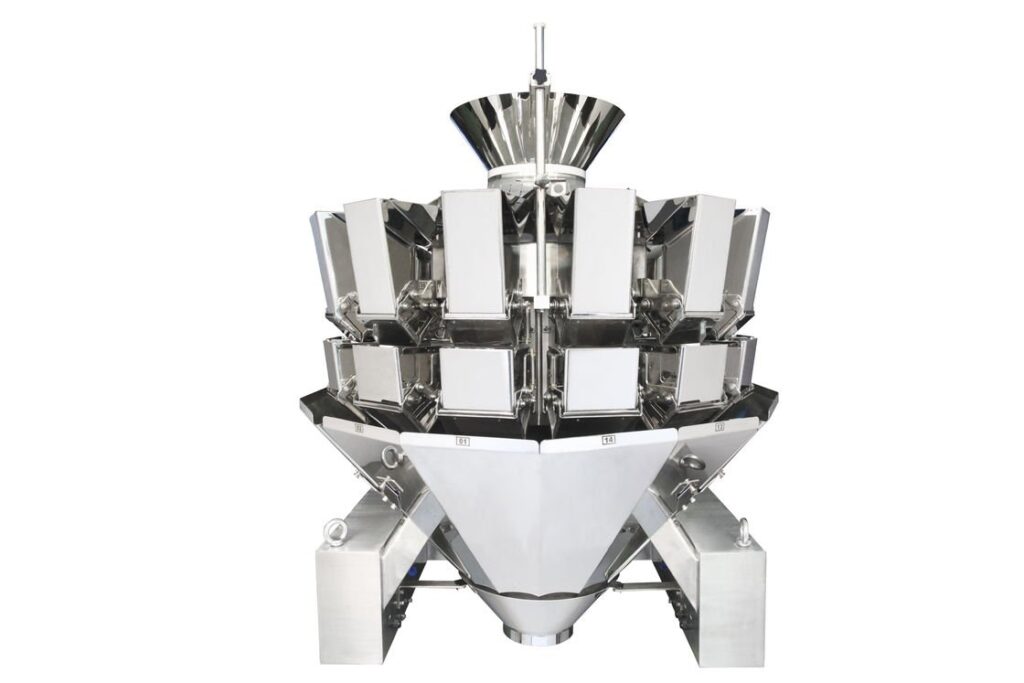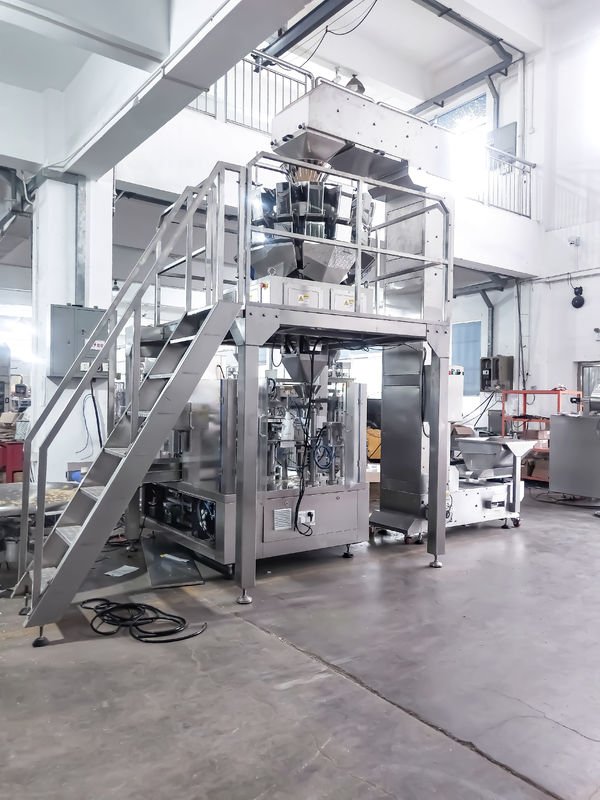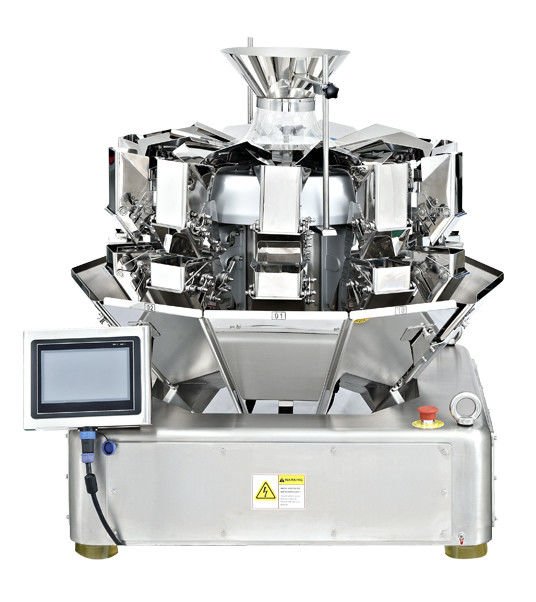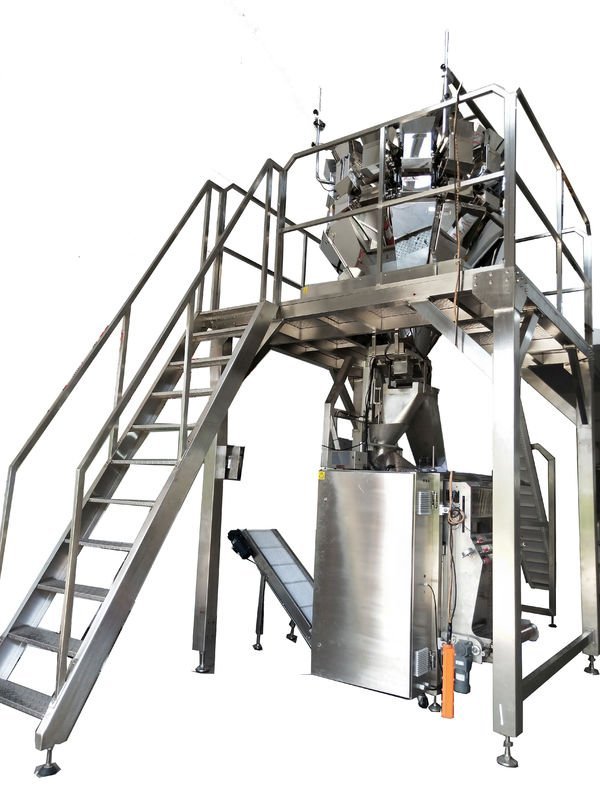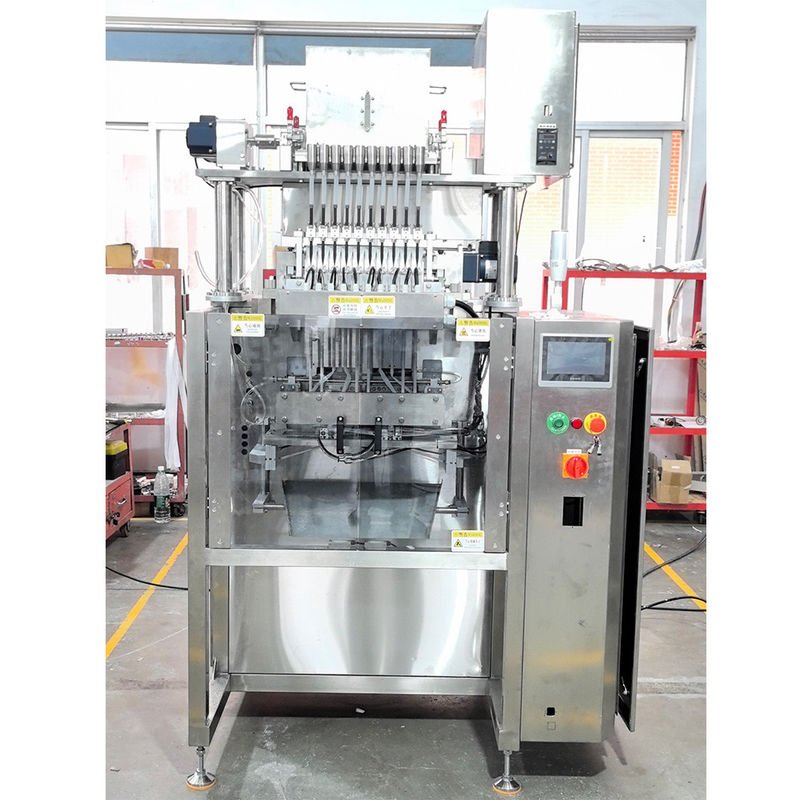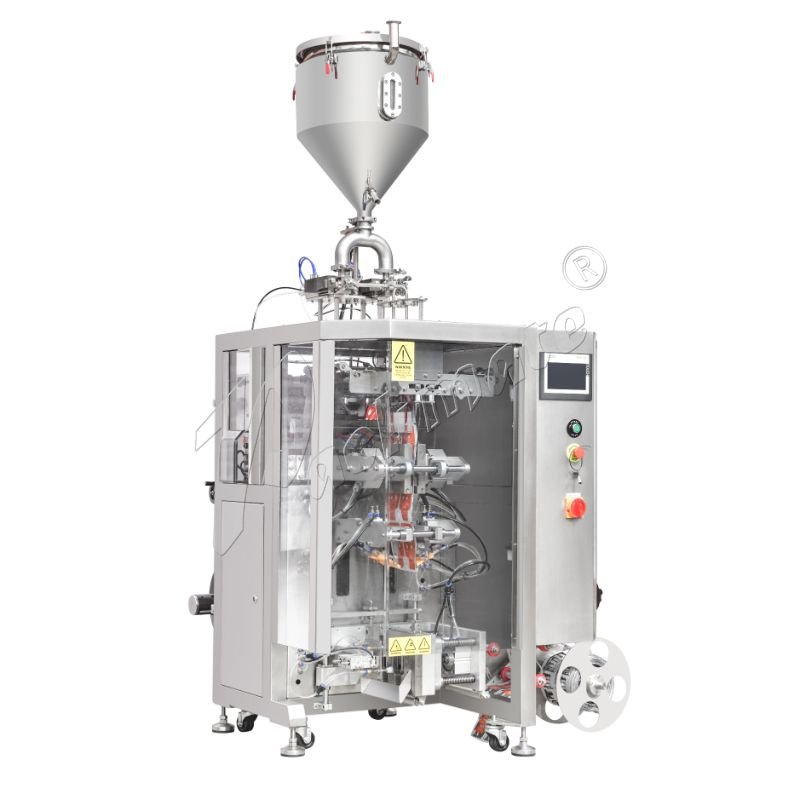

Built for modern, high-output production lines, the Automatic Bag Packing Machine combines weighing-based dosing with automated bag forming, filling, and sealing to deliver fast, stable, and repeatable packaging performance. Offered in single-head or double-head configurations, it is designed to handle powders, granules, and liquids with consistent accuracy—helping manufacturers increase throughput, reduce labor dependency, and maintain uniform package appearance and weight across multiple product types.
Product Introduction
This equipment is a production-oriented pouch packaging solution engineered for continuous operation in demanding industrial environments. By integrating precise weighing control with streamlined bag-making and sealing processes, it supports efficient end-to-end packing—from material feeding and dosing to forming, filling, and final sealing. The machine accommodates a broad range of products, including typical applications such as charcoal powder and activated carbon, while maintaining reliable cycle stability and repeatable fill results.
Depending on capacity requirements and floor-space constraints, users can select either a single-head structure for compact installations or a double-head design for higher output. With adaptable bag dimensions and a practical operating interface, the system is intended to simplify daily production while supporting multi-SKU packaging needs commonly found in food, chemical, fertilizer, and grain industries.
Product Features
Weighing-based accurate dosing: The weighing filling mode delivers stable, repeatable portioning to reduce overfill (giveaway) and improve cost control, particularly important for high-value powders and specialty materials.
Single-head / double-head flexibility: Choose a configuration that matches your production target. Single-head systems prioritize compact footprint, while double-head versions improve throughput without sacrificing dosing consistency.
Wide material compatibility: Designed to package powders, particles, and liquids, enabling one platform to serve multiple product lines and reduce equipment duplication across the plant.
Fast and stable output: Optimized motion coordination and filling control support high-speed cycles with consistent sealing quality, helping minimize downtime and improve line efficiency.
Adaptable bag-making range: Flexible bag length and width specifications allow the machine to accommodate different pouch sizes with fewer changeovers, supporting frequent SKU switching and varied market packaging demands.
Reliable pneumatic operation: Standard compressed air requirement (0.7 MPa) supports stable actuator performance and consistent sealing, improving repeatability in continuous production.
Production-line integration ready: A compact, industrial layout is suitable for incorporation into existing packaging lines, supporting scalable upgrades without major line restructuring.
Technical Specification Parameters
| Item | Specification |
|---|---|
| Applicable Industries | Food, Chemical, Fertilizer, Grain, etc. |
| Applicable Products | Powder, Particles, Liquids |
| Typical Materials | Charcoal Powder / Activated Carbon |
| Filling Mode | Weighing |
| Structure | Single-head / Double Head |
| Production Rate | 30–50 bags/min |
| Package Volume | 10–25 kg |
| Packing Range | 50–1500 ml |
| Making Bag Specification | L: 50–300 mm; W: 50–210 mm |
| Bottle Diameter | 18–100 mm |
| Compressed Air | 0.7 MPa |
Product Application Fields
The Automatic Bag Packing Machine is suitable for automated pouch filling and sealing across food processing plants, chemical manufacturing sites, fertilizer packaging operations, and grain handling facilities. It supports both bulk-style packing (10–25 kg) and smaller-volume filling within the specified packing range, making it well-suited for factories that operate multiple SKUs and require quick adaptation to changing order structures.
Typical applications include the packaging of charcoal powder, activated carbon, granular raw materials, and liquid products where stable dosing accuracy, reliable sealing, and high-speed operation are essential for maintaining product quality and meeting production targets.