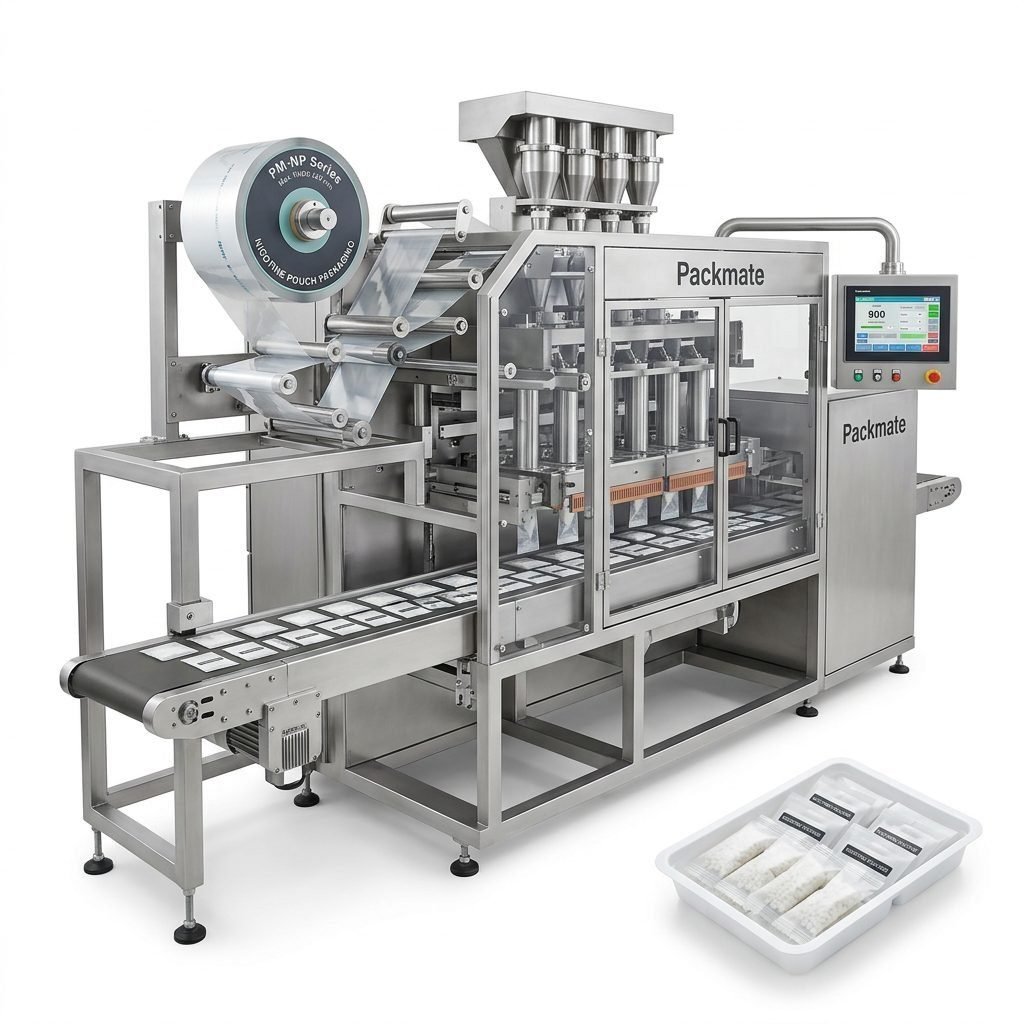
Choosing the right nicotine packaging machine for a South African production line is a strategic decision that impacts product quality, regulatory compliance, and long-term profitability. This guide walks you through the critical factors — from regulatory requirements and production capacity to machine types, automation levels, and after-sales support — so you can make a confident, ROI-focused purchase.
⚙️ Understand Your Product and Packaging Formats
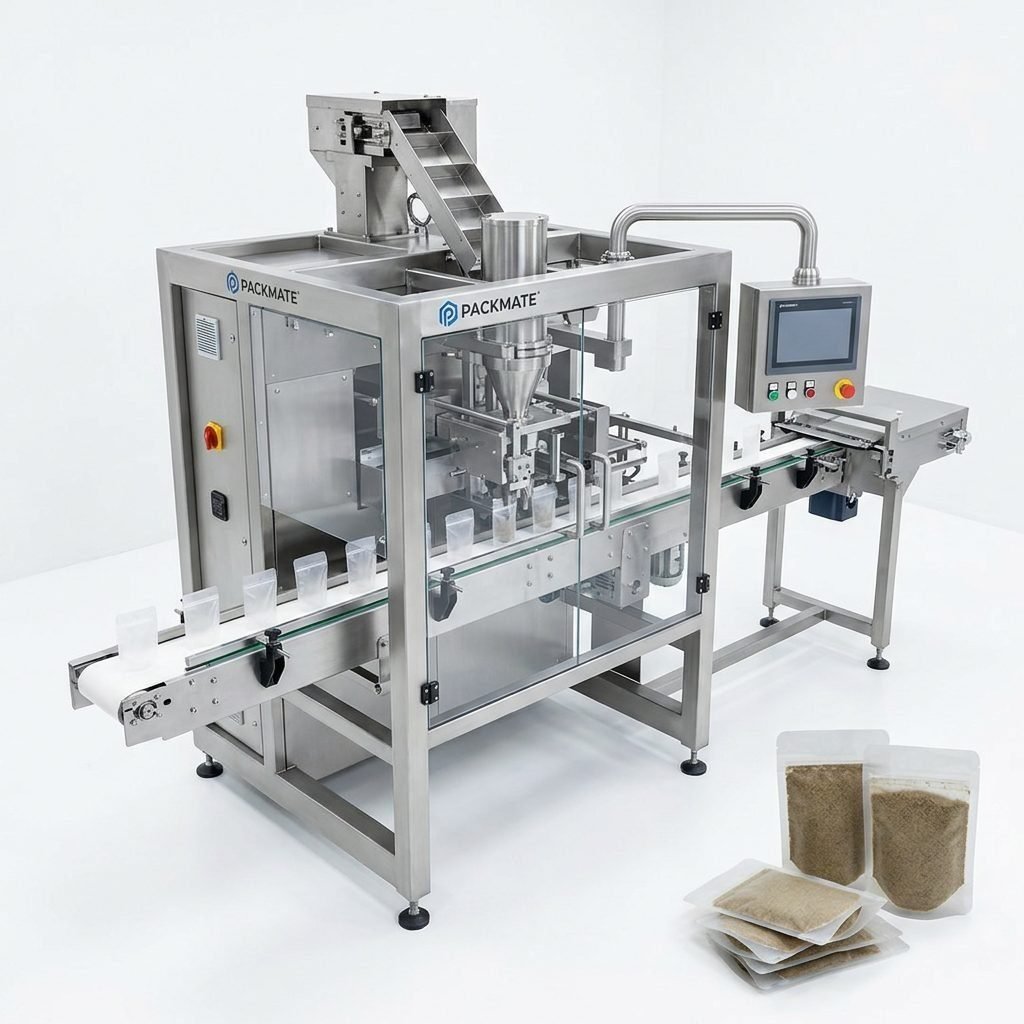
The first step is to define the product format. Nicotine products vary in texture and dosing: powders, granules, wet snus, and portioned nicotine pouches each have different handling requirements. Choose a machine that is designed for your specific product type and pouch format — for example, single-lane sachet or multi-lane snus pouch systems.
Key point: Match machine design to product characteristics (moisture content, particle size and stickiness). The wrong filling head or pouch forming system can cause downtime and product loss.
Machine Types to Consider
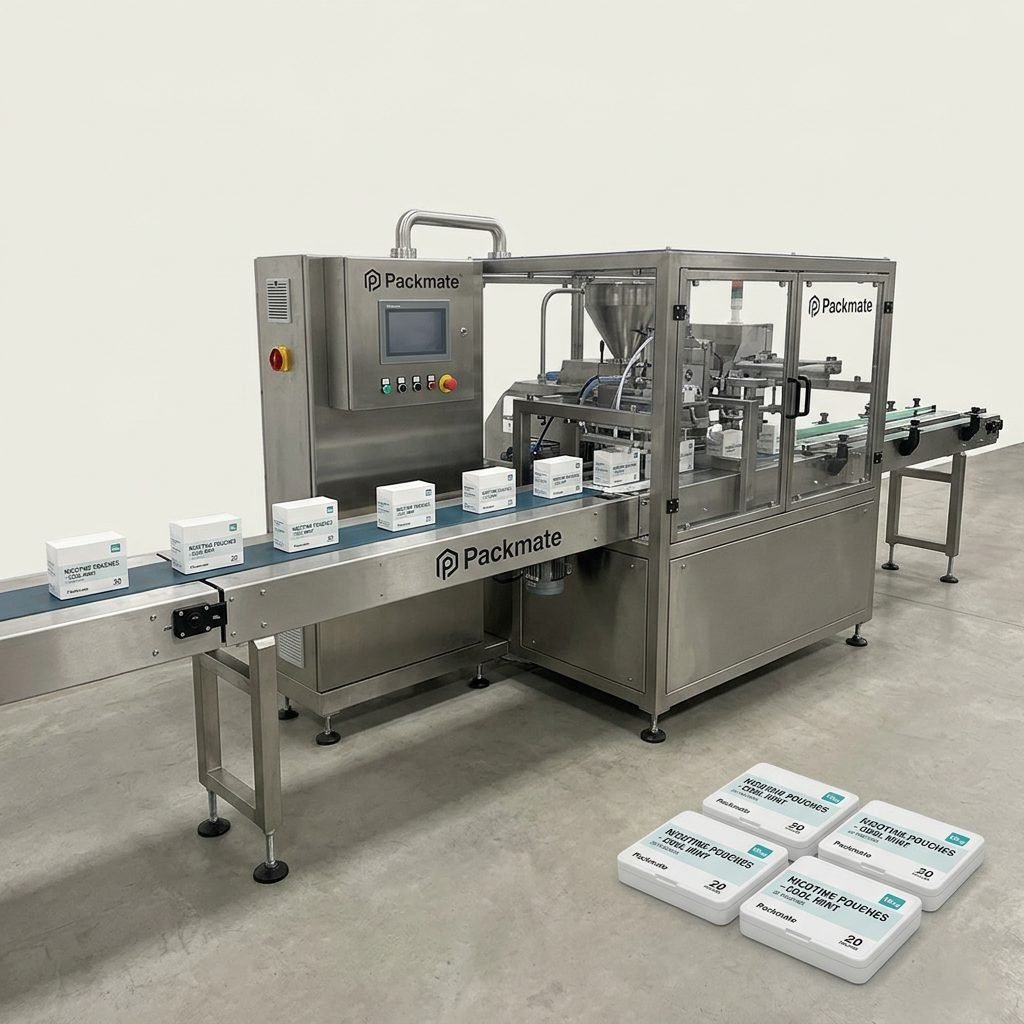
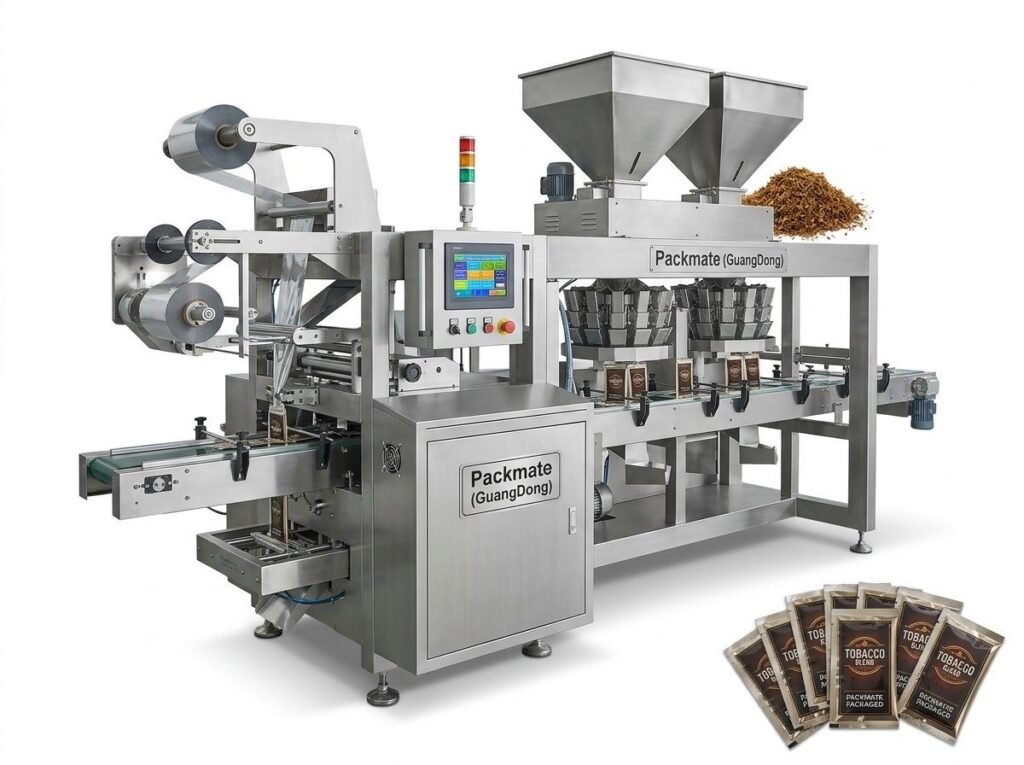
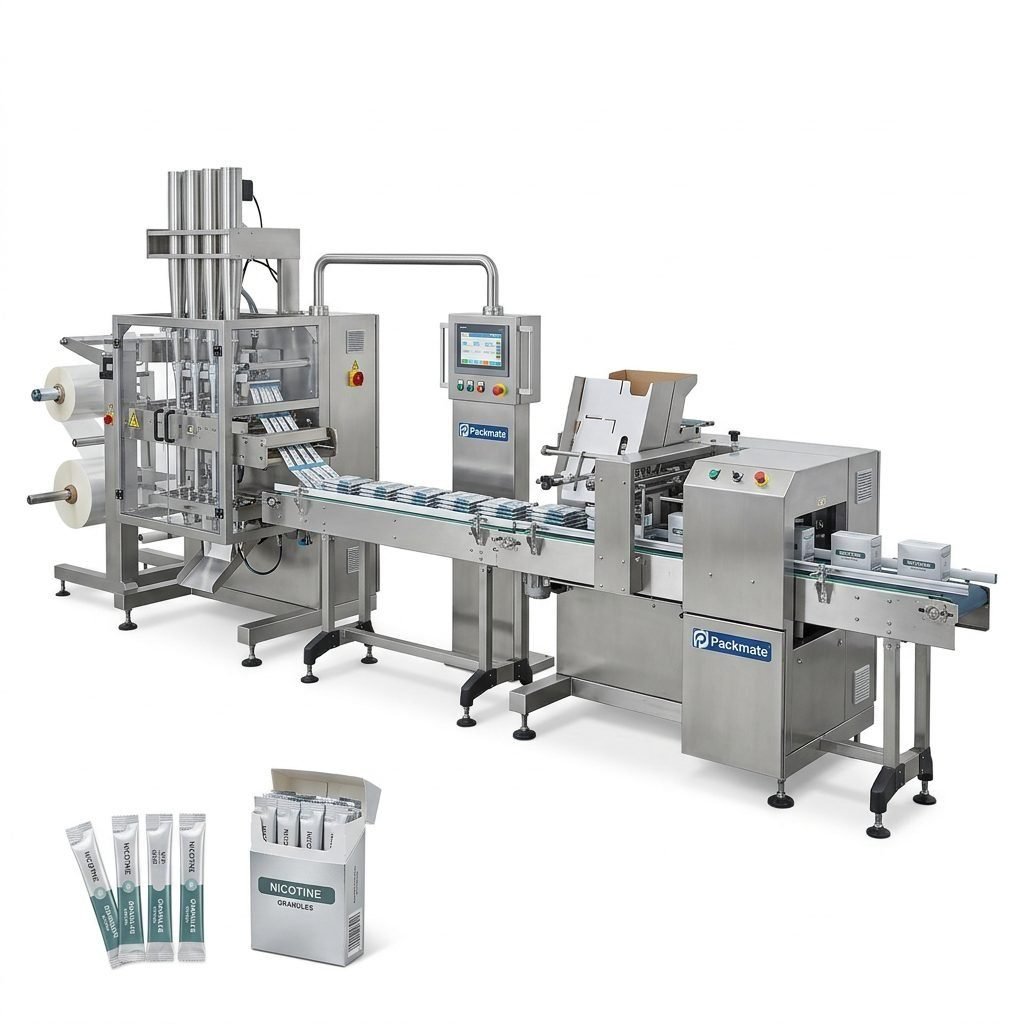
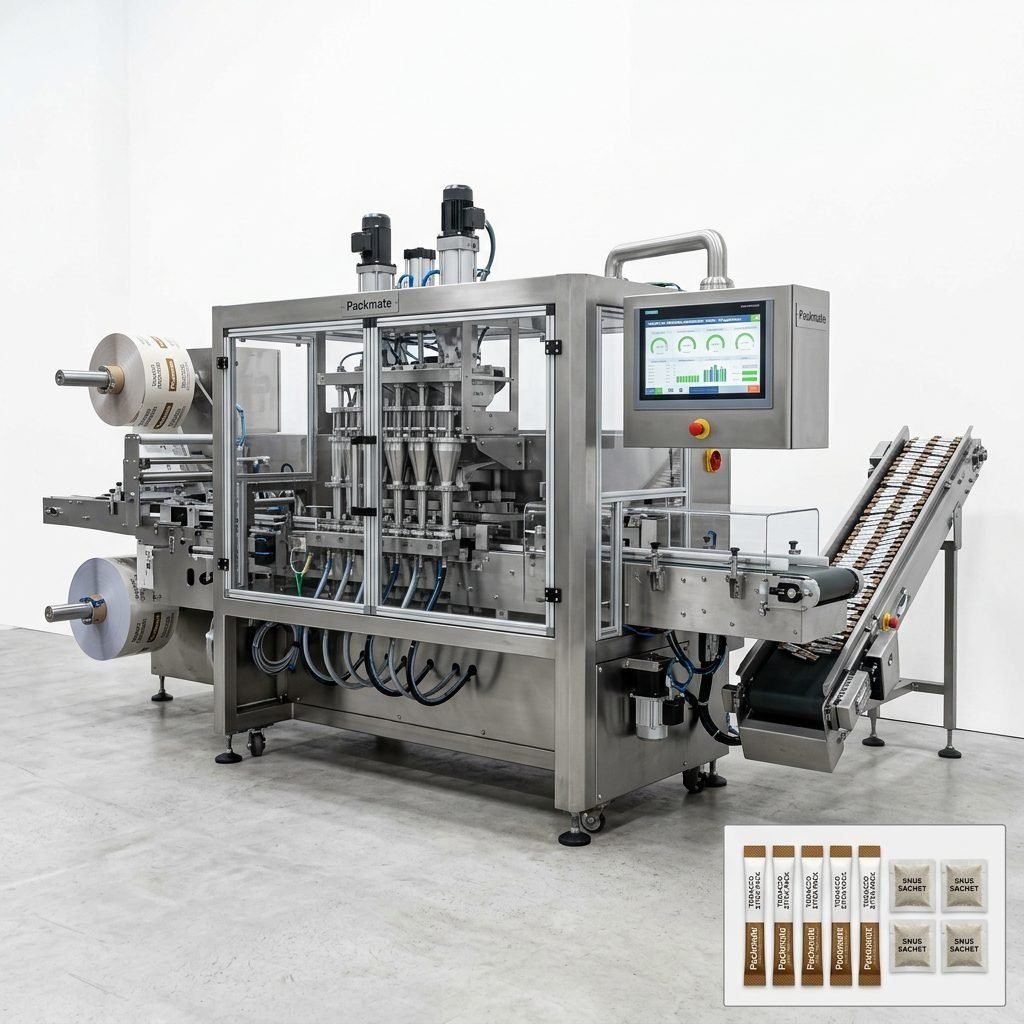
There are several common machine families for nicotine packaging:
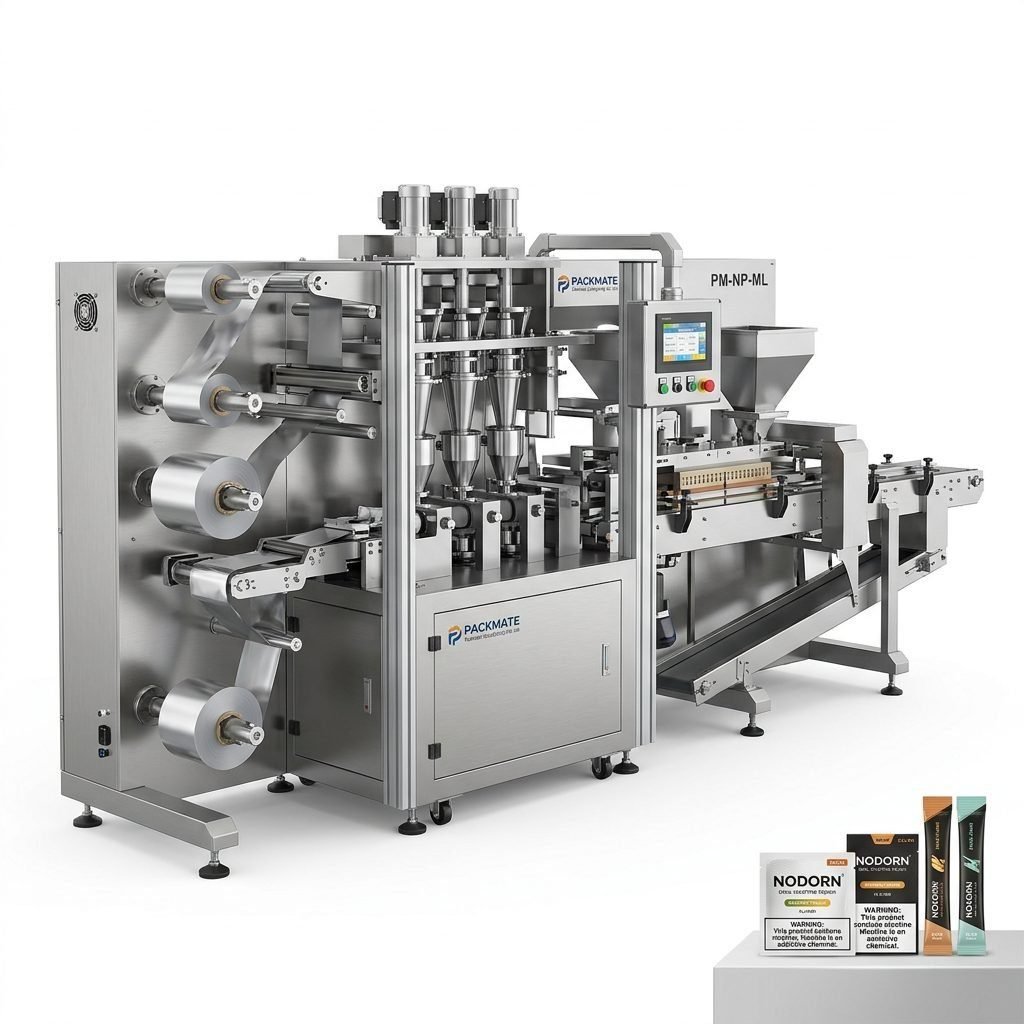
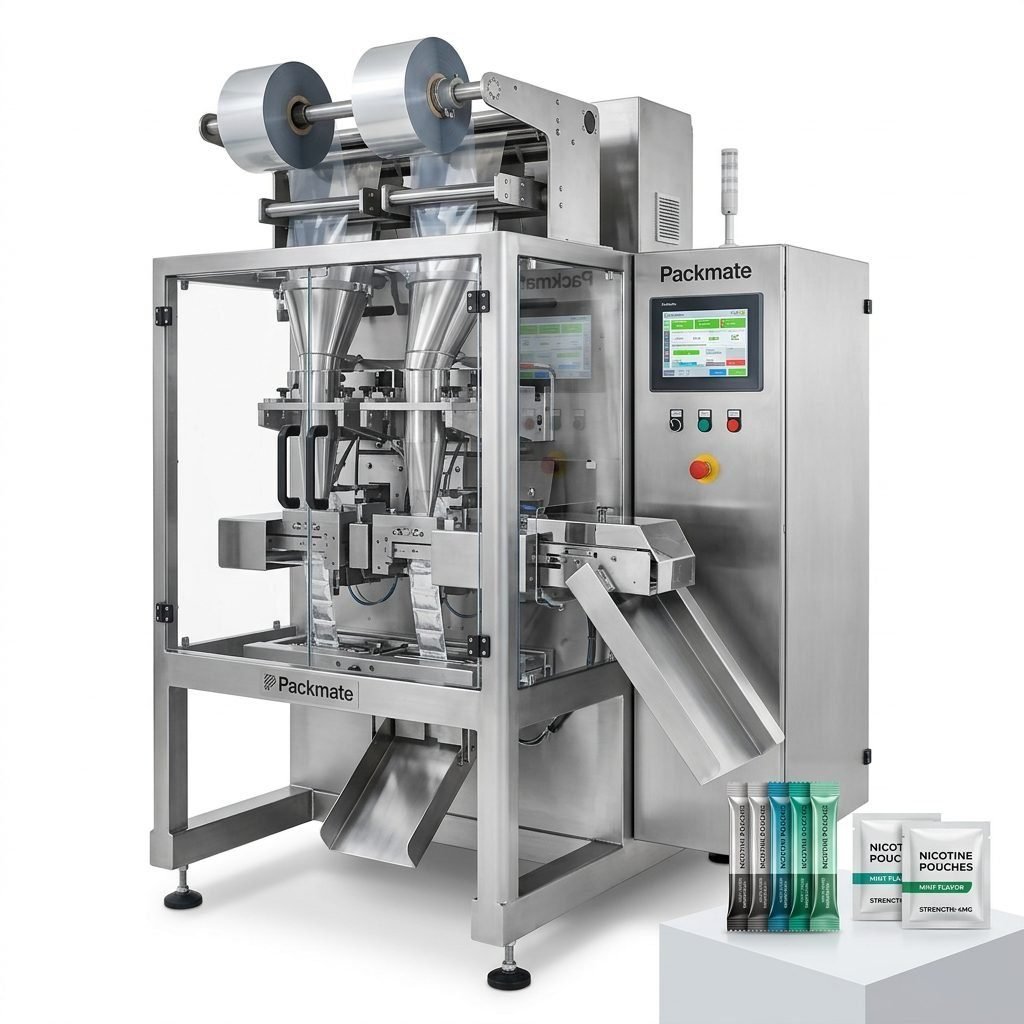
• Stick pack and sachet machines for single-portion packaging.
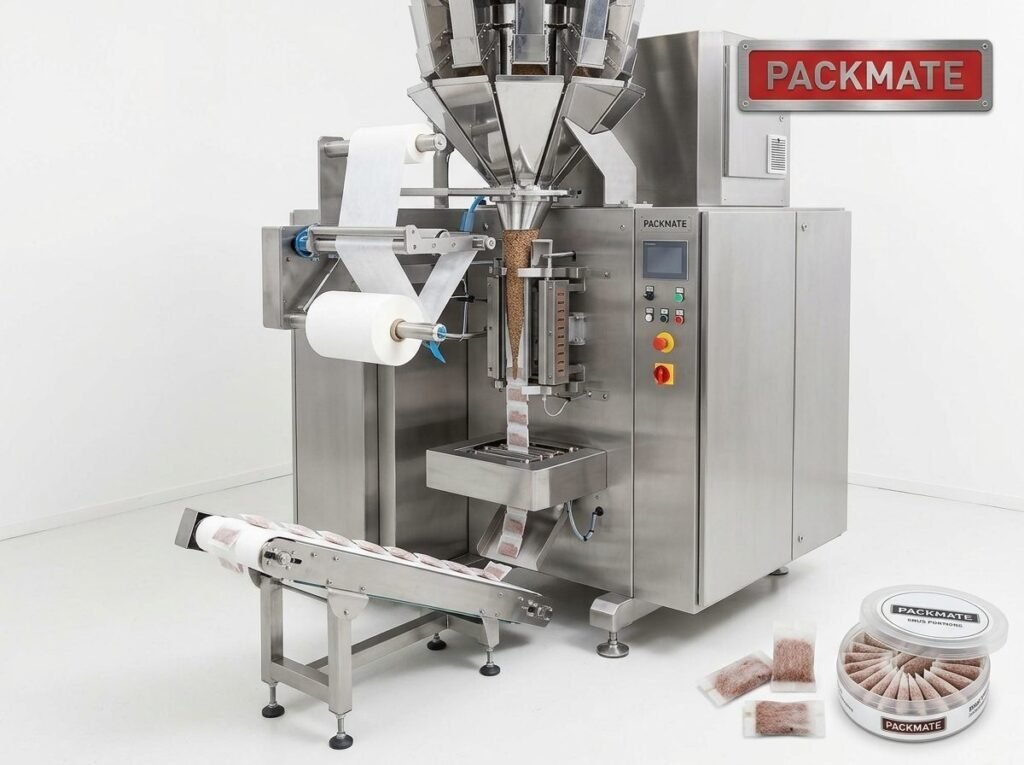
• Multi-lane snus pouch machines for small-dose, high-throughput production.
• Complete filling & packaging lines that integrate weighing, dosing and pouch forming for automated lines.
Tip: If you need scalable throughput, prioritize multi-lane systems that can multiply output without a linear increase in footprint.
📈 Production Capacity and Speed Requirements
Define your target output: How many pouches per minute and shifts per day? Consider peak seasonal demand and future growth. Machine speed should meet both current needs and scalable forecasts to avoid early obsolescence.
Evaluate net throughput (accounting for changeovers and cleaning) rather than just the maximum theoretical speed. Reliable continuous operation can be more valuable than short bursts of high speed.
Automation and Line Integration
Consider how the packaging machine will integrate with upstream and downstream equipment: dosing systems, weighers, case packers and conveyance. Higher automation reduces labor but requires skilled maintenance.
Automation checklist: PLC controls, HMI interface, recipe management, remote diagnostics and compatibility with your existing ERP/MES.
🧾 South African Regulatory & Compliance Considerations
Nicotine products are heavily regulated. Ensure machines and materials comply with local food/pharma standards when applicable, and that traceability and batch coding capabilities are available for product recalls or audits.
Must-have features: Date/lot printing, tamper-evident options, and easy-to-clean surfaces for hygiene compliance.
Certifications and Quality Standards
Verify that equipment meets international safety and quality certifications (e.g., CE, ISO). Certified machinery reduces compliance risk and often simplifies customs and insurance procedures when importing.
💰 Cost, ROI and Total Cost of Ownership
Price is important, but focus on Total Cost of Ownership (TCO): initial purchase, installation, spare parts, consumables, energy usage, maintenance, and expected lifespan. A cheaper machine that causes frequent downtime will cost more in the long run.
ROI analysis tip: Model scenarios with realistic uptime, labor, and yield improvements to compare suppliers fairly.
Spare Parts and After-Sales Support in South Africa
Local support and fast spare-parts supply are crucial. Ask suppliers about regional service partners, remote diagnostics, training for local technicians, and the typical lead time for critical parts.
🔧 Reliability, Maintenance and Worker Safety
Seek machines built with robust components: stainless steel frames, precision sealing jaws, and reputable servo systems. A modular design simplifies maintenance and reduces mean time to repair.
Safety features to require: emergency stops, safety guards with interlocks, and clear lockout/tagout procedures.
Customization & Future-Proofing
Will you offer new flavors, sizes or child-resistant packaging in the future? Opt for a supplier that can customize tooling, recipes and formats without major rework. Flexible platforms extend lifecycle and protect investment.
🔍 Factory & Vendor Evaluation Checklist
When evaluating vendors, inspect their factory capabilities, machining quality and assembly process. Ask for performance data, references from similar installations, and video demonstrations.
Vendor audit highlights: production area size, CNC equipment, quality control procedures, and long-term support commitments.
Proven Cases & Demonstrations
Ask for case studies or references for similar nicotine pouch lines. Seeing similar installations or performance reports is one of the best ways to validate supplier claims.
Explore example solutions:
Snus & Nicotine Packaging Machines,
About Packmate,
Case studies.
📦 Installation, Commissioning and Training
Confirm installation scope: civil works, utilities, factory acceptance test (FAT), site acceptance test (SAT), commissioning timeline, and operator training. Comprehensive training reduces ramp-up time and operational errors.
Ask the supplier: Will they provide onsite commissioning in South Africa or remote support? Is spare parts stock available locally?
After-Sales & Service Contracts
A clear service agreement avoids future disputes. Define SLA response times, preventive maintenance schedules, and costs for parts and labor.
For reference, check the supplier’s service offering:
Service.
🧾 Documentation & Spare-Parts Kits
Ensure the machine comes with clear mechanical/electrical drawings, spare-parts lists, maintenance manuals, and recommended wear part kits. These documents speed troubleshooting and minimize downtime.
✅ Making the Final Decision
Summarize requirements, compare technical specifications, service terms, TCO and references. Select a solution that balances current production needs with scalability, regulatory compliance and reliable local support.
Final checklist: product compatibility, throughput, automation level, certifications, local service capability, spare parts lead time, and TCO analysis.
Why consider Packmate (Packmate Snus Machine)?
With 30+ years of engineering and over 50 machine models, Packmate provides tailored snus and nicotine pouch solutions, advanced CNC manufacturing and global turnkey support. Learn more about manufacturing strength and certifications on the company pages:
About Packmate and
Certificate.
📞 Next Steps & Contact
Create a short request-for-quotation (RFQ) that includes product specs, target throughput, formats, required certifications and installation location. Share it with shortlisted suppliers and schedule FAT demonstrations.
For tailored nicotine packaging solutions and pre-sale consultation, see product offerings:
Snus & Nicotine Packaging Machines,
Filling & Packaging Lines.
Common Questions
Q1: How do I determine the right machine speed?
Start with your daily production target, divide by operating hours, and allow margin for changeovers and maintenance. Ask suppliers for realistic uptime figures and actual production case studies.
Q2: Are multi-lane machines a good fit for small batches?
Multi-lane systems excel at high-volume, small-dose production. For frequent small-batch changes, consider modular single-lane machines or ensure the multi-lane system offers fast, tool-less changeovers.
Q3: What certifications should I require?
Require CE and ISO where applicable, plus documentation for material contact surfaces. Ensure the supplier provides traceability and hygiene documentation appropriate for nicotine product handling.
Q4: How important is local support in South Africa?
Extremely important. Local technicians, spare-part availability, and reasonable SLA response times significantly reduce downtime and protect production continuity.
Q5: Where can I see real-world implementations?
Request case studies and FAT videos from suppliers. Visit the supplier’s case pages for examples:
Case.