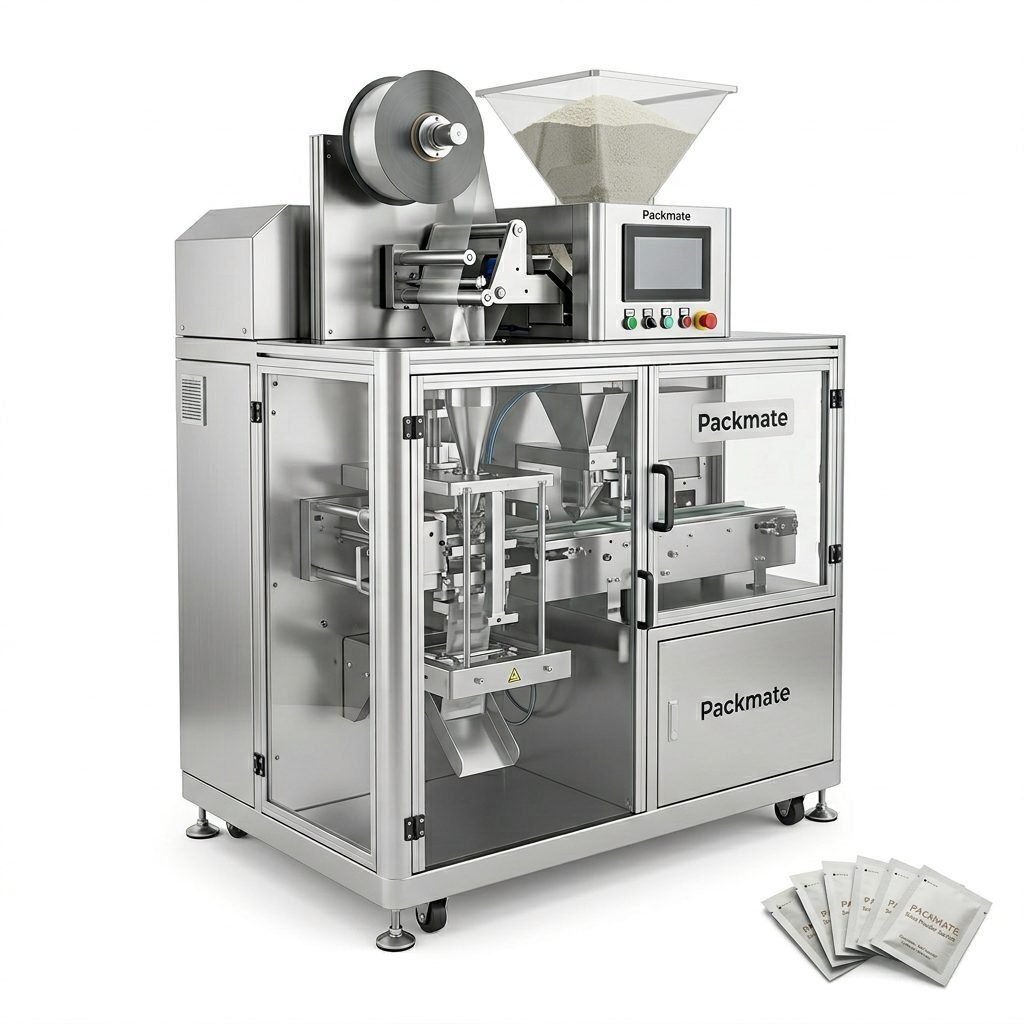
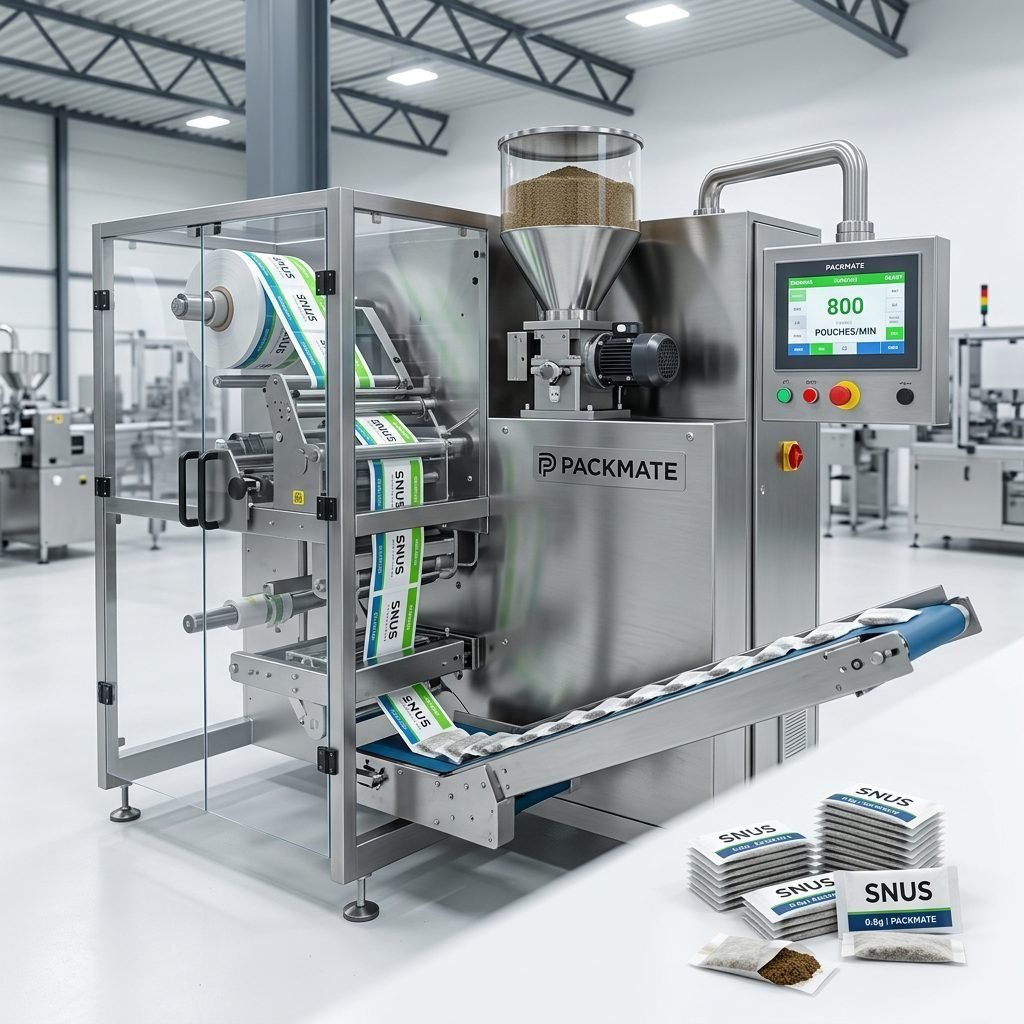
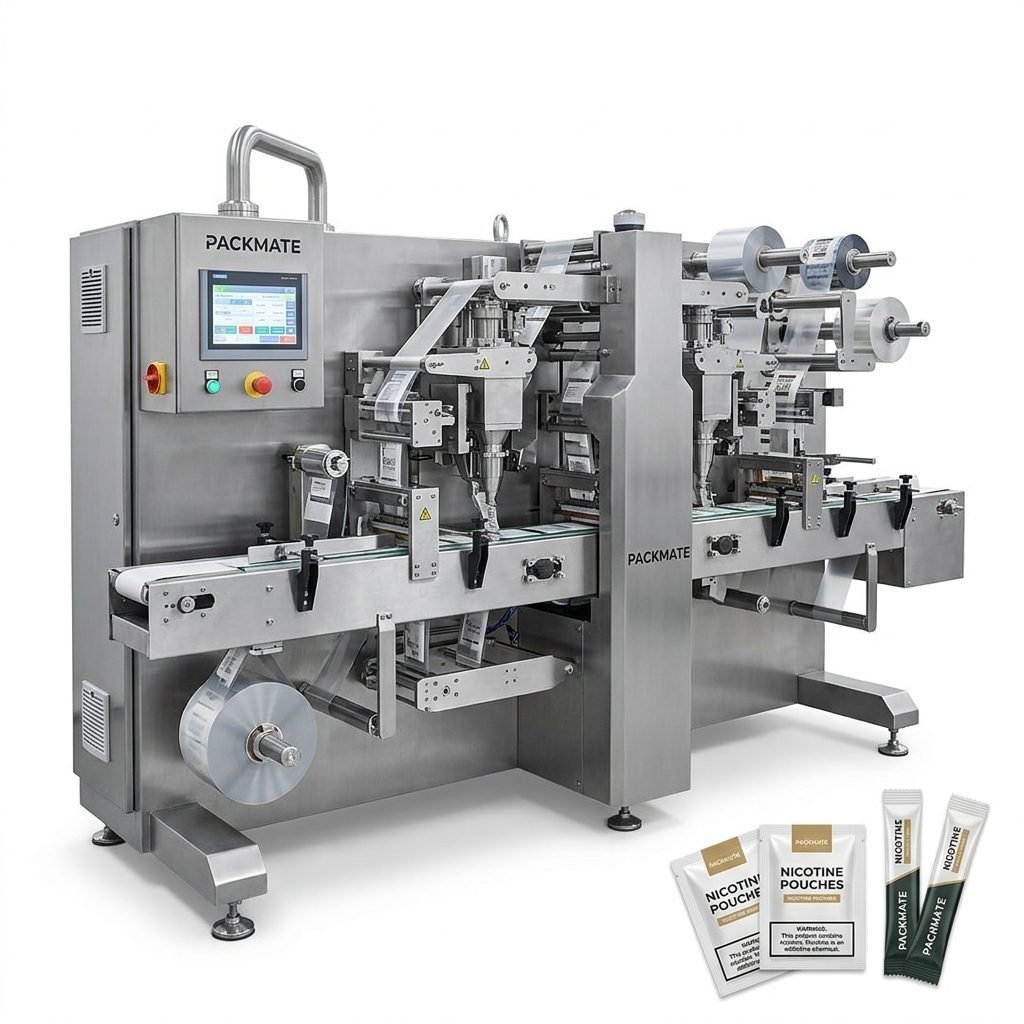
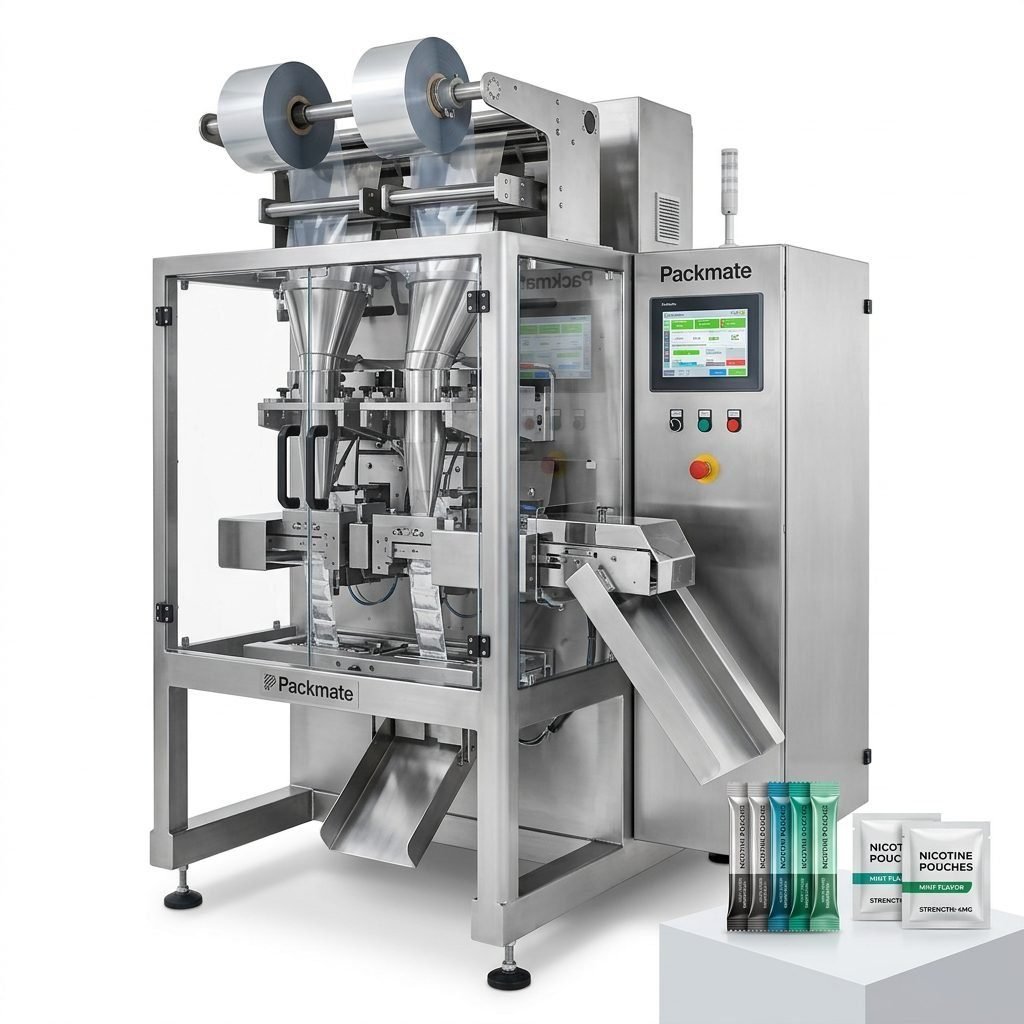
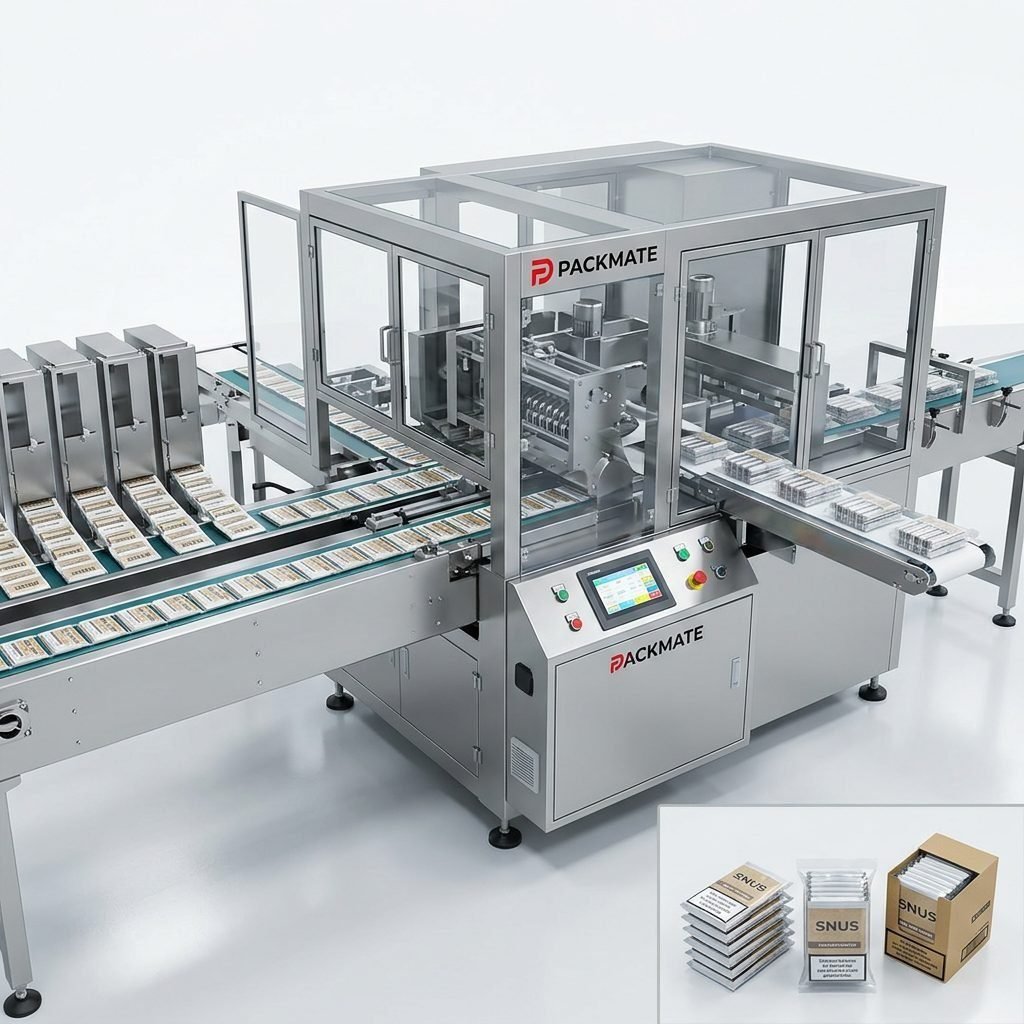
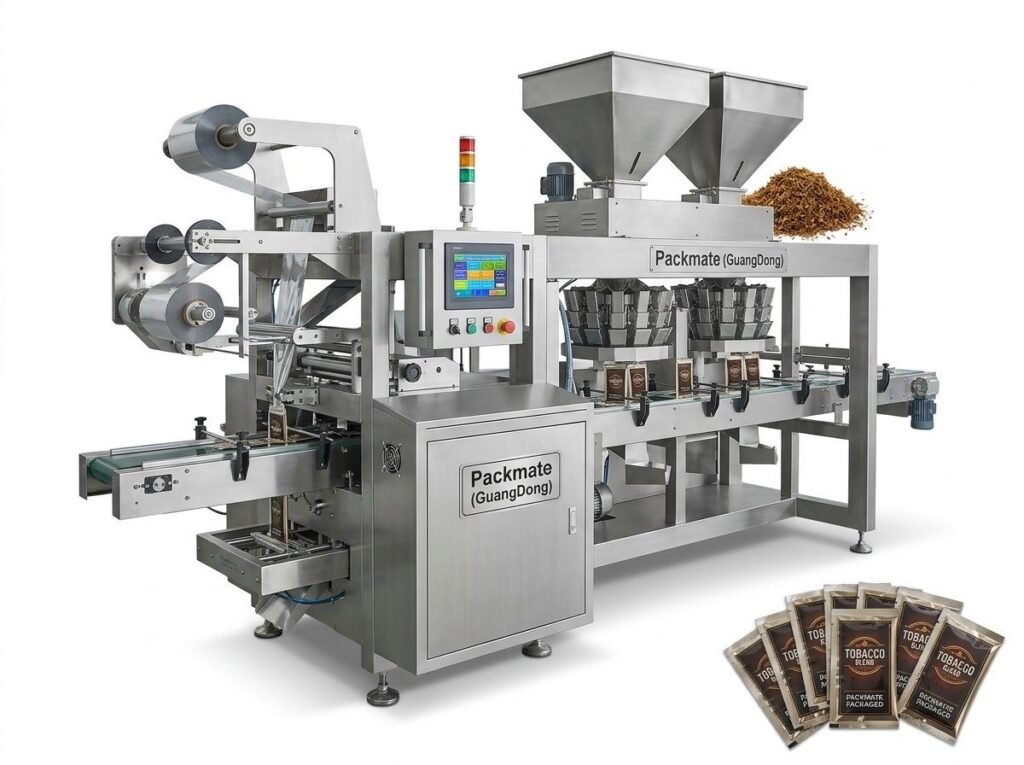
The evolution of high speed snus production systems has transformed small-dose portion manufacturing into a precise, automated, and highly efficient operation. Today’s manufacturers demand equipment that delivers consistent portion weight, fast changeovers, and integrated quality control — all while complying with strict international standards. This guide explores the core technologies, line architectures, operational best practices, and return-on-investment considerations for building or upgrading a modern, automated snus production line.
🔧 What Is a High Speed Snus Production System?
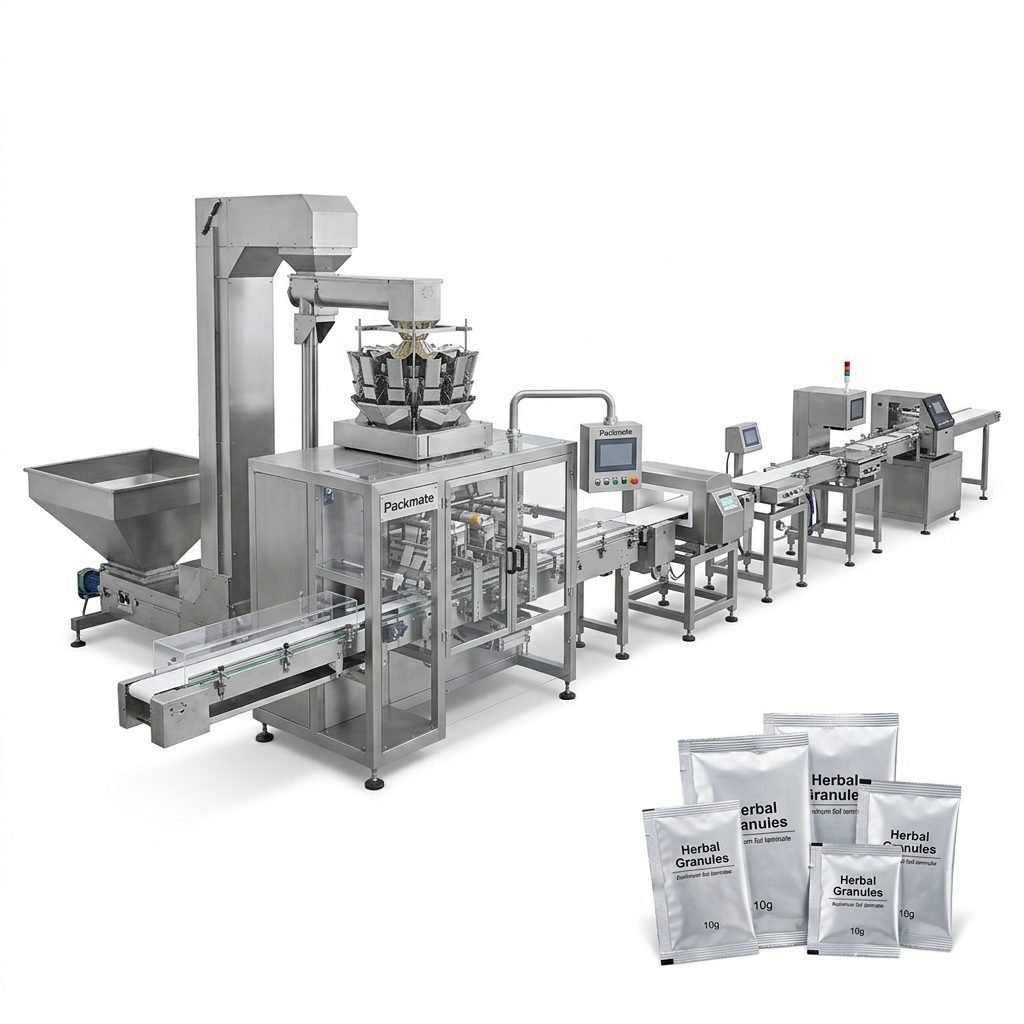
A high speed snus production system is an integrated suite of machines designed to mix, portion, fill, seal, and package nicotine pouches or snus at industrial throughput rates. The system typically includes upstream dosing and mixing modules, multi-lane portioning units, dynamic weighing systems, pouch forming and sealing machines, and downstream secondary packaging equipment. These systems are engineered for precision, repeatability, and minimal downtime.
⚡ Key Components
• Dosing & Mixing: Accurate feed and blending systems for tobacco, humectants, and flavourings.
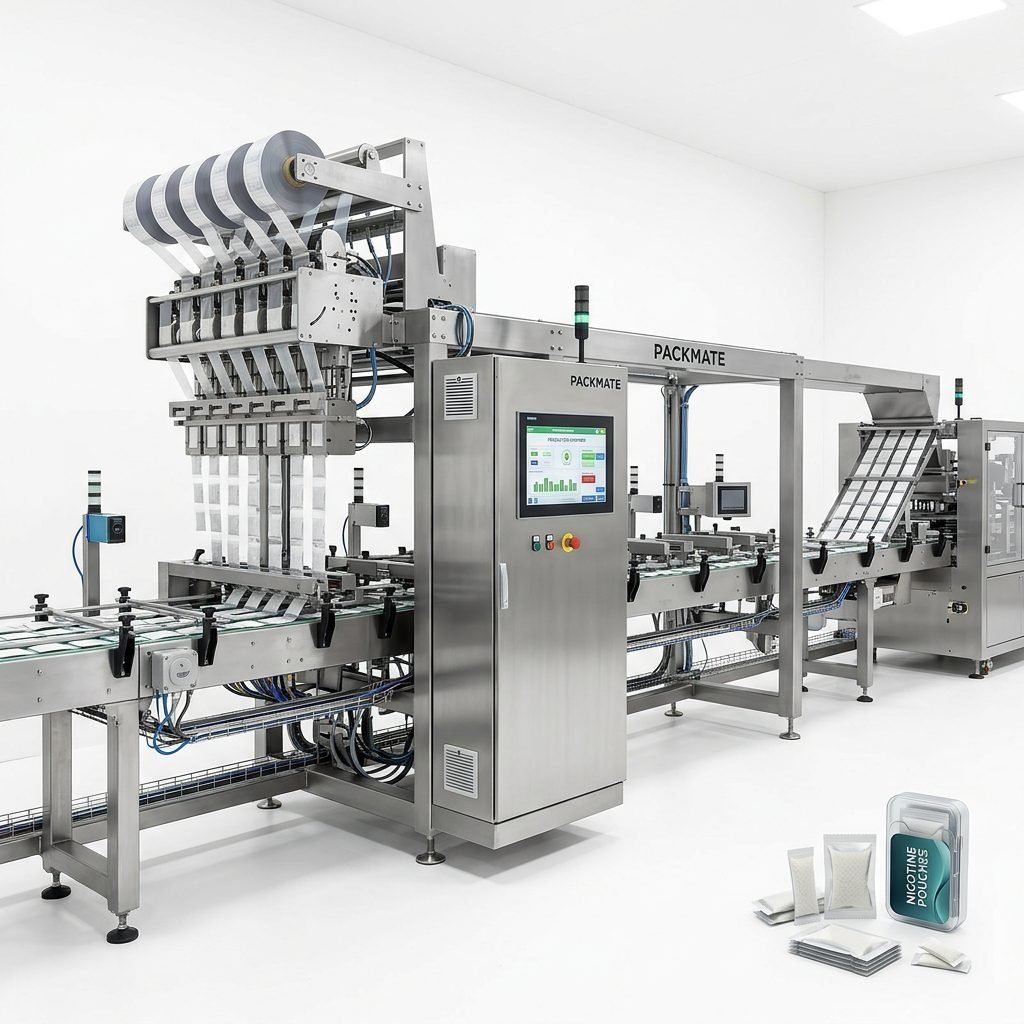
• Multi-lane Portioning: Precision portioners that support high-speed multi-lane output for small-dose pouches.
• Weighing & Checkweighers: In-line dynamic and static weighing to ensure portion accuracy.
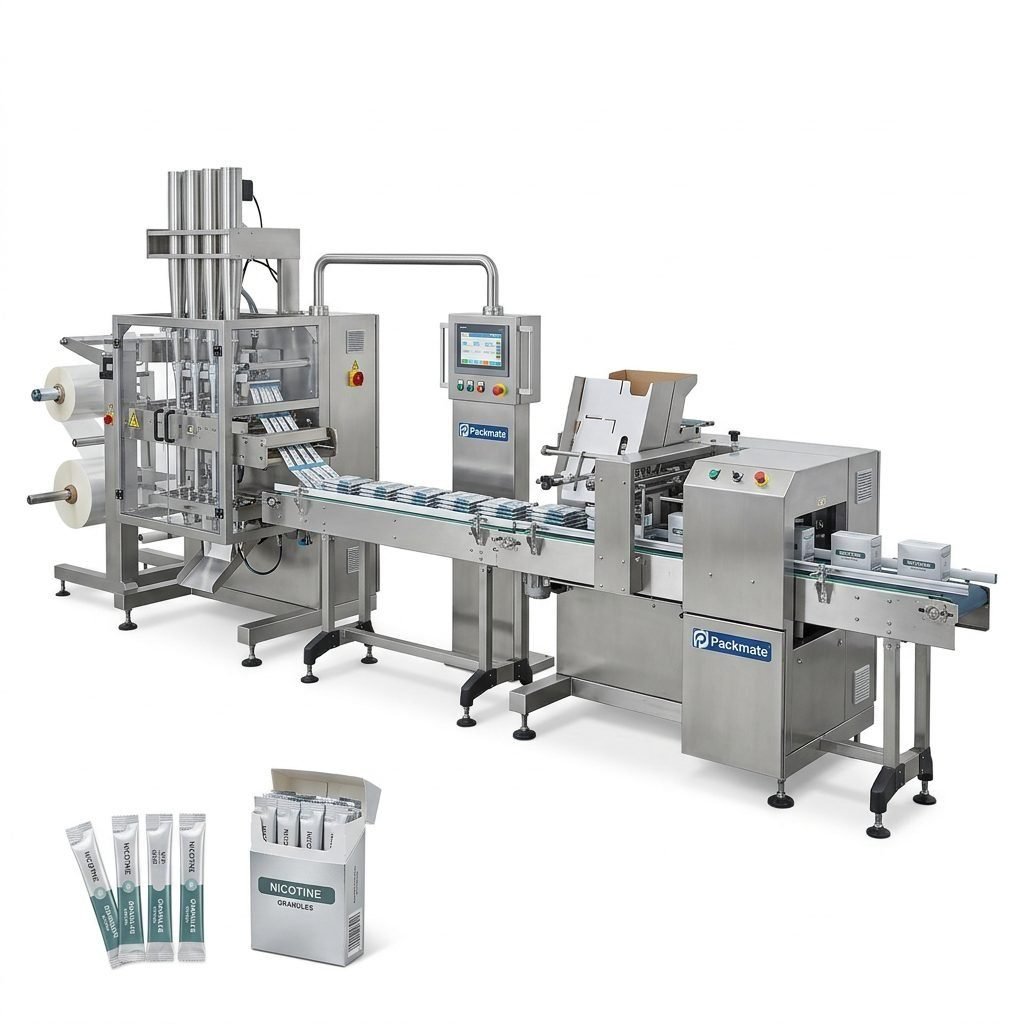
• Form-Fill-Seal (FFS) & Pouch Machines: Flexible machines for sachets, stick packs, and sachet-style snus pouches.
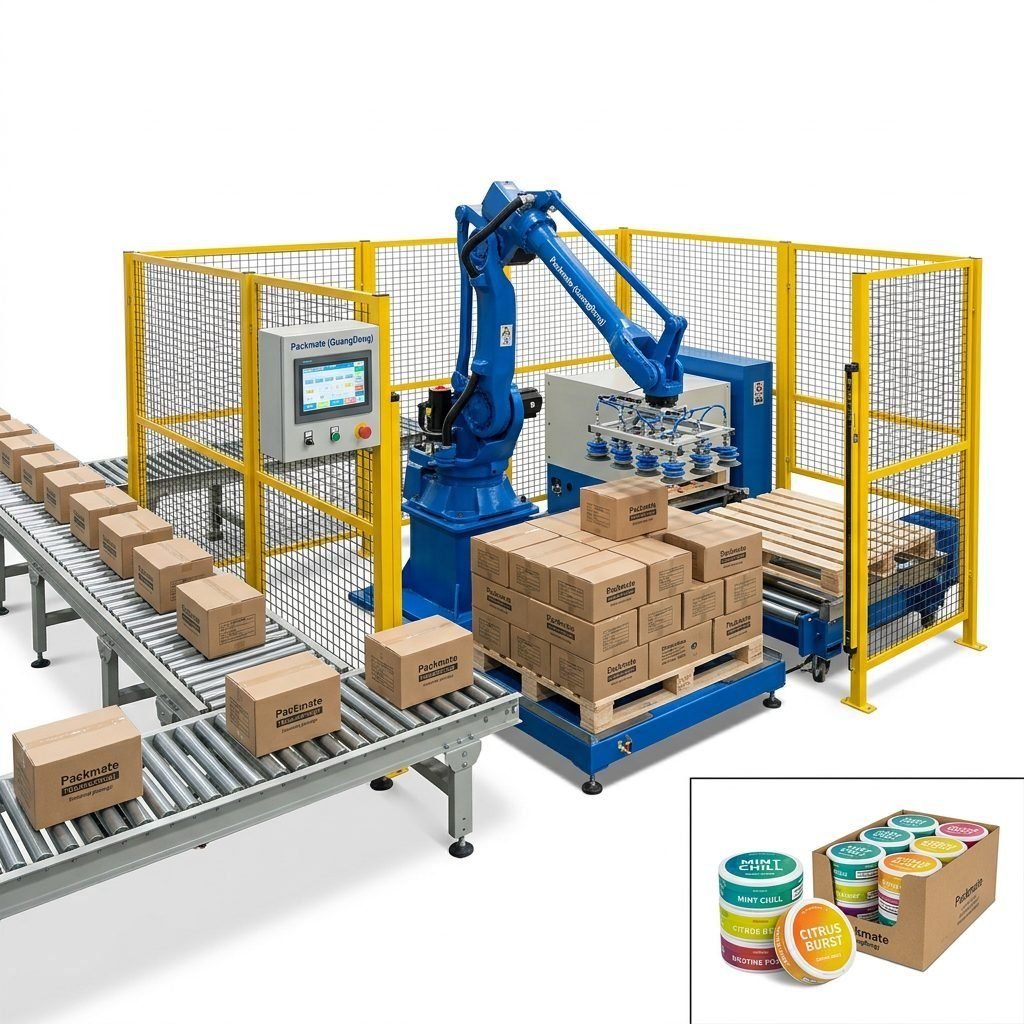
• Secondary Packaging: Cartoners, case packers, and serialization modules for compliance and traceability.
📈 Why Automation Matters for Portion Snus Manufacturing
Automation significantly reduces labor costs, improves sanitary control, and guarantees precise portion weights. For nicotine pouch production — where regulatory compliance and product consistency are essential — automated systems minimize human error and enable traceable, repeatable processes. High-speed lines also allow manufacturers to scale quickly to meet market demand while maintaining product quality.
✅ Business Benefits
Higher throughput: Multi-lane portioners and synchronized downstream equipment can multiply output without doubling footprint.
Lower variance: Tight weight control reduces product giveaway and improves profitability.
Faster ROI: Reduced labor and material savings deliver attractive payback periods for capital investments.
🧩 Designing an Efficient Snus Packaging Line
Line design begins with a thorough analysis of product specifications, desired throughput, and packaging formats. Manufacturers commonly choose between stick-pack style pouches, sachets, or pre-made pouch filling depending on market preferences. A modular approach lets operators add lanes, integrate advanced checkweighers, or upgrade to higher-speed sealing units as demand grows.
🏗️ Modular Layout Considerations
Effective layouts place mixing and dosing near material storage to minimize transfer time, while portioning and sealing stations are arranged to reduce cross-contamination. Consideration must be given to cleaning access, maintenance paths, and operator ergonomics. Modern lines often incorporate quick-change tooling and recipe memory to shorten format changeovers.
🧪 Quality Control & Compliance
A vital advantage of advanced snus production systems is integrated quality monitoring. Inline vision systems verify pouch integrity and seal quality, while weight control systems detect deviations instantly. For global markets, equipment should meet CE and ISO standards and be ready for region-specific traceability requirements.
Tip: Connect your line to a Manufacturing Execution System (MES) for batch tracking, production analytics, and automated reporting.
🛠️ Technology Highlights: Multi-Lane Portioning & Precision Weighing
Multi-lane portioners are the backbone of high-speed snus production. They deliver synchronized portions across multiple lanes to multiply throughput without compromising portion accuracy. Pairing these with high-speed checkweighers ensures every pouch meets weight targets, reducing waste and ensuring regulatory compliance.
🔬 Portion Accuracy Techniques
Gravimetric dosing, loss-in-weight feeders, and active feedback loops are commonly used to control portion weight. Combining these methods with statistical process control helps identify drifts early and maintain consistent product quality.
📦 Packaging Formats: Flexibility Meets Speed
A high speed snus line may support several packaging formats. Choosing the right format balances consumer preference, shelf appeal, and production efficiency. Stick packs are compact and cost-effective, sachet-style pouches offer premium appearance, and pre-made pouch filling can simplify sealing operations.
For manufacturers exploring packaging equipment, consider reviewing specialized machines like those in the broader range of Snus & Nicotine Packaging Machines to match your product specifications and output goals. You can also evaluate complementary systems in Bag & Pouch Packaging Machines and Filling & Packaging Lines to design a complete turnkey solution.
🔄 Operational Best Practices for Continuous Production
• Preventive Maintenance: Implement scheduled checks for bearings, sealing jaws, and feeders to avoid unexpected downtime.
• Line Balancing: Ensure each station capacity matches the bottleneck to avoid pileups or starvation.
• Operator Training: Cross-train staff to execute rapid changeovers, troubleshoot alarms, and perform basic repairs.
• Sanitation Protocols: Design clean-in-place (CIP) or rapid disassembly procedures for food-contact components.
💡 Case Study Highlights: From Concept to Turnkey Line
Companies that invested in a complete turnkey snus production line often began with pilot trials, then scaled to full production. Typical outcomes include improved portion consistency, reduced labor hours, and streamlined regulatory reporting. Manufacturers seeking proven solutions can review project cases that demonstrate multi-lane snus lines and integrated auxiliary equipment.
For examples of real installations and performance results, visit the Case page to see how complete lines were implemented and optimized.
📊 Financial Considerations & ROI
Investing in a high speed snus production system requires evaluating capital expense, operational savings, and projected revenue growth. Key metrics to model include unit cost reduction, increased throughput, product giveaway minimization, and reduced labor overhead. A well-optimized line can recoup its investment through a combination of material savings and higher production capacity.
💵 Cost Drivers
Major cost drivers include equipment complexity, number of lanes, degree of automation, and integration with existing factory systems. Choosing modular, scalable solutions helps manage initial capital while preserving upgrade paths.
🌍 Regional Considerations & Market Preferences
Different markets have distinct consumer preferences for snus packaging and portion sizes. For example, in certain European regions, sachet-style pouches with premium finishes are popular, while other markets prefer compact stick packs for portability. Understanding local regulations around nicotine products is also critical; manufacturers must design lines that support compliance documentation and, where necessary, implement features for child-resistant packaging or controlled distribution.
🔎 Choosing a Reliable Manufacturer
When selecting a supplier, evaluate engineering experience, factory capacity, and after-sales service. Long-standing manufacturers with comprehensive production facilities and a track record in snus equipment offer lower risk. Packmate Snus Machine, for example, emphasizes decades of engineering expertise, a large manufacturing footprint, and global turnkey solutions to support customers from project planning through commissioning and service.
Learn more about company capabilities on the About Packmate page and explore specialized product categories such as Sachet & Stick Pack Machines and Auxiliary Packaging Equipment for a complete line configuration.
🔭 Future Trends in Snus Production
Future trends include increased data-driven production management, IoT-enabled predictive maintenance, and greener manufacturing practices. Expect more compact, energy-efficient machines, advanced sensor integration for real-time quality control, and enhanced user interfaces for recipe management. Manufacturers investing in smart lines will gain agility and long-term operational advantages.
Quick Checklist for Buyers:
• Define target throughput and package formats
• Request references and case studies
• Verify certifications (CE/ISO) and compliance features
• Evaluate upgrade paths and spare parts availability
• Confirm on-site commissioning and training services
📩 Next Steps & Resources
If you are planning a new line or upgrading existing capacity, review product families and auxiliary solutions to build a matched system. Useful resources include Snus & Nicotine Packaging Machines, Bag & Pouch Packaging Machines, and Filling & Packaging Lines which provide technical specifications and machine options. For project-specific inquiries or to arrange a demonstration, check the Contact Us page and catalog information.
📚 Helpful Links
• Snus & Nicotine Packaging Machines
• Bag & Pouch Packaging Machines
• Filling & Packaging Lines
• About Packmate
❓ Frequently Asked Questions
Q1: What throughput can a high speed multi-lane snus line achieve?
A1: Throughput varies by lane count, portion size, and downstream packaging. Typical multi-lane systems can produce tens of thousands of pouches per hour. Exact numbers depend on configuration and product handling needs.
Q2: How do manufacturers ensure portion weight accuracy?
A2: Manufacturers use gravimetric dosing, loss-in-weight feeders, and in-line checkweighers with feedback control. Regular calibration and statistical monitoring help maintain tight tolerances.
Q3: What certifications should I request for snus packaging equipment?
A3: Common certifications include CE and ISO compliance. Depending on the market, additional hygienic design or electrical safety certifications may be required.
Q4: Can I expand an existing line to add more lanes?
A4: Many modern systems are modular and designed for lane additions. Discuss upgrade paths and mechanical/electrical compatibility with your supplier.
Q5: Where can I see real-world examples of installed lines?
A5: Refer to manufacturer case studies and exhibition demonstrations. Visiting a live line or reviewing detailed project cases provides valuable insight into real-world performance.