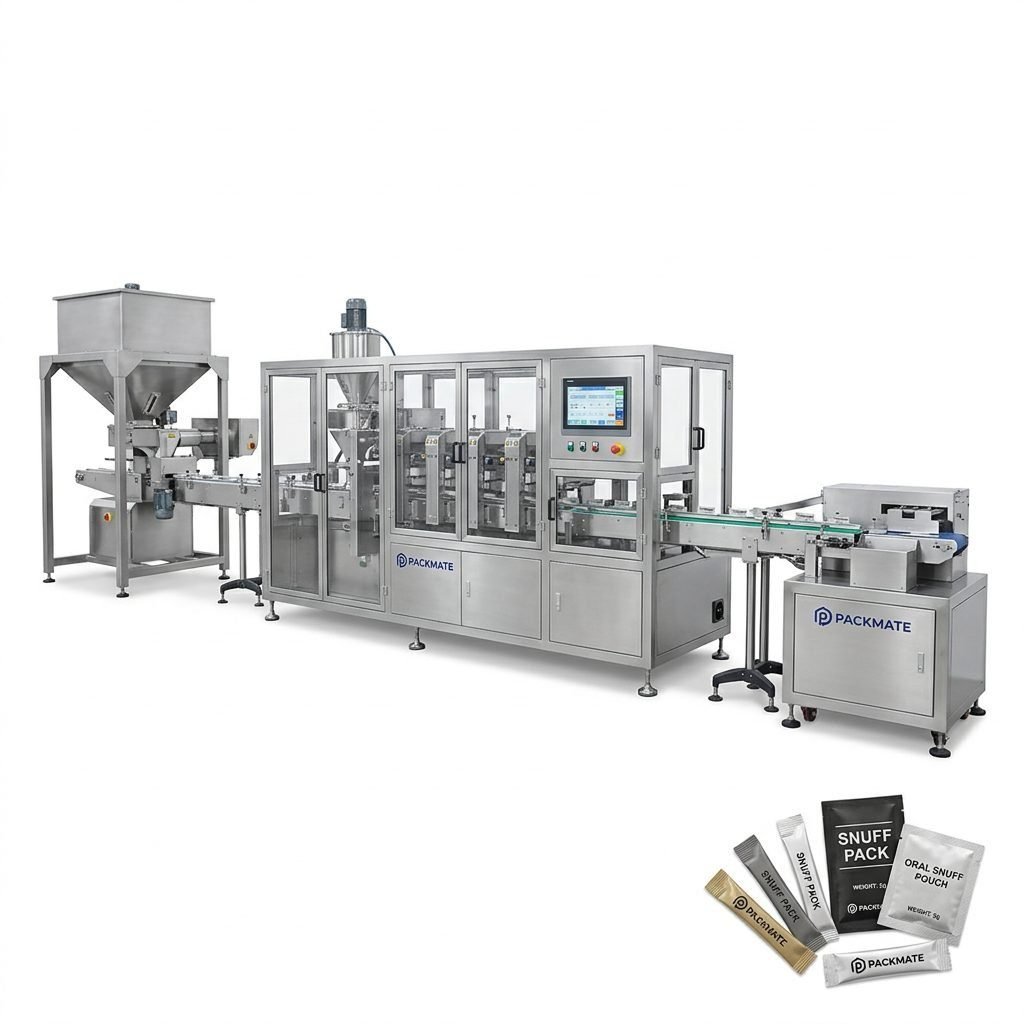
Selecting the most reliable snus packaging machine is a pivotal decision for manufacturers aiming to scale production, guarantee product consistency, and meet strict regulatory and consumer requirements. This guide walks you through the practical steps to evaluate automatic snus and nicotine pouch packaging solutions, highlights critical machine features, and explains how to match technology to your production goals. Whether you are producing small-dose nicotine pouches, traditional snus sachets, or high-speed multi-lane lines, the insights below will help you choose a system that minimizes downtime, maximizes yield, and protects product quality.
Why Reliability Matters for Snus Packaging
Reliability is not just about fewer breakdowns. In snus packaging, reliability means consistent dosing, hermetic seals that preserve freshness, hygienic handling to meet safety standards, and repeatable cycle times that support supply chain commitments. A reliable machine reduces waste, saves labor costs, and improves customer trust—especially in tight regulatory environments.
Key outcome: A well-chosen, reliable snus packing machine turns production predictability into a competitive advantage—fewer rejects, lower operating cost, and faster ramp-up for new SKUs.
Core Features to Evaluate
When comparing machines, examine these critical dimensions: speed, lane configuration, filling accuracy, format flexibility, hygiene & cleanability, automation level, and service support. Each factor influences uptime and total cost of ownership.
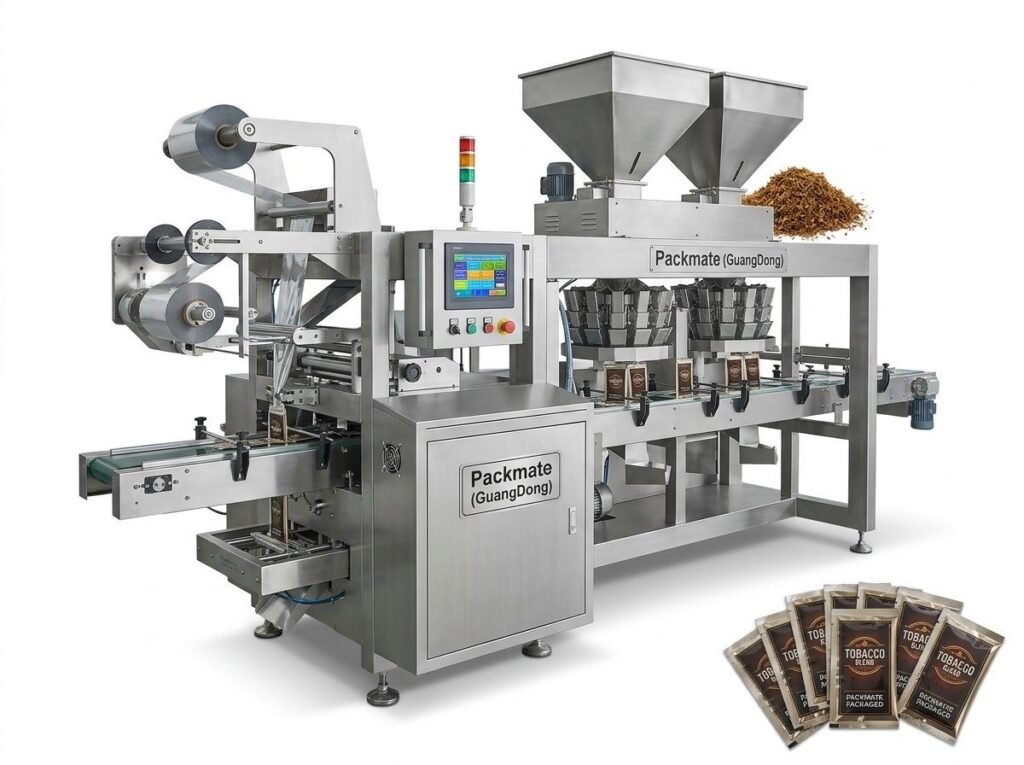
▶ Throughput & Lane Count: Select a machine with a lane configuration that matches your target output. Multi-lane machines increase throughput without proportionally increasing footprint. For small-dose nicotine pouches, multi-lane systems optimize efficiency.
▶ Dosing Accuracy & Weight Control: Precise dosing minimizes product giveaway and ensures regulatory compliance. Look for integrated weighing modules, servo-driven feeders, or validated volumetric systems depending on your product’s bulk density.
▶ Sealing Quality & Materials Compatibility: Reliable sealing is essential to product shelf-life. Ensure the machine supports your selected pouch materials (foil, laminate, paper, etc.) and offers temperature and pressure control for consistent seals.
▶ Changeover & Format Flexibility: Fast, tool-free changeovers reduce downtime when switching SKUs. Machines with modular tooling and recipe-driven HMI save time during production transitions.
▶ Sanitation & GMP Design: Hygienic design reduces contamination risks and eases cleaning. Look for stainless-steel construction, minimal crevices, and CIP-compatible components when applicable.
▶ Controls, Data & Integration: Modern PLC/HMI systems, remote diagnostics, and OEE/traceability features enhance uptime and quality control. Machines that integrate with upstream weighing systems and downstream cartoning lines enable a complete production flow.
Types of Snus Packaging Machines
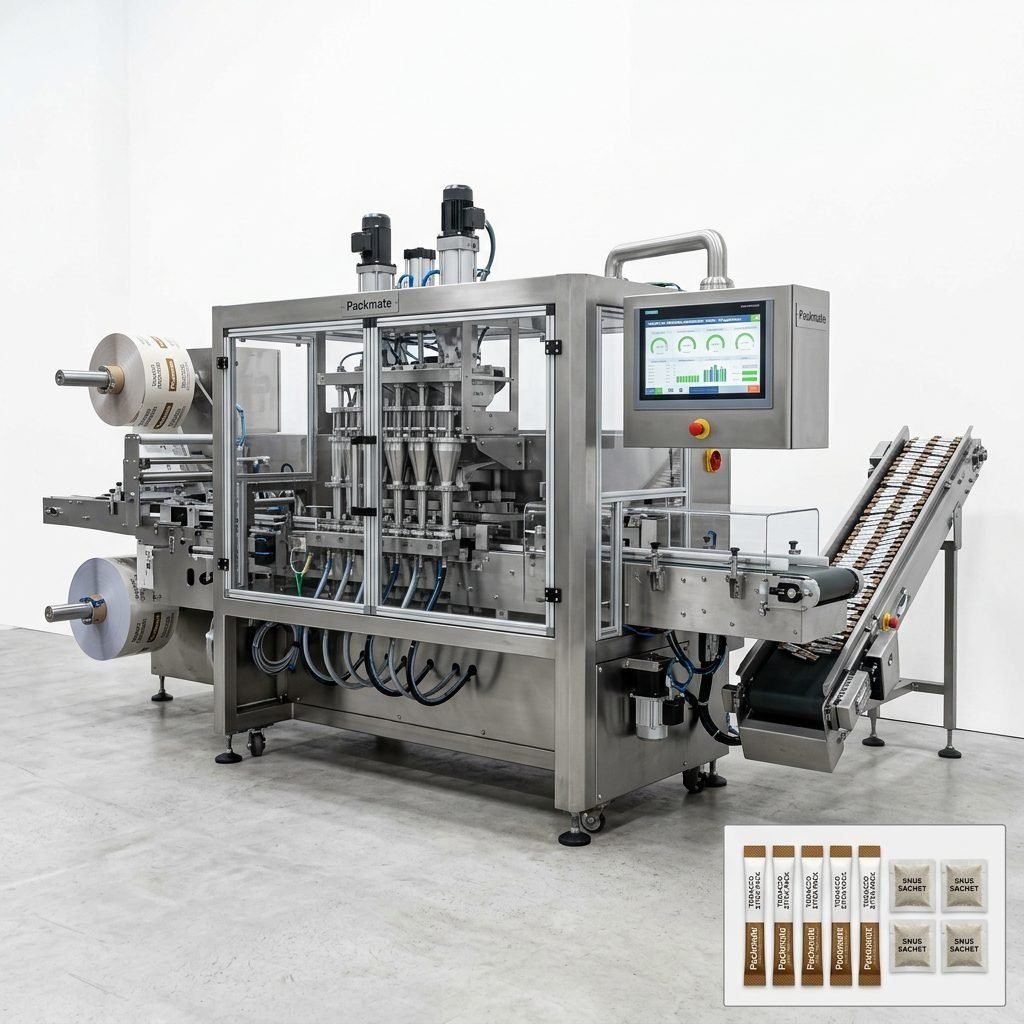
Understanding machine types helps prioritize features. The common categories are stick pack machines, sachet pack machines, and multi-lane pouch systems optimized for nicotine pouches and snus.
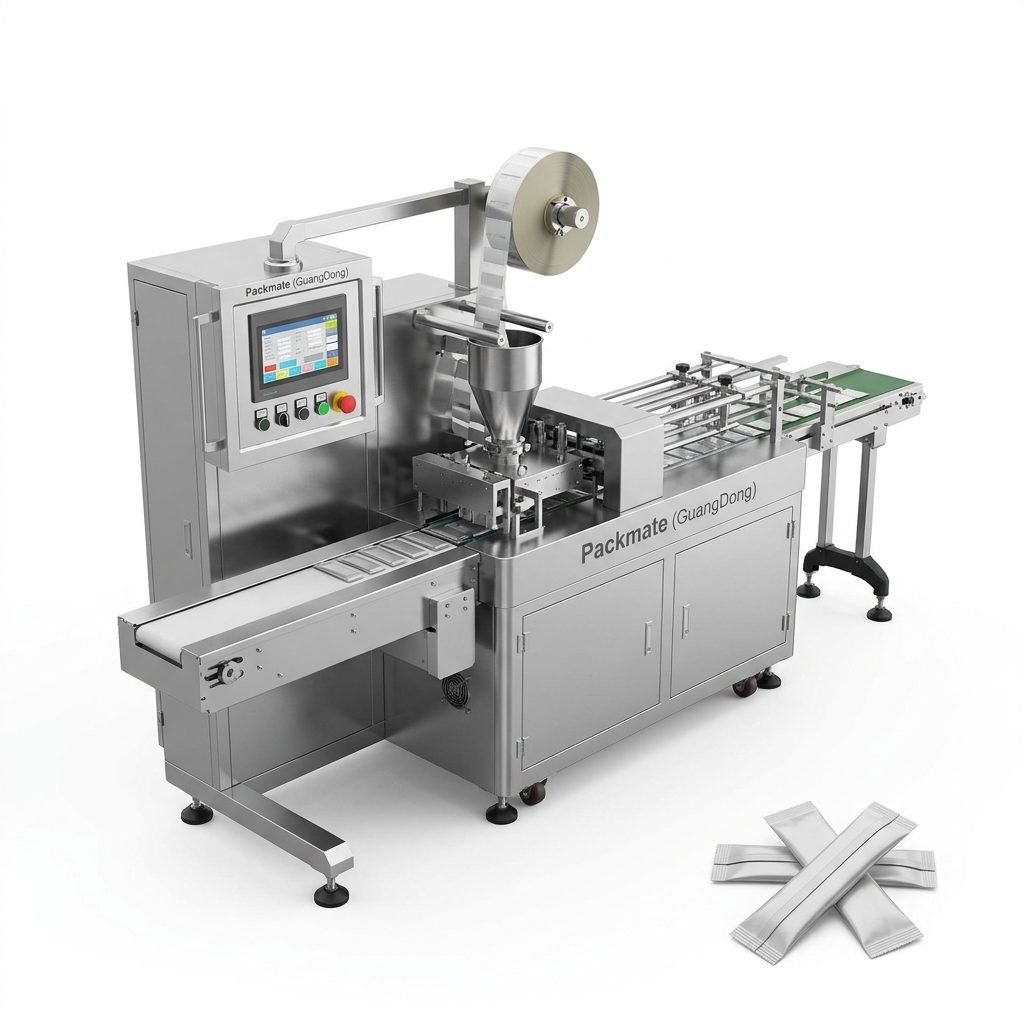
• Stick Pack Machines: Ideal for single-dose pouches in narrow, elongated packets. Stick packers excel at high-speed, small-portion packaging where presentation and individual dosing are critical.
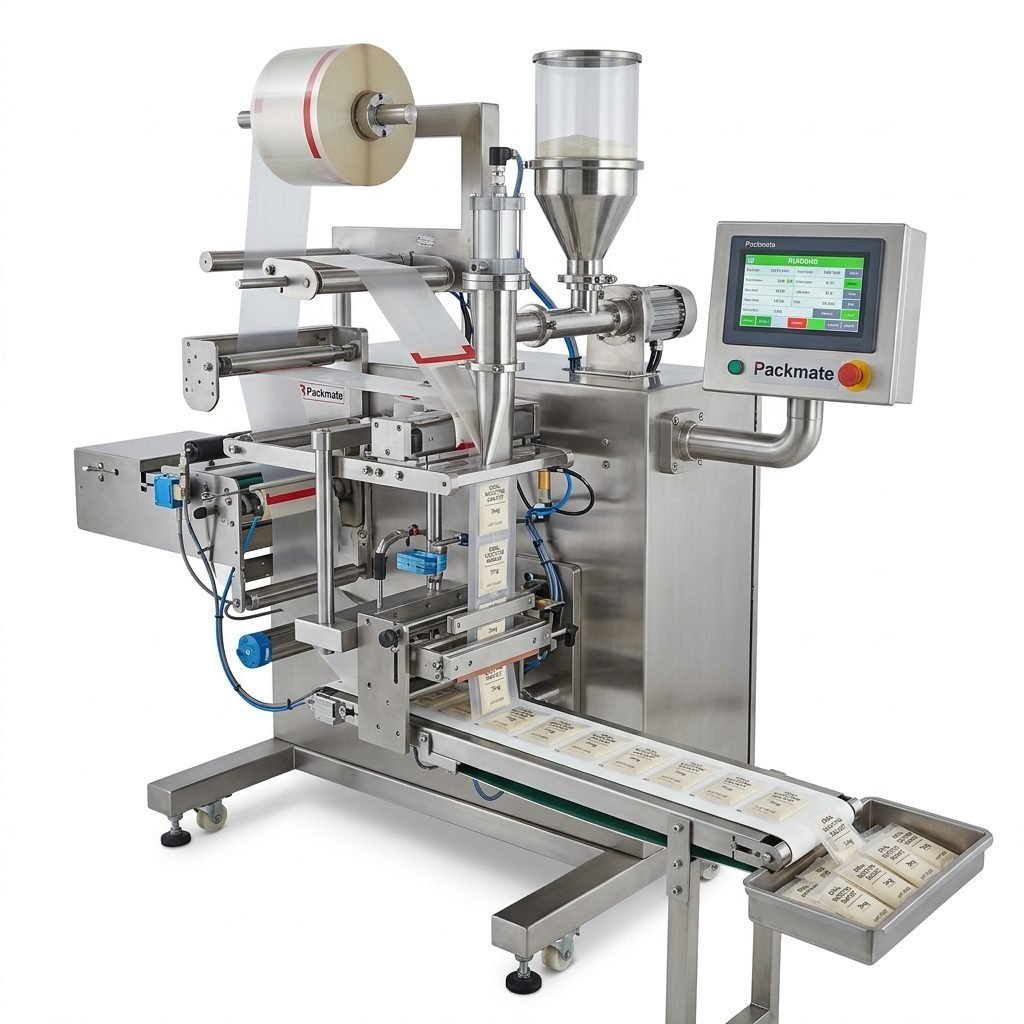
• Sachet & Pillow Pack Machines: Versatile for different shapes and materials—useful for traditional snus sachets and products requiring tear notches or resealable features.
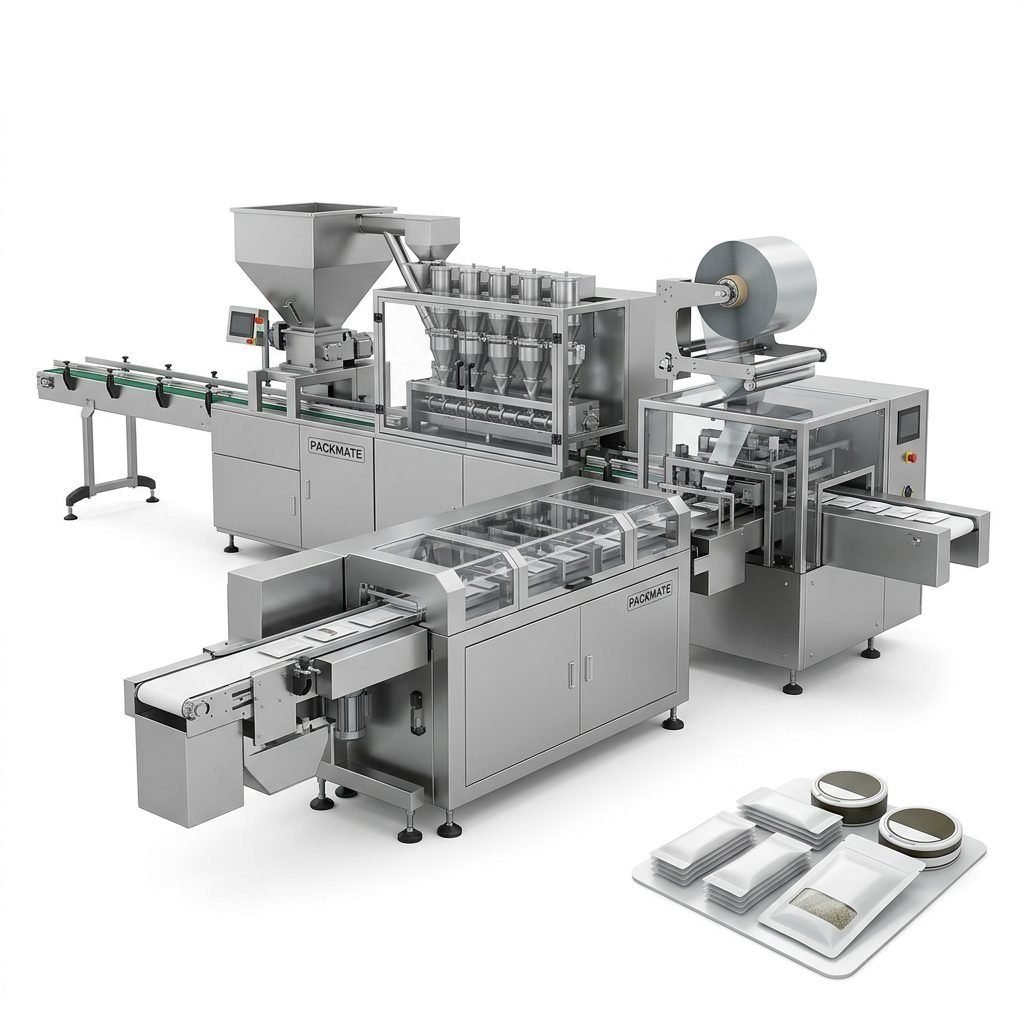
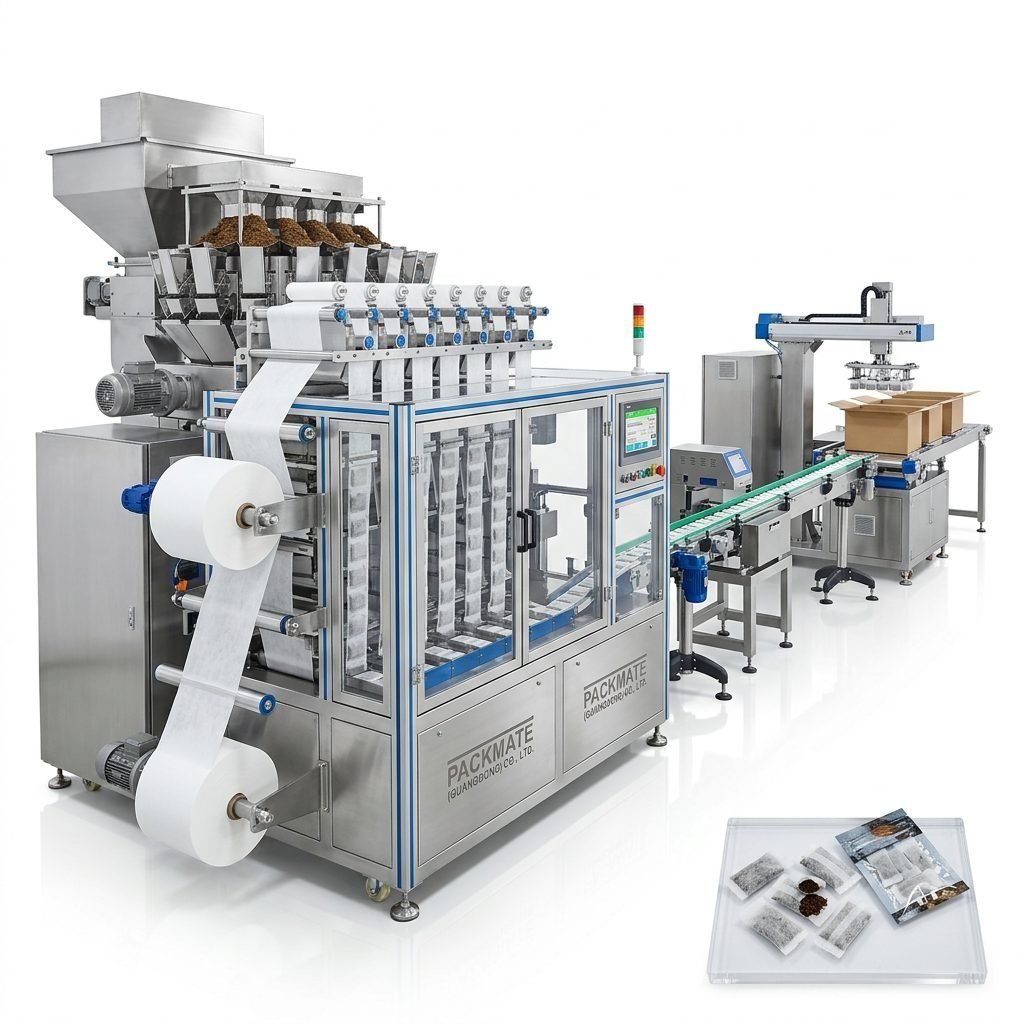
• Multi-Lane Pouch & Nicotine Pouch Lines: Designed for high-volume, multi-lane production of small-dose pouches. These systems combine high throughput with compact floor space and often integrate with precision feeding and packing modules.
ℹ️ For product examples and machine families, explore Packmate’s portfolio: Snus & Nicotine Packaging Machines and Sachet & Stick Pack Machines.
How to Match Machine Choice to Your Production Needs
Tailor your selection using objective metrics and scenario planning. Below are practical criteria and recommended actions.
1) Define target output and growth plan: Establish your current daily/weekly throughput and anticipated growth over 3–5 years. Choose a machine that covers current needs and offers modular upgrades for future capacity increases.
2) Evaluate SKU complexity: If you plan frequent SKU switches or multiple pouch formats, prioritize machines with rapid format change and stored recipes on HMI.
3) Assess product handling: Sticky, moist or electrostatic materials need special feeding systems, anti-static treatment, or vacuum handling. Clarify material behavior in advance to avoid costly retrofits.
4) Review regulatory & export requirements: Machines with CE and ISO compliance help simplify audits and international shipments. For export markets, confirm documentation and certification support.
5) Calculate total cost of ownership (TCO): Look beyond purchase price. Include spare parts, service contracts, consumables, energy consumption, and expected uptime. A higher initial investment in a proven system often pays off through lower operating costs and less product waste.
Automation & Integration Considerations
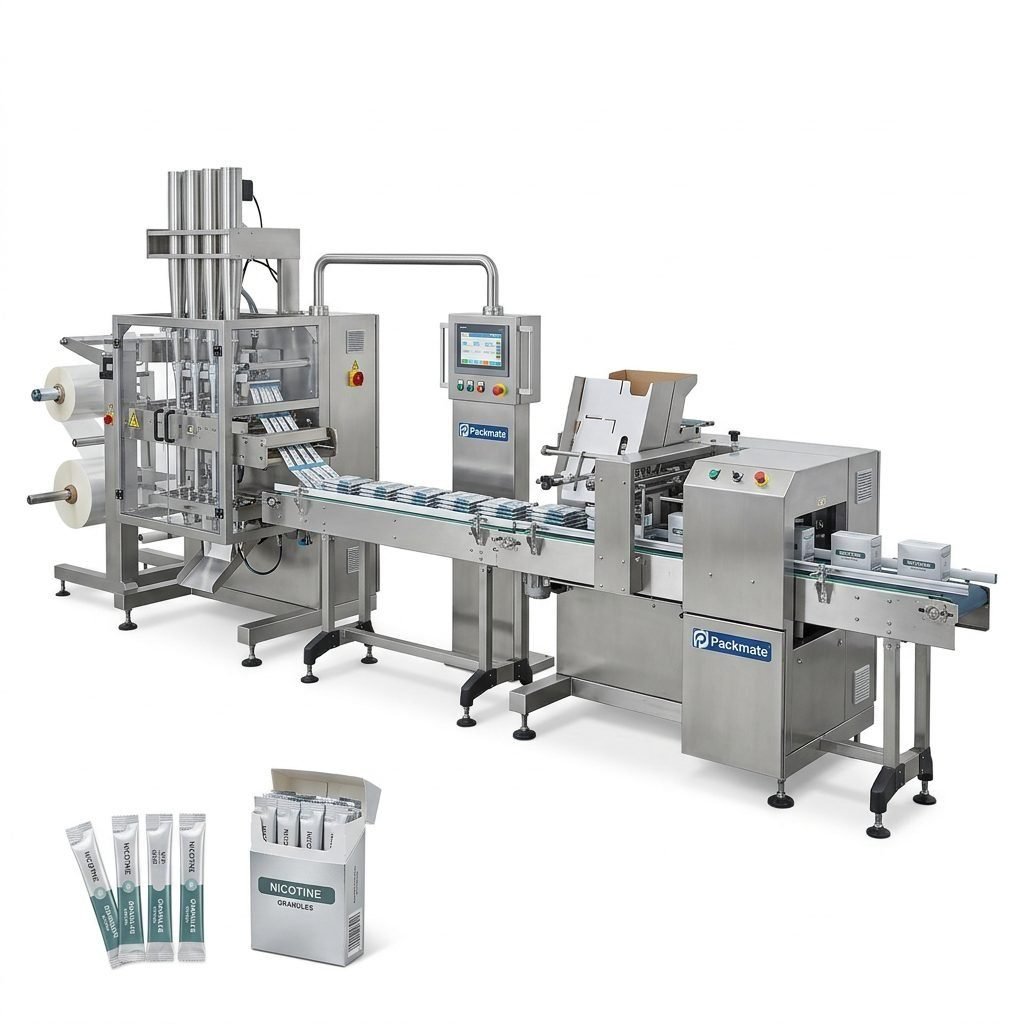
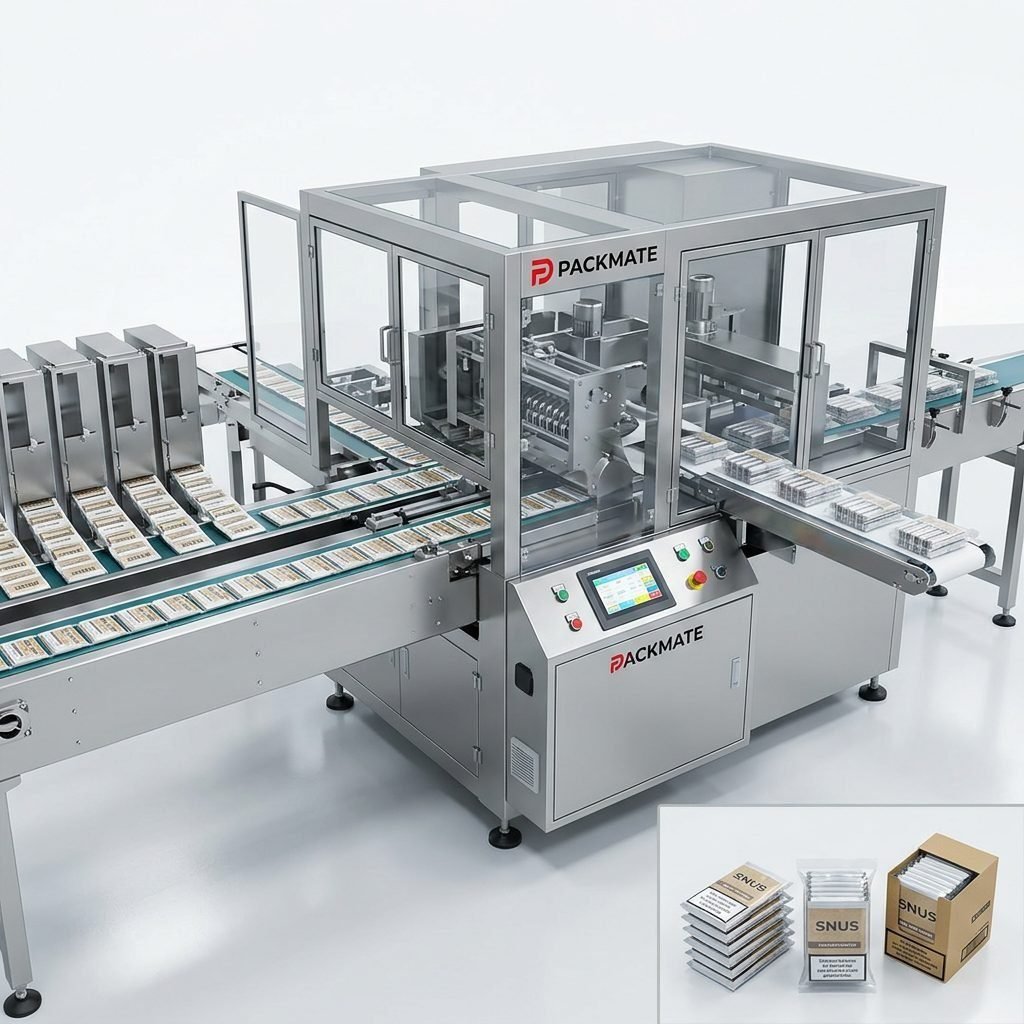
Fully automated lines can include upstream dosing/weighing, pouch forming, filling, sealing, date-coding, and downstream feeding to cartoners or case packers. Evaluate the level of PLC/HMI control, data logging, recipe management, and remote support capabilities.
▶ Remote diagnostics and predictive maintenance reduce downtime by allowing technicians to analyze machine status and anticipate component wear before failures occur.
▶ Plug-and-play interfaces simplify integration with third-party systems such as checkweighers, metal detectors, and case packers. If you need an end-to-end solution, review the supplier’s experience with integrated lines—see Packmate’s case studies for real-world implementations: Case.
Quality, Certifications & After-sales Support
Machine safety and quality certifications like CE and ISO indicate manufacturing practices and regulatory compliance. But the practical measure of reliability is service: response times, spare parts availability, training, and local support.
• Spare parts strategy: Confirm lead times for critical spares and whether the manufacturer stocks kits for wear items. A comprehensive spare parts package shortens downtime.
• Training & commissioning: Effective commissioning and operator training are essential. Insist on on-site support during start-up and documentation that includes preventive maintenance schedules.
• Global support footprint: If you operate internationally, choose a supplier with proven global service or authorized partners. Packmate’s global reach and exhibitions presence demonstrate their international support: Our Exhibition.
Tip: Request performance data, OEE metrics, and customer references for machines you evaluate. Real production numbers are far more telling than vendor promises.
Installation, Commissioning & Training
A smooth installation plan reduces risk. Ensure the supplier provides a detailed pre-install checklist that covers utilities, floor load, lift access, and operator space. Commissioning should validate throughput, dosing accuracy, and integrated controls using your actual product and packaging materials.
• Site acceptance testing (SAT): Formal SAT ensures the line meets agreed KPIs before final handover.
• Operator & maintenance training: Structured training for operators and technicians reduces reliance on remote support and helps shorten MTTR (mean time to repair).
Maintenance Best Practices
Preventive maintenance keeps your line reliable. Adopt a scheduled program that includes daily checks, weekly lubrication, monthly alignment verification, and annual comprehensive inspections. Use OEE tracking to spot trends and plan proactive interventions.
▶ Wear parts inventory: Maintain a small stock of belts, seals, sensors, and drive components tailored to your operation to prevent extended outages.
Cost & ROI Considerations
Evaluating ROI requires combining machine cost with operating metrics: throughput, waste rate, labor savings, and energy use. A slightly higher-capability machine that reduces product waste and downtime will often deliver a faster payback than a cheaper, lower-performing alternative.
• Estimate product giveaway improvements from better dosing accuracy.
• Calculate labor savings from automation and faster changeovers.
• Factor spare parts and service contracts into the TCO over a 5–7 year horizon.
Why Packmate Snus Machine is a Strong Candidate
Packmate brings 30+ years of engineering experience and a focused product line for snus and nicotine pouch production. Their 20,000㎡ manufacturing facility, advanced CNC centers, and precision assembly lines support high-quality machines and customizable turnkey solutions.
• Proven portfolio: Over 50 machine models including stick pack, sachet, and multi-lane systems suited to nicotine pouches and snus. See the full product categories here: Bag & Pouch Packaging Machines and Weighing & Packaging Systems.
• Global turnkey solutions: They provide integrated filling and packaging lines as well as auxiliary equipment—ideal if you want a cohesive production workflow. Explore their Filling & Packaging Lines and Auxiliary offerings for line-level integration.
✓ Experience: From early workshop R&D in 1993 to global supply today, Packmate’s history reflects continuous improvement and specialization in snus packaging technology.
Checklist Before You Buy
1. Confirm throughput and lane requirements with measured samples.
2. Request a FAT (Factory Acceptance Test) with your materials and packaging film.
3. Verify spare parts lead times and local service arrangements.
4. Ask for documented case studies or references in your market.
5. Confirm certifications and compliance documentation for your destination markets.
Final Recommendations
Choose a machine that balances speed and precision, supports your product materials, and comes from a supplier with solid commissioning and after-sales capabilities. Prioritize modularity and data-enabled controls to future-proof your line. If you need an end-to-end solution, partner with suppliers who can integrate upstream weighing and downstream case packing for a seamless production flow.
▶ Next step: Schedule a site visit or a demo with the manufacturer. Witnessing a machine run your product is the most reliable way to validate claims and predict real-world performance.
Common Questions
Q1: How do I determine the right lane configuration for my snus pouch product?
A1: Estimate your target output in pouches per minute and match it to machine lane capacity. Multi-lane systems multiply single-lane throughput; select a lane count that meets current demand with headroom for growth. Consider floor space and material handling complexity when deciding between more lanes or faster single-lane systems.
Q2: What certifications should a snus packaging machine have for international markets?
A2: CE and ISO certifications are common baselines for safety and quality. For exports, confirm any market-specific documentation or testing required by the destination country. Also verify hygienic design standards and materials traceability if required by regulators.
Q3: How important is factory acceptance testing (FAT)?
A3: FAT is critical. It validates performance with your actual materials and ensures the machine meets agreed KPIs before shipment. A thorough FAT reduces installation time and avoids costly adjustments after arrival.
Q4: What support should I expect after machine delivery?
A4: Expect commissioning support, operator and maintenance training, spare parts guidance, and responsive remote diagnostics. A formal service agreement covering response times and spare parts availability provides predictable uptime.
Q5: Where can I learn more about Packmate’s solutions and request a quote?
A5: Review Packmate’s product pages and company information, request catalogs, or contact the team directly for personalized proposals: About Packmate and Contact Us.