In the fast-evolving snus and nicotine pouch market, choosing the right packaging equipment supplier is as important as product formulation. The right partner can reduce downtime, optimize material use, and help you scale production with consistent quality. This guide walks you through practical selection criteria, technical considerations, and service expectations when sourcing snus packing machines — drawing on industry best practices and real-world strengths from experienced manufacturers.
Overview: Why equipment choice matters
Packaging for snus and nicotine pouches demands precision, hygiene, and repeatable performance. Machines must handle small-dose pouches, multiple lanes, and delicate materials without compromising speed or accuracy. A well-engineered machine line not only protects product integrity but also reduces material waste and increases throughput — directly impacting profitability and regulatory compliance.
Core machine types you should evaluate
When assessing suppliers, ensure they offer the suitable equipment types for your product format:
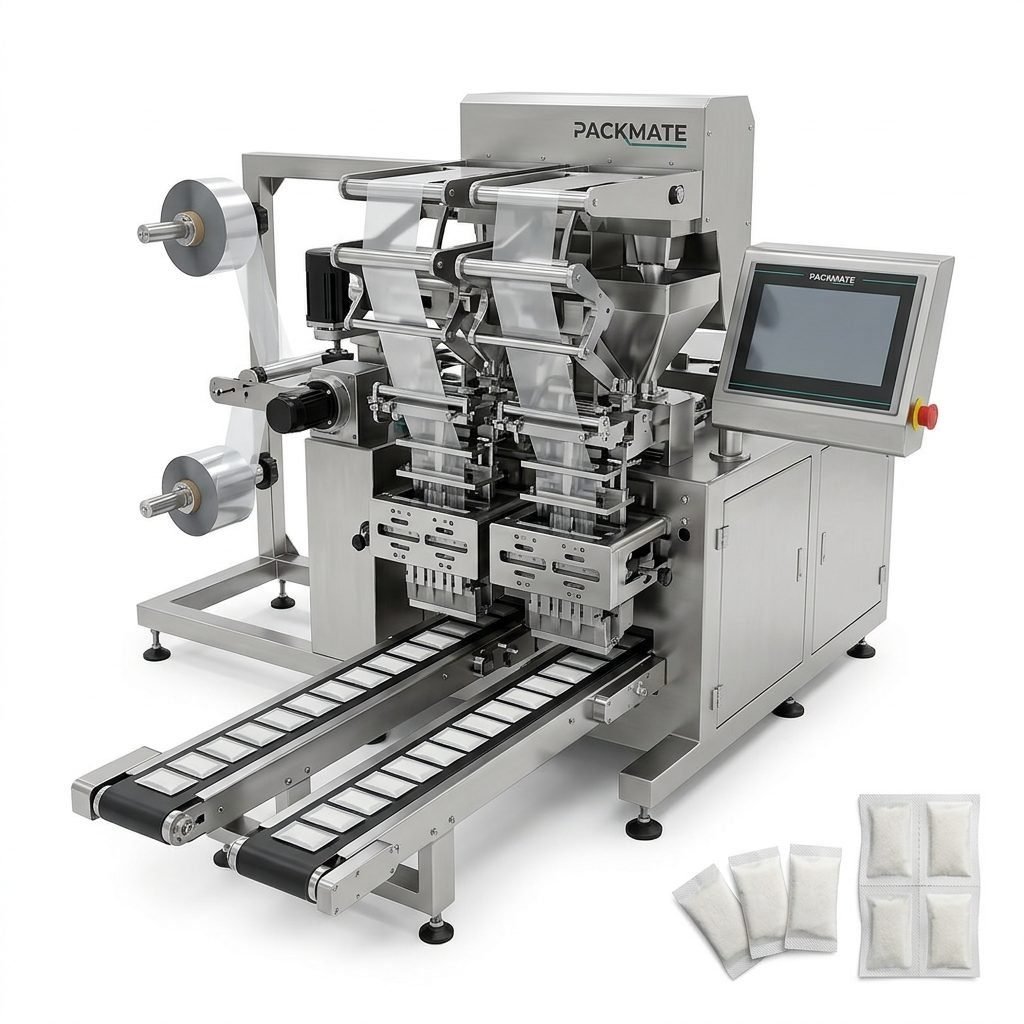
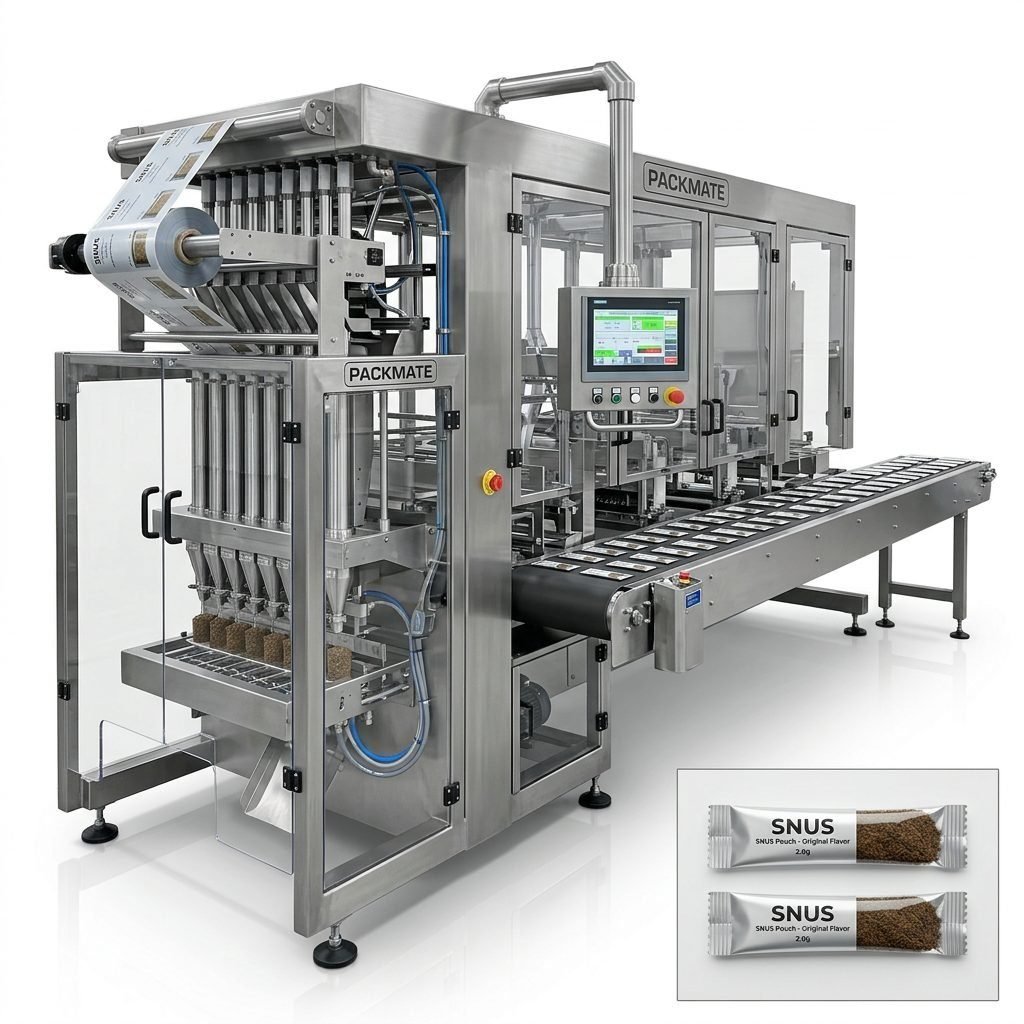
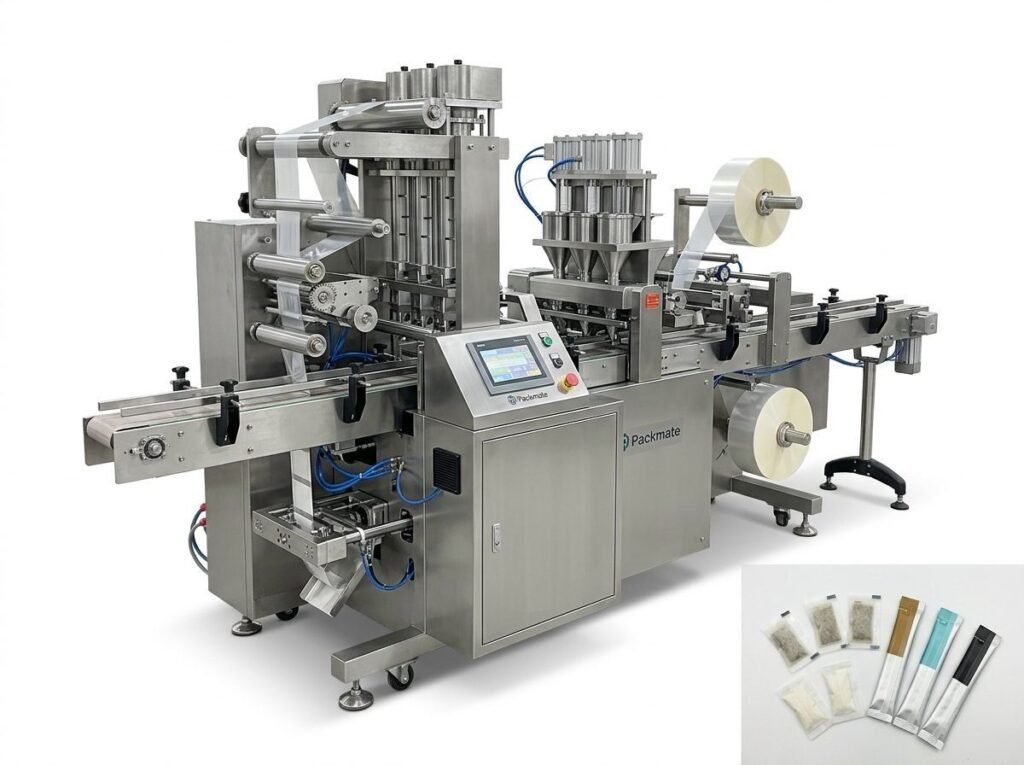
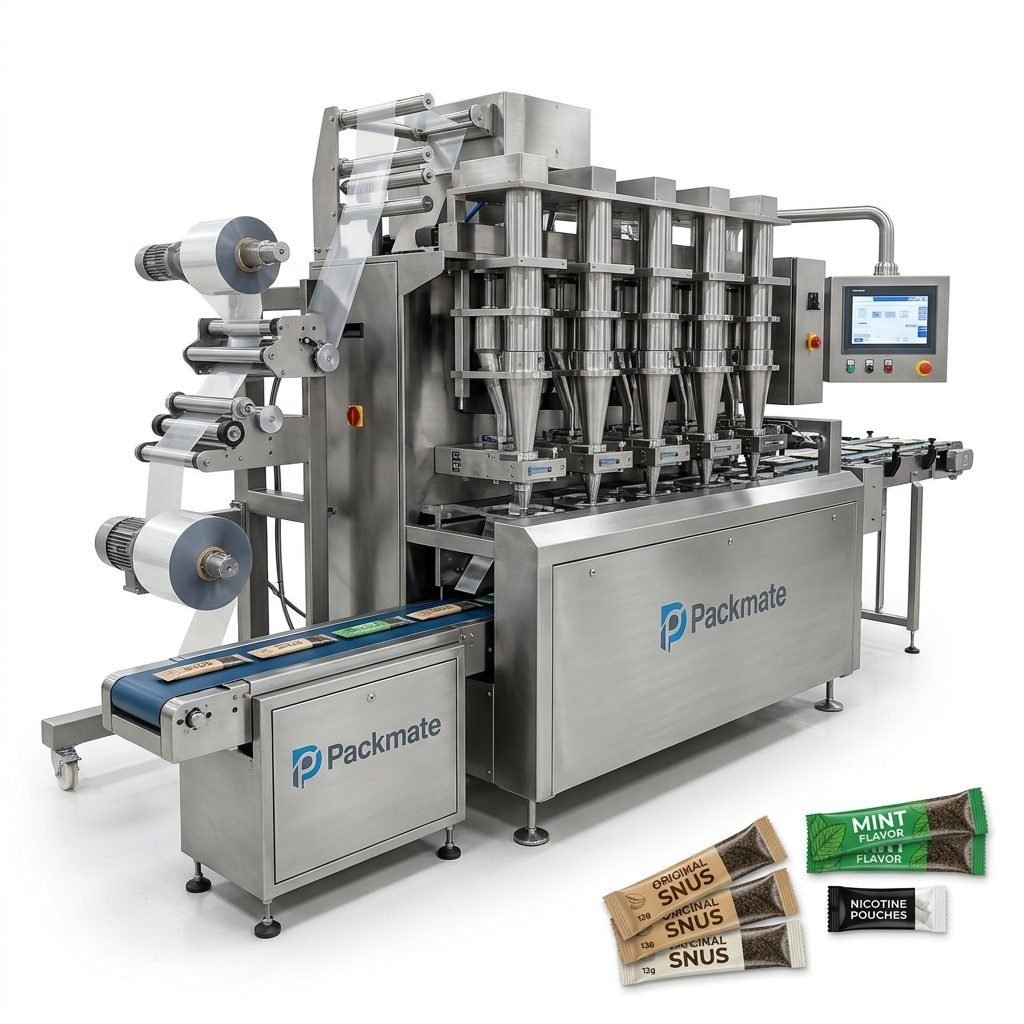
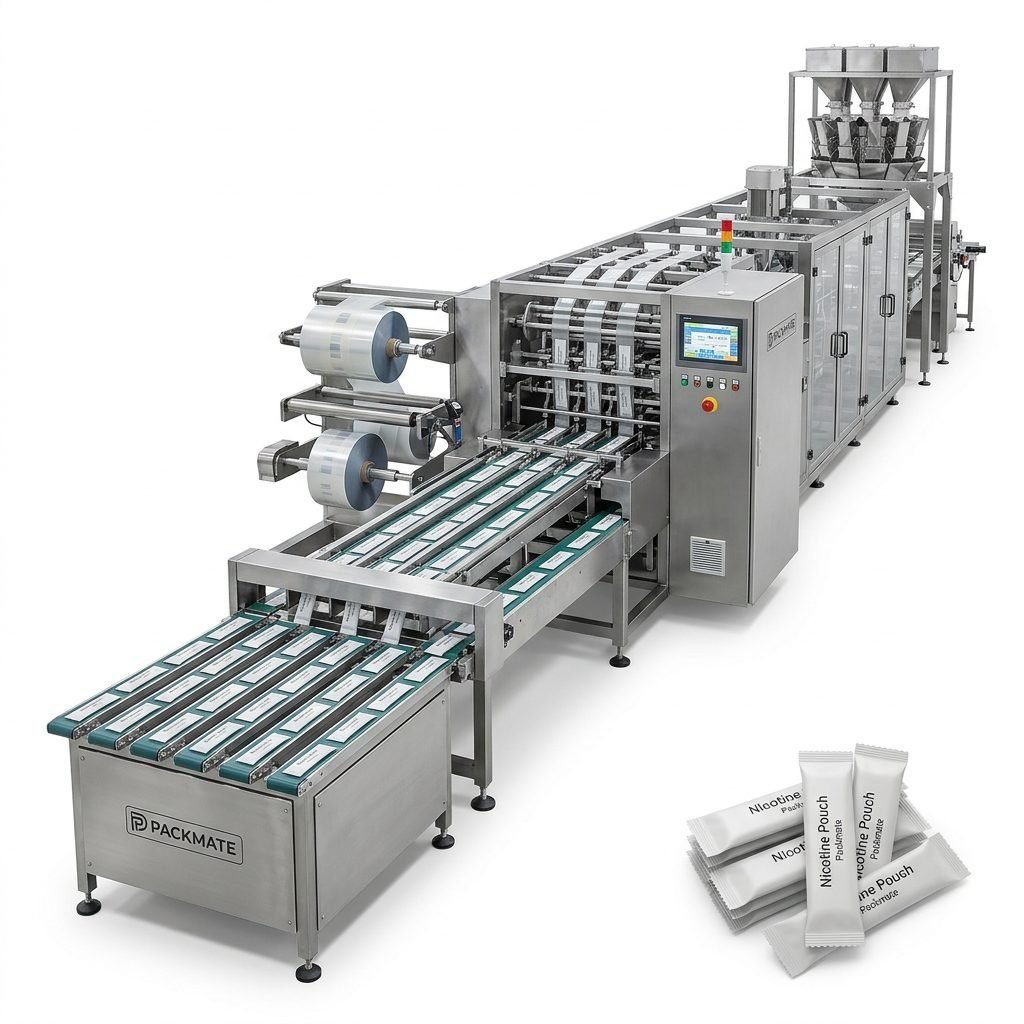
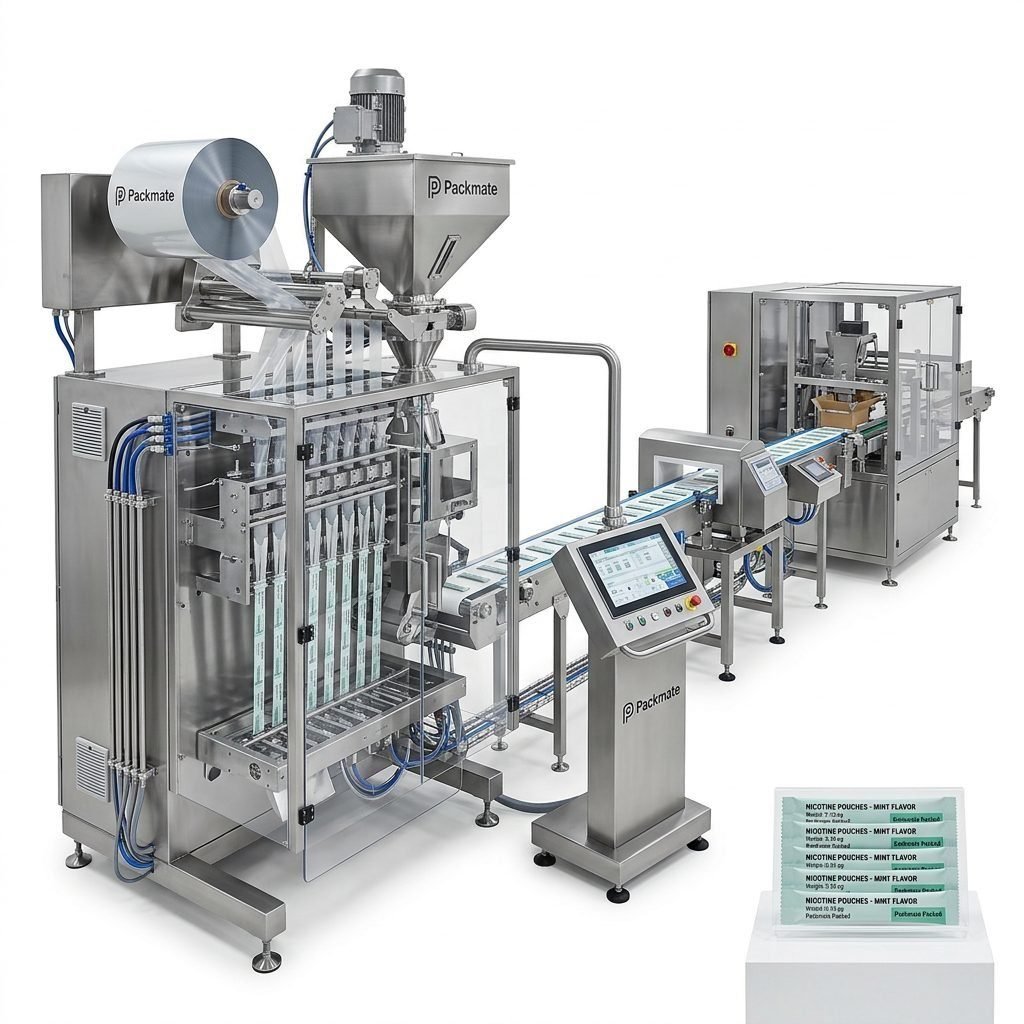
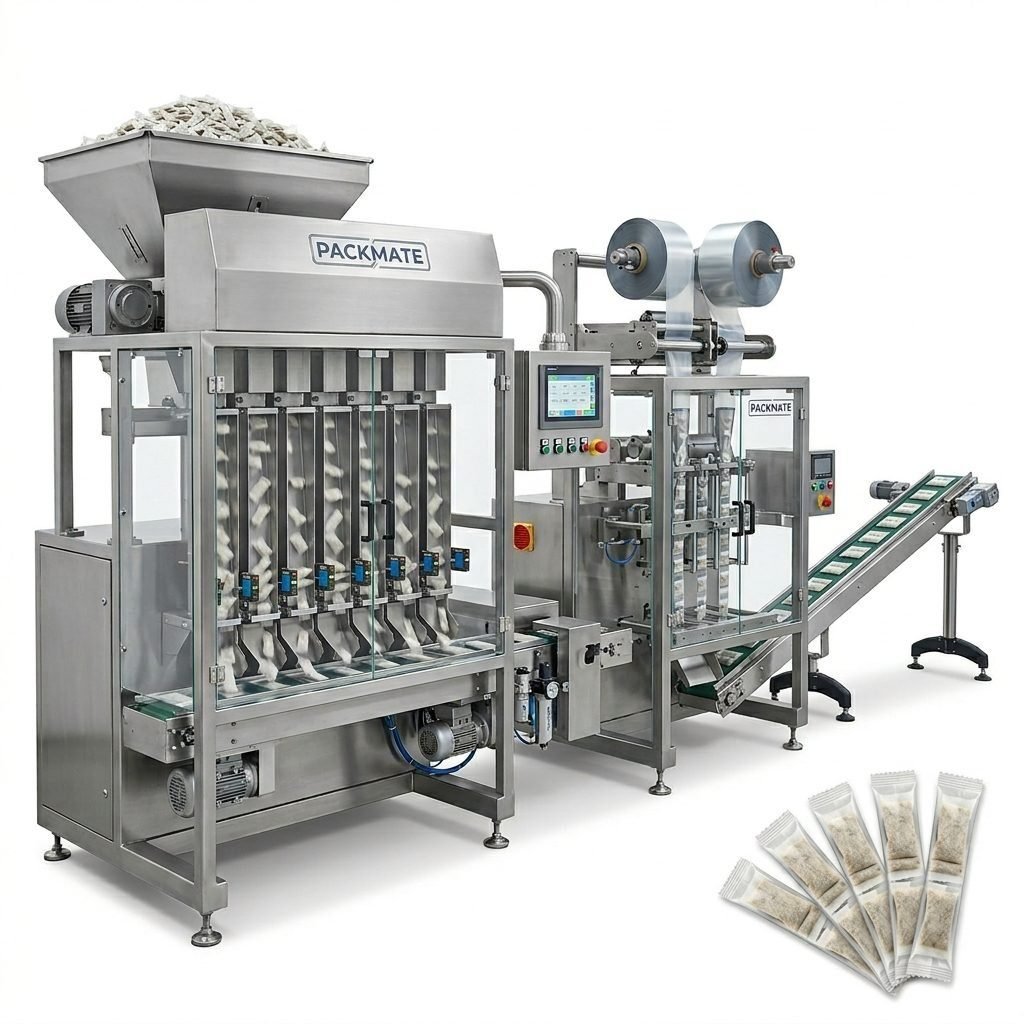
🔹 Multi-lane stick pack and sachet machines — ideal for producing large volumes of small-dose pouches across multiple lanes for higher throughput. Explore examples of professional solutions like Snus & Nicotine Packaging Machines.
🔹 Sachet & stick pack systems — best suited for precise portioning of powders, granules, or moist blends. Suppliers with broad product portfolios typically provide Sachet & Stick Pack Machines.
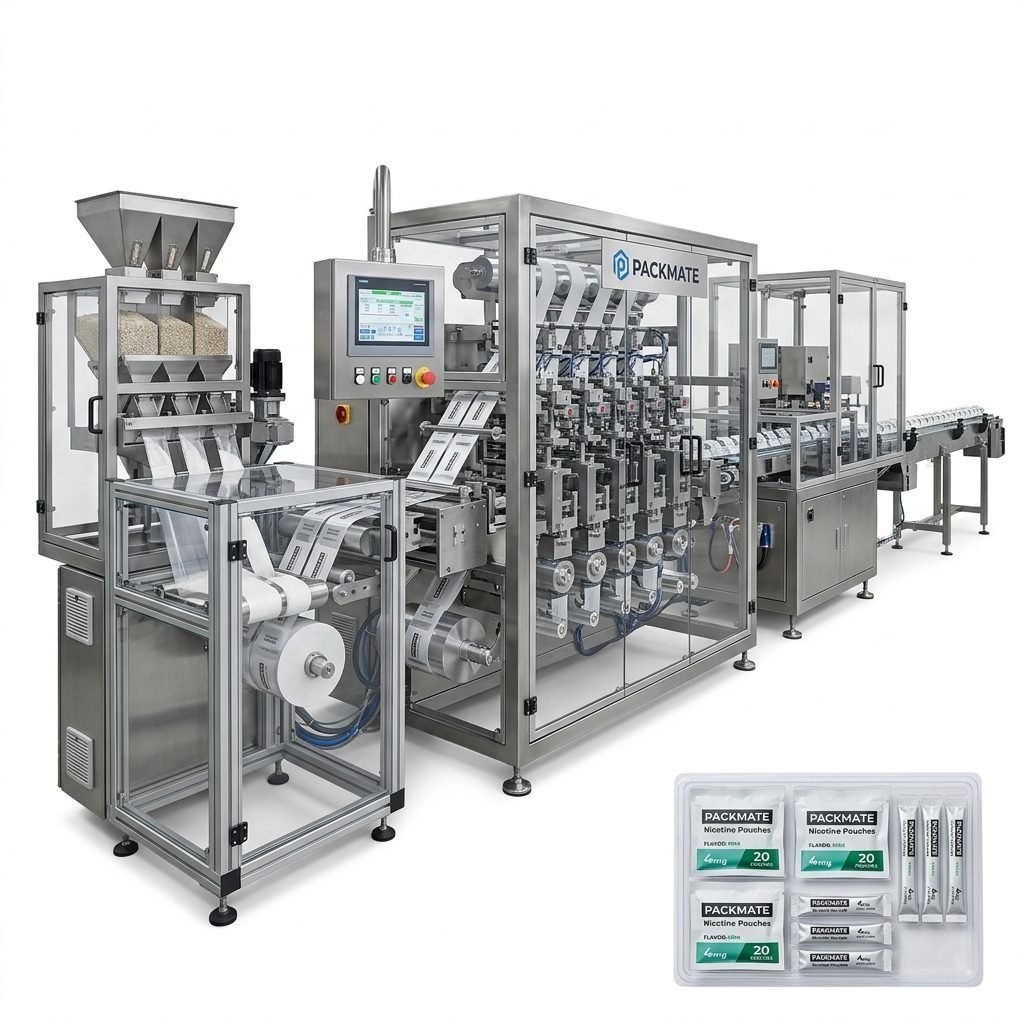
🔹 Filling & packaging lines — integrated lines that combine weighing, dosing, sealing and secondary packaging deliver consistent end-to-end automation. Check turnkey examples under Filling & Packaging Lines.
📌 Tip: Ask prospective suppliers for live production videos or plant acceptance tests. Seeing machines run with your product or a close analogue is one of the most reliable ways to validate performance.
Manufacturer capabilities and factory strength
A supplier’s manufacturing capacity and engineering depth are decisive factors. Look for:
⚙️ Workshop scale & machining capabilities: A modern factory with CNC machining centers and precision assembly lines ensures parts consistency and machine longevity. For example, established manufacturers operate large facilities (e.g., 20,000㎡) with advanced assembly and testing systems.
⚙️ Model variety & customization: Suppliers offering 50+ models or modular platforms can more readily match your packaging format and speed targets. Custom tooling and software adaptations are often necessary for unique pouch sizes or materials.
⚙️ Turnkey solutions: If you plan to automate filling, weighing, sealing, and secondary packaging, select a partner experienced in delivering full lines. See references for integrated systems at Weighing & Packaging Systems.
Design and technical criteria to compare
Evaluate machines across these technical dimensions — each impacts uptime, maintenance, and final product quality:
🔧 Precision dosing: Accuracy in small-dose pouches is non-negotiable. Investigate dosing repeatability and tolerance data from the supplier.
🔧 Film handling & sealing quality: Proper film tension control, high-quality seal bars, and temperature control systems prevent leaks and guarantee seal integrity.
🔧 Multi-lane synchronization: For high-capacity lines, synchronization across lanes must be precise to avoid jams and product mismatch.
🔧 Control systems & HMI: Modern PLCs, intuitive HMIs, recipe management, and data logging simplify changeovers and regulatory traceability.
🔧 Hygienic & maintainable design: Stainless-steel contact parts, easy-to-clean layouts, and quick-change tooling reduce contamination risk and cleaning time.
✅ Performance proof: Request OEE (overall equipment effectiveness) metrics from existing installations and ask for references or case studies that demonstrate consistent uptime under production conditions.
See real-world implementations at Case.
Certifications, compliance and quality assurance
Regulatory and quality credentials confirm a supplier’s commitment to safe, reliable equipment:
🔒 CE and ISO compliance: International certificates demonstrate compliance with safety and manufacturing standards. Suppliers commonly publish certificates for customer review — for example, check supplier documentation or their Certificate page.
🔒 Factory testing & FAT (Factory Acceptance Test): A documented FAT lets you witness machine performance, sealing integrity, and speed using your product or representative samples before shipment.
After-sales service, spare parts and training
Equipment uptime depends heavily on the supplier’s service network and spare parts availability:
🛠️ Timely spare parts supply: Verify typical lead times for critical components and whether the supplier stocks wear parts locally or ships quickly from factory.
🛠️ Remote support & commissioning: Remote diagnostics, video troubleshooting, and on-site commissioning shorten time-to-production. Ask about training programs for operators and maintenance staff.
🛠️ Service agreements: Consider extended warranty options and preventive maintenance contracts. Reliable after-sales service is as valuable as initial equipment cost — view supplier service commitments at Service.
Customization, modularity and future-proofing
The best suppliers design modular machines that adapt as your product line expands:
🔁 Tooling flexibility: Quick-change forming and sealing tools reduce downtime for format changes between different pouch sizes.
🔁 Software & recipe management: Ability to save and recall settings for multiple SKUs speeds up production planning and ensures repeatability.
🔁 Upgradability: Choose platforms where additional lanes, labeling modules, or inline inspection cameras can be integrated as demand grows.
Commercial factors and ROI calculation
Price is only one component of total cost of ownership. When comparing quotes, evaluate:
💰 Initial cost vs long-term value: Lower upfront cost might mean higher maintenance or lower uptime; request life-cycle cost estimates and spare parts pricing.
💰 Throughput and labor savings: Faster machine speeds and higher automation often reduce labor needs and per-unit costs — calculate breakeven time and ROI.
💰 Consumables & film saving: Efficient film usage and less scrap directly reduce operating expenditures.
📈 Checklist for ROI: ask for sample calculations showing expected throughput, mean time between failures (MTBF), and estimated annual operating costs to compare vendors objectively.
Legal, market and compliance considerations
Snus and nicotine pouches face differing regulatory environments around the world. Confirm your supplier understands labeling, packaging, and safety requirements for each target market:
⚖️ Regulatory labeling: Machines that integrate labelers, date/lot coders, and serialization support compliance and traceability.
⚖️ Materials & child-resistant options: If regulations require child-resistant packaging, ensure the supplier can supply appropriate pouch formats and secondary packaging modules.
⚖️ Market-specific expertise: Suppliers with global customers typically understand export requirements and can help optimize pack formats for shelf presentation and transport durability.
How to validate a supplier before purchase
Before committing capital, perform a structured validation:
1) Request detailed specifications and references — including production data from similar installations.
2) Conduct a Factory Acceptance Test (FAT) — witness machine performance using your product or representative material.
3) Assess documentation & spare parts cataloging — clear machine manuals, wiring diagrams, and parts lists expedite future maintenance.
4) Confirm training and commissioning plans — on-site training for operators and maintenance engineers reduces startup risk.
Why choose an experienced supplier like Packmate
Experienced suppliers combine years of engineering refinement with proven production cases. A supplier with a long development timeline and a wide model range brings clear advantages: robust machine design, mature multi-lane solutions for small-dose pouches, and a global service footprint. For background information and company credentials, you can review the manufacturer’s profile at About Packmate.
🔎 Quick vendor scorecard: production capacity, customization options, certifications, warranty & spare parts, references — score each vendor and prioritize the highest scorers for FAT visits.
Final selection tips and negotiation points
When negotiating, clarify delivery timelines, scope of supply (including tooling, spare parts, and consumables), warranty terms, and payment milestones. Ask for a phased payment plan tied to FAT completion and satisfactory on-site commissioning. Also discuss long-term support agreements and options for future upgrades as your product range expands.
If you need complete line integration — from dosing to primary pouch production and secondary case packing — verify the supplier’s turnkey experience and ask to review catalog references: Catalog.
Next steps for procurement teams
Start by listing product SKUs, target speeds, and desired automation level. Solicit detailed quotes from multiple vendors and request FAT demonstrations with your product or close analogues. Prioritize suppliers with clear spare parts strategies and robust global after-sales service — and schedule visits to see equipment in operation when possible.
To contact the supplier for technical consultation or factory visits, use their official contact channels to arrange site visits or virtual demonstrations: Contact Us.
Closing summary
Choosing the right snus packaging equipment supplier requires balancing technical capabilities, factory strength, compliance, and service reliability. Prioritize vendors that offer proven multi-lane solutions, extensive testing, and strong after-sales support. With thoughtful evaluation and validation, your equipment investment will deliver consistent quality, scalable throughput, and predictable total cost of ownership.
Frequently Asked Questions
Q1: How long does it take to receive and commission a snus packing line? Typical lead times vary by customization and capacity; standard lines often ship within 12–20 weeks after order, plus 1–4 weeks for on-site commissioning depending on logistics and installation scope.
Q2: Can machines handle different pouch sizes and materials? Most modern systems provide modular tooling and recipe-driven controls to handle multiple pouch formats; confirm quick-change tooling availability and whether trial runs are included in FAT.
Q3: What certifications should I expect from reputable suppliers? At minimum, expect CE and ISO certifications for quality and safety. Suppliers should provide test records, FAT documentation, and sample traceability procedures.
Q4: How is spare parts support typically structured? Reliable suppliers keep critical wear parts in stock and provide clear parts numbering and ordering processes. Consider suppliers that offer express shipping options and local stocking partners.
Q5: Where can I see real machines in operation? Ask suppliers for case studies, factory demos, or exhibition schedules — many showcase machinery at international shows and publish production videos on their Our Exhibition page.