Choosing a Nicotine Pouch Line Supplier: What Matters Most
The global nicotine pouch market demands precision, consistency, and reliable production lines. Selecting the right manufacturer for your snus or nicotine pouch production line is a strategic decision that affects product quality, regulatory compliance, operational uptime, and long-term profitability. This guide walks you through practical criteria, technical considerations, and vendor-evaluation tips so you can choose a supplier that meets both immediate production needs and future growth plans.
Why a Specialist Snus Packaging Manufacturer Matters
✓ Industry expertise: A specialist understands the unique requirements of nicotine pouches — small dose accuracy, powder handling, moisture control, and packaging formats.
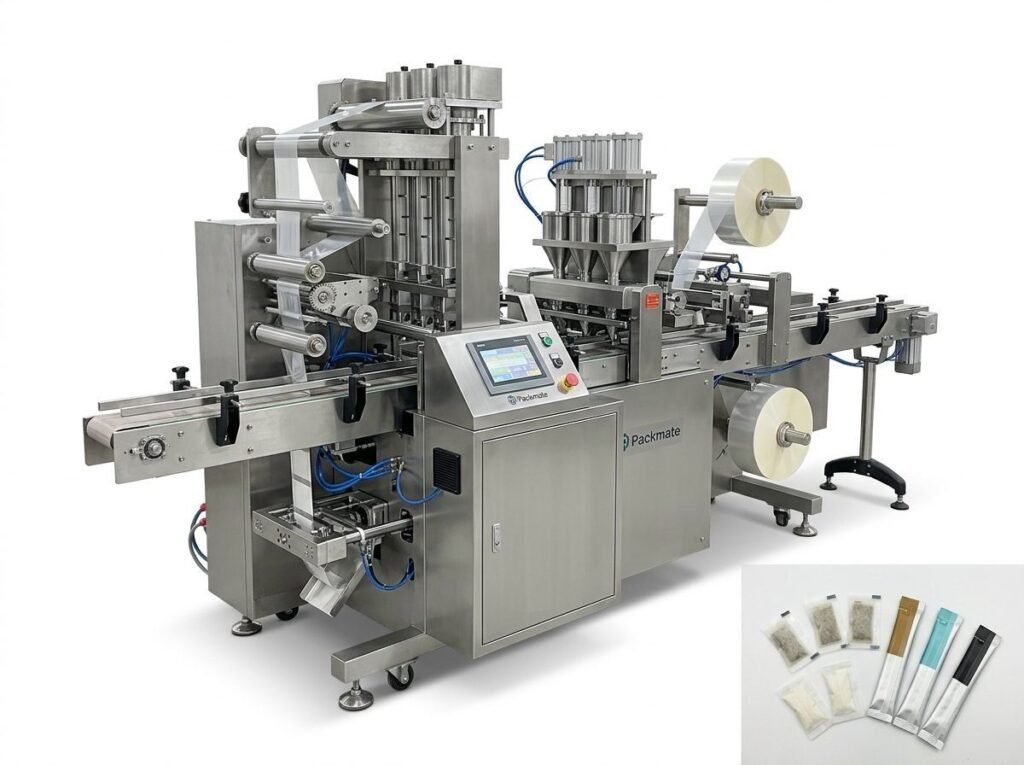
✓ Proven line designs: Specialists offer optimized solutions such as multi-lane snus lines, stick packs, sachets, and pouch formats tailored to snus and nicotine pouch production.
✓ Compliance and support: They are more likely to provide CE/ISO certified equipment, validation documents, spare parts plans, and global after-sales support — essential for regulated markets.
Top Selection Criteria for a Nicotine Pouch Line Supplier
🔧 Experience & Track Record: Look for suppliers with decades in packaging engineering and successful snus line deployments. A long history indicates mature designs and continuous improvement.
📈 Production Capacity & Scalability: Confirm that the supplier can provide single-lane to high-speed multi-lane lines and has modular designs to scale capacity as demand grows.
🛠️ After-sales Service & Spare Parts: Fast access to spare parts, remote diagnostics, and trained service technicians ensures minimal downtime and predictable OEE.
Detailed Considerations
Technical fit: Evaluate the supplier’s machine portfolio to ensure they support the formats and materials you plan to use — pouches, soluble films, cellulose-based wraps, or sealed sachets. Check dosing tolerances, filling accuracy, and sealing options.
Hygiene and contamination control: Powder and tobacco derivatives require hygienic design, easy-clean surfaces, and protection against cross-contamination. Look for stainless steel contact parts and CIP-friendly layouts.
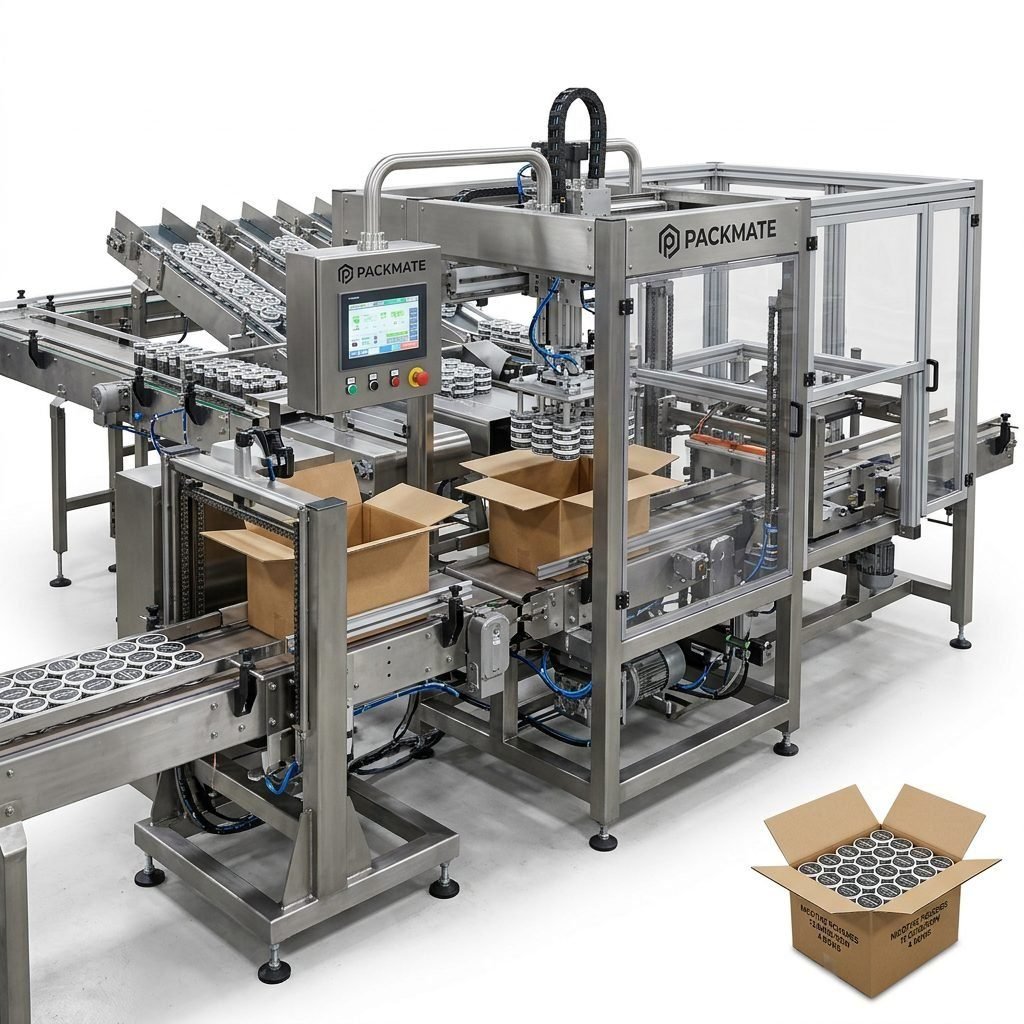
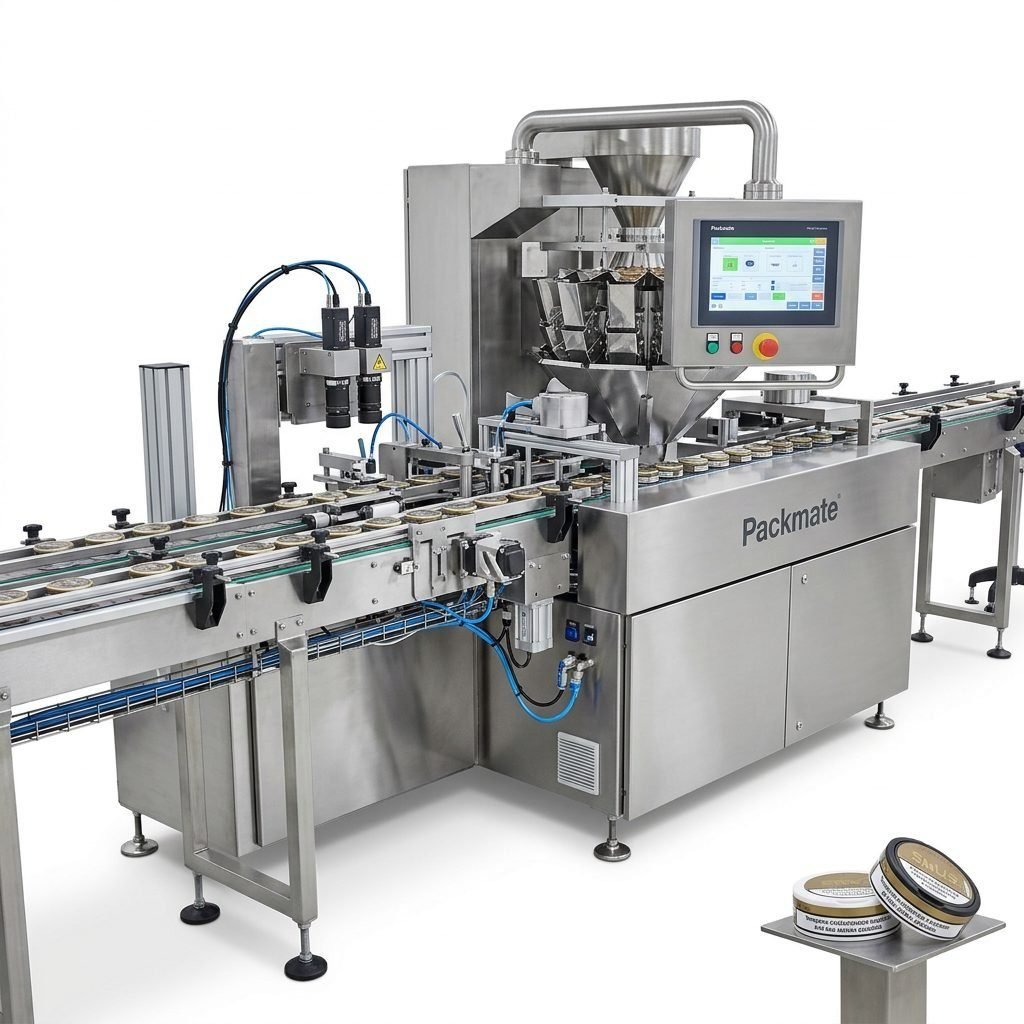
Automation & integration: Modern lines integrate weighing, filling, sealing, cartoning, and case packing. Confirm whether the supplier provides turnkey solutions or supports integration with third-party weighing and downstream equipment.
Machine Types & Line Configurations
Packaging lines for nicotine pouches commonly include several configurations:
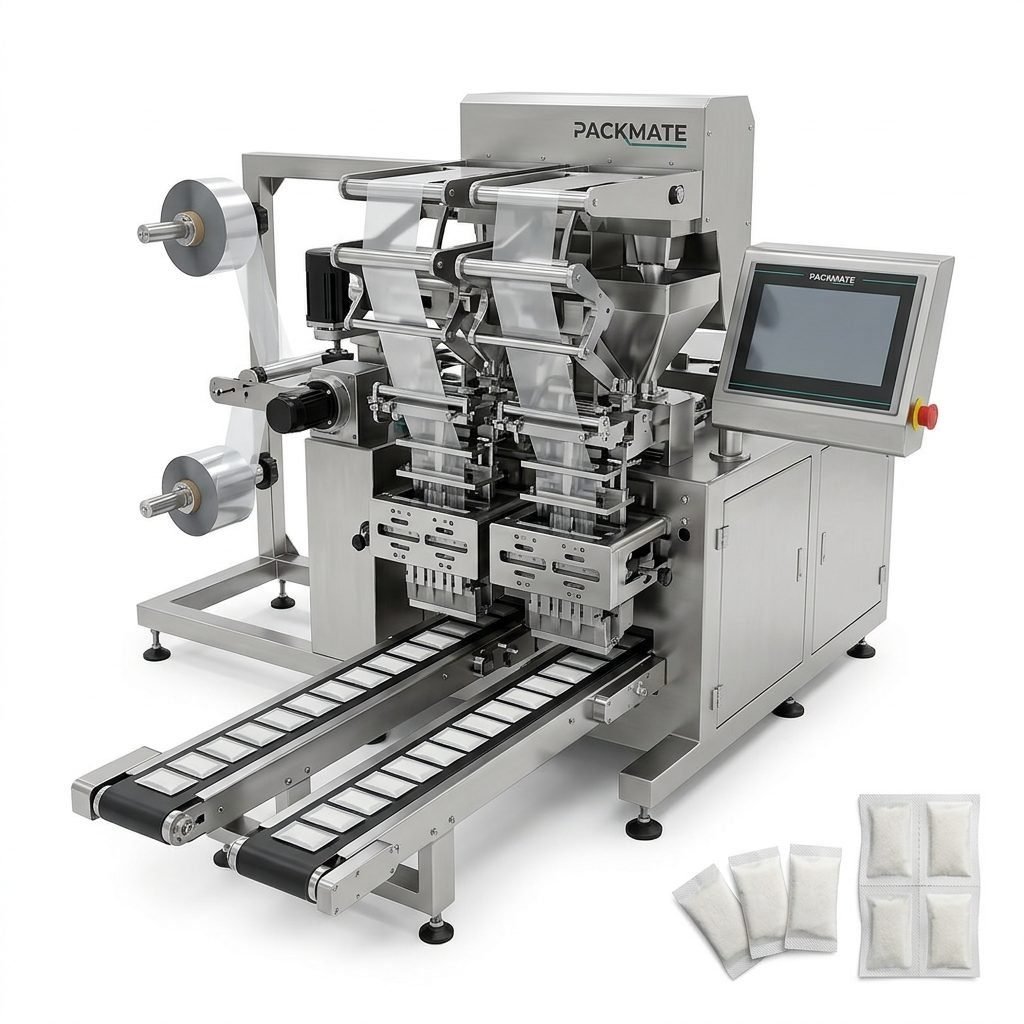
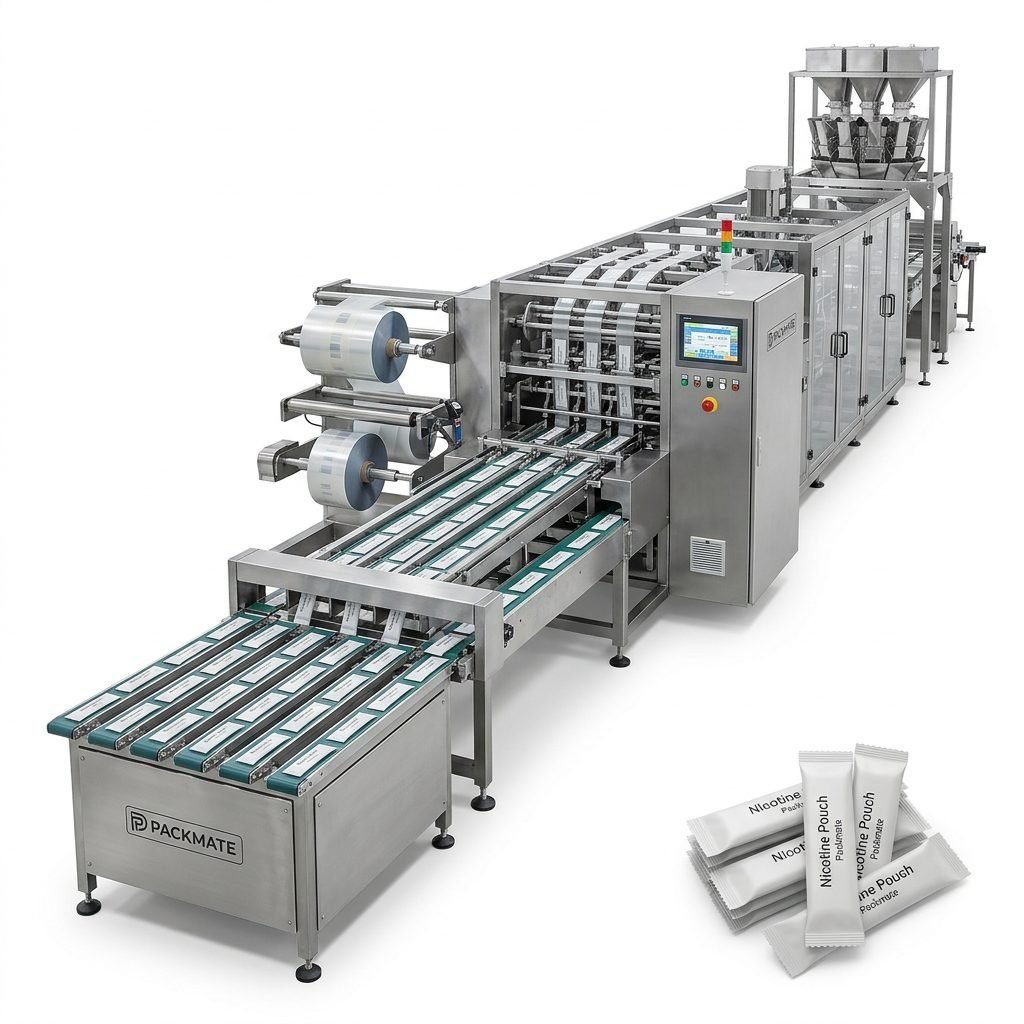
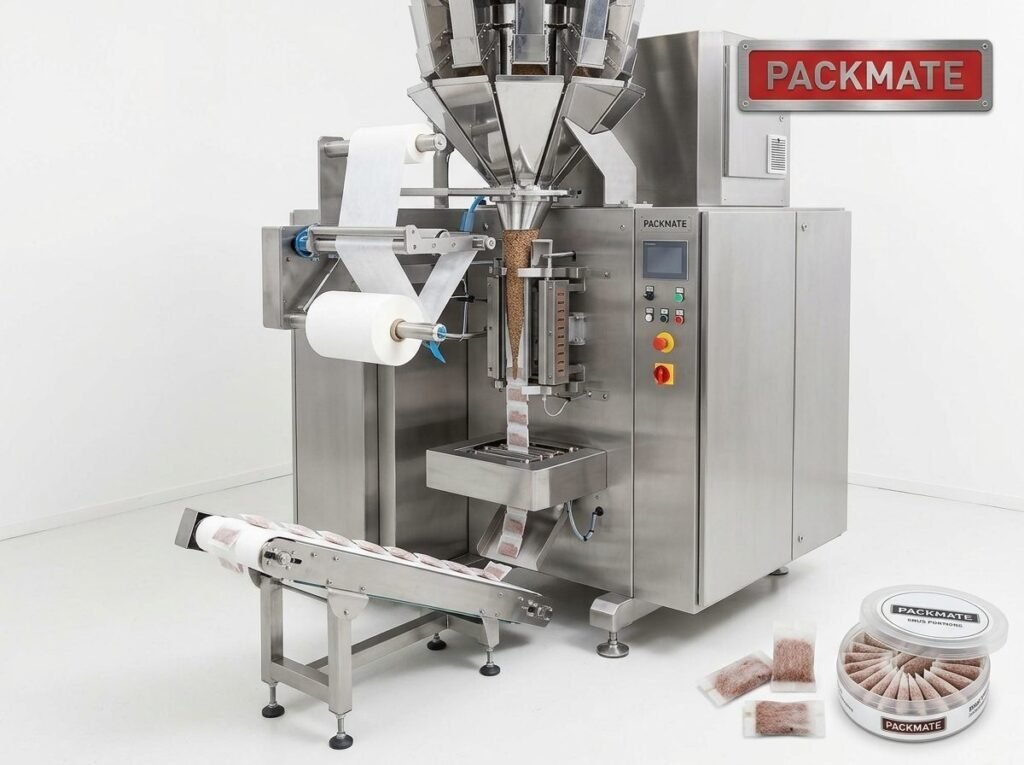
⚙️ Single-lane or multi-lane pouch forming machines for high-throughput small-dose pouches.
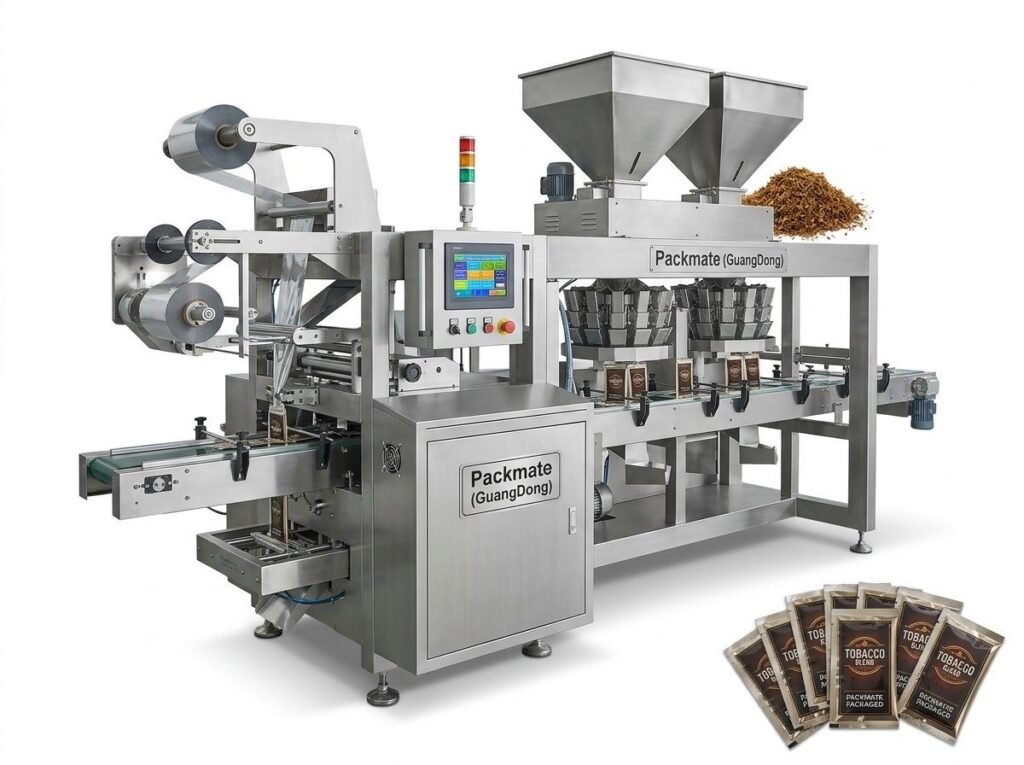
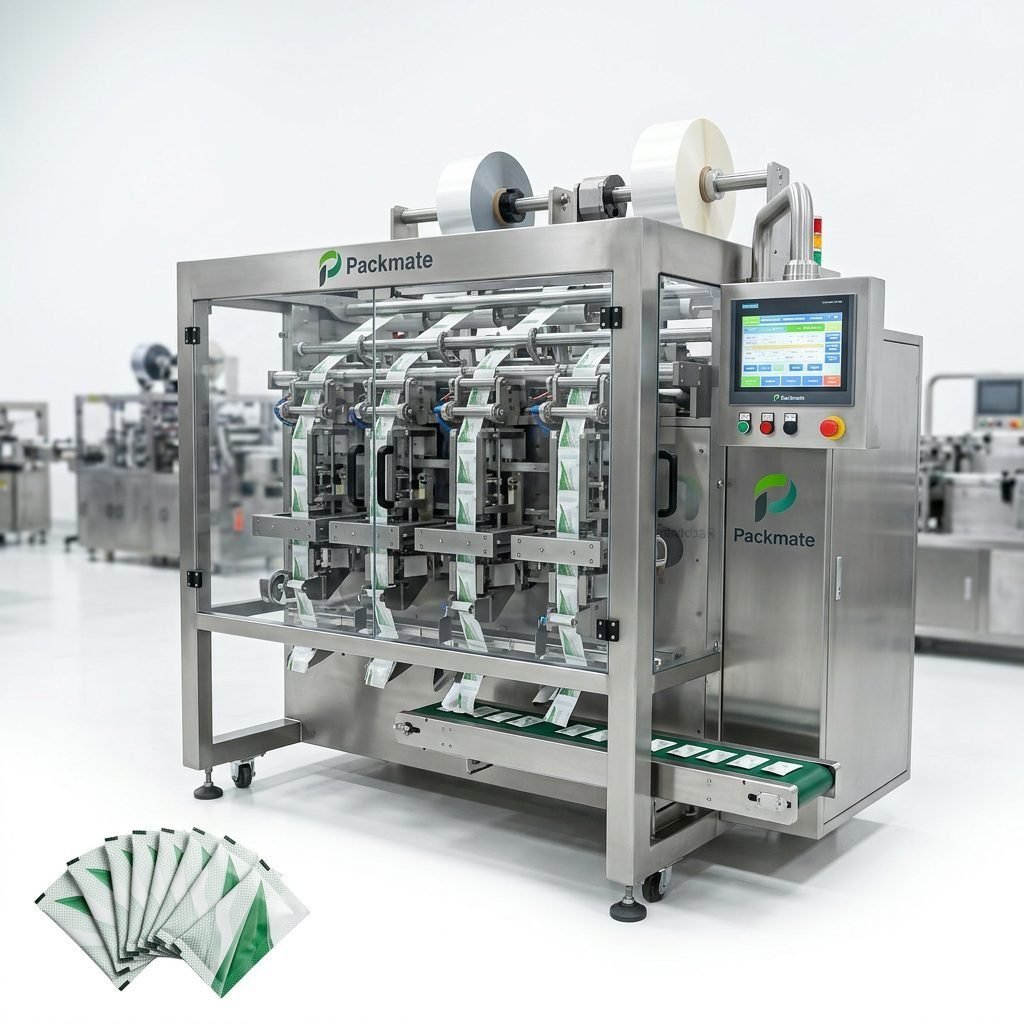
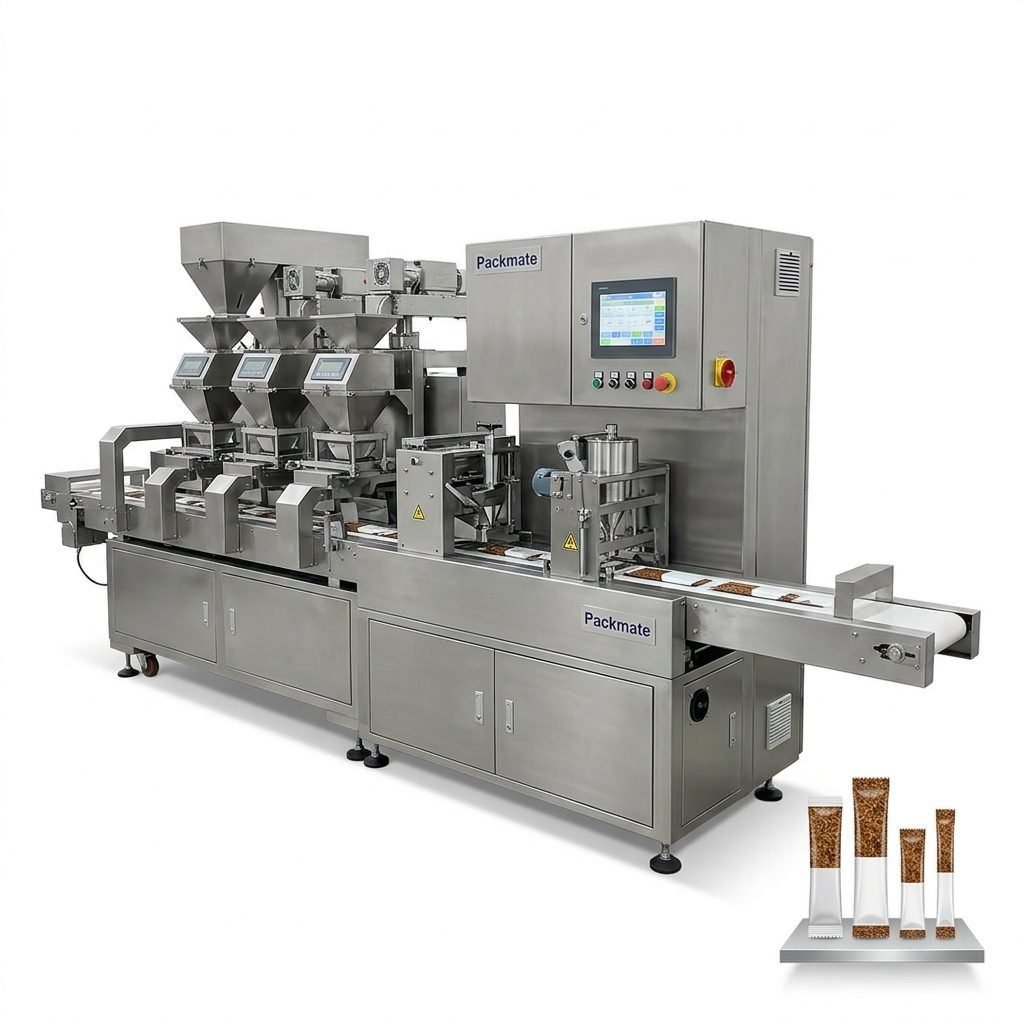
📦 Stick pack and sachet machines for flexible single-serve formats.
🧾 Cartoning, secondary packaging and case packing integrated into a continuous production flow to reduce manual handling and improve hygiene.
Tip: If you plan to produce multiple formats, choose a supplier that offers quick-change tooling and modular modules to switch between pouch types with minimal downtime.
Production Capacity, Accuracy & Throughput
Evaluate machines by three related metrics: speed (pouches/min), dosing accuracy (mg tolerance), and overall yield (percentage of good packs). A supplier should provide performance validation and references demonstrating these metrics under real-world conditions.
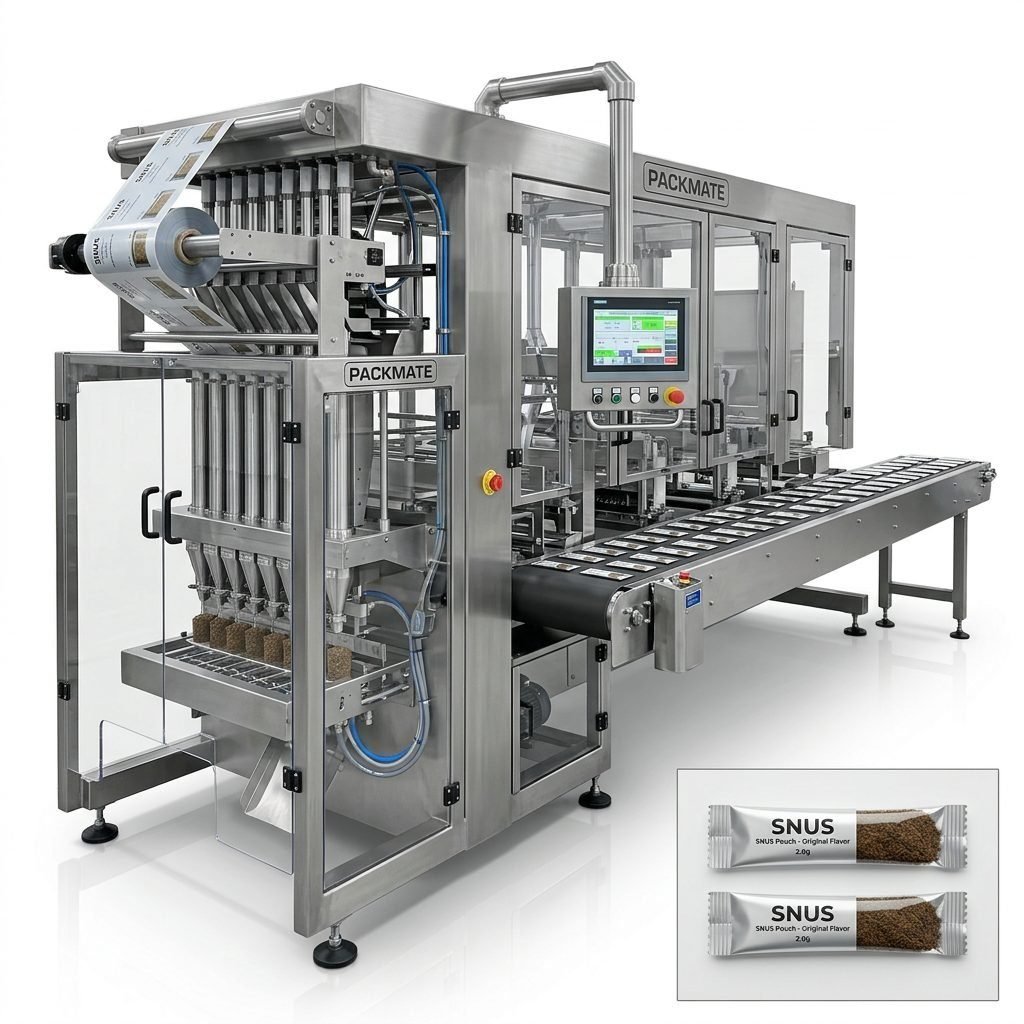
Multi-lane systems are popular for nicotine pouches because they increase throughput without proportionally increasing machine footprint. Confirm synchronization, servo control, and lane balancing capabilities.
Quality, Certifications & Compliance
Certifications such as CE and ISO demonstrate baseline compliance with international standards. For nicotine pouch production, also evaluate documentation for material traceability, electrical safety, and hygienic design. A strong supplier provides inspection reports, FAT (Factory Acceptance Test) protocols, and IQ/OQ templates for commissioning.
For proven solutions, review customer cases and machine galleries. See typical machine lines and application examples on the supplier’s product pages, such as their Snus & Nicotine Packaging Machines.
Explore Snus & Nicotine Packaging Machines
Customization, R&D & Turnkey Solutions
Decide early whether you need a standard on-site machine or a fully customized turnkey line. Customization options commonly include special material feeds, automated dosing for novel formulations, integrated weighing, and custom packaging artwork handling. A supplier with in-house engineering, CNC capabilities, and decades of R&D is better positioned to tailor solutions and iterate designs rapidly.
Packmate’s facility and product range, for example, illustrate how a manufacturer with a 20,000㎡ factory and advanced CNC centers supports both standard models and tailored turnkey projects. Learn more About Packmate for company background and manufacturing capabilities.
Service, Training & Spare Parts Strategy
A reliable supplier provides:
• Installation and commissioning teams with documented protocols.
• Operator and maintenance training onsite or via remote sessions.
• Spare parts kits for critical wear items, and clear lead-time commitments for replacements.
🔔 Important: Ask for recommended spares lists and MTTR (mean time to repair) estimates so you can budget spare inventory and service contracts accurately.
Evaluating Quotes and Technical Proposals
When you receive proposals, compare like-for-like. Important line items:
• Scope of supply (what exactly is included: feeders, weighers, conveyors, cartoning, control panels, safety guarding).
• Acceptance testing procedures (FAT, SAT) and performance guarantees.
• Warranty terms, response times, and training commitments.
• Payment terms, delivery lead time, and penalties or remedies for missed milestones.
Installation, Commissioning & Validation
A professional supplier will provide a commissioning plan that includes mechanical alignment, machine controls setup, HMI configuration, dosing calibration, and production trials. Validation documentation (IQ/OQ/PQ) is essential for regulatory markets and for maintaining consistent product quality.
Cost of Ownership: Beyond the Purchase Price
Total cost of ownership (TCO) = purchase price + installation + spares + planned maintenance + operator training + energy consumption + downtime risk. Prioritize suppliers who provide transparent TCO data rather than just low initial quotes.
Real-World Examples & References
Review case studies and customer testimonials. Request references for similar projects and, if possible, visit an operational line. Supplier case galleries often reveal product applications, formats, and machine performance under production conditions. You can review real examples on the supplier’s Case pages.
Factory & Manufacturing Strength
A strong supplier will demonstrate:
• Significant manufacturing footprint (large factory area) and advanced CNC machining for repeatable precision.
• Precision assembly lines and rigorous quality control systems to maintain consistent equipment performance.
• A broad model range and the ability to customize — crucial when launching new products or scaling up production volumes.
Exhibitions, Demos & Live Trials
Seeing machines run at exhibitions or in the supplier’s demo center is invaluable. Live demonstrations allow you to evaluate changeover speed, dust control, user interface intuitiveness, and overall build quality. Check upcoming events and demo schedules on the supplier’s exhibition page.
Our Exhibition & demo schedule
How to Start the Procurement Process
1) Map your product specifications (format, weight, speed targets, materials). 2) Invite RFPs from experienced suppliers with snus expertise. 3) Request FAT and reference visits. 4) Compare TCO and after-sales support. 5) Negotiate milestones, spare parts kit, and training packages.
Summary Recommendations
Choose a supplier with specialized snus/nicotine pouch expertise, documented performance, and a clear plan for service and spare parts. Prioritize vendors who offer modular, scalable lines and provide transparent TCO and validation documentation.
📞 Next step: Contact vendors early with product samples and target output so they can recommend the right combination of snus packing machines, weighing systems and auxiliary equipment to meet your goals. For supplier contact details and support, visit the Contact Us page.
Frequently Asked Questions (FAQs)
Q: How long does it take to install a complete nicotine pouch line?
A: Installation times vary by scope. A single-lane line can be commissioned in a few weeks, while a customized multi-lane turnkey line may require several months including FAT, shipping, onsite installation, and validation.
Q: What certifications should I require from a supplier?
A: At minimum request CE and ISO documentation. Also ask for material traceability, electrical safety reports, and FAT/IQ/OQ templates for regulatory compliance.
Q: Can a supplier provide turnkey solutions including weighing and cartoning?
A: Yes. Many experienced suppliers offer integrated lines that include weighing, filling, sealing, cartoning, and case packing. Review their auxiliary equipment and weighing system integrations to ensure seamless handoff between modules.
Q: How do I evaluate spare parts and service responsiveness?
A: Ask for a recommended spare parts list, typical lead times, local stocking options, and remote diagnostic capabilities. A supplier with global support networks and an organized parts center reduces downtime risks.
Q: Where can I see real-world examples of nicotine pouch lines?
A: Review the supplier’s case studies and product pages for live examples and performance metrics. See real deployments and production cases on the Case page and Snus & Nicotine Packaging Machines section.
Snus & Nicotine Packaging Machines |
Case Studies |
About Packmate |
Contact Us