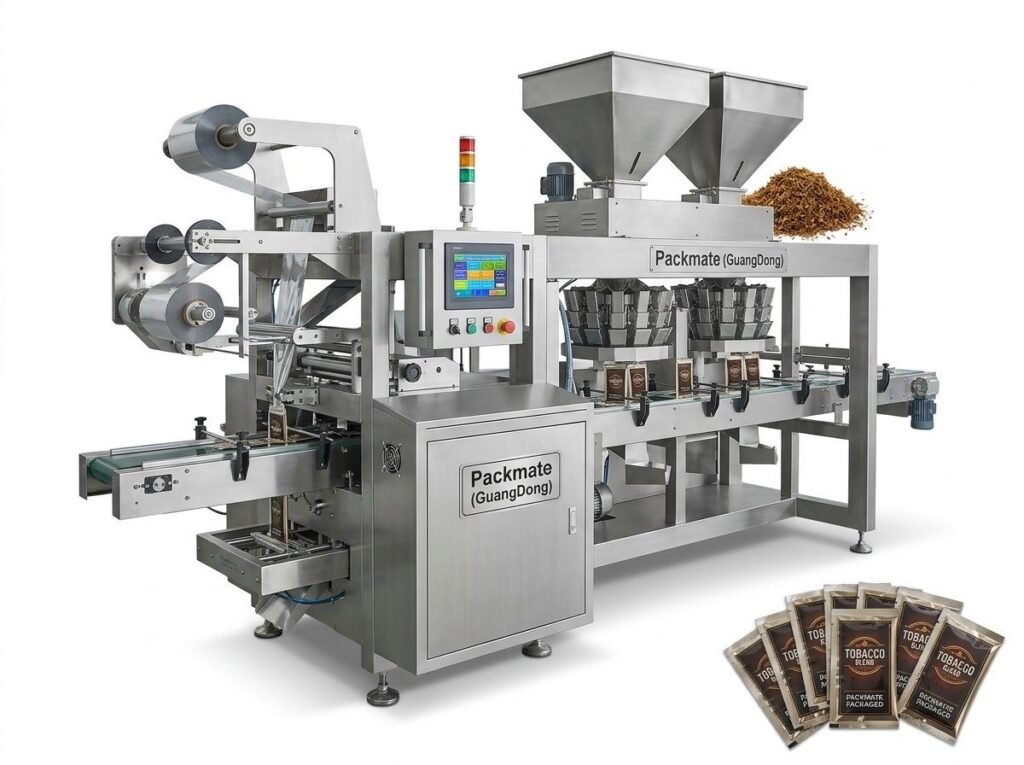
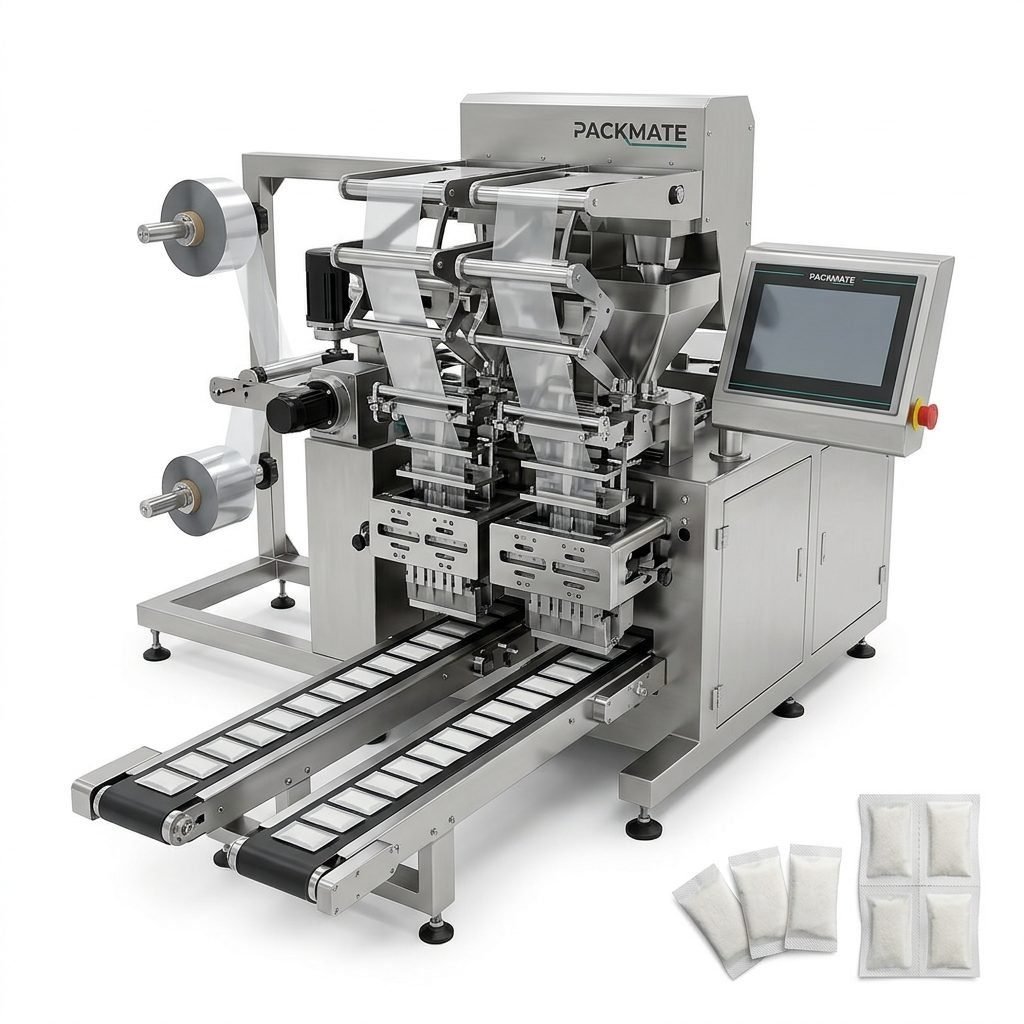
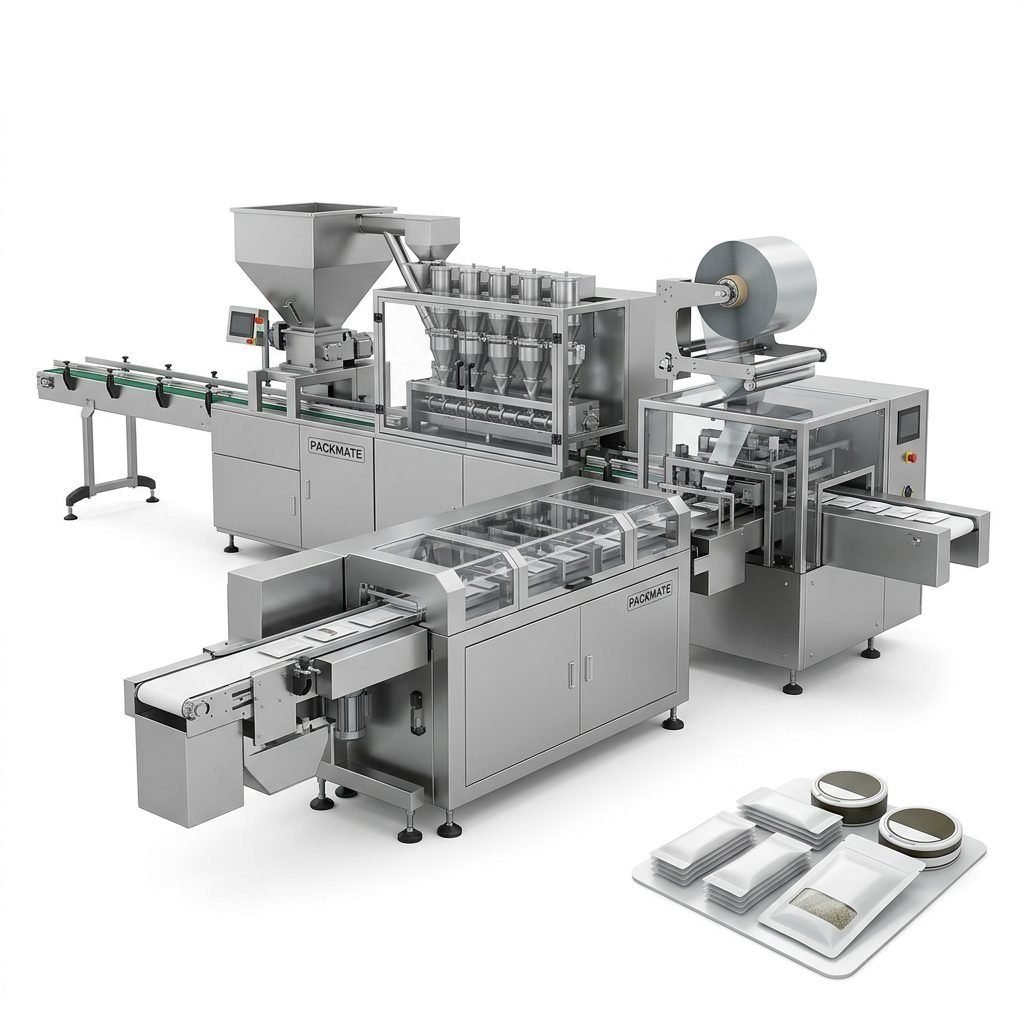
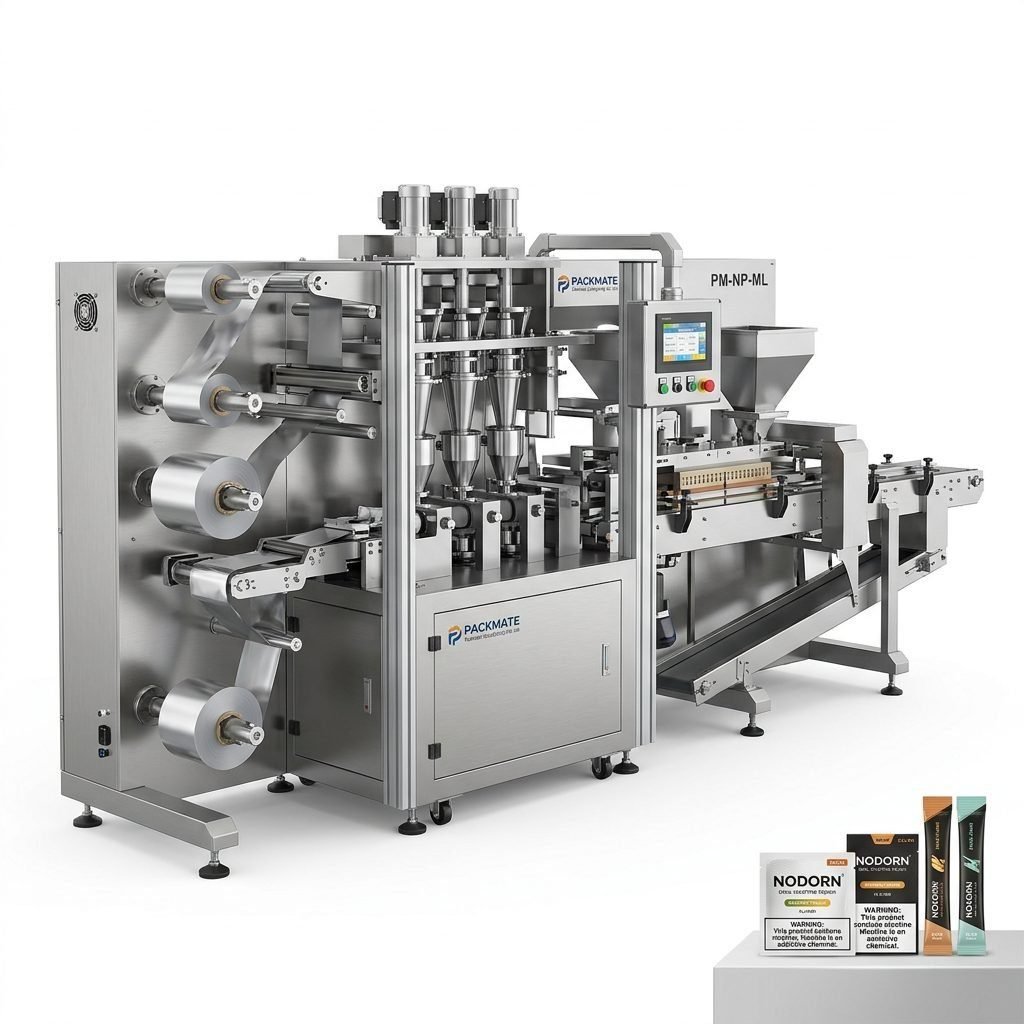
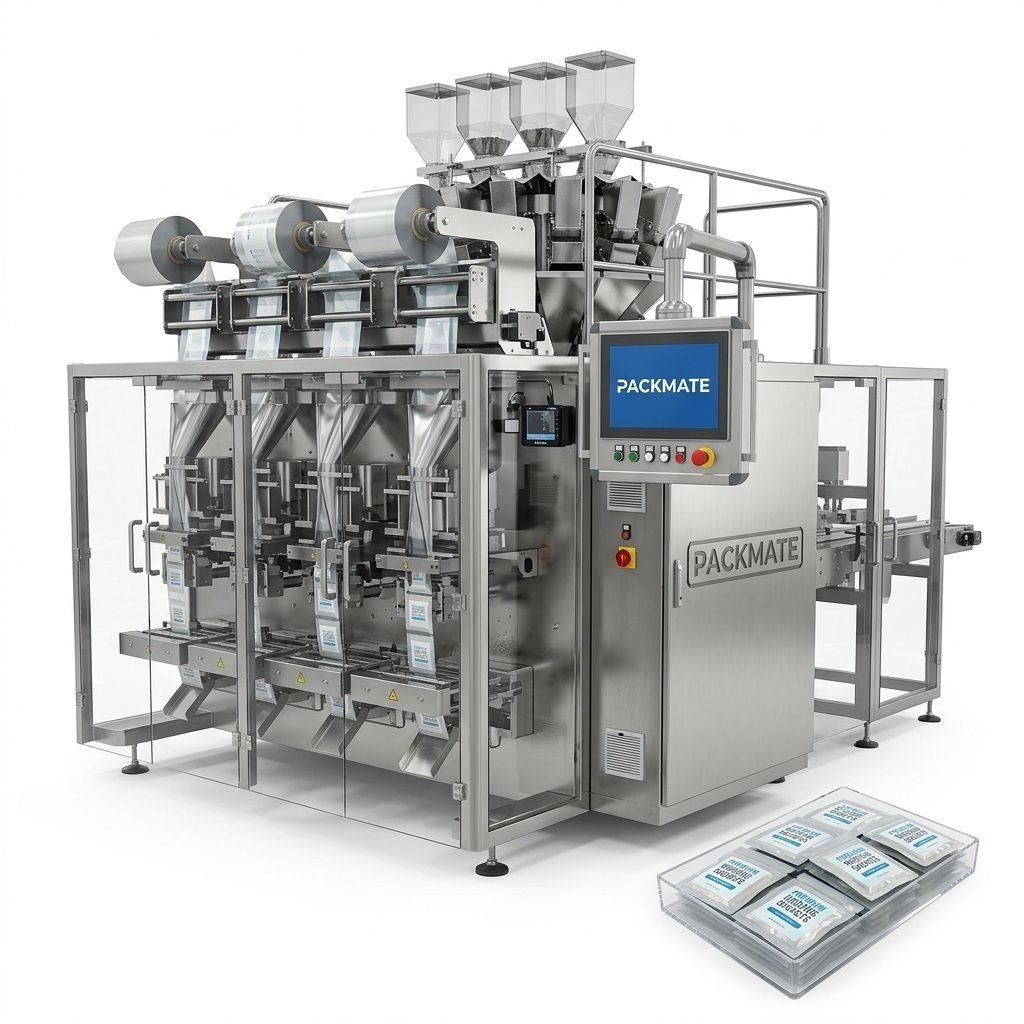
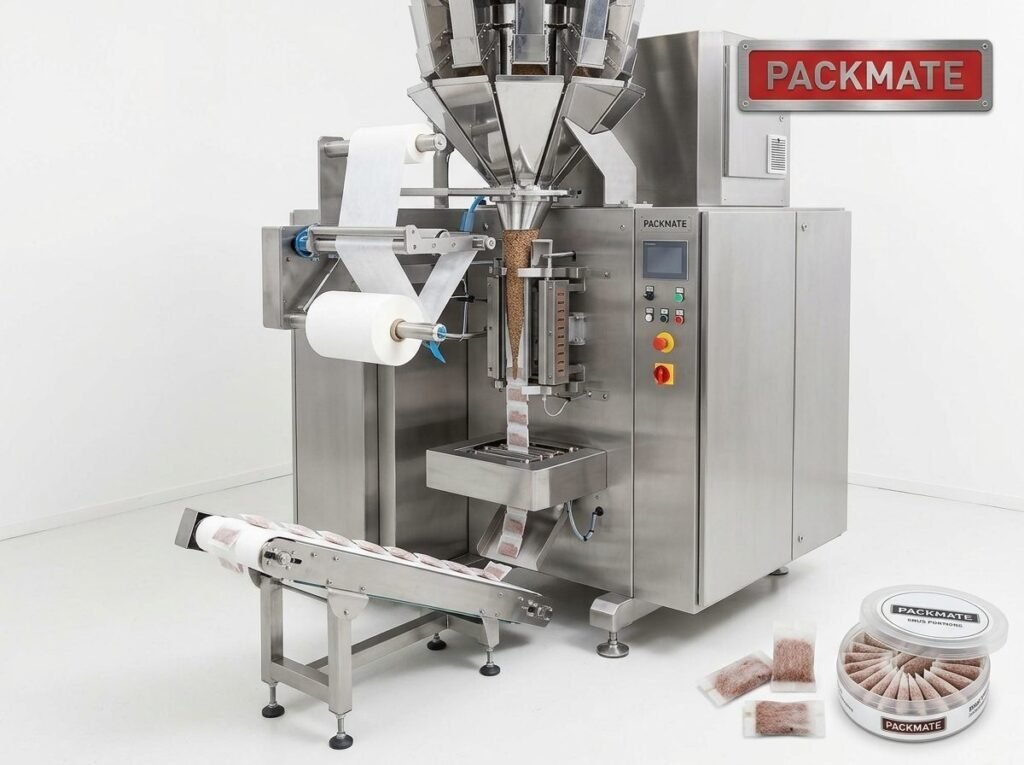
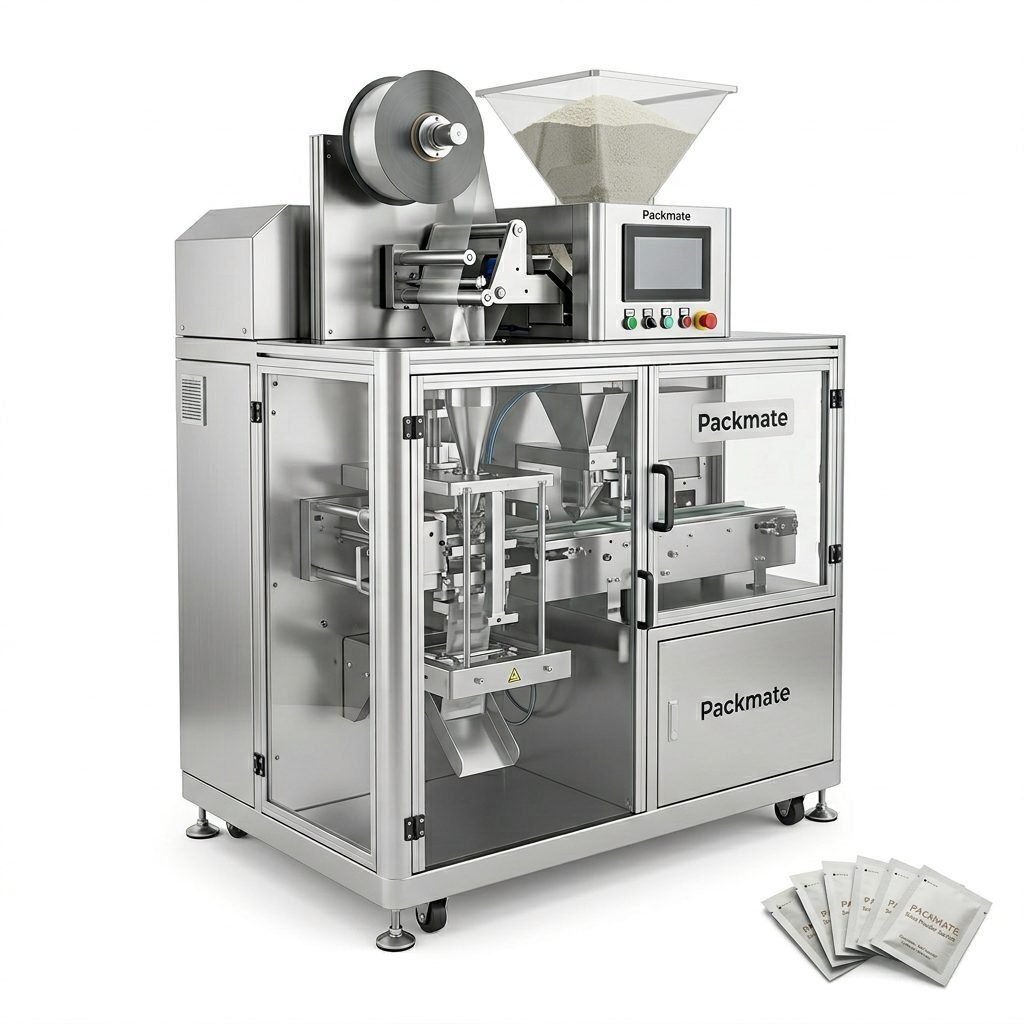
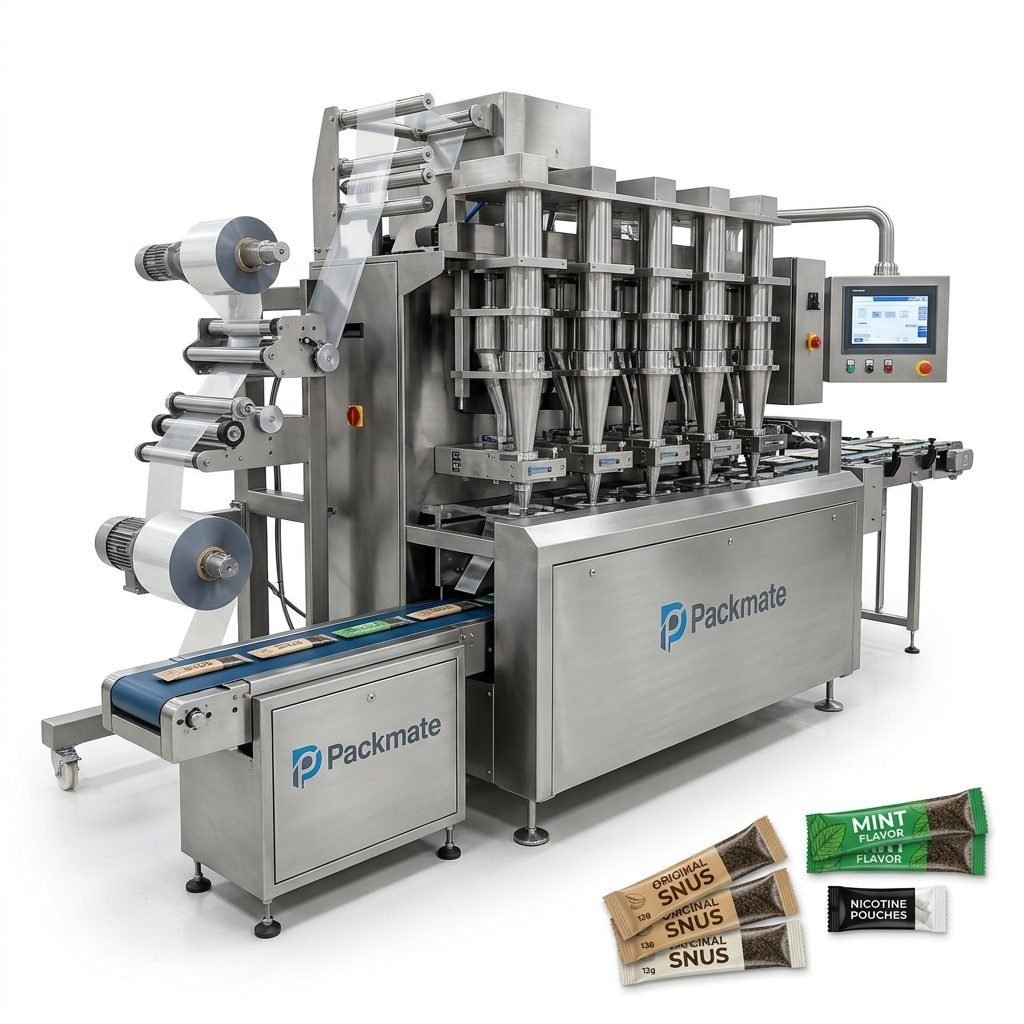
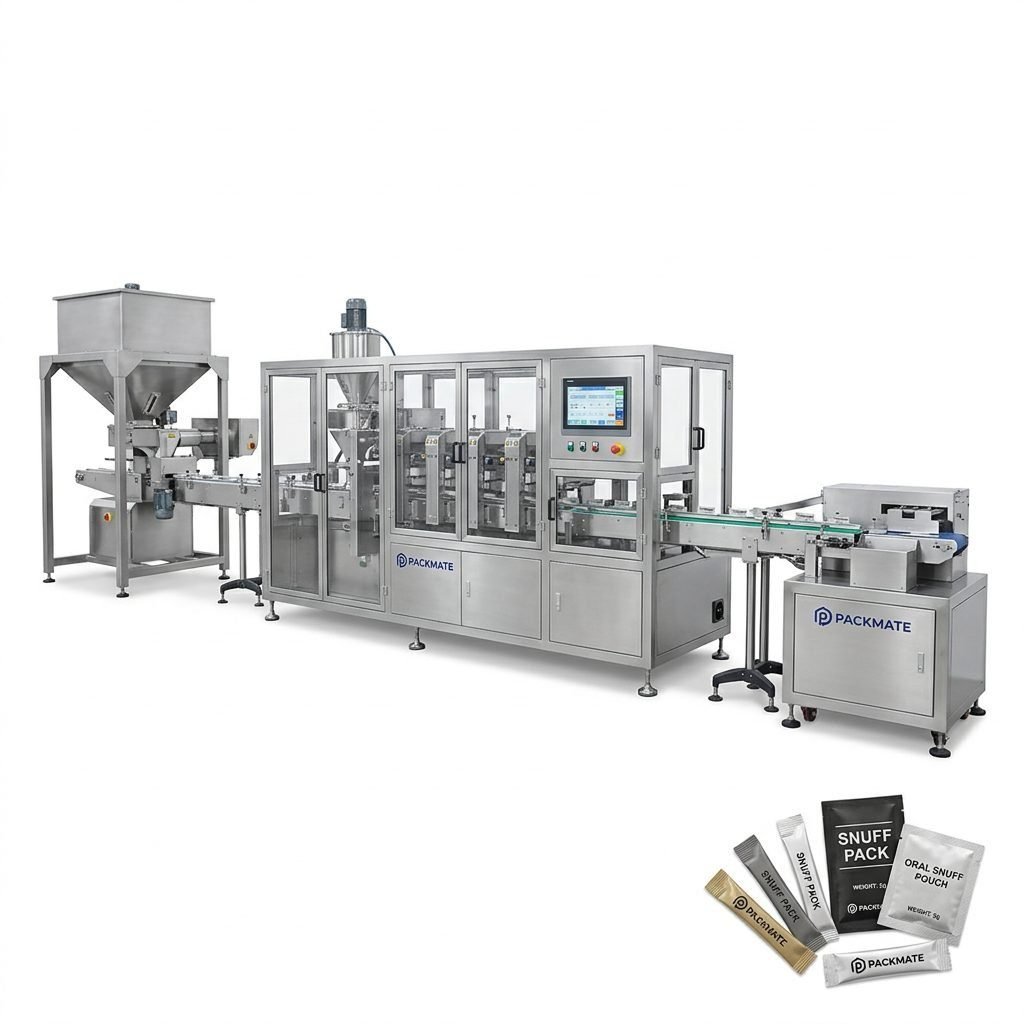
In modern snus and nicotine pouch production, selecting the right stick pack machine is a strategic decision that directly affects throughput, product quality, and regulatory compliance. High-speed, accurate packaging equipment designed specifically for small-dose pouches helps manufacturers scale operations while maintaining consistent weight, sealing integrity, and aesthetic appeal. This guide walks through the essential features, advantages, selection criteria, and buying considerations for the best snus stick pack machines on the market, drawing on industry experience, manufacturing capabilities, and global case studies.
Why Choose a Dedicated Snus Stick Pack Machine
Stick pack technology offers a compact, efficient, and consumer-friendly format for snus and nicotine pouches. Compared with bulk pouch or can packaging, the stick pack format reduces material waste, improves portion control, and supports multi-lane production layouts. For businesses targeting retail channels or subscription deliveries, stick packs provide a convenient single-dose presentation that enhances shelf appeal and consumer convenience.
Key advantage: Stick pack machines integrate precise dosing, fast heat-sealing, and flexible film handling — essential for delicate snus blends and nicotine formulations where portion accuracy and hermetic seals are critical.
Primary Applications
Stick pack machines are widely used for nicotine pouches, snus, tea sachets, powdered supplements, soluble granules, and single-serve liquid products. If you are evaluating machines, consider models purpose-built for snus / nicotine. For more machine categories and product lines, review specialist pages such as Snus & Nicotine Packaging Machines and Sachet & Stick Pack Machines.
Critical Features of High-Speed, Accurate Snus Stick Pack Machines
Not all stick pack machines are created equal. When evaluating equipment for snus production, prioritize the following features:
🔧 Multi-lane capabilities: Multi-lane systems multiply throughput without proportionally increasing footprint. Look for compact 2-, 4-, or 6-lane options depending on your output targets and downstream packing.
⚙️ Precision dosing and weighing: Accurate micro-dosing mechanisms are essential for consistent nicotine content per pouch and regulatory compliance. Integrated weighing systems or gravimetric feeders minimize product giveaway and ensure uniform pouch weights.
🔒 Consistent sealing technology: Reliable heat-seal bars and temperature control maintain airtight seals for shelf life and moisture protection. Variable seal lengths and fin-seal options add flexibility for different film types.
🧭 Advanced film tracking and servo-driven controls: Servo motors enable precise film indexing, quick changeovers, and integration with vision systems for print registration and quality inspection.
📈 High throughput with low downtime: Rapid film splicing, easy tool-less maintenance, and remote diagnostics reduce changeover times and unplanned stops on high-speed lines.
Optional Enhancements
Consider these options to future-proof your investment:
✅ In-line nitrogen flushing or MAP capability to extend product shelf life and preserve aroma.
✅ Vision inspection and reject sorting to ensure only conforming pouches proceed to secondary packaging.
✅ HMI recipes and remote monitoring for quick format changes and centralized line control across multiple machines.
Benefits for Manufacturers and Brands
Investing in a high-performance snus stick pack machine delivers measurable business benefits:
📦 Operational efficiency: Higher output per square meter lowers unit labor costs and improves factory throughput.
🔍 Quality consistency: Precise dosing and sealing reduce returns and complaints while protecting brand reputation.
♻️ Material savings: Accurate film handling and reduced overfilling cut material waste and packaging expense.
🚚 Distribution flexibility: Stick packs are ideal for single-serve distribution, e-commerce subscription boxes, and retail sample promotions.
Real-World ROI Example
A mid-size snus producer upgrading from a single-lane rotary stick packer to a 4-lane servo-driven line can expect a 3–4x increase in nominal throughput, a 15–25% reduction in packaging material cost per unit, and a payback period often within 18–30 months when factoring reduced labor and improved yield.
Key Technical Specifications to Review
When comparing models, request clear data on:
• Maximum pouches per minute per lane and total lanes
• Dosing accuracy (± mg) and calibration procedures
• Compatible film widths, thickness ranges, and lamination types
• Sealing temperature control range and fin/three-side seal options
• PLC/HMI brand, I/O options, and communication protocols for line integration
⚠️ Tip: Always ask for measured performance using your product and film combination. Manufacturer-rated speeds may vary when handling hygroscopic powders or sticky snus formulations.
Customization and Turnkey Solutions
Many suppliers offer modular designs that allow you to configure dosing heads, lane counts, and downstream grouping or cartoning. If you need a full production line — including weighing, feeding, stick pack, and secondary packing — consider partners that provide turnkey systems and global support. Packmate Snus Machine, for example, specializes in snus packing lines and can deliver complete solutions from R&D to commissioning. Learn more on the About Packmate page.
Integration Considerations
Plan for synchronized speeds between upstream dosing/weighing units and the stick pack machine. Conveyor lengths, eject systems, and in-line metal detection or checkweighers should be specified early to avoid costly retrofits. For complex lines, request a factory layout and 3D simulation to visualize space requirements and worker ergonomics.
Quality, Certifications, and After-Sales Support
Regulatory compliance and traceability are fundamental for nicotine products. Leading equipment manufacturers design to international standards (CE, ISO) and provide documentation, IQ/OQ/PQ protocols, and spare parts kits. Evaluate the supplier’s training programs, spare parts availability, and options for remote troubleshooting to minimize downtime.
For proof of performance and installations, review manufacturer case studies and exhibition demonstrations. Packmate regularly presents machinery at global shows and offers documented case examples on its Case and Our Exhibition pages.
Buying Guide: How to Choose the Right Machine
Follow a structured purchasing process to ensure the machine meets production and business goals:
1) Define production targets: daily units, SKU mix, and lane preference.
2) Verify product compatibility: particle size, moisture content, and flow characteristics of your snus blend.
3) Request performance tests with your product and film sample — get a written run report.
4) Compare TCO: purchase price, spare parts, maintenance schedule, and energy consumption.
5) Assess supplier support: installation, training, spare parts lead time, and extended warranty options.
🔎 Due diligence: Visit the factory if possible to inspect machining standards, assembly practices, and quality testing. Packmate’s manufacturing facility, equipped with advanced CNC and precision assembly lines, is an example of strong factory capability that reduces delivery risk.
Installation, Training, and Maintenance Best Practices
Proper installation and operator training directly influence uptime and product quality. Key best practices include:
• Pre-shipment FAT (Factory Acceptance Test) and documented run data using your product.
• On-site installation and commissioning with qualified service engineers.
• Comprehensive operator and maintenance training, including spare parts identification and routine checks.
• Preventive maintenance schedules with calibrated tools and replacement intervals for wear components like belts, seals, and jaws.
Common Maintenance Tasks
Regular cleaning, lubrication of moving parts, periodic sensor calibration, and firmware updates keep machines running at peak efficiency. Keep a critical spares kit on-site to reduce mean time to repair (MTTR).
Cost Considerations & Financing Options
Beyond the equipment price, budget for tooling kits, spare parts, commissioning, and any optional modules (vision systems, gas flush). Many manufacturers and distributors offer leasing, installment plans, or trade-in programs to ease capital expenditure. Ask for a total cost of ownership model that includes energy usage, labor savings, and expected mean time between failures (MTBF).
Sustainability and Packaging Materials
Consider recyclable or mono-material films compatible with your machine to support sustainability goals. Machines capable of handling thinner films with precise sealing can reduce material consumption per pouch. Communicate your film strategy to the equipment supplier so they can validate sealing parameters and jaw configurations.
How to Evaluate Suppliers
Supplier assessment should include technical capability, track record, certifications, and global service network. Verify references, review factory tours or virtual demonstrations, and examine certifications like CE and ISO for quality assurances. If you want to contact a reputable supplier or request a quote, visit the Contact Us page.
Case Study Snapshot
A European snus brand migrating to a 6-lane stick pack line achieved a threefold capacity increase while halving manual labor per shift. Integration with automated cartoning and end-of-line case packing delivered a compact, high-throughput production cell validated through a full FAT and onsite commissioning.
Final Recommendations
Invest time in product trials, insist on run reports with your material, and prioritize suppliers with proven snus experience and strong after-sales support. Modular, servo-driven stick packers with multi-lane capability, precise dosing, and robust sealing systems deliver the best balance of speed, accuracy, and long-term value. For a broader view of complementary machines and auxiliary equipment that can optimize your line, explore categories like Auxiliary Packaging Equipment and Weighing & Packaging Systems.
Need bespoke advice?
Contact manufacturers that specialize in snus solutions and can deliver turnkey lines with local support. Review their catalogs, certifications, and case history to confirm they understand the nuances of nicotine pouch packaging and regulatory demands.
Frequently Asked Questions
Q1: What throughput can I expect from a multi-lane snus stick pack line? — Throughput depends on lane count and product characteristics. Typical 4-lane lines can produce several hundred to over a thousand pouches per minute total; always request measured data with your product.
Q2: Are stick pack machines compatible with nitrogen flushing or MAP? — Yes, many machines support in-line MAP or nitrogen injection to prolong shelf life; confirm the supplier’s integration options early in the design phase.
Q3: How important is film selection for sealing and shelf life? — Extremely important: film lamination, sealant layer, and thickness determine seal integrity and barrier properties. Test your intended film on the machine during FAT.
Q4: What post-purchase support should I expect? — Expect installation, commissioning, operator training, spare parts availability, and remote diagnostics. Strong suppliers provide documented IQ/OQ/PQ and responsive field service.
Q5: How do I start the buying process? — Define production targets, request product tests, visit manufacturer references or attend an exhibition, and request a full proposal including TCO and lead times. For more resources, consult the product pages and FAQs provided by reputable suppliers.