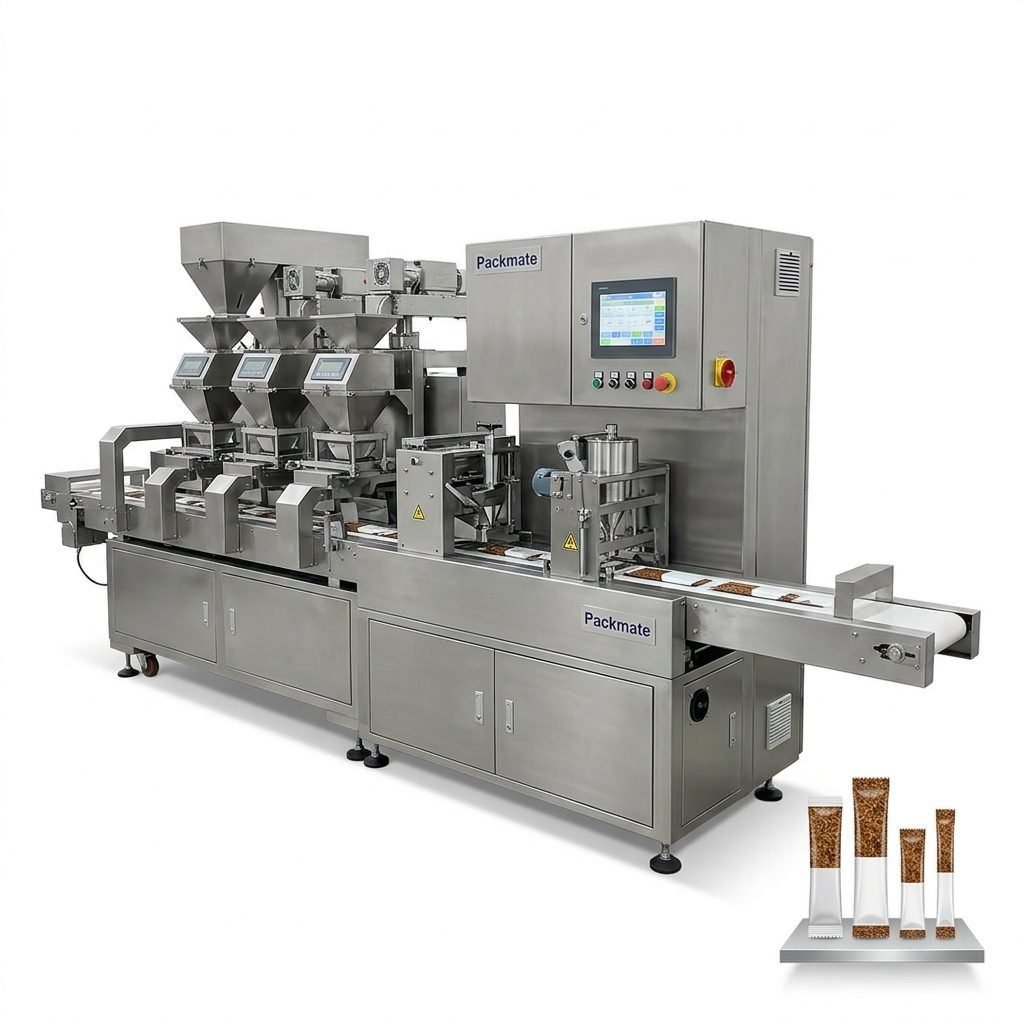
Choosing the right snus packaging machine supplier in Peru involves more than price comparison. You are selecting a partner that will influence product quality, regulatory compliance, production uptime, and your ability to respond to market trends in Lima, Arequipa and other regions. This guide covers the practical steps, local considerations, and vendor evaluation criteria that Peruvian manufacturers, importers and brand owners should use when selecting a reliable supplier for snus and nicotine pouch packaging equipment.
Understanding the Peruvian Market and Local Habits
Peru’s consumer landscape is diverse: urban consumers in Lima demand discreet, well‑designed products while regional markets may prioritize cost and simplicity. Many buyers prefer compact, low-noise equipment that fits into busy small-to-medium facilities. Climate matters — coastal Lima is arid but the jungle and highland regions are humid — and humidity affects shelf life and packaging performance. Spanish language labeling and clear instructions are expected, and many local partners appreciate training and documentation in Spanish.
Quick market notes for Peru
✔️ Climate impact: Choose machines and packaging designed to handle humidity and variable storage conditions.
✔️ Language & labeling: Spanish documentation and support reduce training time and errors.
✔️ Regulatory caution: Confirm local legal status of nicotine products and import requirements before ordering.
Why supplier selection matters: beyond the machine
A packaging machine is a long-term investment. The right supplier brings engineering support, spare parts availability, on-site commissioning, and continuous updates. For snus and nicotine pouches, small deviations in weight or sealing quality can lead to product loss and compliance risks. Prioritize suppliers who can demonstrate proven industry experience, documented quality control, and successful deployments in similar markets.
Key factors to evaluate (detailed checklist)
1. Machine performance and technical specs
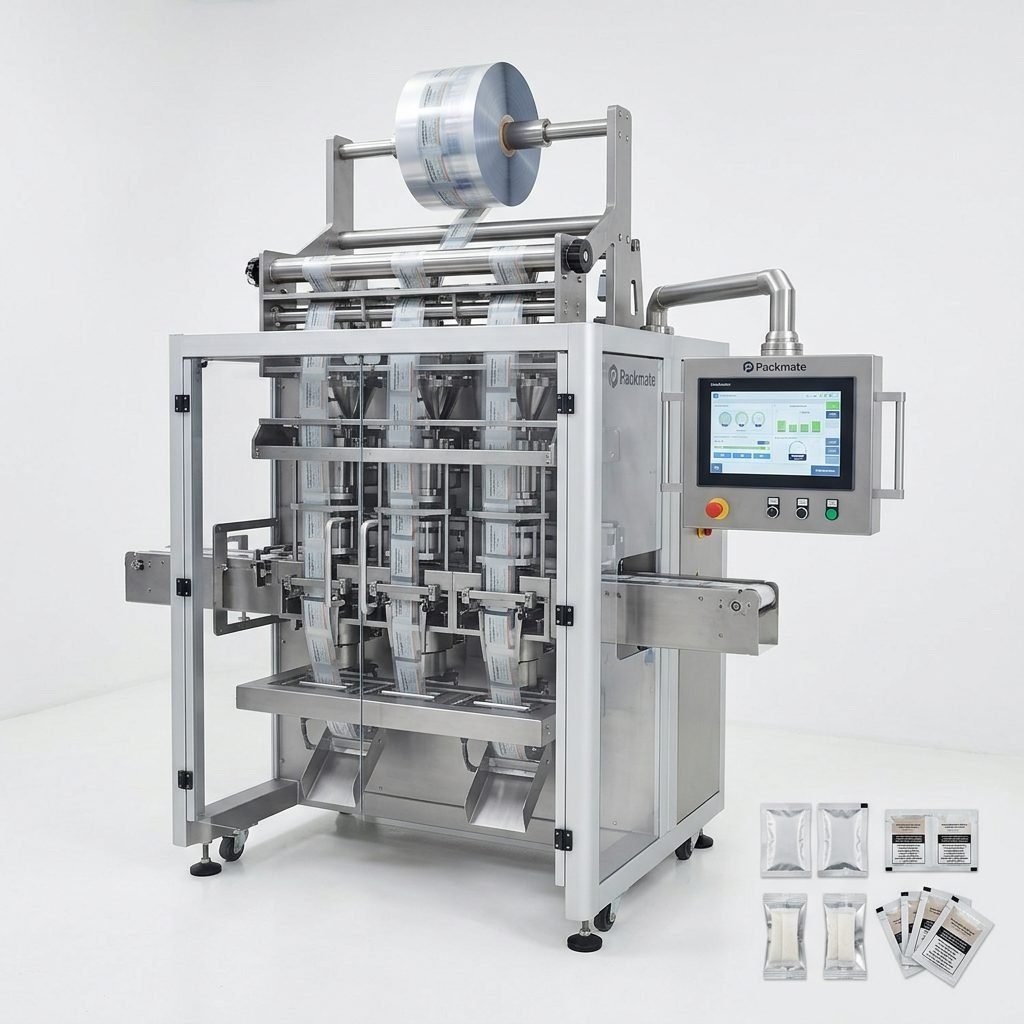
Look for clear specifications: throughput (pouches/minute), lane count, accuracy (weight tolerance), pouch sizes supported, sealing type, and changeover time. Multi-lane, high-precision systems reduce labor and increase yield for small-dose snus production. Request technical datasheets and ask for actual performance data from customers with similar product formats.
2. Certifications & compliance
International certificates such as CE and ISO show that equipment meets safety and quality standards. For export to Peru or local manufacturing, confirm that electrical components and machine safety features comply with local regulations. Ask for test reports and certificates; reliable suppliers will provide them without delay.
3. Customization, flexibility & format changeover
Your product roadmap may require new pouch sizes, different material laminates, or secondary packaging. Choose a supplier who designs machines with modular tooling and offers quick changeover kits. Confirm how long format changes take and whether the supplier provides drawing files and spare tooling.
4. After-sales service, spare parts & training
Downtime in packaging lines costs more than the machine value. Prioritize suppliers offering local spare parts stocking, remote diagnostics, and on-site commissioning. Spanish-speaking engineers or local partners shorten service cycles. Confirm warranty terms and the typical lead time for critical components.
5. Factory capability, QC and proven cases
Inspect the supplier’s manufacturing capacity, machining capabilities and quality systems. A factory with CNC centers and rigorous assembly testing (like a 20,000㎡ facility) indicates mature production capability. Request case studies and contact references to verify machine reliability across different environments.
6. Total cost of ownership (TCO)
Price is one factor; consider installation, spare parts, energy consumption, consumables, expected lifecycle and disposal. A slightly higher upfront cost can be justified by better uptime, lower scrap, and reduced labor. Ask for TCO modeling based on your projected output.
7. Shipping, Customs & Local Support
Verify the supplier’s experience exporting to Peru, typical delivery timelines, and logistics partners. Customs paperwork for nicotine products can be sensitive; choose suppliers who assist with documentation and understand shipping requirements for regulated products.
Instant evaluation highlights
🔧 Factory strength: 20,000㎡, CNC centers, 50+ models are strong indicators.
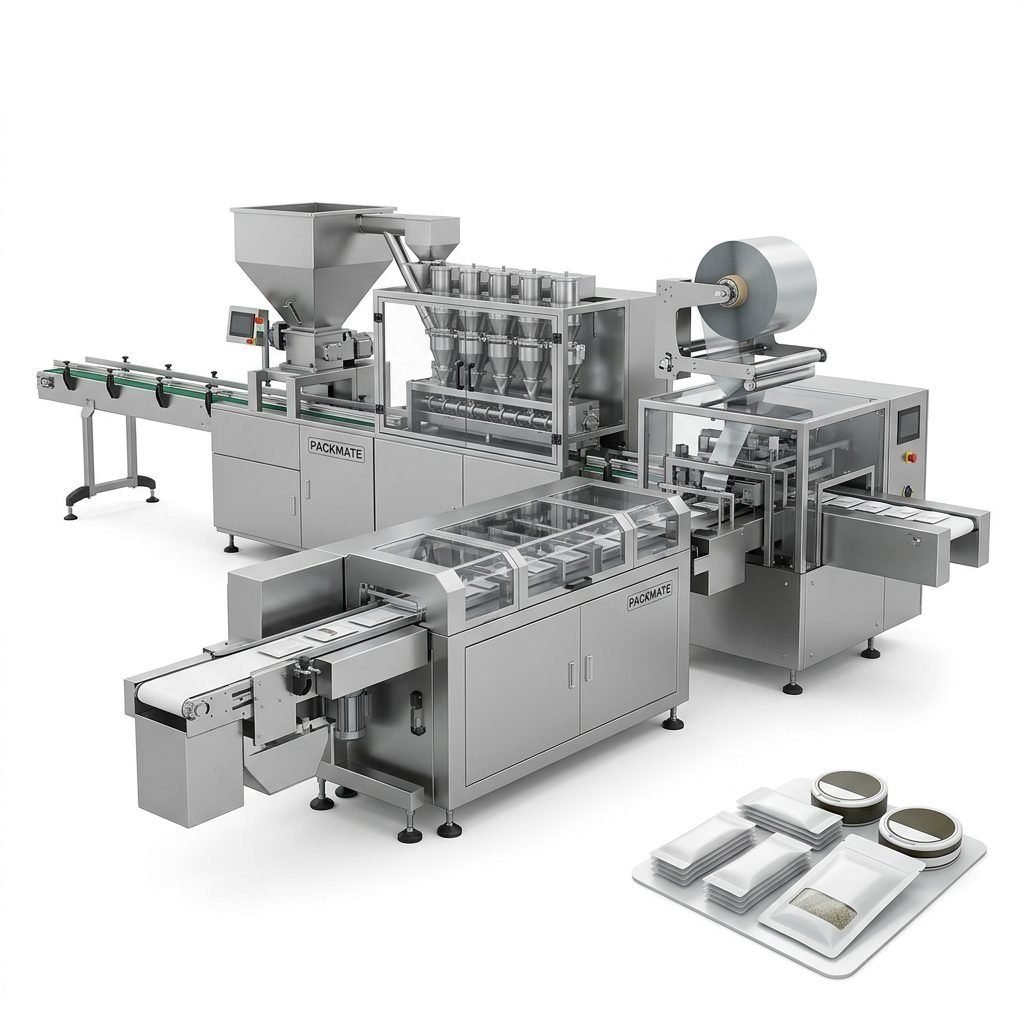
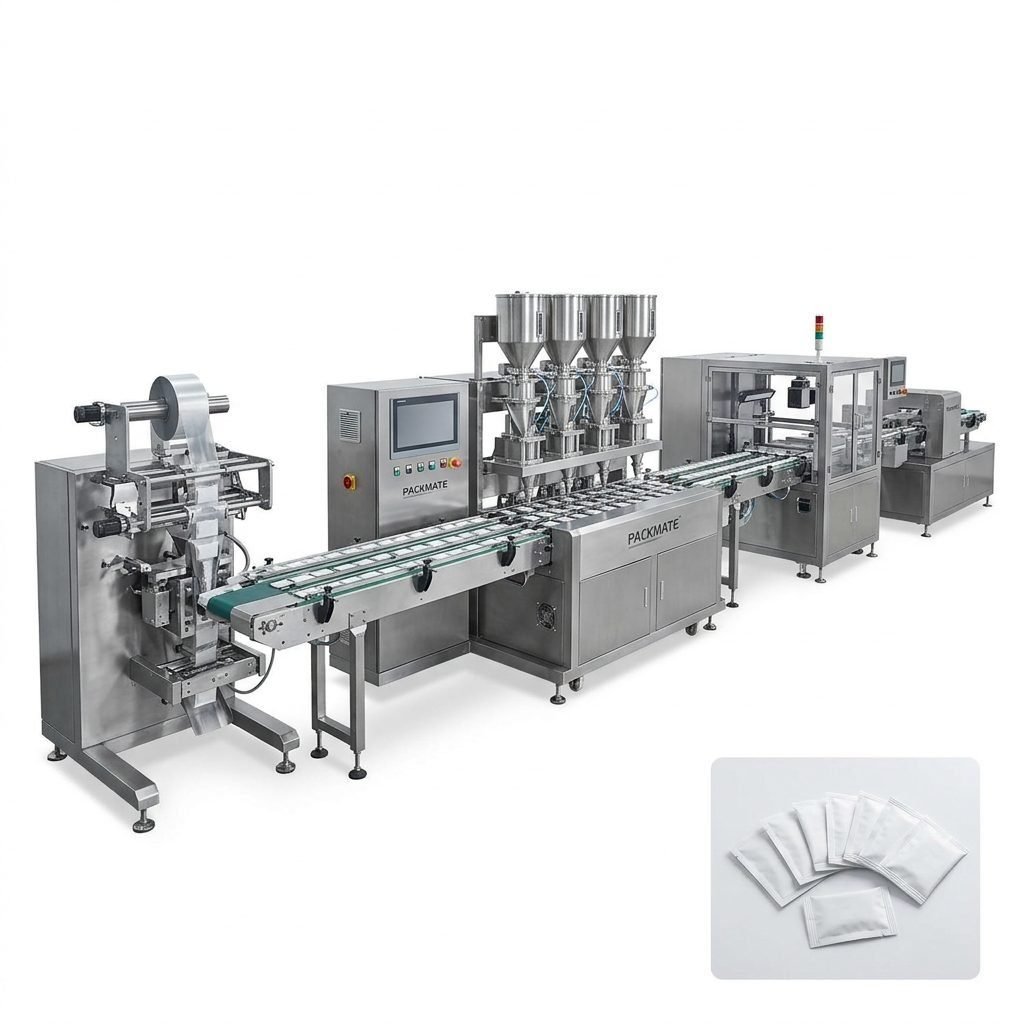
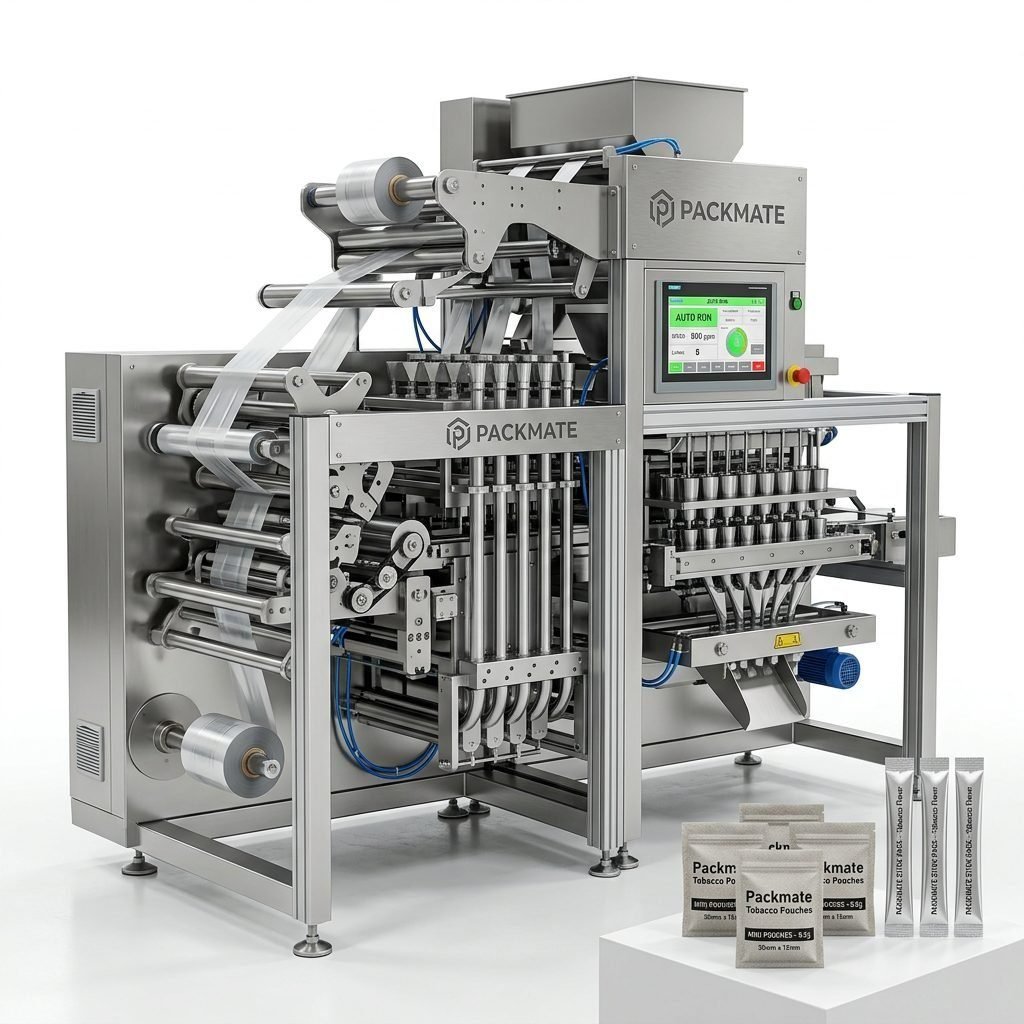
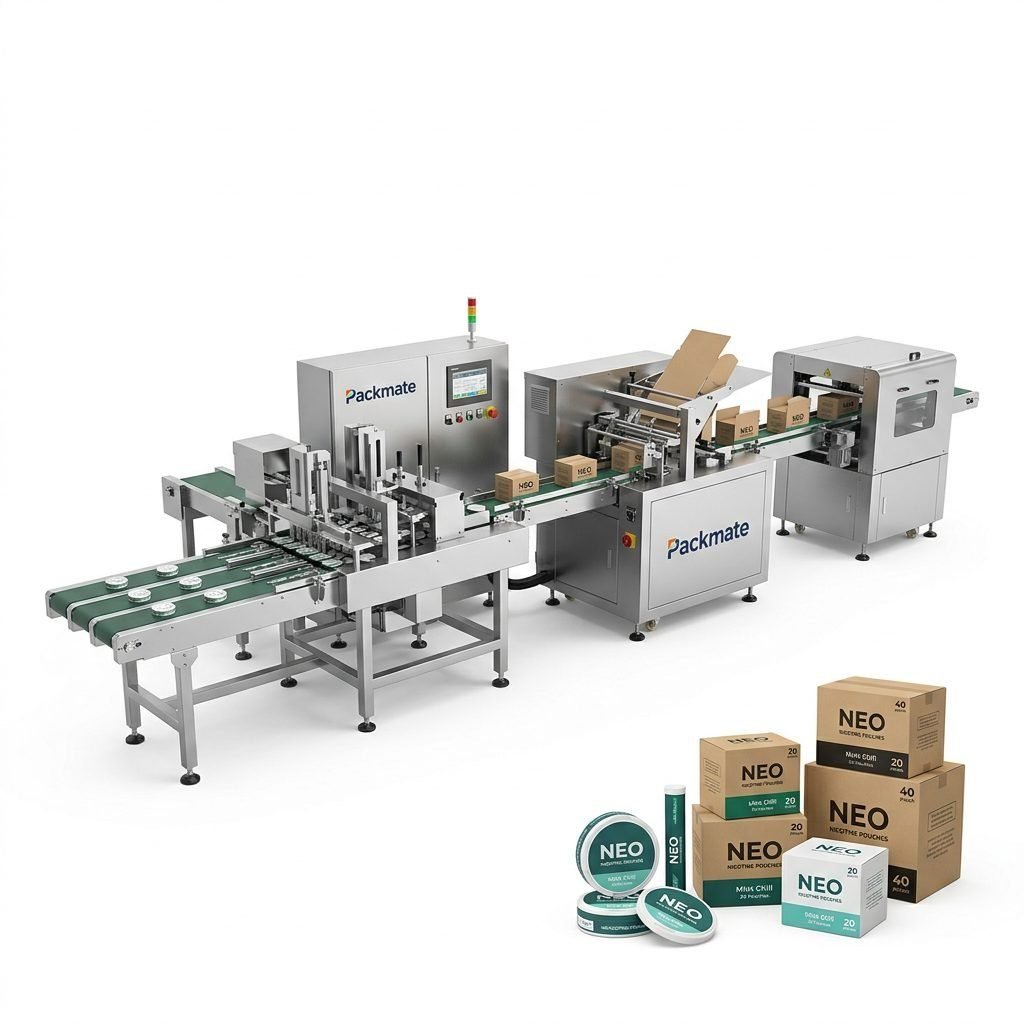
📦 Turnkey capability: Full lines for snus, stick packs, sachets and filling systems simplify vendor coordination.
📑 Certifications: CE/ISO compliance reduces regulatory risk.
Step-by-step buying guide
Step 1 — Define your requirements precisely
Document desired pouch dimensions, target throughput, materials (laminates, barrier layer), sealing type, labeling needs, and footprint constraints. Include environmental conditions such as humidity and altitude. This enables suppliers to recommend the correct model and accessories.
Step 2 — Request technical proposals and samples
Ask suppliers for machine datasheets, electrical requirements, PLC/HMI brands, and drawings. Request a sample run or production trial with your material. Reliable suppliers will run your actual film and ingredients to demonstrate sealing, weight control and appearance.
Step 3 — Factory acceptance & third-party audits
If possible, perform a Factory Acceptance Test (FAT) or hire a local auditor. Confirm performance against agreed KPIs: speed, weight accuracy, reject rates and changeover time. Use the FAT report in your contract to protect your purchase.
Step 4 — Plan installation, training & spare parts
Schedule on-site commissioning, operator training and preventive maintenance sessions. Ensure the supplier provides a spare parts list and recommends critical parts to stock locally. Spanish-language manuals and training materials are highly valuable in Peru.
Step 5 — Logistics, compliance & ongoing support
Confirm shipping responsibilities, incoterms, customs clearance support and whether the supplier will assist with local regulatory paperwork. Set up long-term support contracts for preventive maintenance and fast parts replenishment.
Practical checklist before signing
- Signed technical spec and acceptance criteria (use FAT results).
- Clear warranty and spare parts lead times.
- Training scope, language and duration defined.
- TCO estimate including energy & consumables.
- Shipping and import documentation confirmed, including any nicotine product restrictions.
How a proven supplier like Packmate meets these needs
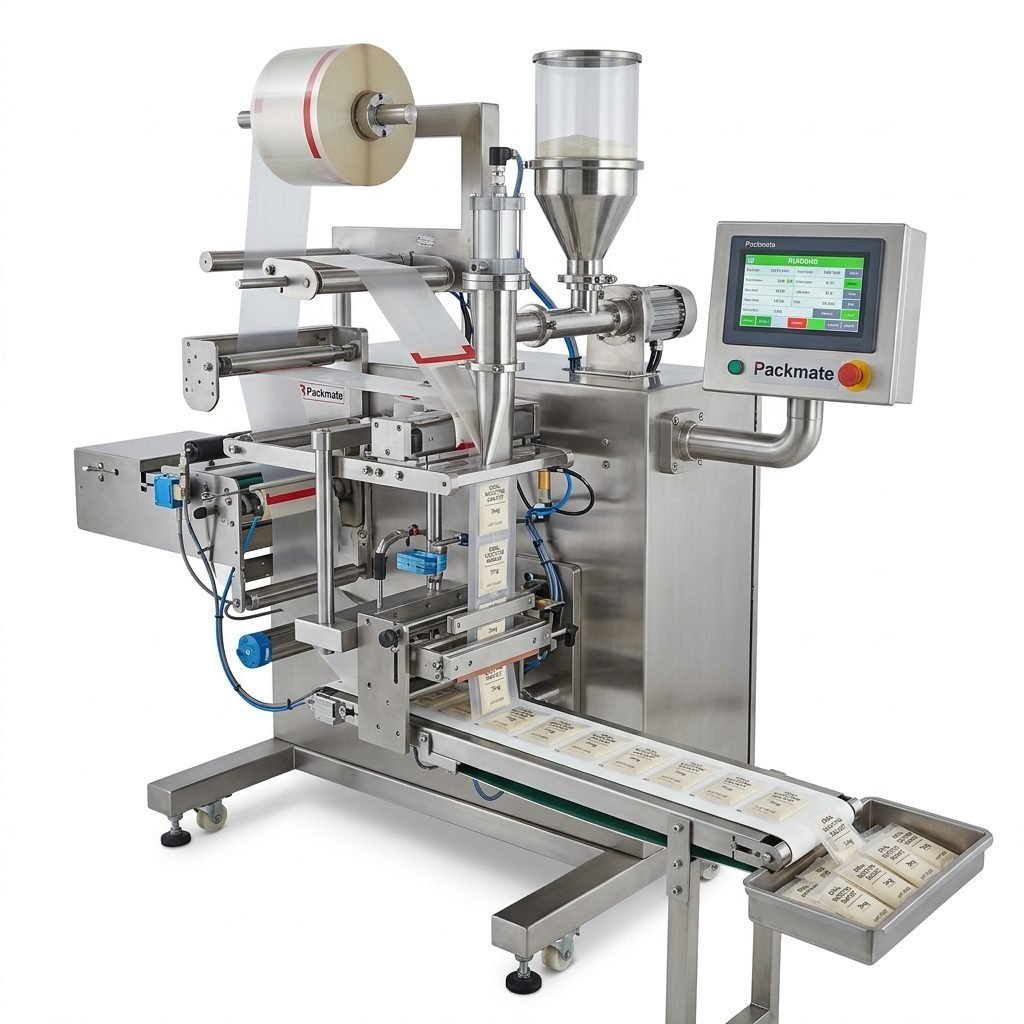
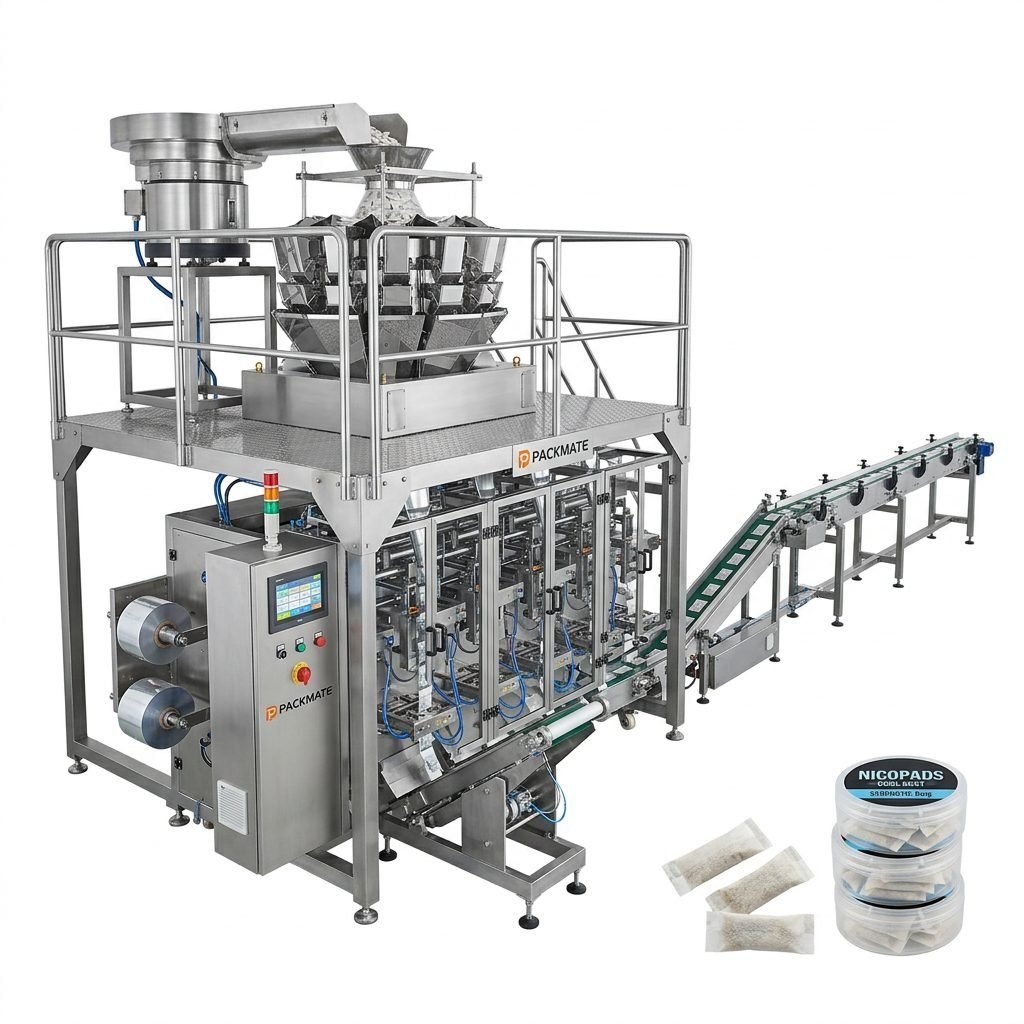
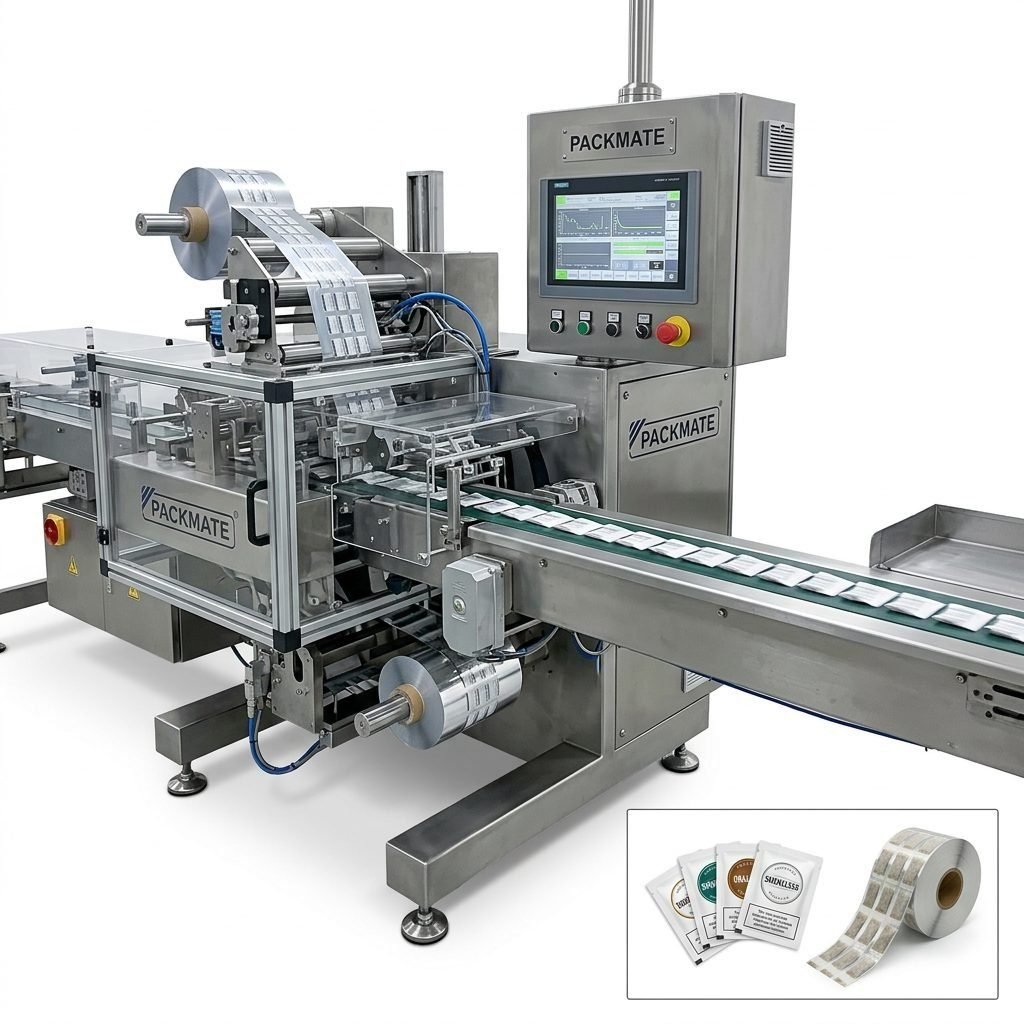
Suppliers with decades of experience and complete production capabilities bring clear advantages. For example, Packmate Snus Machine focuses on snus and nicotine pouch packaging lines with 30+ years of engineering experience, an extensive model range and factory testing systems. Their 20,000㎡ manufacturing facility, advanced CNC machining and 50+ machine models demonstrate scale. You can explore product options such as Snus & Nicotine Packaging Machines, Sachet & Stick Pack Machines and complete Filling & Packaging Lines when comparing technical fit.
Useful links for further review:
Snus & Nicotine Packaging Machines,
About Packmate,
Case Studies,
Contact Us.
Local Peruvian considerations and best practices
– Regulatory clarity: In Peru, regulations for nicotine and tobacco-related products can change. Consult a local legal advisor and customs broker early in the project to avoid import delays.
– Flavor preferences: Peruvian consumers may prefer certain flavor profiles; ensure your packaging line supports flavor batching and avoids cross-contamination.
– Labeling and language: Spanish labels, regulatory marks and batch codes must be machine-printable and durable. Verify that printers and coding systems integrate seamlessly with the packaging machine.
– After-sales proximity: Consider suppliers who can provide regional partners or remote diagnostics — this minimizes downtime for Lima-based operations and beyond.
Negotiation tips and contract items to include
Insist on measurable acceptance criteria, a binding delivery schedule, clear warranty coverage and defined spare parts lists. Add clauses for performance penalties if machine throughput falls below agreed levels after commissioning. Ensure training and documentation are included in the contract, and specify responsibilities for customs clearance and local installation.
Final recommendations
Choose a partner with proven snus experience, robust manufacturing capabilities, accessible spare parts and Spanish-language support. Verify certifications, test with your materials, and plan for climate-related packaging challenges in Peru. A supplier who offers turnkey solutions — from snus pouch machines to filling lines — reduces integration risk and shortens time-to-market.
Frequently Asked Questions (FAQs)
Q1: How do I verify a supplier’s machine performance before purchase?
Request a Factory Acceptance Test (FAT), sample runs with your films and ingredients, and contactable references. A reputable supplier will allow you to inspect the factory and provide documented performance metrics.
Q2: What documentation should I require for import into Peru?
Ask for CE/ISO certificates, electrical schematics, user manuals (Spanish preferred), packing lists, invoices and any relevant material safety data. Work with a customs broker familiar with nicotine product regulations to ensure correct HS codes and permits.
Q3: How much spare parts inventory should I keep locally?
Maintain critical spares such as sealing jaws, sensors, belts, and drive components equal to at least one month’s expected consumption for continuous production. Your supplier can recommend a tailored spare parts list after reviewing expected throughput.
Q4: Are turnkey lines a better choice than single machines?
Turnkey solutions reduce integration challenges, minimize compatibility issues and shorten commissioning time. If you value a fast start and reduced vendor coordination, choose a supplier that offers complete lines with proven integration experience.
Q5: Where can I see real examples of installed machines?
Review supplier case studies and exhibition demonstrations to see installed equipment in action. For more examples, check case pages and product galleries provided by experienced manufacturers.