Madagascar is a unique market with local business customs, logistical challenges, and a growing interest in specialized products like snus and nicotine pouches. Whether you are a factory owner, an importer, or a brand builder looking to start a snus packaging line in Madagascar, choosing the right packaging machine supplier will determine your production reliability, regulatory compliance, and long-term costs. This buyer’s guide provides an actionable framework to select the best snus packaging machine supplier for Madagascar — from technical features and factory capabilities to after-sales support and cultural fit.
Understand Local Context: Madagascar’s Market, Customs, and Regulations
Before evaluating suppliers, get clear on local factors that shape machine choice. In Madagascar:
🔍 Import & regulatory environment: Customs procedures can be slower than in developed markets. Ensure machines have complete paperwork (CE/ISO certificates, packing lists, manuals) to avoid delays.
🚚 Logistics & site readiness: Port handling in Antananarivo and other coastal cities may require machines to be designed for modular shipping and easy reassembly on site.
🤝 Business culture: Malagasy partners value long-term relationships and clear communication. Prioritize suppliers who offer patient, transparent pre-sales discussions and local-language or French support if possible.
Core Technical Criteria: What Your Snus Packaging Machine Must Deliver
When comparing machines, focus on these technical pillars to ensure stable, scalable production:
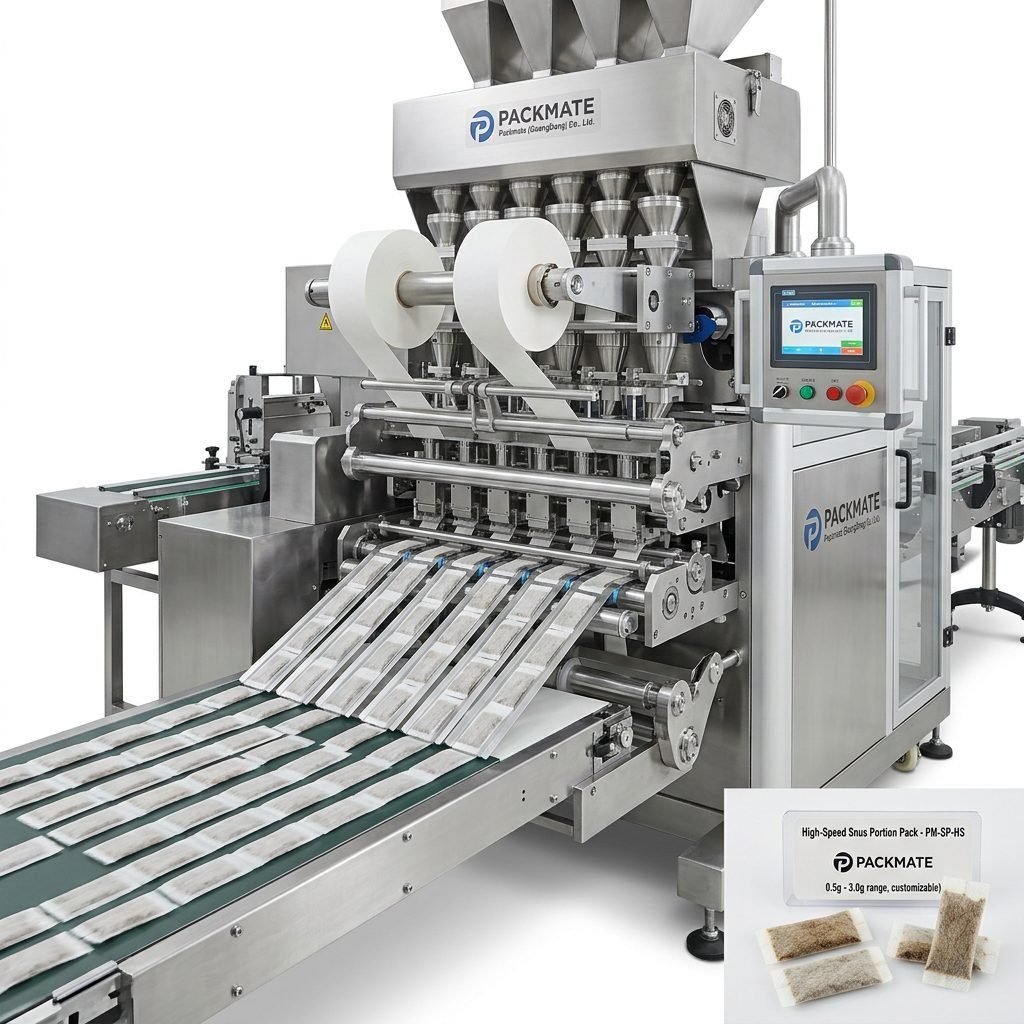
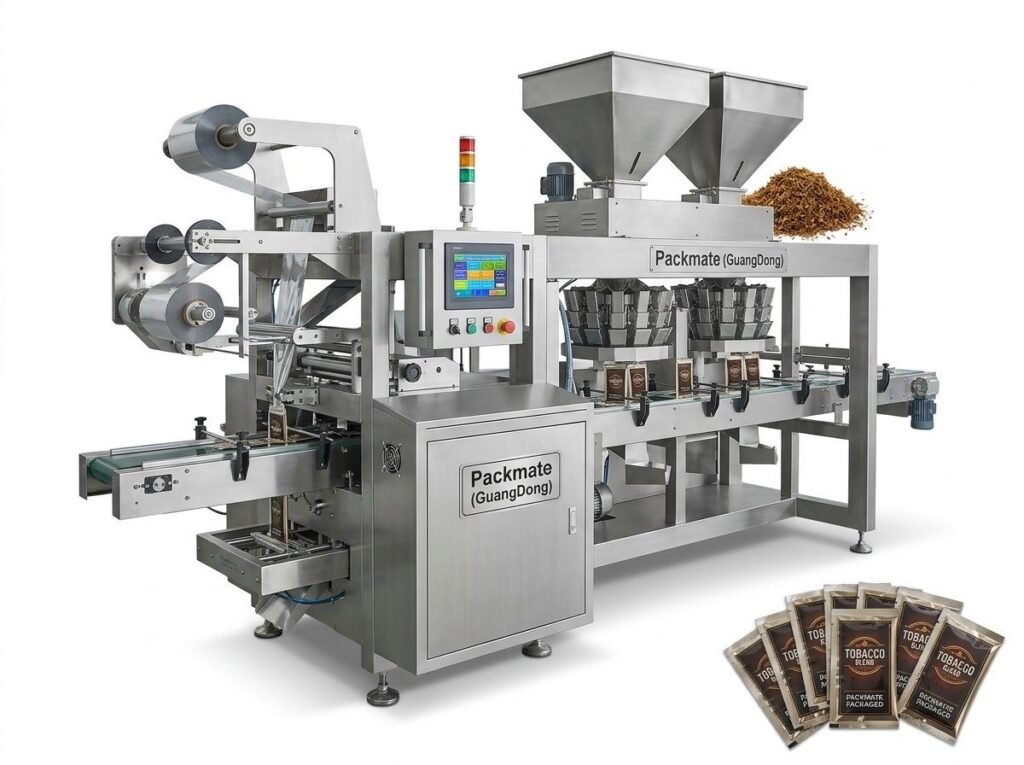
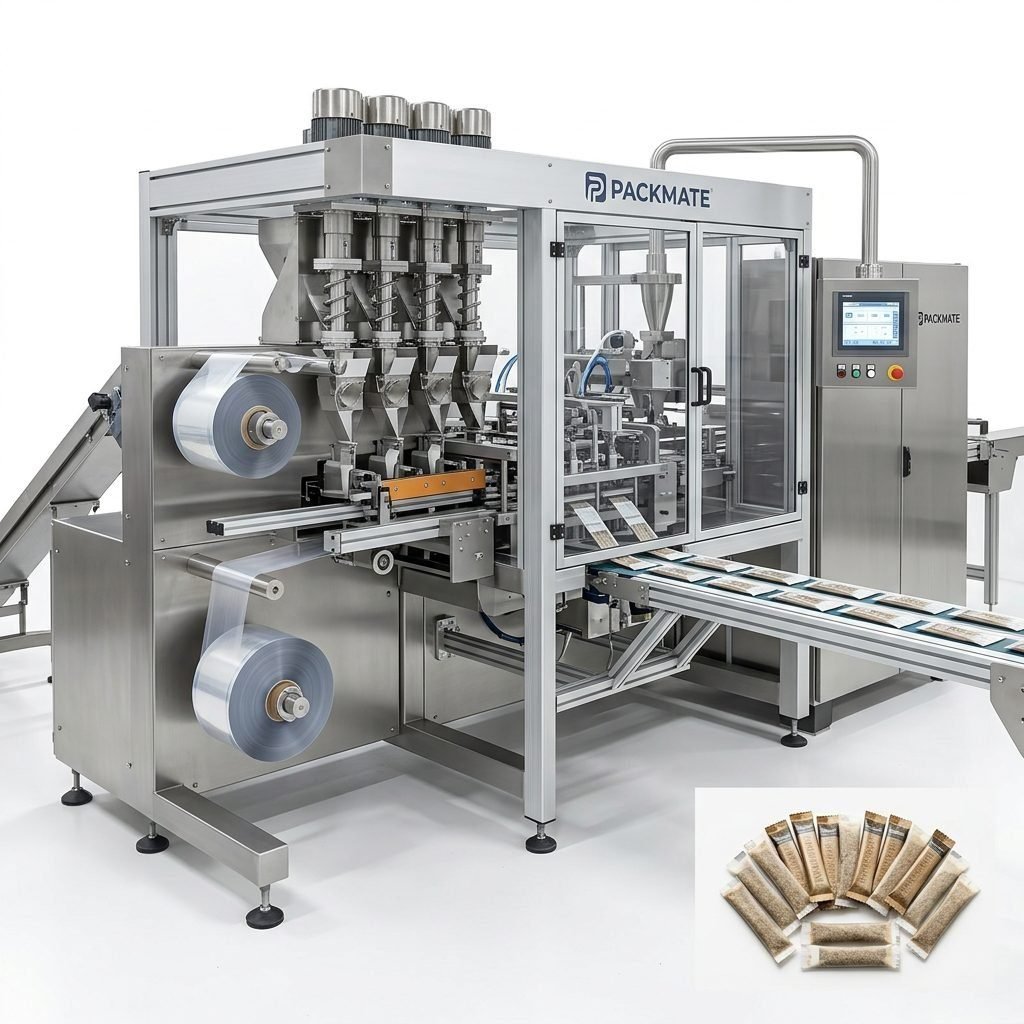
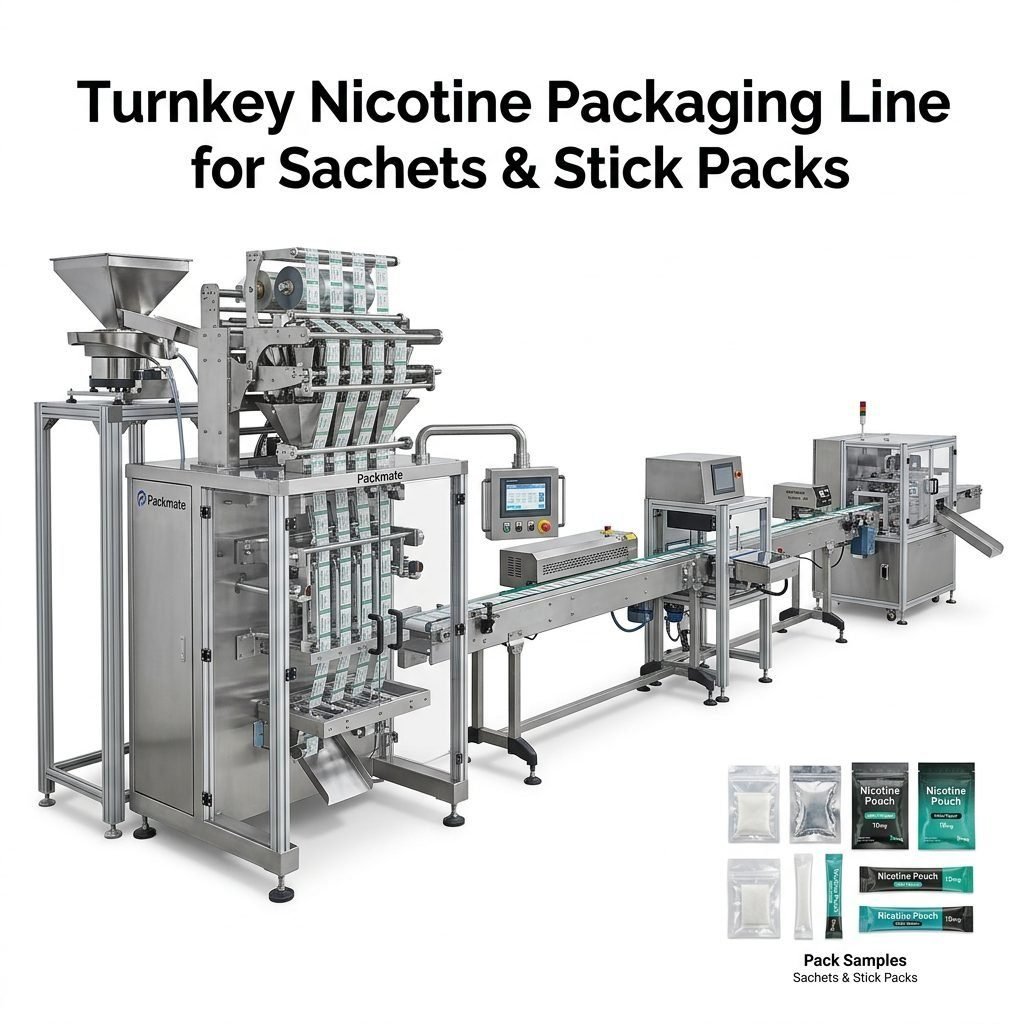
- Production format flexibility: multi-lane systems, stick pack, sachet, and small-dose pouch options.
- Throughput and uptime: rated cycles per minute and mean time between failures.
- Filling precision: consistent gram-level dosing for nicotine pouches (minimize waste and ensure compliance).
- Material compatibility: pouch films, heat-seal requirements, and compatibility with biodegradable or barrier films if needed.
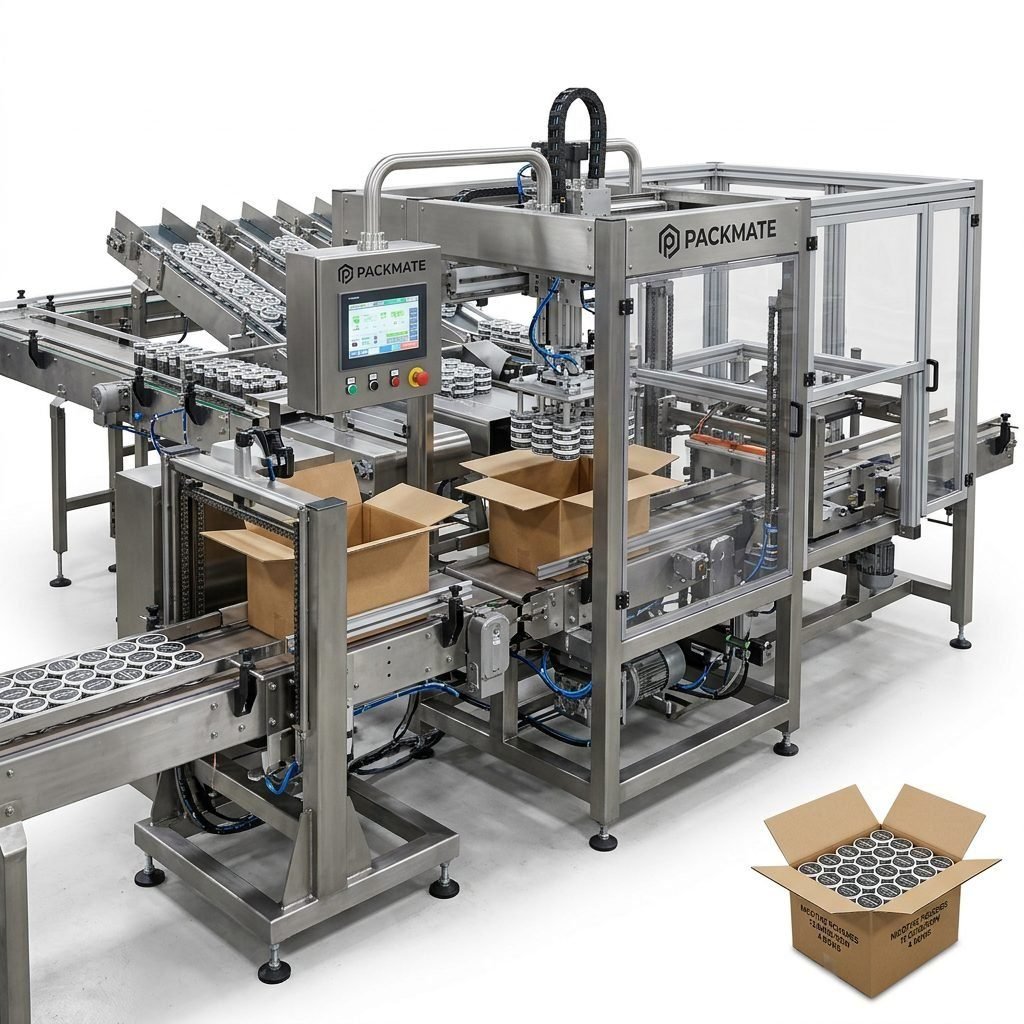
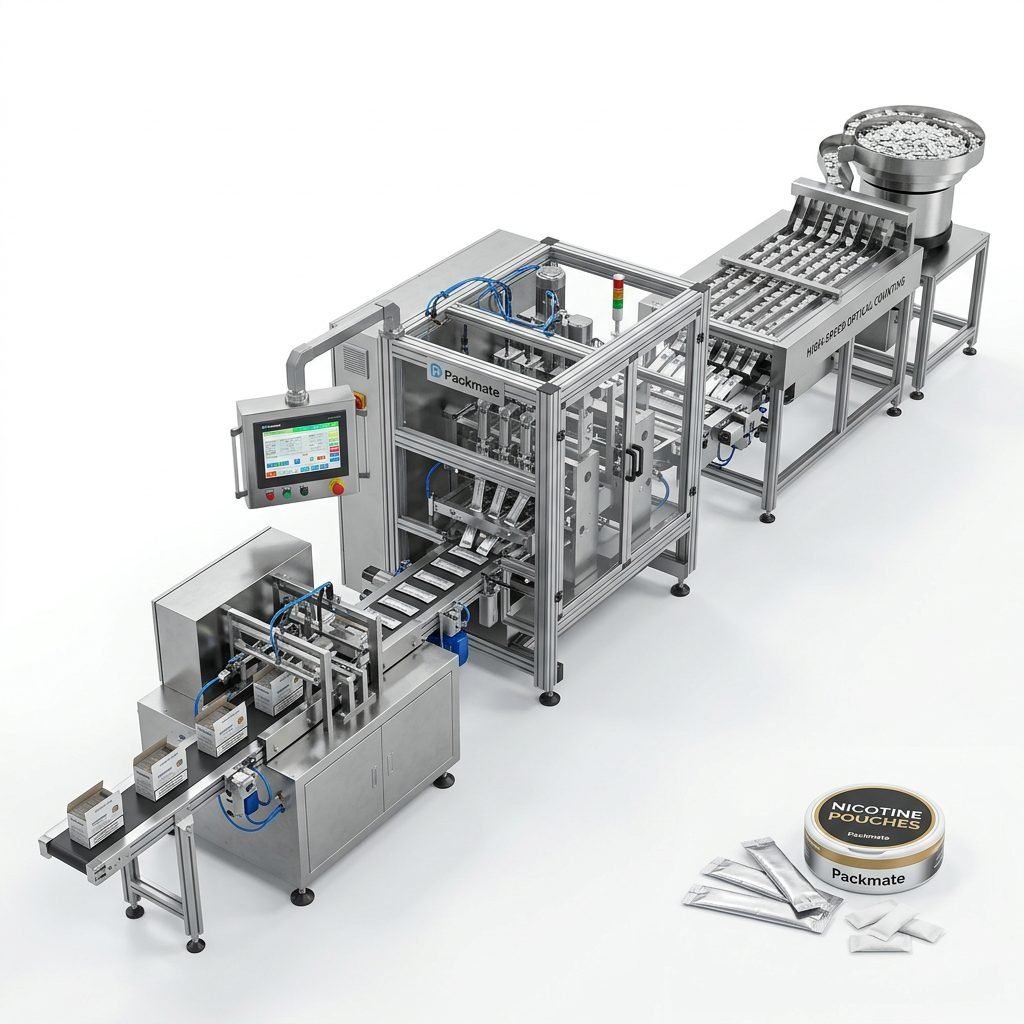
- Automation level: vision inspection, bag counting, and downstream cartoning or secondary packaging options.
Practical tip
✅ Ask for actual production data from the supplier (OEE, average downtime reasons) and request a live video demo of the machine running your product spec. This reduces surprises when the unit arrives in Madagascar.
Factory Capacity, Experience, and Quality Control
A supplier’s manufacturing strength directly affects lead times, spare parts availability, and long-term reliability. Evaluate:
🏭 Factory scale & tools: Does the vendor own a modern facility with CNC centers and precision assembly lines? A 20,000㎡ factory with advanced machining signals capacity for consistent quality.
📜 Experience: Look for suppliers with decades of R&D in packaging machinery, particularly focused on snus or nicotine pouch lines — these specialists better understand small-dose dosing and multi-lane synchronization.
🧪 Quality testing: Ask about pre-shipment testing protocols, spare parts lists, and availability of CE / ISO documentation to facilitate customs clearance.
Certifications, Compliance, and Safety — Not Optional
Ensure machines meet international standards. For Madagascar imports, CE and ISO compliance make customs and local approvals simpler. Verify certificates and ask for scanned copies early in negotiations.
After-Sales Support, Spare Parts, and Training
A machine is only as good as the service behind it. Prioritize suppliers that offer:
- Fast spare parts delivery and a clear spare parts catalog.
- Remote support and onsite commissioning. For Madagascar, onsite commissioning is highly valuable because local technicians may need guided training.
- Operator and maintenance training materials — multilingual manuals and video guides are a plus.
📚 Service promise example: 24/7 remote diagnostics, spare-part dispatch within 7–14 days, and one-week onsite commissioning for first-line customers in Africa are strong commitments to seek out.
Customization & Turnkey Solutions — Fit to Local Needs
Madagascar customers often prefer turnkey solutions that minimize the number of local contractors. Look for suppliers who can provide:
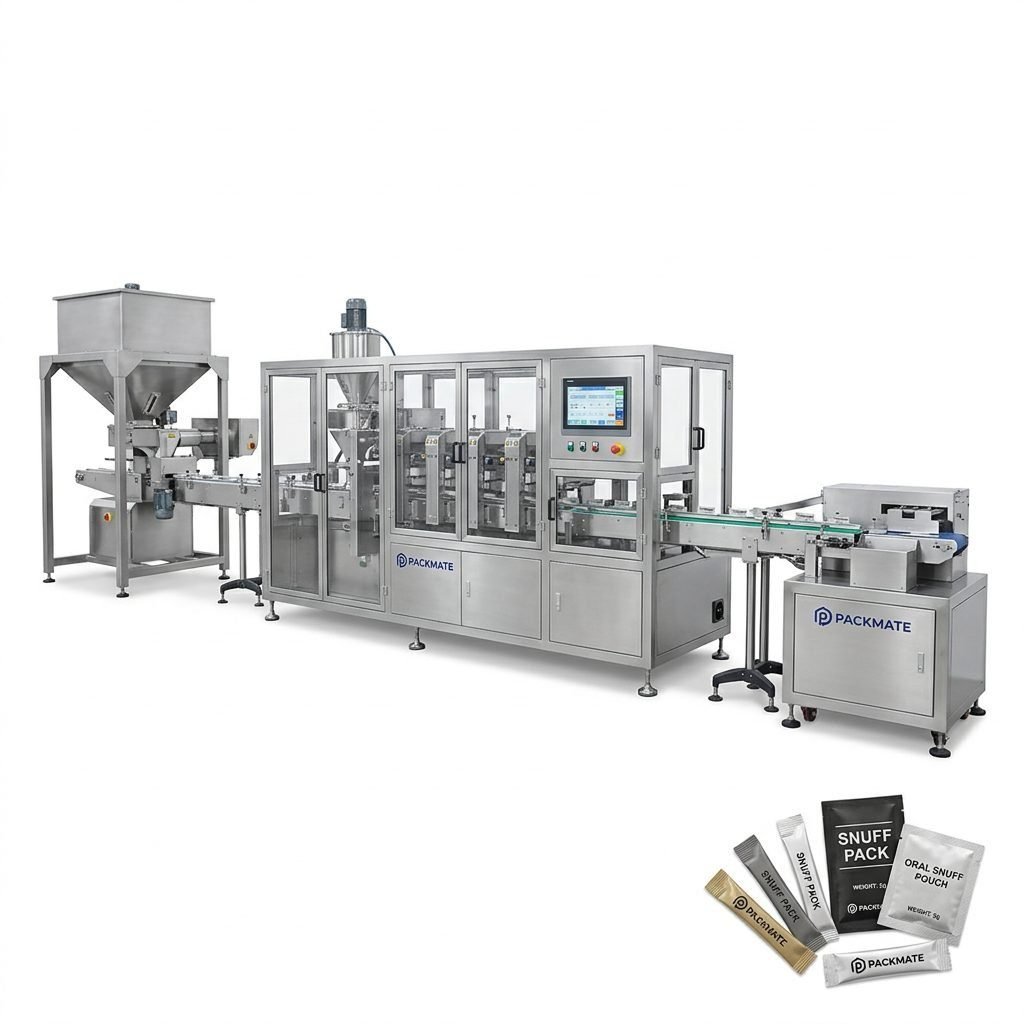
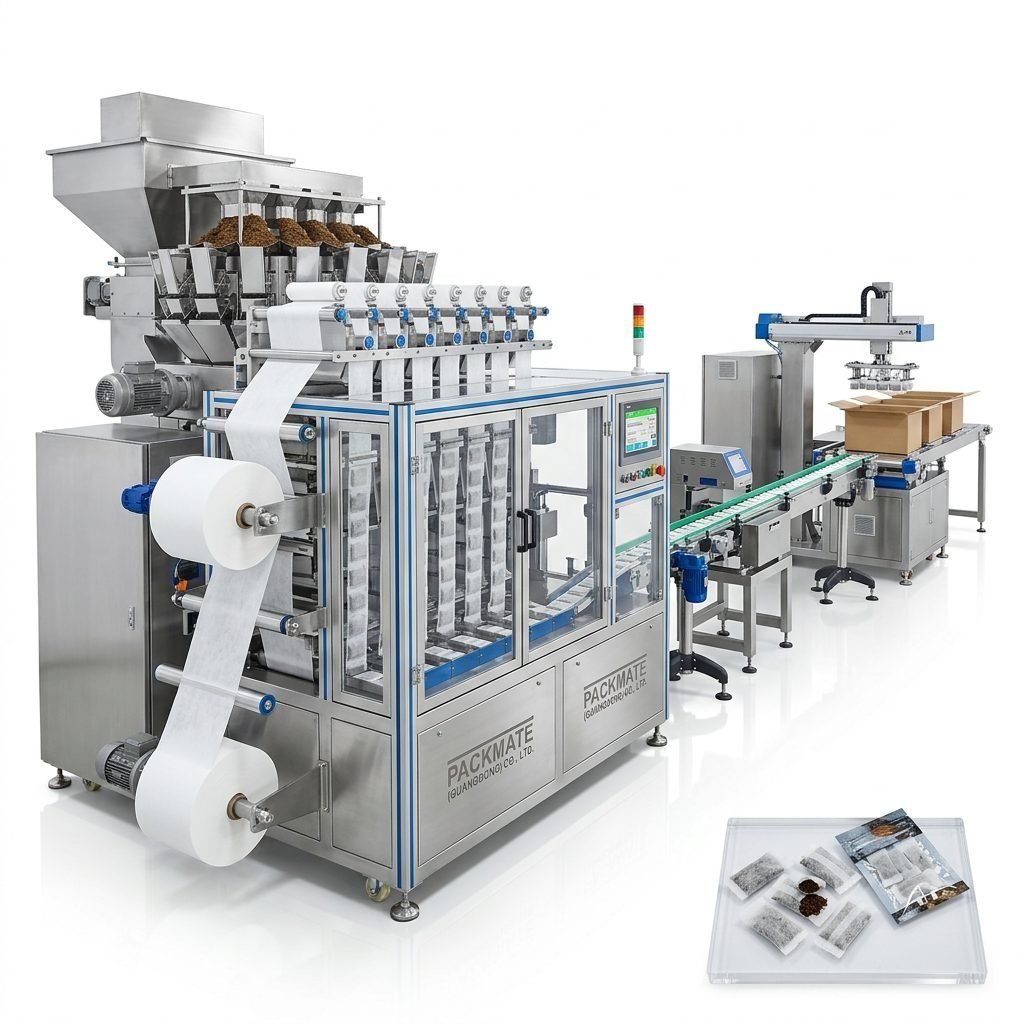
- Complete production lines (filling, sealing, multi-lane packaging, cartoning).
- Custom tooling for unique pouch shapes or branding needs.
- Integration with local utilities and voltage standards, plus modular shipping for easier customs handling.
Supplier credibility signals
Strong references, case studies, and exhibition presence indicate a supplier’s international footprint — all useful when negotiating long-term maintenance and upgrades. You can review detailed product lines and cases to verify breadth of experience: Snus & Nicotine Packaging Machines, Case, and About Packmate.
Total Cost of Ownership (TCO): Beyond Initial Price
Observable price differences hide long-term costs. When comparing quotes, factor in:
- Spare parts prices and expected lifetime of wear parts.
- Energy consumption, consumables (films, seals), and maintenance intervals.
- Downtime risk and the supplier’s response time for repairs in Madagascar.
- Training and documentation costs to bring local teams up to speed.
Comparing Quotations: A Practical Checklist
Use a scoring grid to compare suppliers objectively. Key line items include:
🔢 Technical fit (0–30 points): speed, accuracy, lanes, materials compatibility.
🛠️ Service & parts (0–25 points): lead times, local support, spares inventory.
🏭 Factory & track record (0–20 points): factory scale, exhibition presence, client references.
💰 TCO & payment terms (0–25 points): warranty, payment schedules, training included.
Red Flags: When to Walk Away or Ask Tough Questions
Be cautious if you encounter:
- Lack of verifiable references or factory visits.
- Missing compliance documentation (no CE/ISO scans).
- Vague spare parts policy or undocumented lead times for key components.
- Unwillingness to provide a full machine test or video demonstration with your product type.
Step-by-Step Purchasing Roadmap for Madagascar Buyers
Follow these stages to minimize risk:
- Define specs: target formats, throughput, number of lanes, and materials.
- Shortlist 3–5 suppliers and request standardized quotes and test videos.
- Score each offer using the TCO grid above.
- Verify certifications, visit the factory if possible, or request a live video walk-through.
- Negotiate payment terms, warranty, and spares kit. Insist on clear shipping documentation for Madagascar customs.
- Plan for commissioning: schedule remote support, and allocate time for onsite training after installation.
For turnkey needs (weighing, filling, and packaging lines), explore suppliers that provide integrated solutions to reduce coordination complexity — see examples for complete lines here: Filling & Packaging Lines and Weighing & Packaging Systems.
Negotiation & Contract Tips
Insist on clear warranty terms, defined acceptance testing procedures, and a documented spare parts list. For Madagascar imports, confirm INCOTERMS, expected shipping time, and that documentation supports fast customs clearance. If the supplier exhibits exhibition presence and track record, request references from African customers who can attest to after-sales service performance.
📞 Quick action point: Add “remote training & first 12 months spare parts package” as negotiable items; these can save substantial downtime costs in Madagascar.
Final selection — what a top supplier looks like
A reliable supplier for Madagascar will combine specialized snus experience, a modern factory, clear certification, strong service commitments, and a willingness to support turnkey integration. Suppliers who publish product catalogs, case studies, and participate in global exhibitions are generally more reliable — see product lines and service information at Sachet & Stick Pack Machines and the company’s service page Service.
Ready to proceed?
When you’re ready, reach out to shortlisted suppliers and request detailed proposals, shipping timelines, and references. If you consider Packmate Snus Machine or similar experienced manufacturers, request their complete specs and factory visit schedule to validate their claims before making a commitment. For direct contact, use the supplier’s official channel: Contact Us.
✅ Bottom line: Choose a supplier with documented snus/nicotine experience, robust factory capabilities, proactive after-sales service, and clear export documentation to ensure a smooth start to production in Madagascar.
Frequently Asked Questions (FAQ)
1. How long does delivery and commissioning typically take for a snus packaging line to Madagascar?
Delivery plus commissioning timelines vary by complexity. Basic machines can ship in 8–12 weeks; full turnkey multi-lane lines often require 12–20 weeks plus 7–14 days for onsite commissioning. Always confirm lead times and shipping schedules in the contract.
2. What certificates should I request to clear customs in Madagascar without issues?
Request CE and ISO certificates, detailed packing lists, machine serial numbers, and a comprehensive manual. A supplier that provides scanned certificates and a Certificate of Origin will simplify customs procedures.
3. Are local technicians in Madagascar able to maintain snus packaging machines, or is foreign support necessary?
Basic maintenance can be done locally with proper training and documentation. However, initial commissioning and troubleshooting for complex multi-lane systems often benefit from supplier-led onsite support and remote diagnostics.
4. What spare parts should I order with the machine shipment?
Request wear parts (seals, belts, sensors), a spare PLC module if applicable, critical mechanical parts, and a recommended starter kit. Clarify parts prices and shipping lead times in case urgent replacements are needed.
5. How can I verify supplier claims about speed and accuracy before purchase?
Ask for a live video demo using your actual materials, a sample acceptance test in the factory, and references from customers producing similar products. Verified case studies and exhibition demonstrations add confidence.