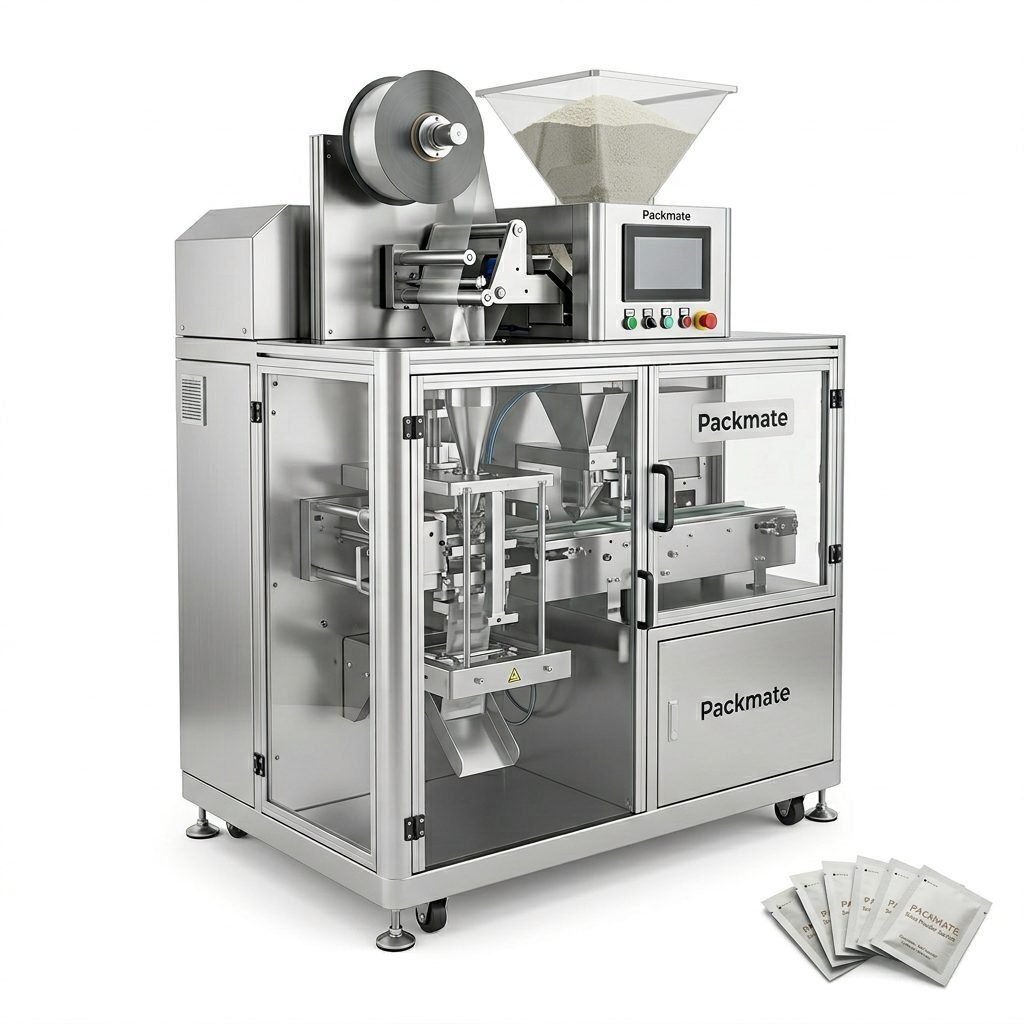
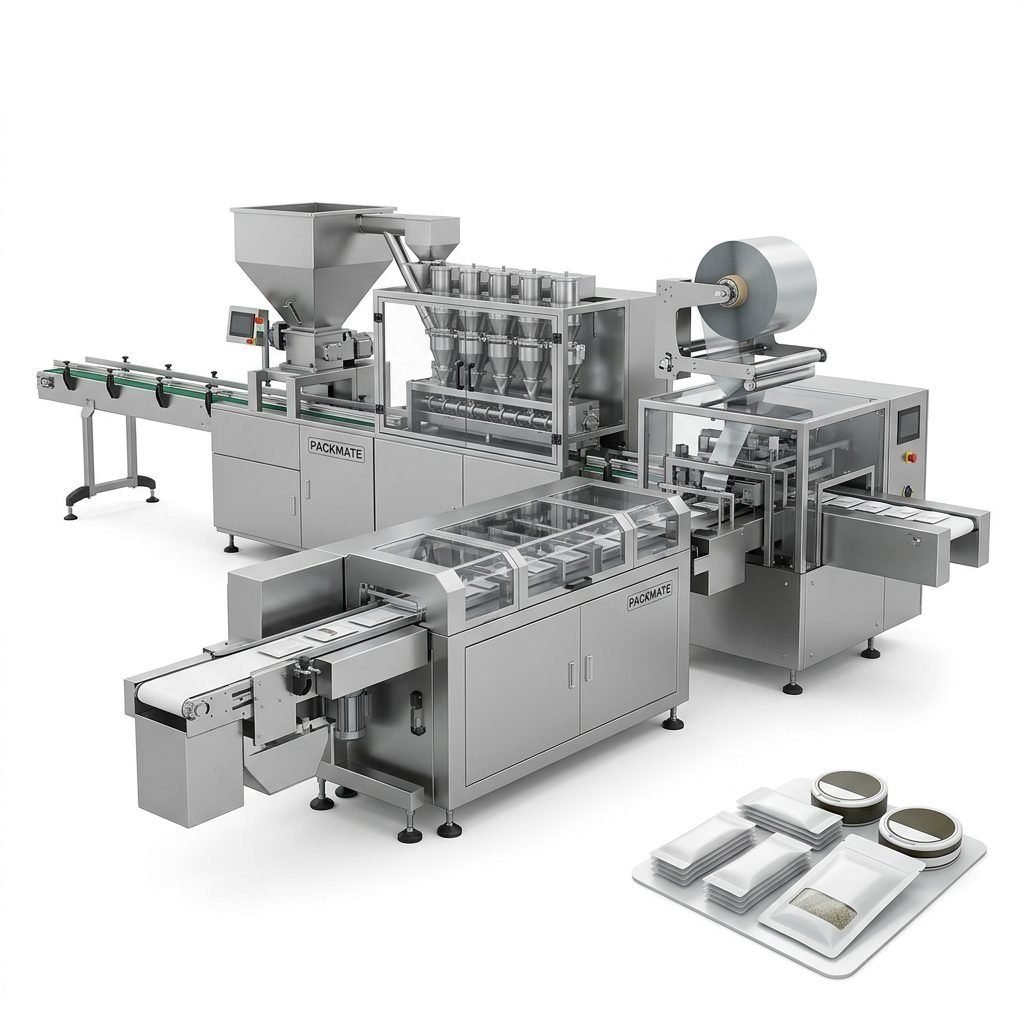
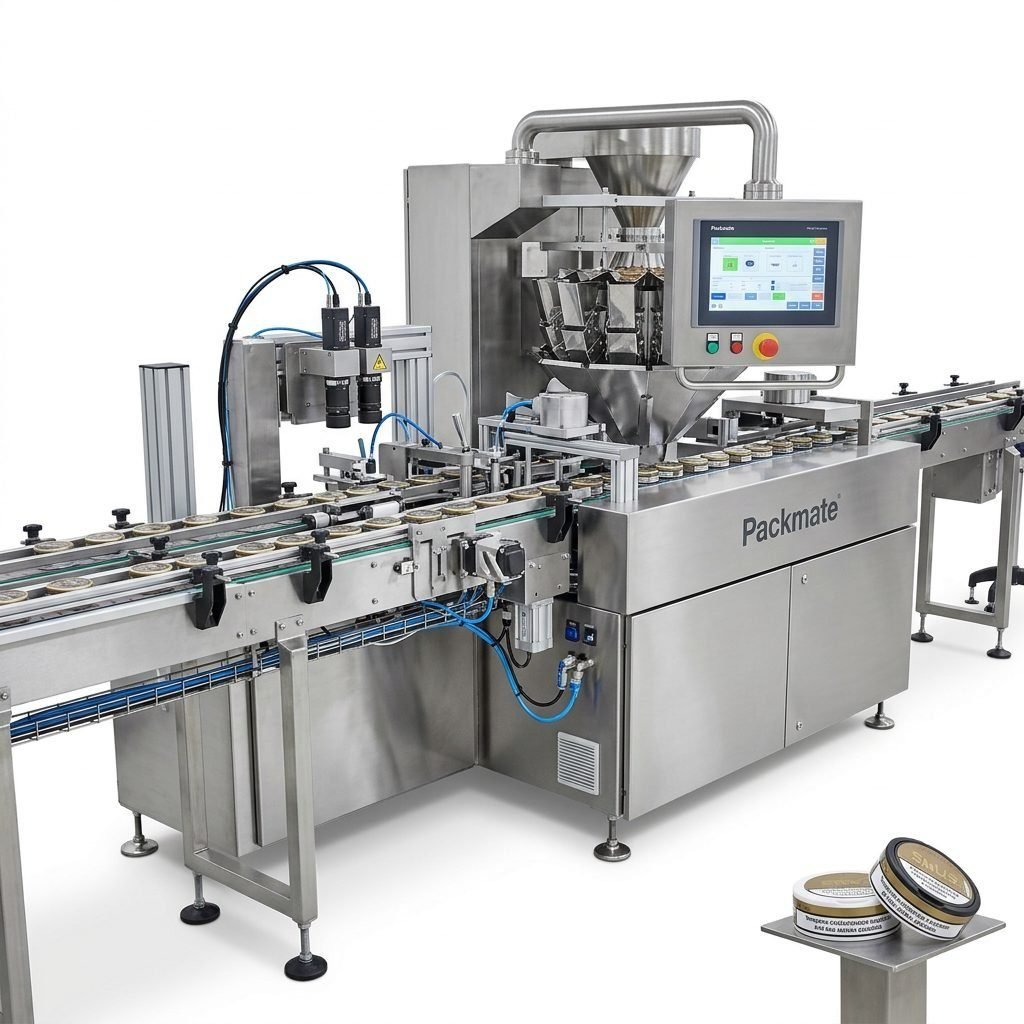
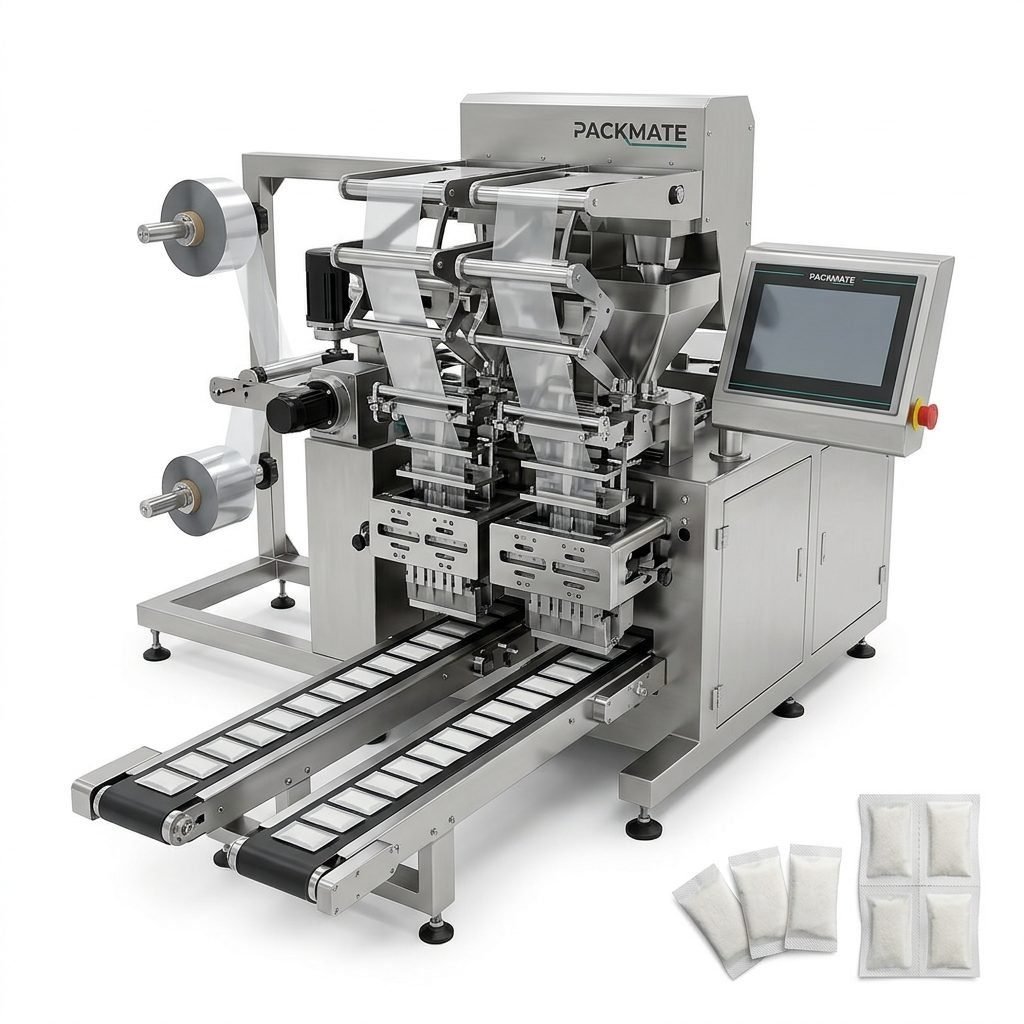
Finding a reliable snus packaging machine supplier for operations relating to North Korea requires extra care: regulatory checks, cultural awareness, and pragmatic sourcing strategies. This guide walks you through the key steps and practical tips to identify and verify trustworthy manufacturers and partners, manage logistics and compliance, and secure after-sales support. Whether you are considering stick pack, sachet, or multi-lane systems, the process below helps you make safer and smarter sourcing decisions.
Step 1 — Understand the Regulatory and Cultural Context
🔶 Regulatory environment matters more than ever. North Korea has strict state controls and extensive restrictions on imports, especially for products tied to tobacco and nicotine. Before any procurement activity, confirm the legal permissibility of importing packaging machines and the end-use product into the country. Consult legal counsel familiar with international sanctions and local trade rules.
🔷 Respect local norms: North Korean business culture values formal introductions, state approval processes, and often works via designated government or state-owned intermediaries. Building trust may require longer lead times and formal channels. If you plan to involve local agents or partners, verify their credentials through multiple independent sources.
Step 2 — Define Technical Requirements Clearly
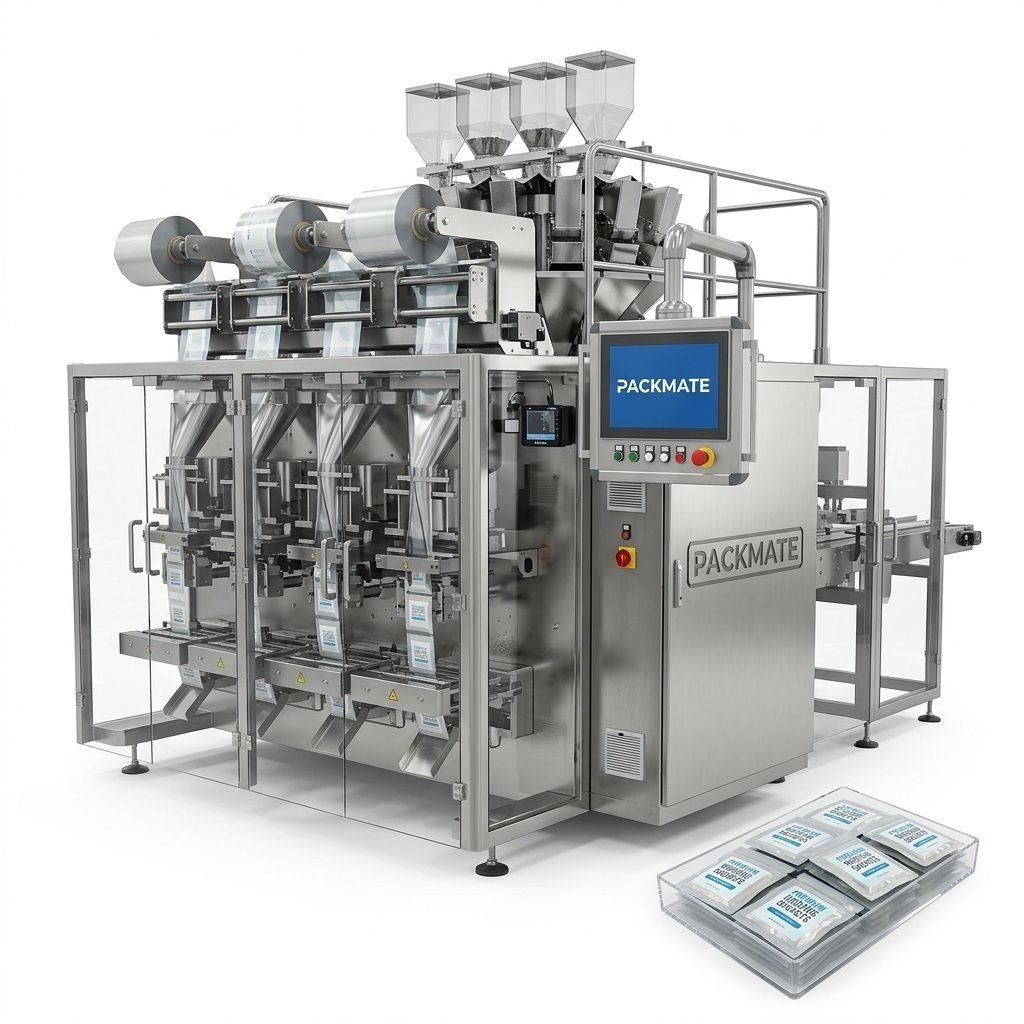
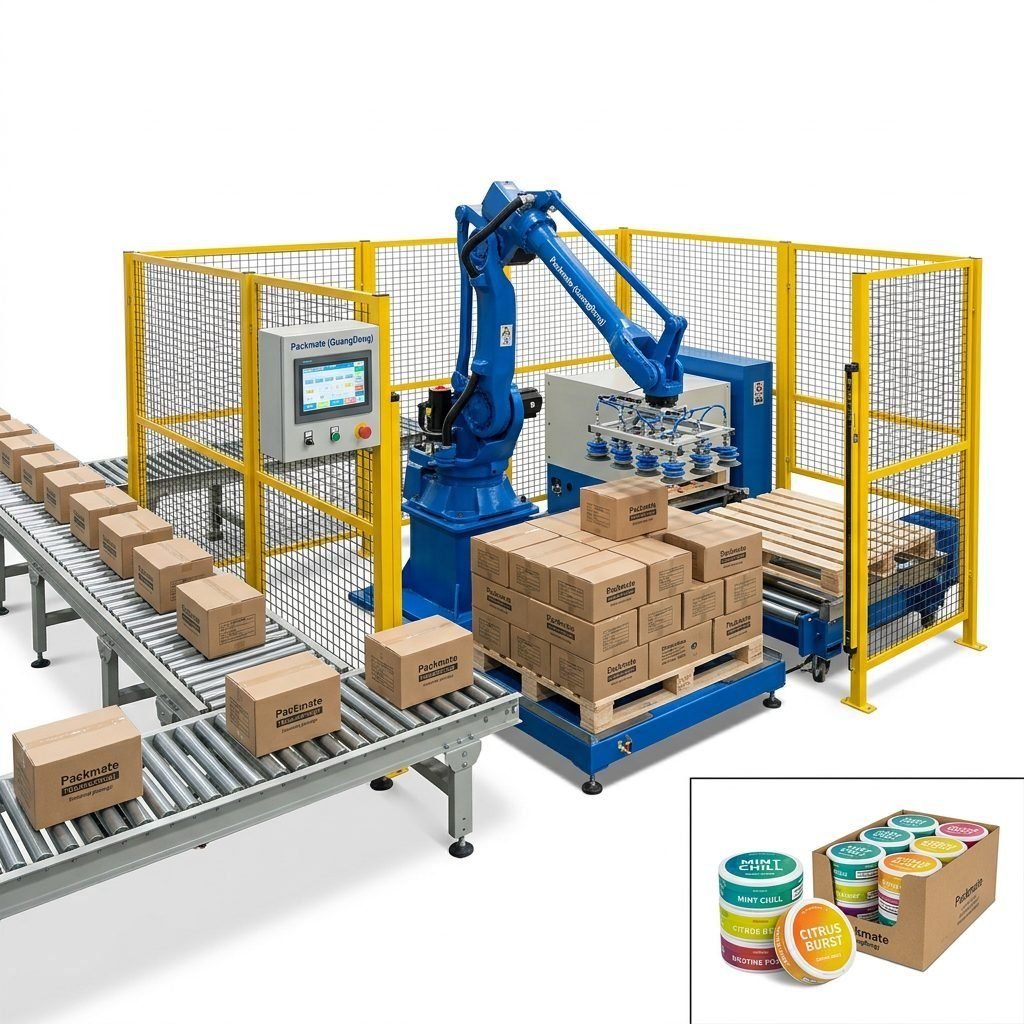
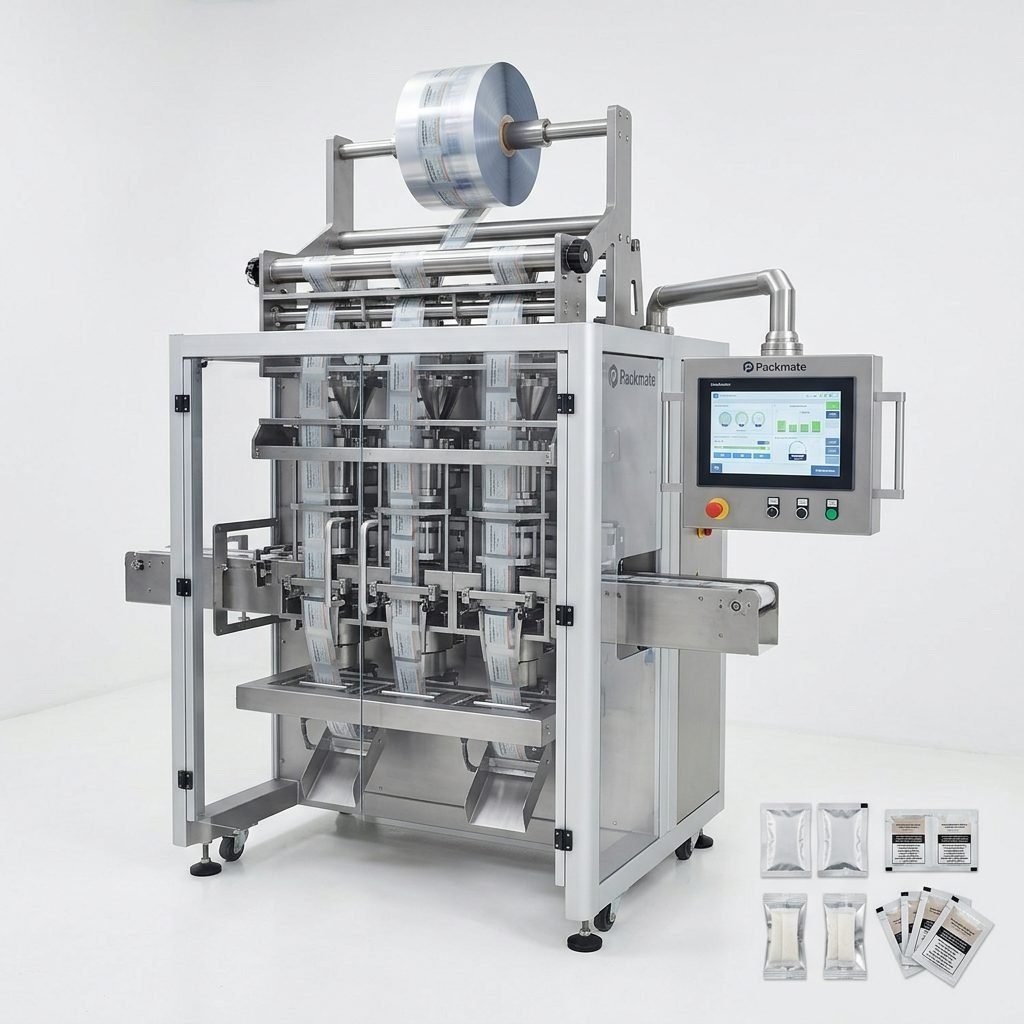
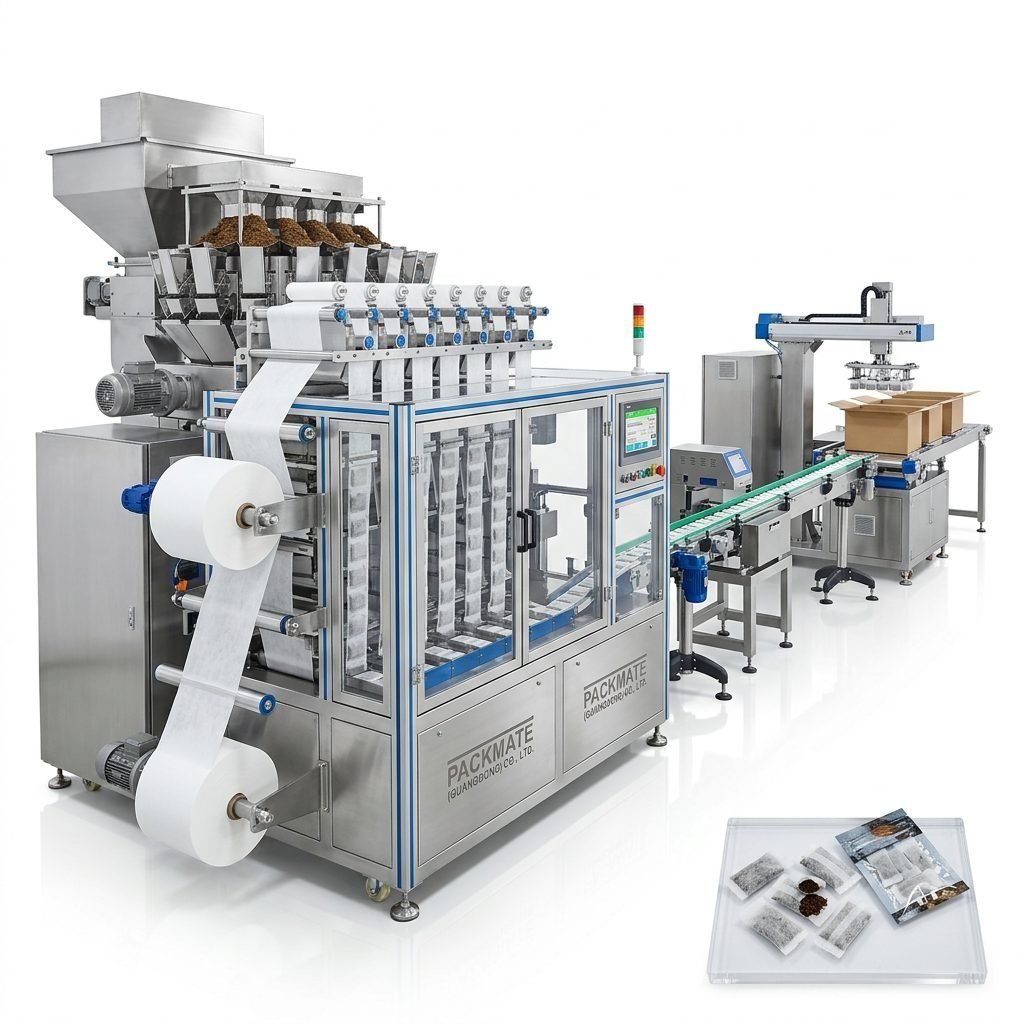
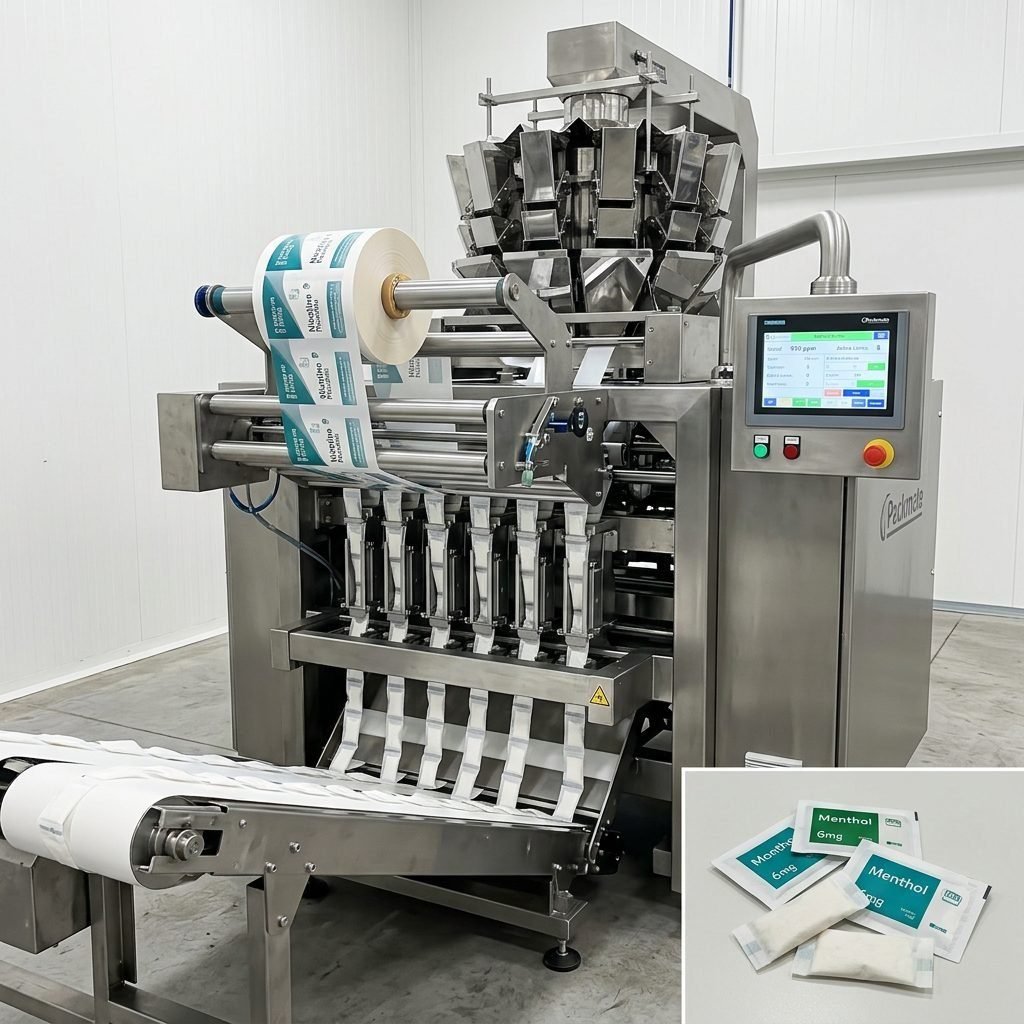
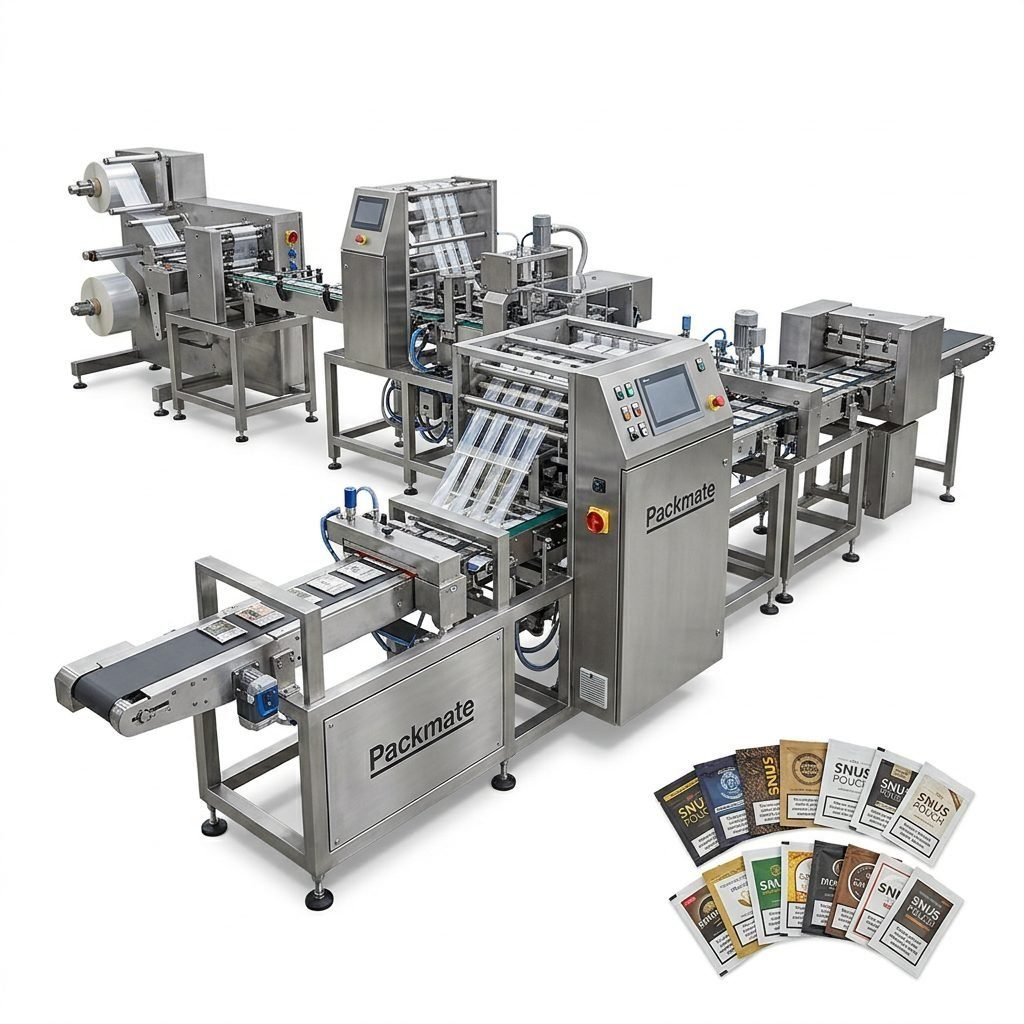
✅ Identify the exact machine types you need: snus/nicotine pouch systems, stick pack, sachet, multi-lane machines, or full filling & packaging lines. Clarify capacity (pouches per minute), pouch size ranges, dosing accuracy, automation level, and required ancillary equipment such as weighing, feeding, or case packing.
Tip: If you are not sure which layout is optimal, ask suppliers for modular solutions that allow future upgrades. Visit product pages like
Snus & Nicotine Packaging Machines
and
Sachet & Stick Pack Machines
to compare standard specifications.
Step 3 — Supplier Qualification and Verification
⚠️ Start with documentary checks: request company registration, production facility photos and videos, quality certificates (CE, ISO), and client references. Reliable manufacturers often publish case studies and certificates — see example company pages such as
Case
and
Certificate.
🔎 Cross-check references by contacting past buyers (domestic and international). For higher assurance, ask for recent video demonstrations of the exact model you would purchase running at target speed with similar materials.
Factory Capabilities to Verify
– Production area size and machining capacity (CNC, assembly lines). Packmate-style facilities often report factory size and factory systems as indicators of reliability.
– Model range and customization capability: can the supplier support modifications for local regulations and pouch format changes? Visit the manufacturer’s product list for context:
Bag & Pouch Packaging Machines.
Step 4 — Quality Assurance and Testing
✅ Require FAT (Factory Acceptance Test) protocols and a video-recorded run. The FAT should include a full run at rated speed with your chosen materials, measuring output consistency, seal integrity, and dosing variation. Insist on documented test reports.
Important: Ask how the supplier handles spare parts and consumables. A long-term supply of key spares (sealing jaws, cutters, servo components) is vital. Confirm lead times for parts shipments to North Korea or to the nearest transshipment point.
Step 5 — Commercial Terms, Payment & Contracts
💡 Use clear contracts that define scope, delivery milestones, acceptance criteria, warranty, and penalties. Consider staged payments tied to milestones: deposit, pre-shipment acceptance, and final acceptance after installation.
🔐 Payment methods should protect both parties: letters of credit or escrow services reduce risk. Avoid untraceable payment arrangements. Verify that the supplier complies with export control and sanctions regimes before issuing funds.
Step 6 — Logistics, Shipping and Customs Considerations
🚢 North Korea’s international shipping options are limited. Many suppliers and buyers use transshipment through neighboring ports in China or Russia. Plan for additional documentation, customs inspections, and potential delays.
Action: Work with logistics partners experienced in the destination region. Confirm Incoterms and who is responsible for export licenses, clearance, and duties.
Packaging and Transport Protection
Machines must be crated and secured for long transit. Request photos or video of the crating process. For sensitive components, consider desiccants, shock indicators, and clear labelling of lift points.
Step 7 — Installation, Training and After-sales Service
🛠️ Verify the supplier’s service model: on-site engineers, remote commissioning support, training for local technicians, and spare part availability. Packmate-type suppliers often provide turnkey solutions and training packages. Ask for a clear after-sales SLA (response times and escalation paths).
🧭 If on-site visits are restricted, plan for comprehensive remote commissioning: live video sessions, step-by-step installation guides, and remote diagnostics tools. Ensure language support or a translator is available during training.
Step 8 — Risk Management and Compliance
⚖️ Ensure you have legal counsel who understands export control, sanctions, and licensing issues related to North Korea. Maintain a compliance checklist: product classification, dual-use assessments, and required government permits.
🔒 Conduct enhanced due diligence when local agents or intermediaries are involved. Use background checks, and verify identities through multiple independent sources. Keep clear records of all communications, contracts, and approvals.
Step 9 — Practical Sourcing Tips and Cultural Considerations
🧭 In North Korea’s context, relationships and formal authorizations are central. If you can work through neighboring-country partners (China, Russia), do so with reputable firms familiar with DPRK logistics. This often shortens approval cycles and reduces surprises.
🤝 Build trust gradually: expect longer negotiation timelines and prefer well-documented, formal processes. Use trusted referrals and international trade shows in nearby countries to meet vetted suppliers and request live demonstrations. Check the supplier’s exhibition track record at
Our Exhibition.
Checklist Before You Commit
✅ Confirm legality and obtain necessary permits.
✅ Verify factory capability, certifications (CE/ISO), and spare parts supply.
✅ Complete FAT and collect recorded evidence of the machine running with your materials.
✅ Agree on payment milestones, warranty, and after-sales SLA.
✅ Plan logistics route and transshipment if direct shipping is limited.
Supplier Example & Resources
For reference, experienced manufacturers in the snus packaging sector provide broad capabilities: multi-lane high-precision packaging systems, full turnkey lines including weighing and feeding, and long-term service. Explore the supplier’s ability to offer integrated solutions such as
Weighing & Packaging Systems
and
Filling & Packaging Lines.
Contact and Support
When you are ready to request quotations and factory information, use verified communication channels. Visit the supplier’s contact page such as
Contact Us
and ask for full documentation, lead times, and the typical timeline from P.O. to commissioning.
Final Recommendations
– Prioritize compliance: never bypass export controls or sanctions. Work with legal experts to confirm your planned transactions are permitted.
– Use staged verification: document checks, remote video FAT, then physical inspection when feasible. Trusted suppliers will cooperate with these requests to close deals.
– Insist on clear spare parts and service plans. A packaging machine is a long-term investment — reliable support matters as much as initial price.
Frequently Asked Questions
Q1: Can snus packaging machines be shipped directly to North Korea?
A1: Direct shipping options are limited and subject to strict controls. Most suppliers and buyers use transshipment via neighboring countries with experienced logistics partners and proper export documentation.
Q2: What certifications should I check?
A2: Request CE and ISO certificates for production quality and electrical safety. Also ask for machine-specific test reports and FAT documentation.
Q3: How do I verify a supplier remotely?
A3: Use recorded video FAT, live video factory tours, references from other international buyers, and third-party inspection reports.
Q4: What payment methods are safer?
A4: Letters of credit or escrow services are preferred. Avoid large untraceable payments and verify export compliance before transfer.
Q5: How to ensure spare parts availability?
A5: Contractually require spare parts supply terms in the agreement, list critical spares, and agree on maximum lead times for replacement parts shipments.