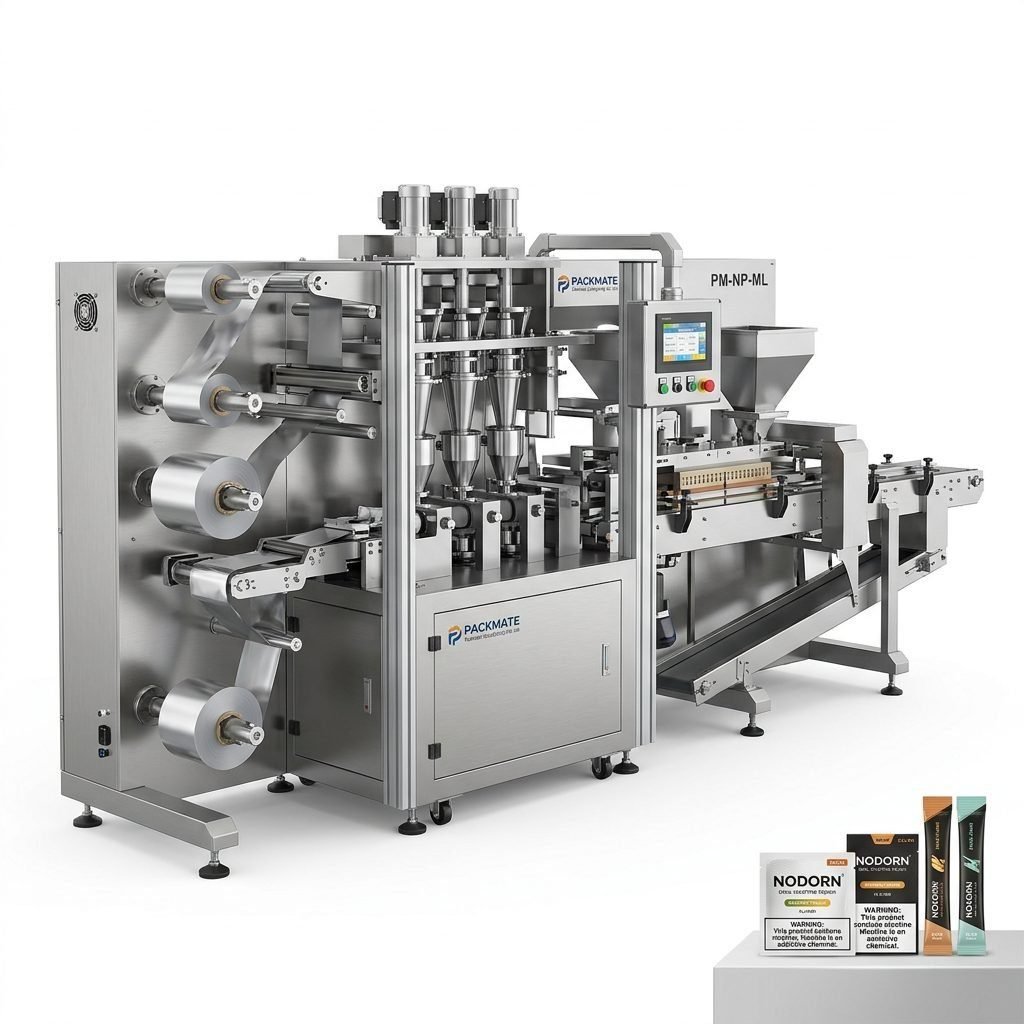
Choosing the right snus packaging machine supplier in Mali requires more than comparing price tags. From local import routes and language preferences to humidity challenges and after-sales support, there are many practical and cultural factors that directly affect the success of your packaging line. This guide breaks down the key considerations so you can evaluate suppliers confidently and select a partner that fits both your production goals and Mali-specific needs.
Understand Mali’s market and logistic context
Mali is a landlocked West African country where French is the official language and local customs value discreet, practical solutions. Importing machinery commonly goes through ports in neighboring countries (Abidjan, Dakar or Conakry) and then by road or rail to Bamako. This affects lead times, freight costs, and customs clearance procedures. Keep these points in mind when discussing delivery schedules and total landed cost with any supplier.
Key logistic tips for Mali
🔑 Plan for longer transit times: shipments typically require extra transit and customs time compared with coastal markets.
🚚 Choose FOB or CIF carefully: verify which port the supplier will ship to and confirm inland transport arrangements to Bamako.
📝 Prepare French-language documentation: customs officials and local teams usually work more smoothly with French paperwork.
Technical capability: machine types and customization
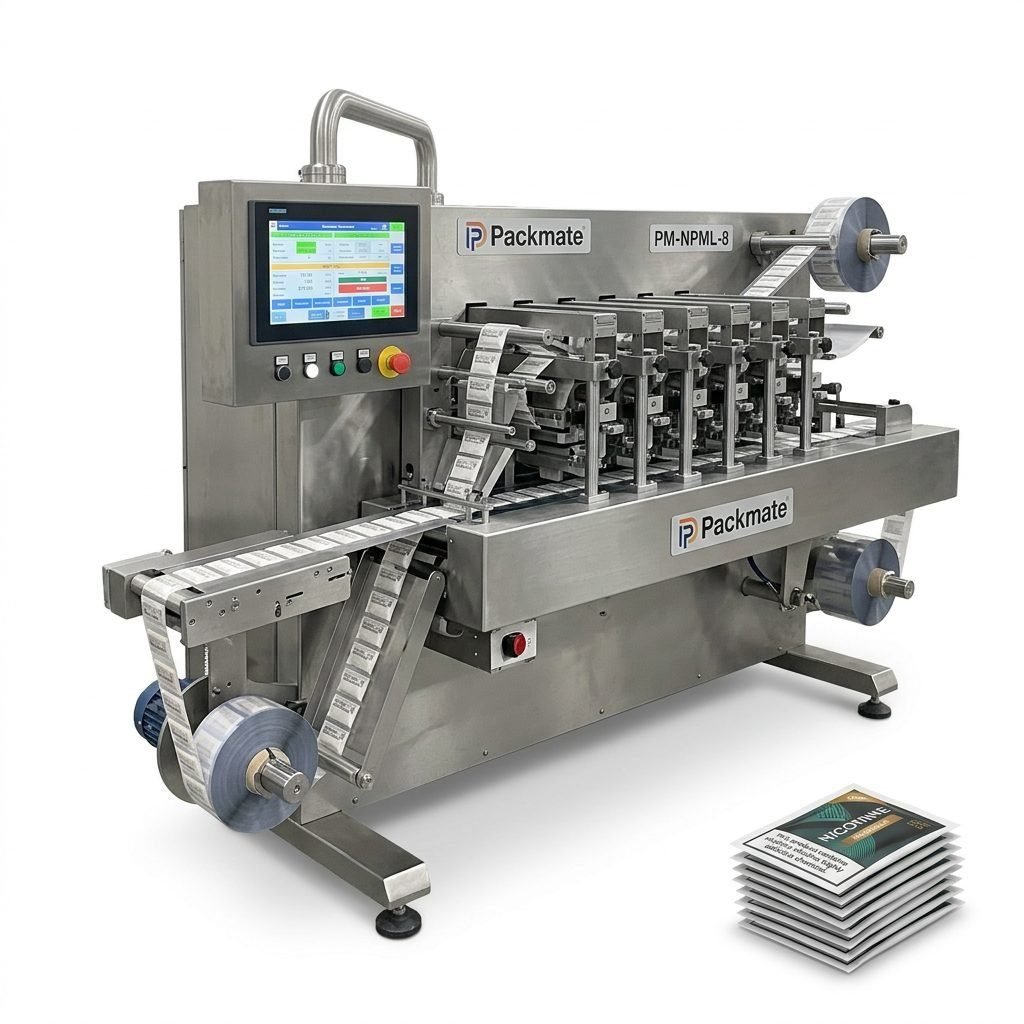
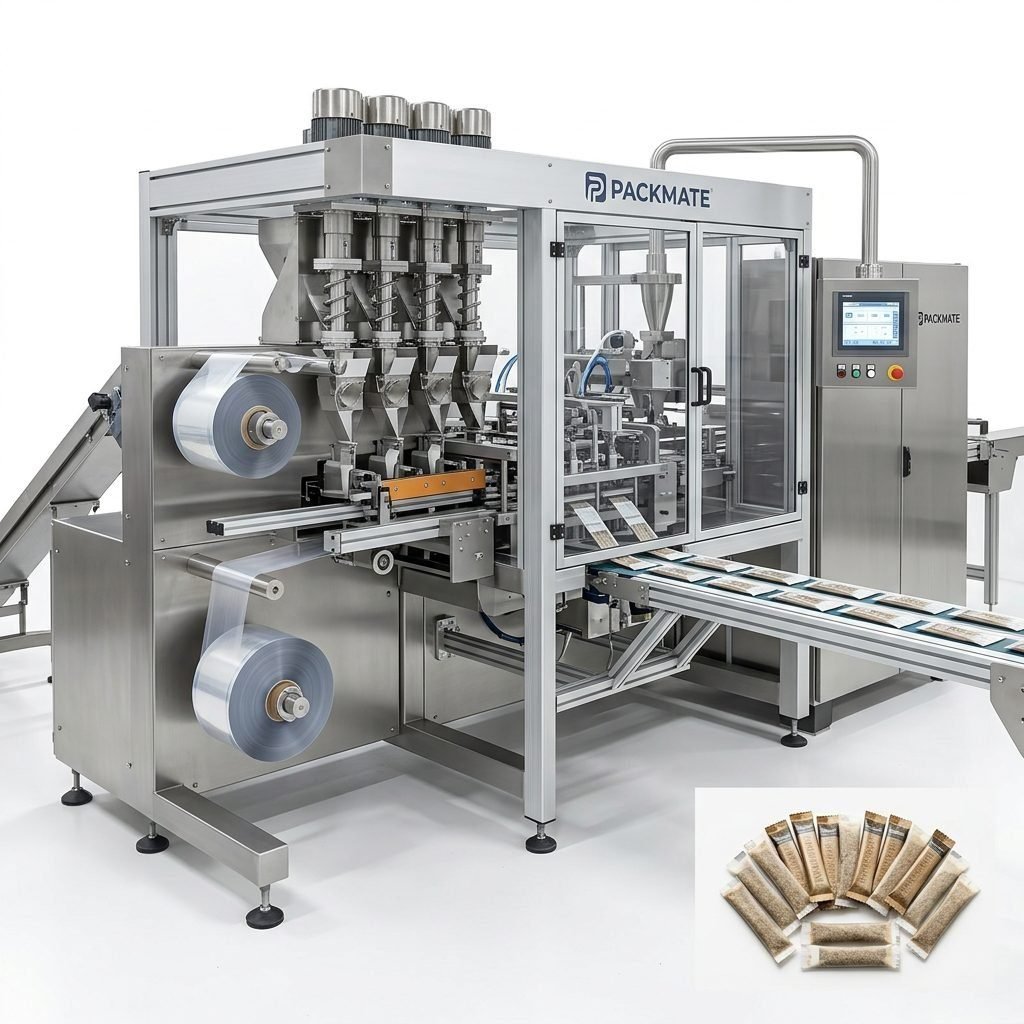
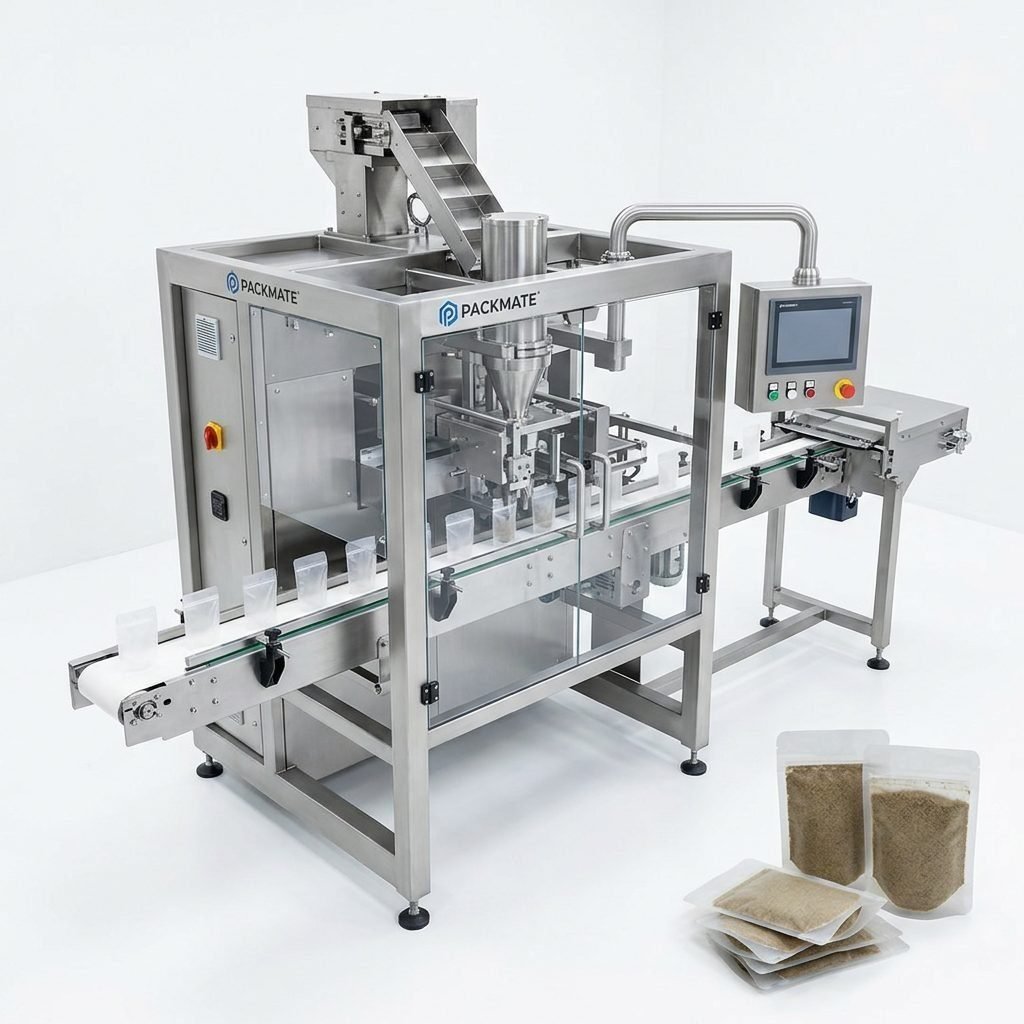
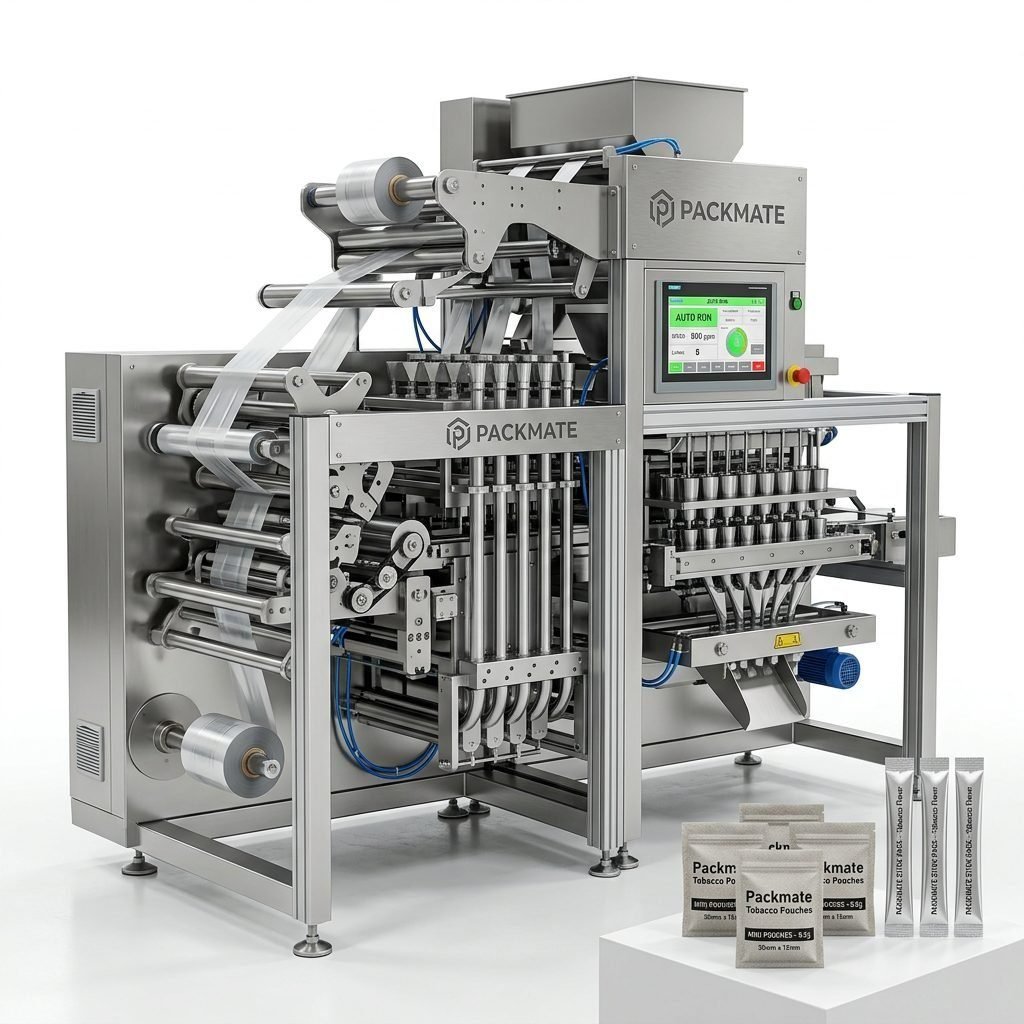
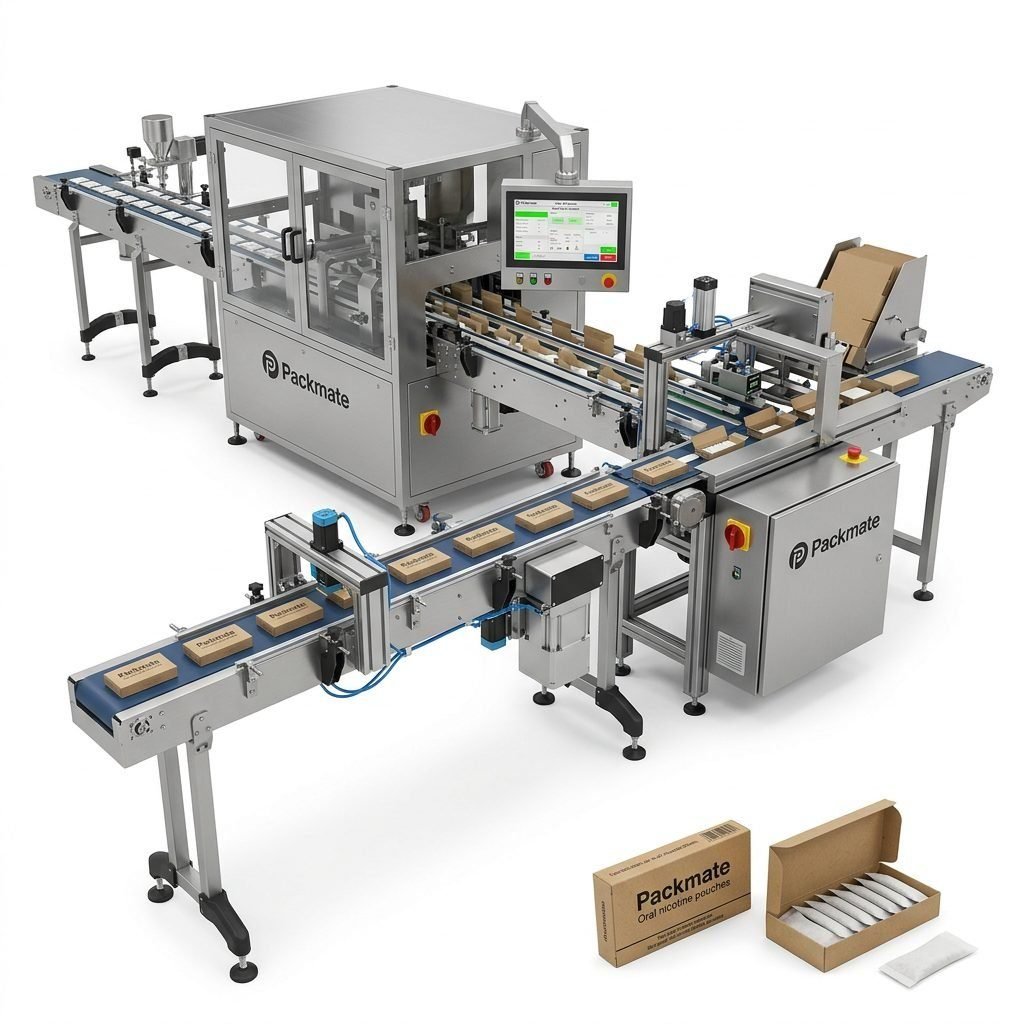
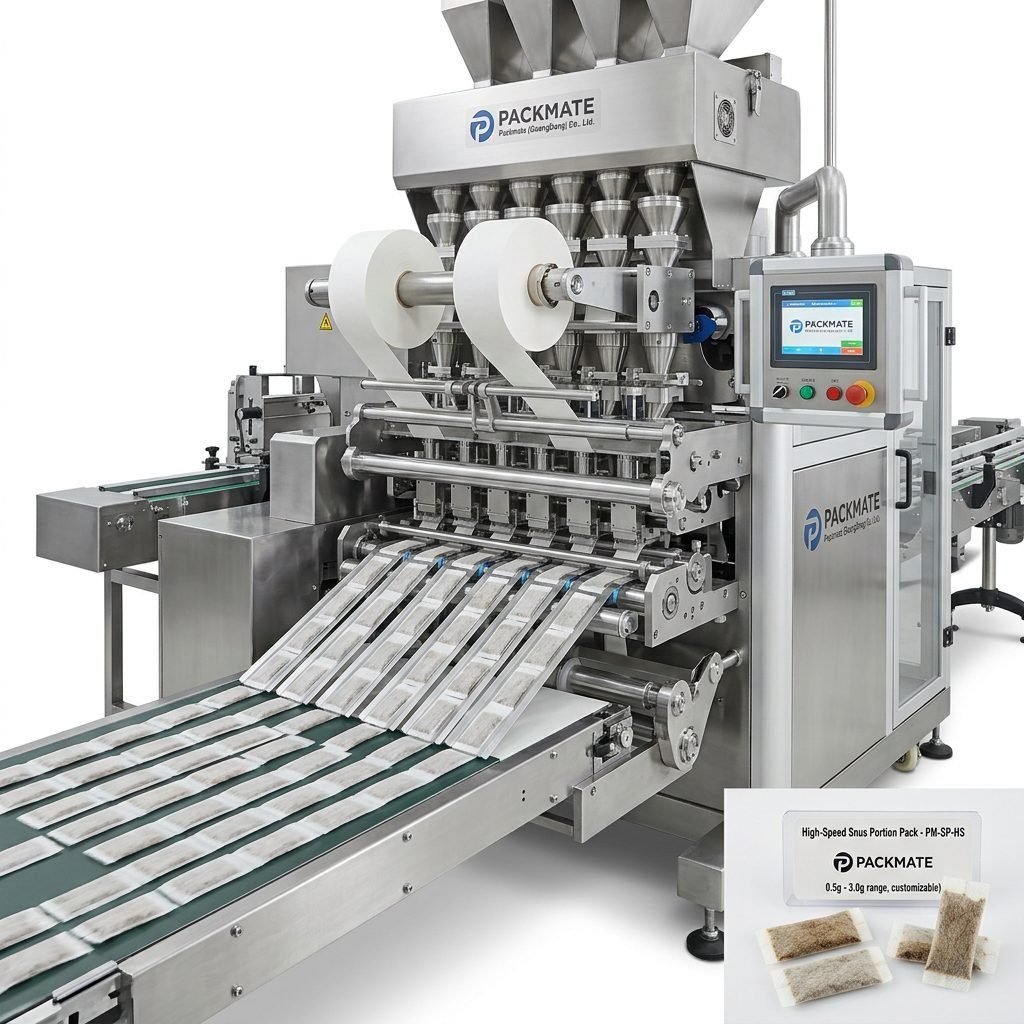
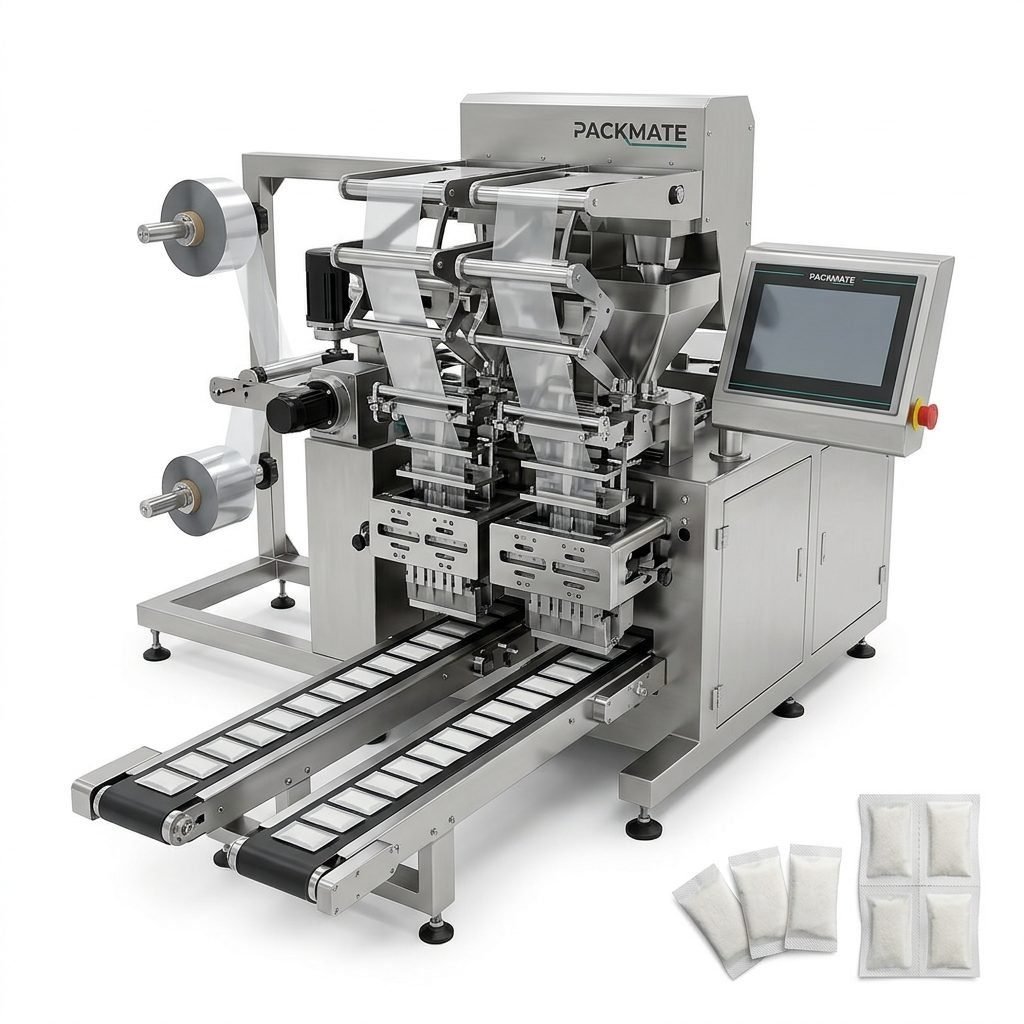
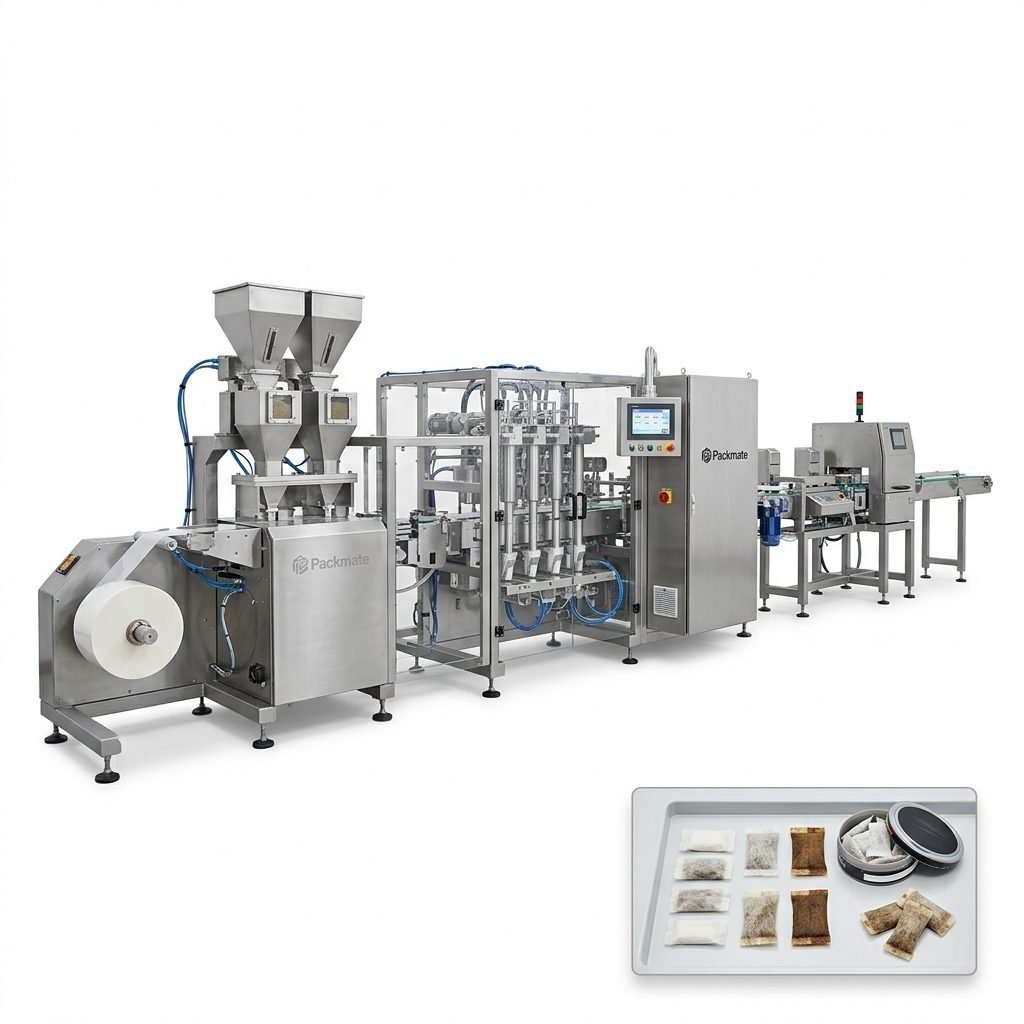
Suppliers should offer machines that match your product format (nicotine pouch, snus sachet, stick pack, multi-lane pouches). A reputable manufacturer will provide options for different pouch sizes, dosing ranges, and multi-lane throughput to meet your desired output. For example, Packmate Snus Machine specializes in snus and nicotine pouch packaging lines and offers a range of solutions from single-lane sachet machines to high-speed multi-lane systems.
✅ Ask for machine demonstrations and videos — seeing performance metrics like pouches/minute, accuracy, and changeover time is crucial. If possible, request a video of the exact model running with a similar product to yours.
Product and packaging material compatibility
Some snus or nicotine formulations are more hygroscopic and need specialized dosing systems and protective packaging films. Verify that the supplier has experience with your product’s characteristics and offers compatible packaging films, sealing temperatures, and nitrogen flushing if required.
Certifications, quality and regulatory compliance
International certifications (CE, ISO) indicate that equipment meets recognized safety and quality standards. For Mali operations, especially when exporting or importing goods, these marks simplify customs and can be required by local authorities or downstream buyers.
⚖️ Confirm CE and ISO documentation and request machine test certificates, electrical schematics, and safety manuals in French or English as needed.
After-sales support and spare parts strategy
In Mali, quick access to spare parts and remote support can make or break uptime. Look for suppliers who maintain spare parts inventories, offer fast shipping options to West Africa, and provide remote troubleshooting. Ideally, your supplier will offer on-site commissioning and training, either through local service partners or visiting engineers.
Support checklist
🔧 Spare parts availability: confirm SKU lists, lead times, and minimum stock you should keep locally.
📞 Remote support: ask whether the supplier offers video-guided repairs and PLC parameter support.
🧑🏫 Operator training: ensure training is available in French and includes maintenance routines.
Total cost of ownership (TCO) vs. upfront price
Sometimes a lower purchase price hides higher operating costs due to energy inefficiency, frequent part replacements, or longer downtime. Evaluate TCO by asking for energy consumption figures, predicted spare part lifetime, recommended maintenance intervals, and average MTBF (mean time between failures).
💡 Request a comparative TCO report for models you’re considering — it’s a good negotiating tool and helps predict ROI.
Factory and manufacturing strength
A supplier with a substantial manufacturing base typically offers better QA processes, spare parts availability, and customization capabilities. Packmate, for example, operates a 20,000㎡ facility with advanced CNC machining centers — evidence of its ability to manage complex orders and provide consistent quality.
📦 Check factory credentials: number of models, assembly lines, and whether the supplier provides turnkey solutions including auxiliary equipment and weighing systems.
References, case studies and exhibition presence
Ask for references from customers in similar markets or with similar products. A supplier that attends global exhibitions and has published case studies usually invests in marketing and product demonstration — a sign of reliability and transparency.
🔍 View real case studies and exhibition records to verify performance claims and see real-world implementations.
Payment terms, warranty and contractual clauses
Clarify payment terms (deposit, balance on shipment, L/C options), warranty period, and what warranty covers (parts, labor, travel). For exports to Mali, confirm whether the supplier assists with shipping documents like packing lists, BL, and certificates of origin.
📄 Negotiate clear SLAs that define expected response times for critical failures and spare parts dispatch timelines.
Cultural fit and language support
In Mali, practical communication in French is highly valued. Suppliers that provide documentation, training, and support in French will integrate more effectively with local teams. Also, understand local business etiquette: building trust through in-person visits or video conferences can accelerate negotiations and reduce misunderstandings.
Environmental and site considerations
Mali’s hot and sometimes dusty environment requires machines with adequate cooling and sealing. Ask about protective finishes, inlet air filtration for electronics, and recommended maintenance frequency under local conditions. Also confirm electrical specifications and whether the machine supports the local grid or needs a transformer or UPS.
Choosing between modular, turnkey, or in-house solutions
Decide whether you want a single supplier to deliver a full turnkey production line (filling, weighing, packaging, and end-of-line equipment) or to buy modular machines and integrate locally. Turnkey solutions simplify commissioning and accountability; modular purchases may save cost but increase integration risk.
🔗 If you want to explore specific machine categories, check these product pages for detailed specs: Snus & Nicotine Packaging Machines, Bag & Pouch Packaging Machines, and Sachet & Stick Pack Machines.
Factory acceptance test (FAT), site acceptance test (SAT) and training
Insist on FAT and SAT procedures. FAT should demonstrate the machine handling your product at agreed specifications prior to shipment. SAT confirms proper installation and performance at your site. Ensure the supplier includes operator and maintenance training during SAT, ideally with French-language manuals and on-site trainers.
How to evaluate supplier proposals systematically
Create a weighted scoring matrix that includes: machine performance, certifications, TCO, spare parts policy, lead time, warranty, local support, and cultural fit (language & documentation). This objective approach helps compare suppliers on more than just price.
Quick supplier evaluation template (example)
✅ Performance (30%) — speed, accuracy, uptime.
✅ Support & parts (25%) — local shipping, stock, remote help.
✅ Compliance & QA (15%) — CE, ISO, FAT reports.
✅ Commercial terms (15%) — price, payment, warranty.
✅ Cultural & logistic fit (15%) — language, shipping route to Mali.
Where to get further help and resources
Explore supplier product catalogs, case studies, and service pages to validate claims and find machine matches for your production target. For instance, you can learn more about turnkey lines and support options by visiting the supplier’s Service page, review company background at About Packmate, or contact sales directly via the Contact Us page.
Final checklist before placing an order
– Confirm FAT results in writing and include acceptance criteria.
– Agree on spare parts package, initial consumables, and recommended stock.
– Ensure French-language manuals and training sessions are included if needed.
– Verify shipping route, ports involved, and estimated customs timelines to Bamako.
– Lock warranty, SLA response times, and post-installation support terms in the contract.
Conclusion
Selecting the best snus packaging machine supplier for Mali involves balancing technical performance, local logistics, language and cultural fit, and long-term serviceability. Prioritize suppliers that demonstrate clear experience with nicotine pouch formats, provide robust after-sales support, and understand Mali’s import routes and documentation needs. A well-chosen partner will not only supply equipment but also help you establish a reliable, scalable production line tailored to local market conditions.
Common Questions
Q1: What documents should I request for customs clearance in Mali?
A1: Ask for commercial invoice, packing list, bill of lading, certificate of origin, CE/ISO certificates, and any test reports or FAT documentation. French translations can speed up clearance.
Q2: How long does shipping and installation typically take to Bamako?
A2: Transit via Abidjan/Dakar plus inland transport can add several weeks. Allow extra time for customs clearance and SAT; a realistic timeline is often 8–14 weeks from factory dispatch depending on the route and paperwork.
Q3: Should I buy a turnkey line or assemble components locally?
A3: For first-time production and to reduce integration risk, turnkey lines are recommended. If you have skilled local technicians and a reliable integrator, modular purchases can be cost-effective but require tighter project management.
Q4: How important is French-language support for Mali?
A4: Very important — French documentation and training reduce errors, speed up maintenance, and improve operator confidence. Confirm availability before purchase.
Q5: Where can I see real machine references and detailed product specifications?
A5: Visit product and case pages to review specifications and success stories, for example the Case page and product pages like Weighing & Packaging Systems.