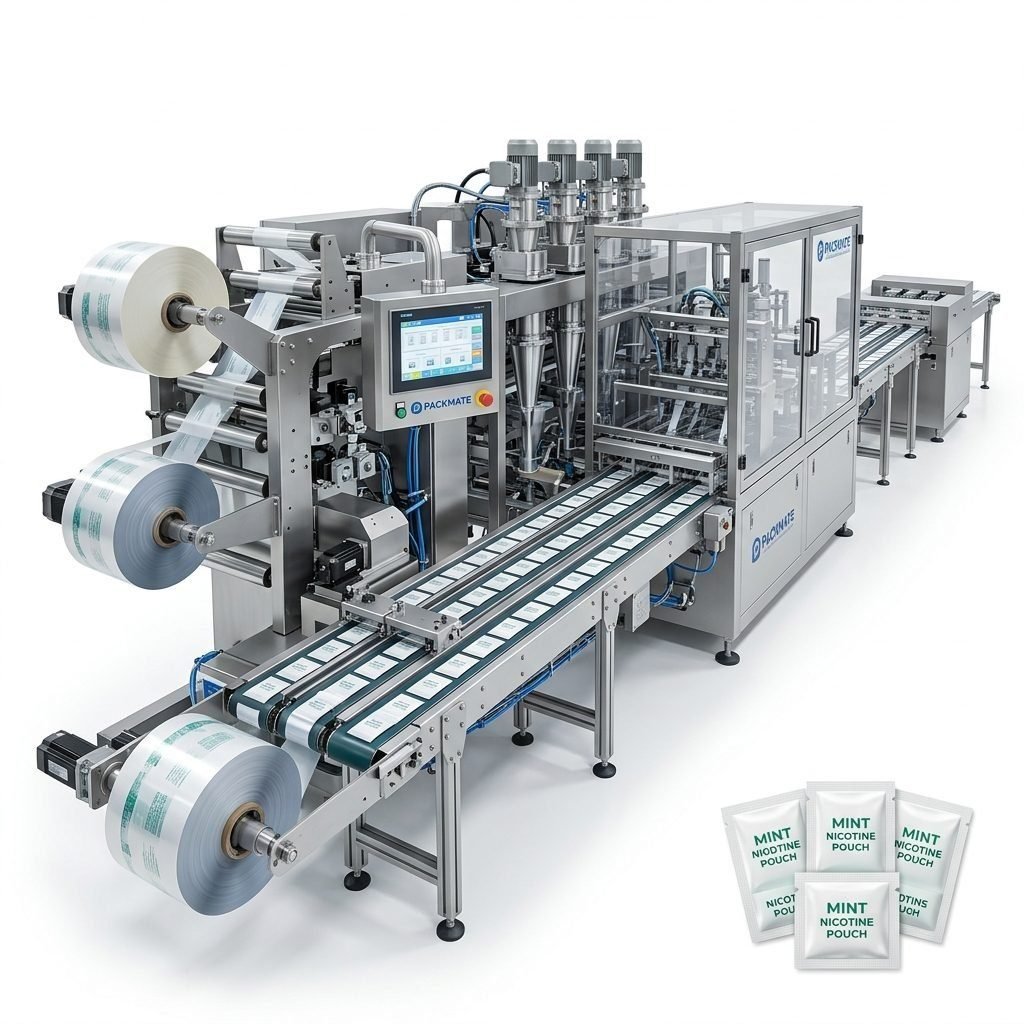
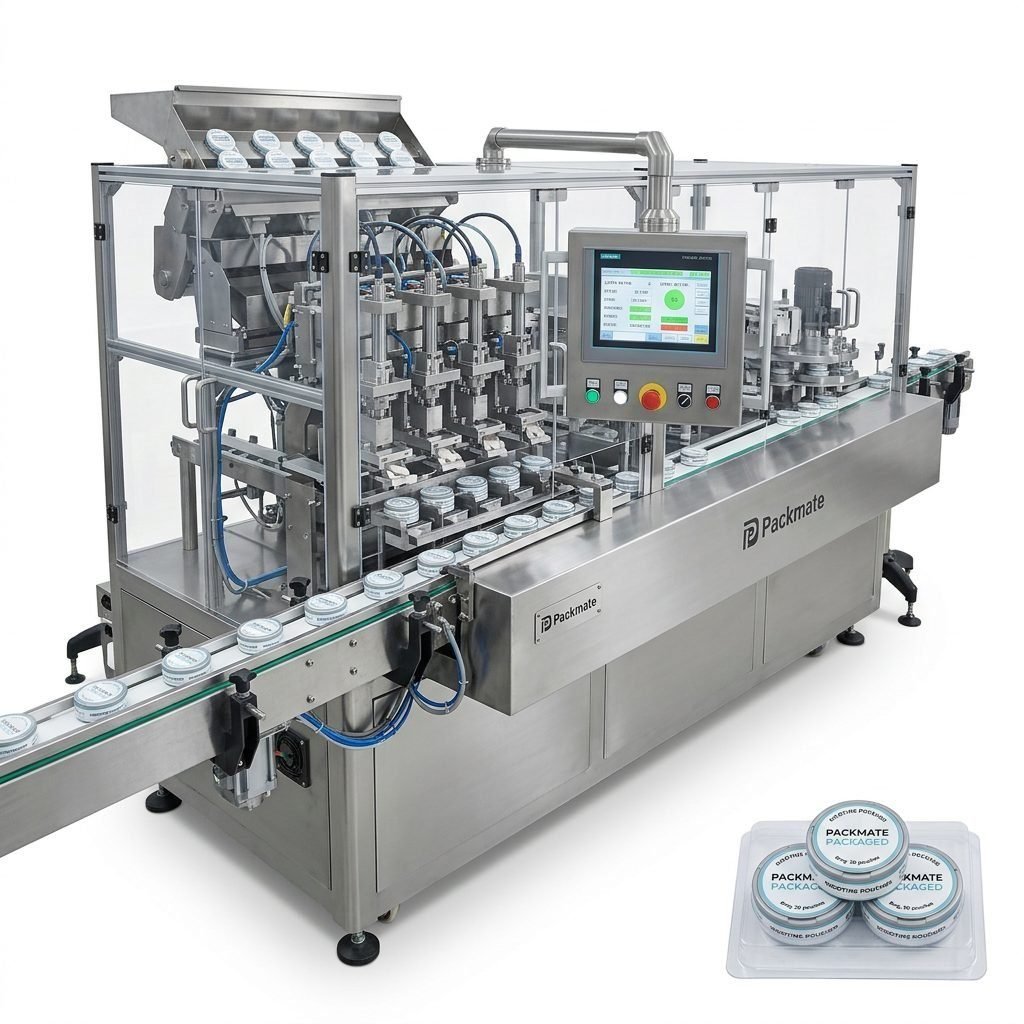
Choosing the right snus packaging machine supplier in Kazakhstan is a strategic decision that affects product quality, regulatory compliance, production efficiency, and long-term business growth. Whether you produce nicotine pouches, traditional snus, or other oral tobacco alternatives, the right partner delivers reliable machinery, local support understanding, and turnkey solutions tailored for the Central Asian market. This guide walks you through practical criteria, Kazakhstan-specific considerations, and actionable steps to select the best supplier for your needs.
Understand Kazakhstan’s Market and Cultural Context 🇰🇿
Kazakhstan combines a large geography with diverse customers and strong regional trade links to Russia and Central Asia. Business relationships here value trust, personal visits, and clear after-sales commitments. Suppliers who offer local language support (Russian/Kazakh), on-site commissioning, and training often win long-term partnerships. Also keep in mind that Kazakhstan enforces regulations on tobacco and nicotine products — confirming machine compliance and documentation early on saves time.
Key local considerations
🔶 Logistics & Climate: Kazakhstan’s continental climate ranges from very cold winters to hot summers. Durable, well-sealed equipment and spare parts planning are essential for remote regions.
🔶 Regulatory & Labeling: Check local nicotine product regulations, packaging labeling requirements, and import paperwork. Machines that help precise dosing and variable label printing simplify compliance.
Top Technical Criteria to Evaluate
When comparing suppliers, prioritize performance metrics and machine capabilities that align with your production plan:
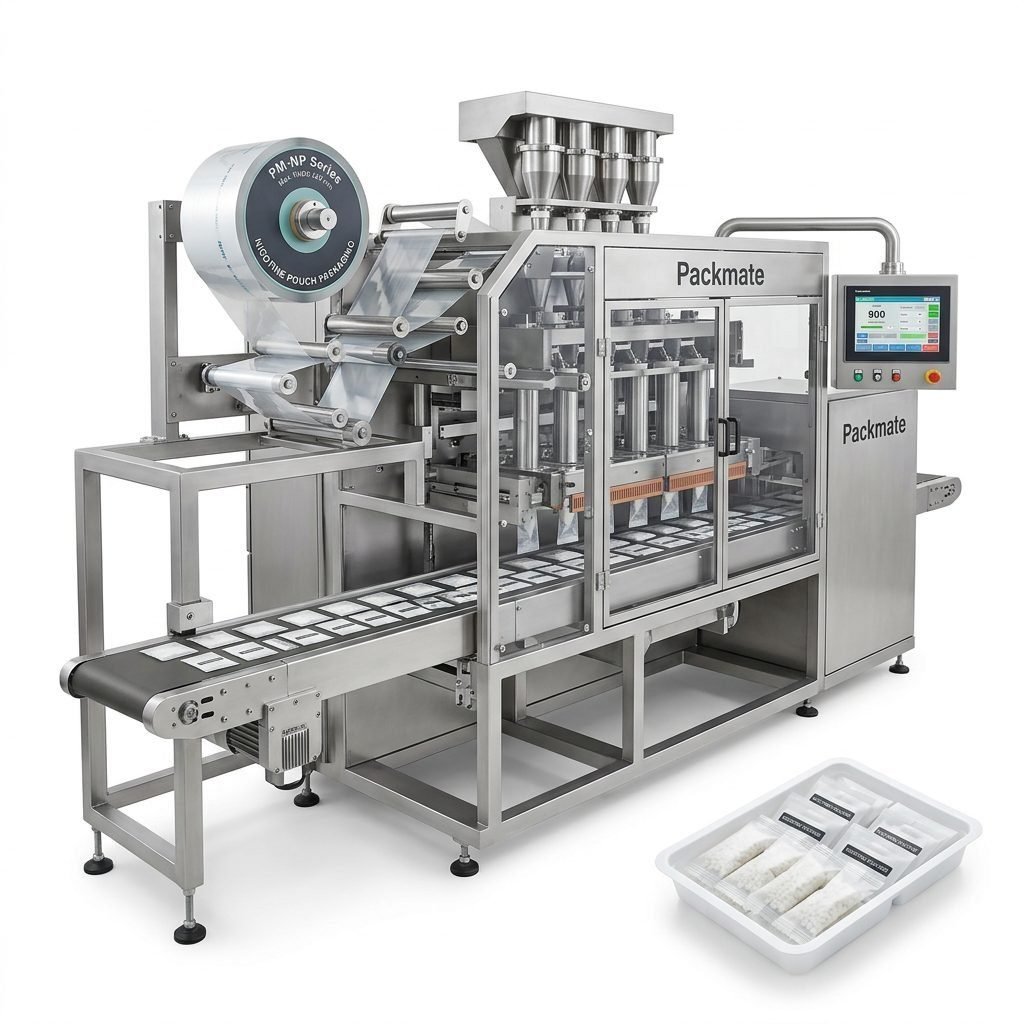
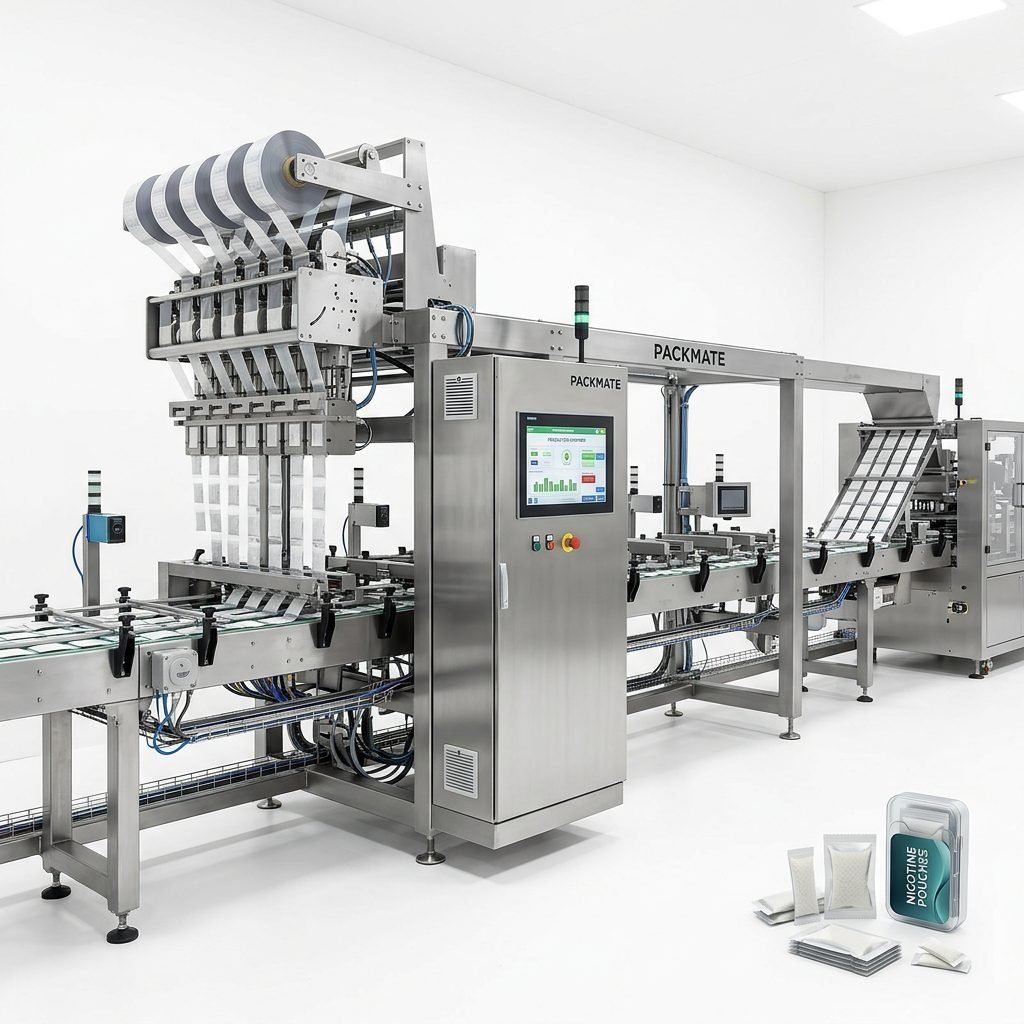
✅ Production speed & lane options: Multi-lane systems and adjustable speeds allow higher throughput for small-dose pouches. Consider machines that offer scalable lanes for future expansion.
✅ Filling accuracy: Look for precise dosing to reduce waste and ensure consistent nicotine levels — a critical factor for regulatory compliance.
✅ Material compatibility: Ensure machines handle powders, granules, liquids, or blends used in snus/nicotine pouches without cross-contamination.
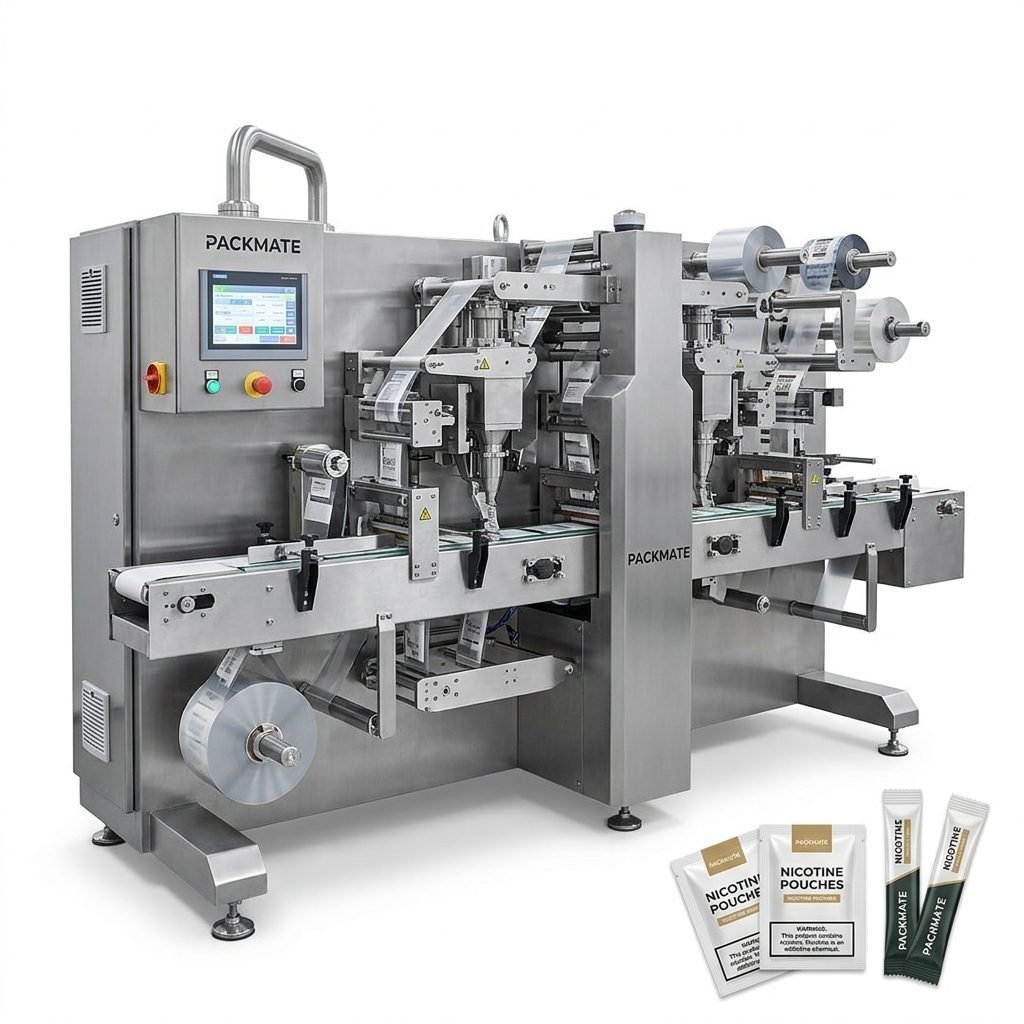
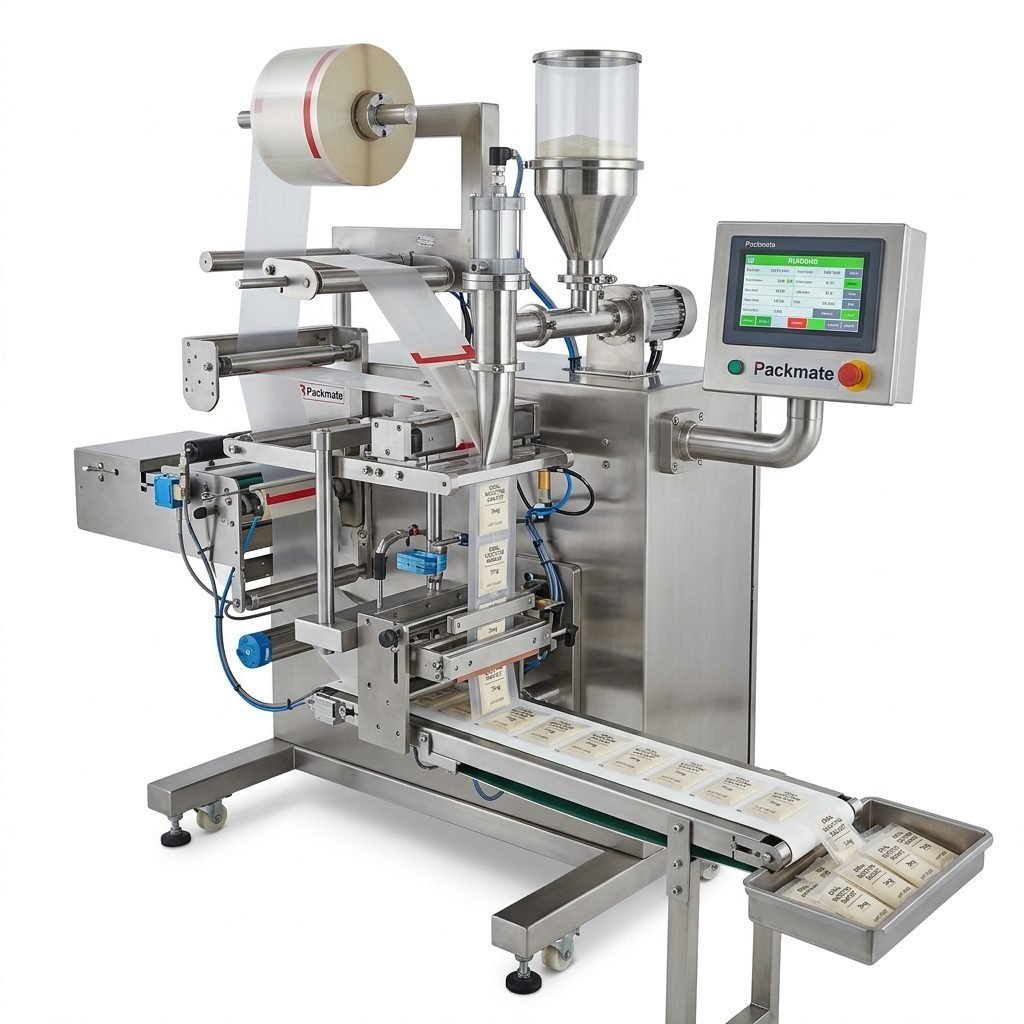
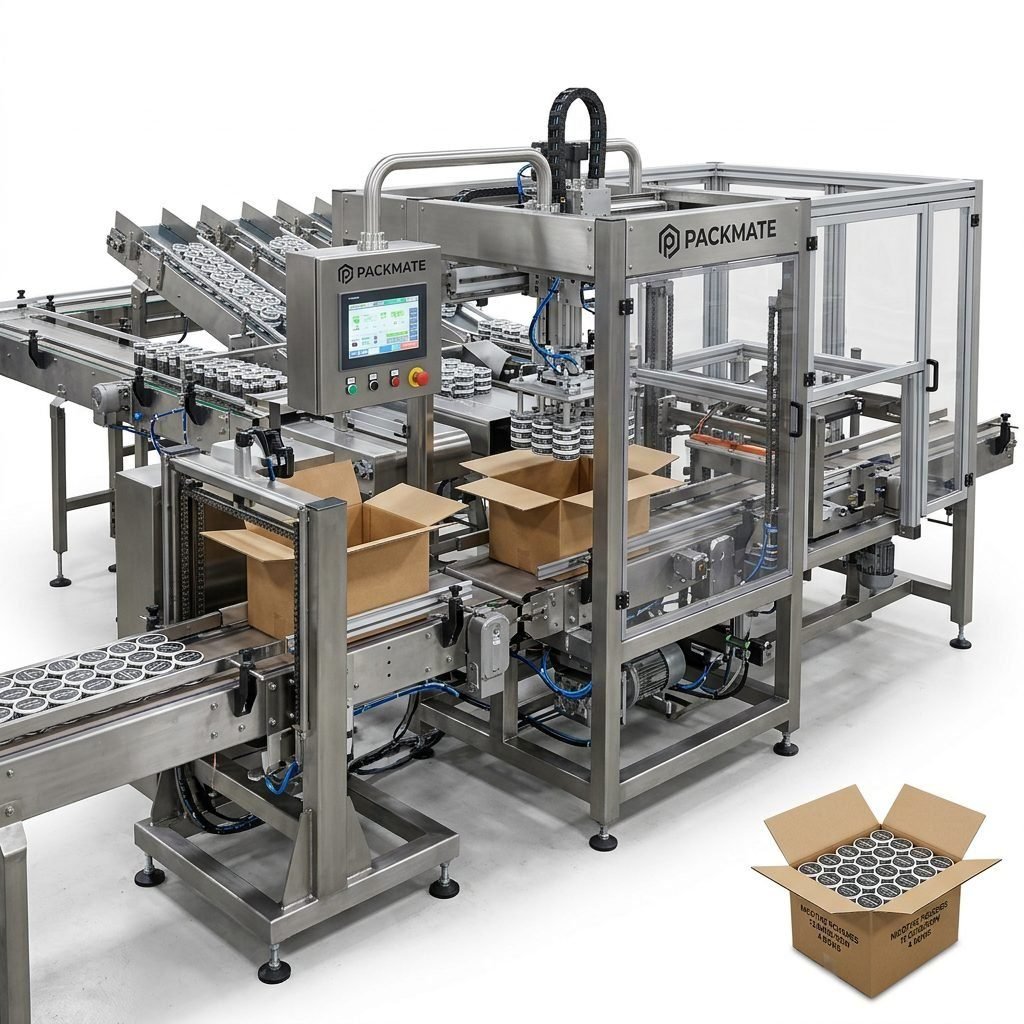
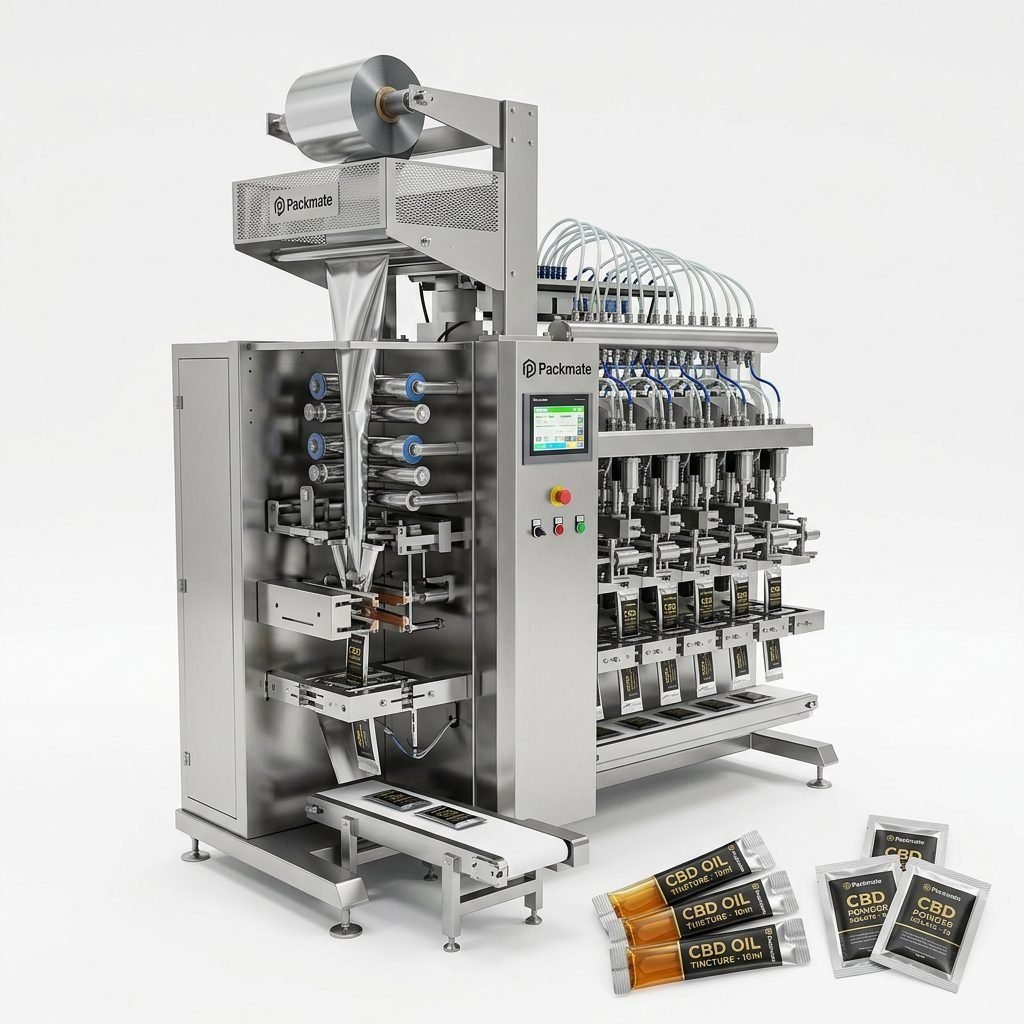
✅ Format flexibility: Support for stick pack, sachet, pouch, and special snus formats helps you diversify SKUs without buying separate machines. See examples of specialized lines at
Snus & Nicotine Packaging Machines.
Supplier Track Record and Manufacturing Strength
Verify a supplier’s industrial strength: factory scale, years of experience, available machine models, and international references. A proven manufacturer with advanced CNC machining, assembly lines, and standardized testing can reduce production issues and deliver consistent quality.
Case point: Suppliers with 20,000㎡ facilities, 30+ years of engineering experience, and 50+ models indicate robust R&D and production capabilities. These resources enable customized turnkey solutions and faster spare-part availability.
Check references and real case studies — visiting a supplier’s case gallery or requesting video demos helps validate claims. For instance, view real-world examples at
Case.
Certifications, Standards & Safety
International certifications like CE and ISO are essential for safety, regulatory access, and insurance purposes. Confirm that electrical and mechanical systems meet local import standards and that the manufacturer can provide documentation for customs clearance.
Suppliers who publish certificates and third-party test reports show transparency — you can often verify details through pages such as
Certificate.
Security & Operator Safety
Choose machines with clear guarding, emergency stops, and easy-clean designs to minimize operator exposure to nicotine dust and cross-contamination. For Kazakhstan, consider additional insulation or sealing against dust or cold ingress in remote plants.
After-Sales Support & Local Service
After-sales commitment is often the most important factor for buyers in Kazakhstan. Prioritize suppliers who offer:
- Local or regional service partners, or quick remote support in Russian/Kazakh.
- Comprehensive spare parts packages and predictable lead times.
- Training programs, installation, and commissioning assistance on-site.
- Service contracts and preventive maintenance plans.
📌 Pro tip: Ask for a local reference in Central Asia or Russia — similar climates and logistics patterns often make those references more relevant than European-only clients.
Turnkey Solutions and Customization Options
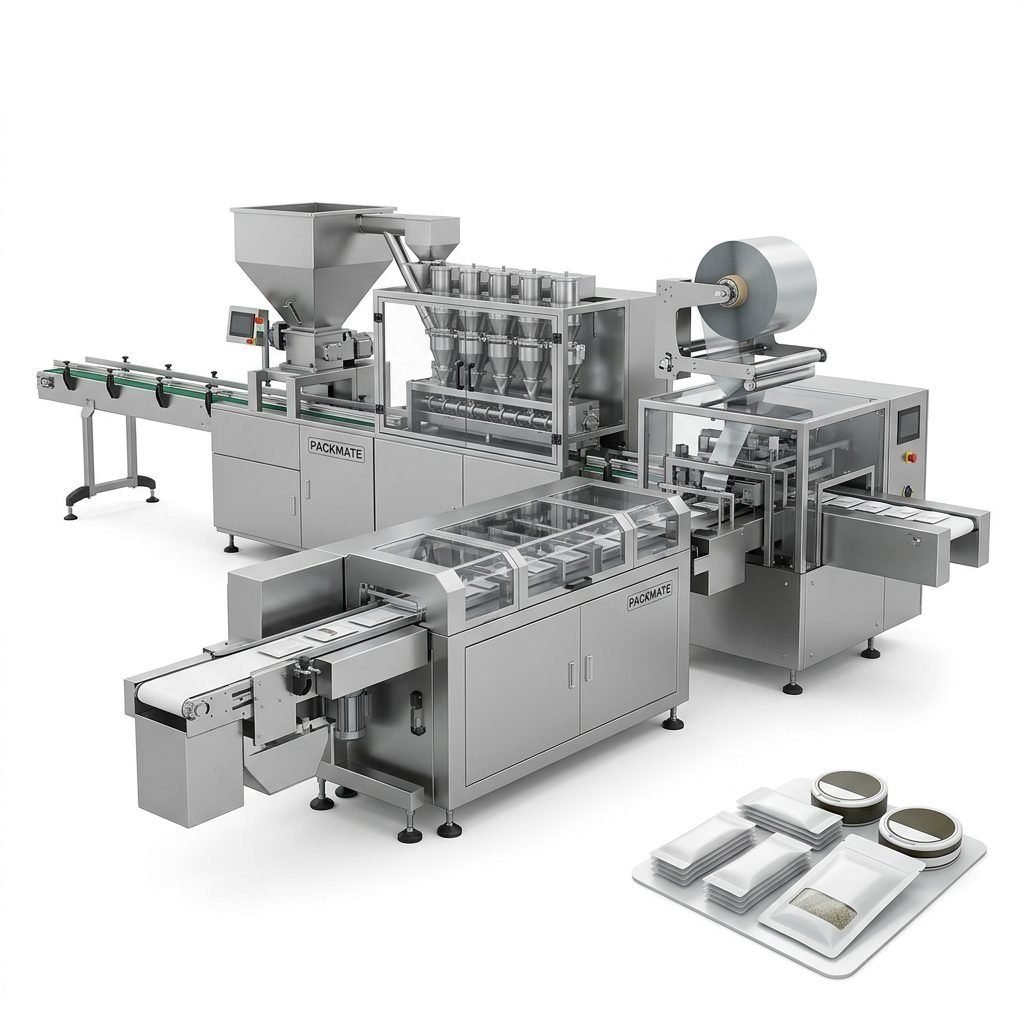
If you plan to scale or run a mixed-product facility, a supplier offering integrated lines — filling, weighing, sealing, and packaging — reduces integration risk and shortens time-to-market. Check if the supplier provides:
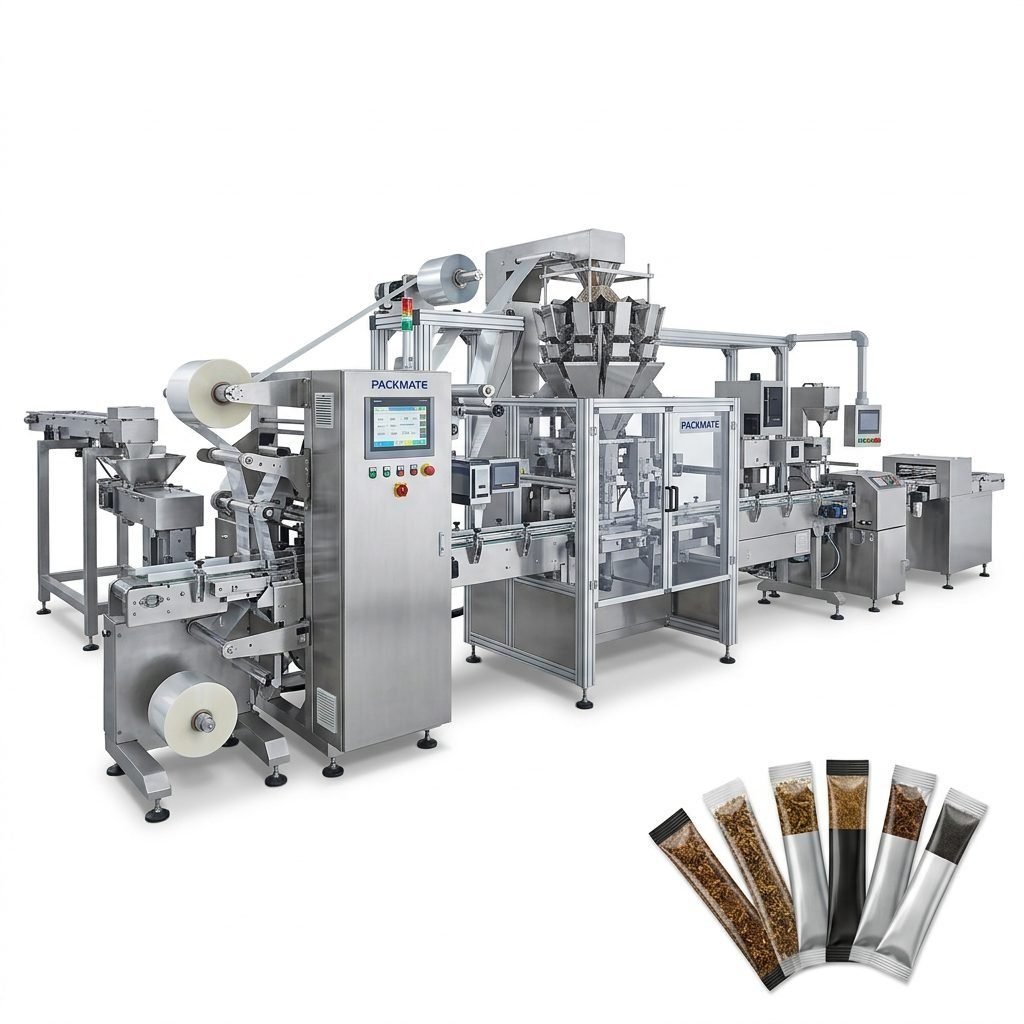
– Fully integrated production lines including weighing & packaging systems, and filling & packaging lines. Review product families at
Weighing & Packaging Systems and
Filling & Packaging Lines.
– Custom engineering for unique pouch shapes, dosing requirements, or secondary packaging automation. A supplier who offers onsite process engineering and project management reduces your integration workload.
Financial Terms, Warranty & ROI
Analyze total cost of ownership, not just the purchase price. Consider warranty coverage, spare-part pricing, consumables, energy use, and expected uptime. Latency in spare parts shipping to Kazakhstan can raise costs — choose partners who stock critical spares regionally or can ship quickly.
Evaluate ROI scenarios with realistic uptime figures. High initial investment in multi-lane, higher-speed machines often pays back through lower unit costs and faster scalability.
Factory Visit Checklist
Whenever possible, perform a factory audit or virtual tour. Use this checklist during visits or video inspections:
- Inspect CNC and assembly areas — confirm machining precision and quality control routines.
- Request demonstration of the exact machine model or similar multi-lane systems in production.
- Request test run data for dosing accuracy and speed under realistic materials (your product).
- Ask about spare-part lead times, stock levels, and logistics to Kazakhstan.
- Confirm training plans, service SLA, and language support availability.
Comparing Suppliers — A Practical Scorecard
Create a simple scorecard to compare vendors across these weighted categories:
- Technical performance (speed, accuracy, flexibility) — weight 30%
- After-sales & local service — weight 25%
- Certifications & compliance documentation — weight 15%
- Factory capacity and customization ability — weight 15%
- Price & warranty terms — weight 15%
Suppliers that score high across these categories typically reduce operational risk and accelerate market entry.
Why Choose an Experienced Snus Specialist
Snus and nicotine pouch formats present unique challenges: small-dose precision, hygroscopic powders, and specialty pouch sealing. A specialist manufacturer that focuses on snus/nicotine packaging understands these nuances and offers optimized multi-lane systems, stick pack & sachet machinery, and reliable feeding/filling subsystems. Explore dedicated product groups like
Sachet & Stick Pack Machines and
Bag & Pouch Packaging Machines.
Manufacturer transparency matters
Look for companies that provide an open factory profile, timeline of development, and accessible documentation. For example, a company with a clear corporate history, exhibition records, and mission statements demonstrates commitment to long-term relationships. See more about the company profile at
About Packmate.
⚠️ Important: For nicotine-related products, ensure the supplier assists with documentation for customs and regulatory bodies. Delays often occur due to incomplete certificates or missing compliance paperwork.
Practical Steps to Finalize Your Supplier
1. Shortlist vendors based on technical fit and references. 2. Request site or virtual demos with your raw materials. 3. Ask for full quotes including commissioning, training, and spare parts. 4. Negotiate warranty and SLA terms with clear KPIs. 5. Plan spare-part inventory and establish communication channels for emergency support.
Contact & Next Steps
Once you’ve narrowed options, contact the supplier to request:
- Detailed machine specifications tailored to your product.
- On-site or remote testing with your materials.
- Itemized pricing for machinery, installation, training, and spare parts.
- References from customers operating in similar climates or regulatory environments.
You can begin inquiries and request detailed support through the supplier’s service and contact pages:
Service |
Contact Us.
Summary — What to Prioritize
Prioritize: proven multi-lane systems, precise dosing, international certifications (CE/ISO), strong after-sales support in your region, and the supplier’s ability to provide turnkey lines and spare parts quickly. These elements minimize downtime and ensure consistent product quality for the Kazakhstan market.
Final note
Investing time into supplier due diligence — factory checks, demos, and contractual SLA definitions — turns a machine purchase into a long-term production advantage. Choose partners who combine technical excellence with local-awareness and dependable service.
Frequently Asked Questions (FAQs)
Q1: What certifications should I insist on for snus packaging machines imported into Kazakhstan?
A1: Ask for CE and ISO certificates and any manufacturer test reports demonstrating electrical safety and mechanical integrity. Also request documentation that helps with Kazakhstan customs clearance.
Q2: How large should my spare-parts inventory be for operations in remote Kazakh regions?
A2: Maintain critical spares for pumps, sensors, belts, and control components covering at least 3–6 months of basic operations. Discuss faster shipping options or regional stock with your supplier to reduce downtime risk.
Q3: Do Packmate-style specialists provide turnkey solutions for snus lines?
A3: Yes, specialist manufacturers commonly deliver integrated lines including filling, weighing, sealing, and final packaging. See product families like filling & packaging lines and weighing systems for more detail.
Q4: Is local language support important when choosing a supplier?
A4: Absolutely. Russian and Kazakh language support for commissioning, manuals, and remote troubleshooting significantly improve response time and reduce the potential for miscommunication.
Q5: Where can I see real customer cases and request demonstrations?
A5: Review the supplier’s case pages and exhibition history for live demos. You can also request virtual or on-site demonstrations through the supplier’s case and exhibition pages to evaluate real-world performance.