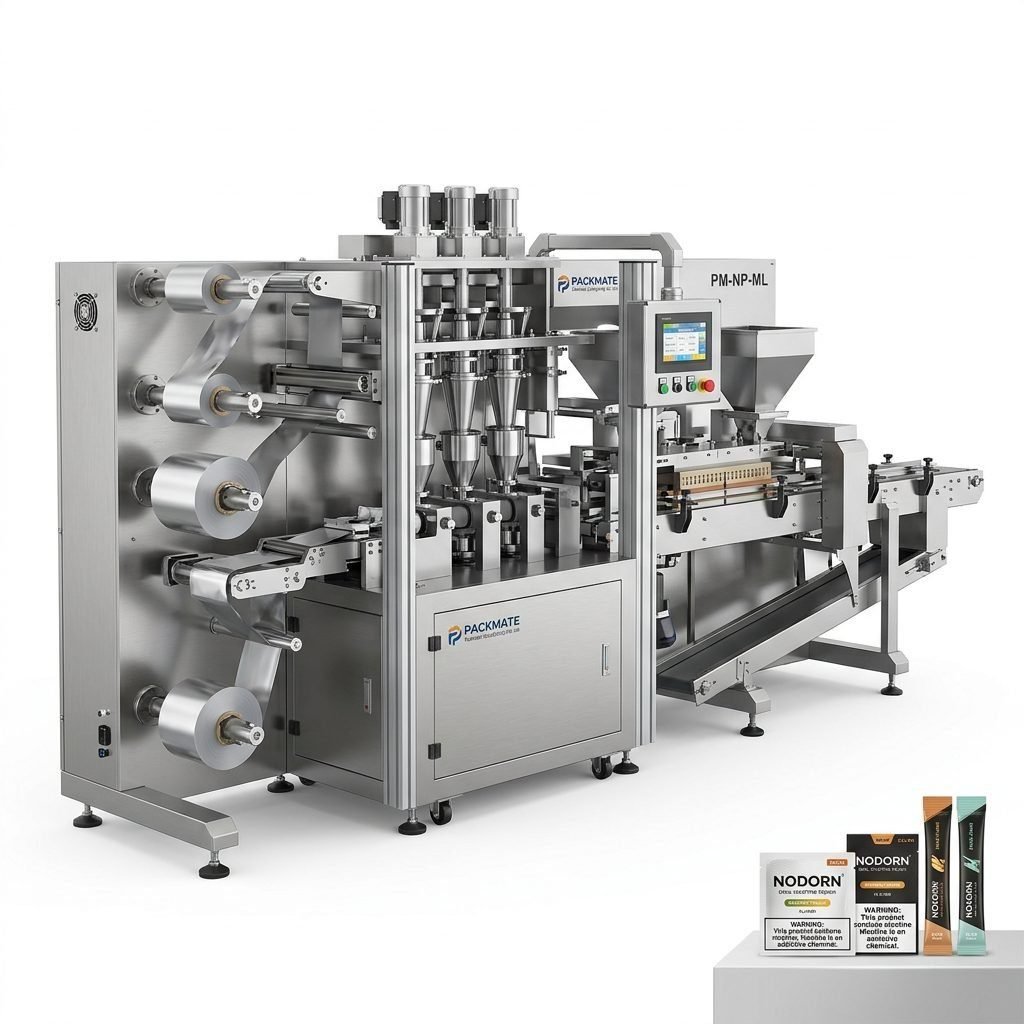
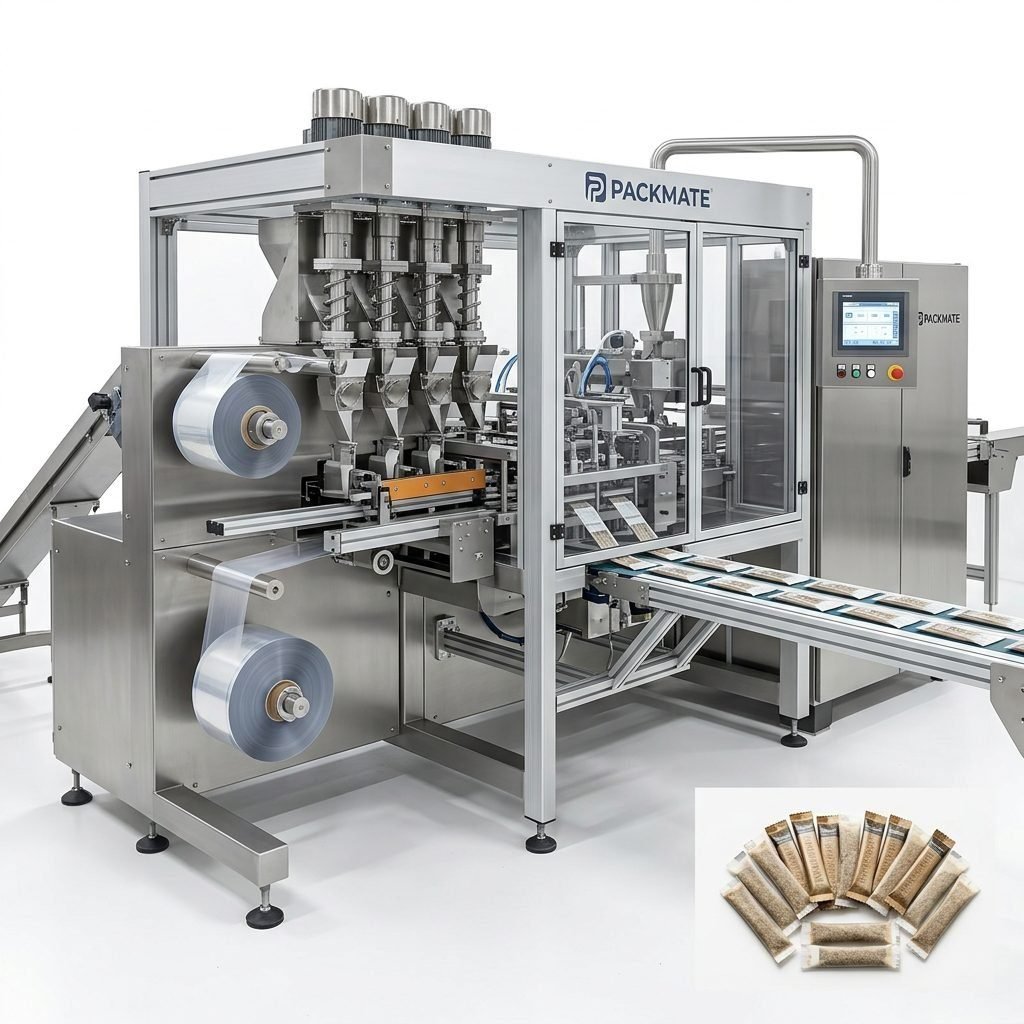
Choosing the best snus packaging machine supplier in Guatemala requires more than price comparison. You need a partner who understands local market habits, humidity challenges, regulatory requirements, logistics from Guatemalan ports, and the nuances of nicotine pouch formats. This guide walks you through practical steps, technical checks, and cultural considerations to help you select a reliable supplier and get a packaging line that performs consistently in Guatemala’s environment.
Understand Guatemala’s Market and Cultural Context
Guatemala’s tobacco and nicotine product consumption patterns differ from Northern Europe and North America. While traditional tobacco use remains part of some rural customs, urban centers and younger demographics are driving interest in newer formats like nicotine pouches and snus. When evaluating suppliers, consider machines that can adapt to small-batch runs and fast product iterations—common needs for emerging markets in Guatemala City, Quetzaltenango, and coastal regions.
Local climate effects
Guatemala’s tropical and humid coastal areas can accelerate moisture migration in pouches. Prioritize machines and material recommendations that emphasize barrier films, modified atmosphere options, and tight heat-sealing control. A machine supplier should advise on suitable laminate structures and offer equipment with precise temperature control for consistent seals.
🔑
Key local considerations:
humidity management, Spanish labeling support, local logistics (Puerto Quetzal & Santo Tomás de Castilla), and flexible production for varying pouch sizes.
Technical Specifications to Prioritize
When comparing suppliers, create a checklist of technical features that match your product goals and predicted volumes. A robust supplier will work with you to define these specs and validate them with case studies or pilot tests.
Performance & Capacity
Consider machines ranging from single-lane to multi-lane systems. If your product is small-dose nicotine pouches, high-speed multi-lane machines can maximize output while maintaining accuracy. Ask for real-world throughput numbers and OEE (Overall Equipment Effectiveness) data.
Filling Accuracy & Weighing
Accurate dosing minimizes waste and regulatory issues. Look for integrated weighing systems or a validated feed system designed for powders and finely milled tobacco replacement materials. A supplier who offers weighing & packaging systems is a plus.
Sealing & Material Compatibility
Strong, consistent seals are essential for product safety and shelf life. Your supplier should demonstrate compatibility with barrier films and provide guidance on laminates, adhesives, and heat settings—especially important in humid Guatemalan climates.
✅
Must-have machine features:
multi-lane options, precise temperature control, quick-change tooling, integrated weighing, and easy-clean design for regulatory compliance.
Vendor Assessment: Reliability, Certifications, and Track Record
A machine’s design matters, but the supplier’s credibility determines how fast you reach production targets. Check certifications (CE, ISO), factory capabilities, and whether the supplier has experience exporting to Central America. Suppliers with exhibition presence and global case studies show maturity and after-sales support.
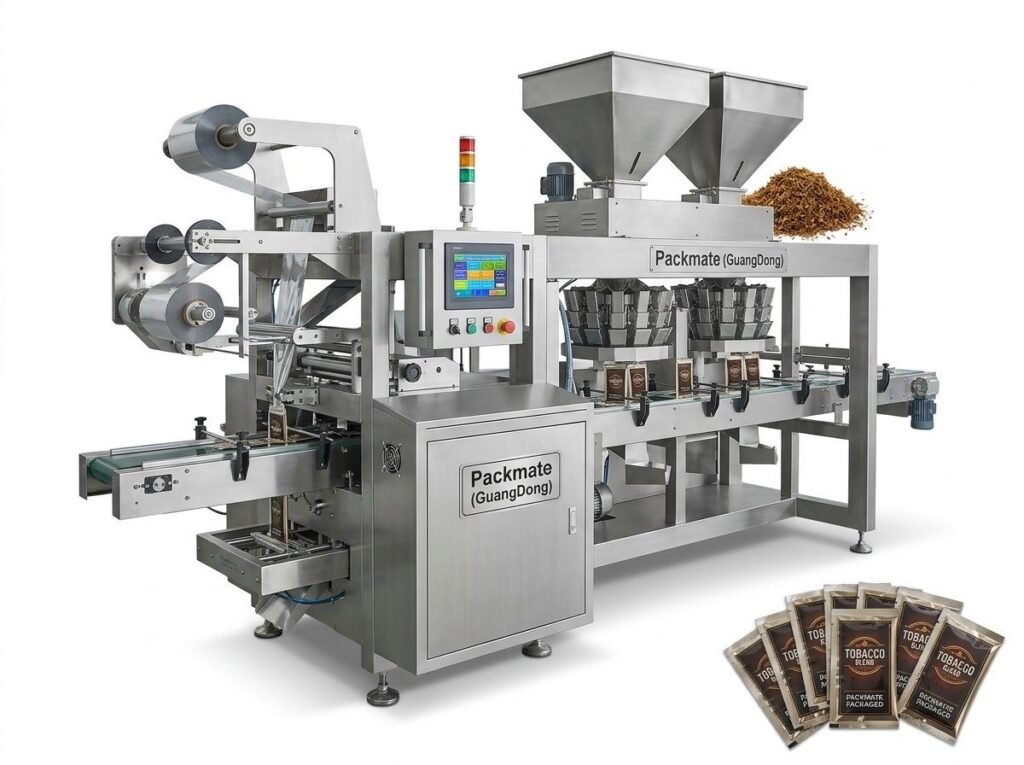
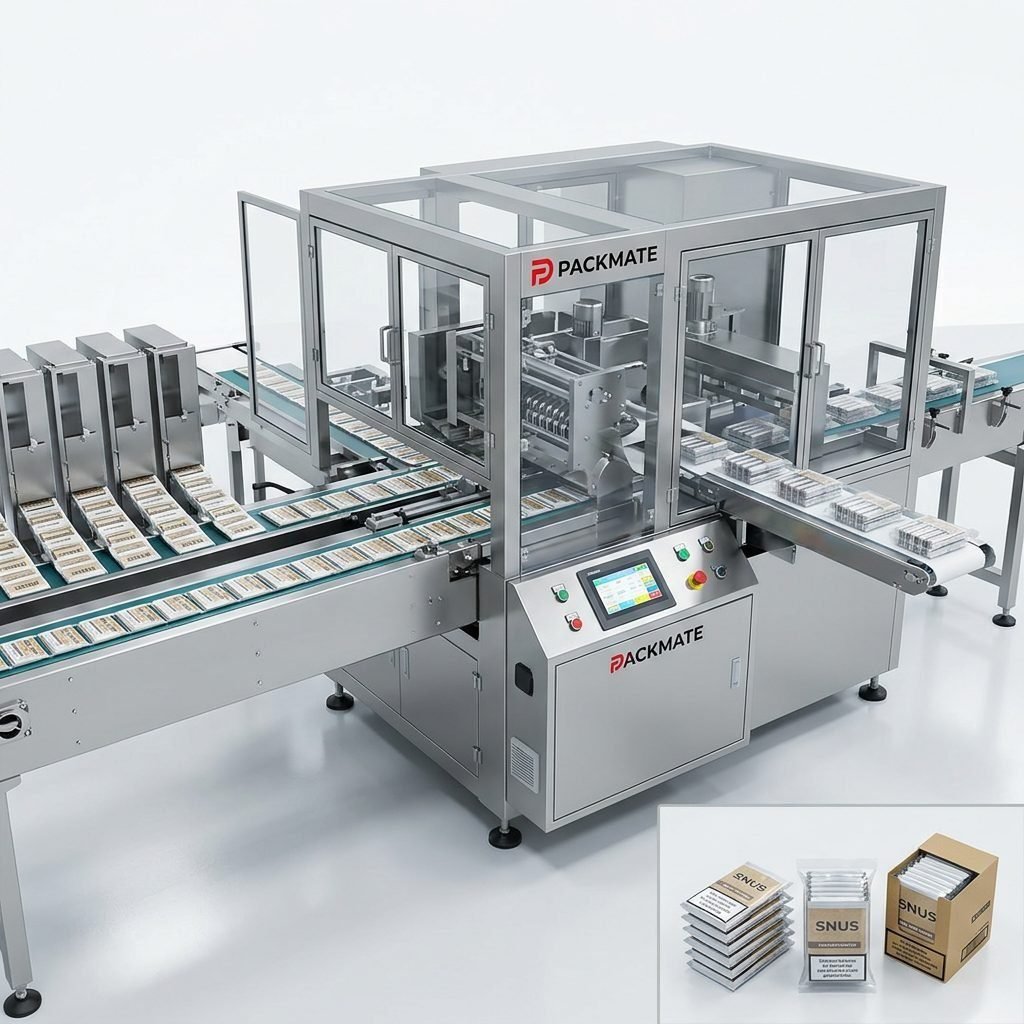
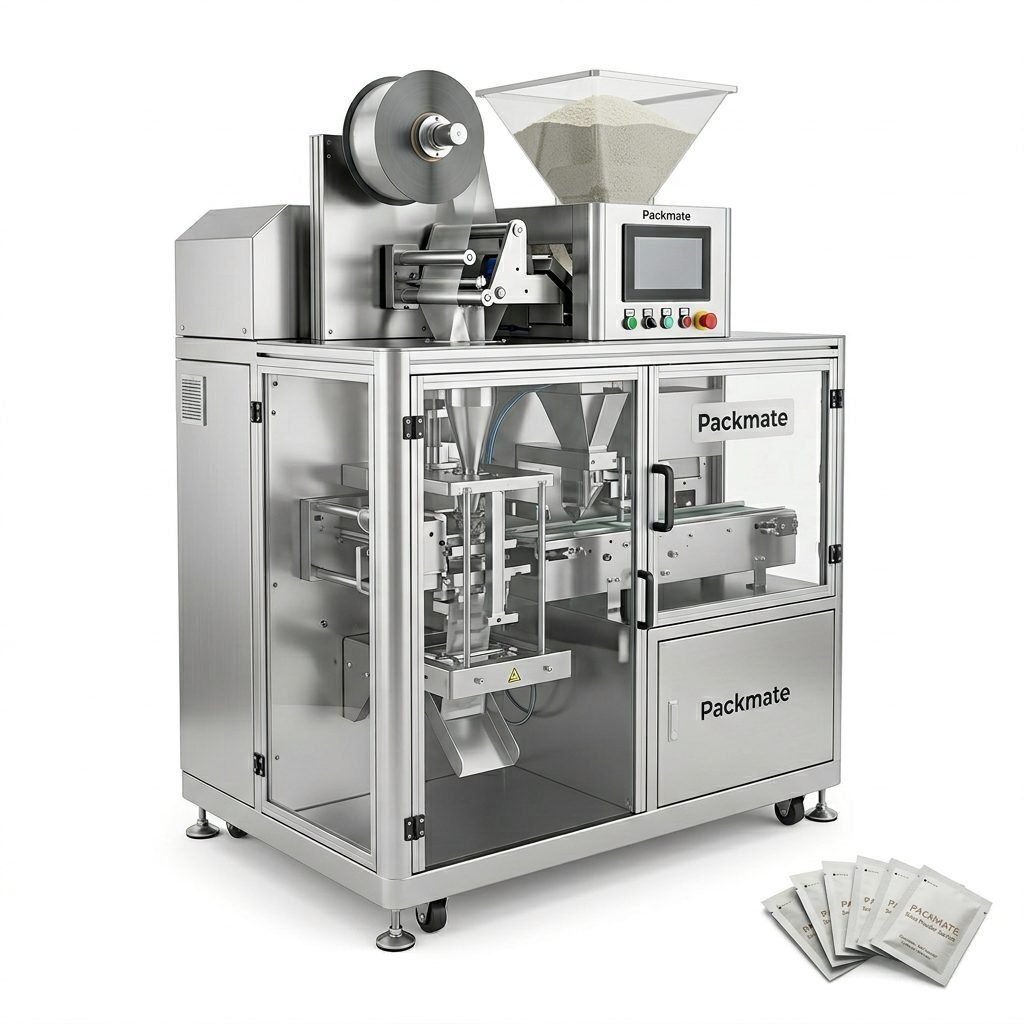
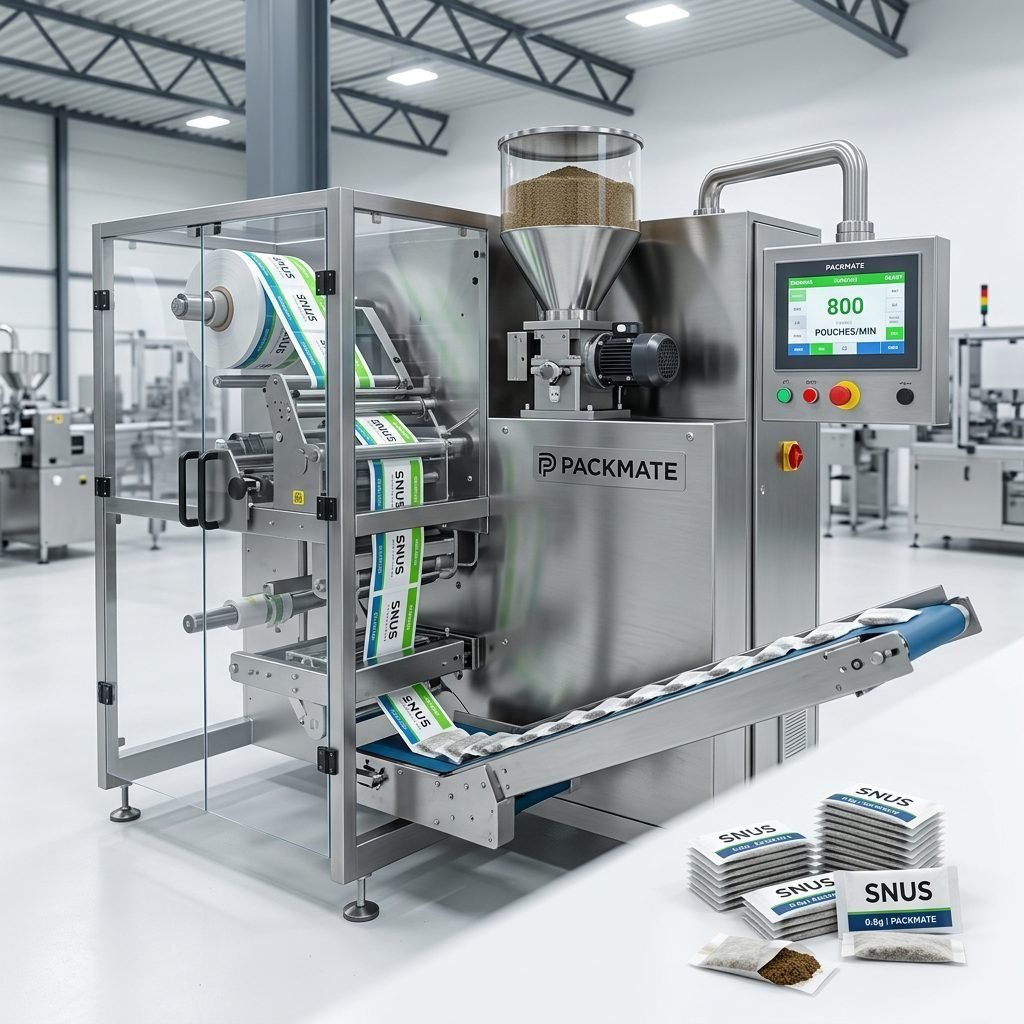
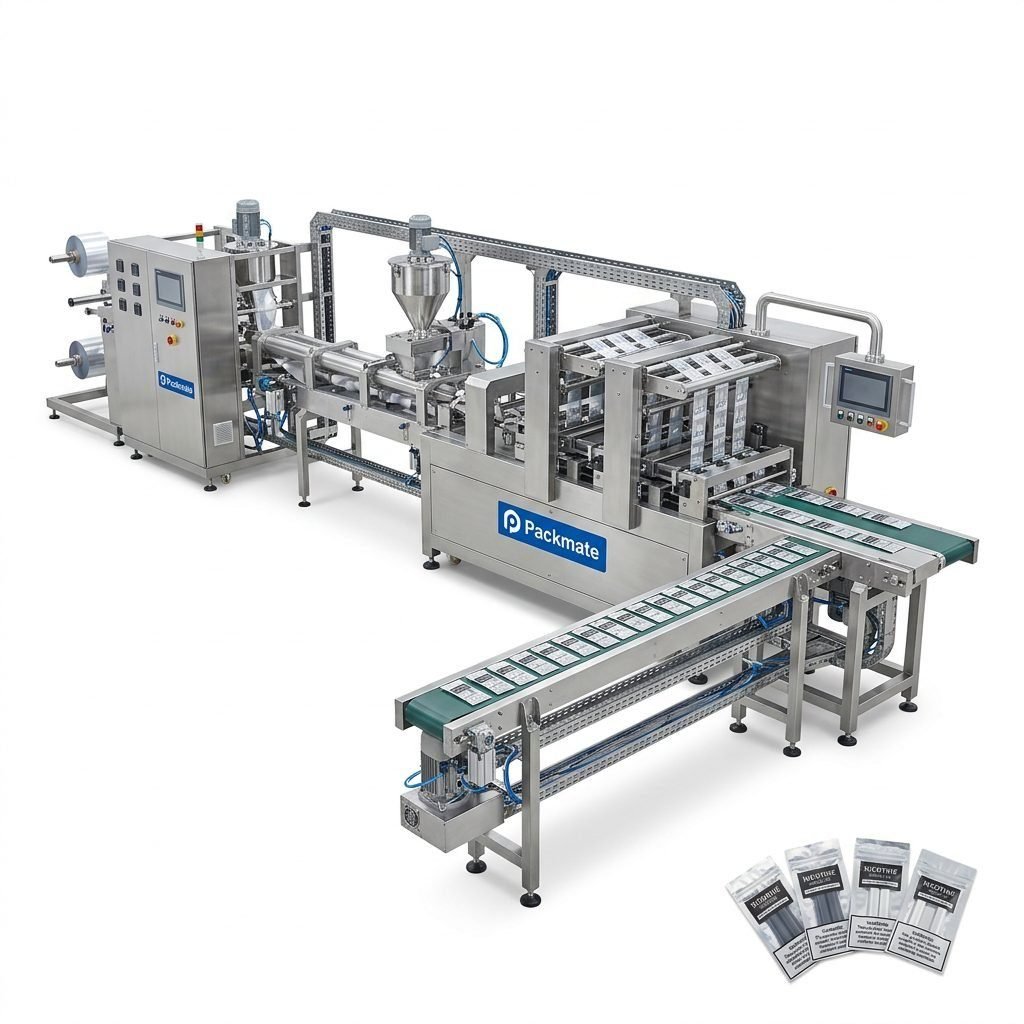
Packmate Snus Machine, for example, emphasizes 30+ years of engineering and a 20,000㎡ factory with CNC capabilities—attributes that reduce manufacturing defects and improve customization. Explore their About Packmate and Case pages for documented projects if you need references.
Inspect Certifications and Testing
Verify CE, ISO, and electrical safety documentation. If you plan to export from Guatemala to other markets, confirm compliance with target country rules. An experienced supplier will provide test reports, material compatibility certificates, and machine commissioning documentation.
After-Sales Support, Spare Parts, and Local Service
After-sales service is a critical differentiator. Evaluate response times, availability of spare parts, remote troubleshooting, and training. Suppliers that offer on-site commissioning and operator training reduce downtime and speed up ramp-up.
For Guatemala, it’s particularly helpful if the supplier supports Spanish-language documentation and can coordinate shipments and customs clearance. Ask how they handle spare parts shipments to Central America and whether they have regional agents or partners.
🔧
Service checklist:
guaranteed spare parts lead times, Spanish manuals, remote diagnosis, and on-site commissioning options.
Total Cost of Ownership and Financing
Purchase price is only part of the story. Evaluate lifecycle costs: energy consumption, maintenance intervals, parts replacement, and operator training time. Ask for an ROI model based on your expected run times and product price points.
Some suppliers might offer leasing, financing, or second-hand options. If you anticipate market fluctuation in Guatemala, a modular machine that scales with demand could save capital.
Factory Visits, Trials, and References
Whenever possible, visit the manufacturer or request a live trial. Seeing machines run real product, or at least similar materials, is the best validation. Ask for references in climates similar to Guatemala and examples of packaging solutions used for nicotine pouches.
Suppliers exhibiting globally demonstrate transparency and confidence. If the vendor attends international events, such as the ones listed on their exhibition page, it’s easier to meet them and request live demos.
Ask for a Pilot Run
A pilot run lets you validate fill accuracy, sealing strength, and production speed. If a supplier can’t offer a pilot, at minimum request recorded runs and machine performance logs.
Logistics: Shipping, Installation, and Local Regulations
Shipping large packaging equipment to Guatemala involves coordinating ports, customs paperwork, and local transport. Clarify who handles customs clearance and delivery to your facility. Confirm electrical requirements and local wiring standards to avoid surprises during installation.
Suppliers with turnkey options, including installation and training, simplify the process. For additional information about turnkey offerings, review suppliers’ filling & packaging lines and snus & nicotine packaging machines pages.
Packaging Materials and Sustainability
Consider sustainable packaging options that meet both market expectations and regulatory trends. Suppliers that can handle both traditional barrier films and evolving recyclable/mono-material films provide future flexibility.
Discuss material availability in Central America and compatibility with your machine. If local converters aren’t available, ask your supplier for trusted material partners.
Negotiation Tips and Contract Clauses
When finalizing contracts, include clear acceptance tests, warranty terms, spare parts lists, training scope, and delivery timelines. Include penalties for missed milestones and a clear commission plan for installation and performance verification.
⚖️
Contract essentials:
acceptance criteria, spare parts lead times, warranty coverage, training deliverables, and payment milestones linked to performance tests.
Why Packmate Might Be a Good Fit for Guatemala
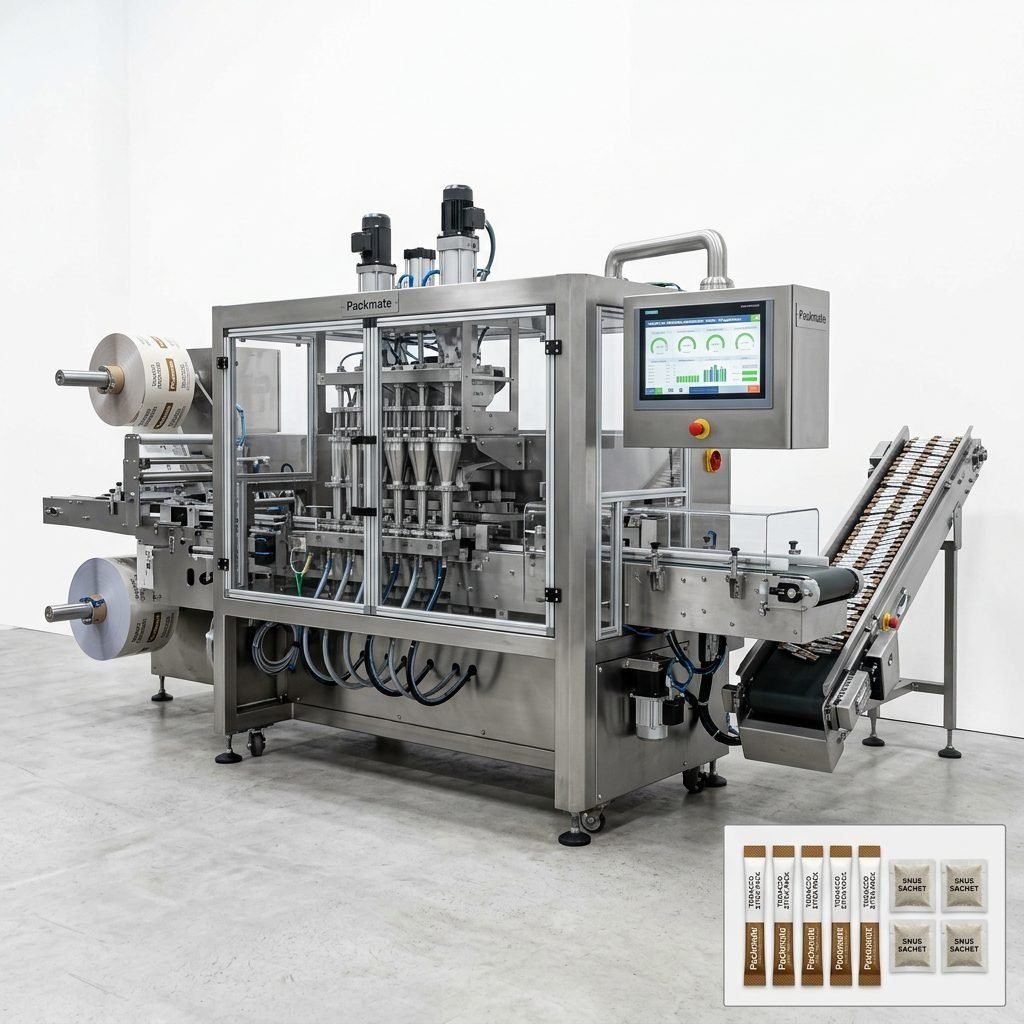
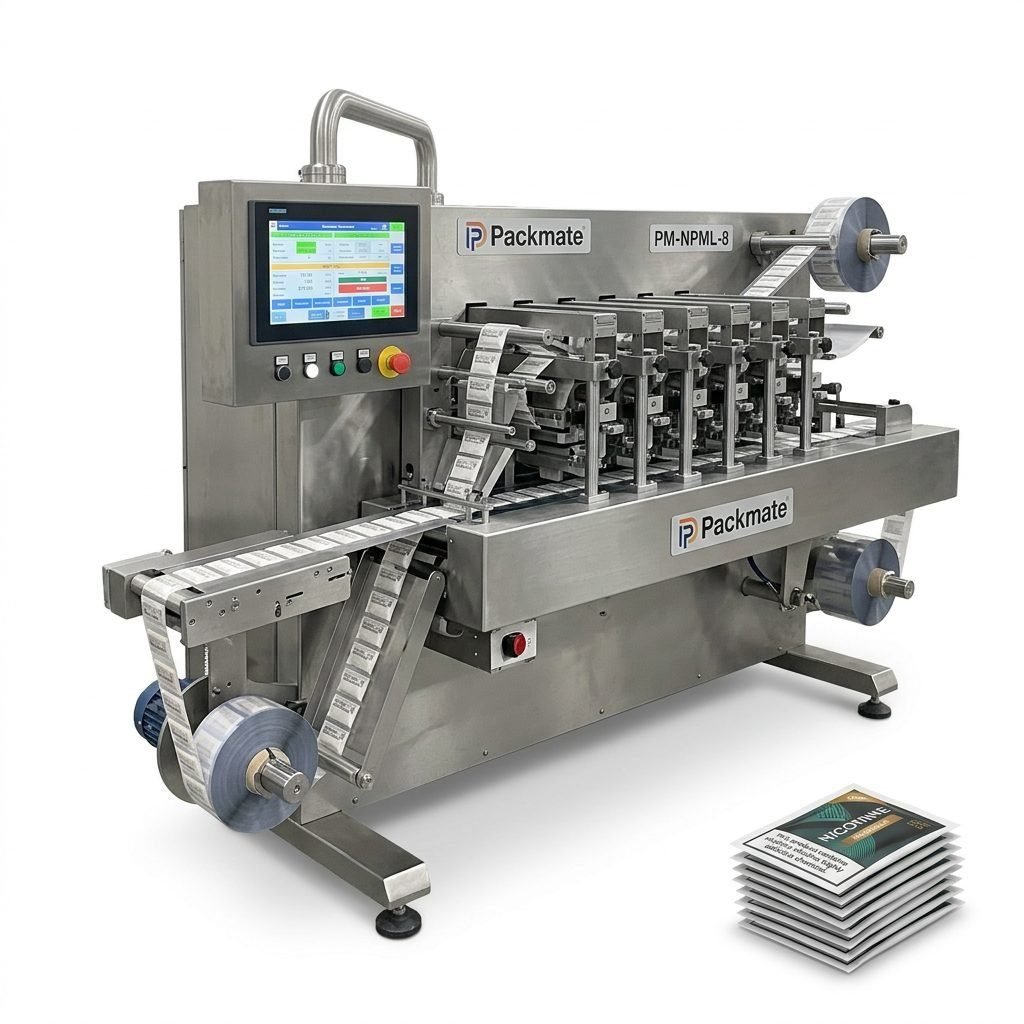
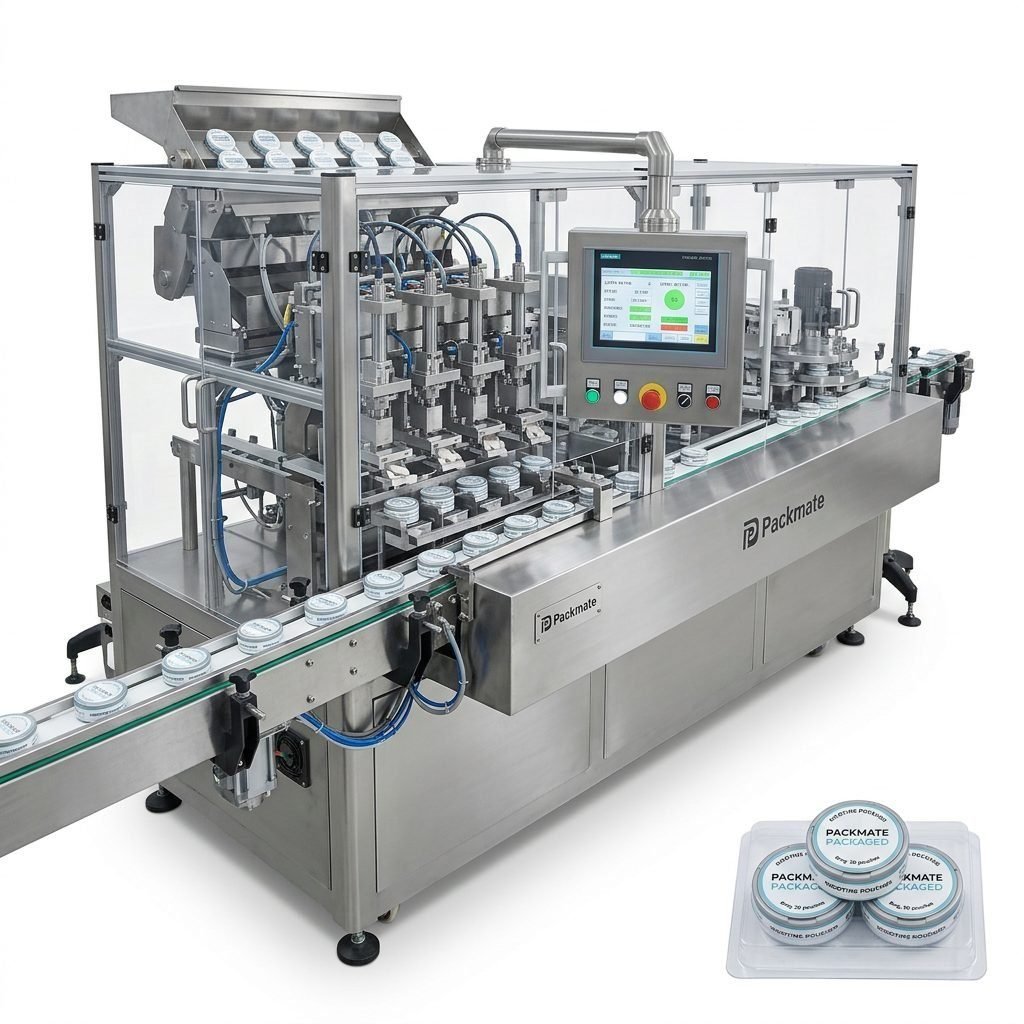
Packmate Snus Machine has over three decades of experience producing snus, nicotine pouch, sachet, and stick pack solutions. Their 20,000㎡ factory, advanced CNC centers, and 50+ models indicate strong manufacturing capabilities and customization potential. For Central American clients, Packmate’s turnkey offerings and export history can reduce logistical complexity.
Explore Packmate’s product pages to see equipment suited to nicotine pouch production and complementary systems like bag & pouch packaging machines and sachet & stick pack machines.
Practical next steps
Request a detailed proposal, ask for a site visit or online demo, and verify references from similar climates. Confirm language support and local logistics services to ensure smooth commissioning in Guatemala.
Decision Checklist (Quick Reference)
Use this checklist during supplier evaluation:
📌 Performance data: validated throughput and OEE.
📌 Sealing & material support: compatibility with barrier films for humid climates.
📌 After-sales: spare parts, Spanish manuals, and local service options.
📌 Certifications: CE/ISO and export documentation.
📌 References & trials: factory visits or pilot runs.
Final Recommendations
Choose a supplier who combines technical excellence with strong after-sales service and a proven export record. Prioritize machines designed for moisture control and flexible production runs, and negotiate clear commissioning and warranty terms. For Guatemala, ensure Spanish-language support, local logistics knowledge, and spare part availability to avoid extended downtime.
If you want to dig deeper into machine categories and examples, review product pages and catalogs for machine specs and case studies. For direct contact and tailored proposals, see the supplier’s Contact Us and Catalog resources.
Common Questions
Q1: How important is moisture control for snus packaging in Guatemala?
A: Extremely important. Coastal humidity can compromise seals and shelf life. Use high-barrier films, precise temperature control, and consider desiccants or modified atmosphere packaging for longer shelf life.
Q2: What certifications should I verify when buying a snus packaging machine?
A: Ask for CE and ISO certifications, electrical safety documentation, and any material compatibility reports. If exporting from Guatemala, ensure export documentation and compliance for receiving countries.
Q3: How can I ensure fast spare parts delivery to Guatemala?
A: Negotiate spare parts lists, lead times, and stocking options. Prefer suppliers that offer regional warehouses or express shipping partnerships and provide clear part numbers and manuals in Spanish.
Q4: Do I need a local agent or partner in Guatemala?
A: While not mandatory, a local partner helps with customs, installation, and operator training. They can also help navigate local labeling and regulatory requirements.
Q5: How soon can a packaging line be commissioned after purchase?
A: Typical timelines depend on customization, shipping, and installation. Pre-built models may ship in weeks, while turnkey custom lines can take several months. Confirm timelines and penalties in the contract.