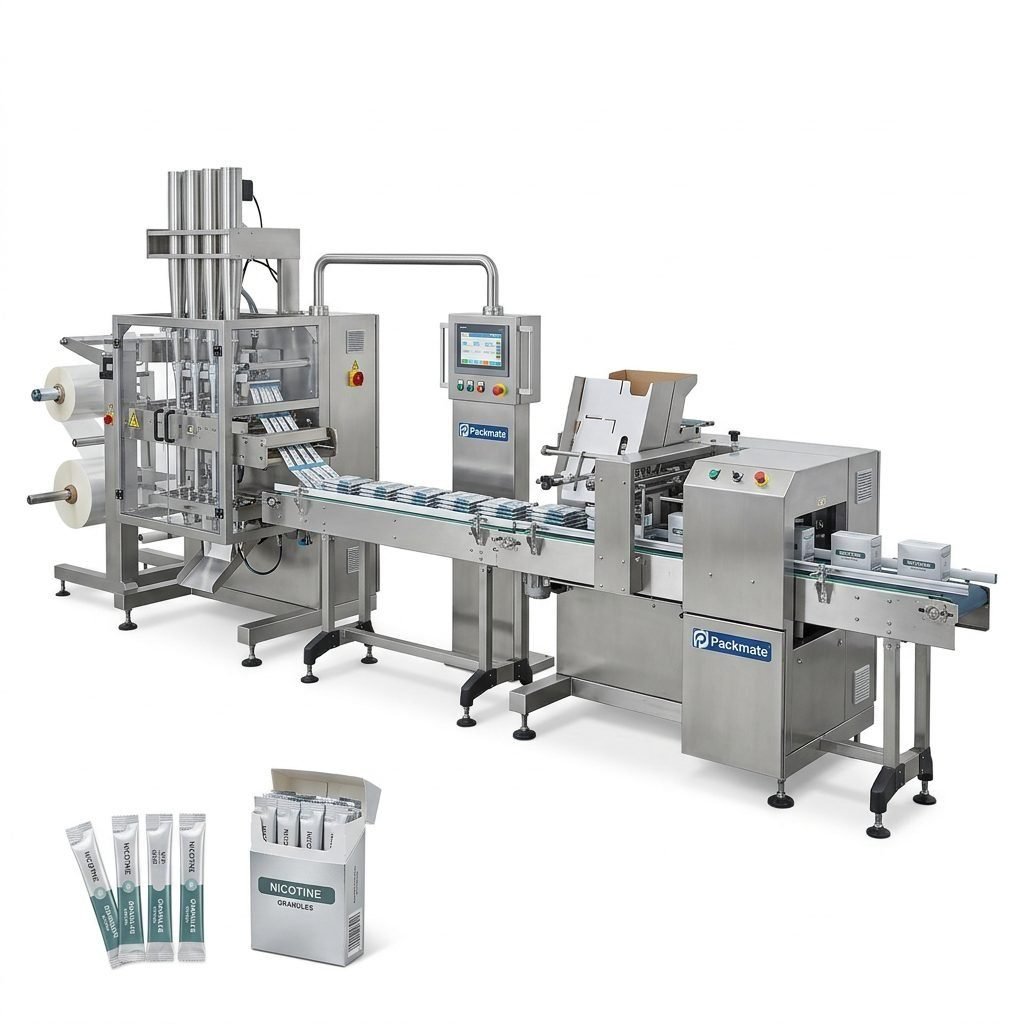
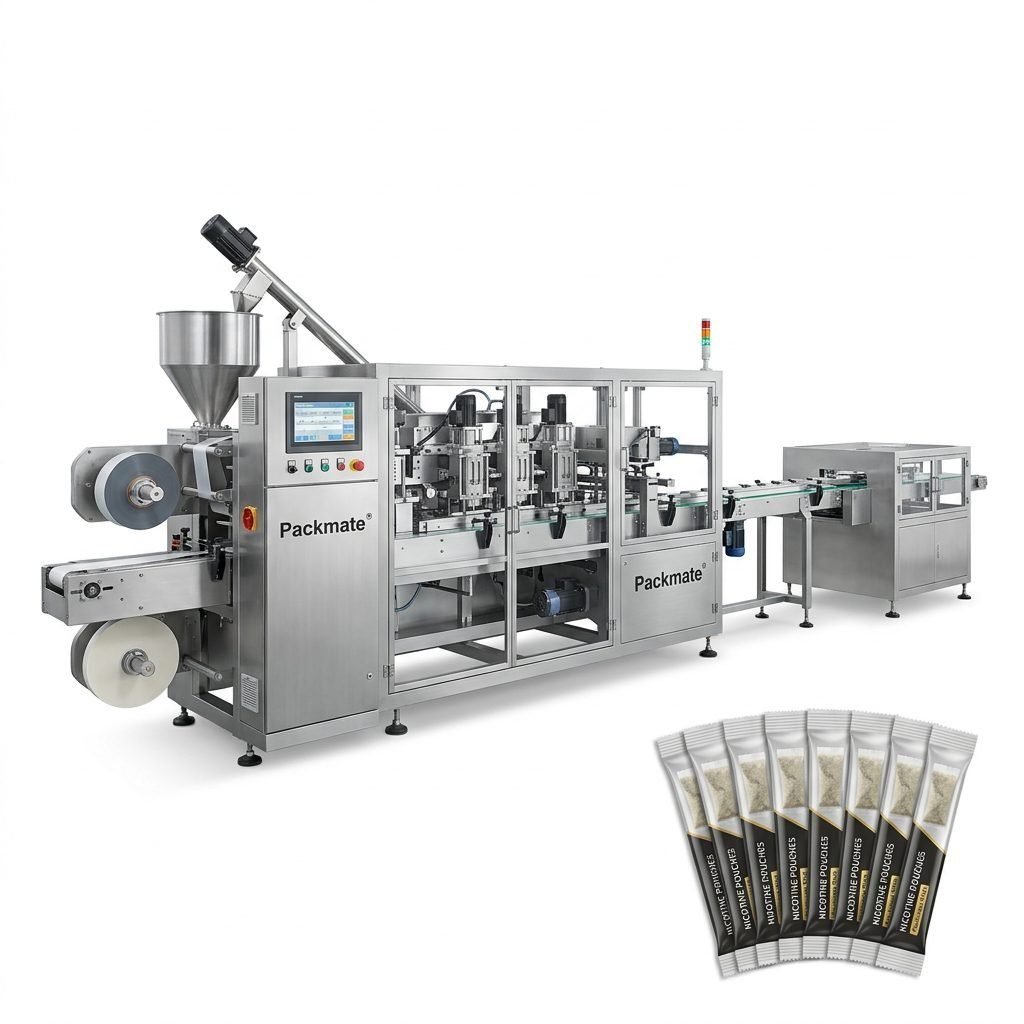
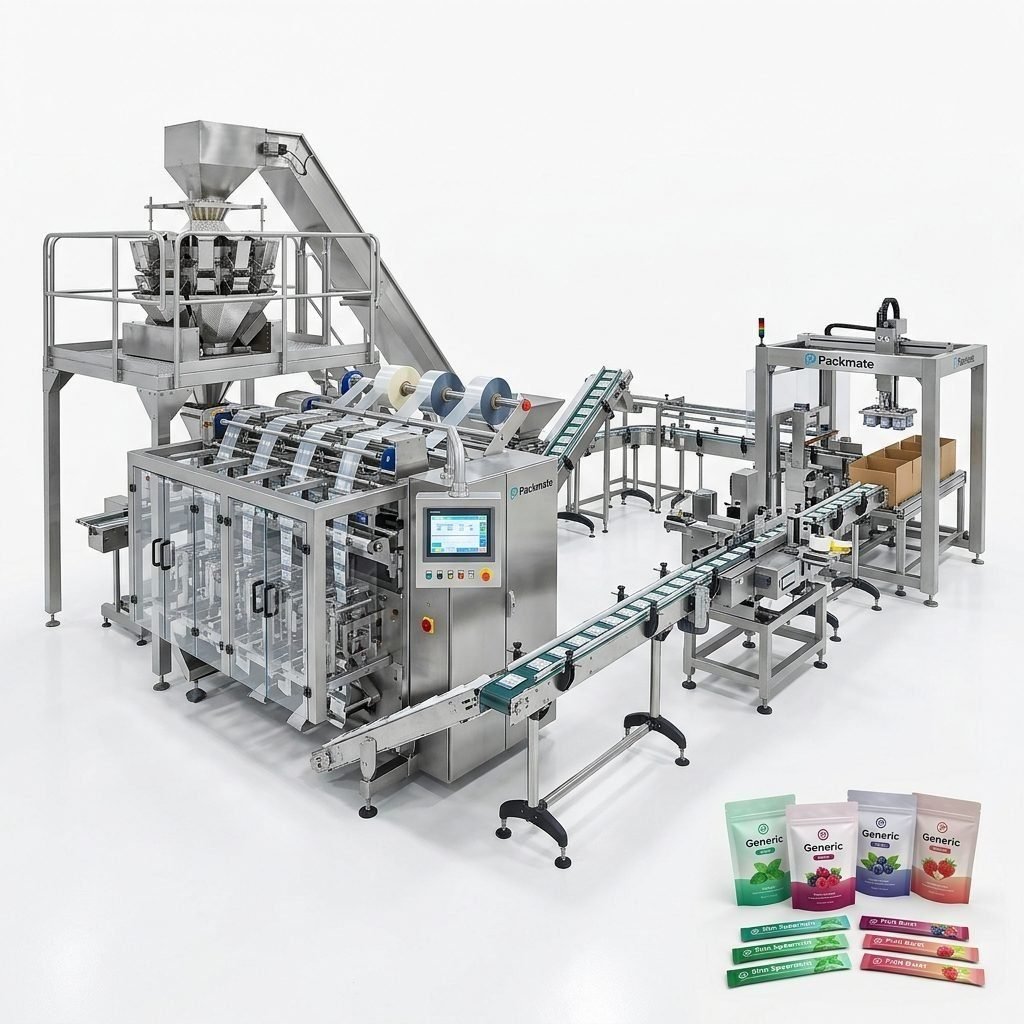
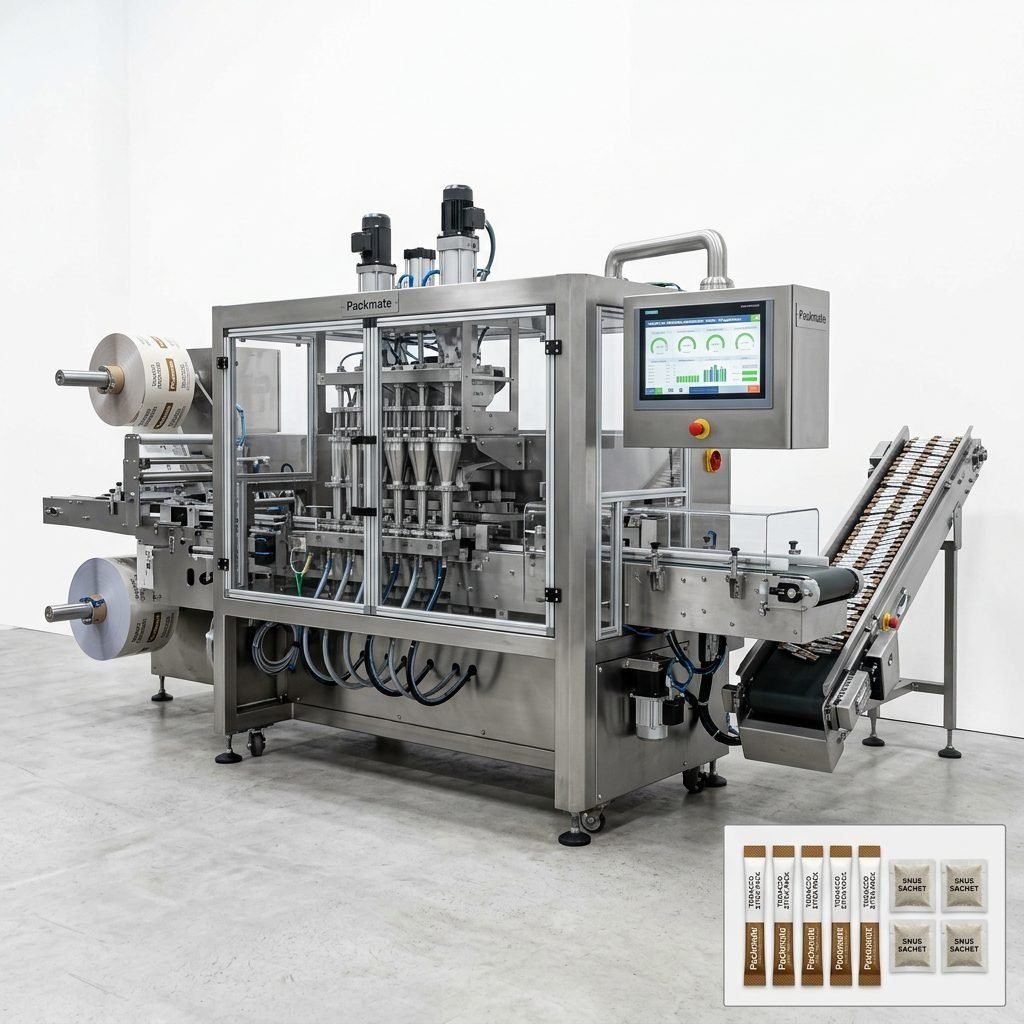
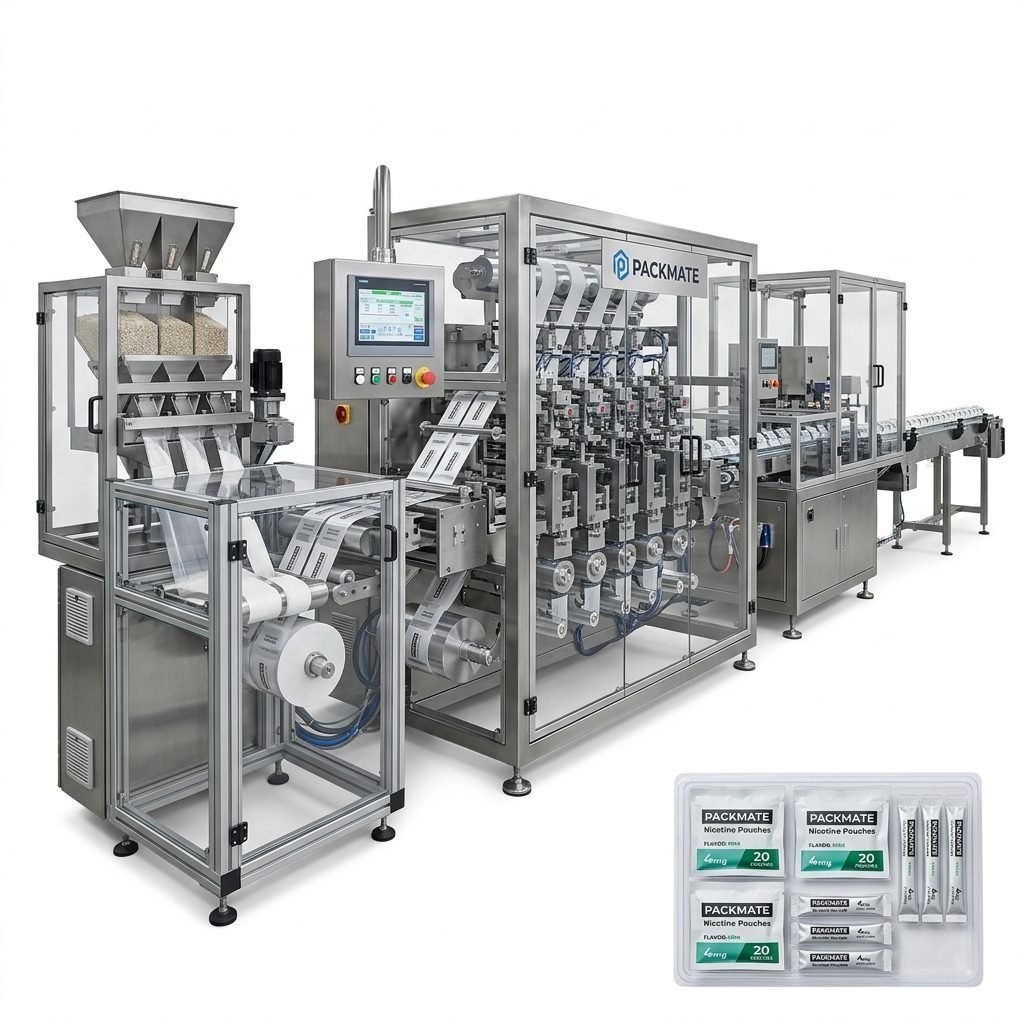
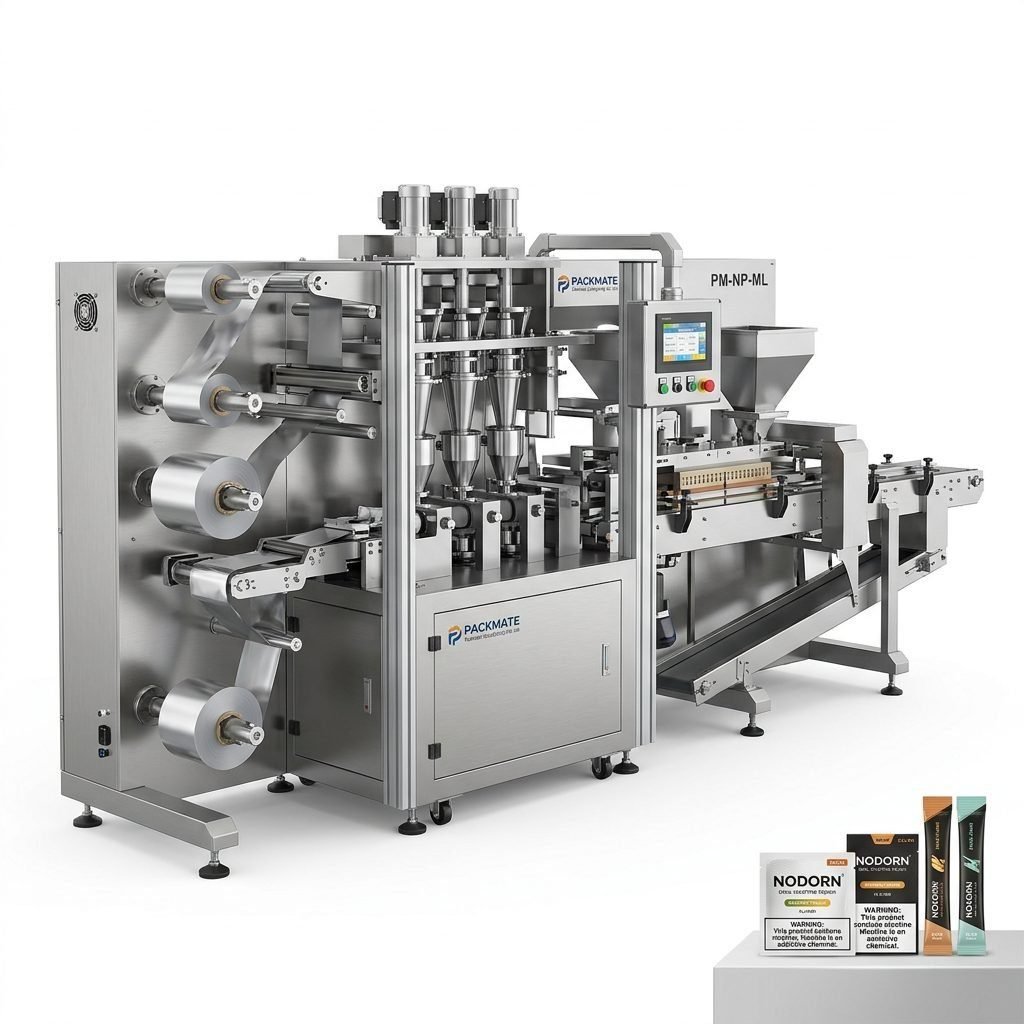
Entering the snus and nicotine pouch market in Papua New Guinea (PNG) requires careful vendor selection. This buyer’s guide walks you through practical steps to find a reliable snus packaging machine supplier in PNG, with local considerations, technical checks, logistics advice, contract tips, and after-sales expectations to ensure your investment delivers stable production, compliance, and long-term value.
Understand the PNG Market & Local Customs
Papua New Guinea’s market landscape is unique: it is geographically fragmented, culturally diverse, and often logistics-challenged. Business in PNG relies heavily on relationships, face-to-face trust-building, and respect for local customs. When evaluating suppliers, consider partners who appreciate these realities and can adapt their communication and timelines accordingly.
Why local knowledge matters
Suppliers who understand PNG’s port handling, inland transport limitations, power supply variations, and import documentation will save you time and reduce risks. For example, considerations like salt corrosion in coastal areas, high humidity, and voltage stability affect machine design choices and sealing performance for snus pouches.
Tip 🔍 — Ask potential suppliers about previous deliveries to Oceania or similar island markets. Local logistics experience is a major advantage.
Technical Requirements: Match Machinery to Product & Environment
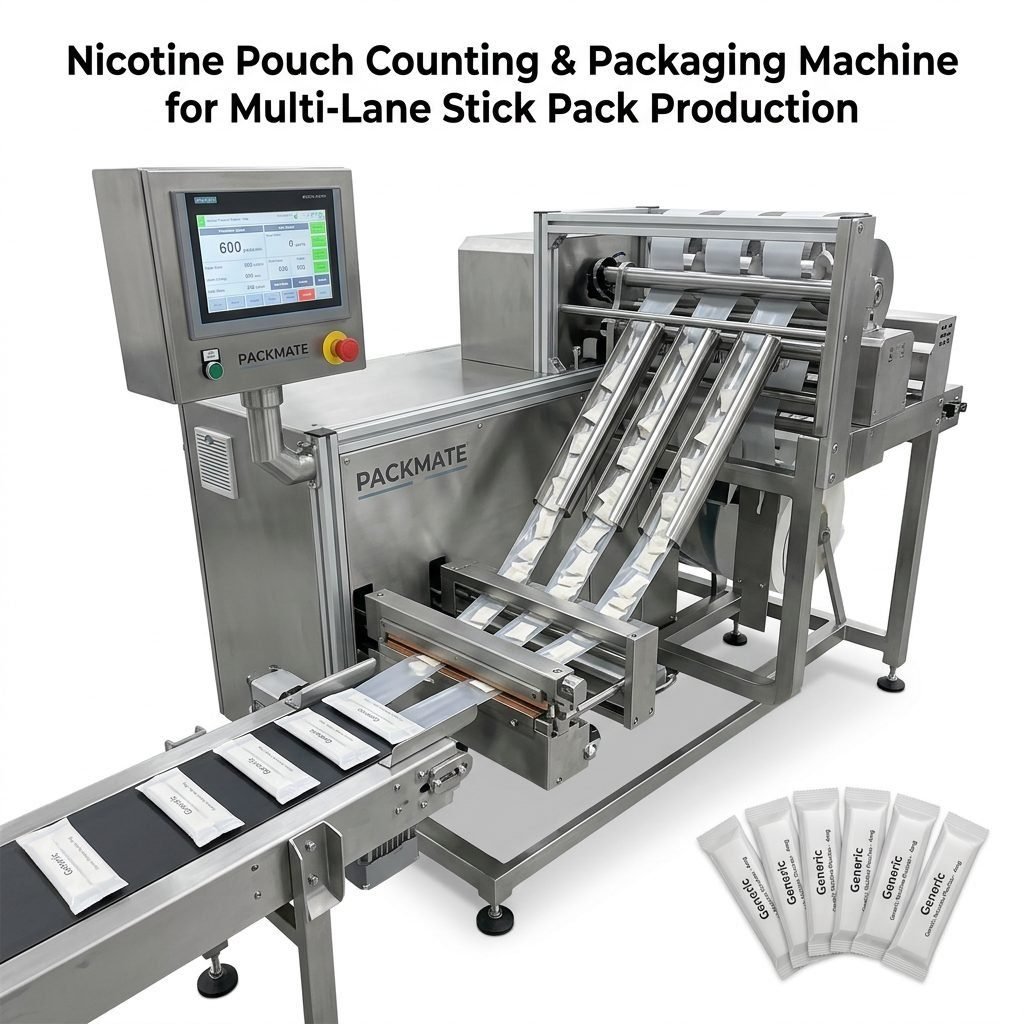
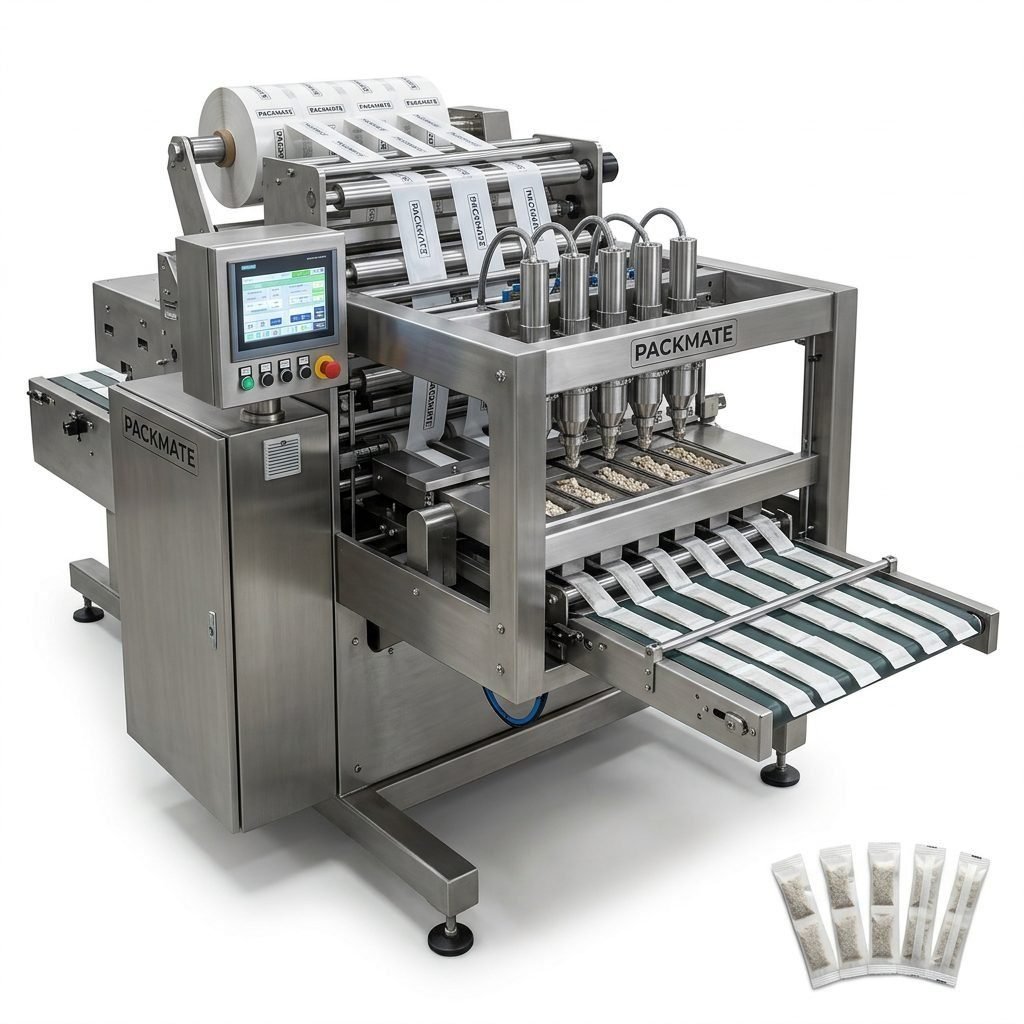
Choosing the right packaging machine begins with defining the product: snus pouches or nicotine pouches come in varied sizes, materials, filling weights, and packaging types (stick packs, sachets, multi-lane pouches). A supplier should recommend machines tailored to your product specs and expected output.
Key technical questions to ask
– What pouch formats does the machine support (single-lane, multi-lane)?
– What is the achievable speed (pouches per minute) for your product size?
– How does the machine handle hygroscopic materials and anti-clumping needs?
– Does it support nitrogen flushing or modified atmosphere packaging if required?
– What sealing technologies are used (heat, ultrasonic, glue) and their reliability in humid climates?
Supplier Capabilities & Credentials
Evaluate manufacturers on engineering depth, certifications, and track record. Reputable suppliers will provide CE / ISO documentation, manufacturing photos, CNC machining capabilities, and test reports. Look for companies with robust factory facilities and a history of customizing lines for snus/nicotine pouch producers.
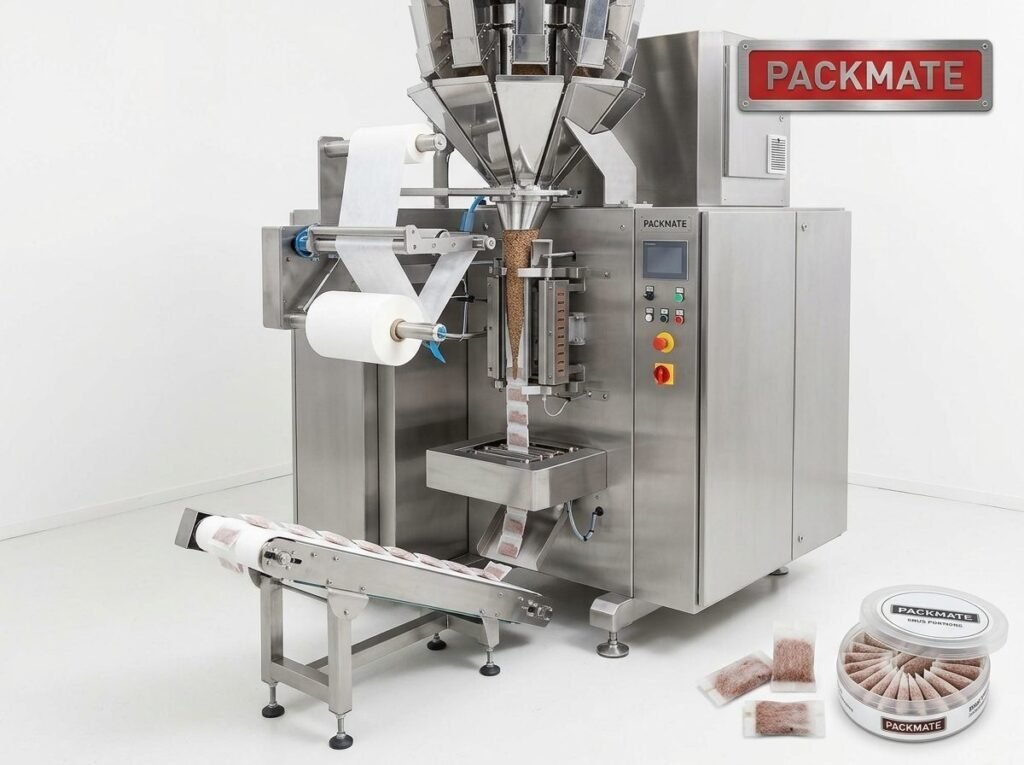
Manufacturer highlight ✓ Packmate (GuangDong) Co., Ltd. has 30+ years of R&D and a 20,000㎡ facility with advanced CNC and assembly lines, offering multi-lane solutions for nicotine pouches and related products. Learn more on their product pages like Snus & Nicotine Packaging Machines.
Factory visits & third-party inspections
Whenever possible, arrange a factory visit or hire a local inspection company to verify production capacity, quality control, and assembly processes. If travel is impossible, ask for recent video tours, machine acceptance test (FAT) recordings, and client references from similar markets.
Quality Assurance: Testing, Materials & Spare Parts
A good supplier will provide robust quality assurance: trial packs, sample production, and long-term spare parts availability. Confirm lead times for common wear parts like sealing jaws, belts, and bearings. In PNG, delays in receiving parts can halt production, so local stocking strategies or express shipping options are critical.
Checklist ⚙️ — Ensure the supplier provides: FAT, SAT (site acceptance), spare parts list with part numbers, user manuals in English, and remote support capability.
After-Sales Service & Training
After-sales support is a top priority. PNG’s distance from major manufacturing hubs means you should select suppliers that offer strong remote diagnostics, training programs for local operators, and the option for on-site commissioning. Confirm warranty terms, response times for technical calls, and whether spare parts can be pre-shipped or stocked locally.
Training & documentation
Operators should receive hands-on training. Manuals and SOPs should be in clear English and designed for non-expert technicians if local workforce skill levels vary. Ask about video guides and multilingual support if needed.
Logistics: Shipping, Customs & Local Transport in PNG
Plan for container shipping to PNG ports (e.g., Port Moresby), inland transfers to remote locations, and customs clearance. Heavy machinery often requires pre-shipment inspections, accurate HS codes, and collaboration with freight forwarders experienced in PNG.
Discuss packing for long sea voyages: anti-corrosion measures, moisture-absorbing materials, and robust crating to withstand transshipment. Clarify who handles local duties and port storage fees to avoid unexpected costs.
Commercial Terms & Risk Mitigation
Negotiate clear commercial terms that define delivery schedules, milestones, payment terms, and acceptance criteria. Typical safeguards include staged payments tied to factory acceptance, shipment, and site acceptance. Consider letters of credit, escrow arrangements, or verified supplier references when dealing with new partners.
Red flags ⚠️ — Vague technical specs, refusal to provide FAT/SAT, no spare parts plan, or evasive warranty terms.
Regulatory & Compliance Considerations in PNG
Research PNG’s regulations regarding nicotine product manufacturing, packaging labeling, and import controls. Suppliers should provide machines that can meet label positioning, batch coding, and traceability needs to comply with local laws and potential future regulations.
Environmental & workplace safety
Machines compliant with CE/ISO standards suggest safer electrical and mechanical design. Request safety documentation and risk assessments, especially for workers unfamiliar with high-speed packaging lines.
Prototyping & Sample Runs
Before committing to full production, request sample production runs that replicate your chosen pouch materials and filling weight. A reliable supplier will conduct trial runs, share samples, and let you inspect sealing integrity, pouch appearance, and machine operation under expected conditions.
If available, ask for references and case studies from customers in similar climates or markets. Real-world performance and long-term reliability are better indicators than marketing claims alone. See Packmate’s global cases for reference: Case Studies.
Customization & Turnkey Solutions
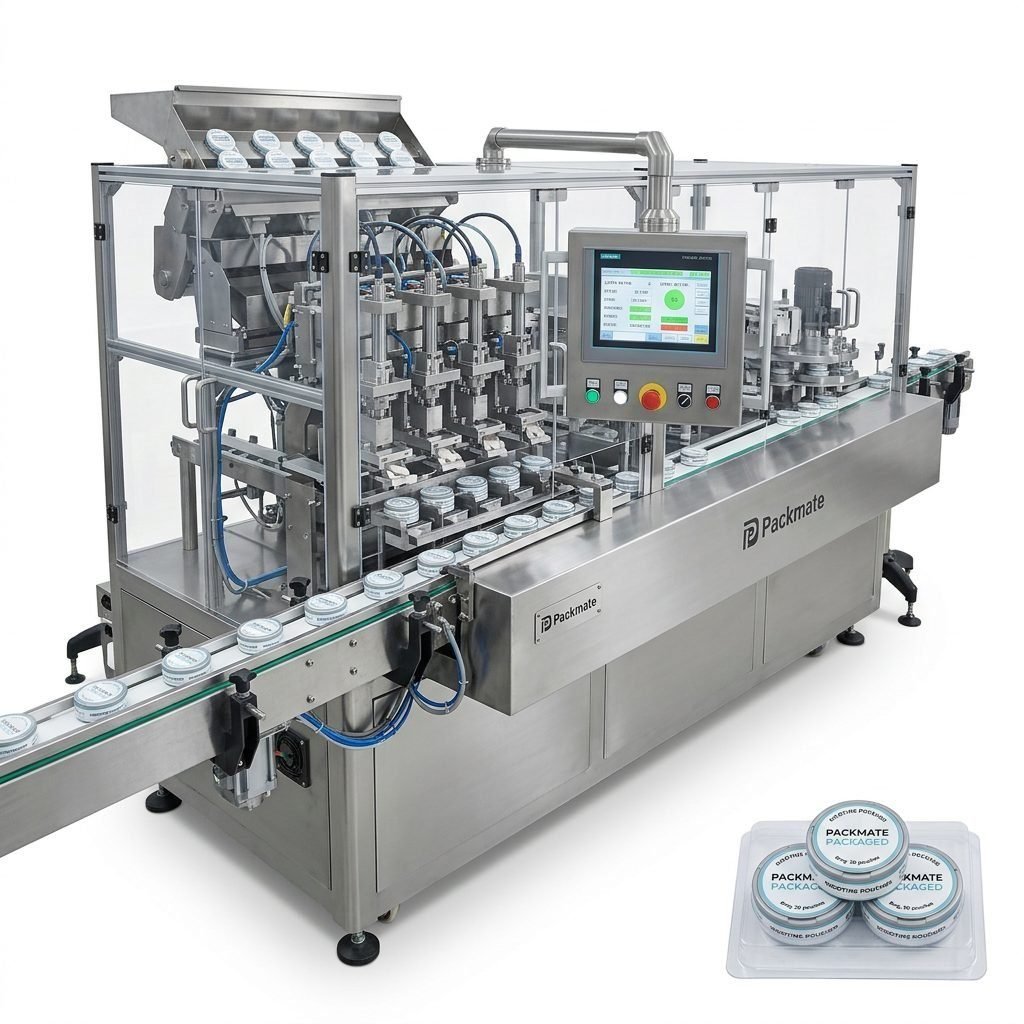
Many buyers need turnkey lines that integrate weighing, filling, packaging, and secondary packaging. Confirm whether the supplier can provide integrated solutions and coordinate with auxiliary equipment suppliers for a seamless production line.
Explore product ranges such as Bag & Pouch Packaging Machines, Sachet & Stick Pack Machines, and integrated Weighing & Packaging Systems.
Value of turnkey suppliers 🔧 — Reduces coordination overhead, ensures compatibility across modules, and typically provides a single point of responsibility for system performance.
Payment, Contract Clauses & Delivery Milestones
Set clear milestones: design approval, FAT completion, shipment, customs clearance, installation, and SAT. Define penalties for missed milestones and acceptance criteria. Prefer vendors who accept staged payments tied to verifiable milestones such as FAT videos or third-party inspections.
Insurance & warranties
Confirm marine insurance for transit, warranty coverage period, exclusions, and options for extended warranties or service contracts. Clarify responsibility for customs delays and demurrage costs.
Selecting the Right Supplier: A Practical Scorecard
Build a simple scoring matrix to compare suppliers across these categories: technical fit, quality credentials, spare parts availability, after-sales support, local logistics experience, price, and references. Weight items according to your priorities (e.g., spare parts and support might be higher for PNG).
Example weights: Technical fit 25%, After-sales 25%, Logistics experience 20%, Price 15%, References & Certifications 15%. Rank suppliers and request clarifications for any low-scoring areas before signing a contract.
Quick action list ✅ — Prepare product specs, request FAT, verify spares lead times, confirm shipping & customs plan, and define acceptance milestones.
Why Choose an Experienced Global Supplier?
Experienced suppliers bring proven designs, adaptability, and global support networks. For instance, Packmate offers a wide array of machines and turnkey lines for nicotine pouch production, backed by over three decades of engineering and global project experience. Explore their credentials and services if you seek a reliable partner: About Packmate and Service.
Final Checks Before You Commit
– Verify FAT results and ask for sample packs.
– Confirm spare parts catalog and typical lead times.
– Ensure training is included and that manuals are provided in clear English.
– Agree on clear acceptance criteria and a responsive support channel for PNG time zones.
Need help? 📞 If you want direct contact with suppliers or machine catalogs, check product lines like Filling & Packaging Lines and the Catalog.
Conclusion
Finding a reliable snus packaging machine supplier in Papua New Guinea requires balancing technical capability, proven quality, logistic know-how, and strong after-sales support. Prioritize suppliers who demonstrate real experience with snus/nicotine packaging, provide FAT/SAT documentation, and offer clear spare parts strategies. Build trust through transparent milestones and localized planning to ensure smooth commissioning and sustained production in PNG’s unique environment.
Frequently Asked Questions
Q: How important is FAT before shipment?
A: Extremely important. FAT validates machine performance, allows you to inspect sample packs, and reduces on-site surprises. Insist on FAT recordings and sign-off before shipment.
Q: What spare parts should I stock locally in PNG?
A: Stock common wear parts such as sealing jaws, belts, servo motors, sensors, and consumable rollers. Ask your supplier for a recommended spare parts list with part numbers and typical consumption rates.
Q: How can I manage customs and shipping risks to PNG?
A: Work with an experienced freight forwarder familiar with PNG, ensure accurate HS codes, arrange marine insurance, and plan for potential demurrage. Confirm who bears customs duties in the sales contract.
Q: Are turnkey solutions worth the extra cost?
A: Yes, if you want a single supplier responsible for system compatibility and performance. Turnkey providers reduce integration risks and simplify project coordination.
Q: Where can I find reliable suppliers and more info?
A: Explore supplier product pages, certifications, and case studies. For a comprehensive portfolio and global cases, consider visiting the supplier’s site such as their product lines and contact pages: Contact Us and Our Exhibition.