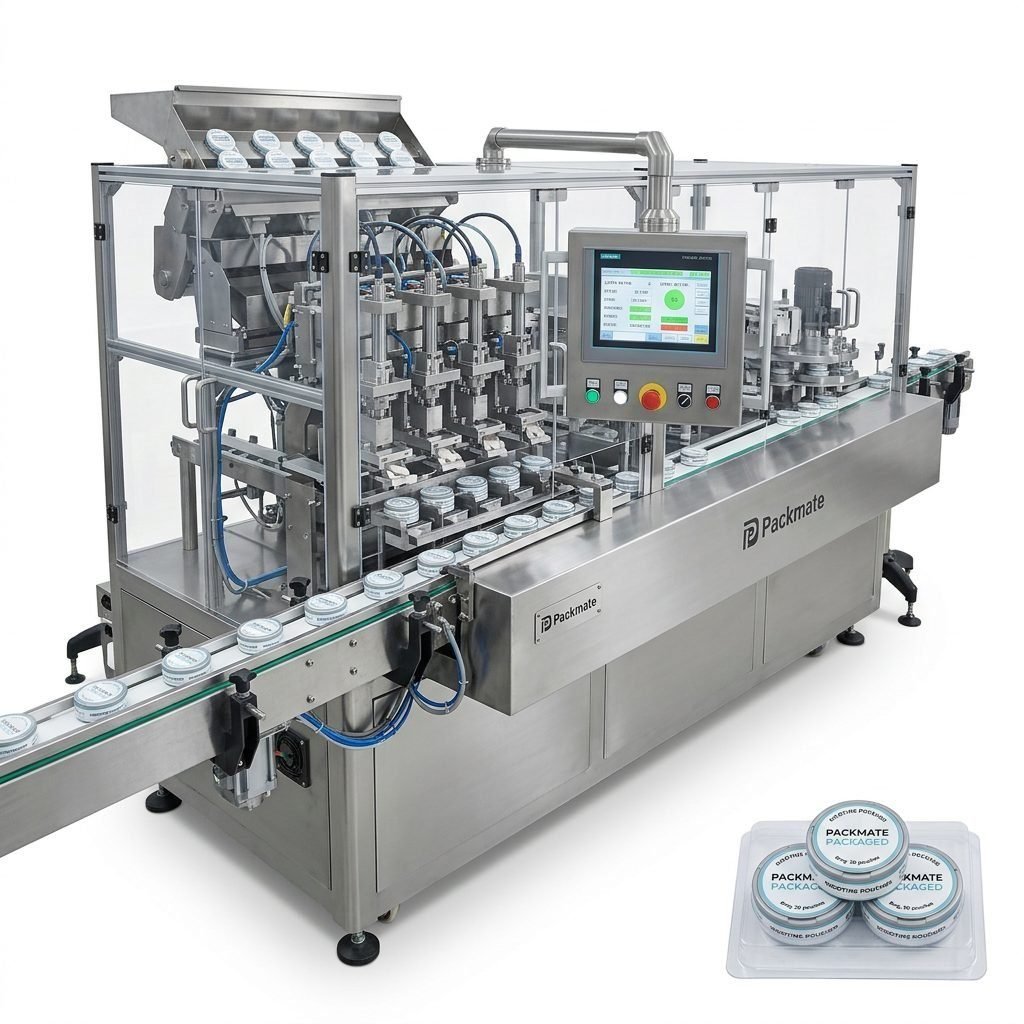
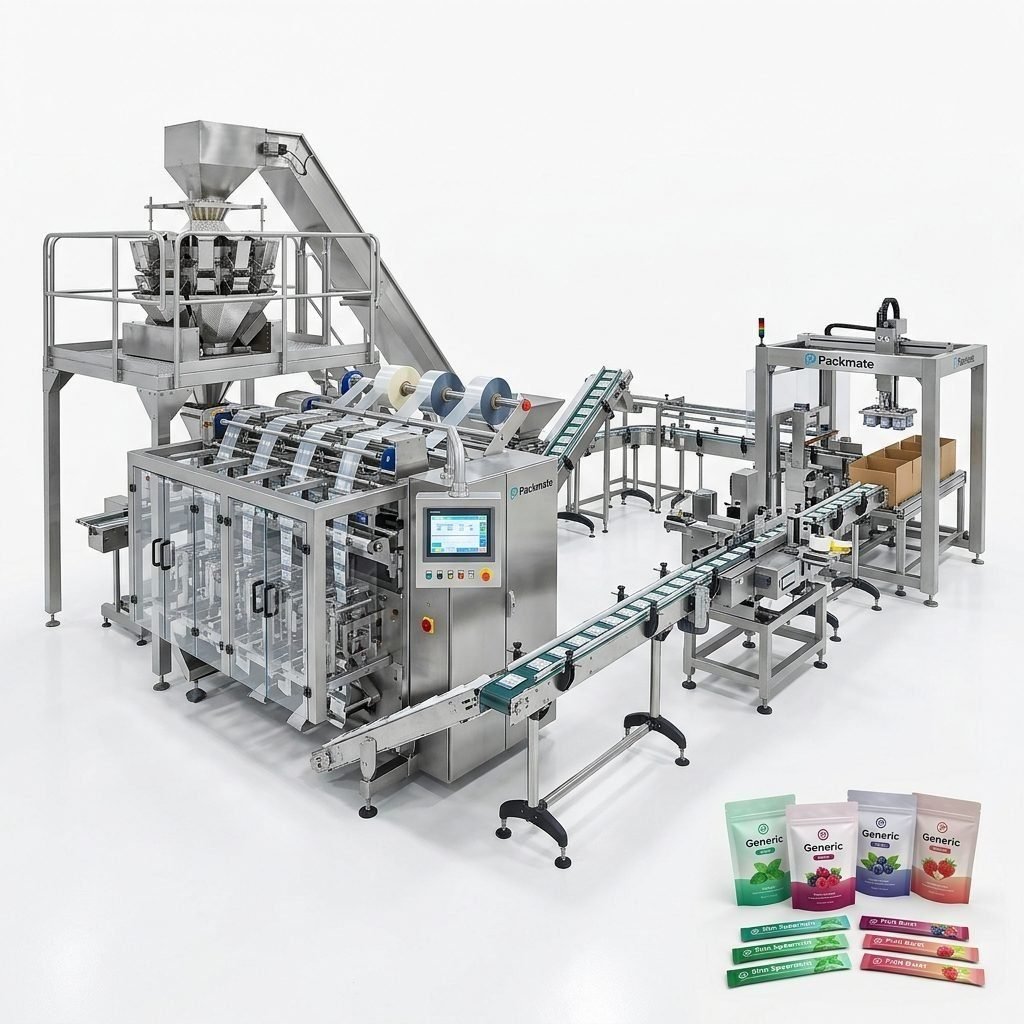
Choosing the right snus packaging machine supplier for your business in Gambia requires more than a quick price check. From local customs and import logistics to machine performance and after-sales service, understanding the full picture will save you time and money. This buyer’s guide walks you through practical steps, technical considerations, and cultural tips to make a confident, long-term purchase.
🔍 Understand the Gambian Market Context
The Gambia is a small but strategically located West African market with a growing interest in consumer goods and light manufacturing. When you source equipment from overseas you must factor in:
Local business culture: Gambian companies value trust, clear communication, and long-term relationships. Face-to-face meetings (or trustworthy local representatives) help build confidence. Plan for slower negotiation cycles during religious holidays (e.g., Ramadan) and respect local business hours.
📦 Port, Import & Regulatory Considerations
Your supplier must be familiar with shipping to Banjul (Port of Banjul) and Gambian import procedures. Ask about:
- Incoterms and who handles customs clearance
- Estimated import duties, VAT and possible exemptions
- Documentation: certificates of origin, equipment manuals, CE/ISO certificates
- Local agent or partner for customs liaison and installation support
⚙️ Match Machine Type to Your Product and Scale
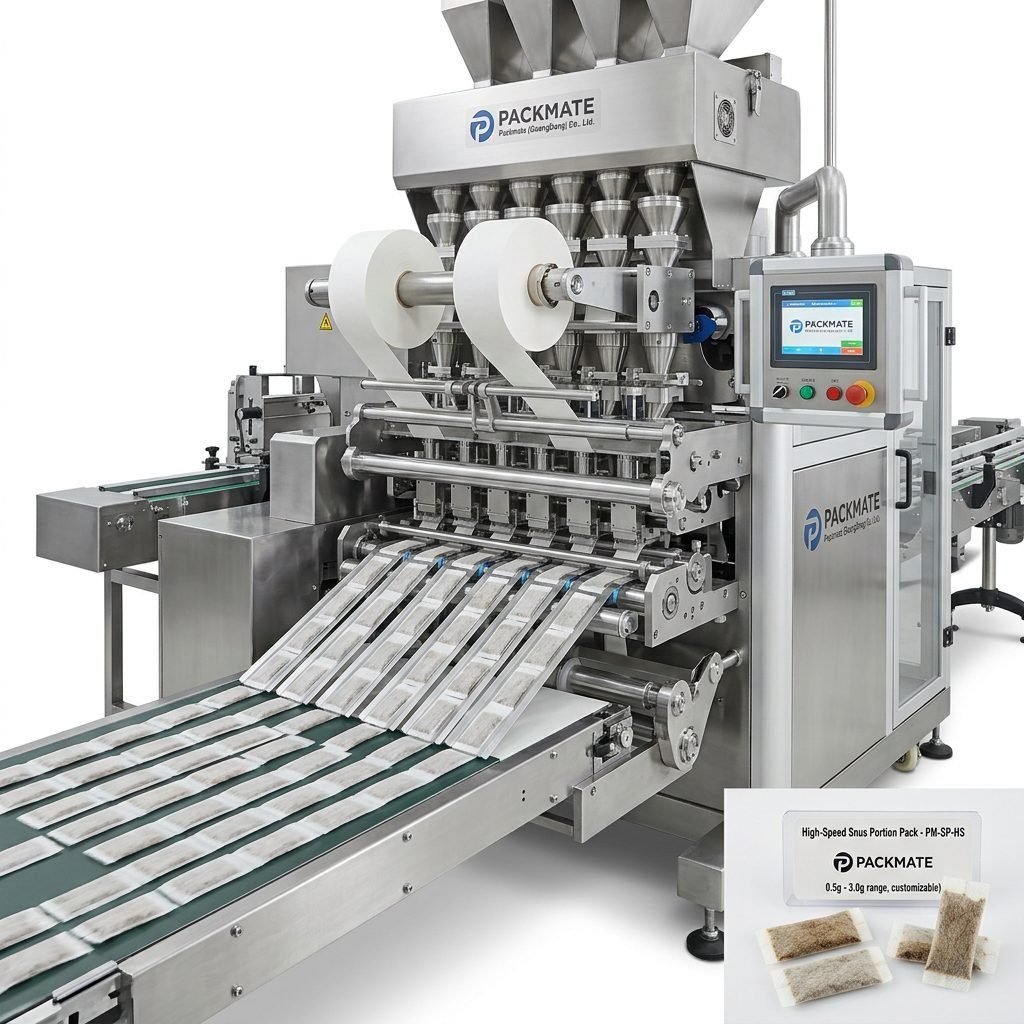
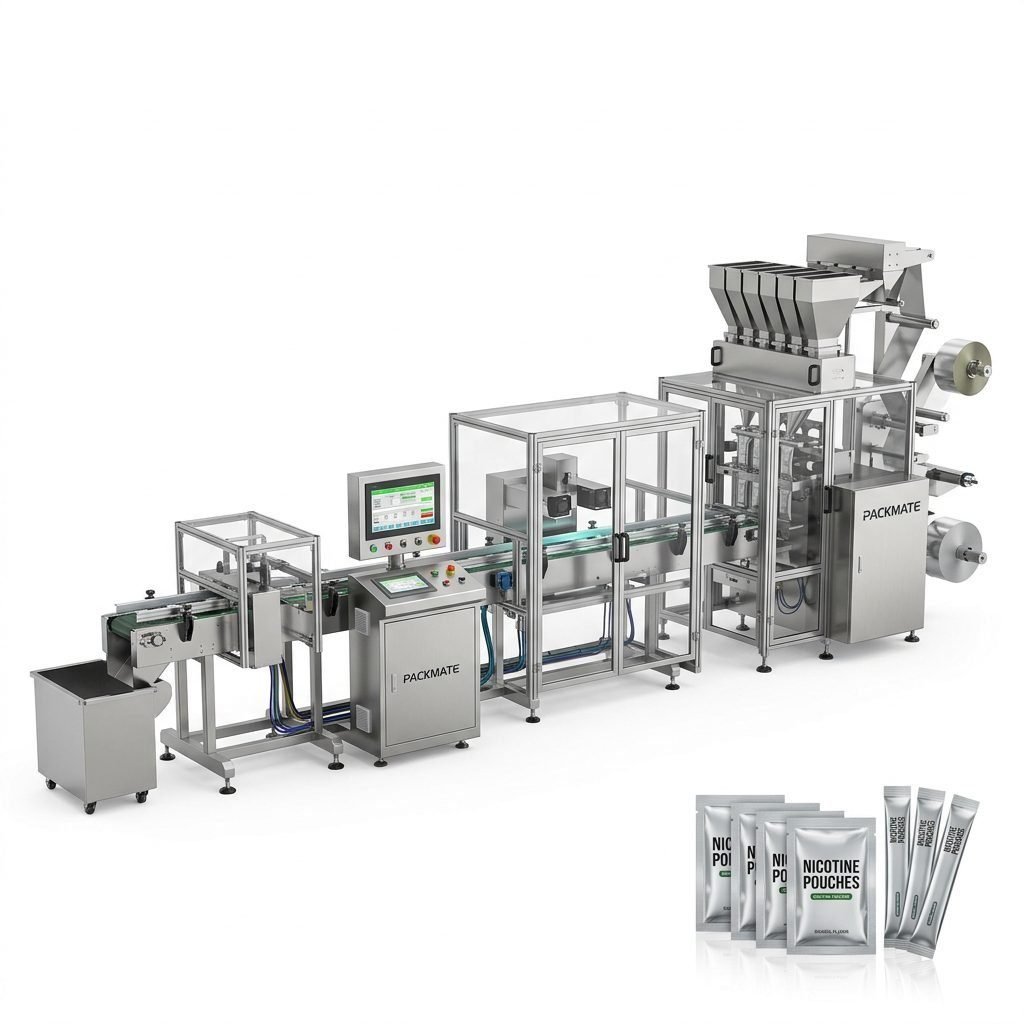
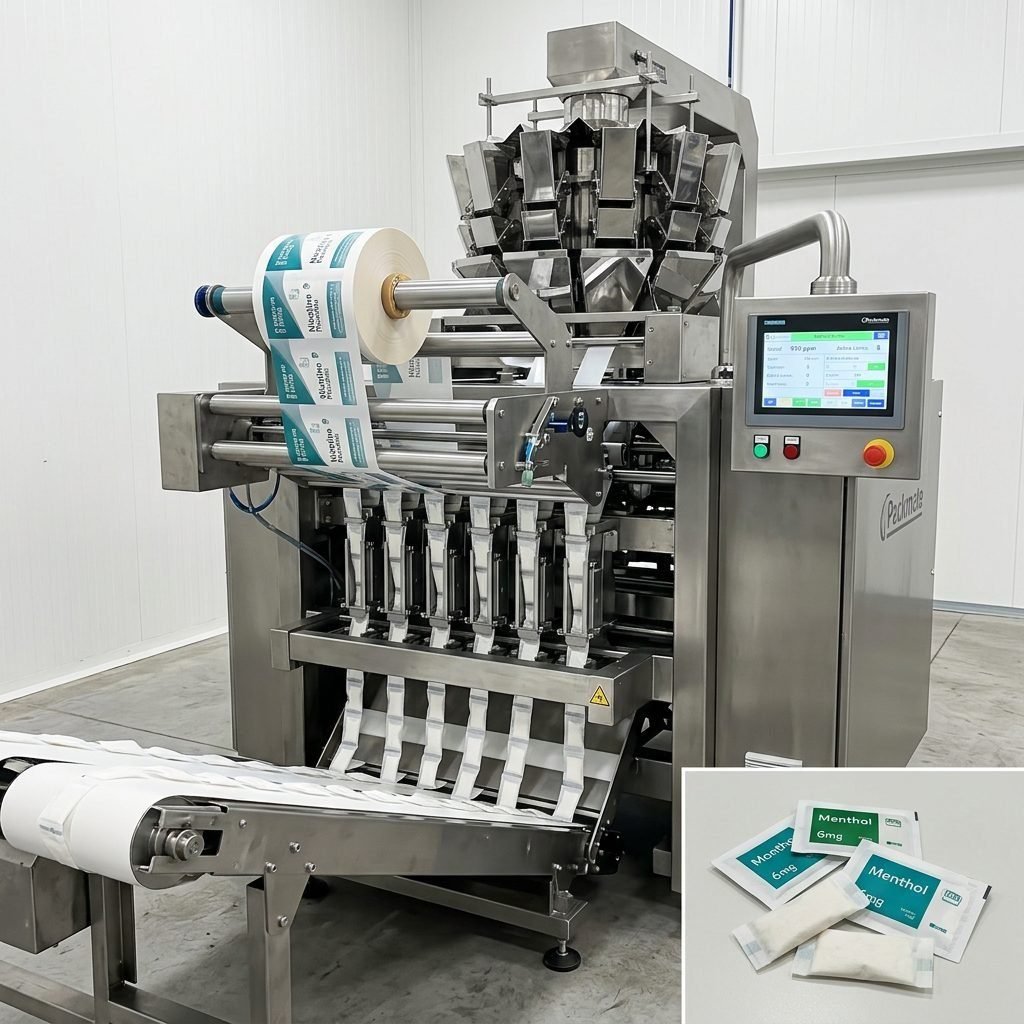
Snus and nicotine pouches come in many packaging formats. Selecting the right machine family affects capacity, yield, and product integrity.
Consider:
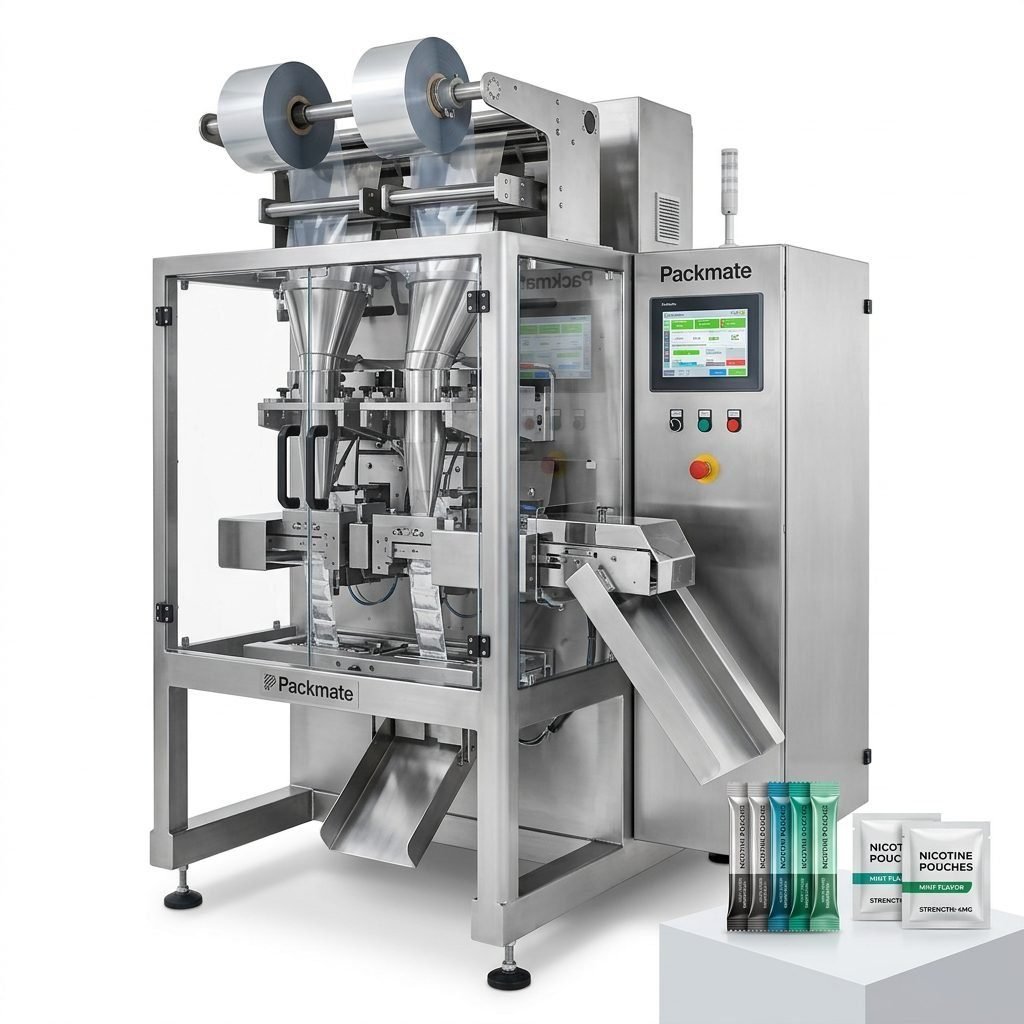
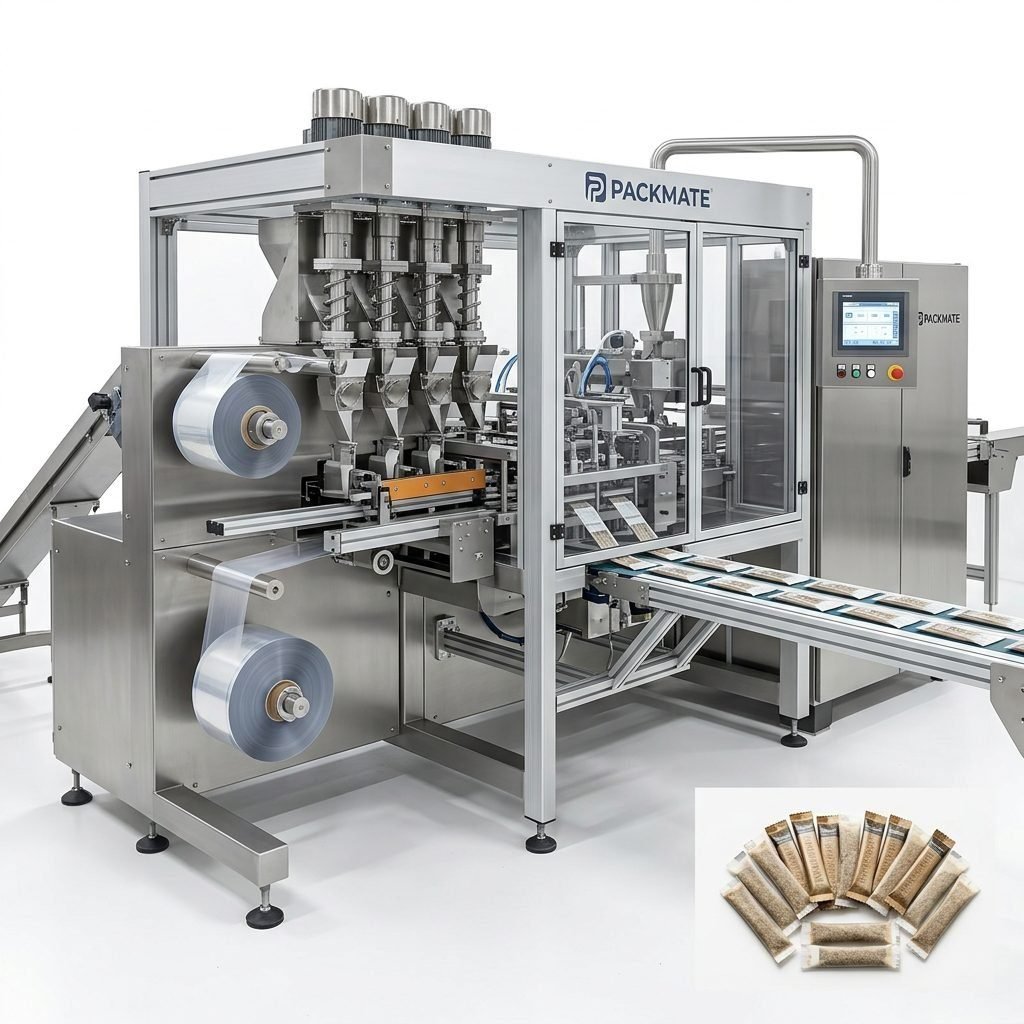
• Stick pack machines for single-dose, elongated pouches
• Sachet and pillow pack machines for small retail pouches
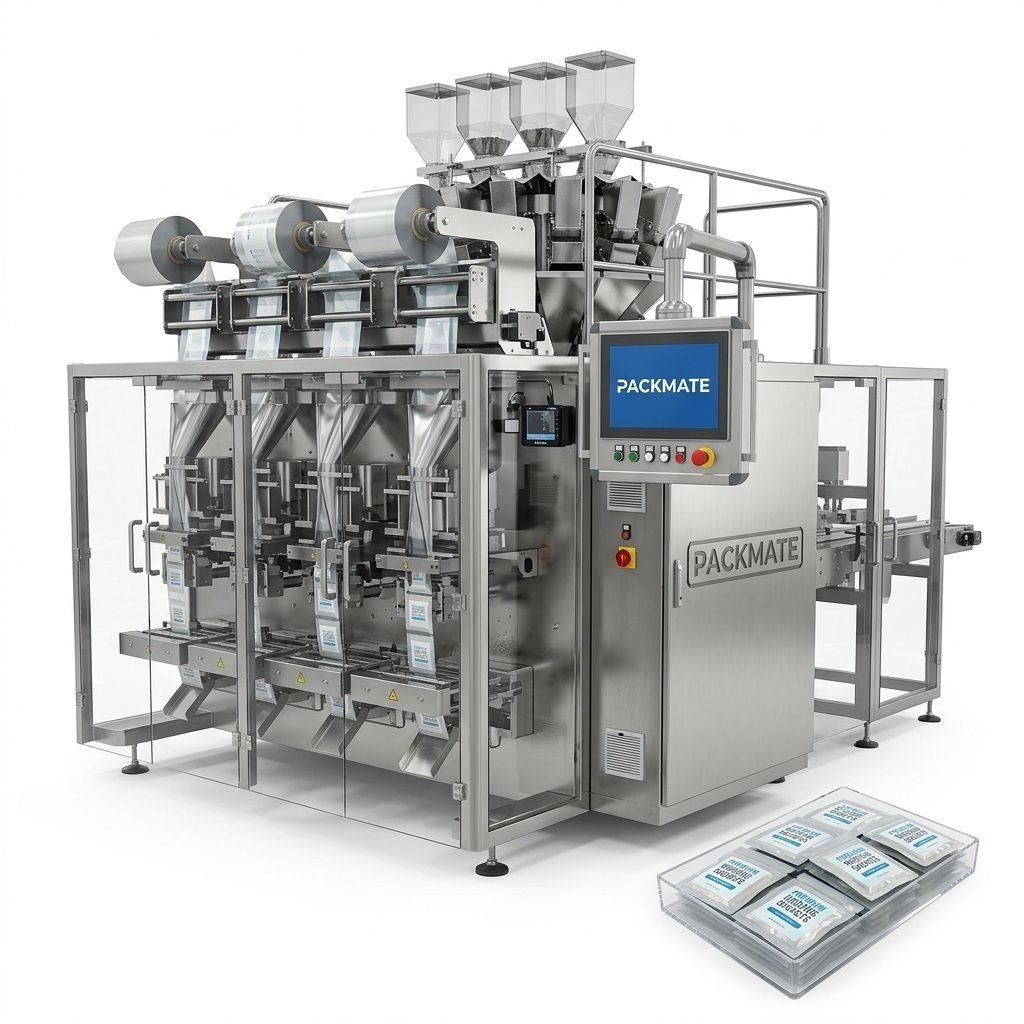
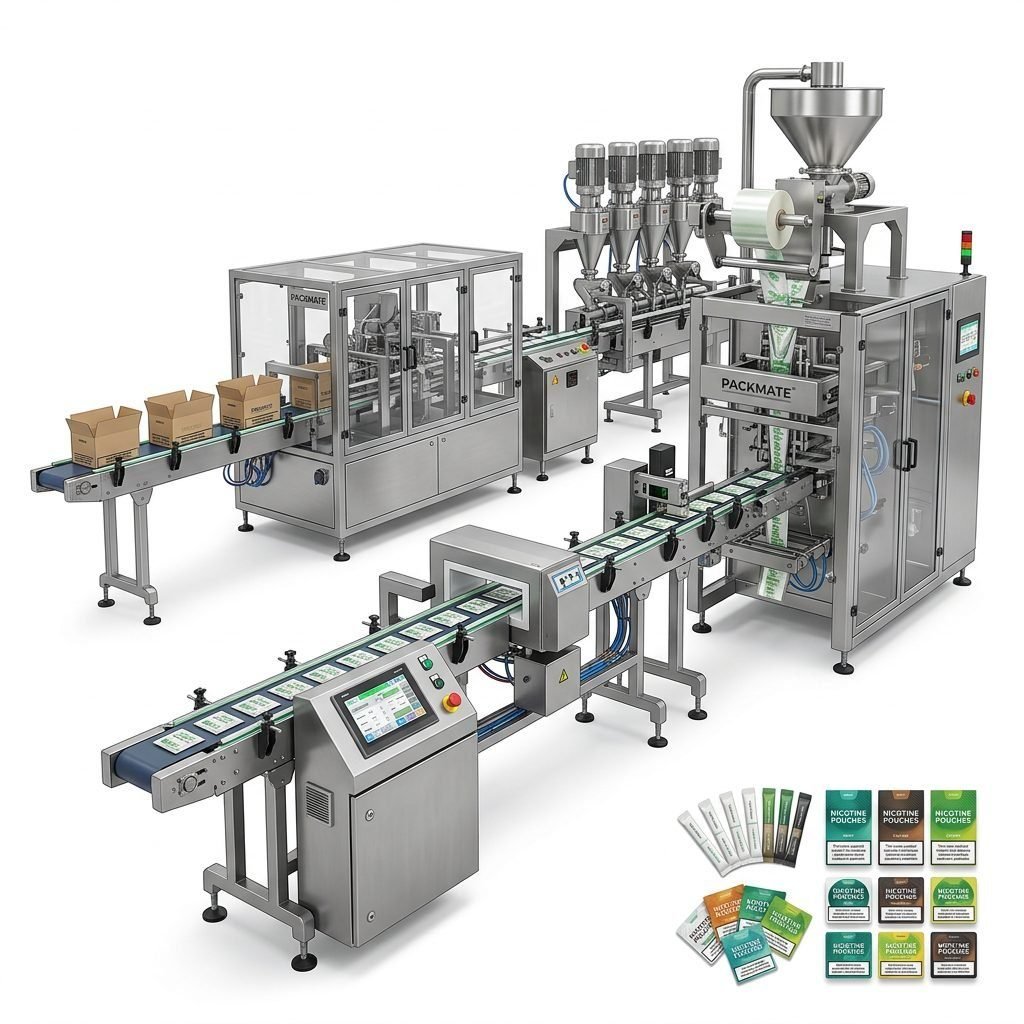
• Multi-lane systems for high throughput production of small-dose pouches
📈 Capacity & Flexibility
Ask suppliers about model options and scalability. If you plan to expand distribution in West Africa, multi-lane and modular lines allow you to increase throughput without replacing the entire system. Request a performance matrix (pouches/minute per lane), so you can compare models objectively.
🛠 Technical Specifications & Quality Standards
Technical reliability is critical for continuous production. Evaluate mechanical design, materials, and standards compliance.
- Construction materials: stainless steel contact parts (SUS304/SUS316) for hygiene and corrosion resistance
- Electrical components: use of robust PLCs, proven servo systems and industrial brands
- Certifications: CE and ISO indicate adherence to international safety and quality norms
- Spare parts availability and BOM (bill of materials)
For reference, suppliers like Packmate highlight decades of engineering experience and international certifications — useful indicators of maturity.
🔍 Factory Capability and Customization
A supplier with a large, well-equipped facility can better handle custom requests, rapid spare delivery, and quality control. Check for:
Key factory indicators: CNC machining centers, precision assembly lines, and a dedicated QC department. These elements indicate consistent build quality for complex multi-lane lines.
💡 After-Sales Support & Local Service Strategy
After-sales support is the differentiator between a good supplier and a strategic partner. In Gambia, where on-site service visits are more time-consuming, ensure the supplier offers:
- Remote support via phone/video for troubleshooting
- Spare parts kits shipped by air or courier with estimated lead times
- On-site installation and commissioning with training of local operators
- Documentation in English and clear electrical / pneumatic schematics
📞 Local Representation or Agent
If the supplier lacks a Gambian office, find out if they have a regional partner in West Africa. A local agent helps with customs, installation, and spare parts handling, reducing downtime risk.
💬 Evaluate Supplier Reputation & References
Reputation tells you how a supplier performs over time. Ask for:
- Case studies and client references in similar markets (preferably Africa or developing regions)
- Factory videos and test runs showing consistent sealing and pouch weight accuracy
- Trade show participation and verified exhibition presence
You can review real-world examples through supplier case pages such as this Case library.
💵 Total Cost of Ownership (TCO) — Not Just Purchase Price
When comparing quotes, compute TCO including:
- Shipping, insurance, customs clearance and port handling
- Installation, training, and commissioning costs
- Annual maintenance, spare parts consumption, and downtime risk
- Expected useful life and trade-in or upgrade paths
Pro tip: A slightly higher initial investment for a more reliable machine with local support can reduce your per-unit cost dramatically over time.
🧾 Acceptance Tests, Factory Trials & FAT
Ensure the supplier provides a Factory Acceptance Test (FAT) and live production trials before shipment. A robust FAT should include:
- Verification of speed, pouch weight accuracy and sealing integrity
- Simulated production runs using your packaging material
- Video documentation and signed FAT report
🧩 Spare Parts & Consumables Strategy
For continuous operation in Gambia, maintain a basic spare parts kit and ensure your supplier commits to reasonable lead times for replacements. Prioritize parts with long lead times: drive belts, sensors, servo components, and sealing jaws.
🤝 Negotiation & Contract Essentials
A clear contract reduces future disputes. Items to clarify in writing:
- Clear delivery terms (Incoterms), delivery dates and liquidated damages for delays
- Warranty period and scope (onsite vs remote repairs)
- Acceptance criteria and FAT sign-off process
- Training scope, documentation language, and number of on-site training days
📄 Payment Terms & Financial Risk
Balance supplier risk with secure payment instruments. Common structures include deposits, staged payments tied to milestones (FAT, shipment, installation) and final payment after acceptance. Where possible, use reputable bank instruments and retain a portion of payment until after successful commissioning.
📣 Use Technology and Demonstrations to Validate Claims
Ask for machine demo videos, remote live demos, and references who operate similar machines. Confirm the supplier can handle your product’s moisture, particle size, and dosing needs.
Explore product families such as Snus & Nicotine Packaging Machines and Bag & Pouch Packaging Machines to compare technical features and use-cases.
📅 Logistics & Installation Timeline
From order to production, lead times vary. Confirm manufacturing lead time, shipping schedules, customs clearance time, and planned on-site commissioning date. Build contingency time for unexpected delays.
✅ Final Checklist Before You Buy
Checklist:
✔️ Clear FAT and acceptance criteria agreed in writing
✔️ Spare parts list and lead times confirmed
✔️ Warranty and service level documented
✔️ Local agent/support plan in place for Gambia
✔️ TCO calculated including import and downtime costs
📌 Supplier Shortlist — What to Ask Immediately
When you contact suppliers, ask for:
- Factory videos and FAT documentation
- List of African or similar-market customers and contactable references
- Lead time for the selected model and for critical spares
- Training and commissioning plan in Gambia
📎 Useful Supplier Resources
To explore product lines and services, visit supplier resources such as the manufacturer’s product collections and service pages. For example, check product pages like the Sachet & Stick Pack Machines and review the Service offerings to understand commitments to after-sales support.
🎯 Final Recommendation
Focus on suppliers that demonstrate strong engineering capability, clear FAT and warranty terms, and a pragmatic plan for supporting operations in Gambia. Prioritize relationships and verified references over the lowest bid — operational continuity and fast service will preserve margins and reputation.
📞 Need Direct Contact?
If you want direct supplier information, find manufacturer contact and corporate information on their official pages such as Contact Us and their About Packmate page for background and certification details.
❓ Frequently Asked Questions (FAQs)
Q1: What certifications should a snus packaging machine supplier provide?
Suppliers should provide CE and ISO certificates as evidence of international safety and quality standards, plus machine-specific documentation such as electrical drawings, material certificates, and FAT reports.
Q2: How long does it take to get a snus packaging line installed and running in Gambia?
Typical lead times vary by model and customization, but plan for manufacturing lead time (often several weeks to months), shipping, customs clearance, and 1–2 weeks for on-site installation and training. Allow extra time for paperwork and local logistics.
Q3: What spare parts should I stock locally?
Maintain a kit including sealing jaws, belts, sensors, fuses, and key electrical components. Suppliers usually provide a recommended spare parts list; prioritize items with long lead times and consumables used in daily operations.
Q4: Can suppliers provide remote commissioning and training?
Many modern suppliers provide remote support and live video guidance as part of their service package, but critical tasks like mechanical alignment and full commissioning typically require at least one on-site visit from the supplier or a certified local technician.