Choosing the right snus packaging machinery supplier in Indonesia is one of the most impactful decisions for any company entering or expanding in the nicotine pouch and snus market. The right partner not only delivers reliable machines, but also supports local regulatory compliance, adapts machines to regional preferences, and ensures fast after-sales service across a geographically vast market like Indonesia. This guide walks you through practical criteria, local considerations, negotiation tips, and a step-by-step checklist so you can select a supplier who maximizes productivity, minimizes downtime, and protects your brand reputation.
Why the supplier matters: beyond the machine
A packaging machine is a long-term investment. While capacity, speed, and price are obvious factors, the supplier’s engineering capability, spare parts availability, compliance documentation, and training programs directly affect your total cost of ownership and time-to-market. In Indonesia, where distribution channels range from modern minimarkets to traditional warungs, your packaging solution must deliver both consistency and local adaptability.
Key outcomes to expect from a great supplier
🔍 Reliable uptime — machines that operate stably under multi-shift production. ✅ Local support — spare parts and technicians available quickly in Indonesia. 📌 Regulatory readiness — documentation and features that help with BPOM and customs checks.
1. Evaluate machine performance and customization
Performance metrics to verify:
- Speed and throughput — check maximum and sustained speeds for your pouch size and formulation.
- Accuracy and weight control — crucial for nicotine pouch dosing; confirm tolerance levels on multi-lane systems.
- Material compatibility — support for common film laminates and barrier materials used in tropical climates.
- Multi-lane scalability — ability to scale lanes or add stick/sachet options for product diversification.
2. Inspect engineering experience & certifications
Suppliers with decades of engineering know-how bring fewer surprises. Look for:
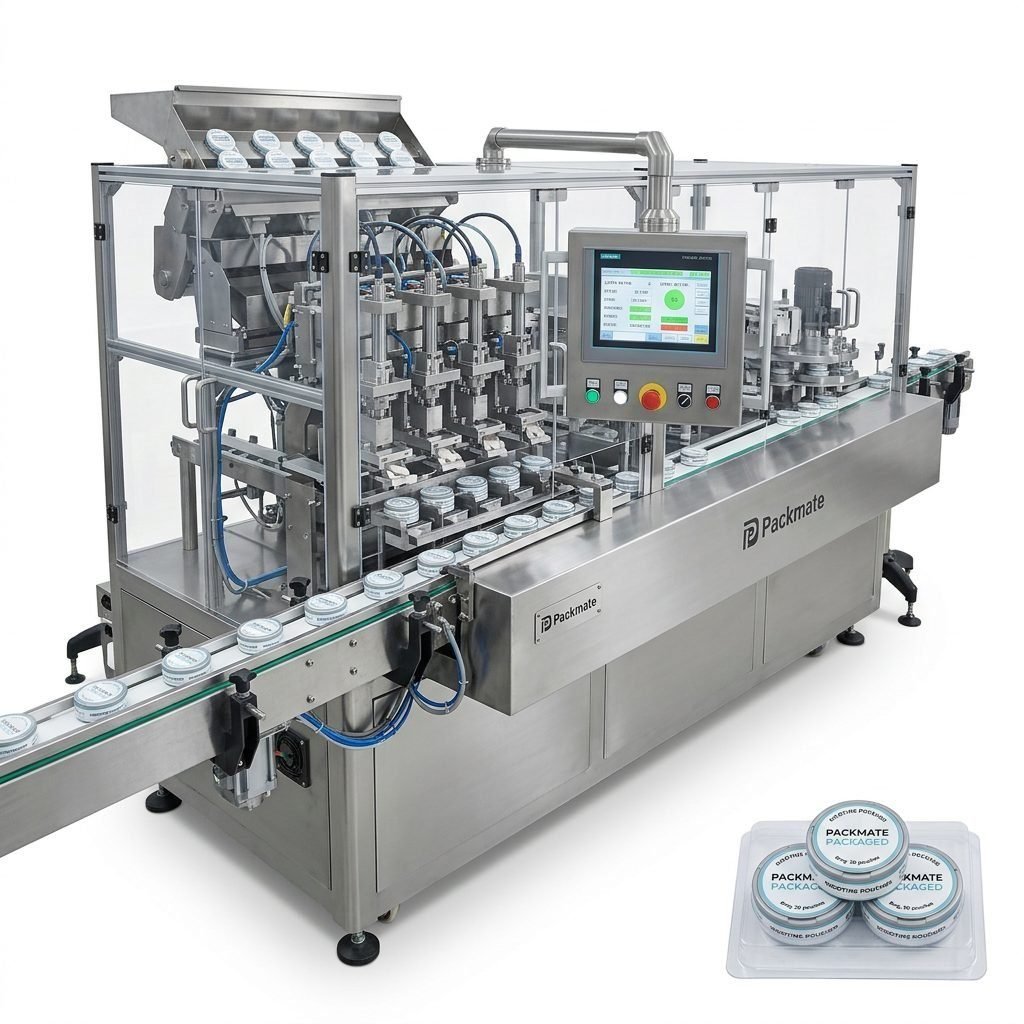
• ISO and CE certifications that demonstrate adherence to international manufacturing standards. Packmate (Packmate Snus Machine) highlights 30+ years of R&D and factory systems such as CNC machining and precision assembly — indicators that matter when you need consistent mechanical tolerances.
3. After-sales service, spare parts & spare capacity in Indonesia
Downtime costs can dwarf initial savings. Ask suppliers about:
- Local stock of wear parts or express shipping options to Indonesia.
- Remote diagnostics and preventive maintenance contracts.
- On-site commissioning and operator training in Bahasa Indonesia or with translators.
⚠️ Important: confirm SLA response times and verify whether the supplier has worked with local logistics partners or distributors. In Indonesia, quick customs clearance and inland shipping options (covering islands beyond Java) are essential.
4. Local regulatory and cultural considerations in Indonesia
Market entry in Indonesia requires attention to:
- Regulatory compliance: nicotine products may face strict labeling and import requirements. Engage local legal counsel and confirm the supplier provides compliance documents and machine features for traceability.
- Cultural sensitivity: Indonesia is predominantly Muslim; product claims and ingredient transparency matter. Consider halal-related questions and how packaging communicates ingredients and nicotine content.
- Retail channels: adapt pouch sizes and outer carton sizes to match modern retailers and small kiosks (warungs). Smaller single-dose packs and discreet, resealable packaging often sell better in urban environments.
- Flavor preferences: while international flavors like mint are common, local consumers might prefer variants that complement regional tastes; work with the supplier to enable flexible filling systems.
5. Factory visits, test runs, and validation
A factory visit or at least a live demo/test run is non-negotiable. During demos:
- Observe a full production cycle using your actual packaging materials and pouch formulation.
- Measure real-world throughput, waste rates, and changeover times.
- Request video evidence of long-duration runs and references from other customers, ideally in Southeast Asia.
6. Total cost of ownership & ROI analysis
Compare suppliers on:
- Initial CAPEX vs. guaranteed uptime and productivity.
- Consumables and expected wear parts costs per million pouches.
- Training, commissioning, and any customization fees.
- Financing options, leasing, or trade-in programs that affect cash flow.
📈 Tip: build an ROI model that includes lost production days avoided through local parts availability and on-site service. Small differences in mean time to repair (MTTR) add up quickly.
7. Contract terms, warranties, and spare parts commitments
Negotiate clear terms covering:
- Duration and scope of warranty, including wear parts and electronic components.
- Spare parts pricing, lead times, and minimum stock suggested for Indonesian operations.
- Uptime guarantees and penalties for extended downtime where feasible.
- Training responsibilities and post-installation support schedules.
8. Installation, training, and local staffing
A good supplier provides structured handover:
- On-site commissioning and production ramp-up support.
- Operator and maintenance training documentation in clear English and, where possible, Bahasa Indonesia.
- Spare parts kits for initial running months and recommendations for local stocking levels.
9. Supplier reputation, references & case studies
Ask for references in Asia or similar markets and look for published case studies. Reputable suppliers list exhibitions attended and certification pages — check those resources and, when possible, visit local customers to inspect machines in daily production. For manufacturer pages and product portfolios, you can review:
- Snus & Nicotine Packaging Machines
- Sachet & Stick Pack Machines
- Case studies that show real-world deployments
- About the manufacturer for factory and timeline information
10. Practical checklist before signing
✔ Confirm demo with your exact film and product. ✔ Validate spare parts lead time to Indonesia. ✔ Confirm training language and on-site support timeline. ✔ Get clear warranty and SLA terms. ✔ Check references and visit a live production if possible.
Why consider Packmate for Indonesia?
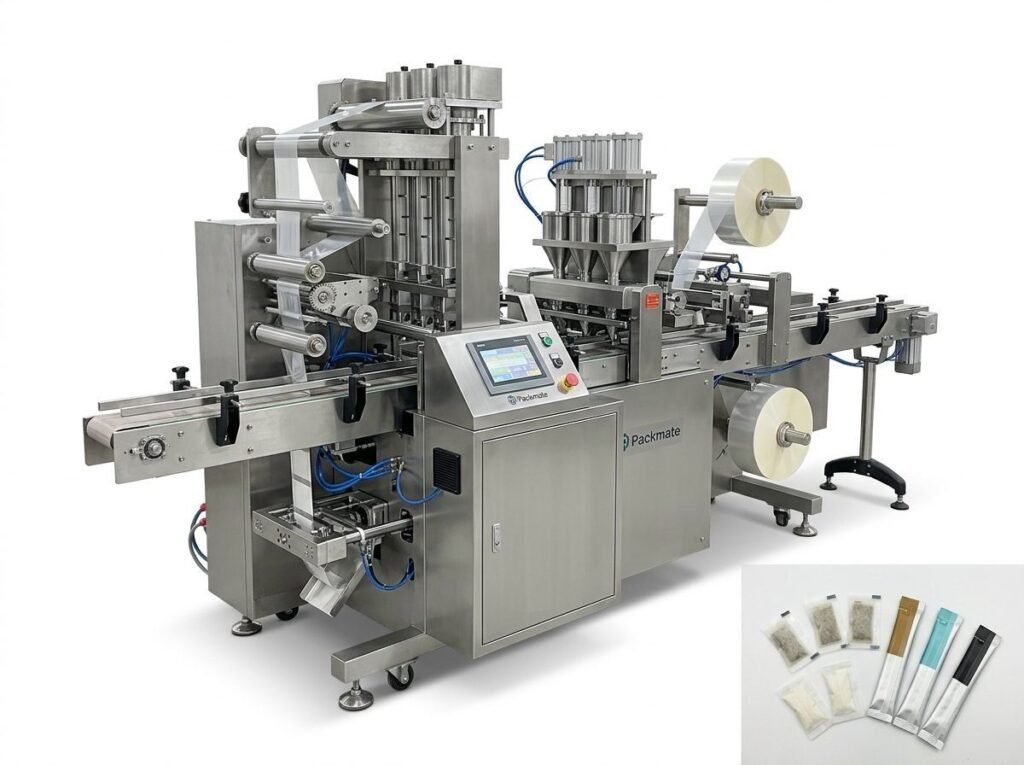
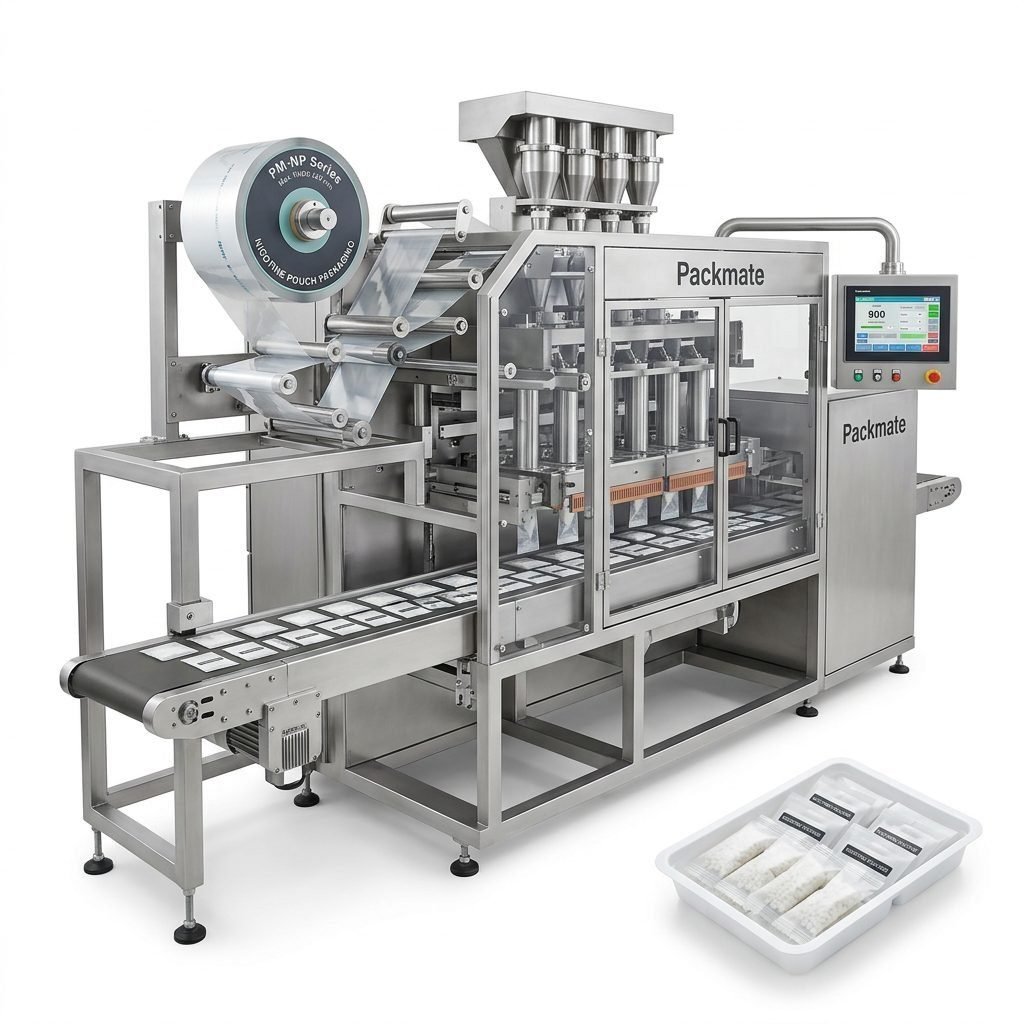
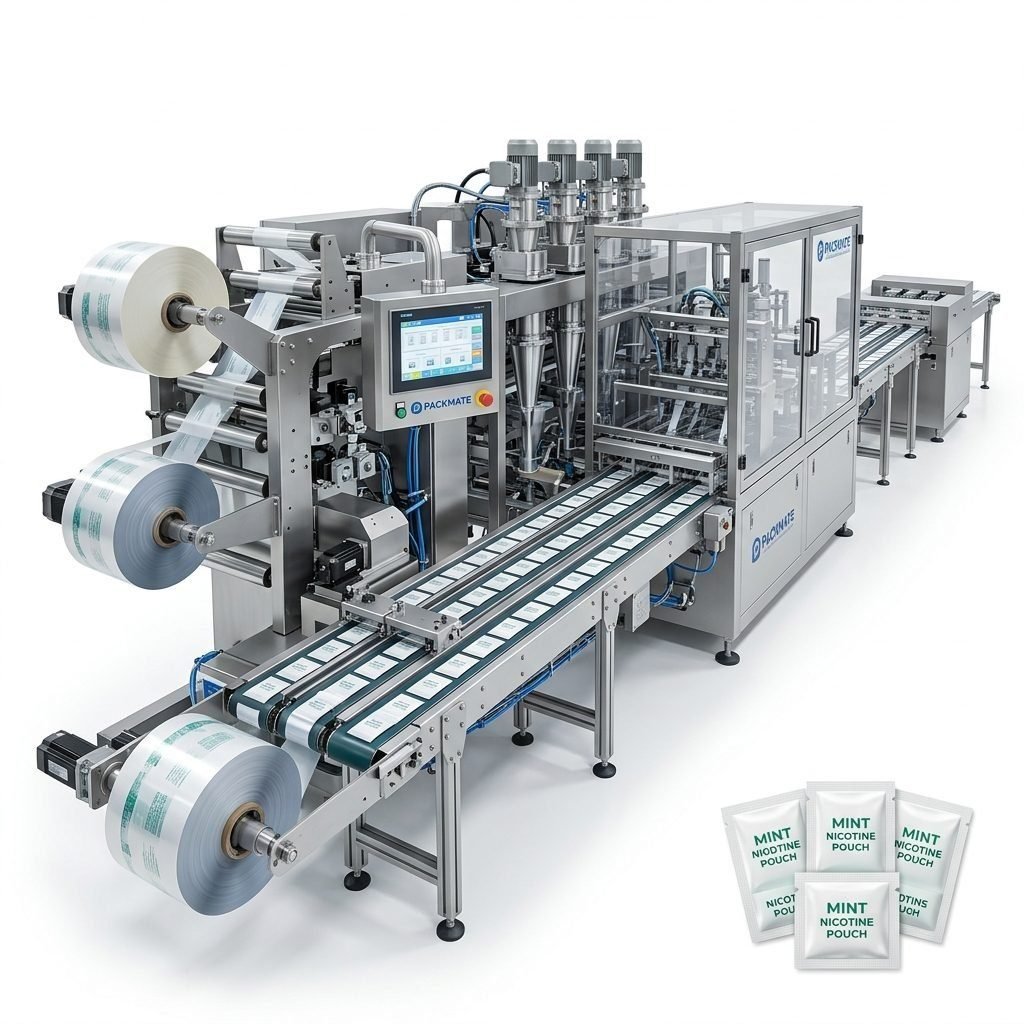
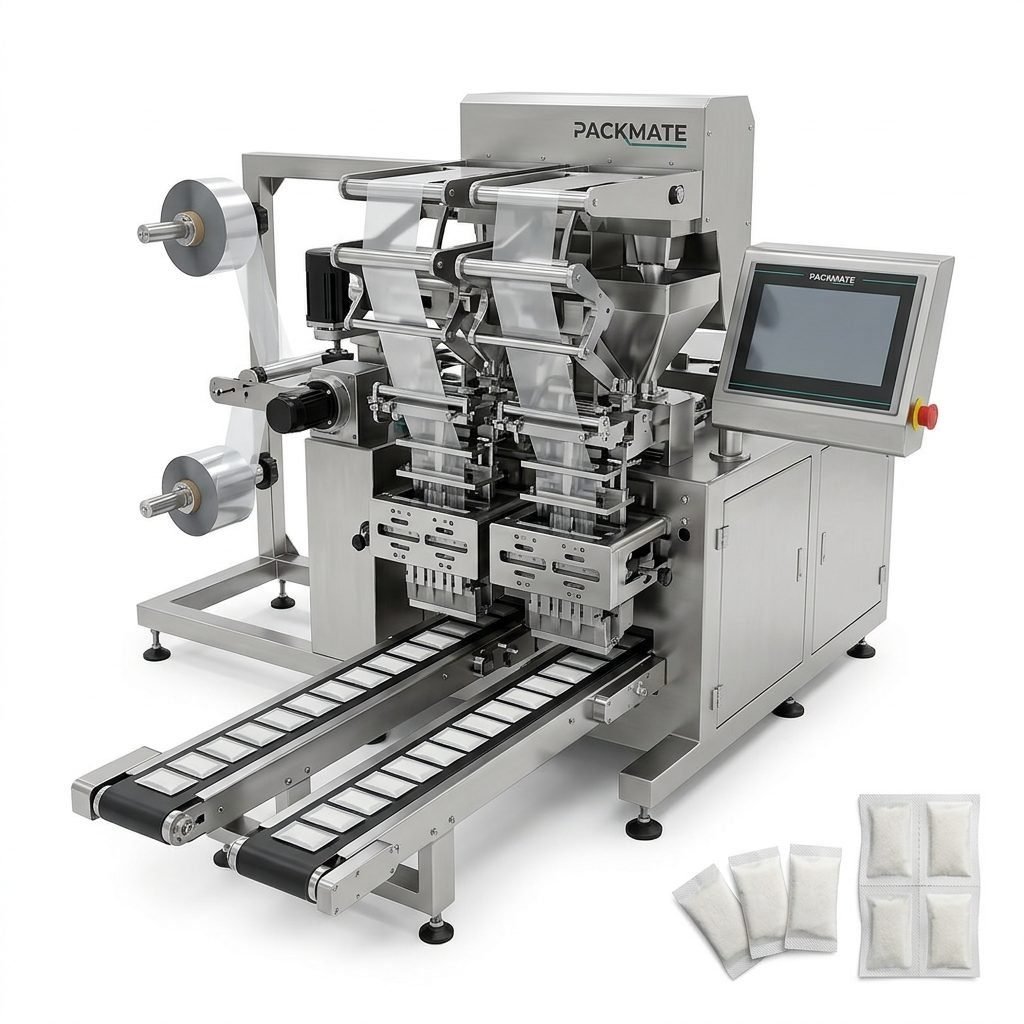
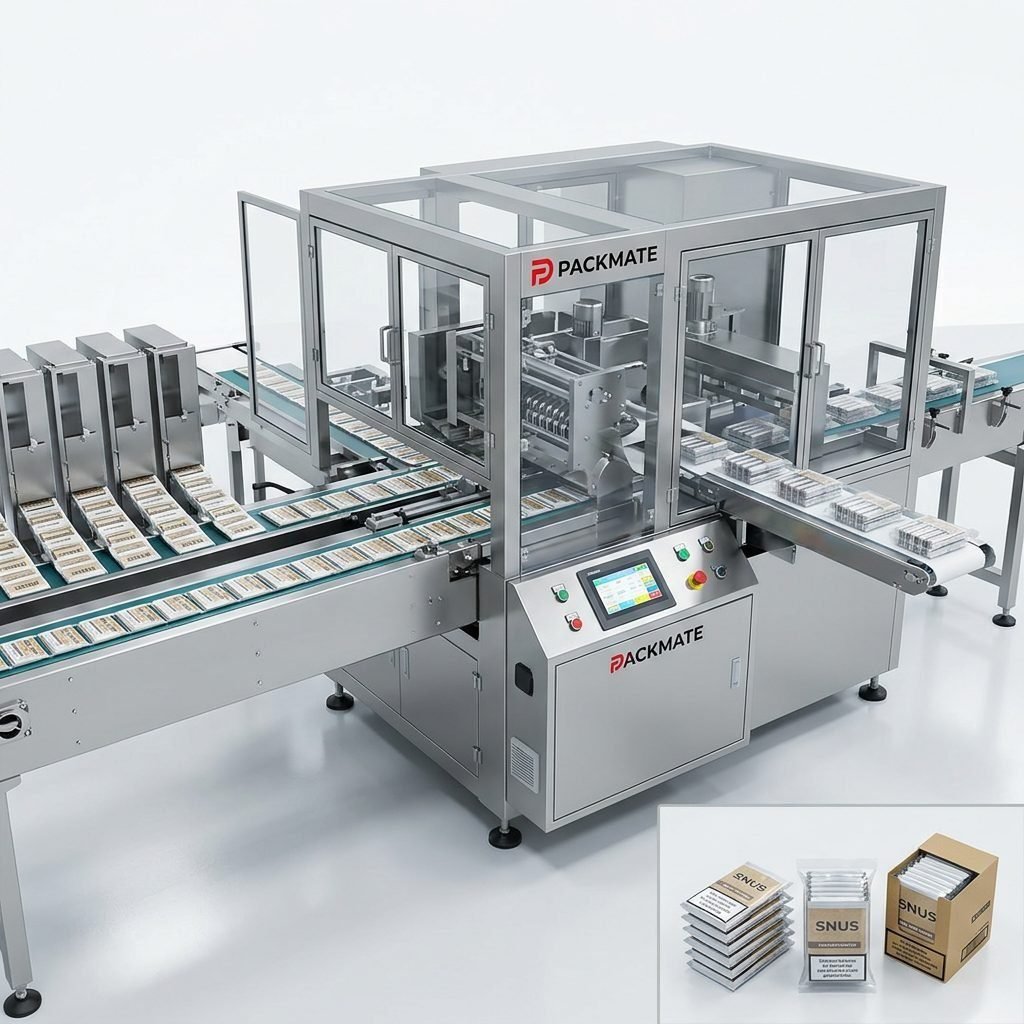
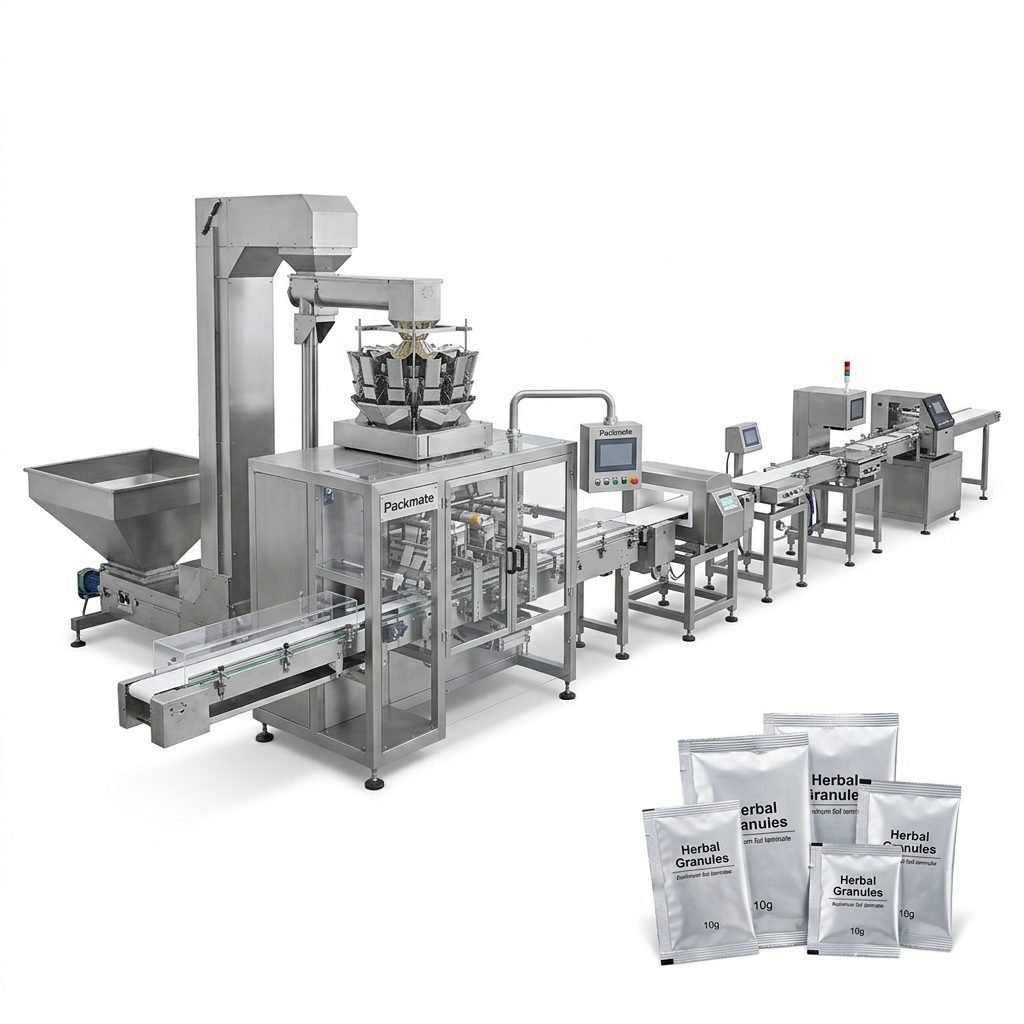
Packmate Snus Machine brings 30+ years of experience, advanced CNC manufacturing, and a portfolio of snus-focused lines. Their solutions include multi-lane systems and filling lines suitable for nicotine pouches and stick formats. For specifics on equipment and full-line solutions, see their product pages for snus packaging machines and filling & packaging lines. Their exhibition history and certifications can be reviewed on the company’s Exhibition and Certificate pages.
Negotiation & procurement tips
– Ask for performance guarantees tied to acceptance testing criteria.
– Negotiate an initial spare parts kit with the first shipment.
– Consider staged payments tied to machine acceptance and successful trial production.
– Request a long-term service agreement and optional remote-monitoring features to reduce disruptions.
Closing thoughts
Selecting the best snus packaging machinery supplier in Indonesia requires balancing technical performance, local serviceability, compliance readiness, and cultural fit. Prioritize suppliers that demonstrate proven multi-lane performance, provide clear warranty and spare-part policies, and show an ability to support your launch through testing, commissioning, and training. A well-chosen partner accelerates your market entry, keeps production stable, and safeguards brand trust in a complex market environment.
Frequently Asked Questions (FAQs)
Q1: How important is local spare parts stock for Indonesian operations?
A1: Extremely important. Indonesia’s archipelagic geography can delay shipments; suppliers who maintain regional stocks or partner with local distributors significantly reduce downtime.
Q2: Do packaging machines require halal certification or specific labeling in Indonesia?
A2: While machines don’t require halal certification, product labeling and ingredient transparency are culturally important. Verify local regulations (BPOM and customs) and prepare documentation; suppliers who help with traceability and compliance are preferred.
Q3: Should I buy multi-lane machines or start with single-lane?
A3: If you expect rapid SKU expansion or higher volumes, multi-lane systems lower per-unit costs. For small launches or experimental flavors, single-lane may reduce upfront cost — but ensure the supplier can scale.
Q4: How can I verify supplier performance before purchase?
A4: Request live demonstrations using your film and product, visit existing customer sites, and review recorded long-run tests and performance metrics.
Q5: Where can I get more product and company information?
A5: Explore manufacturer product categories and company pages such as Snus & Nicotine Packaging Machines, About Packmate, and their Contact page for direct inquiries.