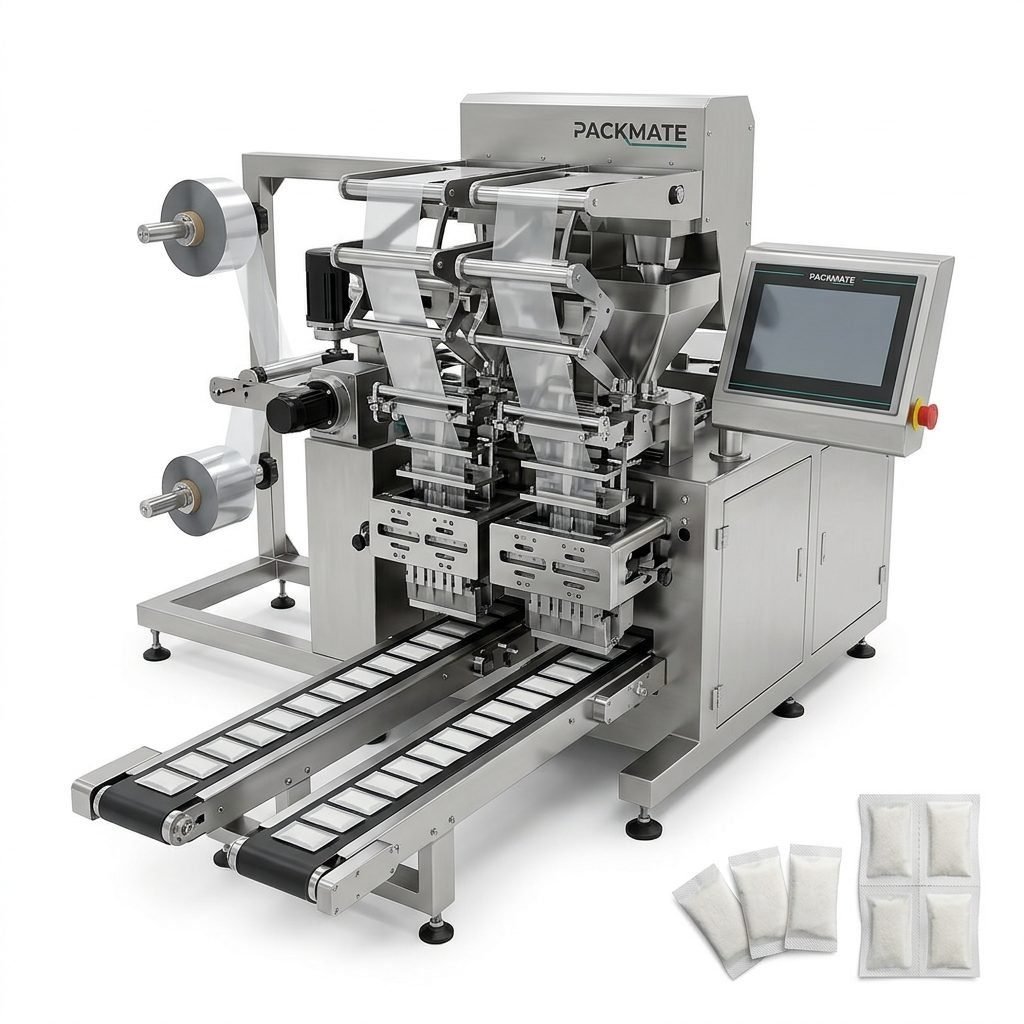
Entering or expanding in Mexico’s nicotine pouch and snus market demands more than picking the lowest bid on a packing machine. You need a supplier who understands Mexican regulatory nuances, the country’s climate and distribution habits, and the technical requirements that ensure consistent production and product safety. This guide walks you through practical steps, evaluation criteria, and local considerations to choose the best snus packaging machinery supplier in Mexico for your production needs.
Understand the Mexican Market and Local Considerations
Mexico has distinct consumption patterns and regulatory frameworks that affect how snus and nicotine pouches are manufactured, packaged, and sold. While snus consumption is traditionally highest in Northern Europe, nicotine pouches are gaining traction in Latin America. In Mexico, attention to language, labeling, and health regulations is essential. Regulatory oversight often involves COFEPRIS (the Federal Commission for Protection against Sanitary Risk), so packaging and labeling must comply with applicable Mexican rules.
Climatic factors also matter: many parts of Mexico experience high humidity and heat. Machines and packaging materials must protect product stability in these conditions—this influences material choices (barrier films, desiccants), sealing temperature ranges, and packaging line environmental controls. Additionally, consider the retail landscape: convenience stores, pharmacies, and small tiendas favor compact multipacks and individual portion formats, so flexibility in pouch and sachet sizes is valuable.
Key Technical Criteria for Snus Packaging Machinery
When evaluating equipment, focus on performance metrics, hygiene, flexibility, and long-term reliability. The following technical factors often determine whether a production line delivers the throughput and product quality you need:
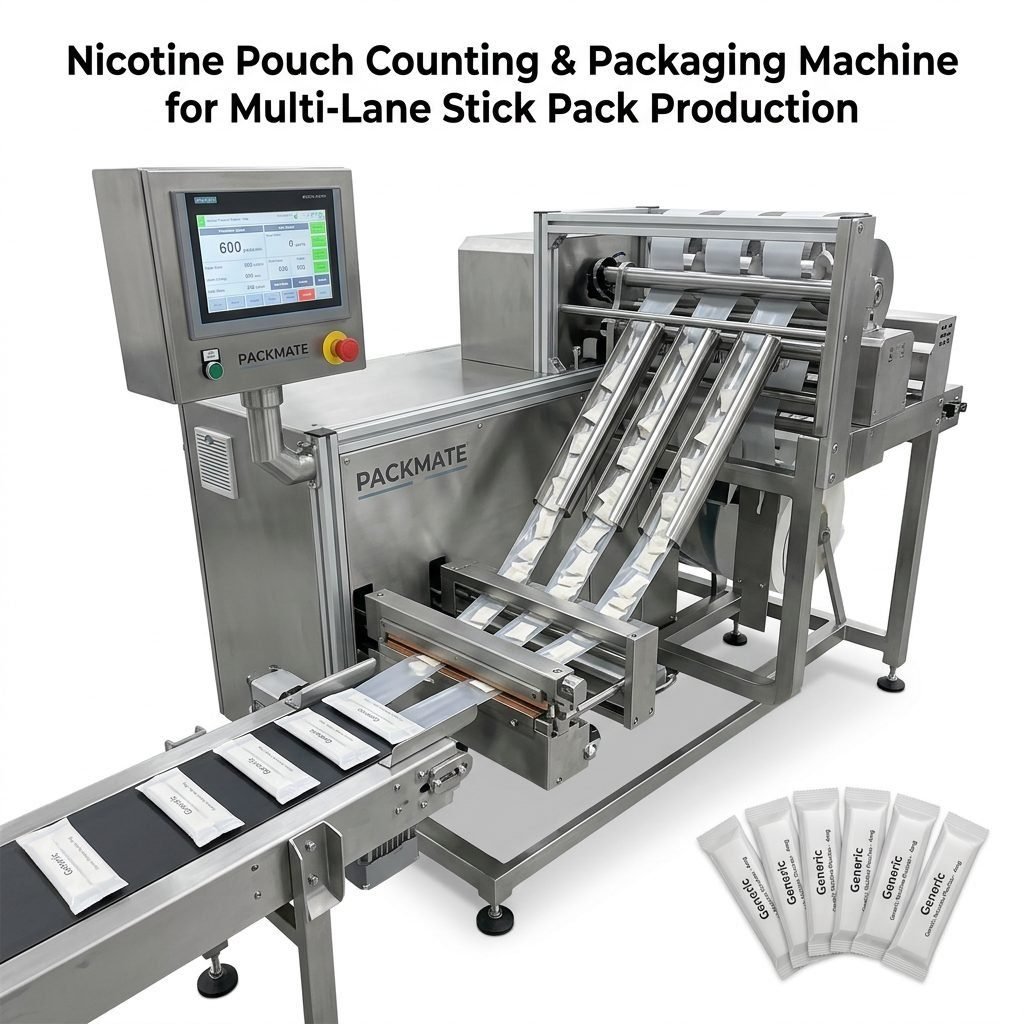
✔️ Throughput & Accuracy: Production speed (pouches/minute), multi-lane capability, and dosing accuracy for powders and moist blends.
🔧 Flexibility: Ability to handle stick packs, sachets, pouches, round or flat pouches, and fast changeovers.
🟡 Hygiene & Compliance: Clean design, easy-to-clean parts, compatibility with food/pharma GMP, and compliance with CE/ISO standards.
Machine Types and Line Configurations
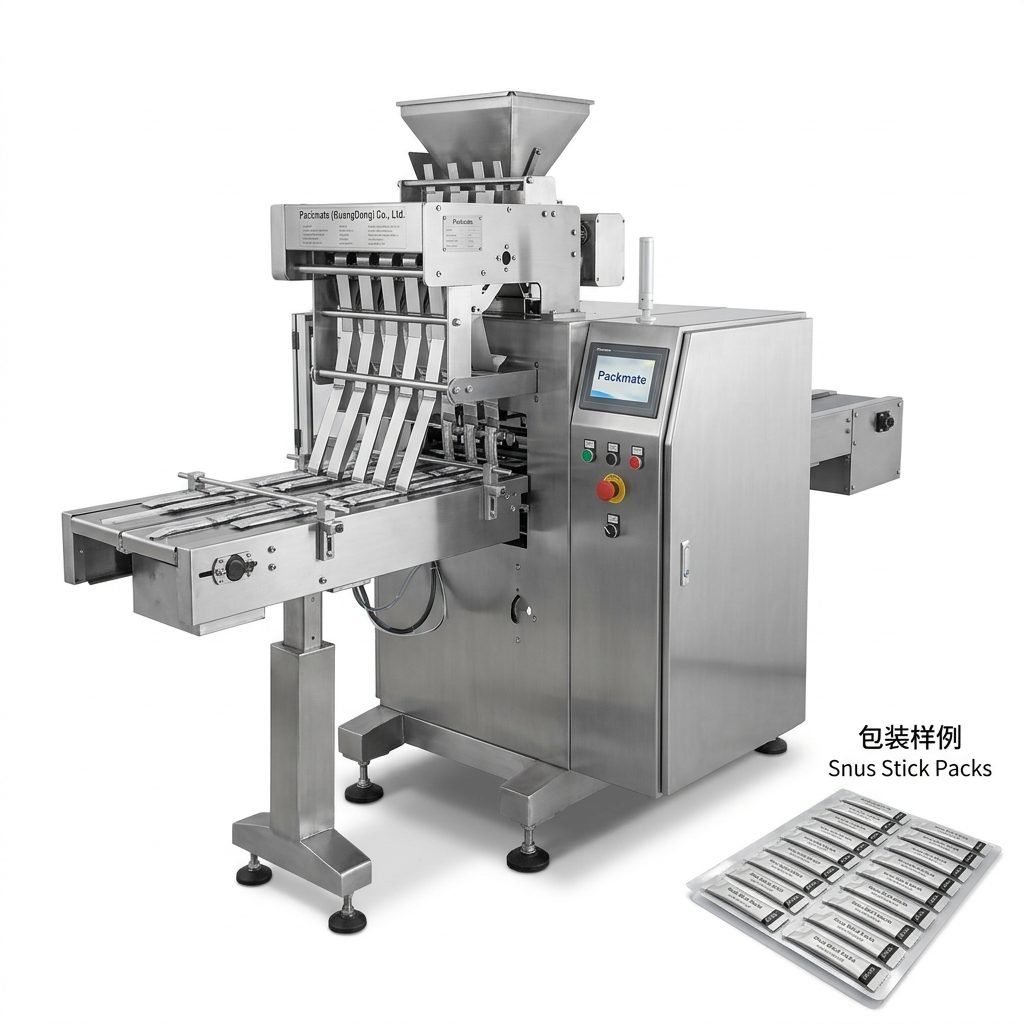
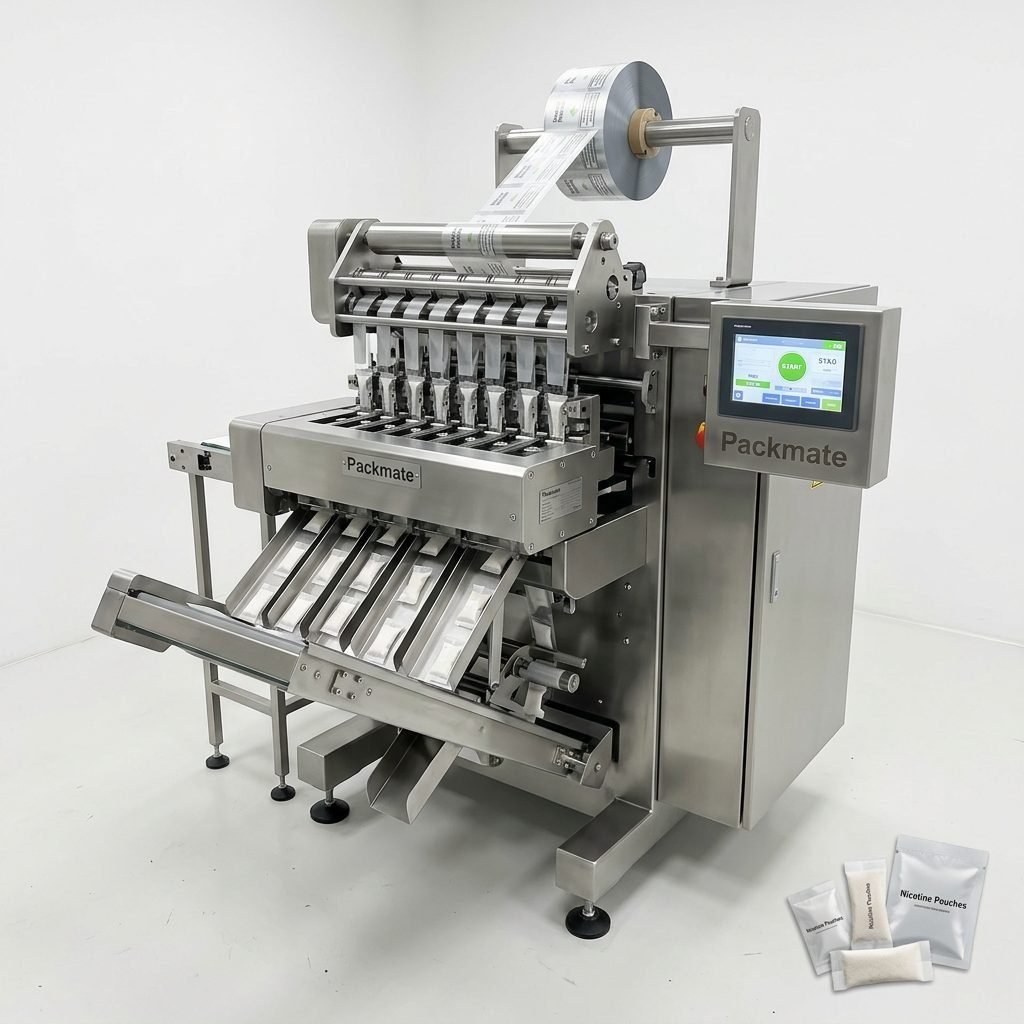
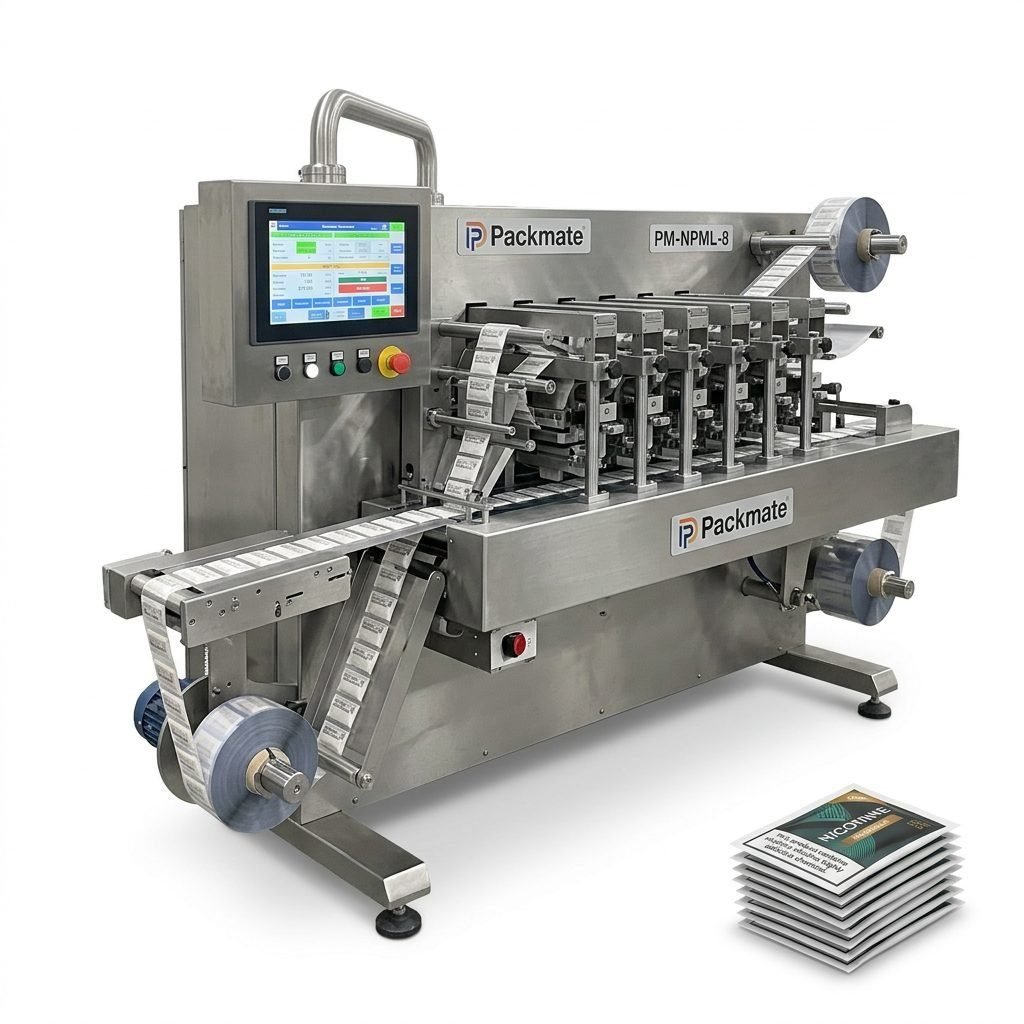
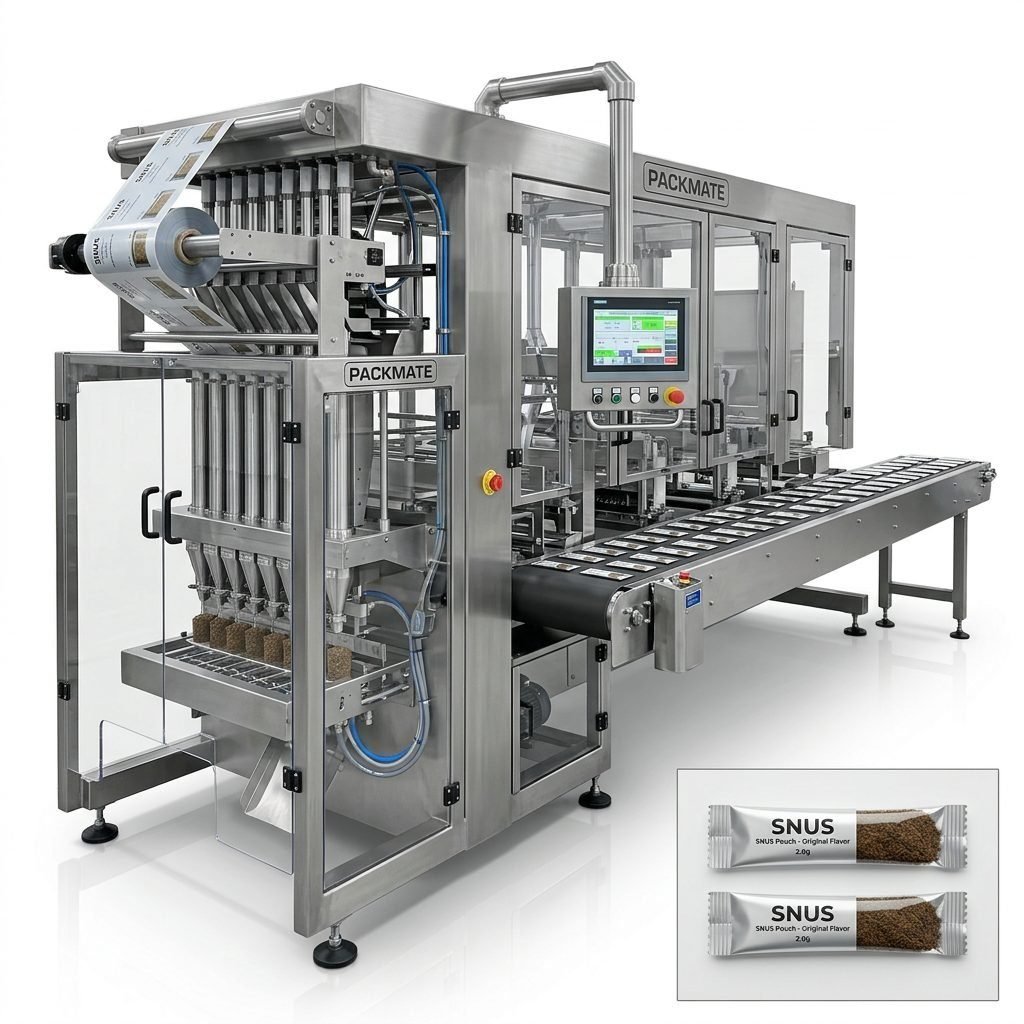
Typical line configurations for nicotine pouches and snus include multi-lane pouch form-fill-seal machines, stick pack lines for single-dose sachets, and sachet machines for wet or dry products. A modular approach—where dosing, sealing, labeling and boxing are separate but integrated modules—offers future scalability. For detailed machine options, review specialized catalogs like
Snus & Nicotine Packaging Machines and
Sachet & Stick Pack Machines.
Materials Compatibility and Packaging Formats
Evaluate the machine’s compatibility with barrier films, foil laminates, and biodegradable options if you plan sustainable packaging. Ensure the sealing system supports the heat-seal profile of chosen films and that forming collars accommodate your pouch geometry. If local preferences favor Spanish labeling, confirm your supplier can integrate inline printing or labeling modules.
Supplier Evaluation: What to Ask and Verify
Choosing a supplier goes beyond specifications. Use the following checklist to vet vendors:
🔎 Experience: How long has the supplier built snus/nicotine packaging lines? Do they have references in Latin America?
📦 Case Studies: Request real-world case studies and production videos. See examples like their published Case portfolio.
🛠 After-Sales: What’s included in the warranty? Is spare parts support available in Mexico or via fast courier?
⚙️ FAT & SAT: Do they perform Factory Acceptance Testing (FAT) and Site Acceptance Testing (SAT)? Can you attend or view recordings?
📜 Certifications: Verify CE, ISO, and any food/pharma compliance certificates—see their Certificate page for details.
Local Presence and Language Support
Prefer suppliers that offer Spanish-language manuals, training, and remote support. If the supplier can’t maintain a local service team, confirm fast spare parts shipping and bilingual technical support. Packmate and similar global suppliers provide multilingual documentation and global service options—review their Service offerings and Contact Us channels before committing.
Factory Visit and Quality Assurance
If possible, schedule a factory visit or request a live machine demo. A reliable manufacturer will welcome audits of their production processes, CNC capabilities, and assembly lines. During visits, verify:
– The extent of in-house machining and critical part manufacturing (reduces long lead times).
– Assembly and testing procedures, including pressure or leak tests for liquid-compatible lines.
– Documentation practices: traceability of materials, calibration records, and quality control steps.
Cost vs. Value: Total Cost of Ownership (TCO)
Evaluating suppliers on price alone is risky. Total Cost of Ownership includes purchase price plus shipping, import duties, installation, training, downtime risk, consumables, energy use, and maintenance. A cheaper machine with frequent breakdowns can cost far more over five years than a robust, slightly higher-priced system.
Consider these cost drivers:
• Spare parts availability and lead time
• Energy consumption and compressed air usage per hour
• Preventive maintenance intervals and required technician skill level
• Warranty scope and response time
After-Sales Support and Spare Parts in Mexico
Strong after-sales support mitigates downtime. Investigate whether the supplier:
– Keeps a regional stock of critical spare parts or has fast international shipping lines.
– Offers remote troubleshooting via video calls and PLC/HMI remote access.
– Trains local technicians and provides spare parts kits with the initial shipment.
If you expect multiple lines across Mexico, negotiate a spare parts agreement and options for local stocking. Providers like Packmate design global turnkey solutions and can often support installation and maintenance logistics for international customers—see their About Packmate to learn more about factory capabilities and support philosophy.
Logistics, Installation and Commissioning in Mexico
Plan for customs clearance documentation, duties, and local installation resources. Your supplier should provide a complete packing list, mechanical and electrical drawings, and installation instructions. Confirm whether they will supervise commissioning onsite, provide initial run batches, and deliver operator training in Spanish.
Practical Steps to Choose the Right Supplier
Follow this step-by-step approach to make an informed decision:
1) Define production targets, pouch formats, and acceptable tolerances.
2) Shortlist suppliers with proven snus/nicotine experience and request detailed proposals.
3) Evaluate proposals for TCO, spare parts, training, and warranty terms.
4) Visit the factory or review FAT reports and video demos of your exact machine model.
5) Negotiate contract terms including delivery, acceptance criteria, penalties, and spare parts kits.
6) Plan for a pilot production run with your team onsite for handover and validation.
Quick Supplier Selection Checklist
⚠️ Confirm CE/ISO certifications and compliance documentation.
⚠️ Verify multi-lane capability if you need high throughput.
⚠️ Check references and request a production case similar to your product.
⚠️ Ensure language support, Spanish documentation, and local training availability.
Why Choose an Experienced Manufacturer
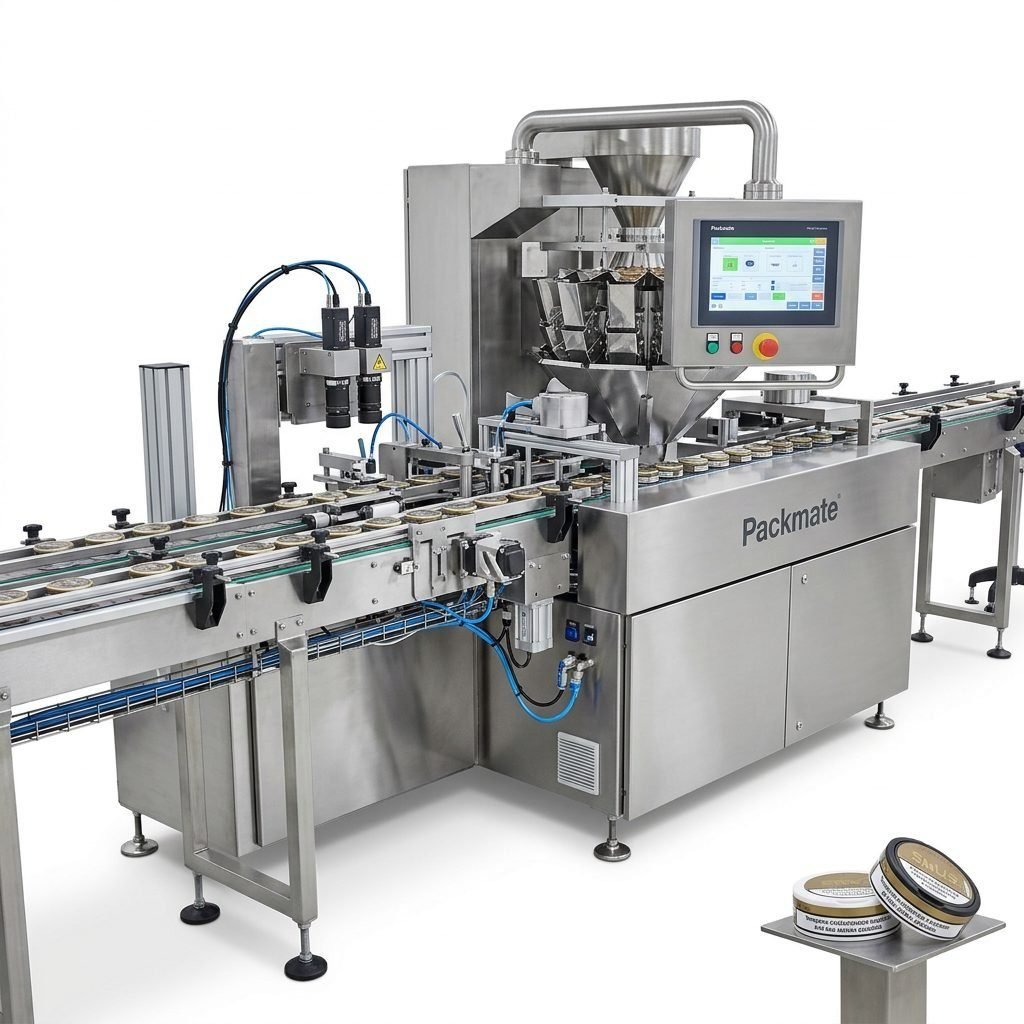
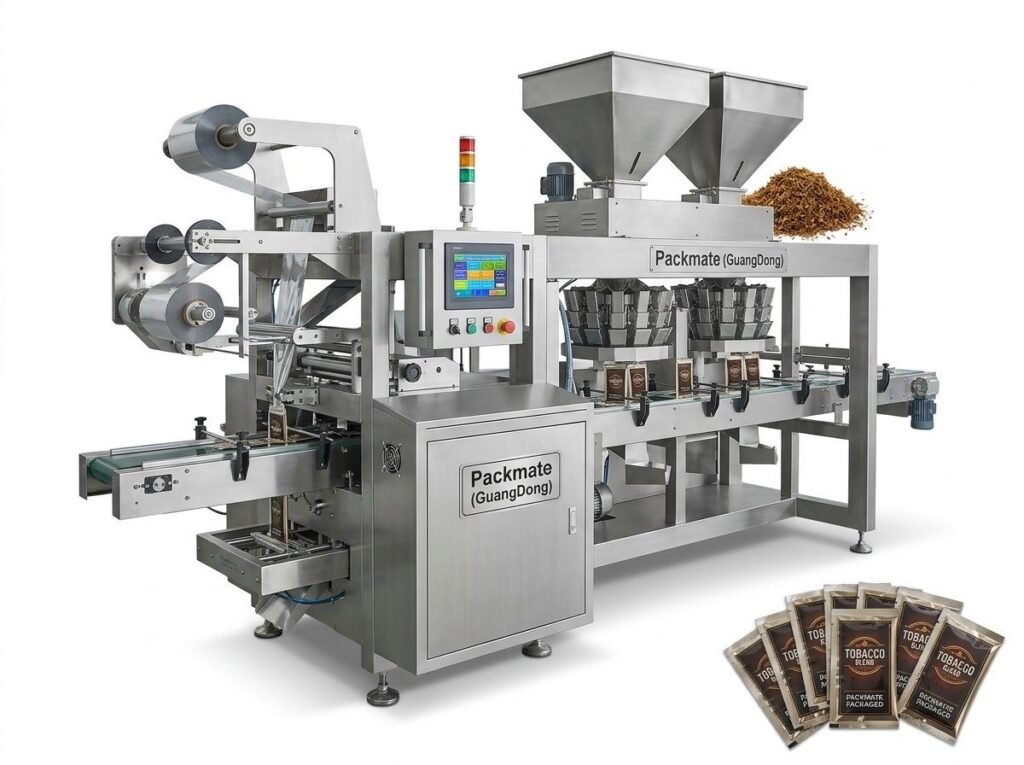
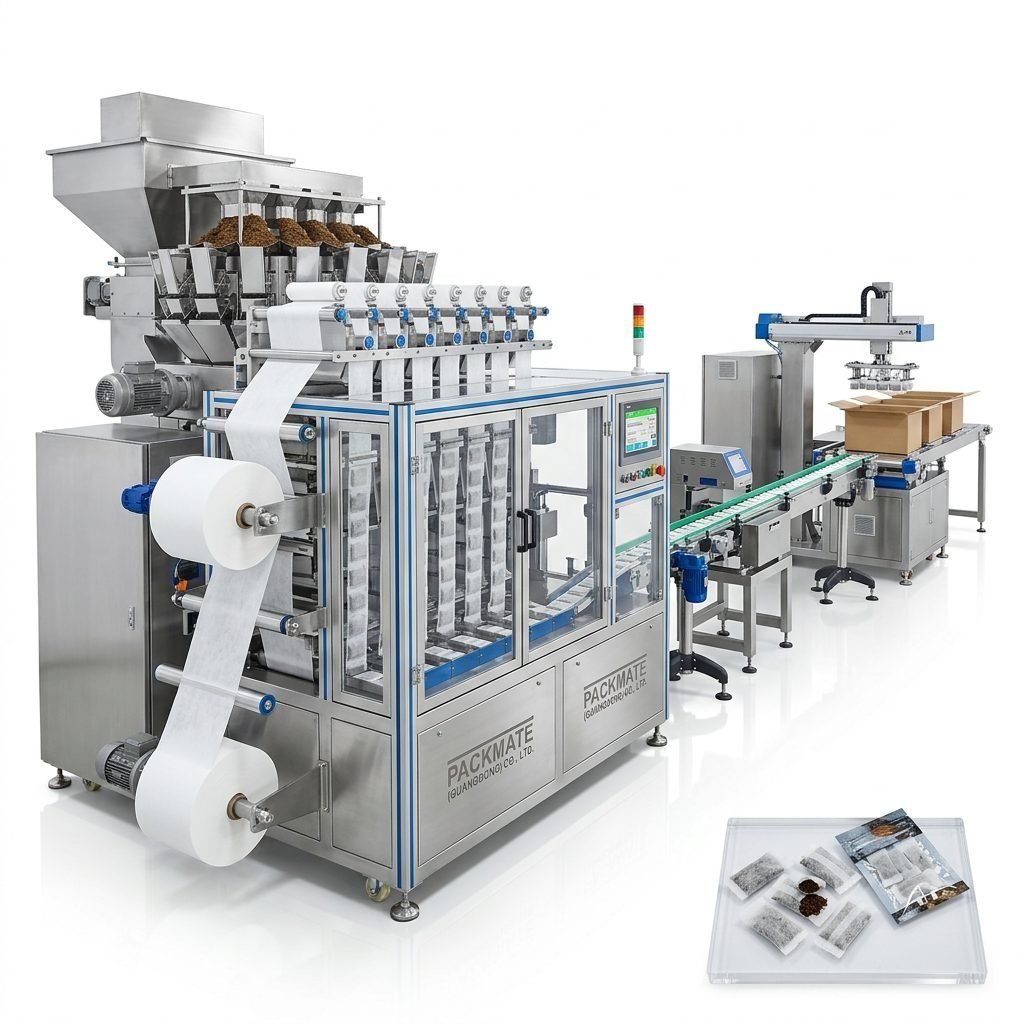
Manufacturers with decades of experience deliver more stable lines, faster troubleshooting, and industry-specific features. A company with a large factory, advanced CNC machining, and many machine models can more readily customize components and maintain spare parts inventories. For full-line solutions—including weighing, filling, and boxing—review integrated systems like their Weighing & Packaging Systems and Filling & Packaging Lines.
🔧 Pro tip: Ask for an on-site pilot run using your exact materials. This is the most reliable way to validate machine performance and packaging integrity under local conditions.
When selecting a supplier in Mexico, also consider import logistics or local assembly options if the supplier has regional partners. This can significantly reduce customs complications and installation time.
Final Considerations and Next Steps
Choosing the right snus packaging machinery supplier requires balancing technical requirements, regulatory compliance, and long-term support. Prioritize suppliers that:
– Demonstrate proven experience with nicotine pouch lines.
– Provide transparent TCO information.
– Offer strong after-sales support, Spanish documentation, and training.
– Deliver clear FAT/SAT procedures and pilot testing on your materials.
Thorough vetting reduces deployment risk and helps ensure your packaging line performs reliably in Mexico’s climate and market environment. For more detailed machine specifications and product lines, explore manufacturer resources and catalogs to match your exact needs: Bag & Pouch Packaging Machines.
If you need manufacturer contact details, technical brochures, or a direct consultation, use the supplier’s contact page to request localized support and Spanish-language documentation: Contact Us.
Frequently Asked Questions (FAQs)
Q: How do I ensure my snus packaging complies with Mexican regulations?
A: Work with a supplier experienced in international compliance, provide your regulatory team with machine specifications, and confirm labeling options and materials meet COFEPRIS and customs requirements. Include a regulatory compliance clause in your purchase contract.
Q: What is a realistic lead time for a fully integrated snus packaging line shipped to Mexico?
A: Lead times vary by customization and supplier capacity, but typical delivery ranges from 12 to 26 weeks including FAT. Add customs clearance and commissioning time (2–6 weeks) on top of factory lead time.
Q: How can I minimize downtime at startup and during ongoing production?
A: Arrange comprehensive operator and maintenance training in Spanish, maintain a spare parts kit, schedule preventive maintenance, and secure remote support contracts for rapid troubleshooting.
Q: Is it worth investing in multi-lane machines for the Mexican market?
A: If your volume targets require high throughput, multi-lane systems reduce floor space and increase yield per operator. However, for niche or low-volume SKUs, modular single-lane systems may be more economical.
Q: Where can I get more information about full-line solutions and case studies?
A: Visit the manufacturer’s case studies and product pages for real-world examples and integrated solutions—these resources help compare technical capabilities and proven deployments.