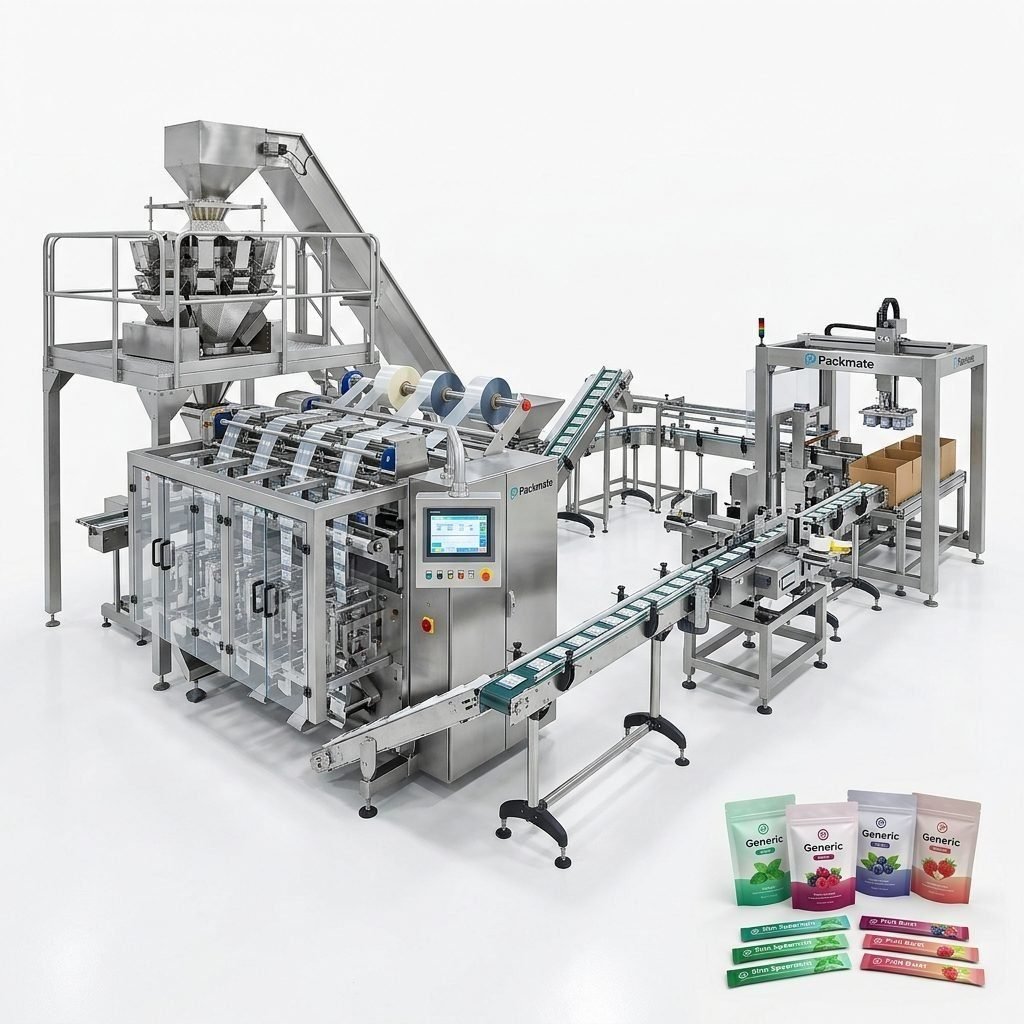
When you are ready to source reliable snus packaging machinery for the Nepal market, choosing the right supplier is the single most important decision that will affect product quality, regulatory compliance, and long-term profitability. This guide walks you through every step — from assessing your production needs to ensuring smooth customs clearance into Nepal — with practical tips and actionable checklists to help you find a trustworthy partner.
Understand the Nepal Market & Local Customs
Nepal has a long tradition of oral products such as paan and various smokeless tobacco items. Although snus and modern nicotine pouches are newer to the region, there is growing interest among urban consumers and small retail networks. Understand local consumer habits: convenience packaging, small daily portions, discreet low-odor formulations, and attractive retail-ready sachets perform well. Also account for language and labeling — Nepali and English are commonly used on packaging.
Regulatory Landscape in Nepal
Before purchasing equipment, research Nepal’s regulations on nicotine, tobacco substitutes, and import controls. Work with a local legal advisor or distributor to confirm allowed product formulations, maximum nicotine limits, warning labels, and import duties. Suppliers with export experience to South Asia and clear documentation make customs clearance easier and reduce risk of delays.
Step-by-Step Buyer’s Checklist
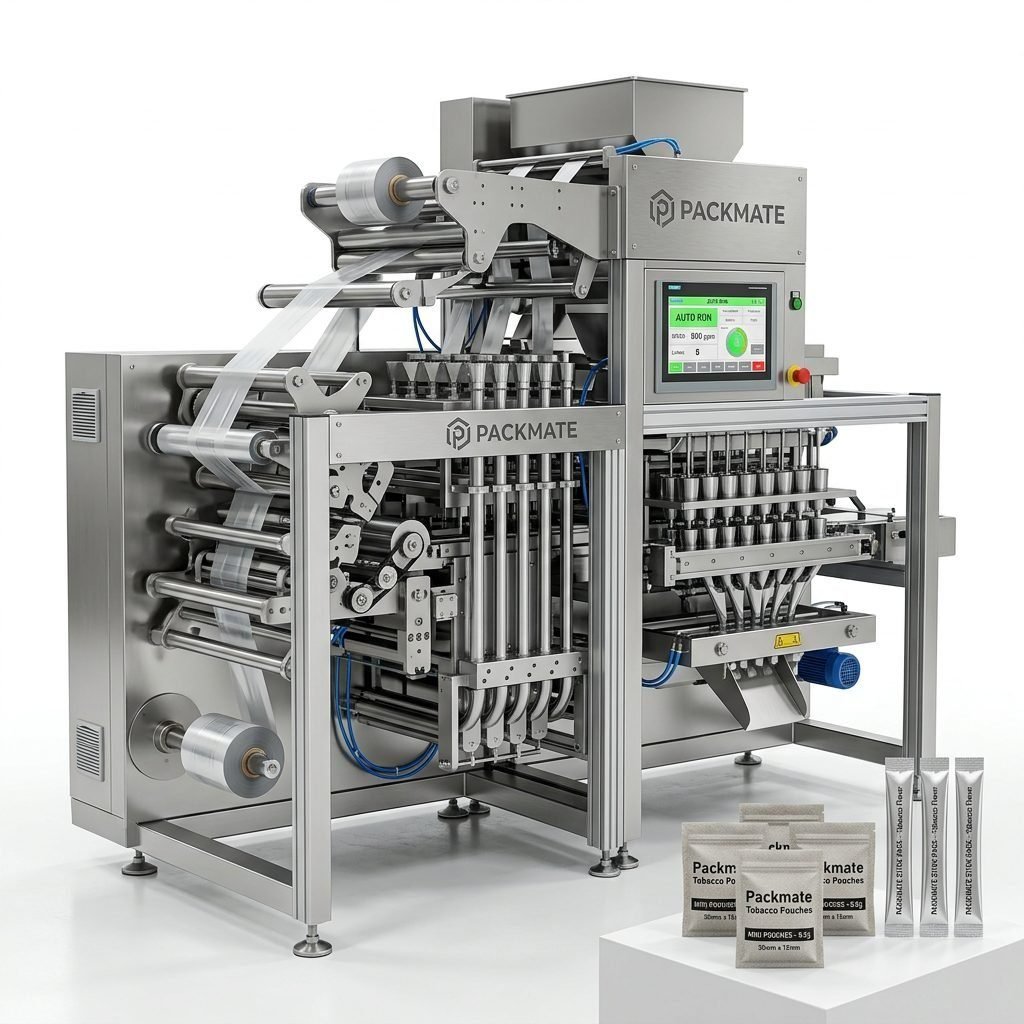
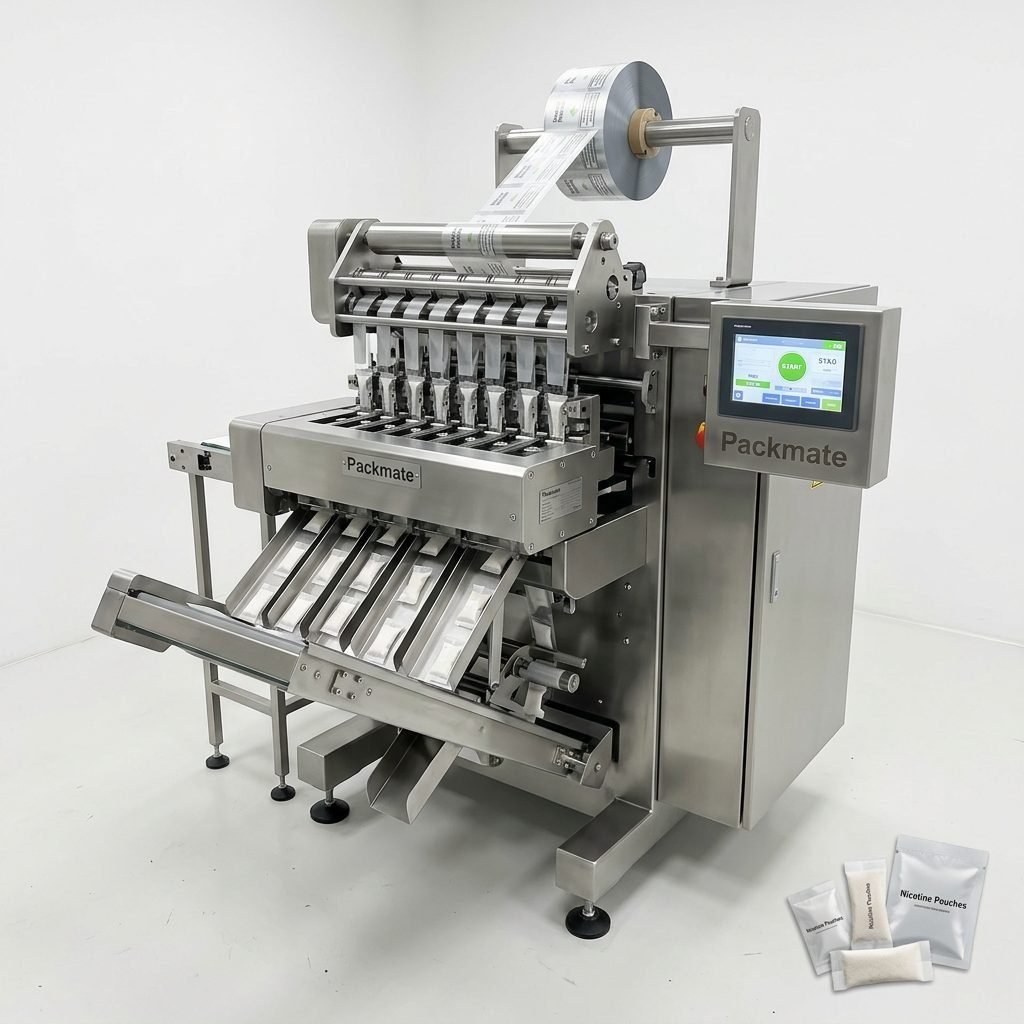
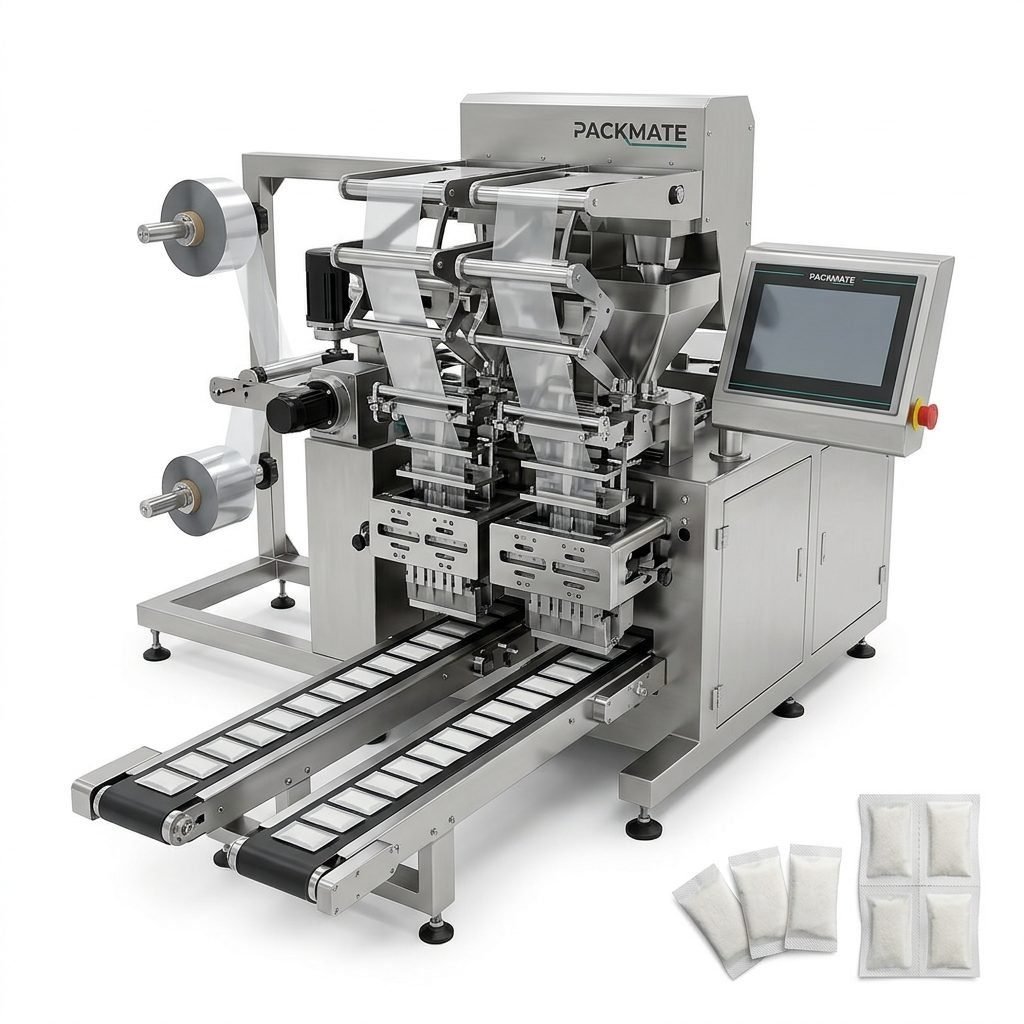
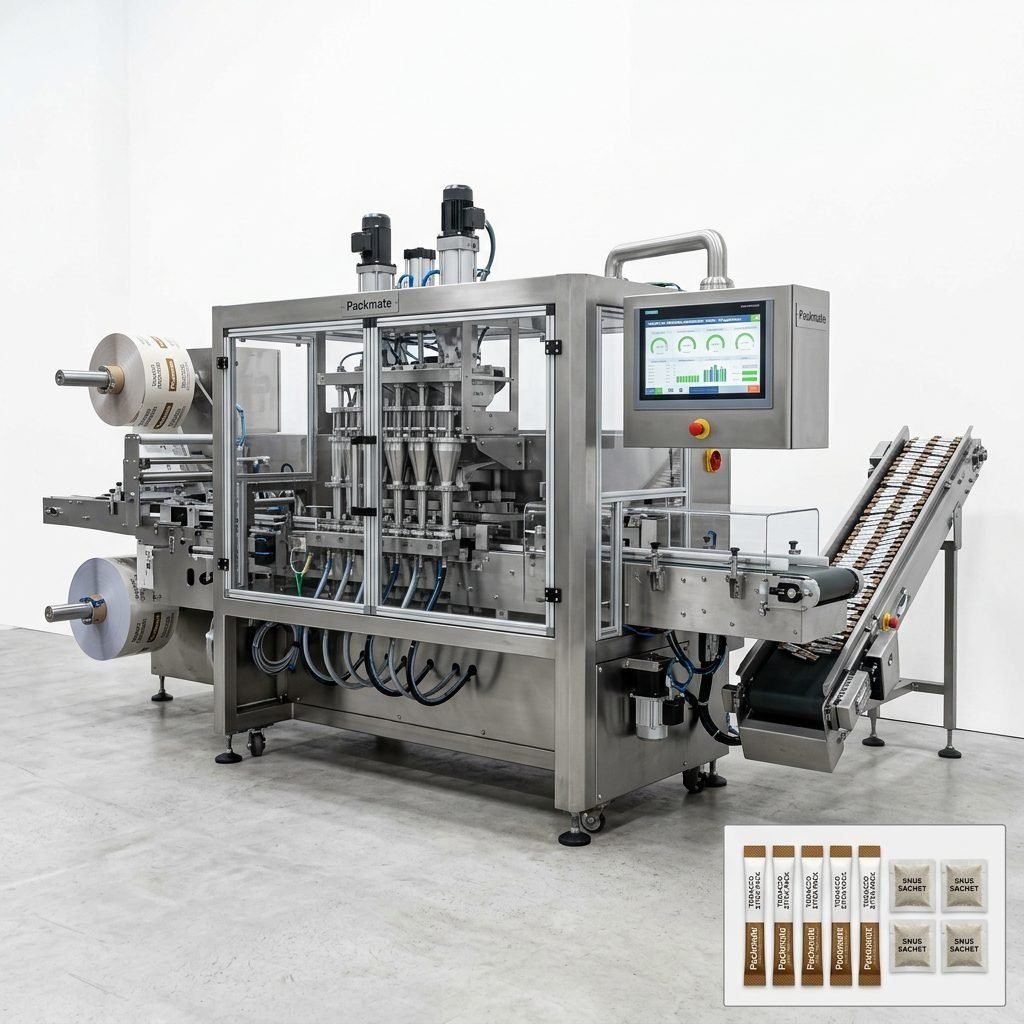
🔍 1. Define your product format and capacity — single-port pouches, multi-lane sachets, stick packs, or multi-lane nicotine pouch lines. Estimate daily output, lanes required, and packaging materials (foil, PET, compostable films).
✅ 2. Prioritize hygiene & durability — stainless contact parts, easy-to-clean design, and stable dosing systems for micro-doses are vital for nicotine pouch consistency.
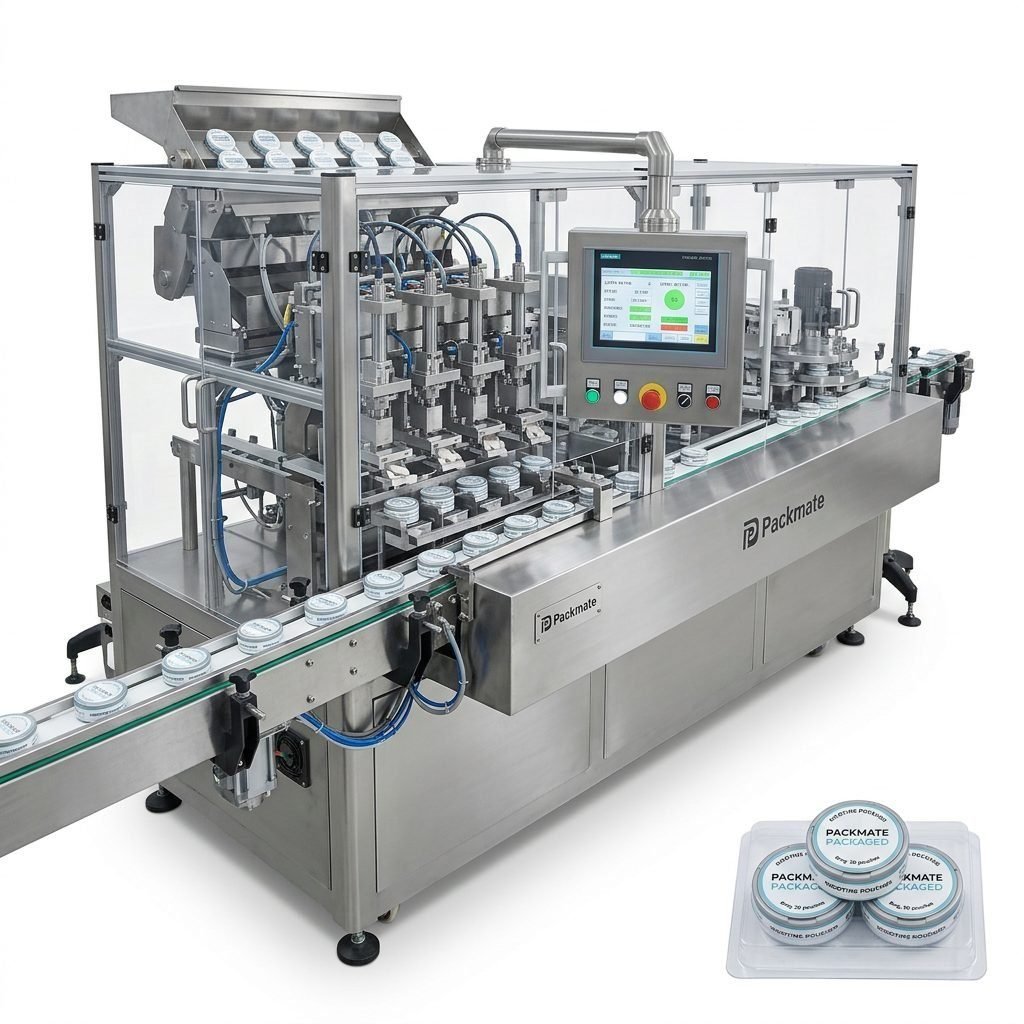
⚙️ 3. Check automation & line integration — weighing, dosing, sealing and case packing should be scalable if you plan to grow into trays, cartons or shrink-wrapped multipacks.
Technical Specifications to Verify
Pay attention to filling accuracy (mg-level for nicotine pouches), lane speed, film waste management, sealing temperature control, and changeover time. Ask for performance curves that show output vs lane count. Reliable suppliers provide CE/ISO documentation, calibration reports, and acceptance test records.
How to Vet Potential Suppliers
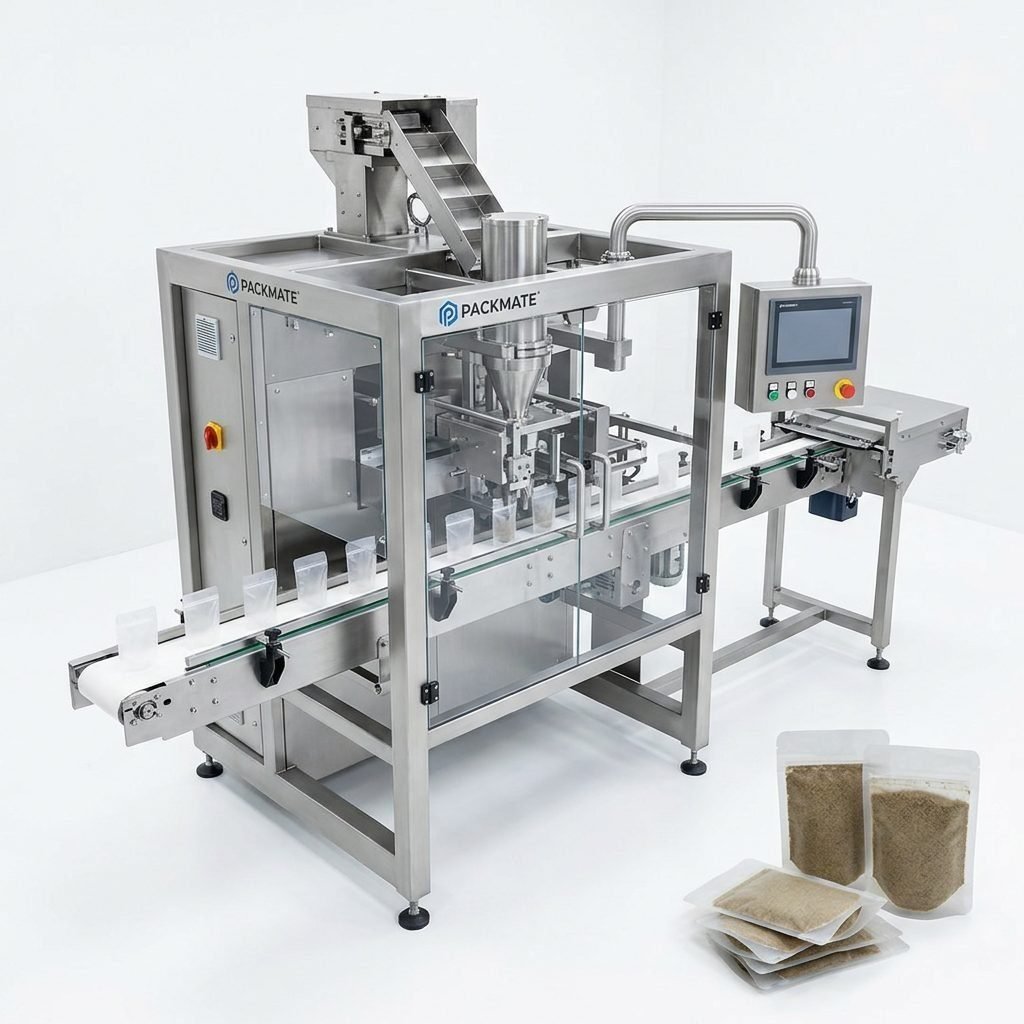
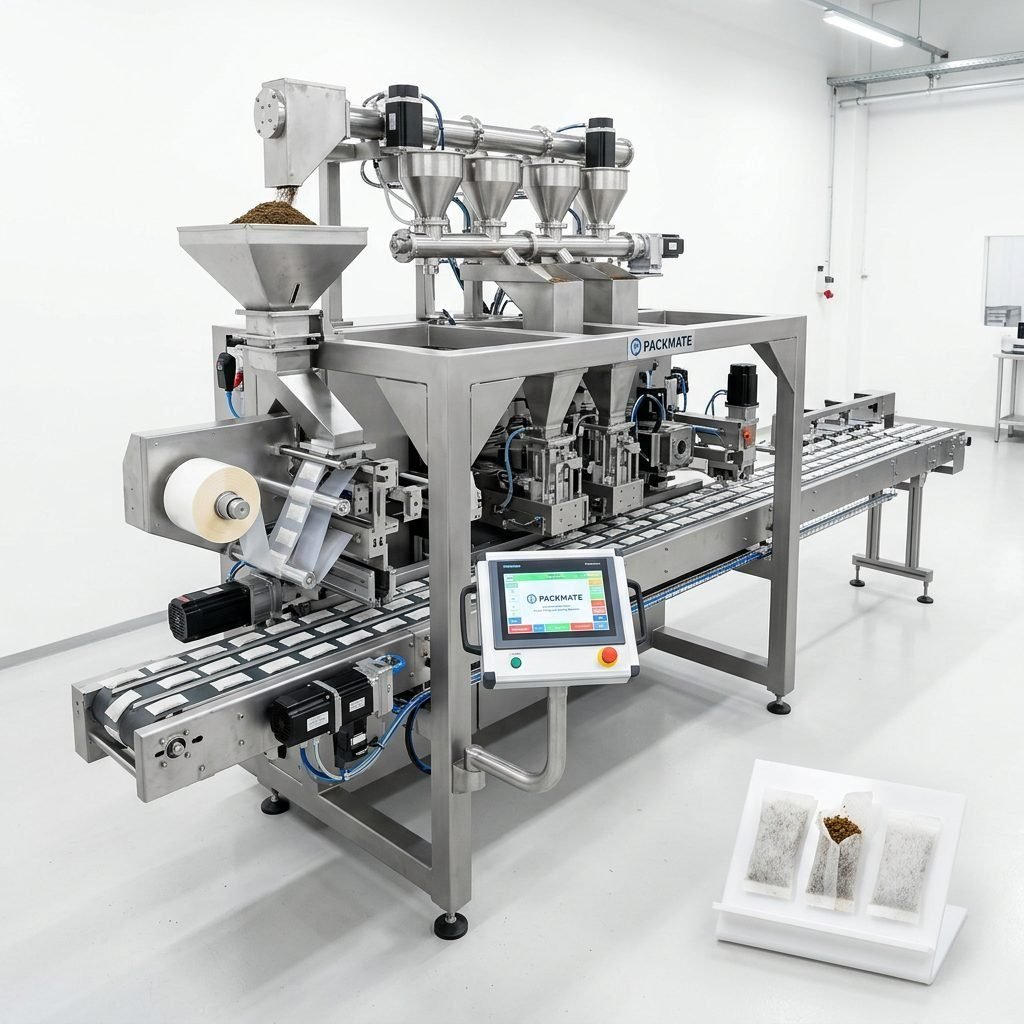
Use a layered approach: company history, factory visits (or virtual tours), customer references, and machine demonstrations. Companies with long histories, consistent export records, and on-site factory capabilities tend to be more reliable. For example, Packmate Snus Machine has over 30 years of experience, a 20,000㎡ facility, and dozens of machine models built for nicotine pouch lines.
📌 Ask for:
• Machine test videos showing continuous running at specified speed.
• Factory photos of CNC, assembly and QC teams to validate manufacturing strength.
• References from customers in similar markets or with similar product types.
Important Certifications & Standards
Choose suppliers that offer CE and ISO-compliant machinery to ensure compliance with international safety and quality standards. Certifications are also useful when working with Nepalese customs and local buyers who demand verified quality. Suppliers like Packmate list certificates and exhibition participations for transparency.
Factory Visits, Virtual Tours & On-Site Tests
If travel is possible, plan a factory visit. If not, request live video demonstrations and a virtual factory tour. During demonstrations, verify changeover times, cleaning procedures, and product quality under load. Check availability of spare parts and the supplier’s spare parts inventory policy.
Warranty, Spare Parts & After-Sales Service
Strong after-sales support is essential when operating in Nepal where local technical teams may be limited. Confirm warranty period, repair turnaround, remote troubleshooting capabilities, training for operators, and spare parts shipping times. A supplier with global service experience will often provide remote guidance and fast spare parts dispatch.
Logistics: Shipping to Nepal and Customs Considerations
Plan logistics early. Discuss Ex-Works, FOB, CIF or DDP Incoterms with the supplier. Full documentation including packing lists, commercial invoices, certificates of origin, and machine CE/ISO certificates will facilitate Nepal customs clearance. Consider transit routes: sea freight to Kolkata or Visakhapatnam followed by Indian-Nepalland transport, or direct air freight for urgent spares.
Local Partners and Installation
Work with a local installation partner or a supplier that provides international installation engineers. For Nepal, you may prefer suppliers who can coordinate with regional partners in India or Southeast Asia for spare parts and field service. Ask whether the supplier offers on-site training or remote commissioning via video calls.
Cost Analysis: Not Just the Purchase Price
Compare total cost of ownership: initial capital, installation and commissioning, spare parts, consumables (film, adhesives), energy consumption, operator training and downtime risk. A cheaper machine with higher downtime can cost you more in lost production and brand damage. Prioritize stability and low maintenance.
⚠️ Red flags to watch for:
• Vague delivery timelines or lack of factory photos.
• No warranty details or reluctance to provide customer references.
• Missing test reports or unclear spare parts lead times.
Customization & Turnkey Solutions
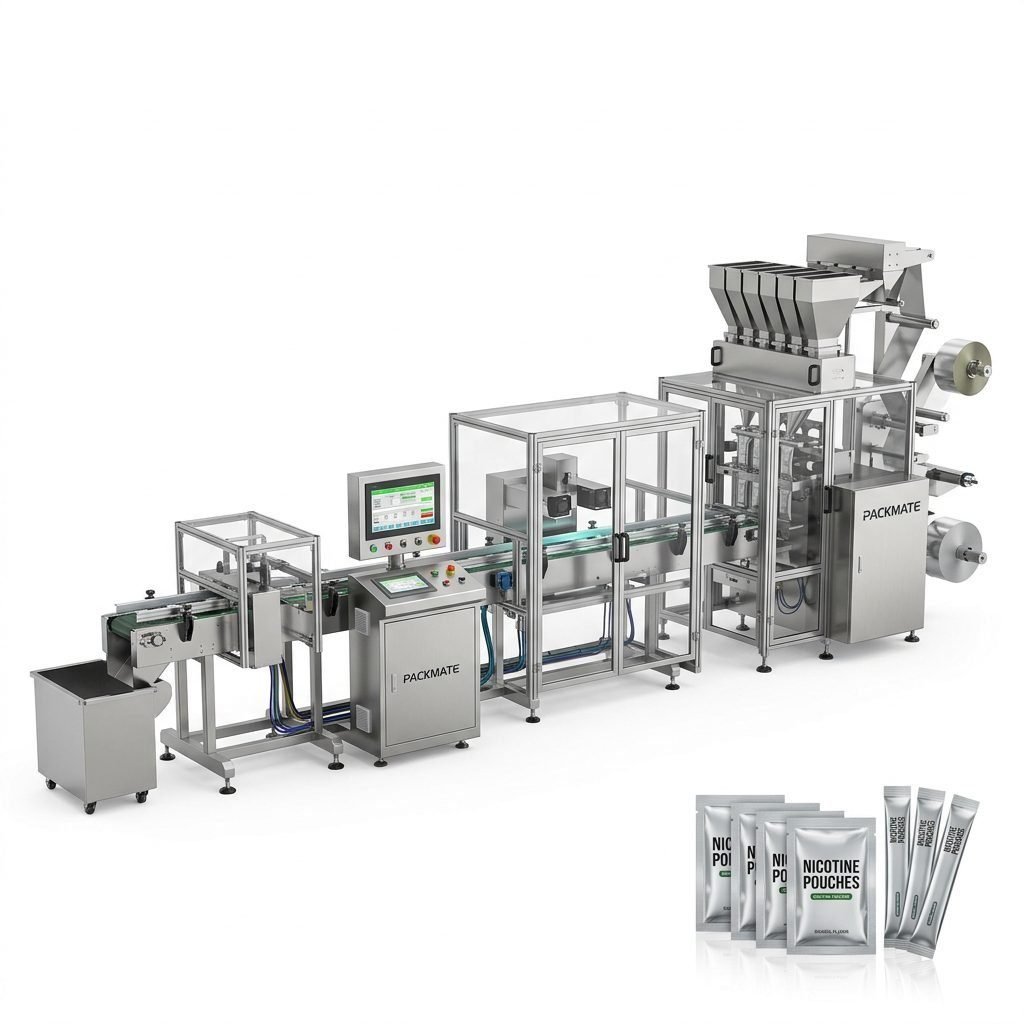
If your Nepal business needs private label pouches, tamper-evident features, or integration with upstream mixing and downstream cartoning, look for suppliers that provide turnkey solutions. A single-vendor line reduces integration risk. Packmate, for instance, offers full lines ranging from snus/nicotine pouch machines to filling, weighing and auxiliary systems — see their product lines for reference.
Material Compatibility
Verify film compatibility, seal strength, and barrier requirements for nicotine pouch shelf-life. Some Nepal retailers may prefer compact retail-ready packs while others require bulk supplies; ensure your film supplier or machine supplier can support multiple formats.
Financing & Contract Terms
Clarify payment schedules, production lead times, deposit amounts, and penalty clauses for late delivery. Consider letters of credit or escrow arrangements for first-time international purchases. Always obtain a detailed contract that spells out training, installation, warranty and spare part commitments.
Real-World Examples & References
Ask suppliers for case studies in nearby regions or in similar product categories. Look for lines that handle nicotine pouches, sachets, and multi-lane production. Suppliers with exhibition histories and documented global projects can usually provide real references — view case examples and exhibition records to validate claims.
Useful Supplier Links (For Further Research)
• Explore machine categories and technical details: Snus & Nicotine Packaging Machines
• See turnkey solutions and related lines: Filling & Packaging Lines
• Read about the manufacturer and company profile: About Packmate
• View project cases for real-world deployments: Case Studies
Negotiation Tips with International Suppliers
Negotiate clear acceptance tests, FAT/SAT procedures, and agreed performance metrics. Request a step-by-step installation plan and operator training schedule. Try to lock in spare parts pricing or kits for the first year. If you are new to the supplier, start with a smaller pilot line or a multi-lane module that can be expanded.
Pilot Runs & Quality Acceptance
Before final acceptance, run a FAT (Factory Acceptance Test) with your product or a closely matching substitute. Document pouch weights, leak tests, and pack aesthetics. Require the supplier to provide data logs and operator manuals in English (and Nepali if requested) for smooth handover.
Final Selection & Implementation Roadmap
Create a timeline from order placement to production start. Include milestones: deposit, design approval, FAT, shipping, customs clearance, installation, operator training, and production ramp-up. Assign a project manager on both sides for weekly status updates. This reduces surprises and helps land the project on schedule.
🔎 Quick decision checklist:
• Clear technical specs and capacity confirmed.
• Valid certifications and FAT videos provided.
• Warranty, spare parts lead time, and on-site training agreed.
Where to Start: First Contact Template
When contacting suppliers, provide concise details: desired format (pouch/stick/multi-lane), target output (pieces per minute or kg/day), film specs, and project timeline. Ask for a formal quotation including machine model, delivery time, warranty, and FAT options. A clear first message speeds up vendor responses and demonstrates professionalism.
Concluding Advice
Selecting a snus packaging machinery supplier for Nepal requires technical diligence, regulatory awareness, and careful planning. Prioritize suppliers with proven engineering backgrounds, transparent documentation, and strong after-sales support. A partnership approach — where the supplier supports you through project launch and beyond — will give you the best chance of success in a developing market.
Helpful Resources & Next Steps
For detailed product catalogs and auxiliary equipment, explore supplier product pages and request technical datasheets. Consider visiting exhibitions or virtual demos to see machines running live and to ask in-depth process questions.
Frequently Asked Questions
Q1: How long does it take to receive a snus packaging line in Nepal after placing an order?
A1: Typical lead times vary from 8–18 weeks depending on customization, factory backlog and shipping method. Add 2–6 weeks for shipping and customs clearance to Nepal.
Q2: What certifications should I require from the supplier?
A2: Ask for CE, ISO, and FAT/SAT documentation. Also request material contact certificates and machine acceptance test reports.
Q3: Can a supplier support remote commissioning and training for Nepal operations?
A3: Many modern suppliers offer remote commissioning, live video support and operator training; confirm bandwidth and support hours in advance.
Q4: What are the main customs or import challenges for packaging machines into Nepal?
A4: Ensure complete paperwork (commercial invoice, packing list, certificate of origin, CE/ISO certificates). Choose experienced freight forwarders familiar with Nepal-India transit routes and duties.
Q5: How do I choose between single-lane high-speed machines and multi-lane modular systems?
A5: Choose single-lane if you need very high-speed single-format output. Choose multi-lane modular systems if you need flexibility, lower per-lane tooling cost, and easier scale-up for small-dose nicotine pouches.