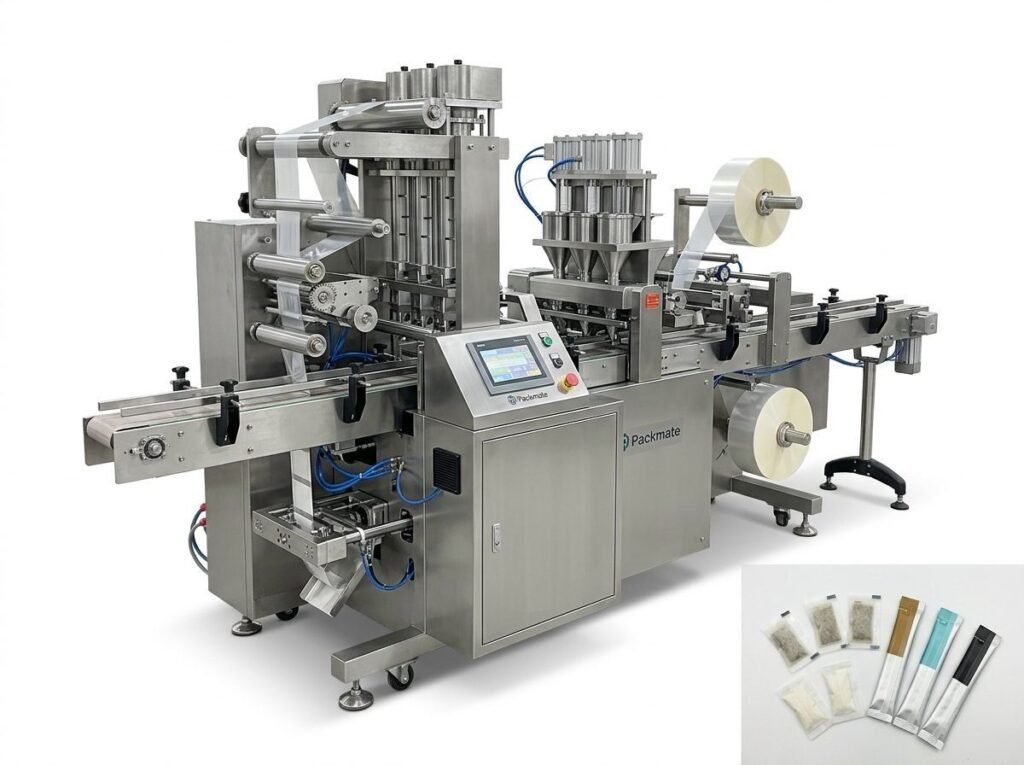
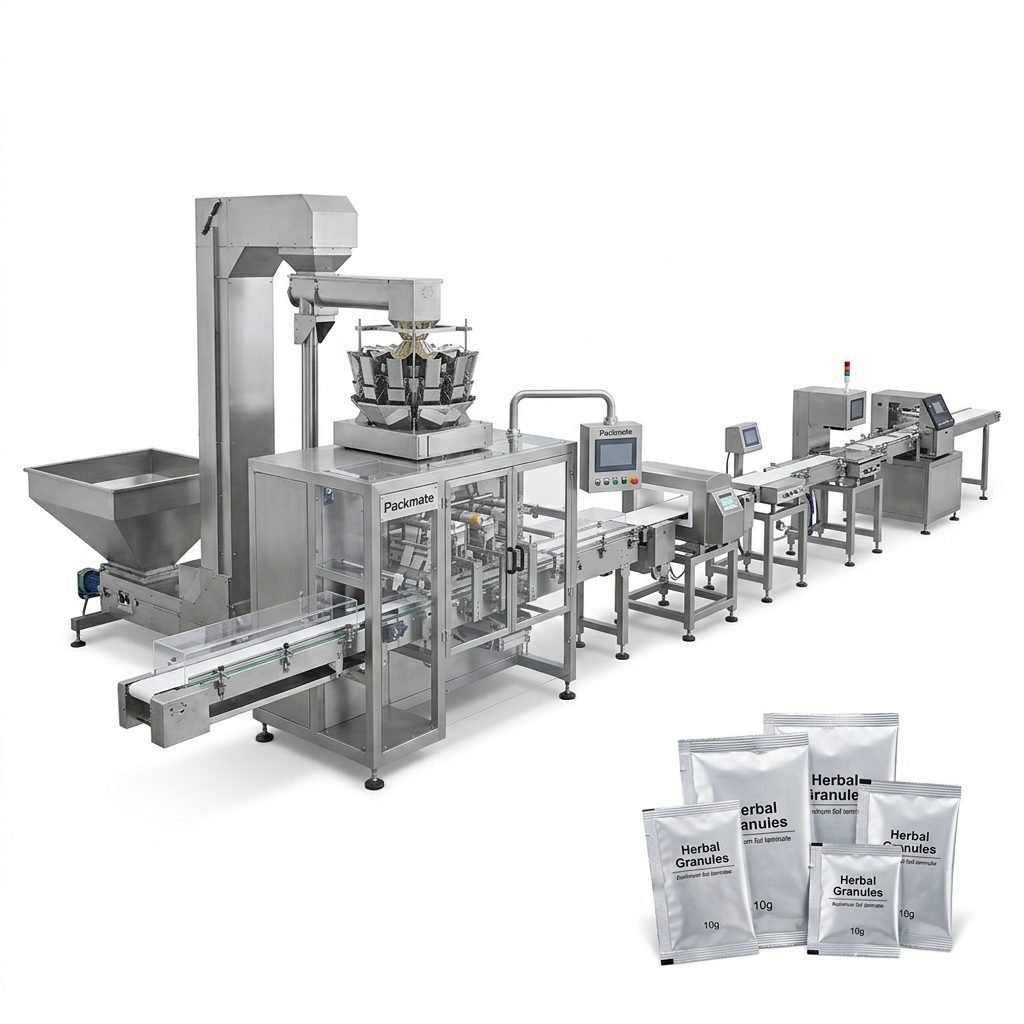
Finding a reliable snus packaging machinery supplier in Equatorial Guinea requires a mix of technical due diligence, local market understanding, and practical logistics planning. This guide walks you through every step — from identifying credible manufacturers to checking certifications, negotiating terms, and preparing for tropical climate challenges common in Equatorial Guinea. Use this practical checklist to reduce risk, shorten lead times, and ensure you invest in the right packaging line for nicotine pouches, snus, or related products.
Understand the Local Market & Regulatory Context
Before contacting suppliers, research Equatorial Guinea’s regulations for tobacco and nicotine products. The country uses Spanish as an official language alongside French and Portuguese; therefore, having documentation and communication in Spanish can smooth customs and licensing. Local authorities in Malabo and Bata may require import permits or specific labelling rules for nicotine-containing products. Confirm whether snus or nicotine pouches are permitted for import, distribution, and sale to avoid costly delays or penalties.
Tip: Contact local customs brokers and a legal advisor in Equatorial Guinea to validate product classification and tariff codes — this small step can save weeks at the port.
Define Your Production Needs Clearly
To pick the right supplier and machine model, know your expected daily output, pouch formats, product types (powder, granule, liquid, or pre-formed pouches), and desired automation level. Consider:
🔍 Production volume per shift (units/hour)
🔧 Pouch types: stick pack, sachet, multi-lane nicotine pouches
📦 Integration needs: weighing, filling, metal detection, secondary packing
Why specify climate and facility constraints
Equatorial Guinea’s tropical climate (high humidity and heat) affects machine performance and storage. Ask suppliers about humidity control options, corrosion-resistant materials, and recommended facility conditioning. Consider spare parts and local maintenance plans to minimize downtime in remote areas.
Shortlist Reputable Manufacturers
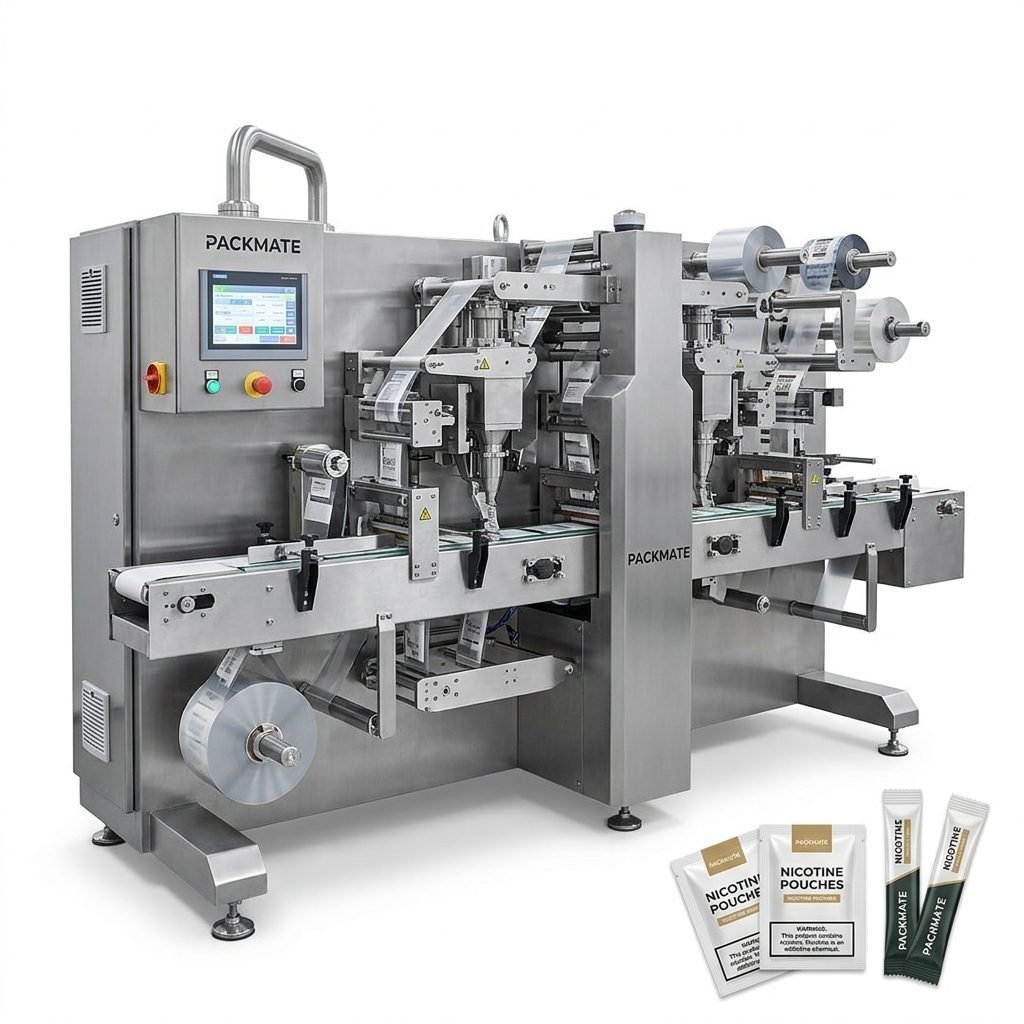
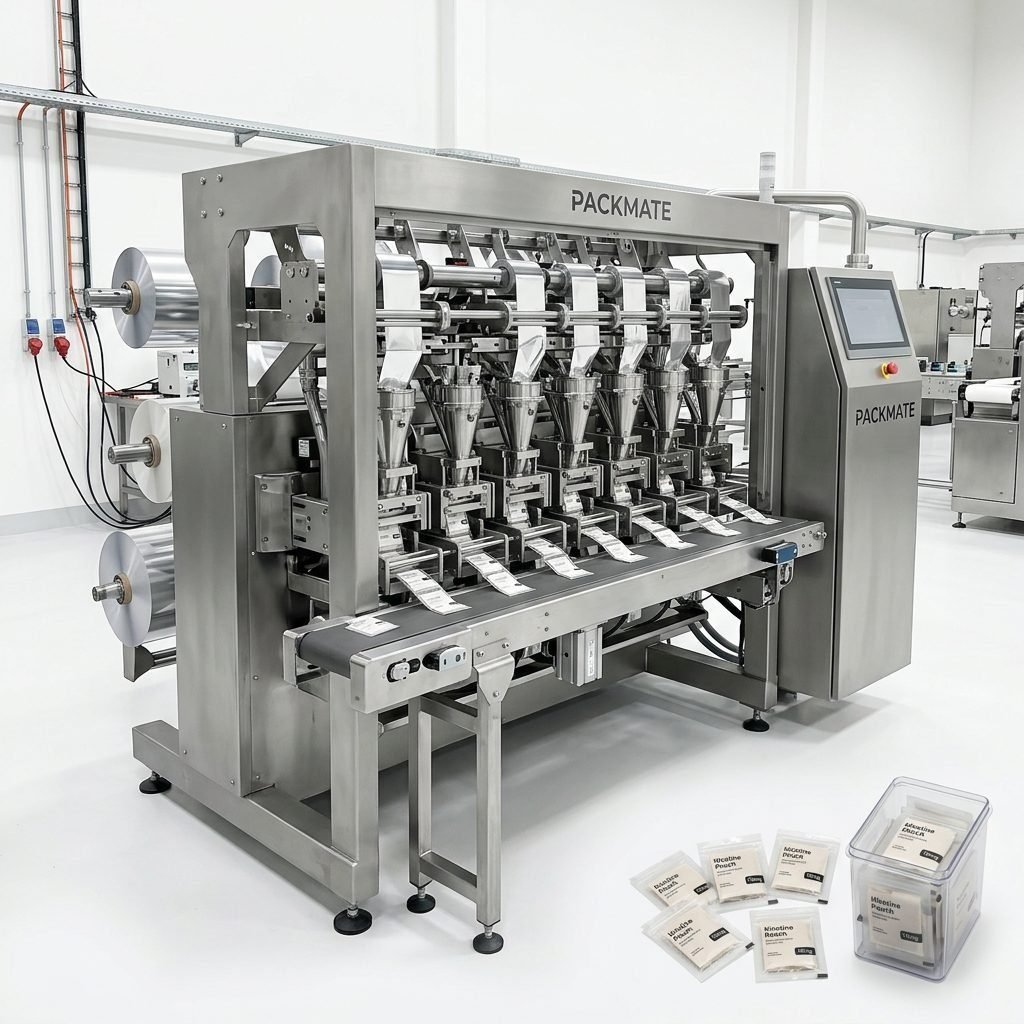
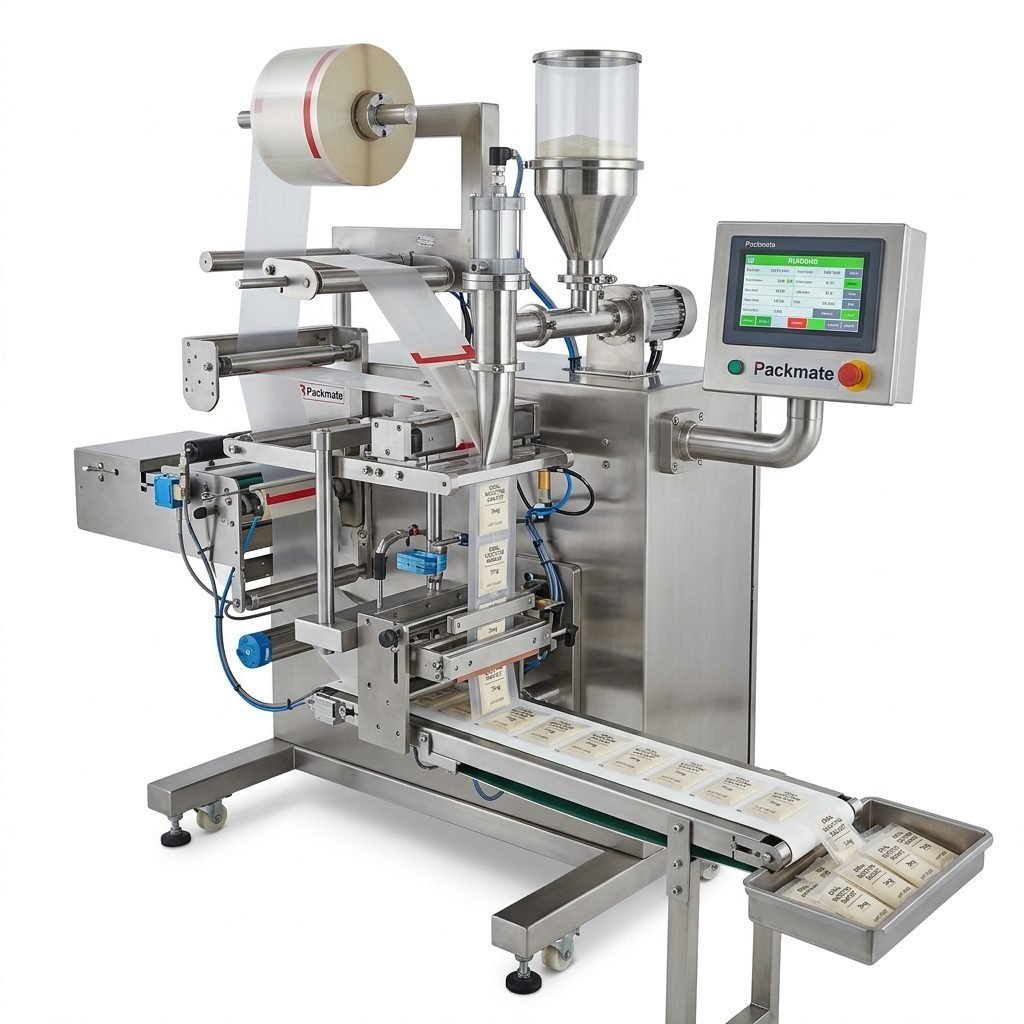
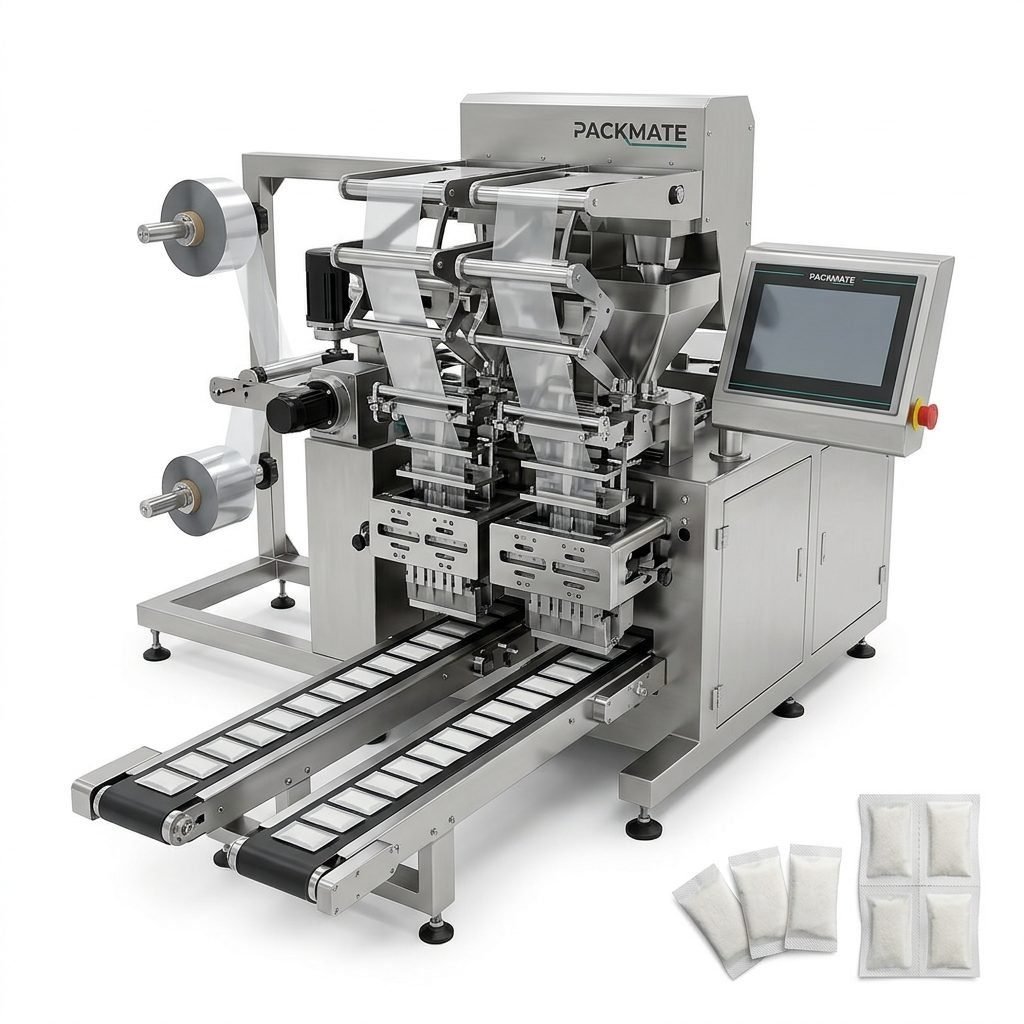
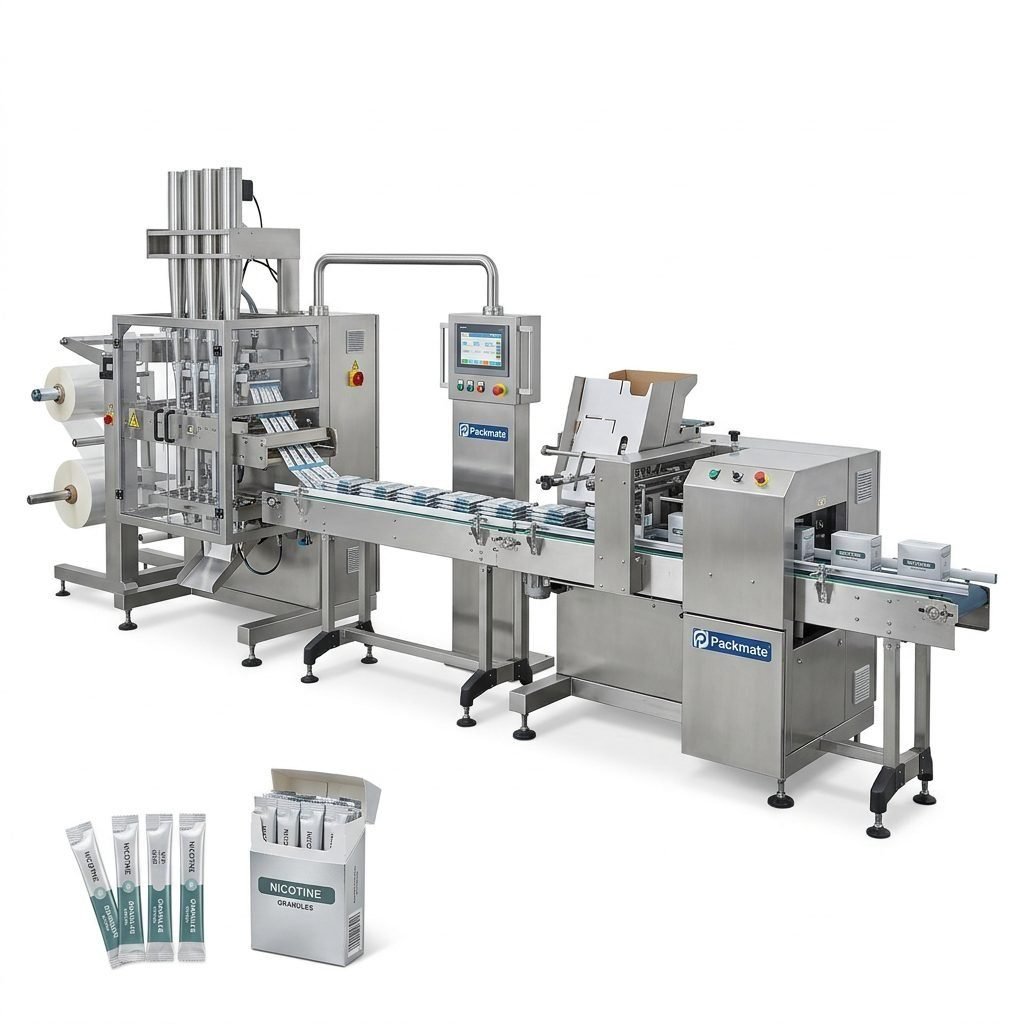
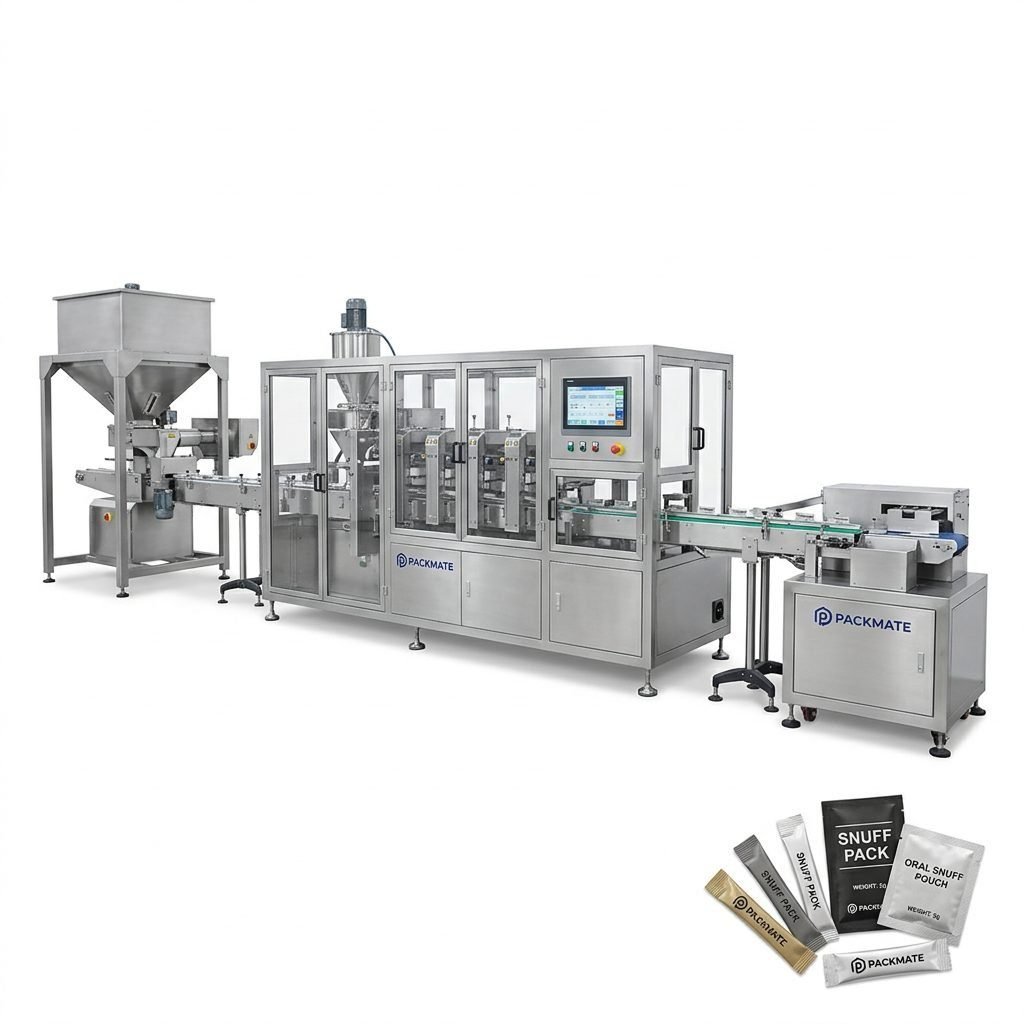
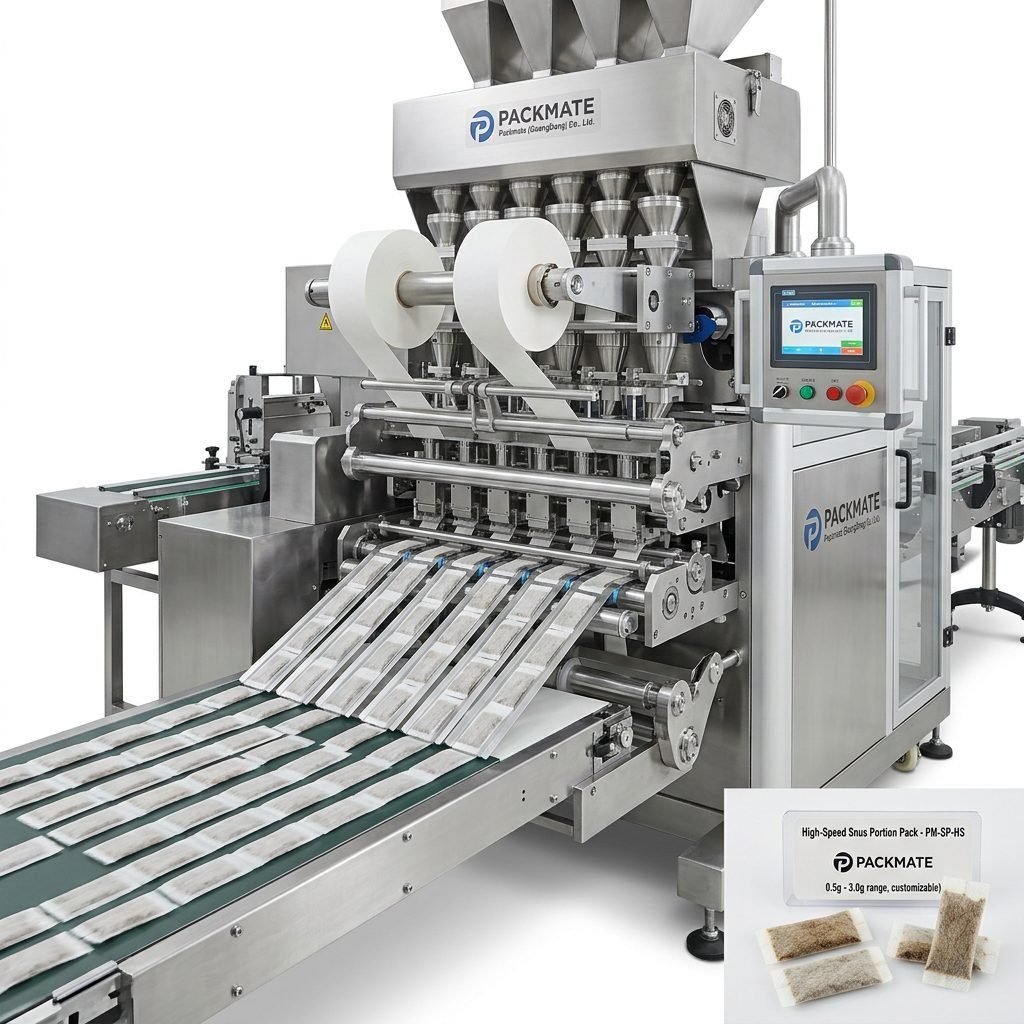
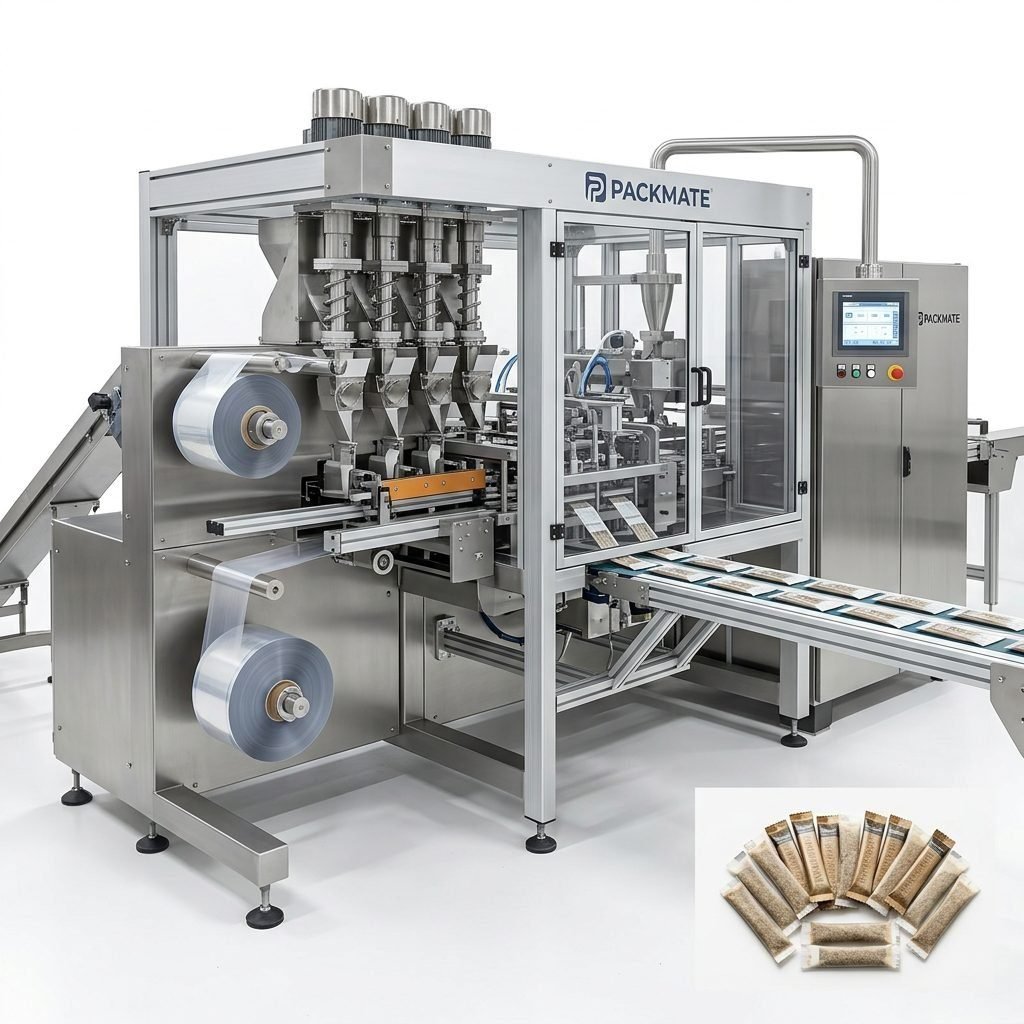
Start by listing manufacturers with proven experience in snus and nicotine pouch lines. Look for companies with extensive engineering history, multiple machine models, and global references. For example, manufacturers that provide specialized snus lines, multi-lane systems, and turnkey solutions are preferable when you plan scale-up. You can explore product ranges such as Snus & Nicotine Packaging Machines, Sachet & Stick Pack Machines and Filling & Packaging Lines for ideas and specifications.
✅ Verify manufacturer claims by checking case studies and exhibition presence. Suppliers who participate in global trade shows and offer on-site demonstrations are easier to vet.
Evaluate Technical Specifications and Customization
When comparing suppliers, focus on:
• Machine throughput and lane configuration (single vs multi-lane)
• Filling accuracy for micro-doses (critical for nicotine pouches)
• Material compatibility (stainless steel, food-grade seals)
• Automation level (CIP, PLC/HMI, remote diagnostics)
• Integration capabilities with weighing and packaging lines
Checklist: Ask for datasheets, video demonstrations, and a list of optional modules like multi-lane systems, bagging, or stick-pack heads. Reliable manufacturers often provide turnkey solutions, from filling to secondary packaging.
Inspect Quality Control, Certifications, and Factory Strength
Quality and compliance matter. Look for ISO, CE, and other internationally recognized certificates. A factory with strong CNC machining, precision assembly lines, and rigorous testing (such as the one described by experienced snus machinery makers) indicates better long-term reliability. Request evidence:
📌 Factory photos and production line descriptions
📌 Test reports and FAT (Factory Acceptance Test) videos
📌 References from existing customers and case studies
For more company information or global cases, check resources like About Packmate, Certificate, and Case to understand supplier capabilities and past project scopes.
Verify After-Sales Support and Spare Parts Availability
After-sales service is crucial for continuous production. Confirm:
🔧 Lead times for spare parts and local stocking options
🌐 Remote diagnostic capabilities and software support
🧰 Training programs for local operators and technicians
Important: Ask if they offer on-site commissioning, training in Spanish, and long-term service contracts. Language-appropriate manuals and training materials will help local teams maintain uptime.
Assess Logistics, Shipping, and Local Infrastructure
Equatorial Guinea’s main ports are Malabo (Bioko Island) and Bata (Mainland). Shipping heavy machinery requires coordination:
• Confirm port handling capacity and crane availability.
• Determine customs clearance timelines and documentation in Spanish.
• Plan for inland transport — road quality can vary, and careful route planning avoids delays.
Include freight-forwarding terms (FOB, CIF, DDP) in your negotiation. For new buyers, a DDP (Delivered Duty Paid) option reduces risk but might cost more upfront.
Power, Environment & Site Preparation
Verify your site meets the machine’s power, ventilation, and flooring requirements. In regions with unstable power, consider voltage stabilizers, UPS units, or backup generators. Request a site-preparation checklist from the supplier to avoid installation delays.
Negotiate Commercial Terms and Warranties
Key commercial points include lead times, payment terms, warranty duration, and acceptance criteria. Typical supplier offers include:
• 12–24 months warranty on major components
• Payment via LC or TT with staged payments tied to milestones
• A Factory Acceptance Test (FAT) prior to shipment
• Clear Return & Repair policies
Negotiation tip: Ask for spares starter kits (belts, seals, sensors) in the shipment. This minimizes downtime while waiting for replacements to arrive.
Factory Visit, FAT and Acceptance Tests
If possible, visit the manufacturer’s factory to witness a FAT. During FAT, check:
✅ Machine runs with your product specification
✅ Weight and filling accuracy tests
✅ Changeover time and lane synchronization on multi-lane machines
✅ Safety interlocks and operator ergonomics
If travel is not possible, request live video demonstrations and recorded FAT runs with detailed measurement logs.
Local Business Customs and Communication in Equatorial Guinea
Understanding local etiquette helps build trust. Business culture in Equatorial Guinea values formal introductions, respect, and personal relationships. Meetings often begin with small talk; use Spanish greetings and ensure punctuality for official appointments. Building rapport with local distributors or partners can be critical when navigating regulatory or logistical hurdles.
Recommended Supplier Profile — What to Prioritize
Aim for a supplier with:
• Proven snus/nicotine pouch expertise and multi-lane solutions
• At least a decade of manufacturing experience and robust factory capabilities
• International certifications and global case references
• Strong after-sales, spare parts availability, and training services
For comprehensive solutions and product portfolios, see Snus & Nicotine Packaging Machines and Bag & Pouch Packaging Machines to compare configurations and claimed outputs.
Sample Procurement Timeline
• Week 1–2: Requirements gathering and shortlisting
• Week 3–4: Technical Q&A, request for quotation (RFQ), and sample testing
• Week 5–8: Contract negotiation and deposit
• Week 9–14: Manufacturing and FAT scheduling
• Week 15–18: Shipping, customs clearance, site preparation
• Week 19+: Installation, commissioning and training
Key Red Flags to Avoid
⚠️ No FAT or refusal to demonstrate
⚠️ Lack of verifiable references or factory visits denied
⚠️ Vague spare parts policy or long lead times for critical components
⚠️ No international certifications or questionable compliance documents
Red flag test: Ask the supplier to run a test with your product specifications on video. If they hesitate, push for a more transparent approach or consider alternative vendors.
Useful Links & Resources
For product and supplier research, check manufacturer’s product pages and company information to validate claims:
• Snus & Nicotine Packaging Machines
• About Packmate
• Case Studies & Projects
• Contact Us for quotes and local support
Final Checklist Before You Order
• Confirm regulatory clearance and labelling rules specific to Equatorial Guinea.
• Complete a FAT with your product and accept documented results.
• Agree on spare parts package and service SLAs in writing.
• Verify logistic plan including port, customs, and last-mile delivery.
• Ensure training in Spanish or with local translators and obtain spare manuals.
Final reminder: Investing time in due diligence and supplier verification saves significant cost and operational headaches. Choose a partner who offers clear communication, solid factory capability, and robust after-sales service.
Common Questions
Q1: How do I confirm legal importation of snus into Equatorial Guinea?
A1: Consult local customs authorities or a licensed customs broker and obtain written confirmation of classification, duties, and labelling rules. Engage a local legal advisor for compliance with health and advertising regulations.
Q2: What are realistic lead times for a full snus packaging line?
A2: Lead times vary by customization and factory workload. Expect 10–18 weeks from order to shipment, plus shipping and customs time. FAST options may be available for standard models.
Q3: Can I get training and manuals in Spanish?
A3: Many reputable manufacturers provide manuals and on-site training in multiple languages. Specify Spanish language support during negotiations to ensure smooth operator training and maintenance handovers.
Q4: What spare parts should I stock locally?
A4: Keep essential consumables like belts, seals, sensors, nozzles, and critical electrical components. Suppliers often offer starter spare kits — include this in your order.
Q5: How important is a Factory Acceptance Test (FAT)?
A5: FAT is essential. It verifies machine performance with your product, confirms tolerances, and documents acceptance criteria prior to shipment — reducing the risk of disputes later.