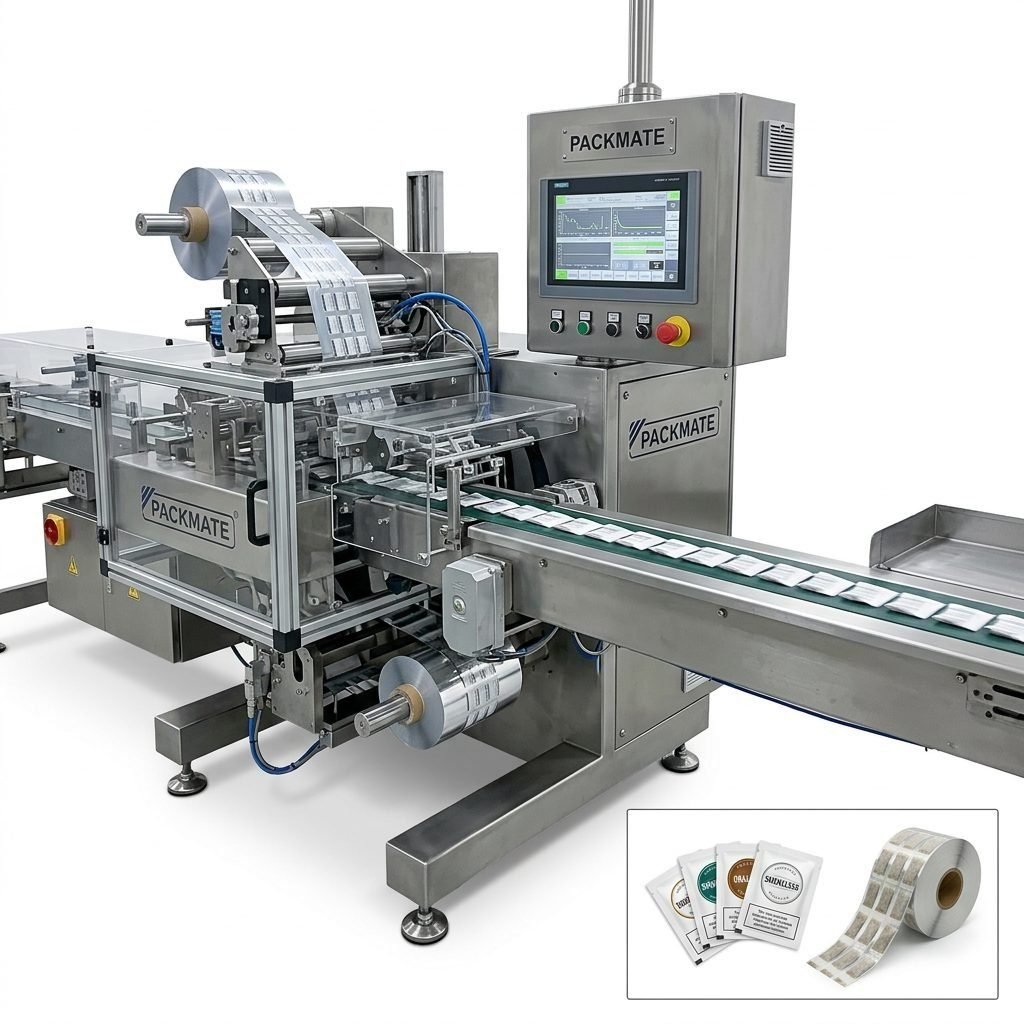
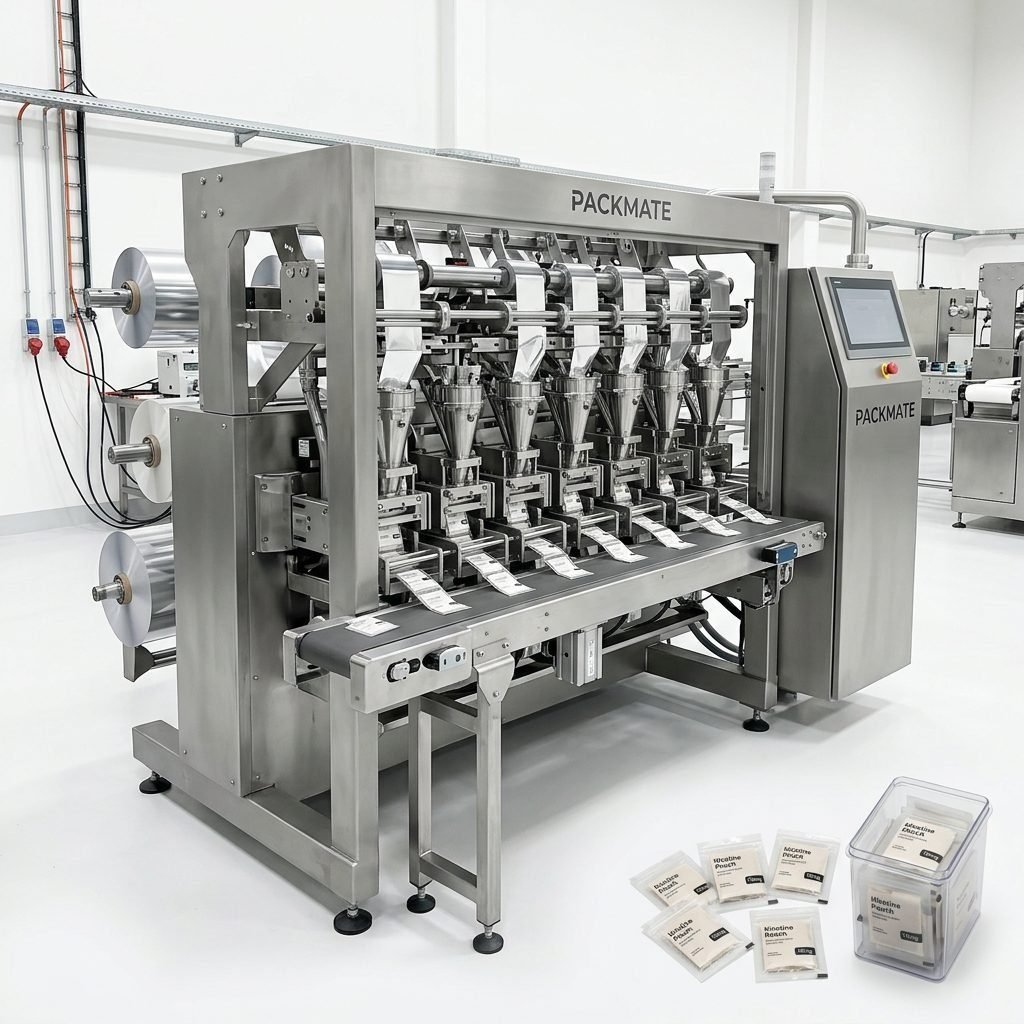
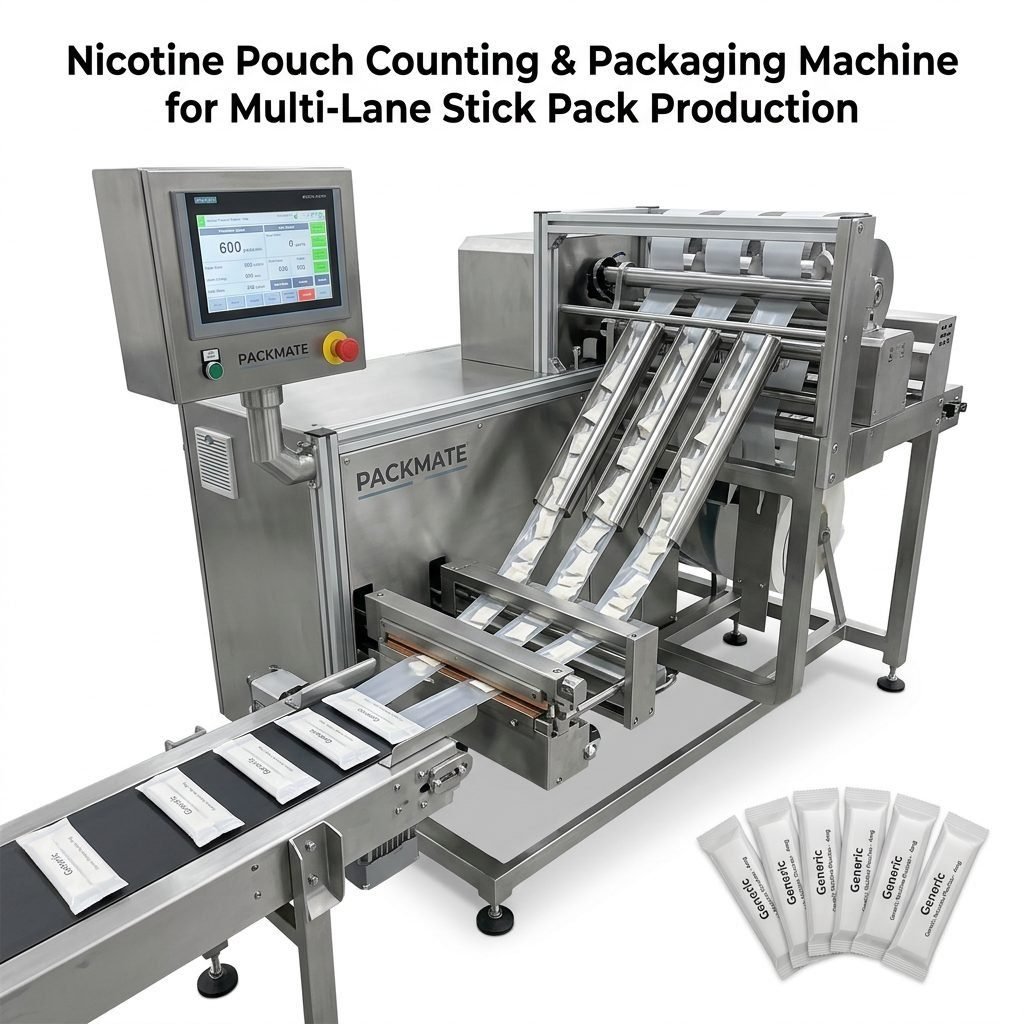
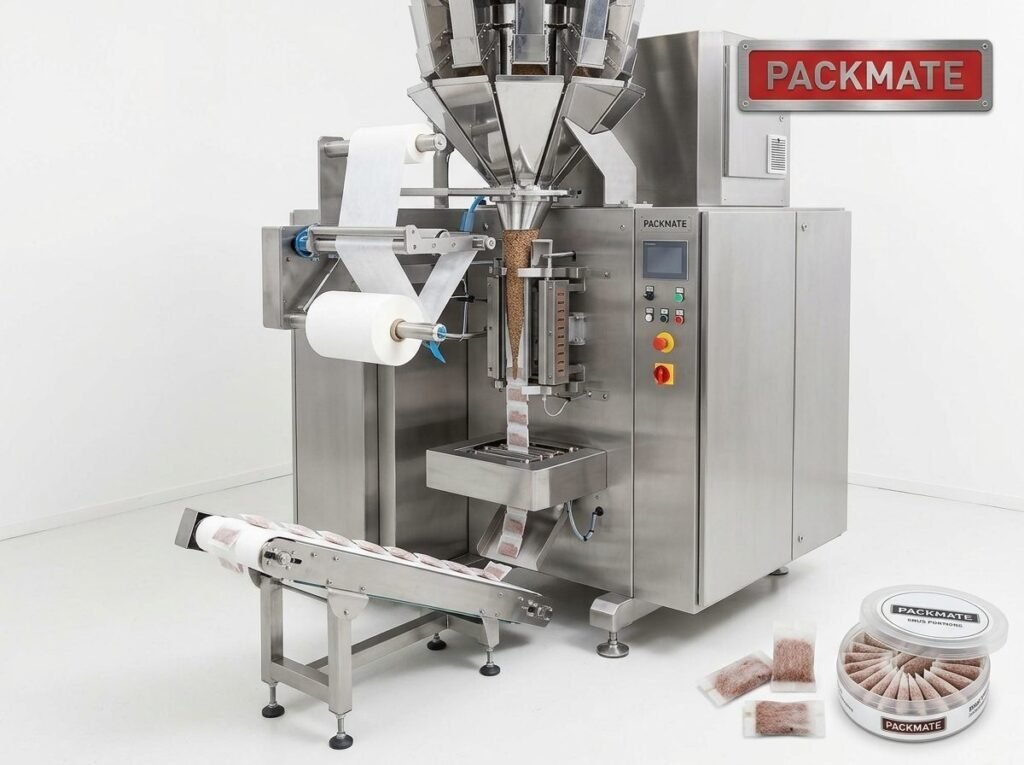
Choosing the right nicotine packaging machine supplier in the United States requires more than price comparison — it demands careful assessment of equipment performance, regulatory compliance, after-sales support, and cultural fit with U.S. business practices. This guide explains how to evaluate suppliers, what questions to ask, and practical steps to ensure you select a partner who delivers reliable nicotine pouch and snus packaging systems that meet American market needs.
Understand the U.S. Market and Local Habits
The U.S. market places a strong emphasis on product safety, traceability, and clear documentation. Buyers here expect punctual delivery, transparent warranties, and responsive technical support. Many manufacturers in the U.S. and importers prefer turnkey solutions that can be validated quickly for compliance with local standards. When evaluating suppliers, remember that business communication tends to be direct and deadline-driven — clearly-written contracts and SLAs are the norm.
Why cultural fit matters
In the United States, long-term partnerships rely on accountability and after-sale responsiveness. Suppliers who provide thorough documentation, proactive field service, and accessible spare parts distribution are often preferred. Look for suppliers who are used to working with U.S. customers or who maintain local representation or service hubs.
Key Evaluation Criteria for Nicotine Packaging Machine Suppliers
Quick checklist: performance, compliance, customization, delivery, service, spare parts, references, and warranty.
1. Machine performance & reliability
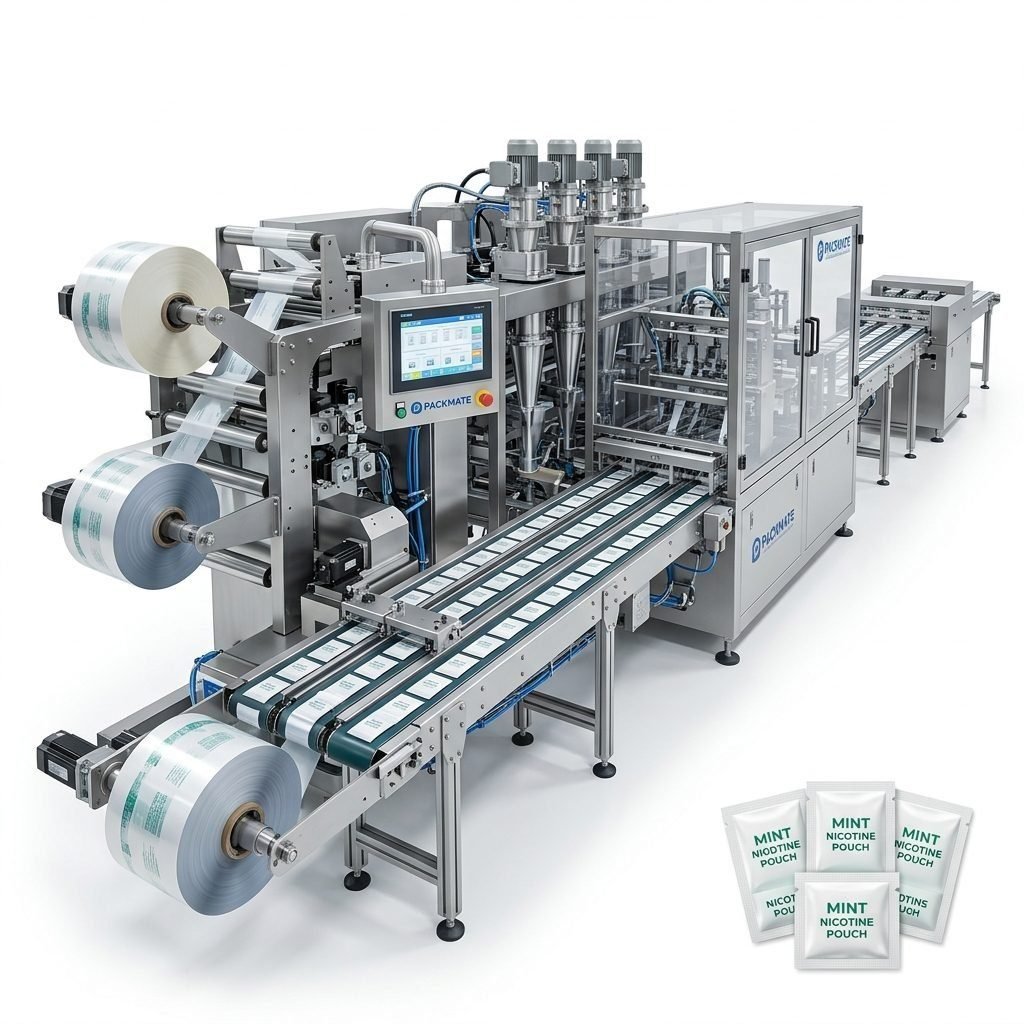
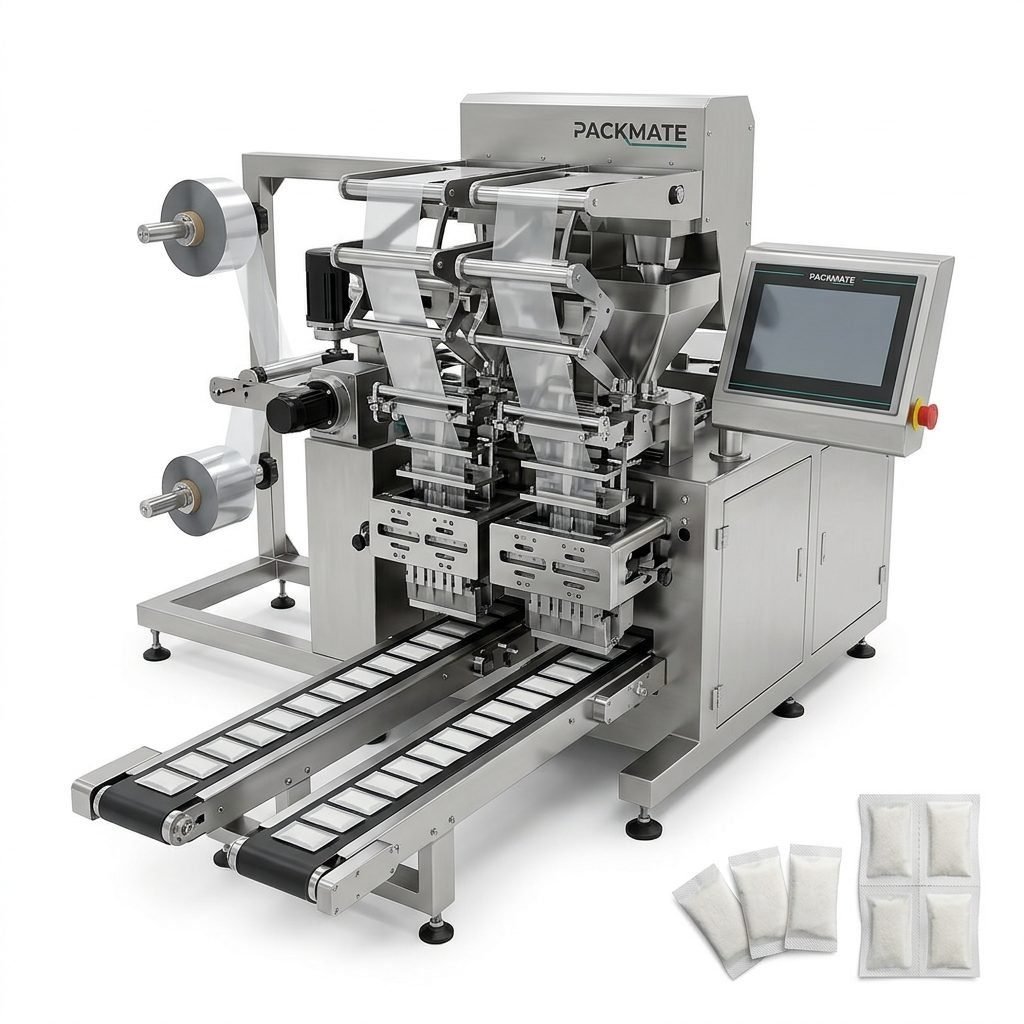
Look for performance data such as uptime percentages, typical output (pouches per minute), and changeover times. Suppliers should provide real-world case studies or references for nicotine pouch production lines. Machines built for multi-lane, small-dose pouches require precision dosing and stable feeding systems; confirm the supplier’s experience with these products.
2. Regulatory compliance & certifications
U.S. operations often demand CE, ISO certification, and supporting documentation for electrical safety and materials in contact with product. Ensure the supplier understands FDA-related expectations for packaging traceability and labeling, and can supply necessary certification dossiers quickly.
3. Customization and integration capability
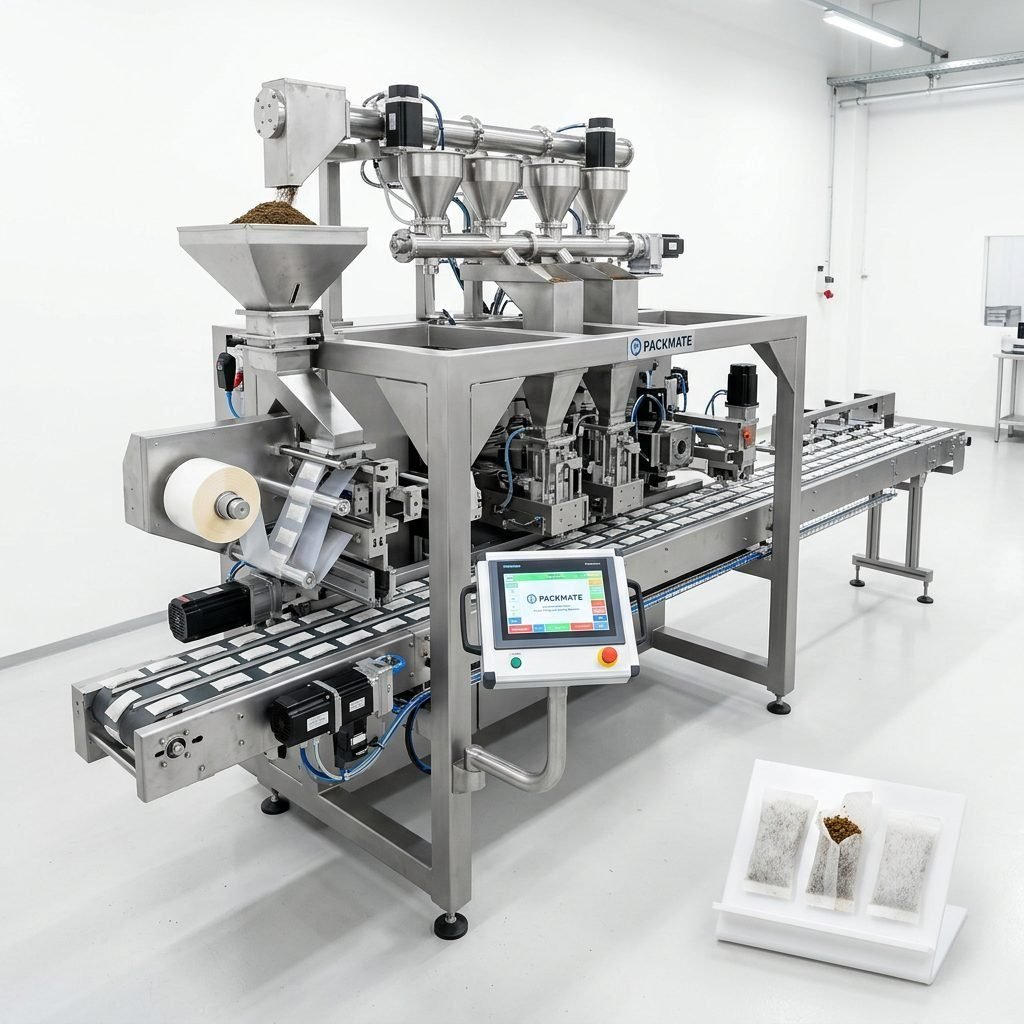
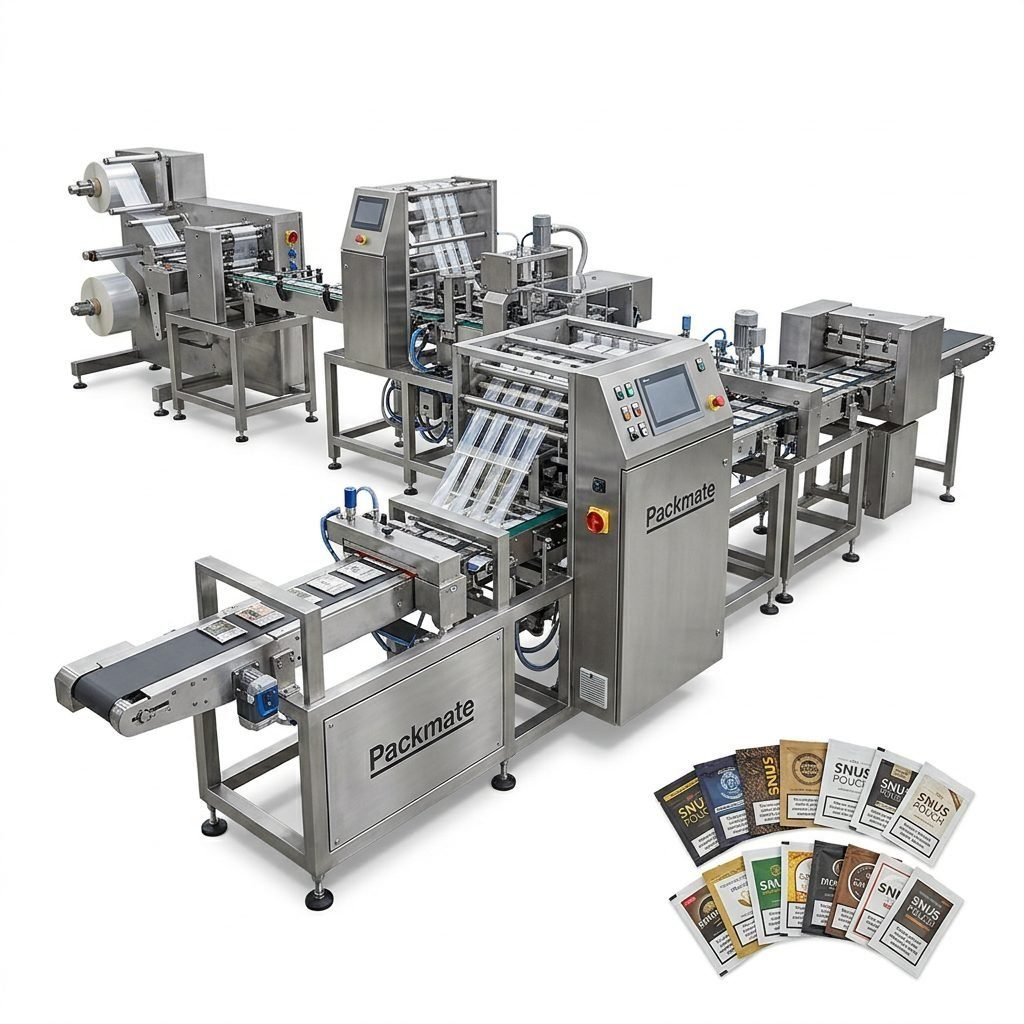
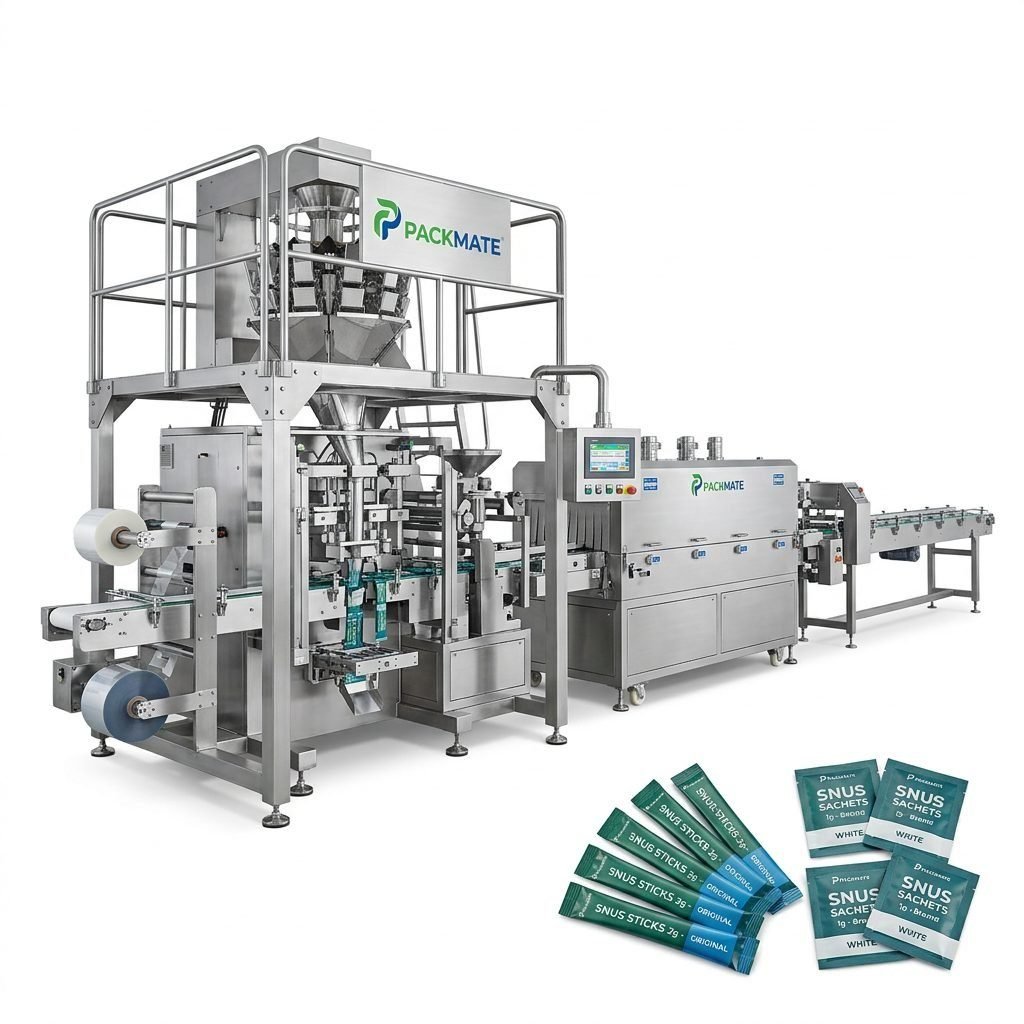
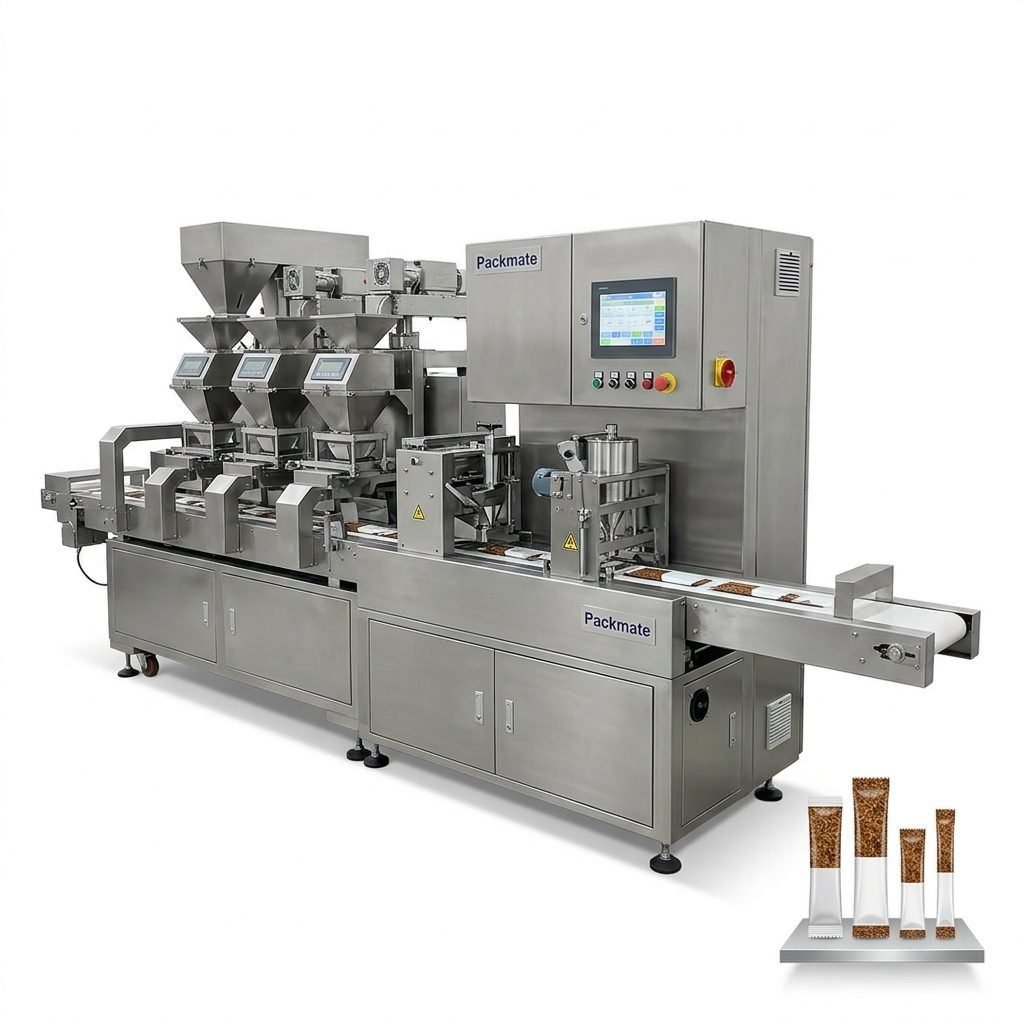
Nicotine pouch formats vary. Verify the supplier can offer machine configurations for stick pack, sachet, or multi-lane systems, and can integrate with weighing systems, fillers, cartoners, and case packers to provide a turnkey line when needed.
Supplier Due Diligence: What to Ask and Verify
When you contact potential suppliers, use a structured questionnaire to compare them objectively. Below are the most important topics to cover.
Technical and performance questions
🔍 Can you provide documented performance data and customer references for snus and nicotine pouch lines? What are typical output rates and acceptable product tolerances?
📌 Do you offer multi-lane machines and what is the maximum number of lanes? How long does format changeover take?
Quality assurance and manufacturing
⚙️ What factory certifications do you hold (CE, ISO)? Can you provide traceability for key electrical and mechanical components?
📦 What are your QA procedures before shipment? Do you perform FAT (Factory Acceptance Test) and will you provide video demonstration and documentation?
Delivery, installation and support
🚚 What are typical lead times and shipping options to the U.S.? Do you handle export documentation and customs assistance?
🔧 What is included in your warranty? How fast can you supply spare parts and do you maintain a local spare parts inventory or agents in North America?
Inspecting Manufacturing Strength and Track Record
Manufacturing strength signals reliability. Ask for factory photos, equipment lists, and a history of engineering expertise. Suppliers with advanced CNC machining centers, precision assembly lines, and strict quality testing like Packmate usually offer better consistency and faster turnaround.
Case evidence to request:
✓ Detailed case studies showing nicotine pouch lines in production (format, output, problem solved)
✓ Global cooperation examples — deliveries to Europe, Asia, Americas and customer testimonials
Regulatory & Legal Considerations in the United States
The legal landscape for nicotine products differs by state and by federal regulations. While machine suppliers are not responsible for product compliance, they must build systems that support traceability, labeling, and tamper-evident packaging if required. Ask suppliers how their equipment supports batch coding, serialization, and cleanability for audits.
Documentation and traceability features to insist on
– Built-in or integrated printers for batch codes and lot numbers
– Data collection options for production logs and OEE monitoring
– Materials compliance statements for contact parts and conveyors
After-Sales Service: Why It Makes or Breaks Your Investment
In the U.S., companies expect prompt technical support and easy access to spare parts. A supplier who offers remote troubleshooting, preventive maintenance programs, and training for your operators will reduce downtime and total cost of ownership. Confirm response SLAs and ask for support case examples.
Good support model features:
🔧 Local service partners or agent network in the U.S.
📞 24/7 remote diagnostics and spare parts express delivery options
🎓 On-site commissioning and operator training included in the scope
Turnkey Solutions and Line Integration
Many U.S. buyers prefer turnkey systems that integrate weighing, filling, sealing, inspection, and secondary packaging. Suppliers who can deliver fully-integrated lines shorten ramp-up time and centralize accountability. Evaluate if the supplier has experience linking snus packaging machinery with upstream and downstream equipment like weighing systems and cartoners.
For examples of machines and integrated systems, review product categories that match your needs, such as Snus & Nicotine Packaging Machines, Sachet & Stick Pack Machines, and Weighing & Packaging Systems.
Visiting Factories and Conducting FAT
Whenever possible, schedule a factory visit or request a detailed Factory Acceptance Test (FAT). During a visit, verify machining capabilities, assembly practices, and quality control routines. If travel is not feasible, insist on a live video FAT with your product run and signed acceptance criteria.
What to inspect during FAT
– Actual production speed and product quality samples
– Safety features and electrical compliance labels
– Documentation completeness: drawings, BOM, manuals, PLC code and HMI screens
Negotiation Tips: Contracts, Warranties & Payment Terms
Negotiate clear acceptance criteria, payment milestones tied to FAT or shipment, warranty scope and duration, and spare parts pricing. In the U.S., suppliers are often expected to provide warranty support and consumable part lists. Consider including provisions for performance guarantees and penalties for missed delivery dates.
Contract items to secure:
⚖️ Clear warranty and spare parts availability commitments
📜 Acceptance criteria tied to FAT and performance testing
💵 Payment milestones linked to deliverables (deposit, pre-shipment, on-site acceptance)
How Packmate (as an example supplier) Aligns with U.S. Buyer Expectations
Suppliers like Packmate Snus Machine bring 30+ years of engineering experience and a large manufacturing footprint, which can be valuable to U.S. operations. With a 20,000㎡ facility, advanced CNC machining, and 50+ machine models, such suppliers typically offer robust manufacturing capacity, certification compliance, and complete production line solutions.
Learn more about the company’s background and capabilities on their About Packmate page, review specific project references in their Case library, and check certificates on the Certificate page.
Practical Implementation Roadmap for U.S. Buyers
1) Define product formats and annual volume targets.
2) Shortlist 3–5 suppliers and request technical proposals.
3) Conduct reference checks and request FAT videos or visits.
4) Negotiate contract terms with clear acceptance tests.
5) Schedule production acceptance, installation, and operator training.
Checklist: Final Questions Before You Decide
• Can the supplier meet your required lead time and ramp-up schedule?
• Are spare parts offered with short lead times and transparent pricing?
• Does the machine support data collection, coding, and traceability needed for U.S. audits?
• Are there references in the U.S. or comparable markets that validate the supplier’s claims?
Conclusion
Selecting the best nicotine packaging machine supplier in the United States depends on evaluating technical capability, compliance readiness, manufacturing strength, and after-sales service. Prioritize suppliers with proven experience in snus and nicotine pouch packaging, robust factory capabilities, strong references, and a commitment to support U.S. operations. A well-documented FAT, clear contract terms, and a reliable spare parts plan will protect your investment and ensure long-term productivity.
Frequently Asked Questions
Q1: How important are certifications like CE and ISO for machines sold to U.S. companies?
A1: Certifications demonstrate adherence to international standards and are often expected by U.S. buyers. They help with compliance reviews and reduce the risk of safety or reliability issues.
Q2: Should I insist on a Factory Acceptance Test (FAT)?
A2: Yes. FATs validate machine performance against agreed criteria before shipment and are critical for avoiding disputes after delivery.
Q3: What after-sales support should I expect from a reliable supplier?
A3: Expect remote troubleshooting, spare parts availability, on-site commissioning, and operator training. Fast spare parts delivery and responsive technical support are essential.
Q4: How can I reduce risk when importing packaging machinery from overseas?
A4: Use clear contracts with acceptance tests, inspect the factory or request live FAT video, confirm certifications, and arrange for reputable freight forwarders and customs brokers experienced with U.S. imports.