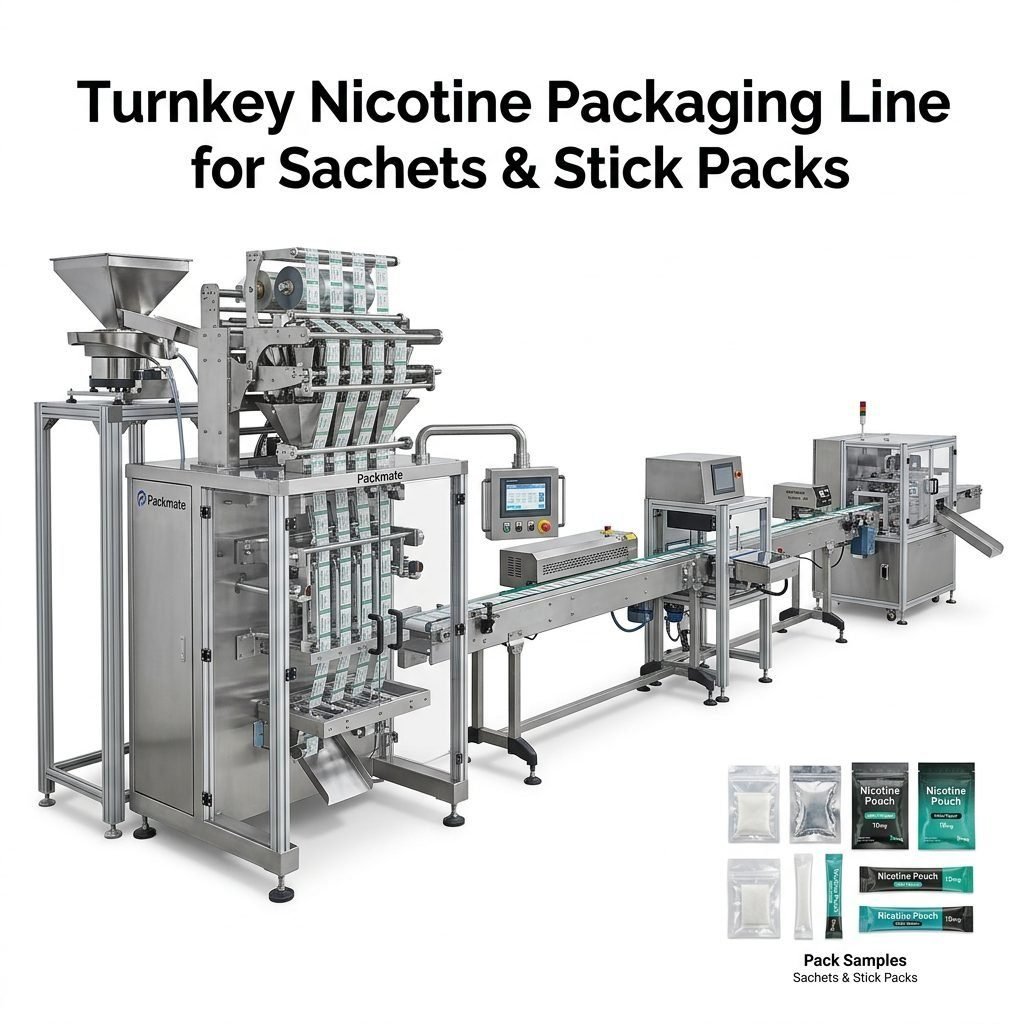
Finding a reliable nicotine packaging machine supplier in Myanmar requires more than a quick web search. You need supplier credibility, machine performance, after-sales support, and an understanding of local business customs. This guide walks you through practical steps to source high-quality snus and nicotine pouch packaging equipment, evaluate vendors, and ensure smooth import and commissioning in Myanmar’s unique market environment.
Why Choose the Right Supplier Matters in Myanmar 🔎
Myanmar’s business culture values trust, face-to-face relationships, and clear long-term commitments. For nicotine pouch production, equipment reliability is critical because high humidity, seasonal temperature swings, and complex local licensing can compound production risks. A dependable supplier reduces downtime, avoids costly rework, and ensures your packaging maintains product integrity under Myanmar’s climatic conditions.
Key local considerations
• Climate: High humidity affects sealing and sachet stability, so look for machines with humidity control features and robust sealing stations.
• Business etiquette: Personal introductions, trust-building visits, and clear contractual terms are common practice. Expect to meet your supplier or their regional representative in person when finalizing major purchases.
• Logistics: Port handling, duties, and customs clearance timelines vary — plan for buffer time and choose suppliers experienced with Myanmar imports.
Tip: If you plan to produce small-dose nicotine pouches, prioritize multi-lane high-speed machines that maintain portion accuracy while minimizing product exposure to moisture.
Step-by-step: How to Find a Reliable Supplier
1. Define your production needs
Identify your target output (pouches/hour), pouch formats (stick pack, sachet, multi-lane), and product types (powder, granules, nicotine paste). Make a prioritized list of must-have functions such as dosing accuracy, PLC control, and CIP-compatible parts if hygiene is required.
2. Shortlist experienced manufacturers
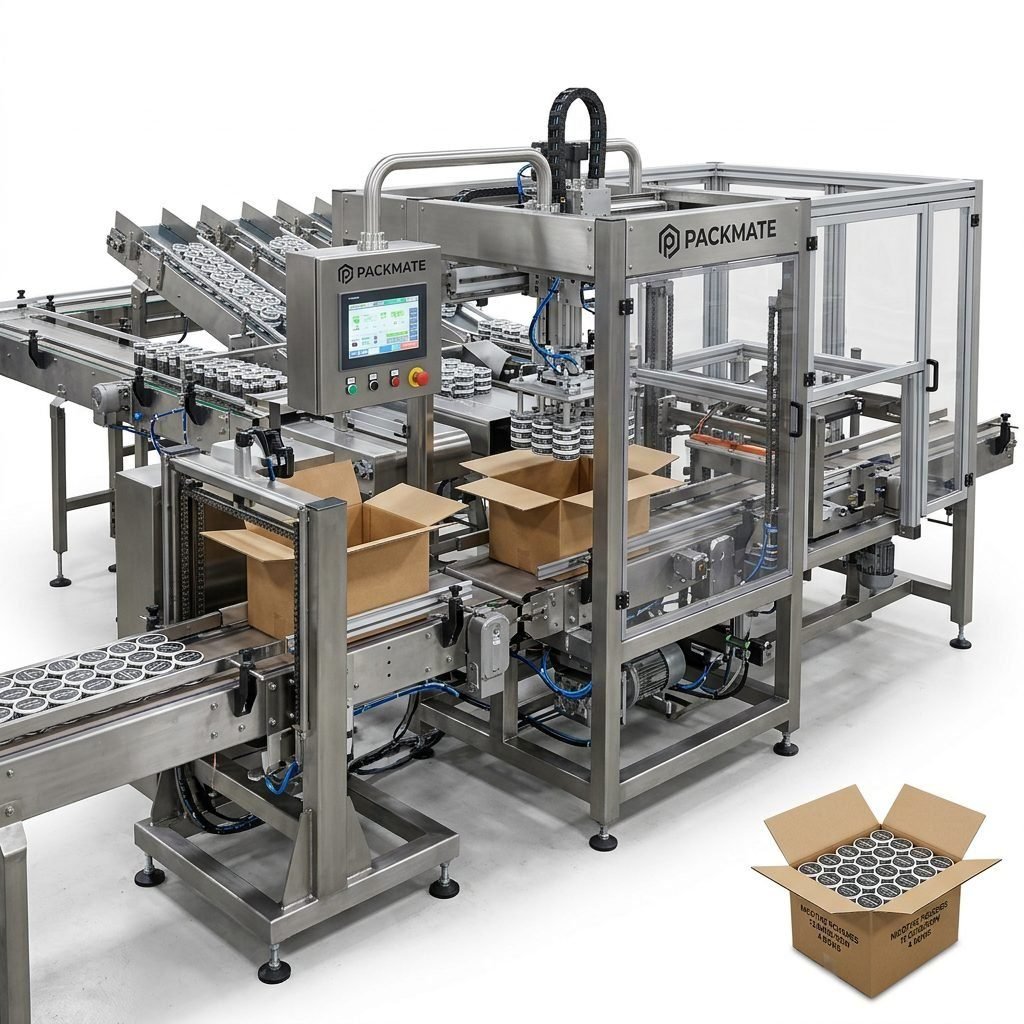
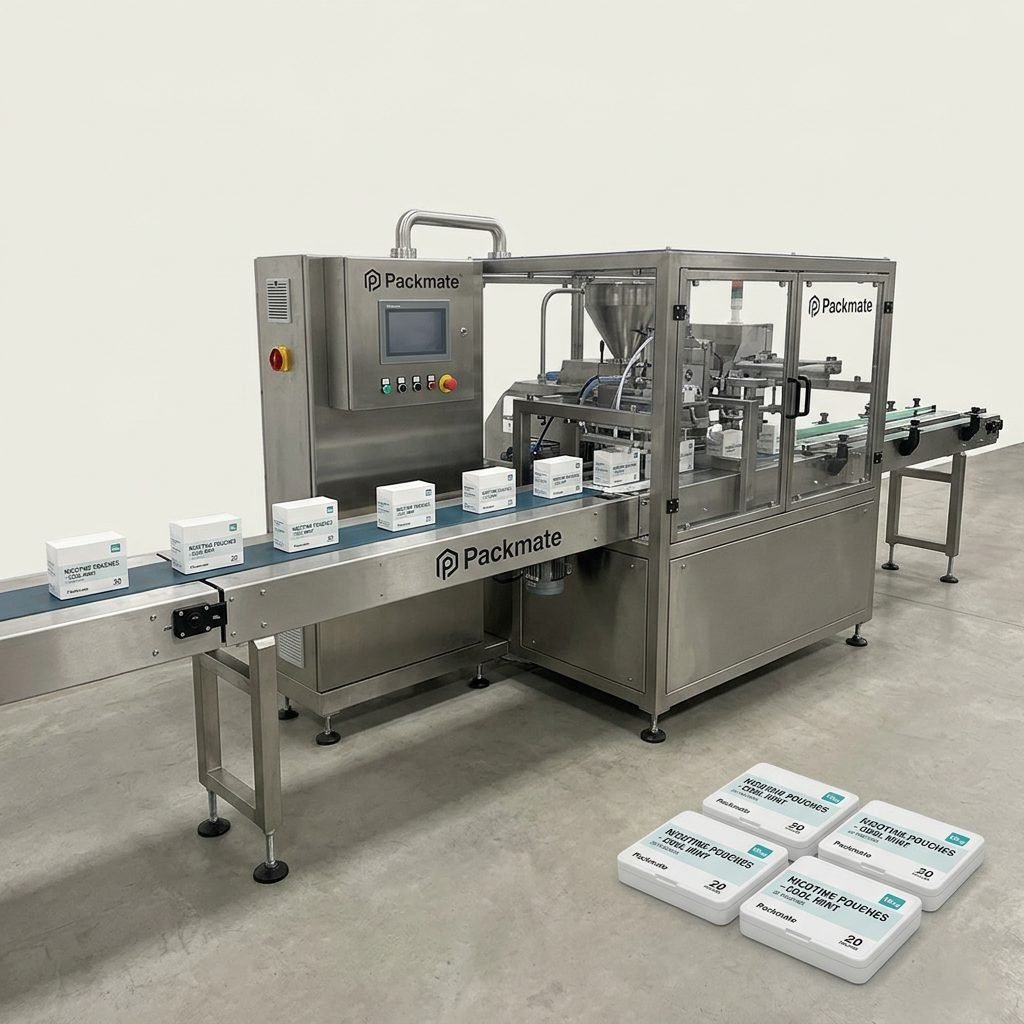
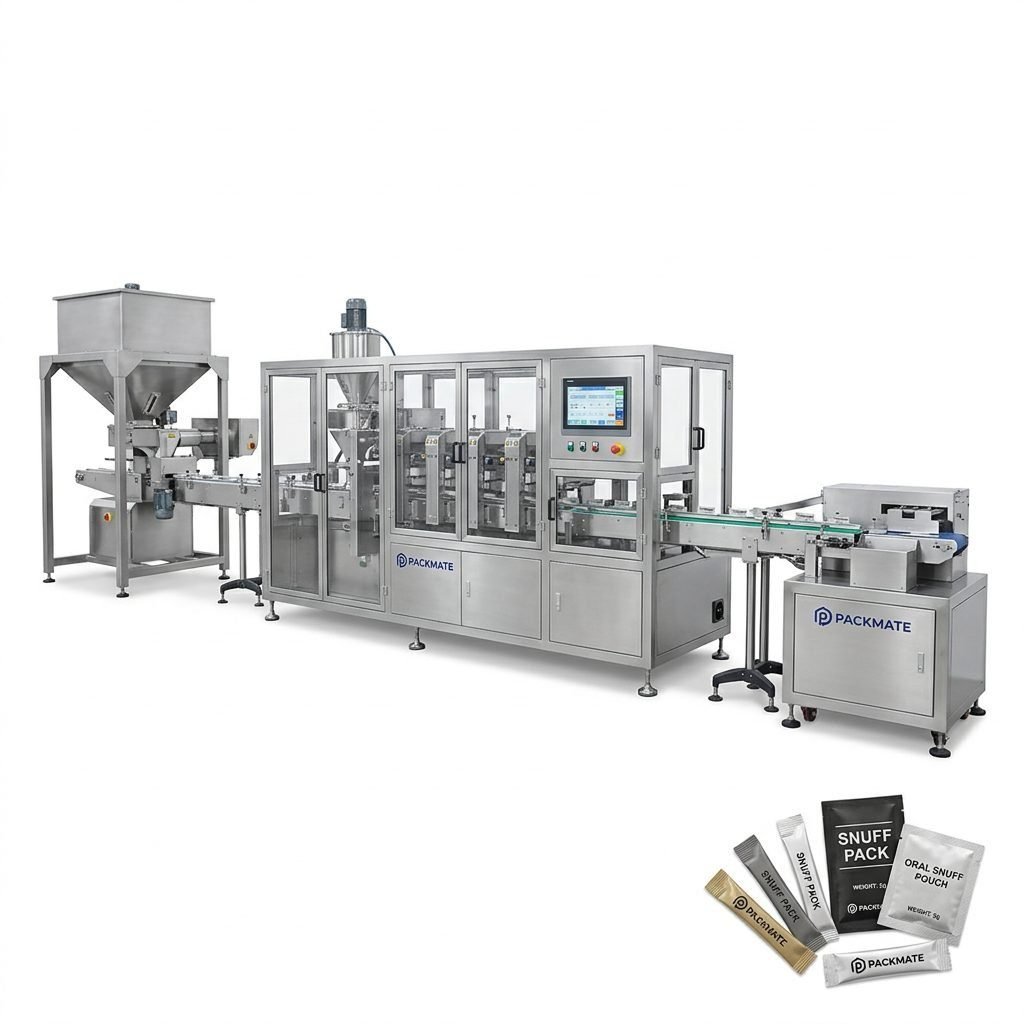
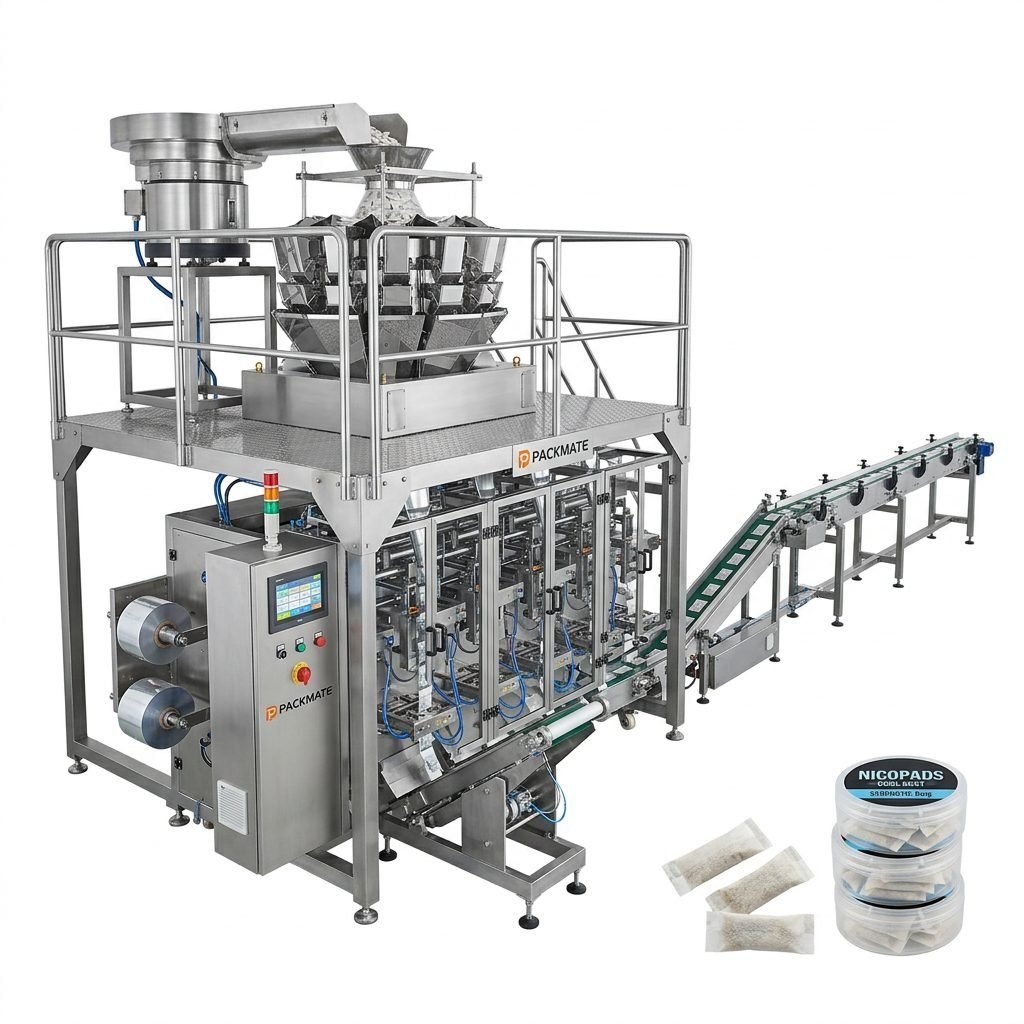
Look for companies with proven experience in snus and nicotine packaging. Manufacturers with decades of engineering history and a broad product range are usually more reliable when it comes to customization and spare parts. For example, suppliers who produce specialist lines like snus and multi-lane pouch machines will understand the precision and hygiene requirements of nicotine pouch production. See examples of full product ranges such as
Snus & Nicotine Packaging Machines and
Bag & Pouch Packaging Machines.
3. Verify factory capability and certifications
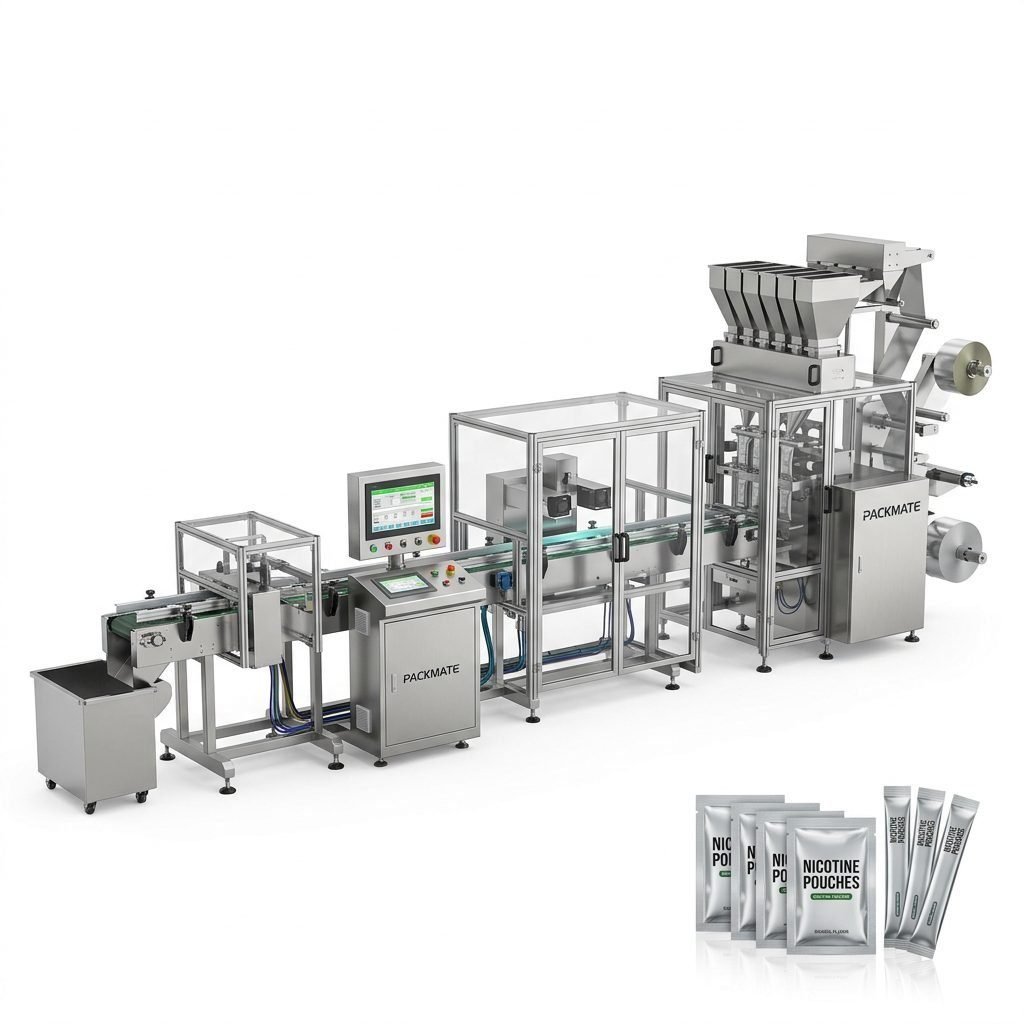
Request factory photos, videos of production lines, and certifications like CE or ISO. A modern factory with CNC machining centers and precision assembly lines indicates better quality control. Suppliers that can share examples of turnkey lines or case studies demonstrate ability to manage complex projects across multiple processes.
Checklist: CE/ISO certificates, manufacturing photos, machine trial videos, references from other Asian customers.
How to Evaluate Machine Performance and Specs
When comparing machines, focus on the following technical areas that matter for nicotine pouch production in Myanmar:
- Filling accuracy and dosing range — especially for small-dose pouches
- Sealing system quality and material compatibility — ensure consistent seals in humid environments
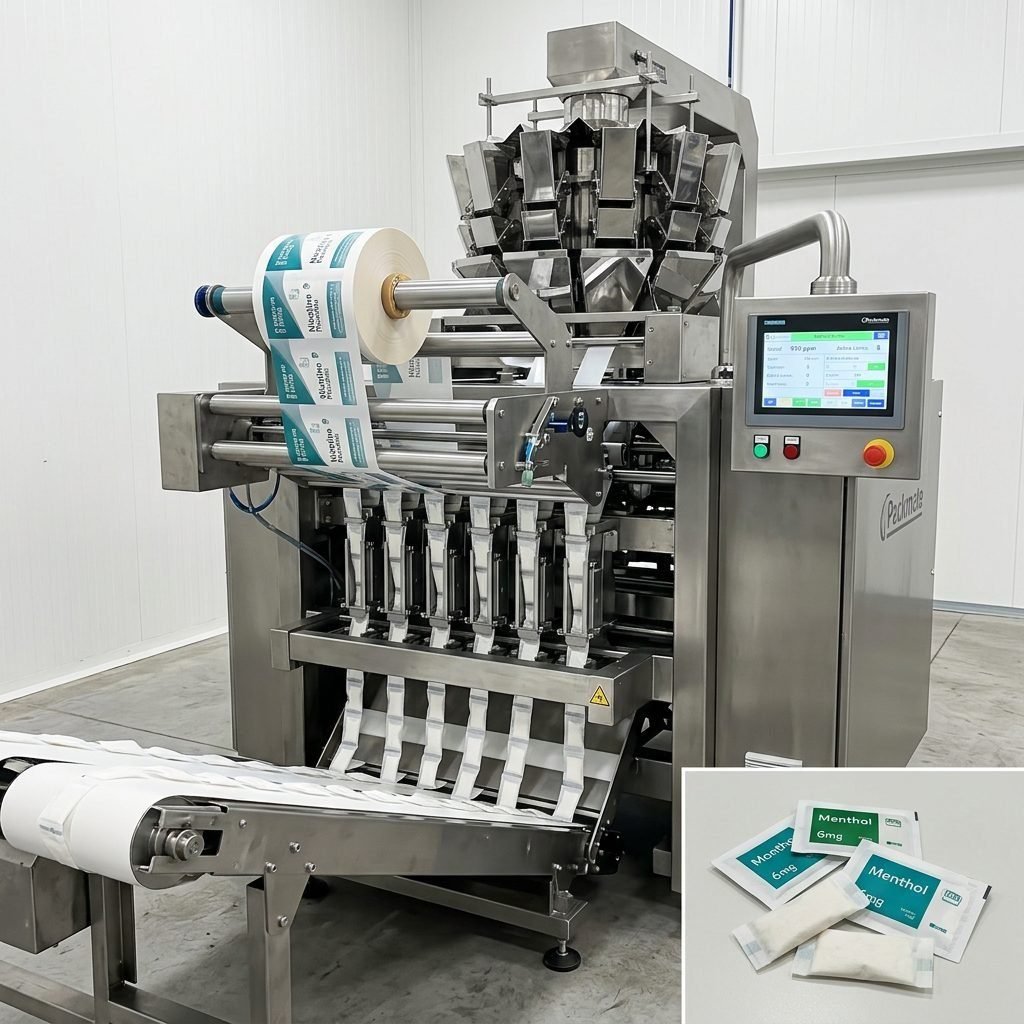
- Multi-lane synchronization for higher throughput
- PLC and HMI controls with remote diagnostics
- Material contact parts made of SS316 or food-grade surfaces for corrosion resistance
Request a FAT (Factory Acceptance Test)
A FAT with your actual nicotine pouch material or a close substitute is essential. Observe production speed, waste rate, weight variation, and sealing integrity. Ask for raw video footage of extended runs and a report of performance data under simulated humidity conditions.
Supplier Trust Indicators and Documentation
Trustworthy suppliers will provide:
- Detailed technical datasheets and wiring diagrams
- Spare parts lists and service manuals
- Warranty terms and spare parts lead times
- References and case studies — ideally for projects in warm, humid climates or neighboring markets
Visit the supplier’s “About” and certification pages to validate claims, or review documented projects such as those shown in their case sections. Example resources:
About Packmate,
Case studies.
Negotiating Price, Payment, and Delivery Terms
Pricing for packaging lines varies with customization, options, and regional support. Negotiate payment schedules that balance your cash flow and supplier risk — a common term is 30% deposit, 60% before shipment, and 10% after installation. Clarify lead times for critical spare parts and ask for CIF/FOB quotes to compare total landed cost to Myanmar ports.
Important: Confirm export documentation for nicotine-related equipment — some countries restrict sales or require additional paperwork for tobacco and nicotine machinery.
Factory Visit and On-Site Inspection
Whenever possible, schedule a factory visit or arrange for a trusted third-party inspection. During the visit, focus on assembly quality, electrical components (Siemens/Schneider/Delta?), safety guards, and the supplier’s testing procedures. See how they handle QC, packing, and shipping. If travel is difficult, insist on a guided live video tour and recorded machine trials.
Logistics, Import Compliance, and Local Regulations in Myanmar
Importing machinery into Myanmar may involve duties, permits, and inspections. Work with a local freight forwarder who understands machinery clearance requirements. Also confirm whether nicotine pouch production needs special licensing or notification to Myanmar authorities — local legal counsel or a local partner can speed this process.
Packaging and transport considerations
Machines must be packed to withstand sea/road transit and high humidity. Ensure the supplier uses anti-rust coatings, desiccants in crates, and secure mounting for long-distance routes to Yangon or Thilawa ports.
Installation, Commissioning and Training
A reputable supplier will offer on-site commissioning and operator training. Confirm the duration and scope of training — maintenance skills, troubleshooting, spare parts replacement, and PLC/HMI basics. Alternatively, request remote commissioning support and structured training manuals. Check the supplier’s service page for details:
Service.
After-sales Support and Spare Parts
After-sales support is often the decisive factor. Ask about guaranteed spare parts availability (at least 3 years), response times for remote support, and options for local stocking. Suppliers with global partners or regional agents can significantly reduce downtime in Myanmar.
Red flag: Suppliers who cannot provide clear spare parts lists, part numbers, or typical lead times.
Selecting the Right Machine Type for Myanmar Markets
Different packaging formats serve different market segments:
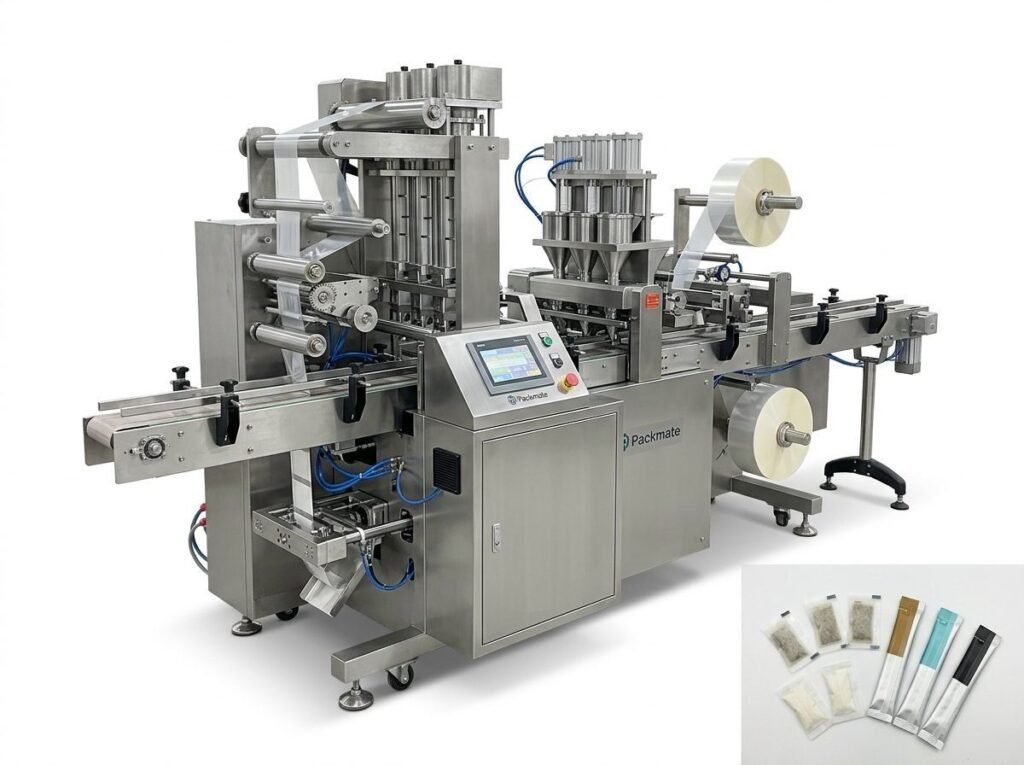
- Stick pack machines — good for single-dose sachets sold at kiosks and convenience stores.
- Sachet and pouch machines — versatile for multi-dose or resealable formats.
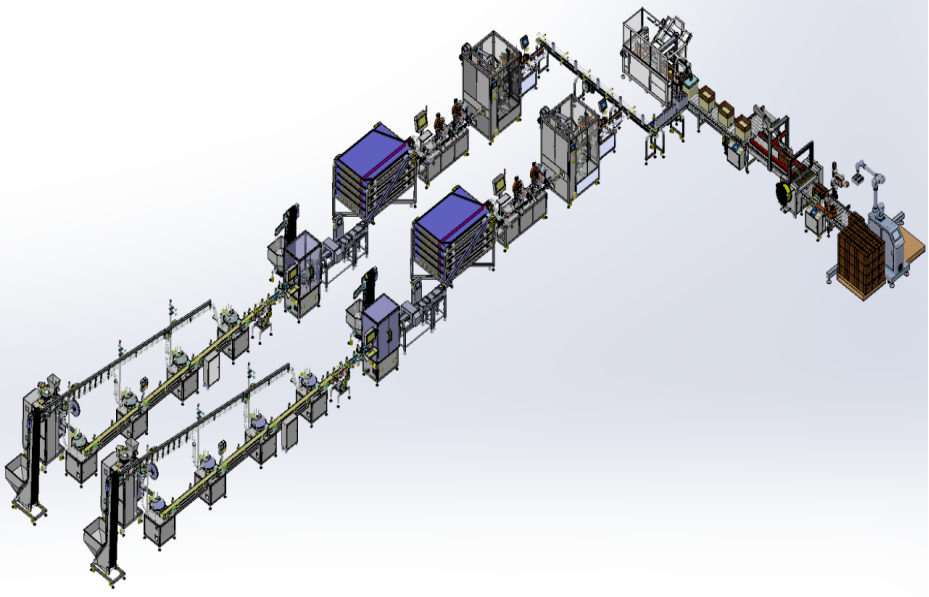
- Multi-lane snus pouch lines — ideal for high-volume export or large domestic production.
Explore the full range of options to match your product format at:
Sachet & Stick Pack Machines and
Weighing & Packaging Systems.
Case Study Snapshot
A South-East Asian producer chose a multi-lane pouch line with climate-adapted sealing and integrated desiccant dosing. The chosen supplier provided FAT videos, a two-week on-site commissioning plan, and a spare parts kit. Result: stable output with less than 1% weight variance and minimal downtime during the first 12 months.
Common Negotiation Points and Practical Tips ✅
• Insist on performance guarantees tied to FAT results.
• Clarify warranty coverage and excluded items (wear parts).
• Ask for a clear escalation path for critical breakdowns.
• Consider local training for maintenance staff to lower long-term costs.
Resource: Browse product catalogs and machine galleries to benchmark features and options:
Catalog.
Final Checklist Before You Buy
1) Confirm FAT results with your materials and targeted output.
2) Verify certifications and factory capability.
3) Agree on spare parts, warranty and support terms.
4) Clarify shipping terms, customs clearance support, and packing to withstand Myanmar’s climate.
5) Plan for training and initial spare parts inventory.
Need more help?
If you want to discuss turnkey lines, multi-lane snus pouch solutions, or local commissioning in Myanmar, you can reach out directly to suppliers for tailored proposals. For more information about professional packaging lines and global turnkey solutions, visit the supplier’s contact page:
Contact Us.
Summary — Quick Action Plan
• Define your product format and output needs.
• Shortlist suppliers with snus/nicotine expertise and proven factory capability.
• Request FAT with your materials; verify sealing and dosing under humid conditions.
• Confirm spare parts availability, warranty and local support.
• Arrange logistics and licensing with local experts to avoid delays.
Frequently Asked Questions (FAQs)
Q1: What machine type is best for small-dose nicotine pouches?
For small-dose pouches, multi-lane snus pouch machines or precision stick pack systems are recommended. They provide high dosing accuracy and minimal product exposure. Verify dosing repeatability during the FAT using your actual product.
Q2: How important is FAT and what should I check?
FAT is essential. Check weight variation, seal integrity, run stability over extended periods, ease of operation, and machine response to humidity changes. Ask for raw video and performance logs.
Q3: How do I handle spare parts and maintenance in Myanmar?
Negotiate a spare parts kit with your purchase and confirm lead times for critical components. Train local maintenance staff and secure remote support from the supplier for troubleshooting. Consider stocking common wear parts locally.
Q4: Are there specific packaging features to handle Myanmar’s climate?
Yes. Use machines with reliable sealing systems, humidity-resistant materials, and integrated desiccant dosing if needed. Ensure packaging materials and seals are compatible with tropical humidity to avoid seal failures.
Q5: Where can I view supplier machine ranges and certifications?
View product pages and certifications on supplier websites. For an example of a complete product range and certifications, you can review the supplier’s product categories and certification pages such as their machine lists and certificate references.