Choosing the right supplier for a nicotine packaging machine in Algeria is a strategic decision that affects production efficiency, compliance, and long-term costs. Whether you are a new entrant to the nicotine pouch market or an established manufacturer expanding capacity, understanding the local market, technical requirements, and supplier capabilities will help you secure equipment that performs reliably in Algerian conditions and meets regulatory expectations.
Understand Algeria’s Market and Regulatory Environment
Algeria’s consumer preferences and regulatory landscape differ from many European markets. Arabic and French are commonly used for labelling, and local authorities closely monitor import rules for tobacco-related and nicotine products. Before contacting suppliers, clarify label language requirements, restrictions on nicotine levels, and needed permits for importing packaging equipment. You should also confirm whether equipment must meet specific local certifications in addition to international standards.
Key local considerations:
⚠ Power supply (230V / 50Hz), customs & import tariffs, Arabic/French labelling, and climate impact on materials (hot and dry summers).
Technical Suitability: Match Machine Type to Your Product
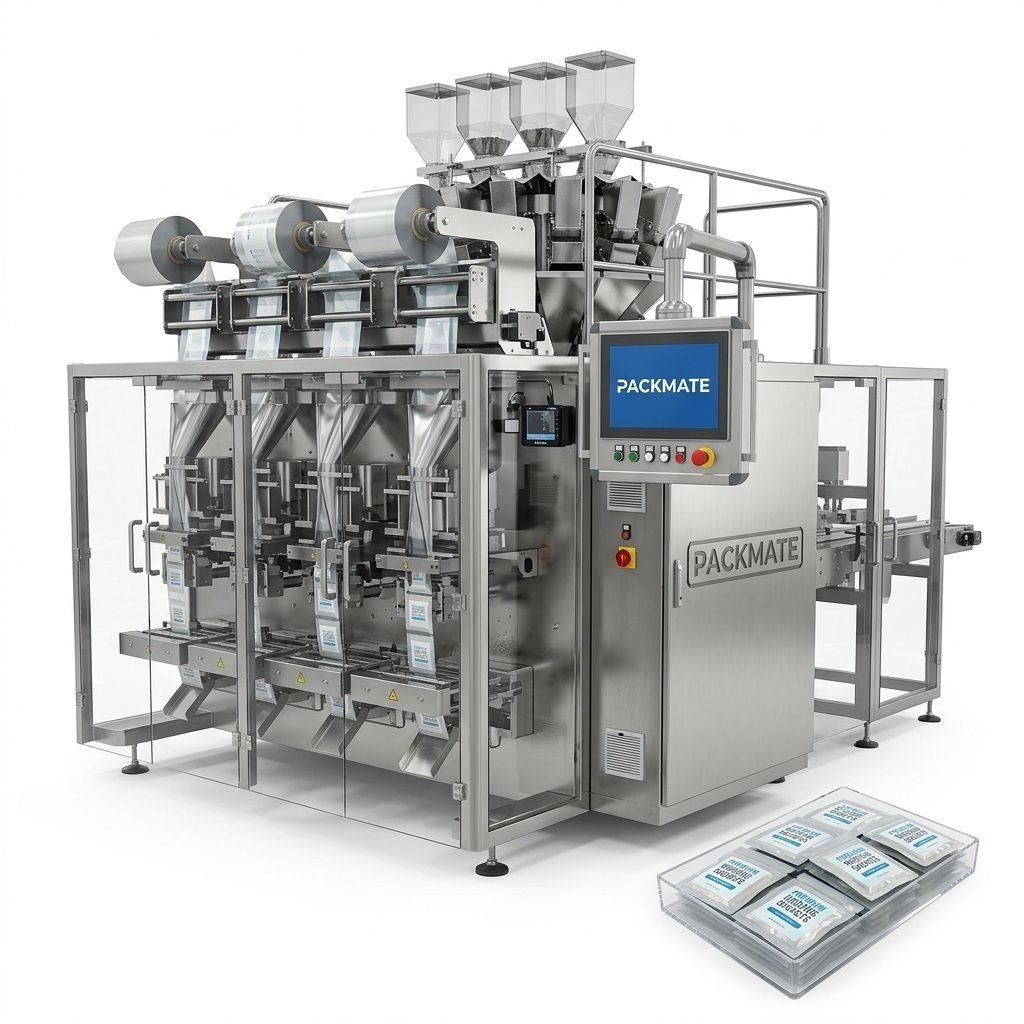
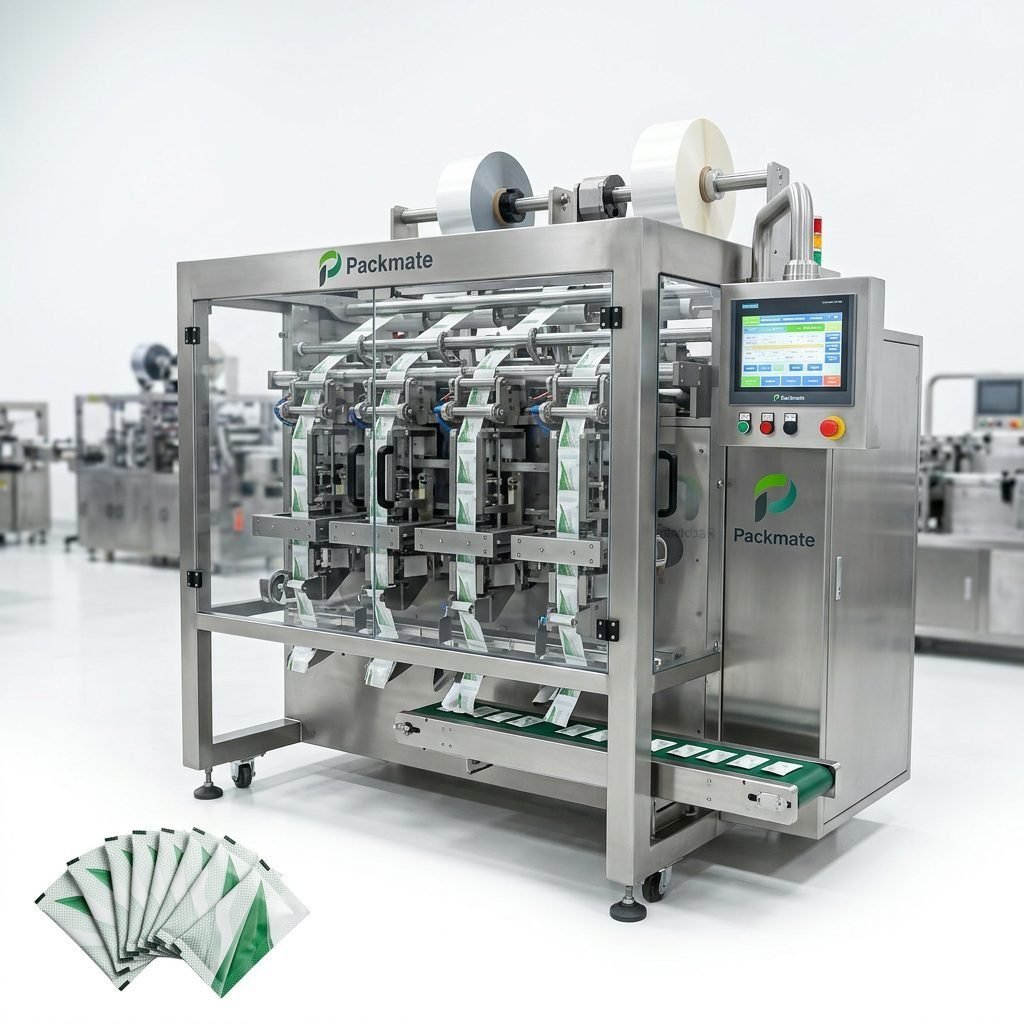
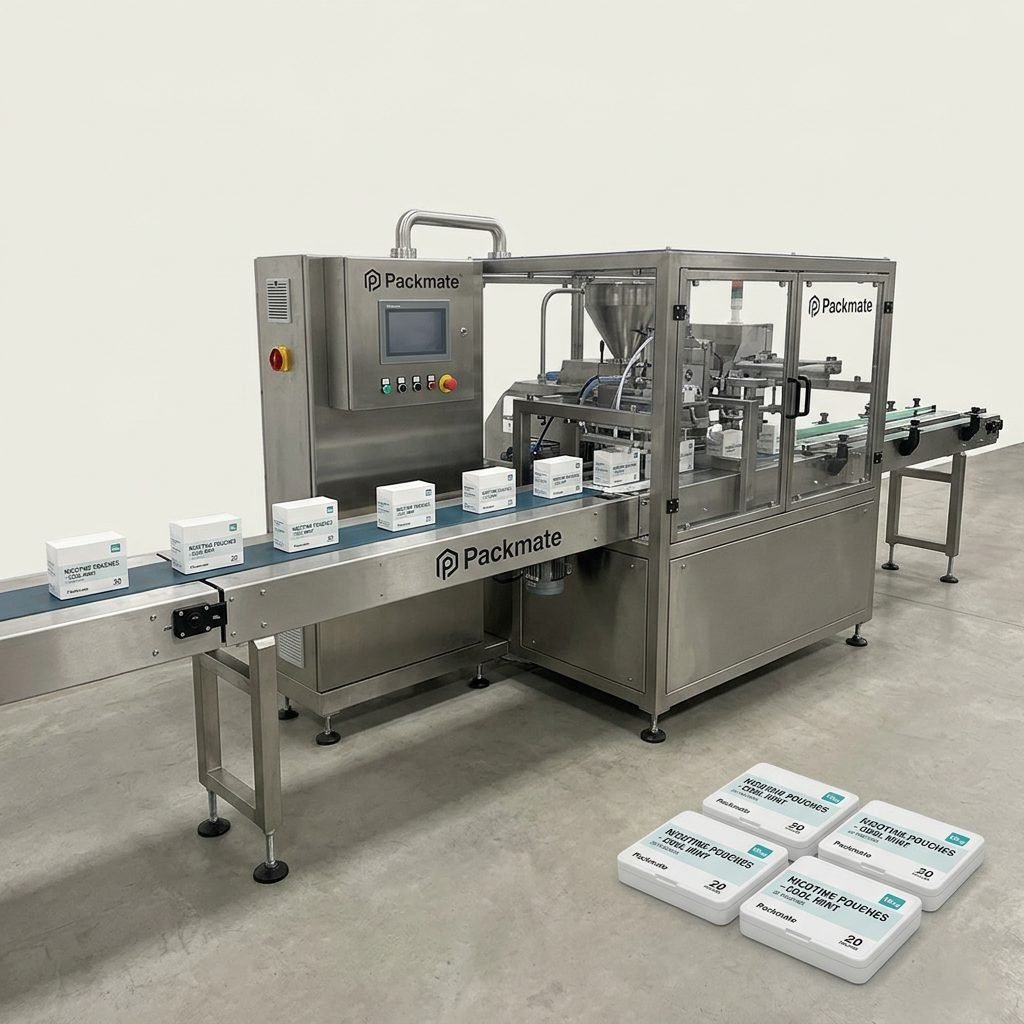
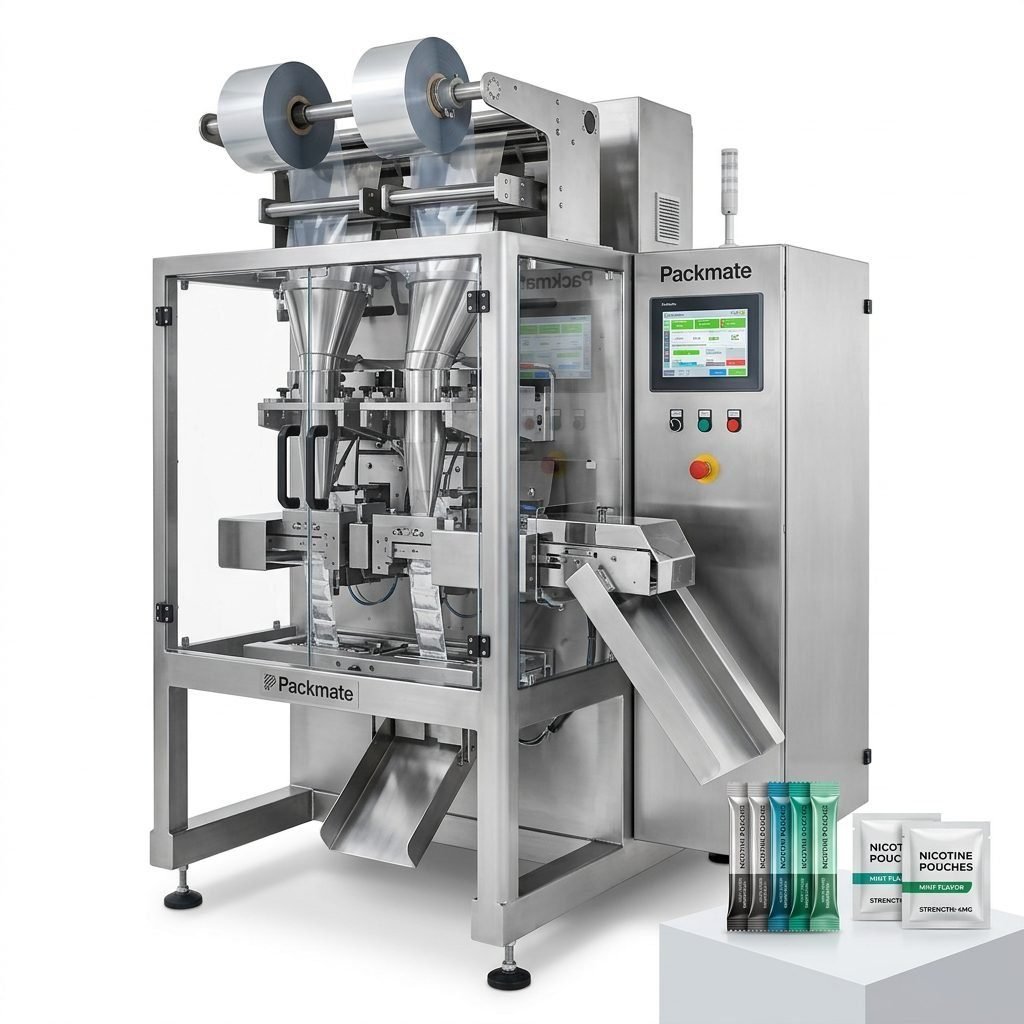
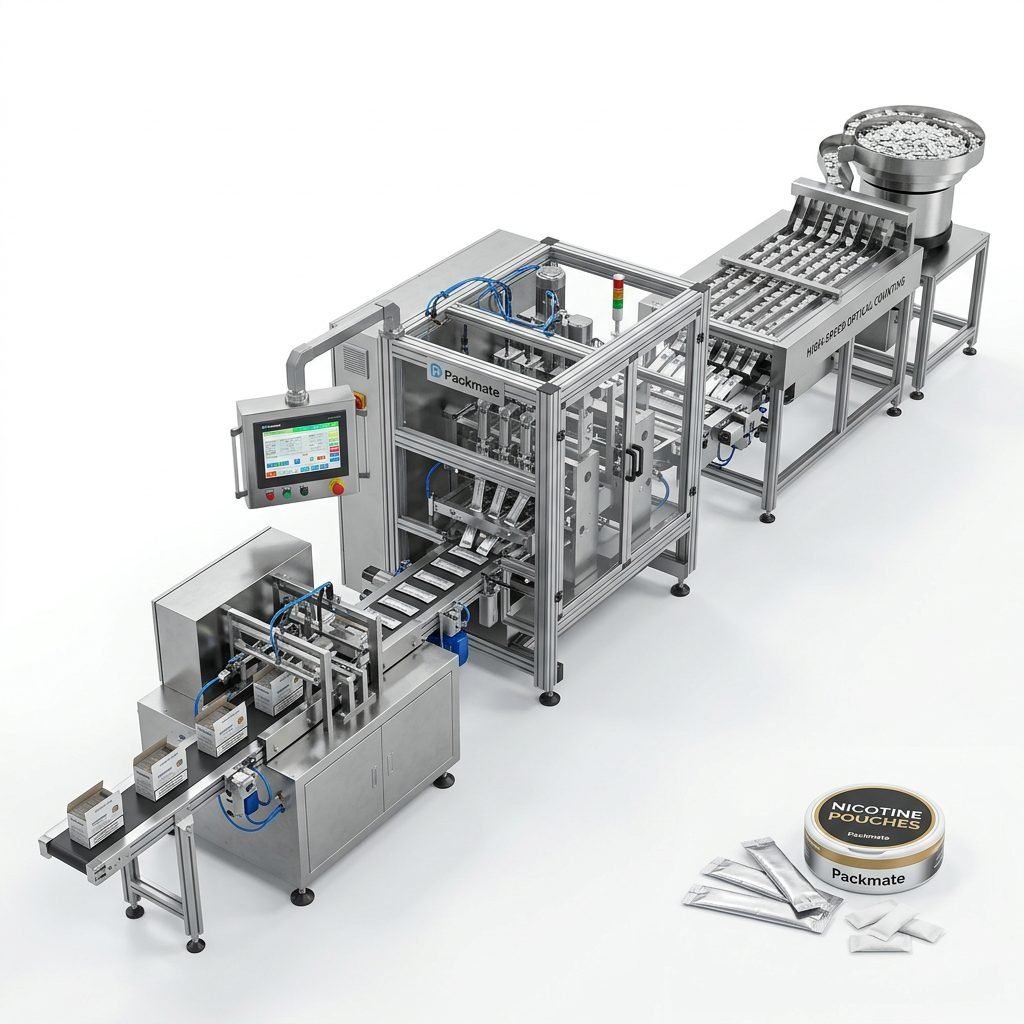
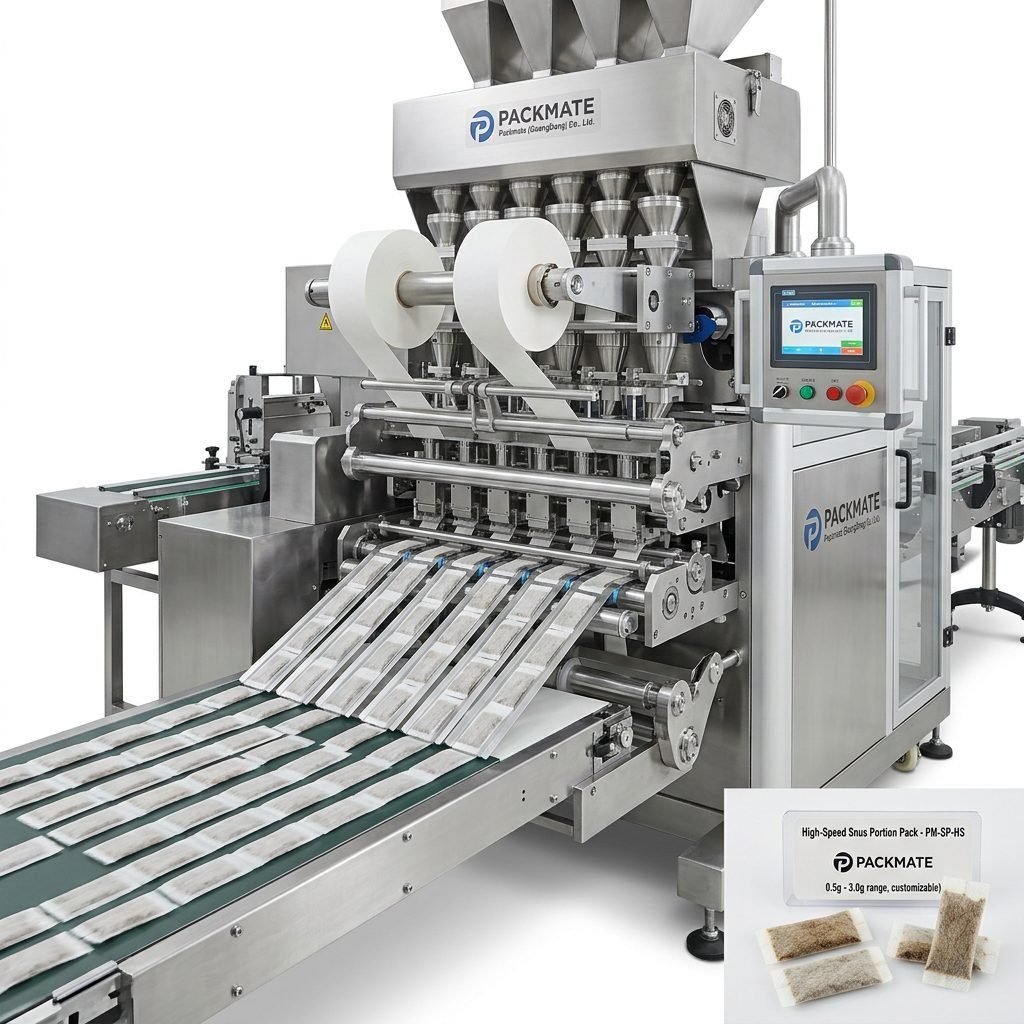
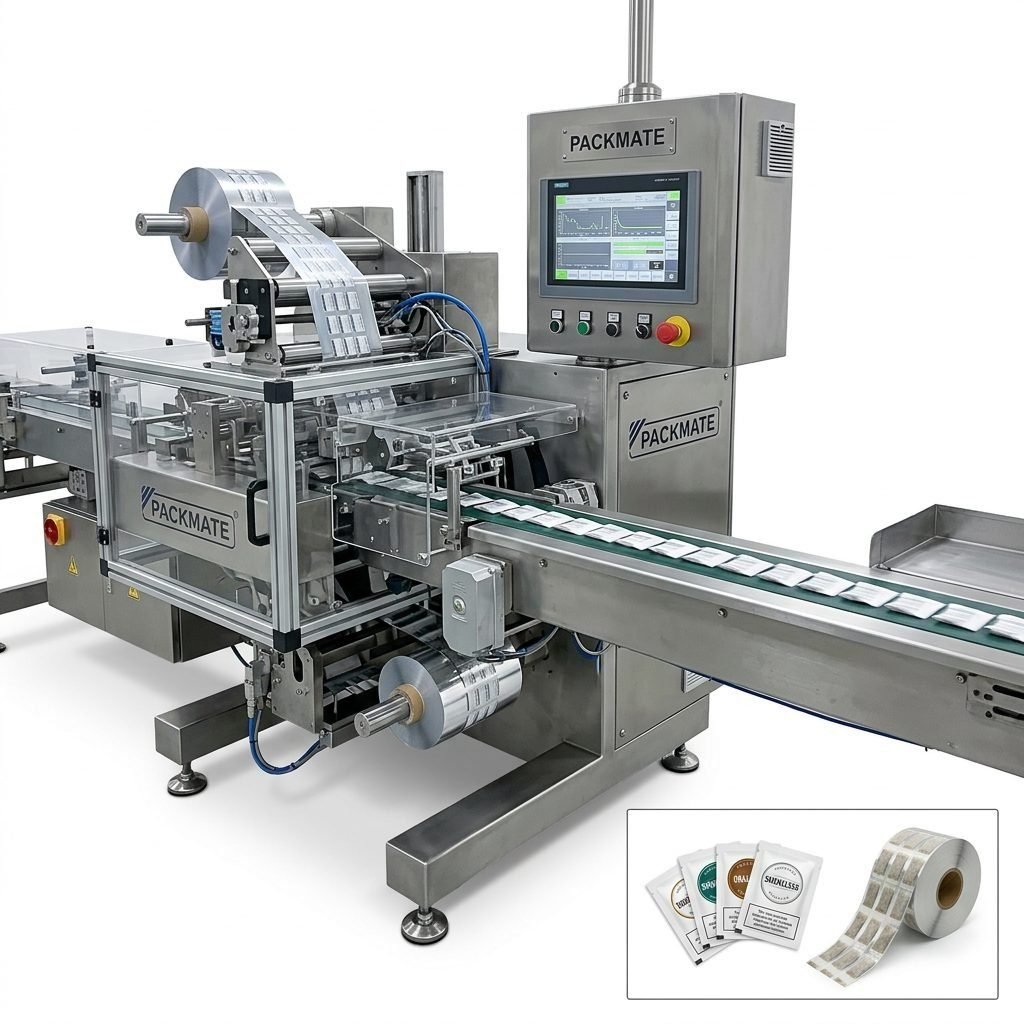
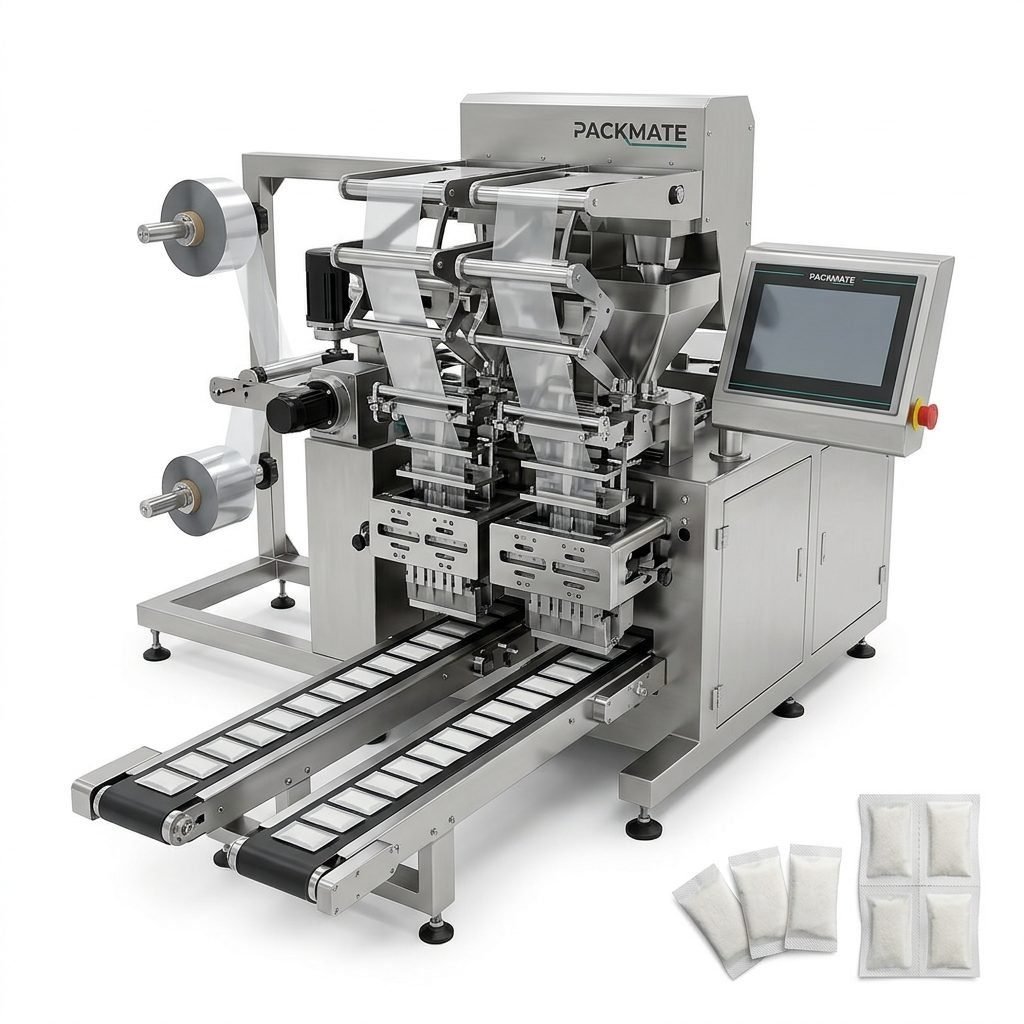
Nicotine pouches and snus require precision dosing and gentle handling to preserve texture and moisture levels. Suppliers typically offer multiple formats—stick packs, sachets, multi-lane pouch systems, and tray or box packing lines. Select a machine type that aligns with pouch size, fill weight, and speed targets. For high-volume producers in Algeria, multi-lane systems can deliver the required throughput while reducing floor space and labor costs.
Checklist for technical fit
➤ Desired output (pouches/min or packs/min)
➤ Fill technology (volumetric, auger, or electronic weighing)
➤ Material compatibility (film types and barrier properties)
➤ Humidity control and temperature sensitivity for nicotine products
➤ Integration with upstream dosing and downstream case packing lines
Supplier Credentials and Factory Strength
A reliable supplier demonstrates a strong manufacturing footprint, long-term industry experience, and documented quality controls. When evaluating vendors, look for verifiable facts such as factory size, years in business, production capacity, and the availability of precision machining and assembly lines. These indicators suggest the supplier can deliver customized solutions and support spare parts long-term.
Tip: Check for international certificates like CE and ISO to ensure machines meet global safety and quality standards.
After-sales Service, Spare Parts and Local Support
In Algeria, rapid response for technical issues is critical to avoid extended downtime. Assess whether the supplier provides:
➤ Local or regional service partners, or the ability to dispatch engineers quickly from a regional base.
➤ A stocked parts supply and the typical lead time for replacement parts shipped to Algeria.
➤ Remote support capability with clear diagnostic tools and video-assisted troubleshooting.
➤ Training for operators and maintenance technicians in Arabic or French to speed adoption and reduce operator errors.
Customization and Turnkey Solutions
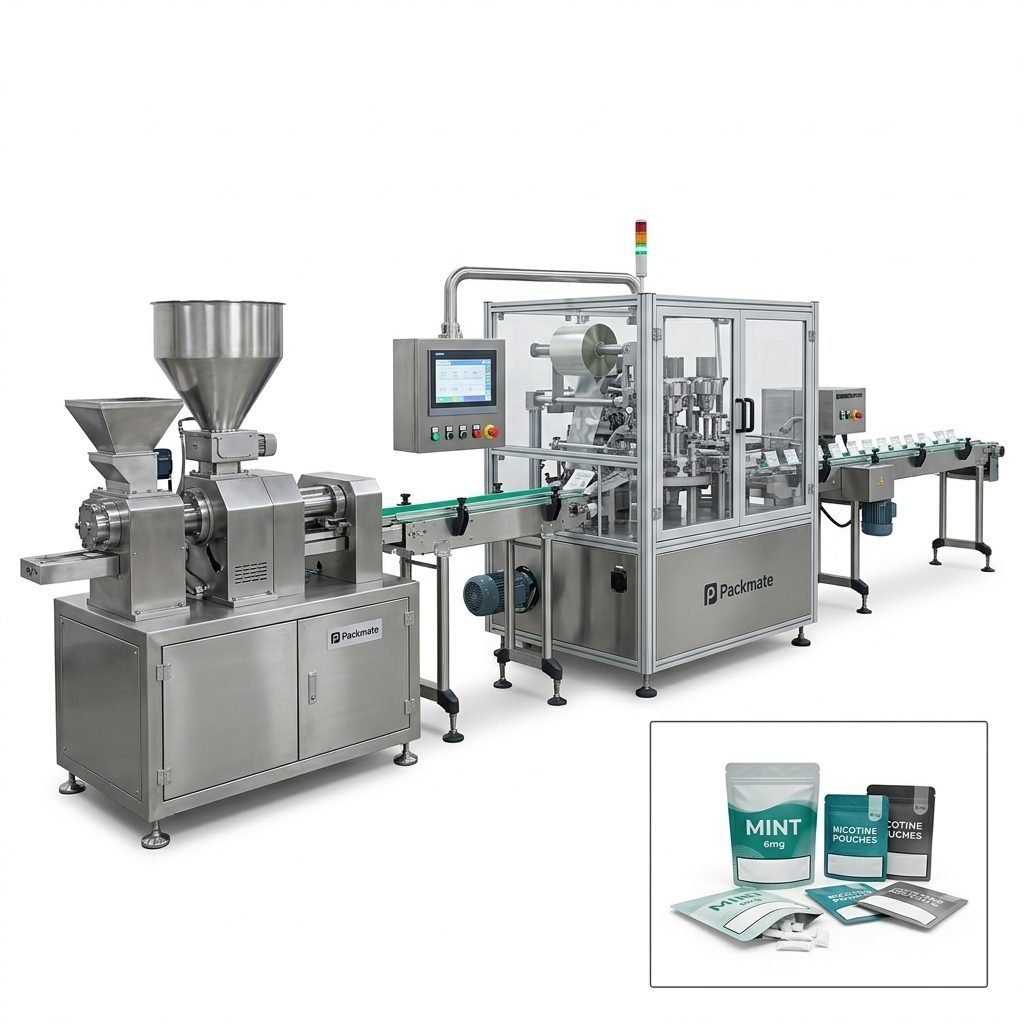
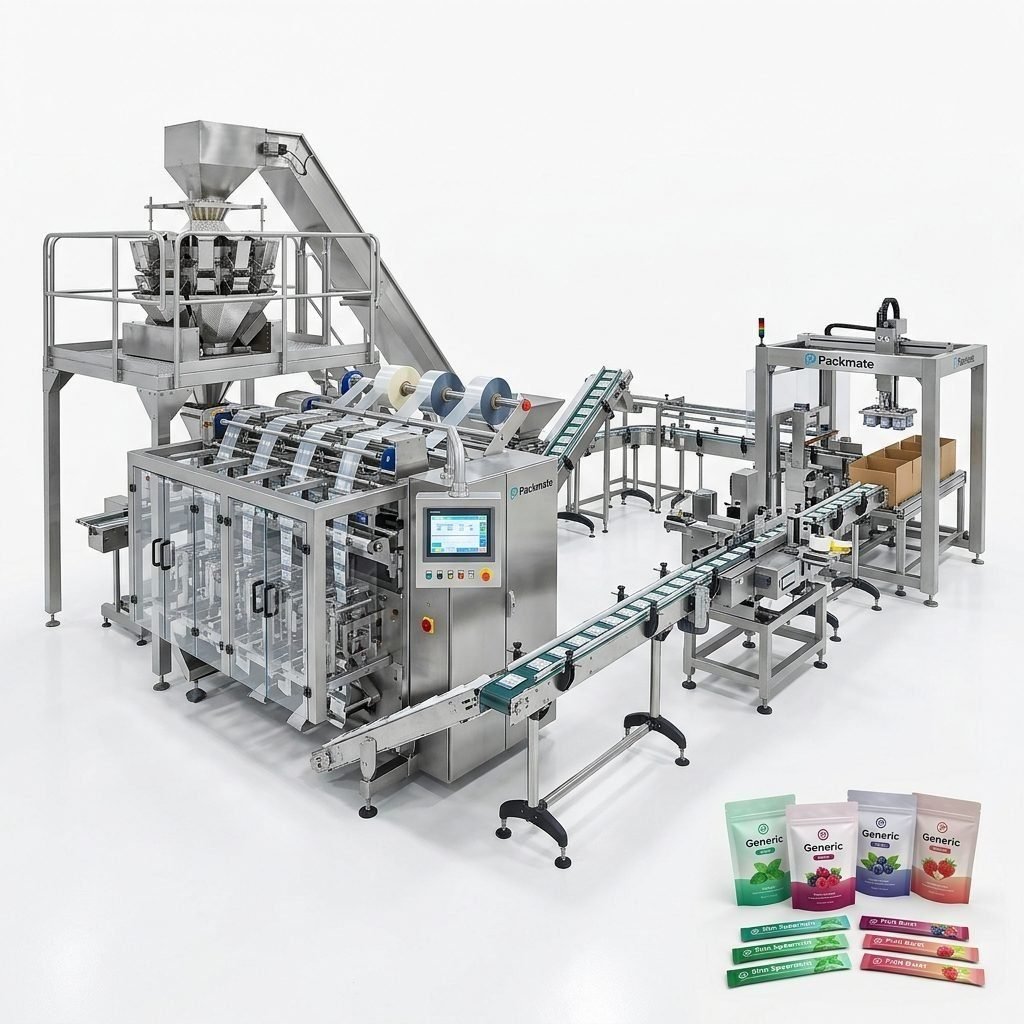
Your product line may require bespoke features such as modified sealing temperatures, custom pouch shapes, or multi-lane dosing for small-dose nicotine pouches. Suppliers who offer turnkey packaging lines—including feeding, weighing, filling, sealing and secondary packing—can dramatically reduce integration complexity and accelerate production startup. Look for vendors experienced in nicotine-specific lines and with a track record of delivering end-to-end systems.
Packmate Snus Machine, for example, offers a range of solutions from single-lane snus packaging machines to complex multi-lane lines and can provide customized turnkey projects to suit market requirements. See their Snus & Nicotine Packaging Machines for specific models and capabilities: Snus & Nicotine Packaging Machines.
Quality Control, Testing and Commissioning
A trusted supplier tests machines under real production conditions and provides records of performance: speed tests, weight accuracy, and packaging integrity. Commissioning should include onsite installation, validation runs, and operator training. Ask for video demonstrations or live trials at the factory to verify how the machine handles your specific materials and pouch configurations.
Must-have proof: Factory acceptance test (FAT) records and a clear commissioning plan tailored for Algeria.
Cost vs. Value: Beyond the Purchase Price
The lowest bid is rarely the best choice for nicotine packaging lines. Consider lifecycle costs: spare parts availability, energy consumption, operator training, and warranty terms. Machines designed with modular components and easy access for maintenance reduce long-term operating costs. Evaluate total cost of ownership (TCO) over 3–7 years rather than focusing on immediate capital expenditure.
Delivery Time, Logistics and Installation in Algeria
Lead times can vary widely. Clarify production lead times, packaging for shipment, and logistics support for customs clearance in Algeria. Suppliers familiar with North African shipments will provide assistance with documentation, packing lists, and transport insurance. Ensure the supplier provides a realistic timeline for delivery, installation, and performance validation.
For examples of delivered projects and to review real-world cases, consult the supplier’s project portfolio: Case.
Language, Training and Cultural Fit
Cultural fit is often overlooked. Ensure vendor engineers or trainers can communicate in French or Arabic, or provide certified translators during commissioning. Training materials, manuals and safety guides should be available in local languages. Suppliers that invest in cross-cultural training and localized support typically have higher customer satisfaction and faster ramp-up times.
Warranty, Spare Parts & Long-Term Partnership
A robust warranty and clear spare parts policy are essential. Good suppliers offer guaranteed parts availability for a number of years, transparent pricing for spare components, and optional service contracts. Long-term partnerships bring value: regular maintenance visits, upgrades, and performance optimization as your product range evolves.
Important: Negotiate spare parts lead times and warranty response time in writing before signing contracts.
Factory Visits and Third-Party References
Whenever possible, visit the manufacturer’s factory or attend an exhibition where the machines run live. Meeting other customers in the region or asking for references will validate service quality, machine reliability, and project delivery. Suppliers regularly participating in global exhibitions demonstrate transparency and willingness to be evaluated publicly.
Discover the supplier’s history and credentials to better gauge fit: About Packmate and their exhibition activities Our Exhibition.
Negotiation Tips for Algerian Buyers
– Clarify all deliverables in the contract: spare parts list, number of commissioning days, language of manuals, and acceptance criteria.
– Ask for a clear payment schedule tied to milestones (e.g., deposit, production start, FAT, shipment, commissioning).
– Request training for local technicians and an initial spare parts kit to minimize downtime during the first months of operation.
– Confirm whether the supplier can help with customs paperwork and provide certificates needed for Algerian import clearance.
Making the Final Decision: A Practical Roadmap
1) Create a detailed technical and commercial specification document that includes production targets, product characteristics, environmental constraints, and language needs.
2) Shortlist 2–4 suppliers with relevant nicotine pouch experience and request formal proposals and FAT videos.
3) Evaluate proposals on technical fit, TCO, service network, and references.
4) Negotiate clear contractual terms for delivery, warranty, spare parts, training and penalties for missed milestones.
5) Schedule factory acceptance testing and ensure Arabic or French-speaking representatives join the FAT or commissioning sessions.
Pro tip: A supplier with an established turnkey offering can reduce your integration risk and accelerate market entry.
Useful Resources and Next Steps
Explore technical catalogs and machine categories to refine your requirements. Helpful resources include product pages for bag & pouch solutions and auxiliary equipment for full-line integration:
– Bag & Pouch Packaging Machines
– Weighing & Packaging Systems
– For consultations, demos or a formal quote, contact the supplier’s sales team: Contact Us.
Conclusion
Selecting the best nicotine packaging machine supplier in Algeria requires a careful balance of technical fit, proven manufacturing strength, local service capability, and commercial terms that protect your production goals. Prioritize suppliers that demonstrate nicotine-specific expertise, long-term spare parts planning, and the willingness to provide localized training and documentation. With the right partner, you can confidently scale production while meeting Algerian regulatory and market expectations.
Frequently Asked Questions
Q1: What certifications should I require from a nicotine packaging machine supplier?
A1: Require international certifications such as CE and ISO, FAT documentation, and material traceability records. If needed, ask for additional paperwork that will help with Algerian customs clearance.
Q2: How long does it typically take to receive and install a turnkey packaging line in Algeria?
A2: Lead time varies by complexity; expect 3–6 months for standard lines and longer for fully customized turnkey systems. Add time for shipping, customs clearance, and onsite commissioning.
Q3: What should be included in a spare parts kit for the first 6–12 months?
A3: Essential items include wear parts (seals, belts, cutters), critical sensors, electrical components, and any consumables specific to your pouch material. Request a recommended parts list from the supplier.
Q4: How do I ensure the supplier provides effective training for Algerian operators?
A4: Insist on training in Arabic or French, provide a local translator if necessary, and include hands-on sessions during commissioning with detailed manuals and video resources.
Q5: Where can I see real examples of installed nicotine packaging lines before buying?
A5: Ask suppliers for case studies and FAT videos. Visit factory shows or regional exhibitions where machines are demonstrated live to evaluate performance and build confidence.