Choosing the right nicotine packaging machine supplier for your business in Syria can determine the speed, compliance, and profitability of your production line. This guide walks you through practical, market-aware steps to evaluate suppliers, compare machines, plan for installation and after-sales support, and minimize operational risks in the Syrian context. Follow these recommendations to make an informed investment that fits local preferences, legal requirements, and your long-term growth goals.
Understand Syria’s Market, Culture and Regulatory Context
Before selecting equipment, appreciate the local landscape. Syria is a market shaped by regional taste preferences, logistical constraints and evolving regulations. Many consumers prefer small-format products and familiar flavors (mint, herbal and fruity notes), and Arabic labeling and instructions are essential for customer acceptance. At the same time, supply chain delays, customs processes and intermittent utilities can affect delivery and commissioning timelines.
Important: always verify current legal restrictions and import rules for nicotine and tobacco-related equipment and products in Syria. Partnering with a supplier familiar with export documentation, CE/ISO certifications and local compliance greatly reduces surprises.
Why cultural fit matters
Product presentation impacts sales. If you plan to distribute across Syrian cities and neighboring markets, ensure the packaging format (stick pack, sachet, pouch) and labeling support Arabic script, local health warnings and consumer usage cues. Suppliers who offer customization for printing plates, multi-language interfaces, and adaptable line speeds will save you time and rework.
Key Criteria to Evaluate Potential Suppliers
🔶 Core checklist:
Experience & Track Record: Look for 10+ years and a proven portfolio of snus or nicotine pouch lines. Suppliers with global case studies indicate reliability and cross-border delivery capability.
Certifications & Standards: CE, ISO and industry-specific certifications demonstrate quality and export readiness.
After-sales & Spare Parts: Fast access to spare parts and responsive remote support is critical where shipping and customs may cause delays.
Technical capabilities and product range
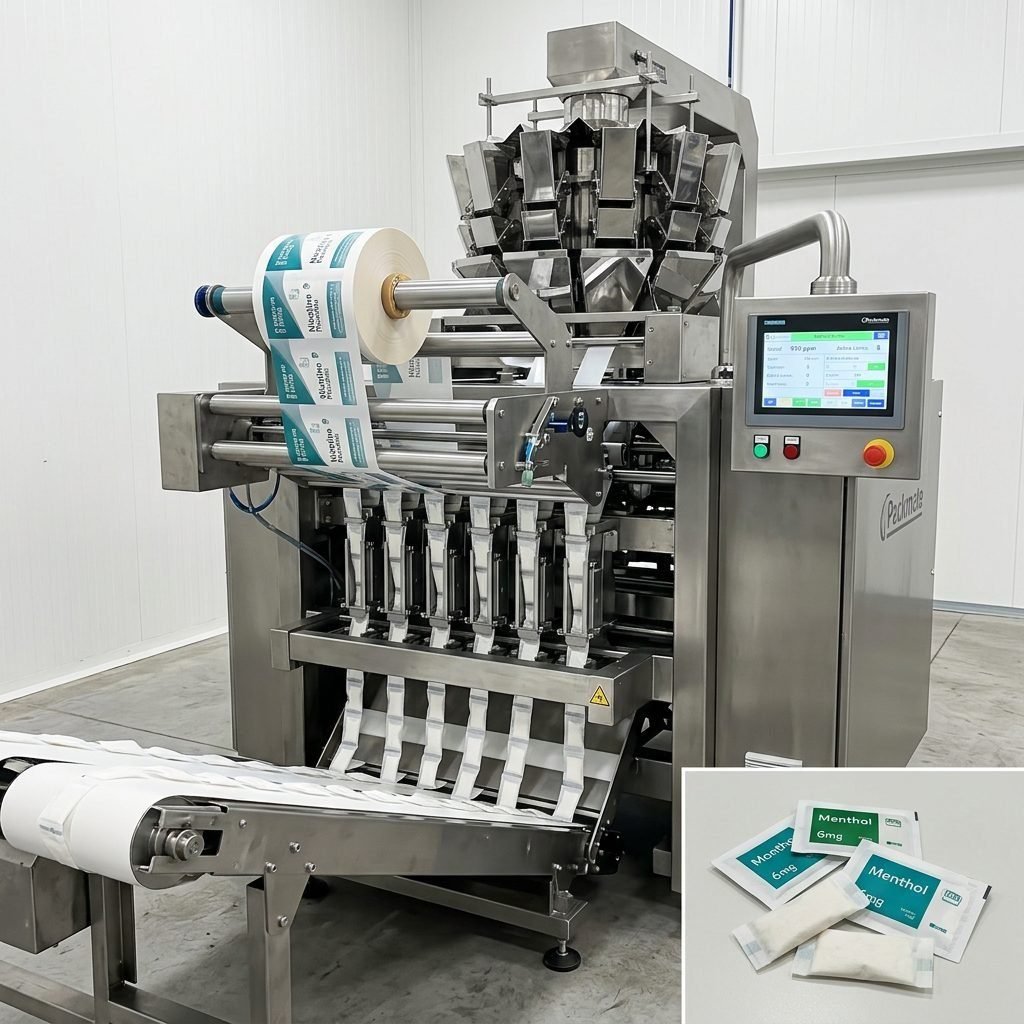
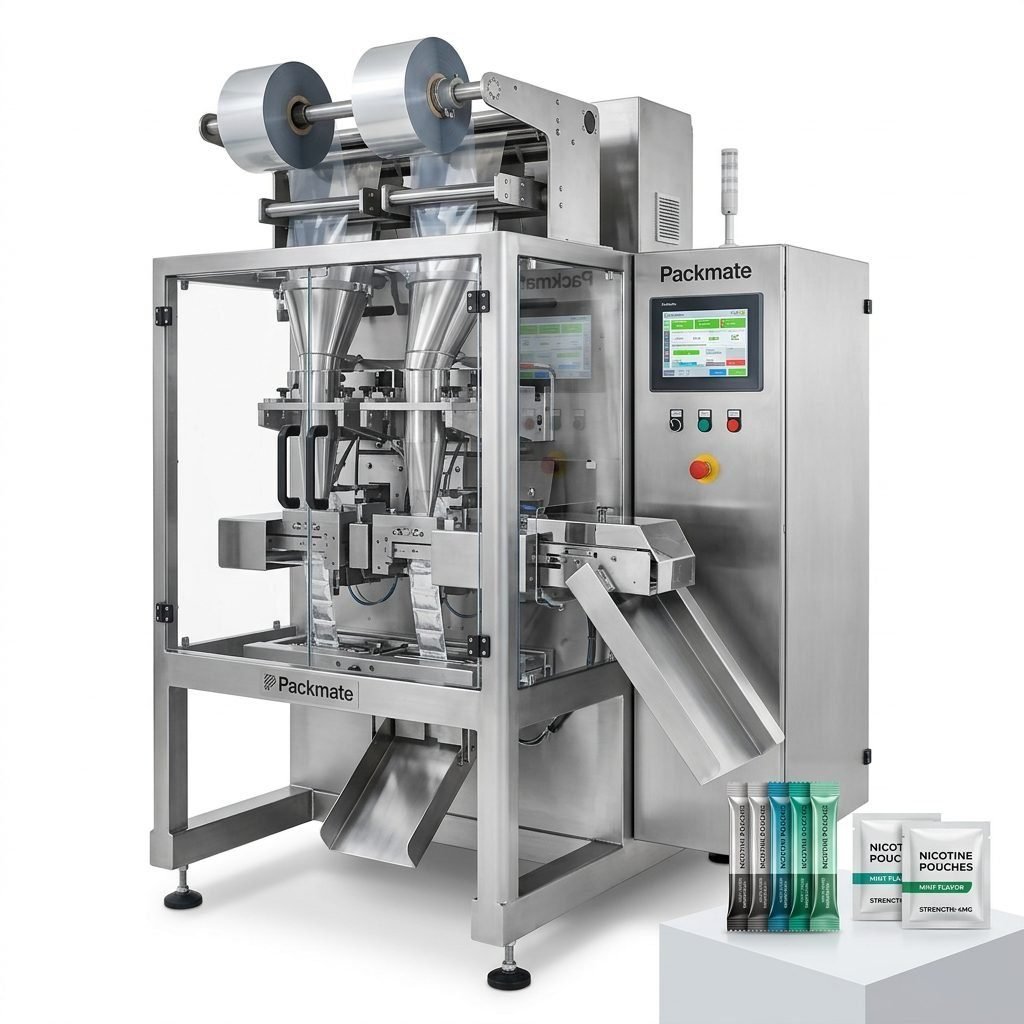
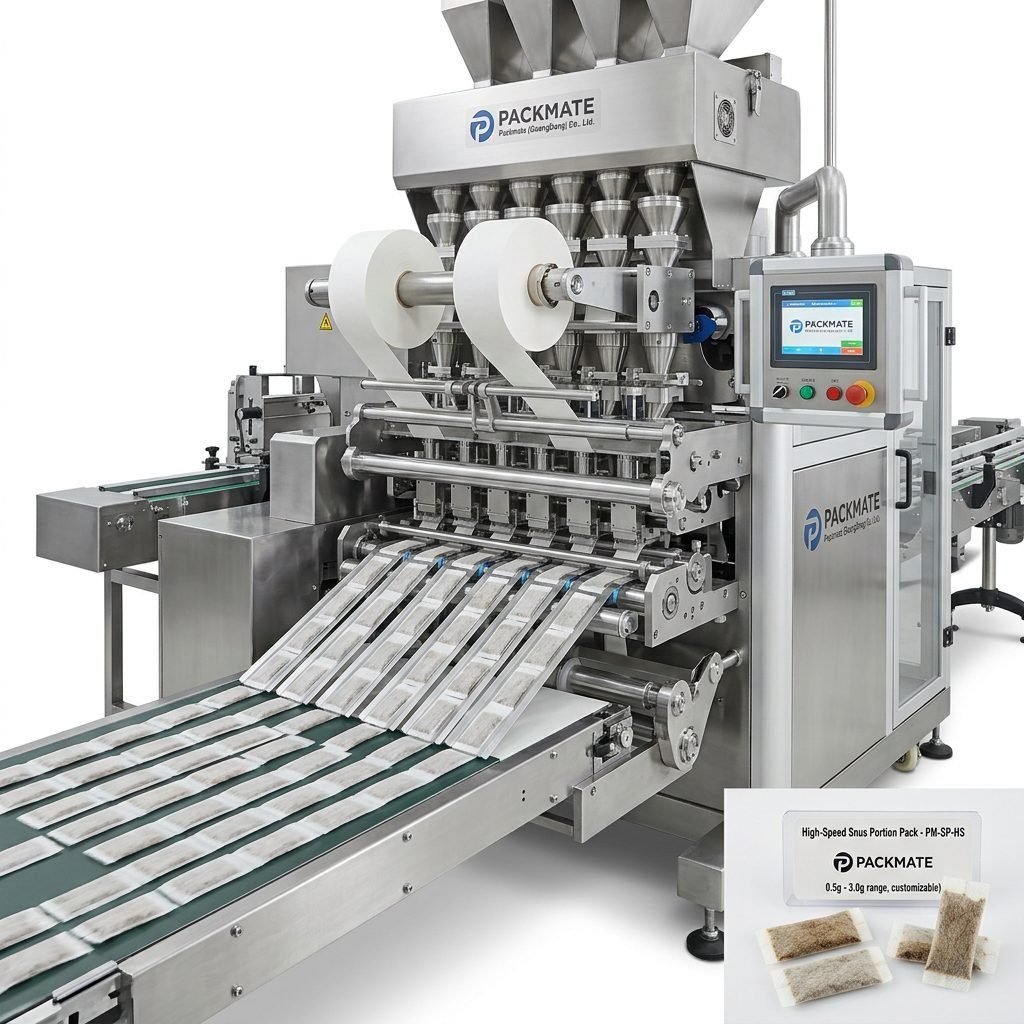
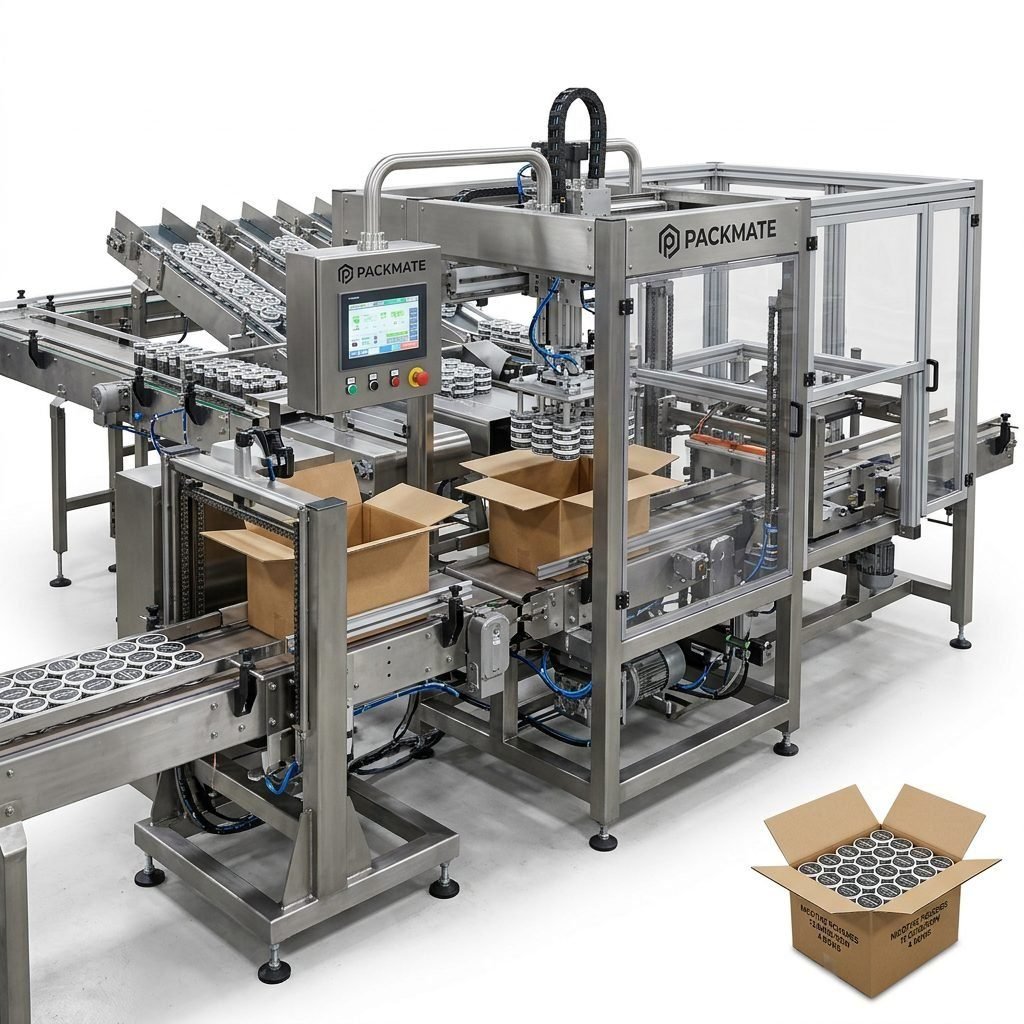
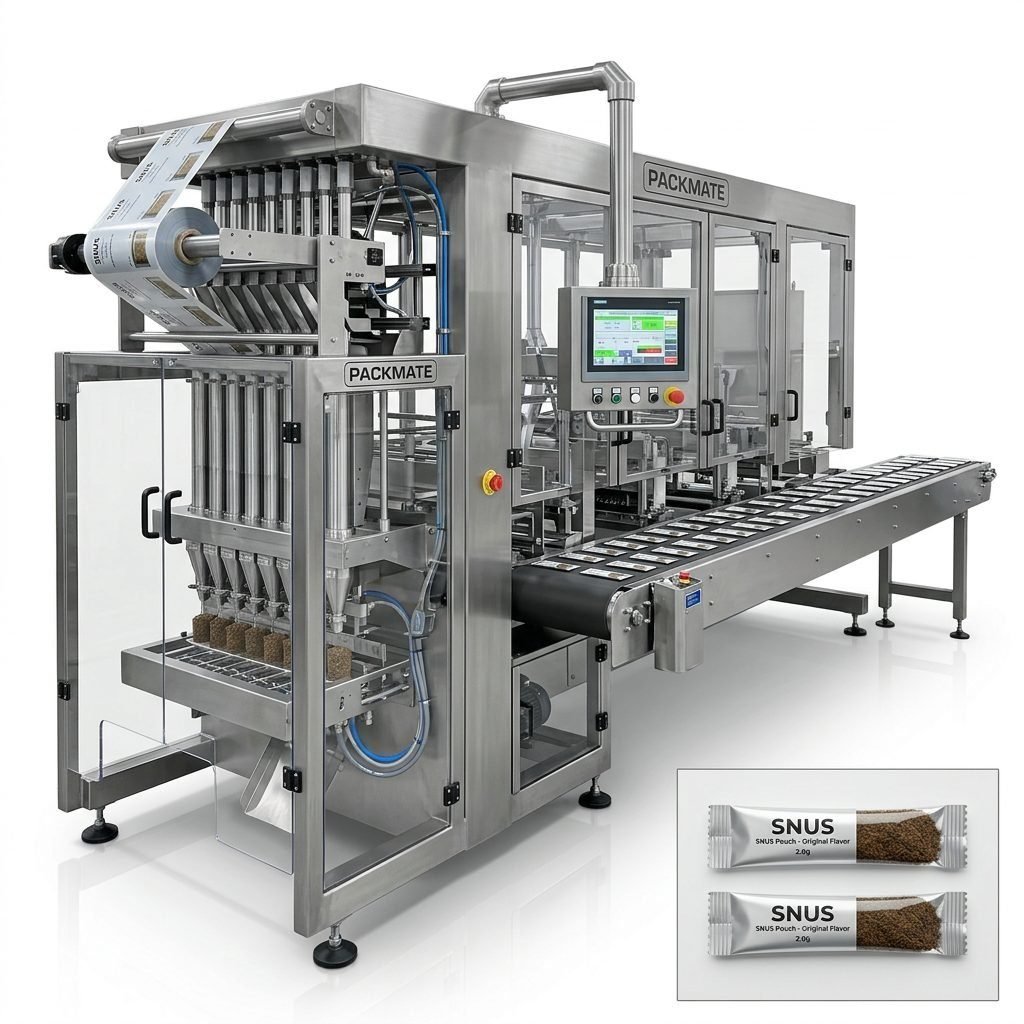
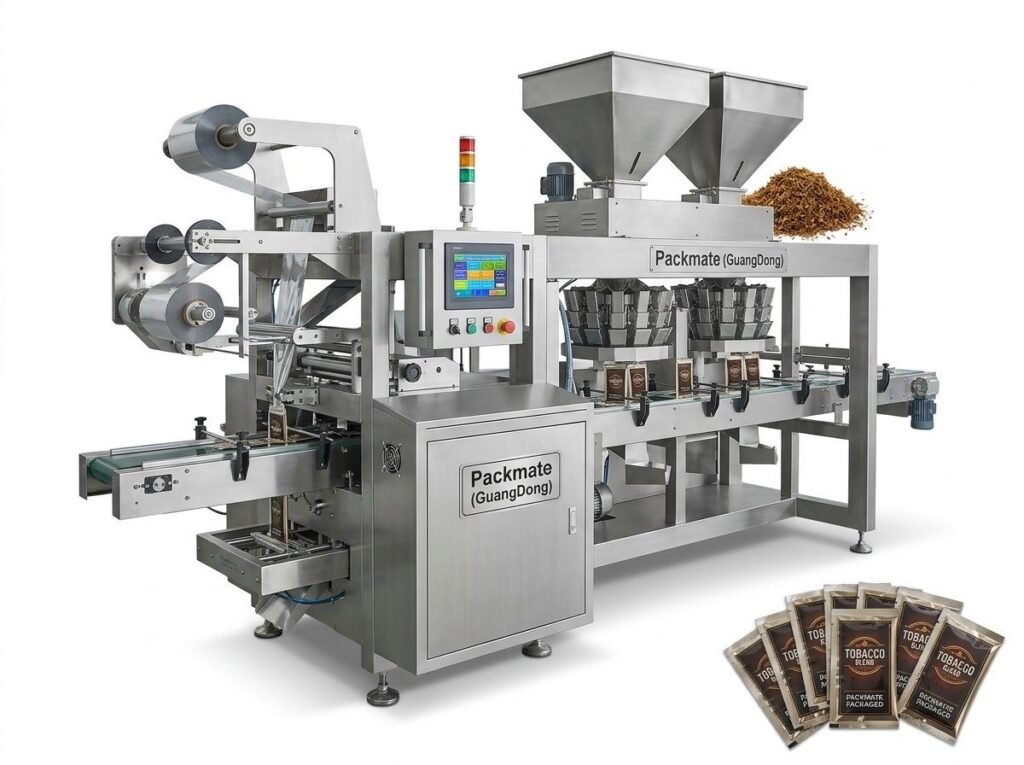
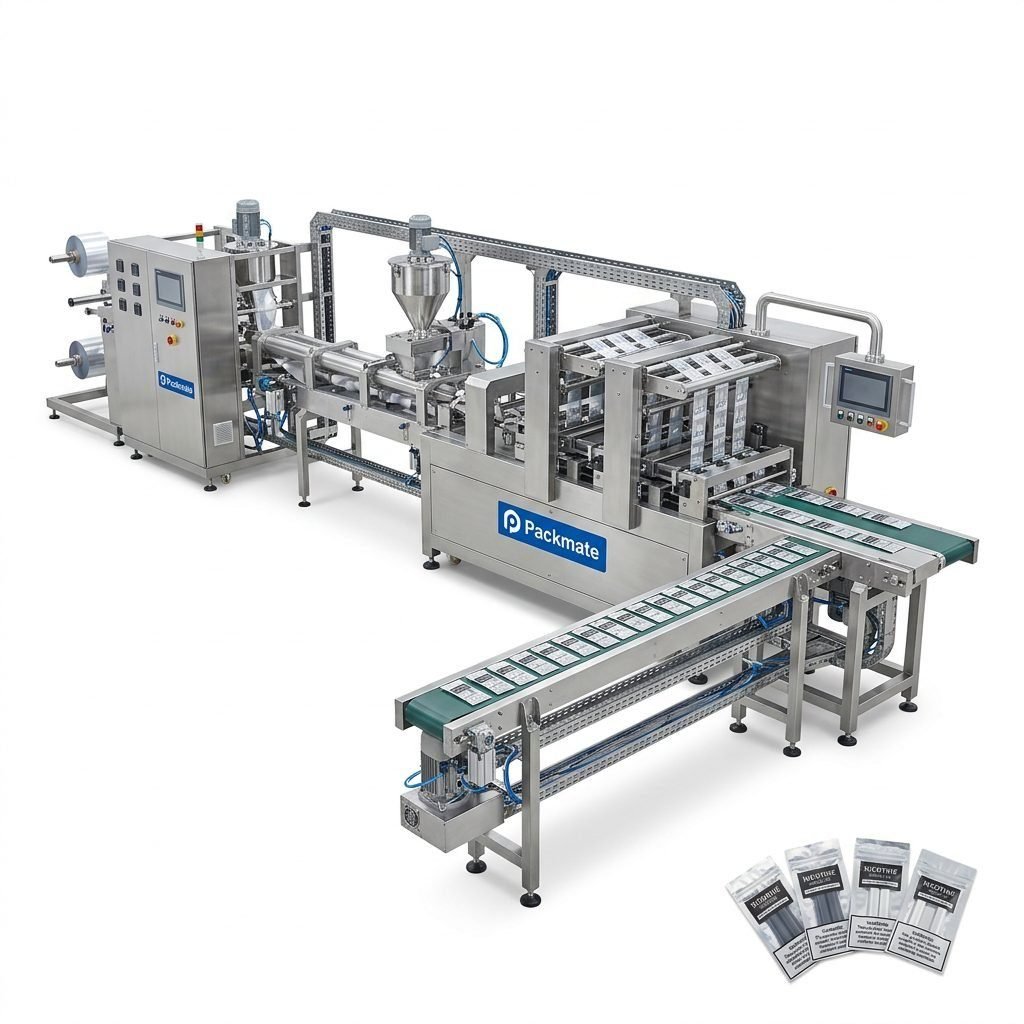
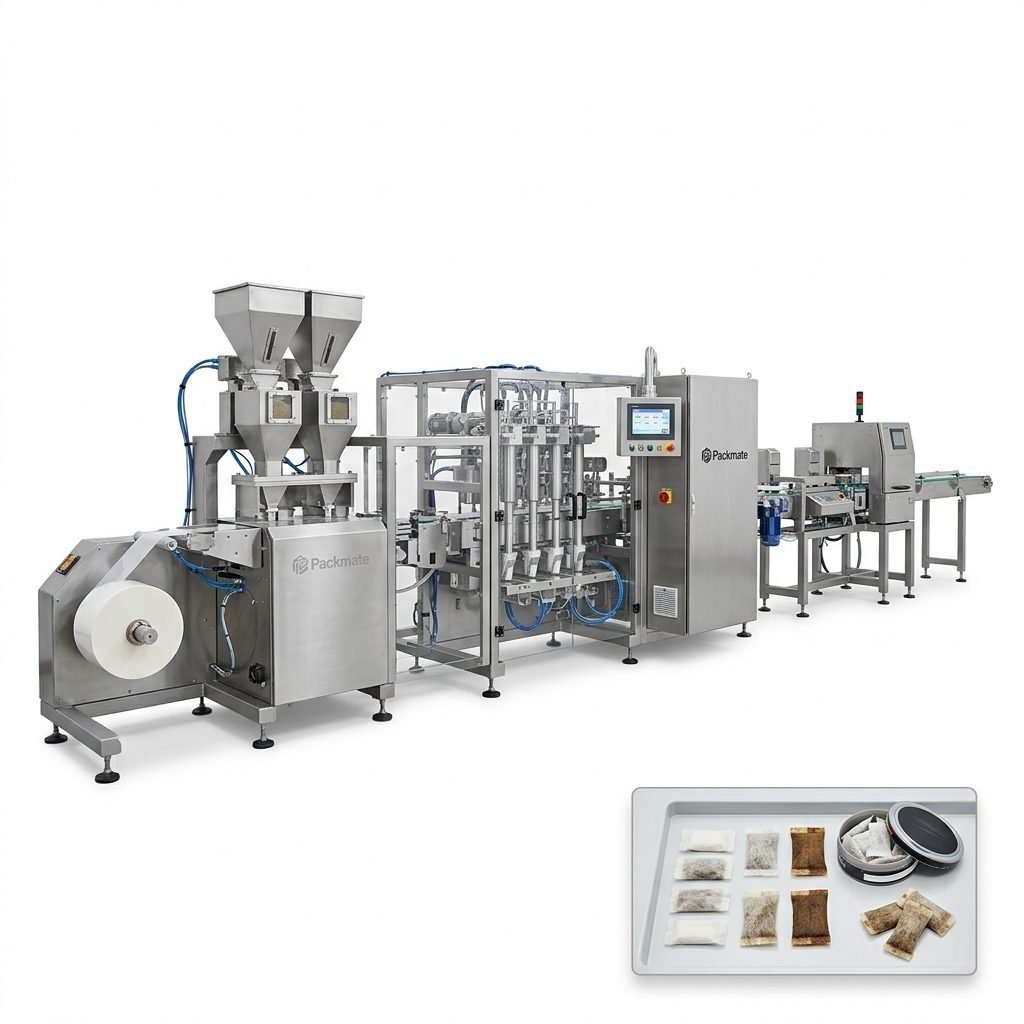
A good supplier should offer a range of machines—stick packs, sachets, multi-lane snus pouch systems, and supporting equipment like fillers and weighing systems. For example, Packmate provides a broad portfolio from snus & nicotine packaging machines to auxiliary equipment, enabling single-source procurement for complex lines. See their Snus & Nicotine Packaging Machines and Bag & Pouch Packaging Machines for examples of diverse options.
Evaluate Machine Performance: What Numbers to Check
Performance metrics tell the real story. Ask for:
- Nominal throughput (pieces/min) and tested throughput under real product conditions
- Changeover times between sizes and formats
- Accuracy of dosing for powders or nicotine blends
- Downtime for routine maintenance and MTBF (mean time between failures)
Request video demos and references from customers in similar climates and distribution conditions. A supplier who can share performance data from production lines in the Middle East or North Africa is a plus.
Customization, Flexibility and Local Requirements
Syrian buyers often need flexible solutions: multi-lane machines for small-doses, adjustable packaging sizes for varied product lines, Arabic UI and printing, and options for intermittent power conditions. Prioritize suppliers that offer modular systems and on-site adaptation services.
✅ Practical customization checklist:
– Arabic printing support, variable lane counts, dust-proof hoppers, and voltage stabilization options.
After-Sales Service: Training, Spare Parts and Remote Support
Reliable after-sales service is essential in Syria where international shipments can be delayed. Confirm the supplier’s spare parts stock, average shipment lead times, and whether they provide:
- Remote diagnostics and software updates
- Local technician training and commissioning support
- Comprehensive electrical and mechanical documentation in English and Arabic
Consider suppliers who maintain regional warehousing or partner networks to shorten downtime. Packmate’s global cooperation cases and Service pages may offer helpful insights into support models.
Red flags to watch for
⚠️ Lack of verifiable references, missing CE/ISO documentation, unclear spare parts policies, or refusals to perform FAT (Factory Acceptance Test) are major concerns. If a supplier cannot provide performance videos or client contacts, ask for an on-site demonstration or an extended warranty.
Logistics, Installation and Commissioning in Syria
Plan logistics carefully. Choose suppliers who can:
- Assist with export documentation and customs clearance
- Prepare machines for long-distance shipment (crating, desiccants, shock measures)
- Provide local assembly and commissioning by experienced engineers
If local electrical stability is a concern, request optional voltage stabilizers, UPS arrangements for control systems, and recommendations for site power conditioning.
Cost vs. Total Cost of Ownership (TCO)
While the initial purchase price is important, compare long-term costs: energy consumption, spare parts pricing, warranty coverage, and expected lifetime. High-quality machines with precise dosing and low waste often deliver faster ROI through reduced material loss and higher uptime.
🔶 TCO focus areas: spare parts pricing, energy use, maintenance intervals, and consumables (seals, belts, cutting tools).
Choosing the Right Machine Type for Syrian Producers
Consider the following formats and when they fit your business:
- Multi-lane snus pouch systems – ideal for small-dose nicotine pouches with high throughput and flexibility.
- Stick pack and sachet machines – preferred for single-dose sachets and flavor variation packs common in retail channels.
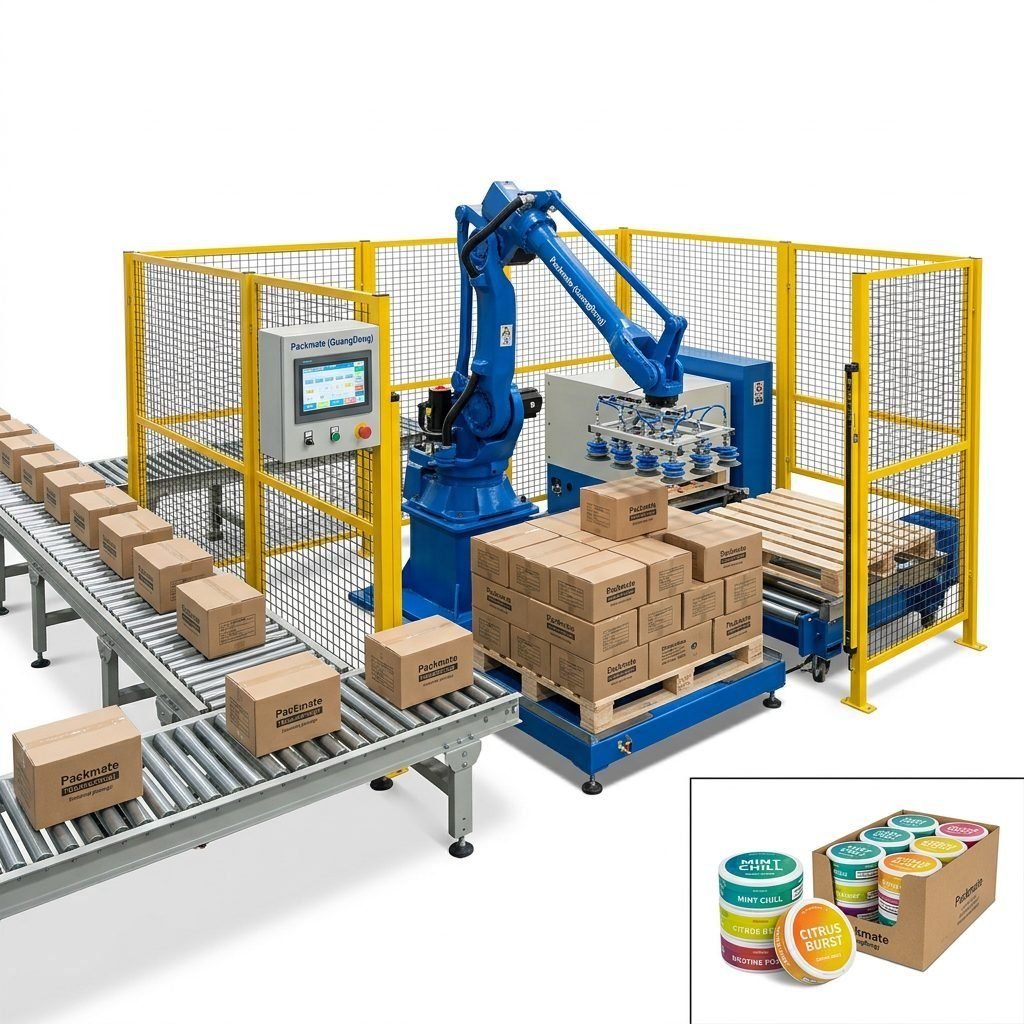
- Bag & pouch packaging – useful for larger bulk or retail-ready formats.
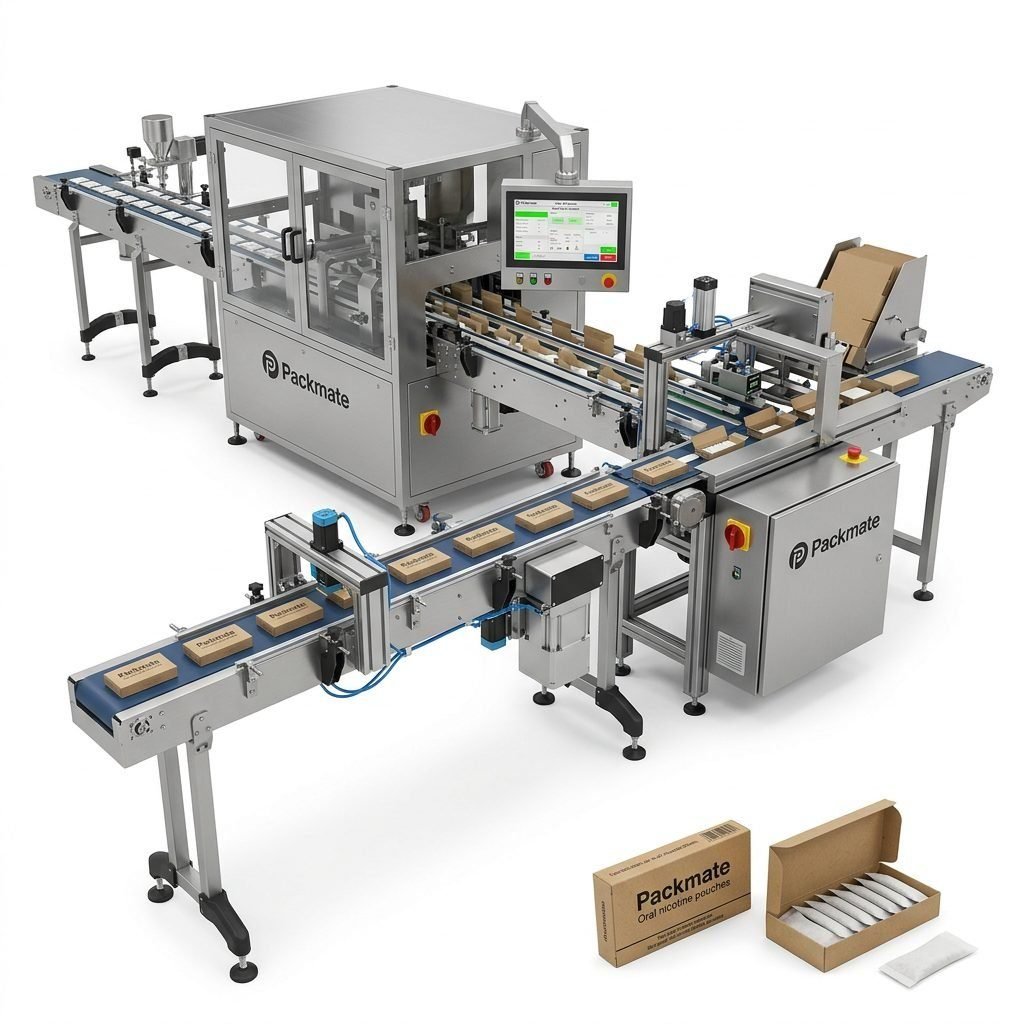
Explore machine model ranges like those found on Packmate’s Sachet & Stick Pack Machines and Filling & Packaging Lines pages to align machine features with target SKUs.
Factory Visits, References and FAT
Whenever possible, inspect the supplier’s factory or request remote FAT. Factory visits give direct insight into manufacturing standards, assembly quality and testing practices. If travel is not feasible, insist on live-streamed FAT, machine run-offs with your product, and verifiable client references in similar markets.
Negotiation Tips and Contract Essentials
Negotiate clear terms for delivery schedules, payment milestones, warranty scope, spare parts lead times, training and penalties for missed milestones. Ensure acceptance criteria are defined (e.g., throughput under specified product conditions) and documented in the contract.
Use of local agents
Engaging a local agent or consultant who understands Syrian import processes, Arabic labeling needs and logistics can reduce friction. They can also help during commissioning and initial production runs.
Why Packmate Might Be a Strong Candidate
With over three decades of engineering experience, a wide machine portfolio and turnkey packaging solutions, Packmate presents several strengths for buyers in Syria:
- Extensive product range including snus & nicotine packaging machines and auxiliary equipment
- Production facility with advanced CNC machining and precision assembly
- International certifications (CE, ISO) and global cooperation cases
Learn more about their offerings via these resources: Snus & Nicotine Packaging Machines, Bag & Pouch Packaging Machines, and review company information on About Packmate. For direct inquiries, use their Contact Us page.
Practical Steps to Finalize Your Supplier Choice
1. Shortlist suppliers with relevant nicotine packaging experience and verifiable references.
2. Request FAT or on-site demonstrations using your actual product.
3. Compare TCO estimates and spare parts policies.
4. Confirm logistics, customs assistance and commissioning support.
5. Finalize contract with clear acceptance criteria, warranty and service commitments.
🔶 Final practical tip: prioritize suppliers who treat you as a long-term partner—offer training, spare parts plans, and continuous improvement for line performance.
Conclusion
Selecting the best nicotine packaging machine supplier in Syria requires balancing technical performance, cultural adaptation, after-sales reliability and logistical readiness. By focusing on certified, experienced suppliers who offer flexible, well-supported systems (and verifying performance through FAT and references), you can build a packaging line that meets local consumer needs and sustains long-term production goals.
Common Questions
Q1: How do I confirm a supplier’s machines will work with my specific nicotine blend?
A1: Request a Factory Acceptance Test using your exact product and packaging material. Ask for dosing accuracy data and production videos under similar environmental conditions.
Q2: What certifications should I insist upon?
A2: CE and ISO are standard markers for quality and safety. Also request material contact certifications and any export-related documentation the supplier can provide.
Q3: How can I reduce downtime in a market with slow spare parts logistics?
A3: Negotiate spare parts kits, local stocking plans or regional warehousing with the supplier. Ensure remote diagnostic support and staff training to handle common issues locally.
Q4: Do I need customized packaging features for Syrian consumers?
A4: Yes—Arabic labeling, appropriate flavor segments and portable single-dose formats are often preferred. Work with suppliers who support print plate customization and variable lane setups.
Q5: What is the typical lead time from order to commissioning?
A5: Lead times vary by model and customization. Ask for a timeline including manufacturing, FAT, shipping and local commissioning. Factor in additional time for customs clearance and possible local modifications.