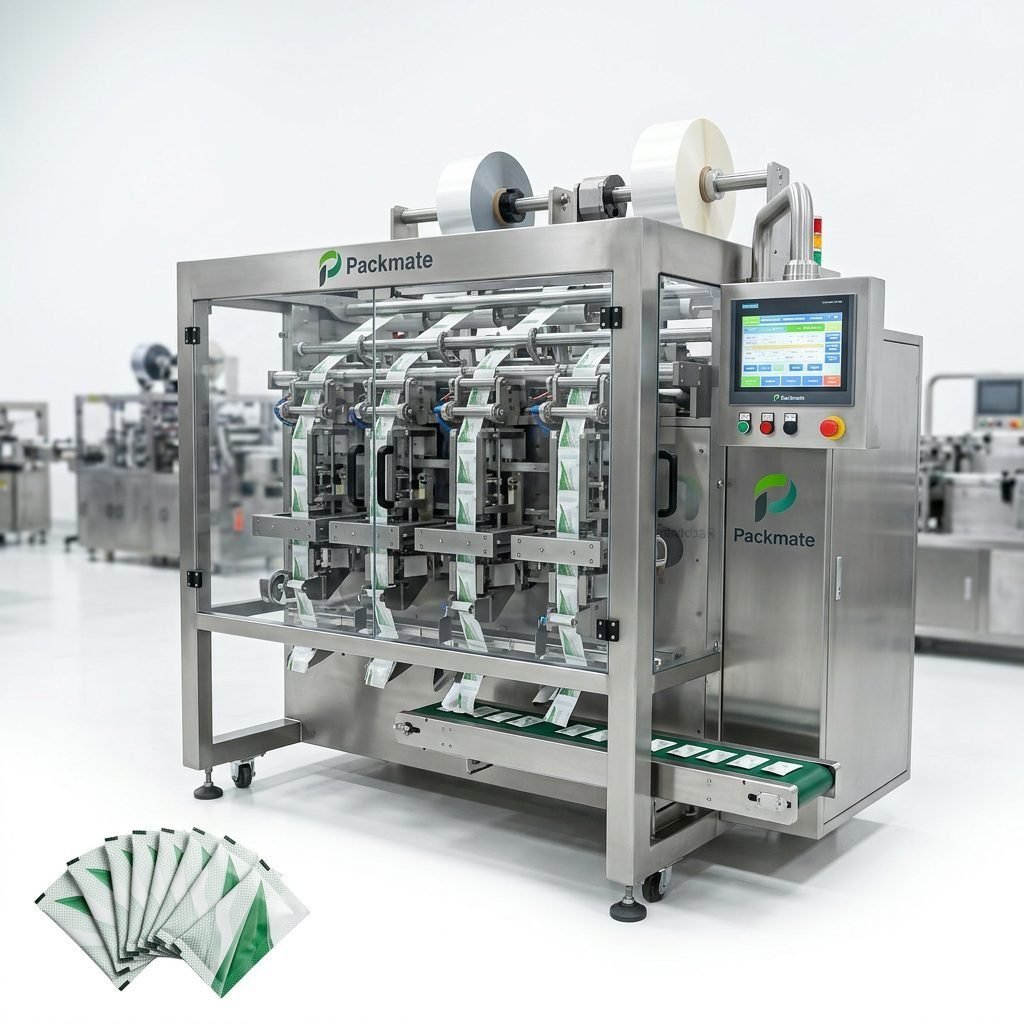
Choosing the right nicotine packaging machine supplier in Hungary is a strategic decision that affects product quality, regulatory compliance, and long-term operational costs. This guide offers practical tips to help Hungarian manufacturers, distributors, and entrepreneurs evaluate suppliers, compare machines, and plan installations that respect local business practices and regulatory norms. Whether you are producing snus, nicotine pouches, or other oral nicotine products, these steps will help you select a reliable partner who understands both global standards and Hungarian market specifics.
Why local context matters in Hungary 🇭🇺
Hungary has a strong manufacturing tradition, a practical workforce, and specific import and advertising restrictions related to tobacco and nicotine products. When evaluating suppliers, consider how well they adapt to Hungarian customs: clear technical documentation in English (and ideally in Hungarian), prompt on-site support within the EU time zones, and an understanding of local packaging preferences. Many Hungarian buyers also value long-term service agreements and predictable spare parts logistics due to centralized production planning.
Key regulations and certifications to check
Compliance is the first filter when choosing a supplier. Look for machines and companies that carry CE and ISO certifications, and that can support compliance documentation for EU markets. A trustworthy supplier should provide machine conformity certificates, electrical safety reports, and material contact certifications where applicable. If you need references or certificates, suppliers like Packmate typically list credentials under their Certificate and About pages.
Tip: Ask for CE and ISO certificates and request recent test reports for nicotine pouch production lines. Confirm they can provide documentation suitable for Hungarian customs and local regulatory inspections.
Core machine features to prioritize
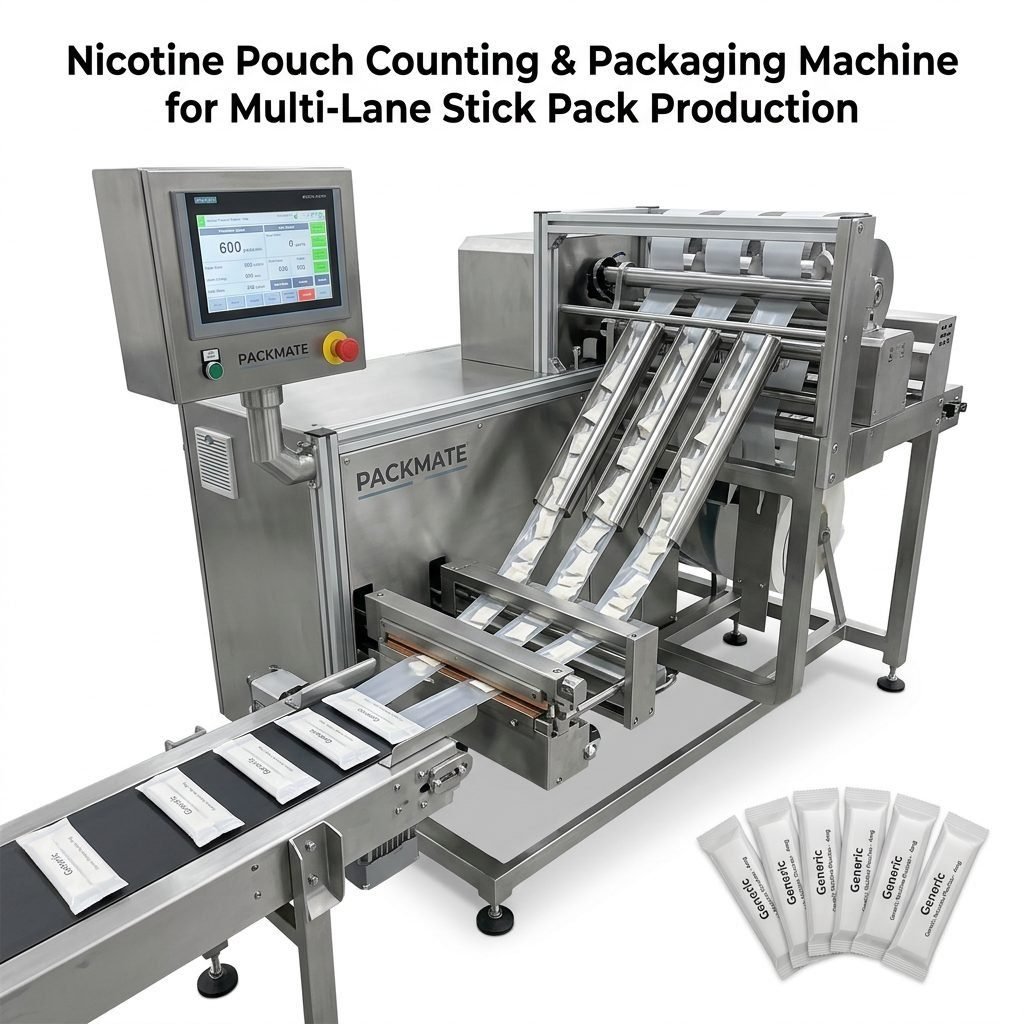
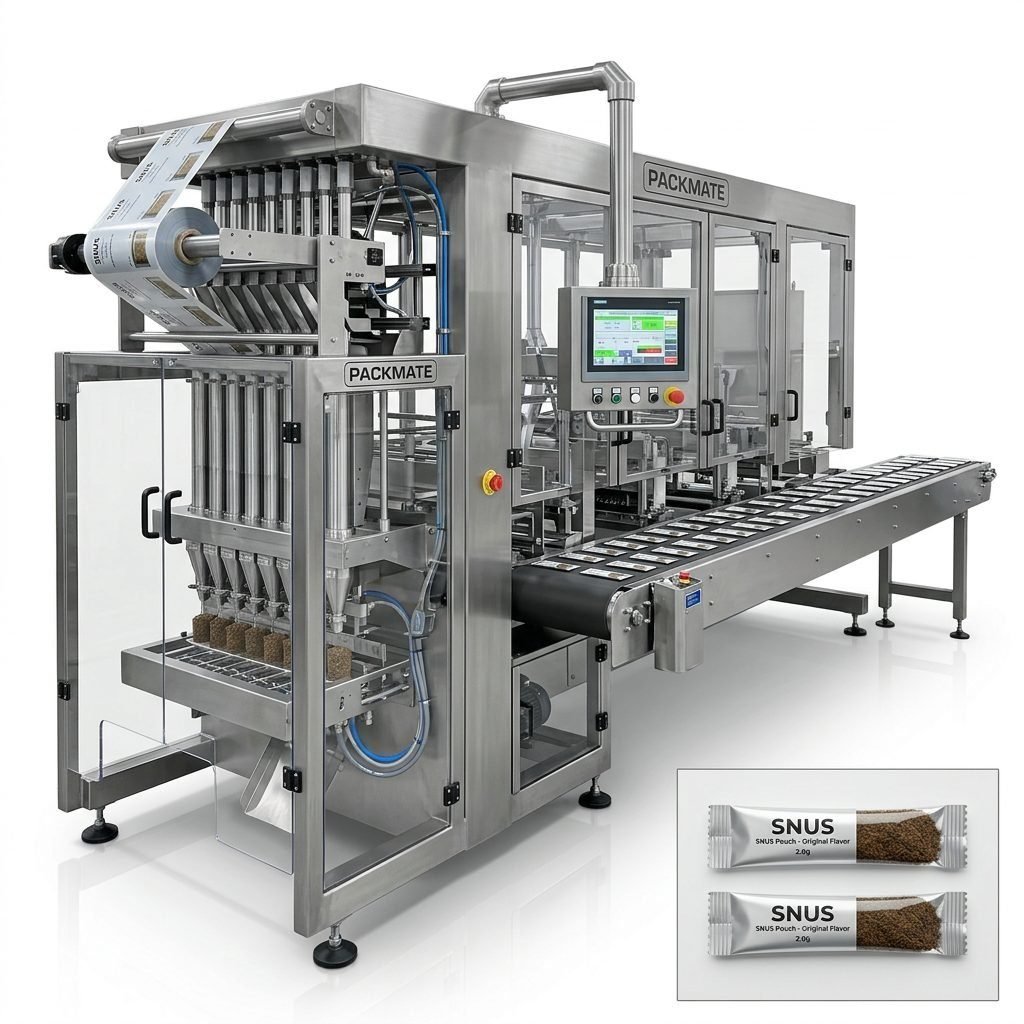
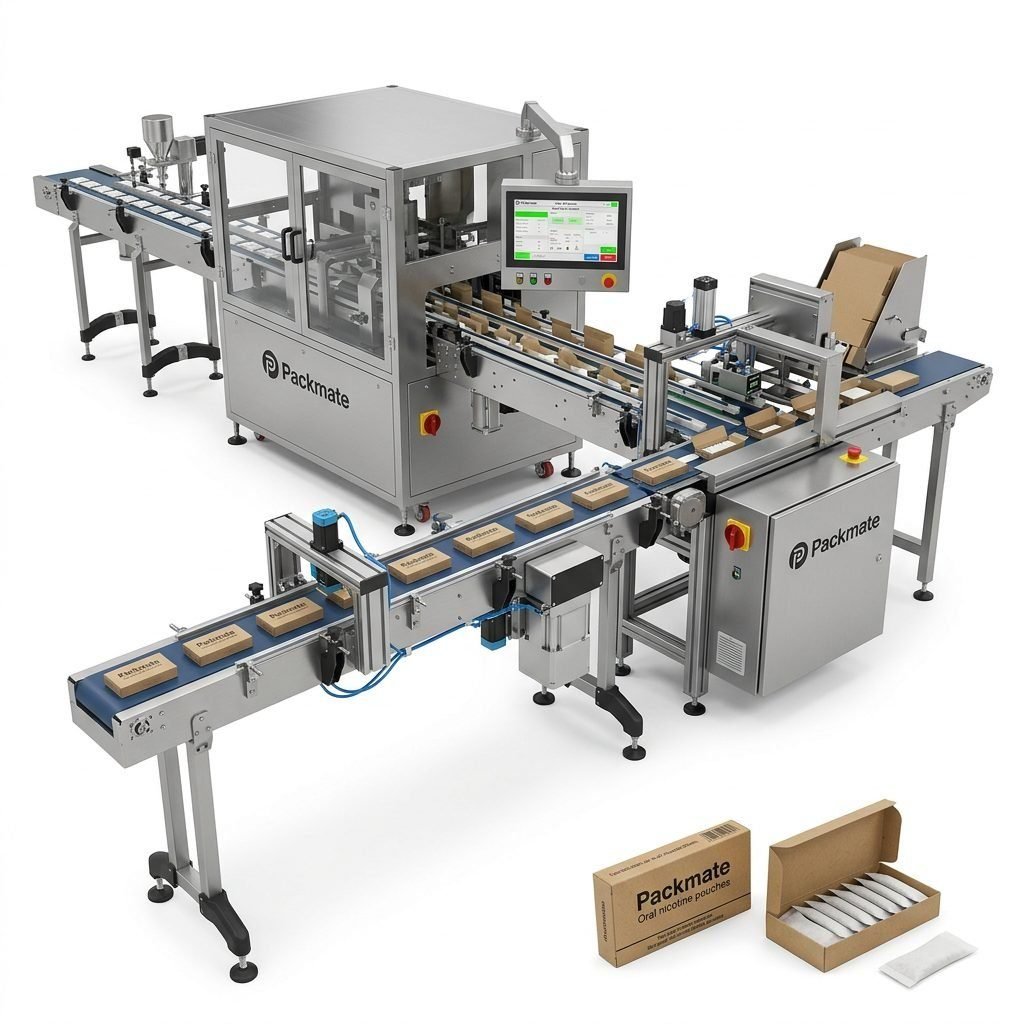
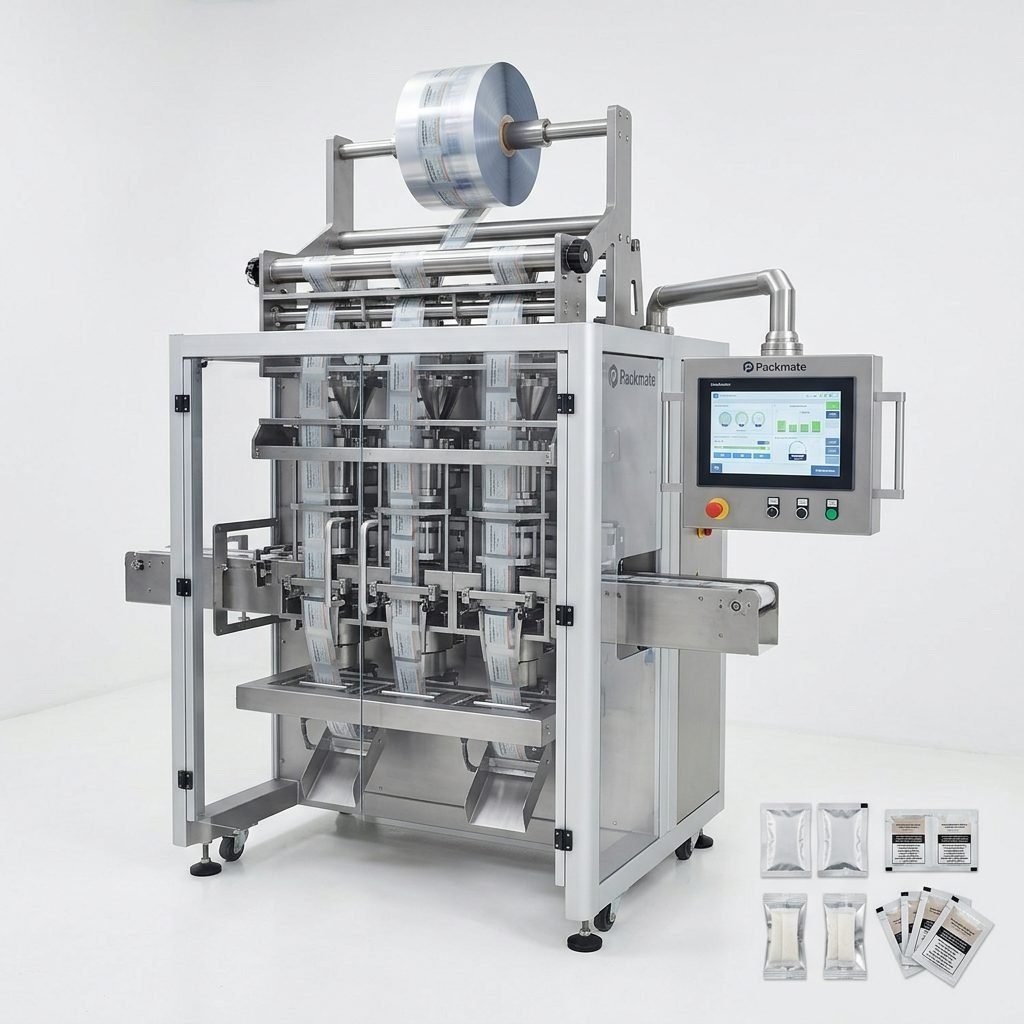
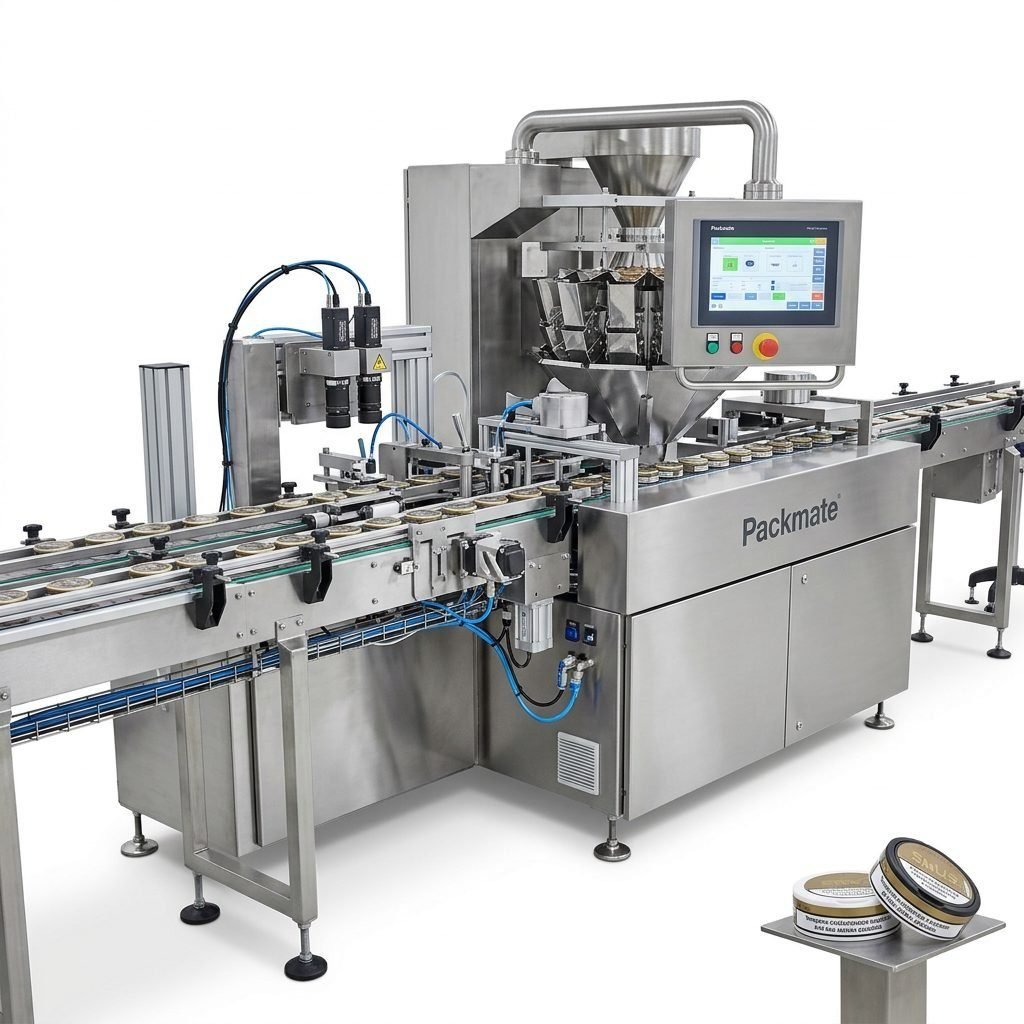
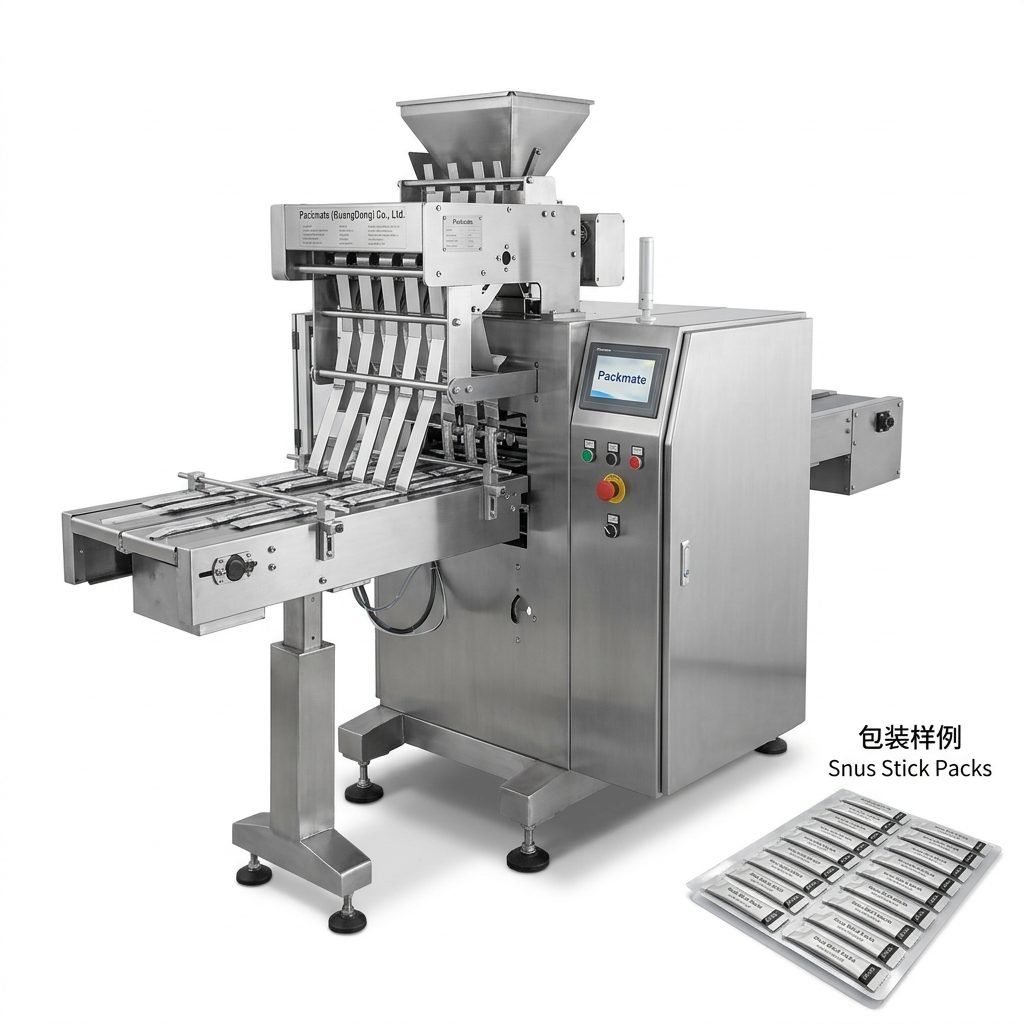
Not all packaging machines are built the same. For nicotine pouches and snus, focus on accuracy in dosing, gentle handling to protect small-dose pouches, multi-lane capability for higher throughput, and flexibility to run different pack formats (stick packs, sachets, pouches). Also consider hygiene-friendly construction (easy-to-clean surfaces) and modular designs that let you upgrade components without a full replacement.
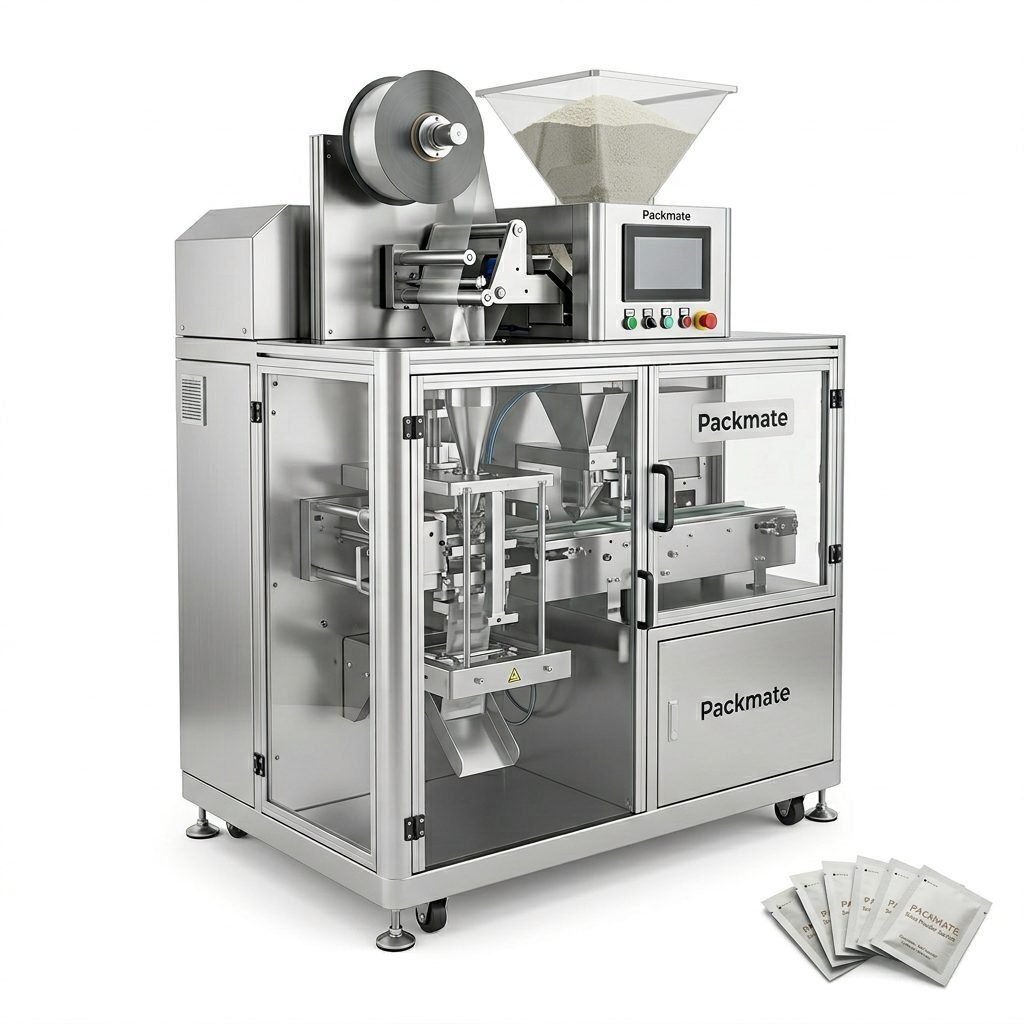
Must-have features: high-precision weighing or volumetric dosing, servo-controlled film handling, quick-change tooling, and PLC/HMI systems with multilingual interfaces. For more machine types and specifications, review product categories like Snus & Nicotine Packaging Machines, Sachet & Stick Pack Machines, and Filling & Packaging Lines.
Evaluating supplier credibility and experience
Experience matters in this niche industry. A supplier with decades of engineering history and a track record in snus or nicotine pouch lines is preferable. Ask for case studies, client references, and production-line videos. Packmate’s long history and factory capacity, for example, is an indicator of maturity and vertical integration—useful when you need customized multi-lane systems and rapid spare parts support.
Red flag: Vague answers about previous nicotine pouch installations, no factory visits allowed, or refusal to share reference contacts.
Service, spare parts, and local support
After-sales service is often where supplier relationships are won or lost. Confirm lead times for spare parts shipments to Hungary and whether the supplier has EU-compatible electrical standards and support teams. Consider suppliers who provide training for operators and maintenance teams, either onsite or via live video sessions. Check if the supplier offers extended warranties, installation supervision, and commissioning support.
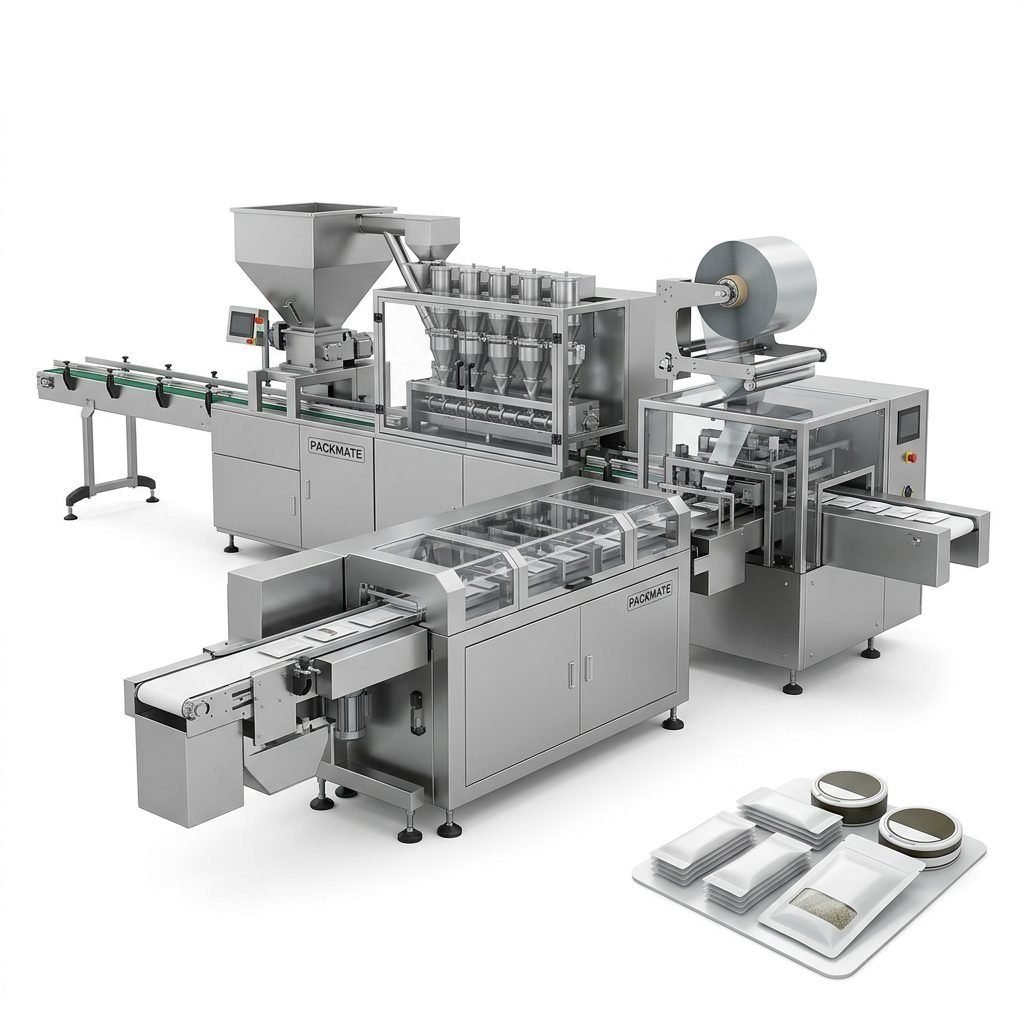
If you need a single-source solution, review offerings such as Weighing & Packaging Systems and Auxiliary Packaging Equipment to ensure compatibility of upstream and downstream modules.
Total cost of ownership (TCO) vs. initial purchase price
The cheapest machine upfront may cost more over time. When comparing quotes, calculate TCO by including installation, operator training, spare parts, consumables, energy consumption, and expected downtime. Ask potential suppliers for Mean Time Between Failures (MTBF) data and historical service metrics. A strong supplier will provide transparent operating cost estimates and lifecycle support.
Customization and flexibility for Hungarian market needs
Hungarian companies often produce multiple SKUs with modest batch sizes, so flexibility is valuable. Seek machines with quick changeovers, recipe storage, and adjustable lane counts. Confirm whether the supplier can deliver custom tooling, labeling options, or upstream weighing systems to match local product formats and labeling language rules for EU distribution.
Factory acceptance tests (FAT) and site acceptance tests (SAT)
A reliable supplier will invite you to attend FATs at their factory or provide comprehensive FAT videos showing your exact product run. FATs reduce surprises during installation and help verify performance metrics. After installation in Hungary, perform a SAT with the supplier technician to confirm throughput, pack integrity, and integration with your production line.
Checklist for FAT/SAT: complete runs with your materials, packaging film, and target speeds; documentation of tolerances; and signed acceptance criteria.
Logistics, installation, and local partnerships
Plan transportation and customs clearance early. Suppliers experienced with EU shipments can help with Incoterms, customs paperwork, and VAT handling. Many Hungarian buyers prefer suppliers who coordinate with local integrators for crane installation, electrical hookups, and civil works. If you prefer a full turnkey solution, evaluate suppliers that offer installation and training packages alongside the machine purchase.
Negotiation tips and contracts
Negotiate clear service level agreements (SLAs), spare parts kits, and delivery timelines. Ask for payment terms that match project milestones: deposit, FAT completion, shipment, and SAT. Include acceptance criteria and warranty clauses in the contract to mitigate risks. Make sure multilingual manuals and electrical schematics are included.
Practical steps to select your supplier
1. Shortlist suppliers with proven nicotine packaging experience and EU-ready certifications.
2. Request detailed technical proposals with performance guarantees.
3. Schedule FAT attendance or ask for comprehensive FAT videos.
4. Compare TCO, spare parts strategies, and local support options.
5. Confirm installation, training, and warranty terms before signing.
For a deeper dive into machine models and turnkey packaging lines, review product pages such as Snus & Nicotine Packaging Machines, Sachet & Stick Pack Machines, and Filling & Packaging Lines to compare specifications and request quotations.
Case study snapshot: small Hungarian producer
A medium-sized Hungarian company needed a multi-lane snus pouch line to increase capacity while keeping batch flexibility. They selected a supplier with 30+ years of experience, completed FAT with sample runs, and negotiated a spare parts kit with express EU shipping. The machine arrived with full commissioning support, operator training, and a 12-month warranty—reducing downtime and accelerating commercial shipments to EU partners.
Where to find more supplier information
Explore supplier credentials and show history on About and Exhibition pages, review client cases, and check certificate documents. For direct contact or project inquiries, use the supplier’s contact portal to ensure a fast response and to establish technical dialogue early.
Useful links: About Packmate, Certificate, Contact Us.
Final considerations before purchase
Balance technical capability, compliance, and after-sales support. A partner who understands EU regulations, provides transparent FAT/SAT protocols, and supports local logistics will reduce risk. Always validate references and insist on documented acceptance tests to ensure the machine meets your Hungarian production and market requirements.
Quick decision aid: If a supplier offers CE/ISO certificates, FAT with your product, EU-compatible parts logistics, and local training—move to contract negotiation.
Frequently Asked Questions
Q1: How important is CE certification for nicotine packaging machines in Hungary?
A: CE certification is essential for legal operation within the EU. It demonstrates conformity to EU safety and health requirements and simplifies customs clearance.
Q2: What support should a supplier provide after installation?
A: At minimum: on-site commissioning or remote commissioning support, operator training, spare parts kits, clear warranty terms, and a channel for rapid technical assistance.
Q3: Can suppliers help with EU customs and shipment to Hungary?
A: Experienced suppliers can assist with Incoterms, export documentation, and coordination for EU-compatible shipping. Confirm these services before finalizing the order.
Q4: How do I verify real performance claims from suppliers?
A: Require FAT videos or onsite FAT attendance with your product, get references, and request recorded metrics for throughput, dosing accuracy, and downtime during the FAT.
Q5: Where can I find detailed product models and specs?
A: Review product catalogs and specification pages such as Snus & Nicotine Packaging Machines and Filling & Packaging Lines, or request a catalog directly from the supplier for model comparisons.