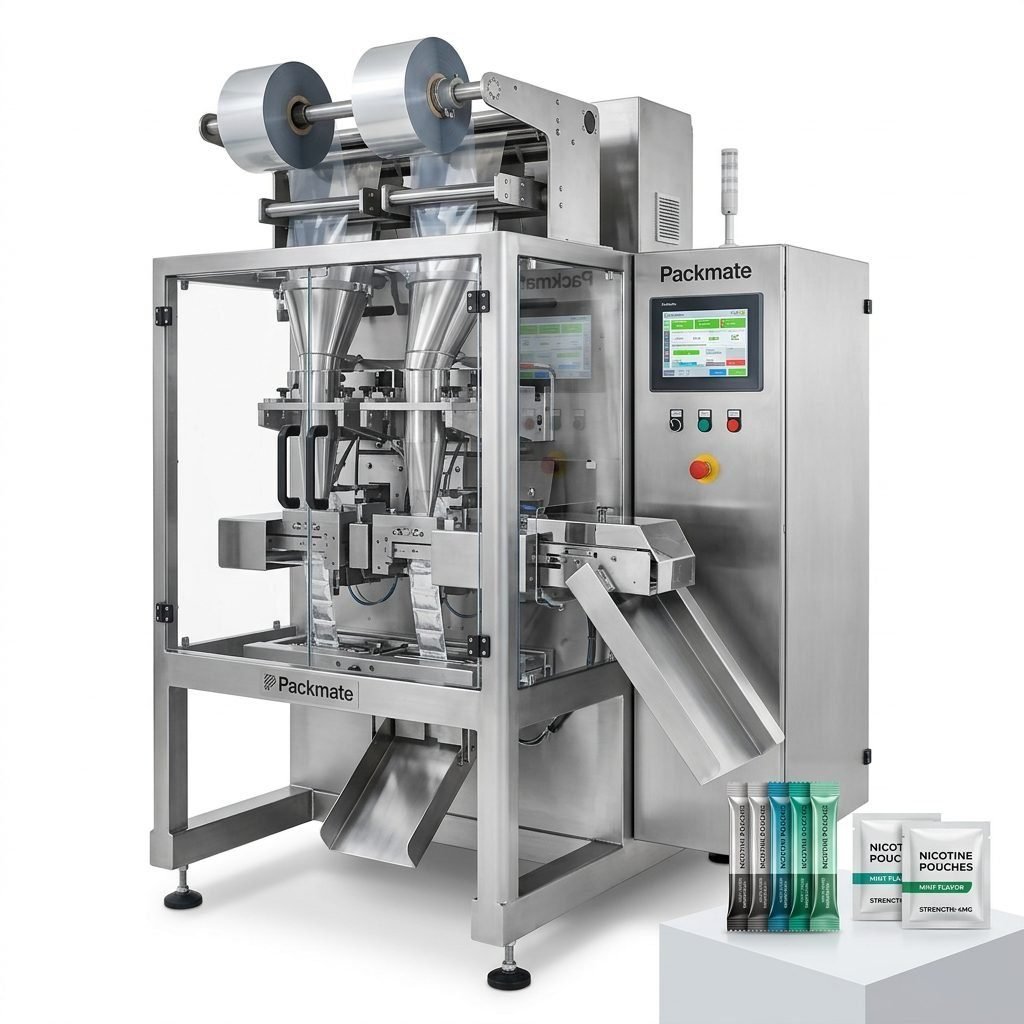
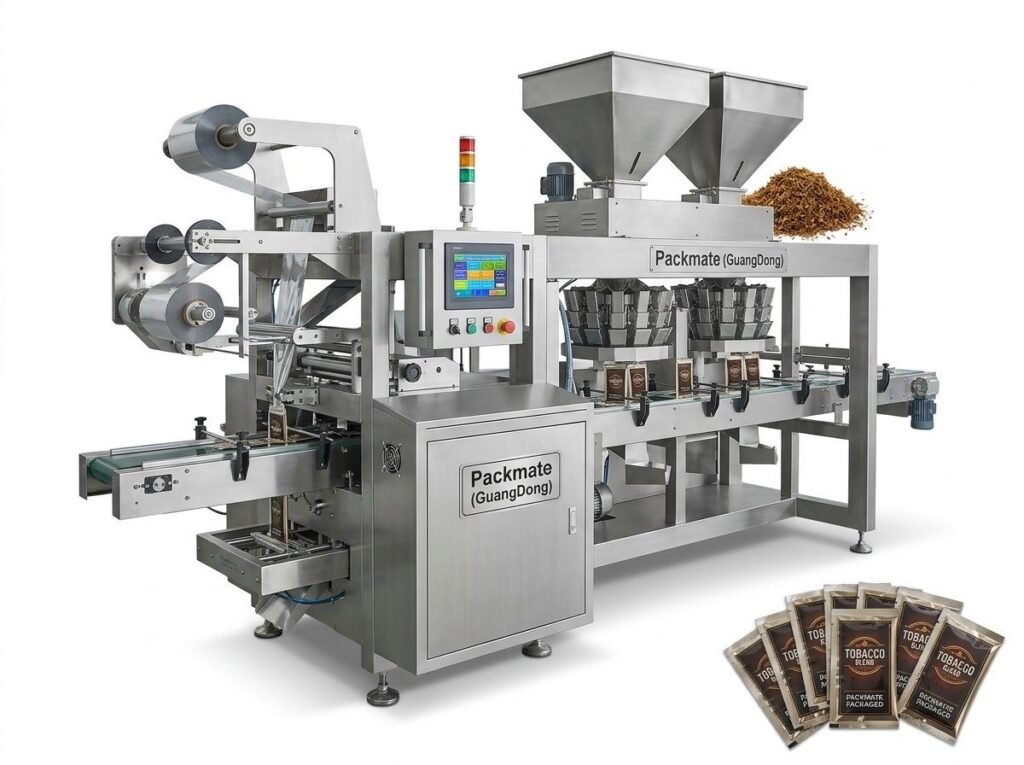
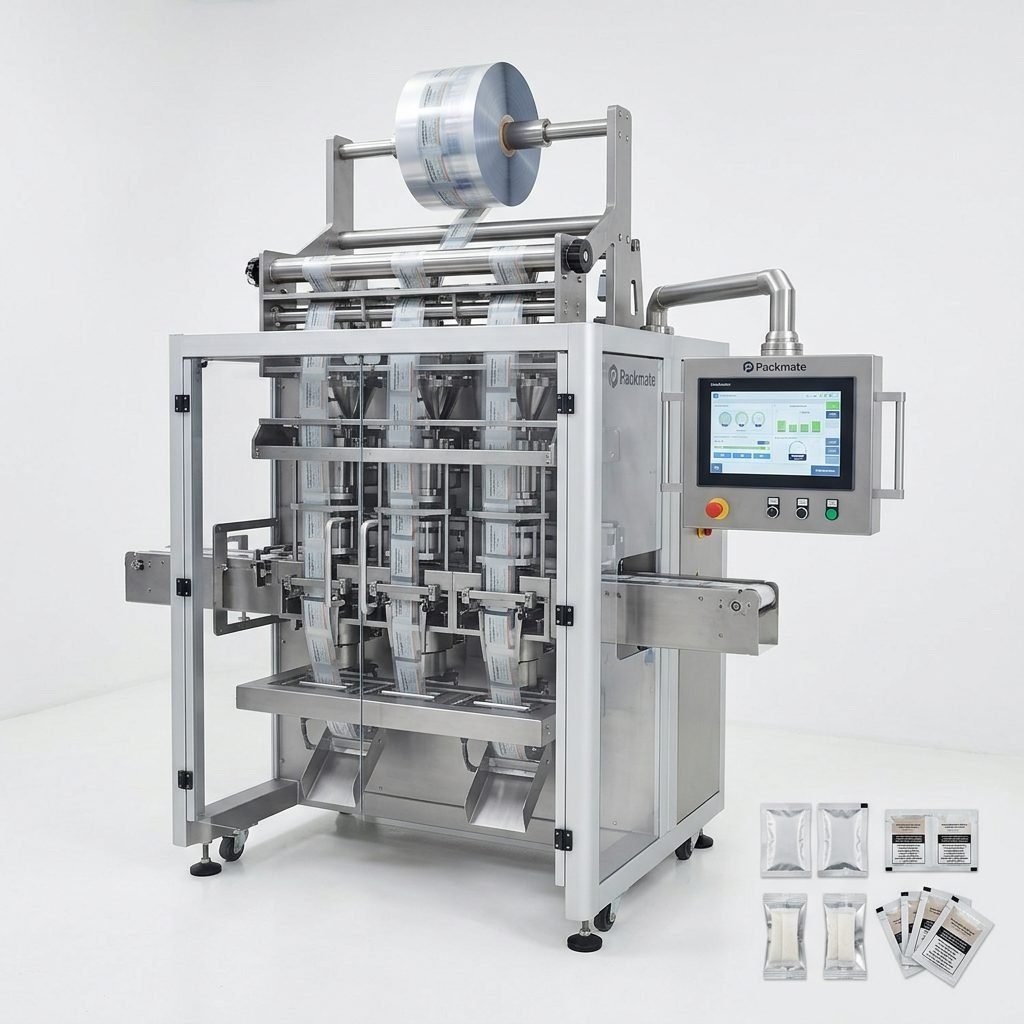
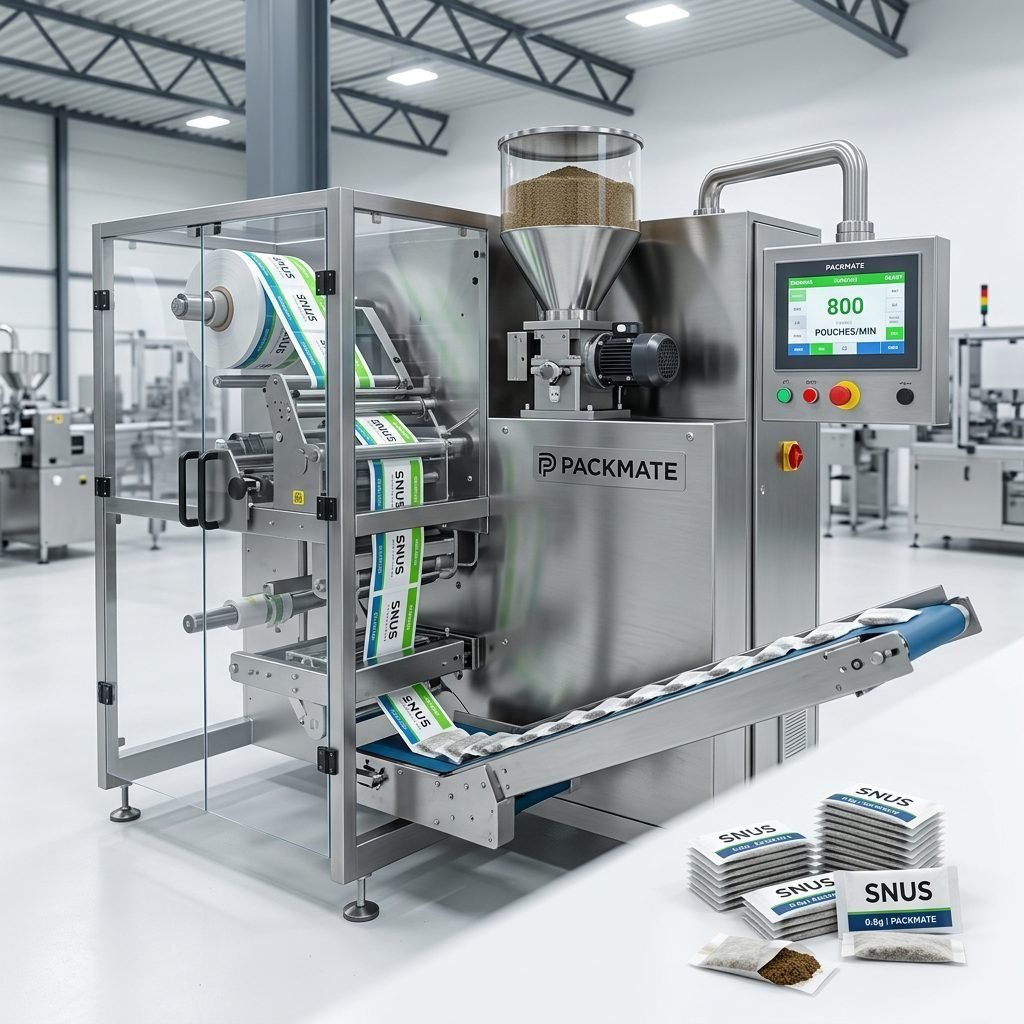
Choosing the right supplier for nicotine pouch and snus packaging machines in Mauritius requires a blend of technical know-how, practical logistics planning, and sensitivity to local market conditions. Whether you are a startup exploring small-batch production or an established seller scaling up, the supplier you pick will directly affect production efficiency, product quality, and long-term costs. This guide walks you through the essential steps and considerations to identify the best nicotine packaging machine supplier suited for Mauritius’ market and operating environment.
Understand Your Production Needs First
Start by clarifying the scale, format, and product characteristics you plan to run. Answer the following internally before contacting suppliers:
✓ Production volume: pilot runs, small batches, or continuous high-volume lines?
✓ Packaging format: single-dose pouches, sachets, stick packs, or multi-lane systems?
✓ Product properties: dry powder, moisture-sensitive nicotine pouches, or blends that need special handling?
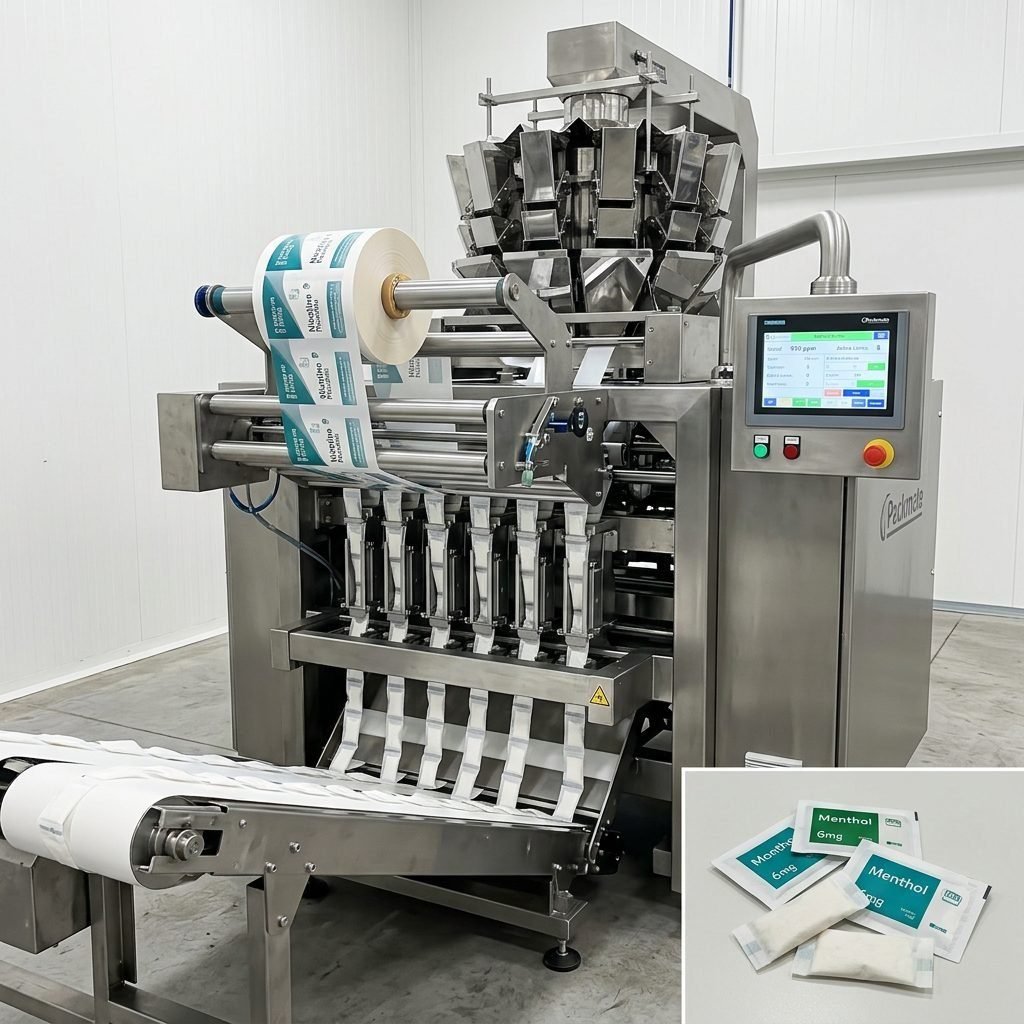
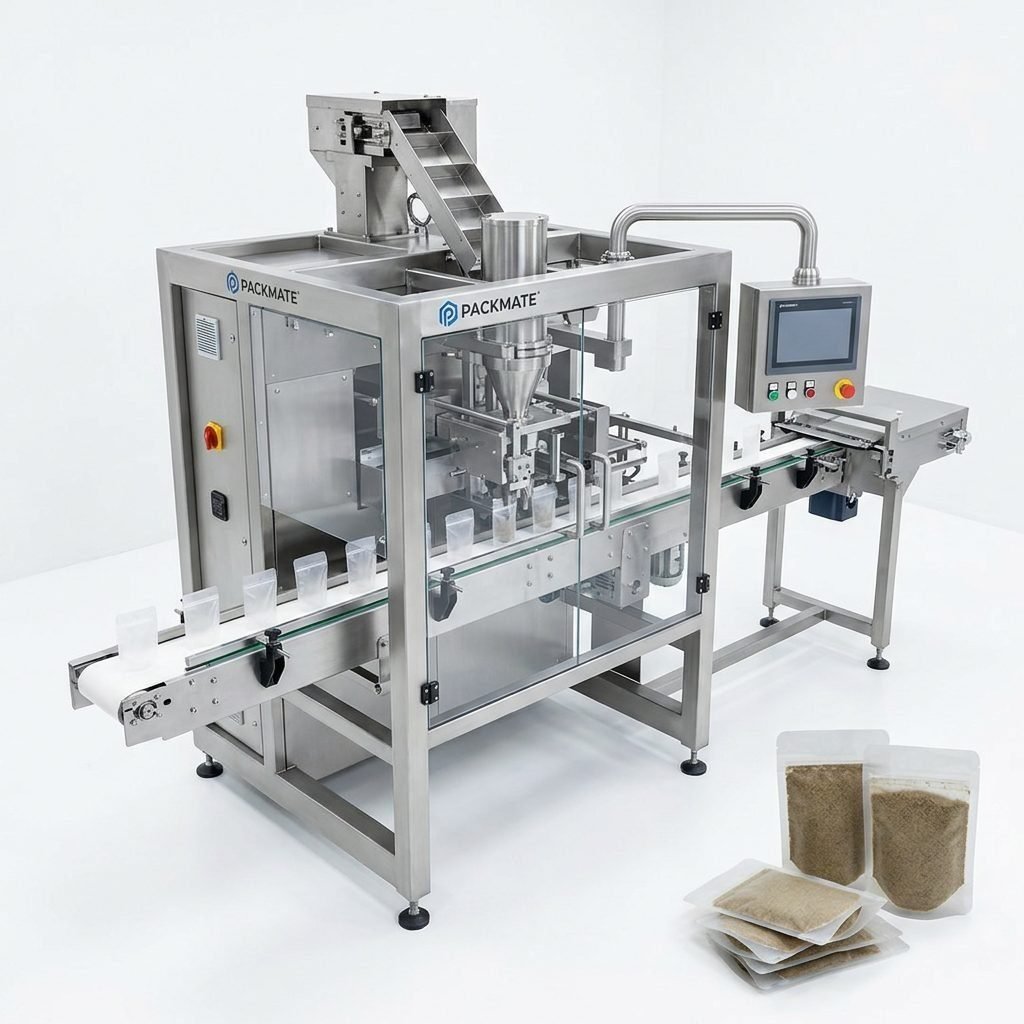
Having these answers allows suppliers to recommend the correct machine class — from compact bench-top units to fully automated multi-lane snus packaging machines.
Key Supplier Evaluation Criteria
When evaluating potential suppliers, apply a balanced scorecard across several dimensions. Focus on long-term reliability and service rather than headline price alone.
1. Proven Industry Experience
Look for suppliers with a track record in snus and nicotine pouch machines. Companies with decades of engineering experience are more likely to deliver mature, stable solutions. For example, manufacturers that have worked on multi-lane nicotine pouch lines and stick-pack systems bring knowledge of dosing accuracy, pouch sealing, and gentle product handling — all critical factors for nicotine pouches.
2. Certifications & Compliance
International certificates such as CE and ISO signal adherence to global quality and safety standards. For Mauritian importers, these certifications facilitate customs clearance and demonstrate machine safety and electrical compliance with 230V/50Hz systems commonly used in Mauritius.
3. Range of Machine Models & Customization
A supplier offering a broad product range — from single-lane sachet units to high-speed multi-lane snus packaging machines — provides more flexibility as your business grows. Evaluate whether the supplier can customize format tooling, dosing systems, and control software to match local package sizes and regulatory labeling requirements.
4. After-Sales Service & Spare Parts Availability
In a geographically isolated market like Mauritius, rapid access to spare parts and remote technical support is crucial. Ask suppliers about local stockists, spare parts kits, turn-around times for shipments to Port Louis, and remote diagnostic capabilities. A supplier that provides training materials and scheduled maintenance plans reduces downtime and total cost of ownership.
5. Reliability, Uptime & Build Quality
Inspect machine build materials (stainless steel grades, corrosion protection for humid tropical climates, robust CNC-machined components). Request uptime statistics, mean time between failures (MTBF), and references from similar installations. Machines built in facilities with advanced CNC and strict quality testing tend to perform better long-term.
Practical Logistics & Commercial Considerations for Mauritius
Mauritius has specific practicalities that should influence supplier choice. Keep these local factors in mind when negotiating quotes and service agreements:
• Shipping & Port Handling: Port Louis is the main entry point. Confirm supplier experience exporting to Mauritius and include clear Incoterms to avoid unexpected fees.
• Electrical & Climate Adaptation: Machines should be rated for 230V/50Hz and protected against coastal humidity and salt corrosion.
• Language & Training: Technical manuals and operator training in English and French (and simple Creole explanations where feasible) help reduce operator error.
• Import Duties & Compliance: Understand customs duties and packaging/product labeling obligations in Mauritius. Always confirm regulatory compliance locally before shipment.
Verify Factory Capability & Quality Control
Ask for a virtual or in-person factory tour and detailed quality protocols. Key proof points include the size and equipment of the manufacturing facility, presence of CNC machining centers, dedicated assembly lines, and quality-testing stations. Packmate Snus Machine, for instance, emphasizes a 20,000㎡ facility, advanced CNC systems, and strict testing — indicators of a manufacturer capable of meeting demanding production standards.
Service Agreements, Warranties & Training
Secure a written warranty that covers critical components and clearly states response times for technical support. Insist on comprehensive commissioning, operator training, and documentation in the language of your team. A robust service contract should include scheduled preventive maintenance visits, spare parts kits, and remote troubleshooting options.
Total Cost of Ownership (TCO) Over Initial Price
Compare suppliers by TCO, not just the unit price. Include installation, spare parts, consumables, energy consumption, operator training, expected downtime, and upgrade potential. A slightly higher upfront price for a machine with lower long-term maintenance or higher uptime often pays off in the Mauritian market, where logistics and downtime costs can be significant.
Compliance With Nicotine & Tobacco Regulations
Regulations concerning nicotine-containing products vary and may change. Confirm that the supplier understands requirements for product labeling, child-resistant packaging where applicable, and any testing or certification needed for nicotine products in Mauritius. Always consult local legal or regulatory advisors before importing machines intended for nicotine product packaging.
Inspection, Factory Acceptance Test (FAT) & Site Acceptance Test (SAT)
Require a Factory Acceptance Test (FAT) with your product or a close analogue before shipment. During FAT, the supplier should run production simulations to validate speeds, dosing accuracy, sealing, and packing formats. After installation in Mauritius, perform a Site Acceptance Test (SAT) to confirm performance under local conditions.
Red Flags to Avoid
⚠️ Vague technical specs: If a supplier cannot provide clear specs, drawings, or performance data, proceed cautiously.
⚠️ Unclear warranty or spare parts policy: Avoid suppliers that refuse to commit to response times or parts availability for international customers.
⚠️ No FAT or reference installations: Reputable manufacturers will allow FAT and provide references from similar installations.
Questions to Ask Potential Suppliers
When speaking with potential vendors, be direct and document their responses. Essential questions include:
• Can you provide detailed machine specifications, drawings, and a list of consumables?
• What certifications (CE, ISO) and testing procedures do you follow?
• Do you offer FAT and can I witness it remotely or in person?
• What is your warranty, spare parts lead time to Mauritius, and remote support options?
• Can you provide a customer reference in a similar market or industry?
How a Trusted Supplier Can Help You Succeed in Mauritius
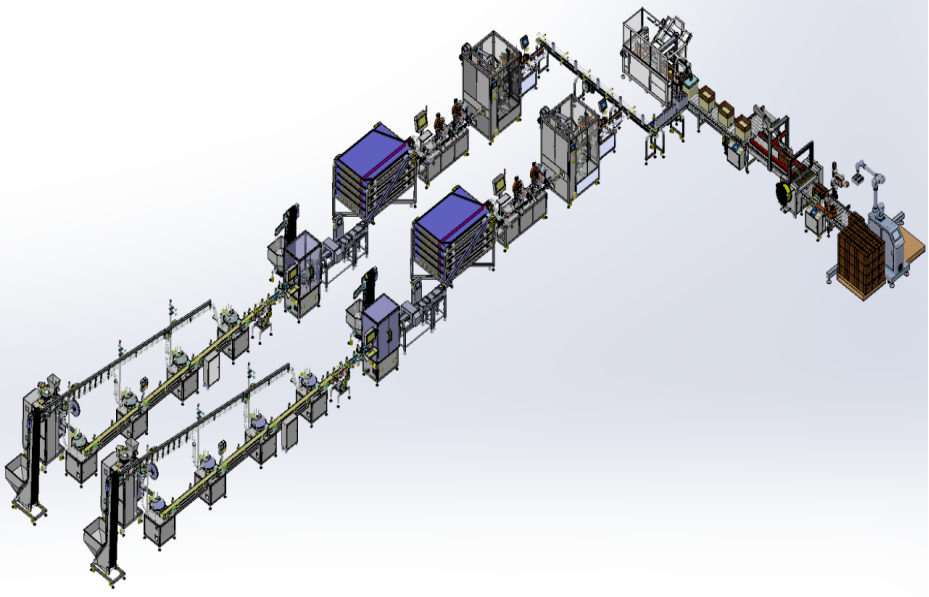
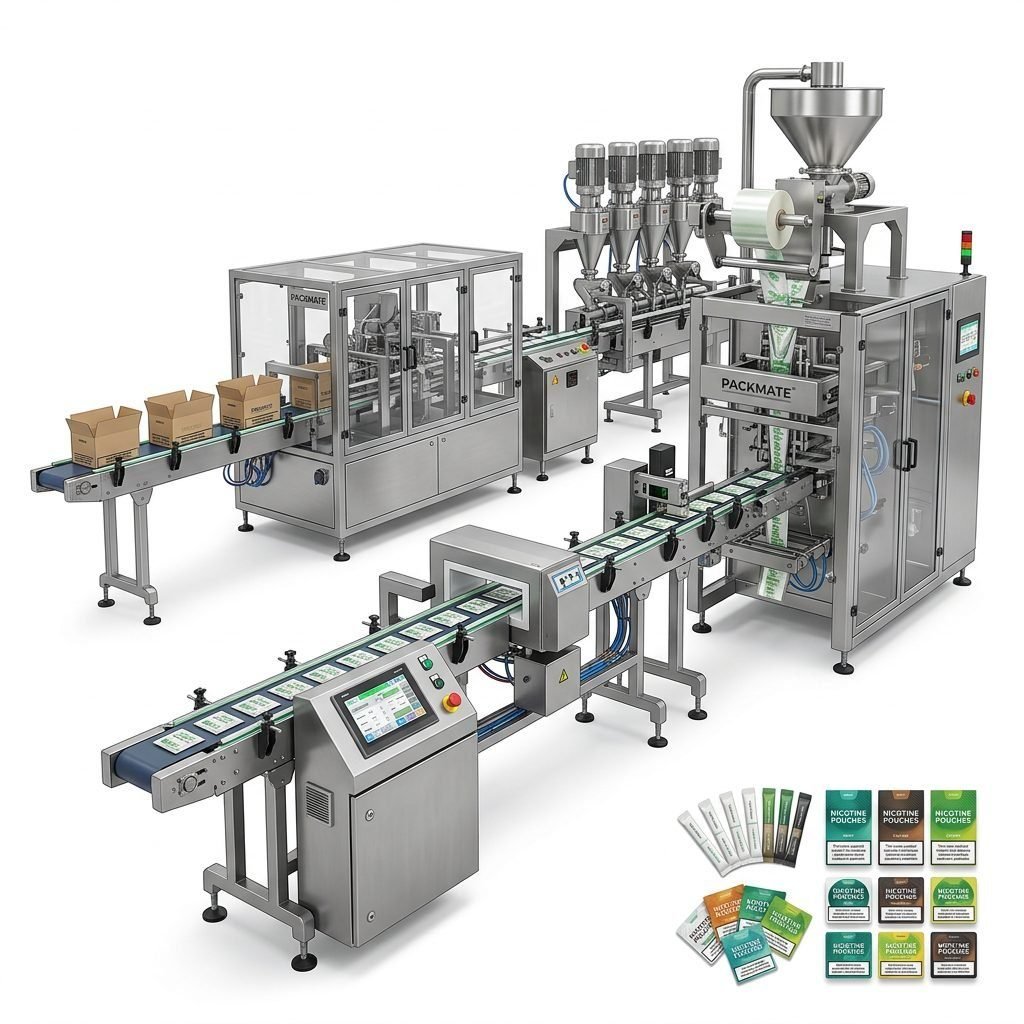
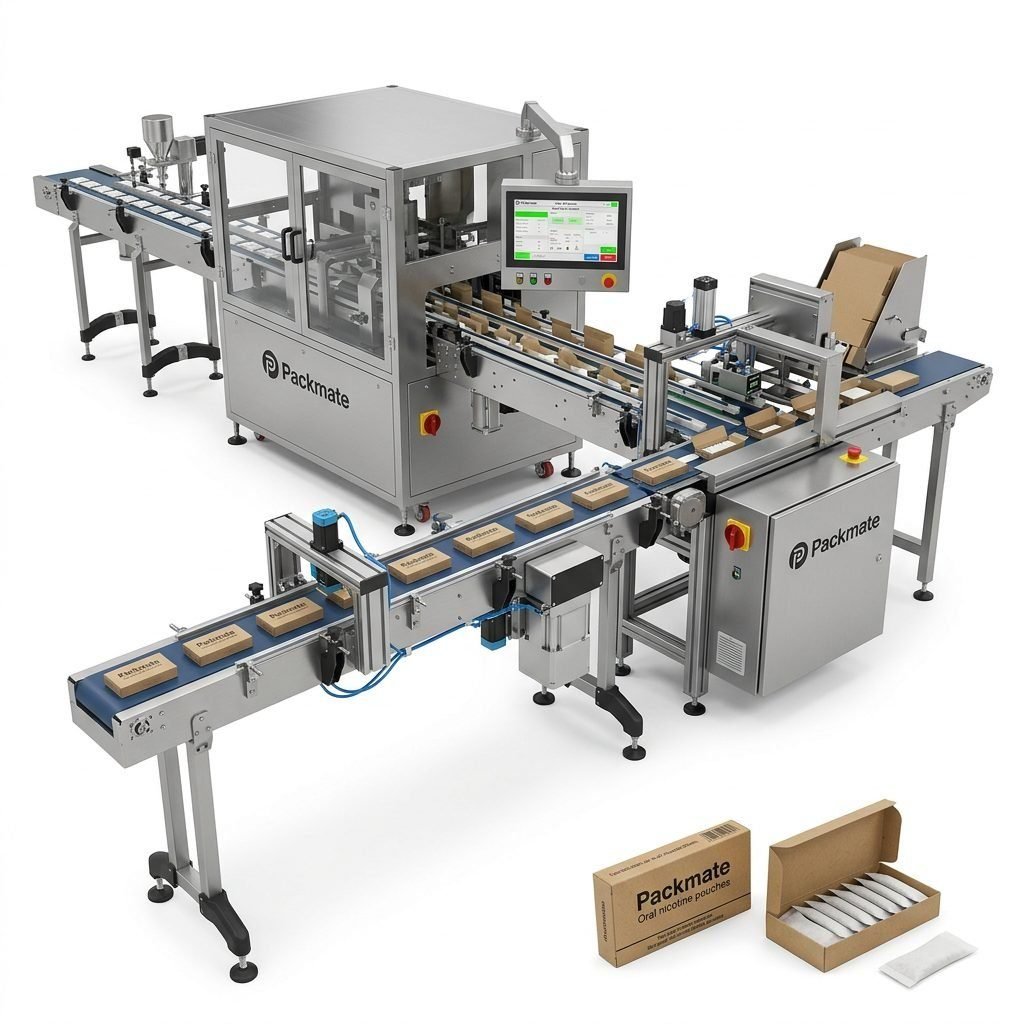
A reliable supplier does more than sell equipment — they become a partner in product development, regulatory navigation, and production scaling. Look for suppliers who provide turnkey solutions: integrated filling and packaging lines, weighing systems, and auxiliary equipment. A partner with global exhibition presence, documented cases, and broad product lines can accelerate market entry and mitigate operational risk.
Useful Resources & Supplier Links
For further exploration, review suppliers’ product pages and company information to match capabilities with your needs. Consider reviewing these resources:
• Snus & Nicotine Packaging Machines
• About Packmate — company background and manufacturing capability
• Case Studies — real-world installations and performance
• Contact — discuss FAT, delivery terms, and local support options
Selecting the Right Contract & Payment Terms
Negotiate clear commercial terms that cover acceptance criteria, delivery milestones, and penalties for missed performance targets. Use staged payments linked to deliverables such as deposit, completion of FAT, shipping, and successful SAT. When possible, secure an escrow or bank guarantee for major transactions to protect your investment.
Final Checklist Before Purchase
📌 Confirmed machine spec and format compatibility with final packs.
📌 Written FAT plan with pass/fail criteria and sample runs.
📌 Clear warranty, spare parts list, and estimated lead times to Mauritius.
📌 Training plan and technical documentation in English/French.
📌 Agreed Incoterms, expected shipping dates, and customs support.
Why Consider Packmate Snus Machine as Your Supplier
A supplier like Packmate brings decades of specialization in snus and nicotine pouch packaging, a broad portfolio of machines including multi-lane systems, and a manufacturing base with advanced CNC and quality testing. Their documented experience serving global markets and emphasis on turnkey solutions make them a candidate worth evaluating if you need a reliable partner that understands both the technical and logistical aspects of nicotine packaging lines.
Conclusion
In Mauritius, selecting the best nicotine packaging machine supplier means balancing technical fit, local logistics, regulatory awareness, and strong after-sales support. Prioritize suppliers that offer transparent documentation, FAT/SAT procedures, quick spare parts access, and training in languages your team uses. By focusing on total cost of ownership, proven performance, and reliable service, you can build a production line that meets quality standards and provides room to scale with market demand.
Frequently Asked Questions
Q1: How long does it typically take to import and commission a snus packaging line in Mauritius?
A1: Timelines vary, but expect lead times of several weeks to months depending on customization, FAT completion, shipping, customs clearance at Port Louis, and local installation. Plan for additional time for SAT and operator training.
Q2: What are the key spare parts I should stock locally?
A2: Keep critical wear parts on hand — sealing jaws, belts, cutting blades, pumps (if applicable), PLC components, and a basic electronics spare kit. Your supplier should provide a recommended spare parts list tailored to your machine model.
Q3: Can suppliers provide remote support to Mauritius for troubleshooting?
A3: Yes — many modern suppliers offer remote diagnostics, video-based troubleshooting, and software updates. Ensure reliable internet at your plant and negotiate guaranteed remote response times into the support agreement.
Q4: Do I need a local service partner in Mauritius?
A4: A local technical partner or trained in-house technician speeds response to minor issues. Suppliers can train local technicians during commissioning, reducing reliance on overseas engineers for routine maintenance.
Q5: How can I ensure compliance with Mauritian regulations for nicotine products?
A5: Consult local regulatory authorities or legal advisors to confirm labeling, packaging, and import restrictions. Work with your supplier to ensure machines can produce compliant labels and child-safety features if required.