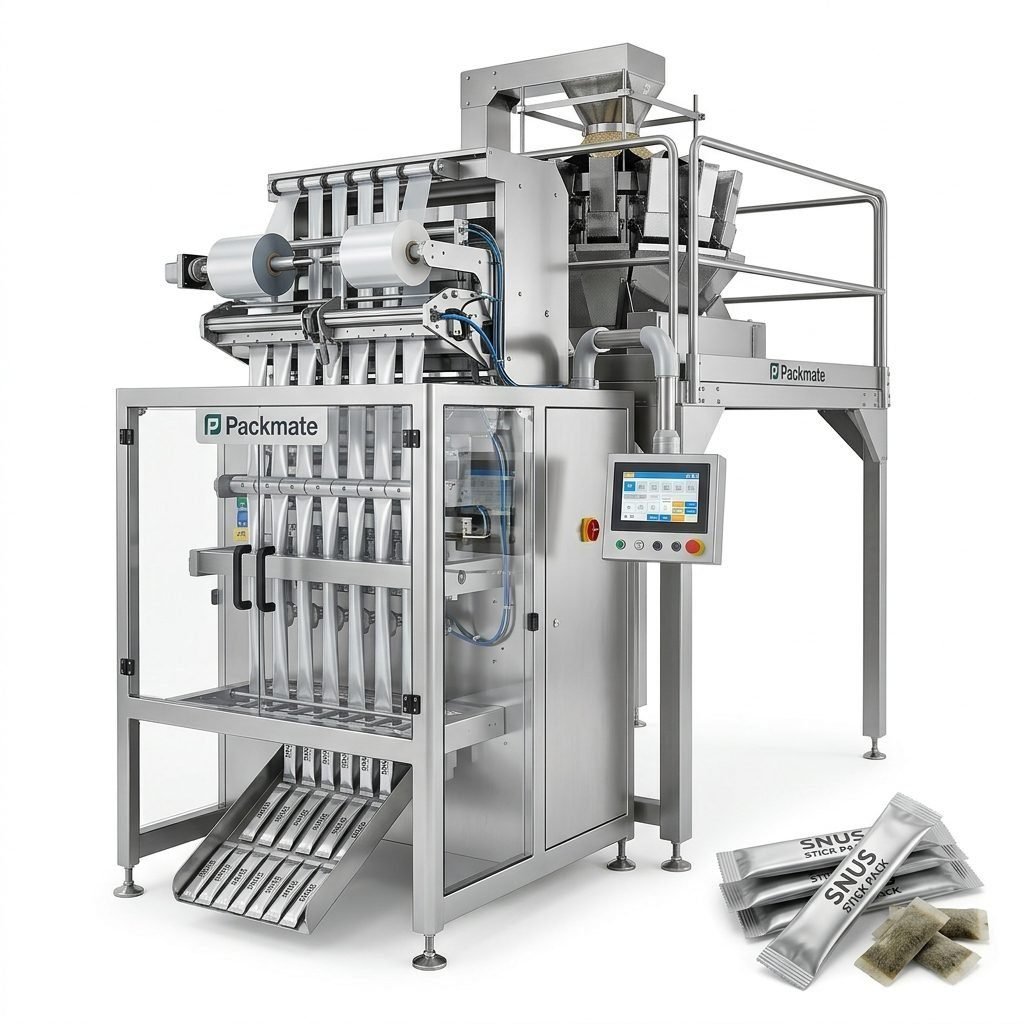
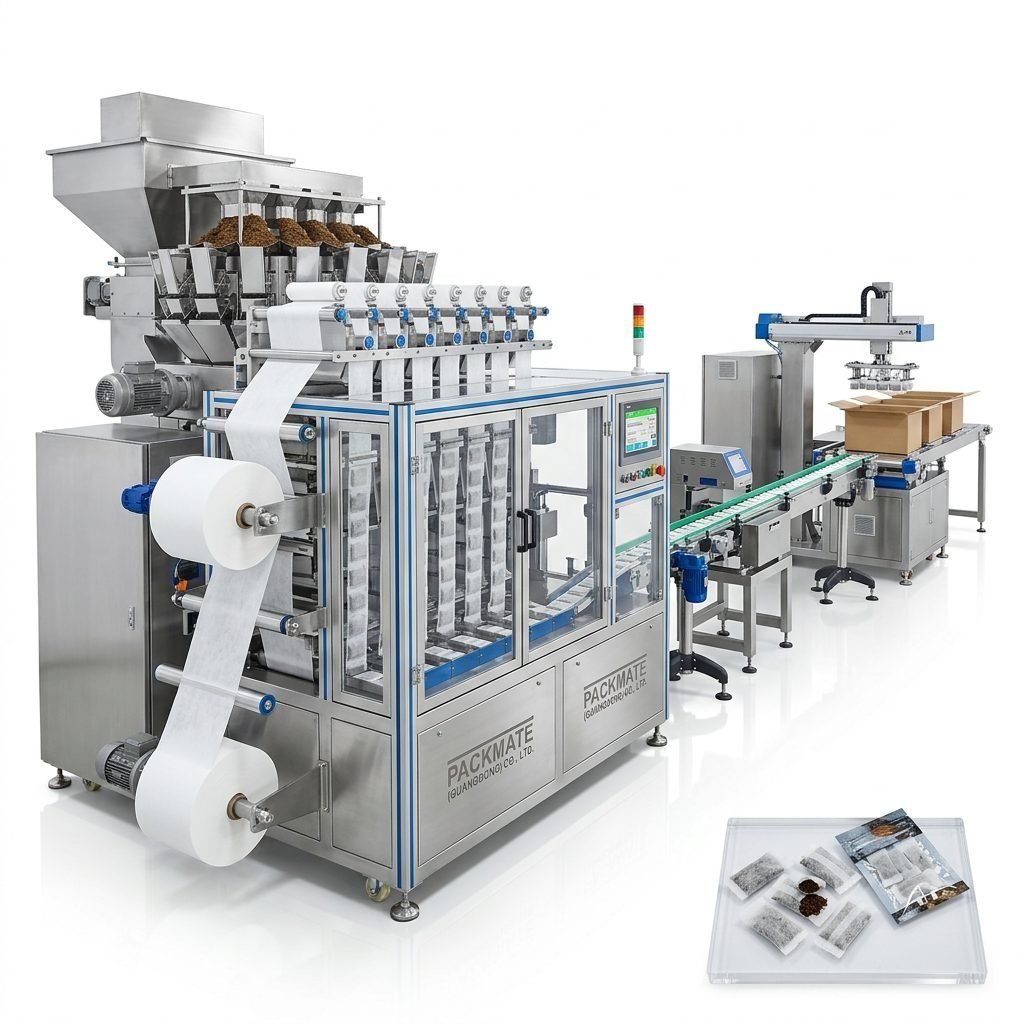
Entering the nicotine pouch and snus market in Peru means more than buying a machine — it requires choosing a supplier that understands local regulations, production preferences, and long-term service needs. This guide walks you through the most important considerations when selecting the best nicotine packaging machinery supplier in Peru for your business, with practical checks, cultural tips, and a clear comparison framework to help you make a confident investment. 🇵🇪🔧
Why the supplier choice matters more than the machine
In the nicotine pouch industry, the machine is only one part of the equation. The supplier determines machine reliability, spare parts availability, compliance support, and technical training. A reliable supplier reduces downtime, guarantees production stability, and helps you adapt packaging to Peruvian consumer preferences. A strong supplier partnership often translates into long-term cost savings and faster time-to-market.
Local market realities in Peru you must consider
Peru has a diverse consumer base: urban buyers in Lima prioritize convenience and premium presentation, while regional markets often prefer durability and cost-efficiency. Additionally, packaging must meet local language requirements — Spanish is essential on labels and marketing copy, and in some regions bilingual packaging (Spanish + Quechua) can provide local appeal. Be aware of local regulations from health authorities such as MINSA (Peru’s Ministry of Health) and any import restrictions that could affect nicotine product distribution.
🔎 Quick tip: Ensure labeling templates on your packaging machine can export Spanish-language artwork and include government-required warnings. Suppliers that offer labeling integration save you time and reduce regulatory risk.
Key technical capabilities to evaluate
Not all packaging machines are created equal. Depending on your product format — nicotine pouches, snus sachets, stick packs or multi-lane pouches — you need machines with matching capabilities. Consider the following technical aspects:
- ✅ Production speed (pouches per minute) and whether the supplier offers scalable multi-lane solutions for higher throughput.
- ✅ Filling accuracy for small-dose nicotine pouches — look for precision weighing and dosing systems.
- ✅ Compatibility with a wide range of pouch materials and film types to meet Peruvian climate and storage conditions.
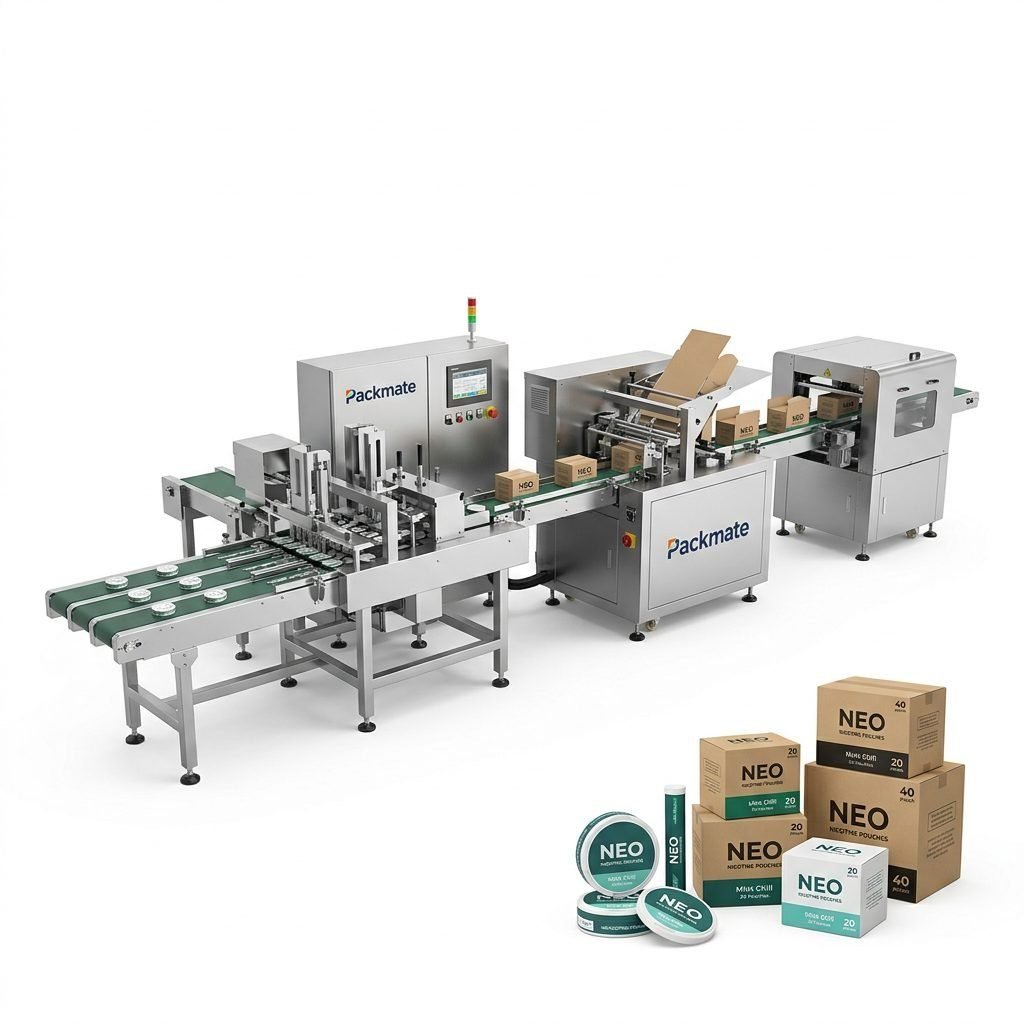
- ✅ Integration ability with upstream filling systems and downstream case packing or cartoning equipment.
Practical checks on machine performance
When evaluating suppliers, request live demonstrations or video recordings of the exact model running your product. Check repeatability tests, downtime statistics, and maintenance schedules. Ask for performance guarantees and acceptance criteria written into your purchase contract. If possible, ask the supplier to run your actual product sample during FAT (Factory Acceptance Test).
Quality assurance & manufacturing strength
A supplier’s factory capabilities and quality system directly affect machine durability and spare part quality. Look for suppliers with proven manufacturing infrastructure, CNC machining centers, precision assembly lines, and documented QA processes. Certifications such as CE and ISO are strong indicators of compliance and manufacturing discipline.
🔧 Example: Suppliers with a 20,000㎡ manufacturing base and advanced CNC equipment are more likely to supply consistent spare parts and deliver machines built to rigorous tolerances.
Customization & turnkey solutions: why they matter in Peru
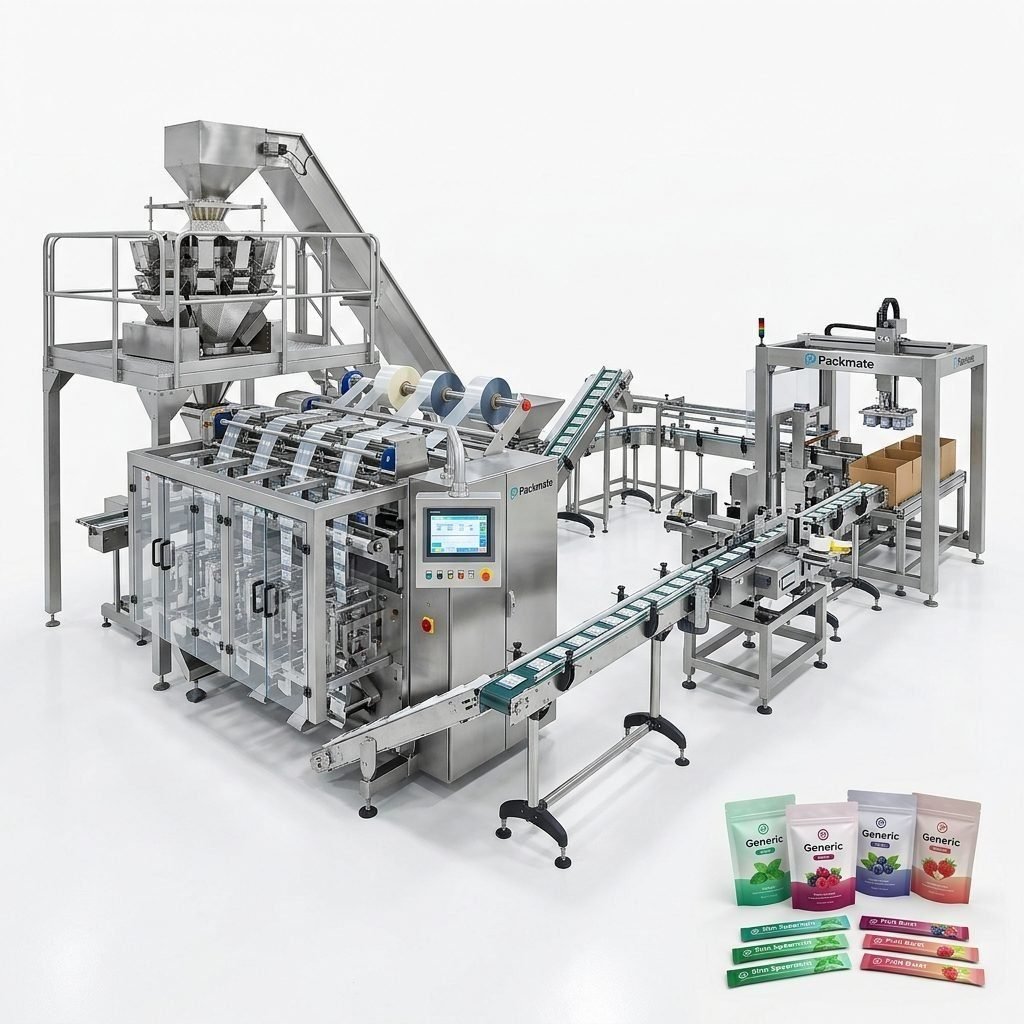
Peruvian buyers often require machines adapted to their specific product sizes, labeling language, and distribution formats. A supplier offering turnkey packaging lines — from filling to cartoning — reduces integration risk and accelerates launch. Customization options might include multi-lane snus machines for higher output, modified feeders for local pouch materials, or special labeling modules for Spanish warnings and tax stamps.
Suppliers that can offer full line integration and local installation support provide a distinct advantage in Peru, where in-person commissioning and training are valued.
What to ask about customization
– Can the line handle multiple pouch sizes with minimal changeover time?
– Are software interfaces available in Spanish?
– Will the supplier provide on-site training and commissioning in Peru or remote support with Spanish-speaking engineers?
After-sales service, spare parts & training (critical for Peru)
After-sales service is often the differentiator. Evaluate the supplier’s spare parts inventory, lead times for replacement parts, availability of field engineers, and remote diagnostics capabilities. In Peru, fast service response is valued due to logistics delays — prioritize suppliers with regional partners or an efficient global shipping plan for parts.
📦 Must-have: A clear spare parts list with part numbers, recommended spare part kits for first 12 months, and a service SLA (response time in business days).
Compliance, certifications and warranties
Confirm that machines comply with international safety standards and can be certified for Peruvian requirements. CE and ISO certificates are baseline indicators. Also check warranty terms and what is covered (electronics, mechanical wear, consumables). For nicotine packaging, ask if the supplier has experience ensuring production meets health authority labeling and traceability requirements.
Logistics, import and local business culture in Peru
Importing capital equipment to Peru involves customs, duties, and local clearance. Suppliers who understand Peruvian customs procedures and can assist with paperwork simplify the process. Additionally, Peruvian business culture values relationships — building trust through site visits, transparent communication, and reliable post-sale service pays off. Consider suppliers willing to travel to Peru for installation and training, or those with regional agents.
Cultural note
Business interactions in Peru often favor personal rapport and clear, respectful negotiation. Spanish-language materials and a supplier that can communicate in Spanish will be perceived positively and reduce miscommunication during installation and training.
How to verify supplier claims — a practical checklist
Use this checklist when comparing suppliers:
- 🔍 Factory visit or live virtual tour available? Check machining and assembly areas.
- 📄 Request copies of CE/ISO certificates and machine test reports.
- 🧪 Ask for FAT with your product sample and measurable acceptance criteria.
- 🔁 Spare parts list, lead times, and recommended monthly maintenance schedule.
- 🗣️ Spanish-language documentation and support options for Peruvian staff.
- 📝 Clear warranty, payment terms, and after-sales SLA.
Why Packmate (Packmate Snus Machine) is a supplier worth considering
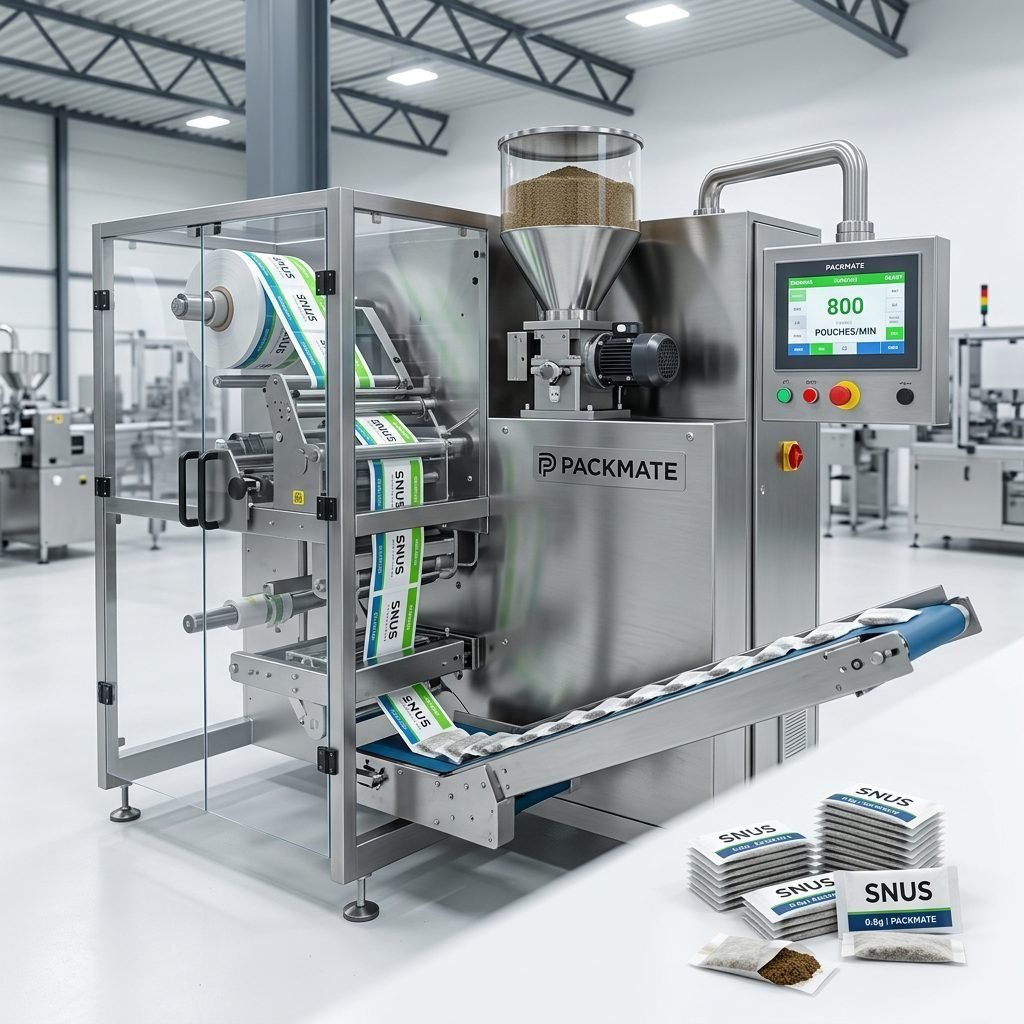
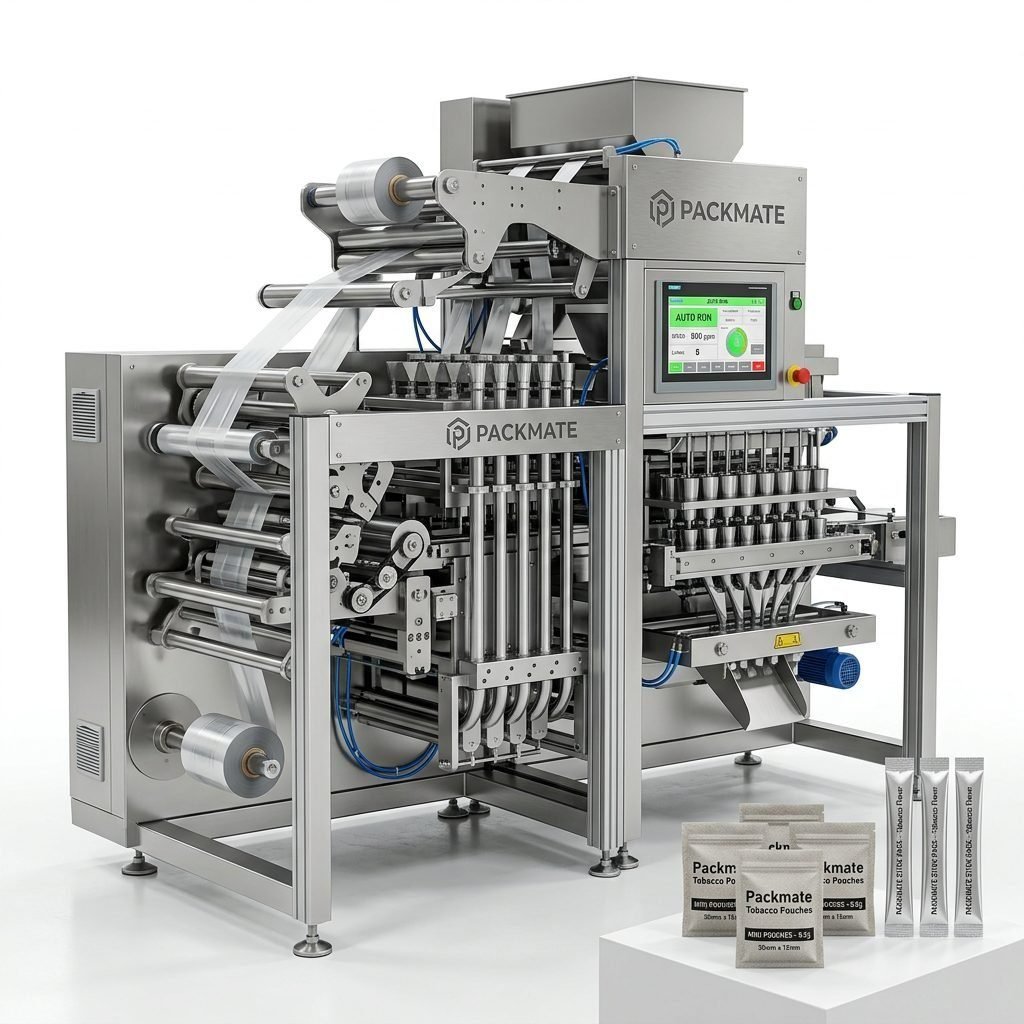
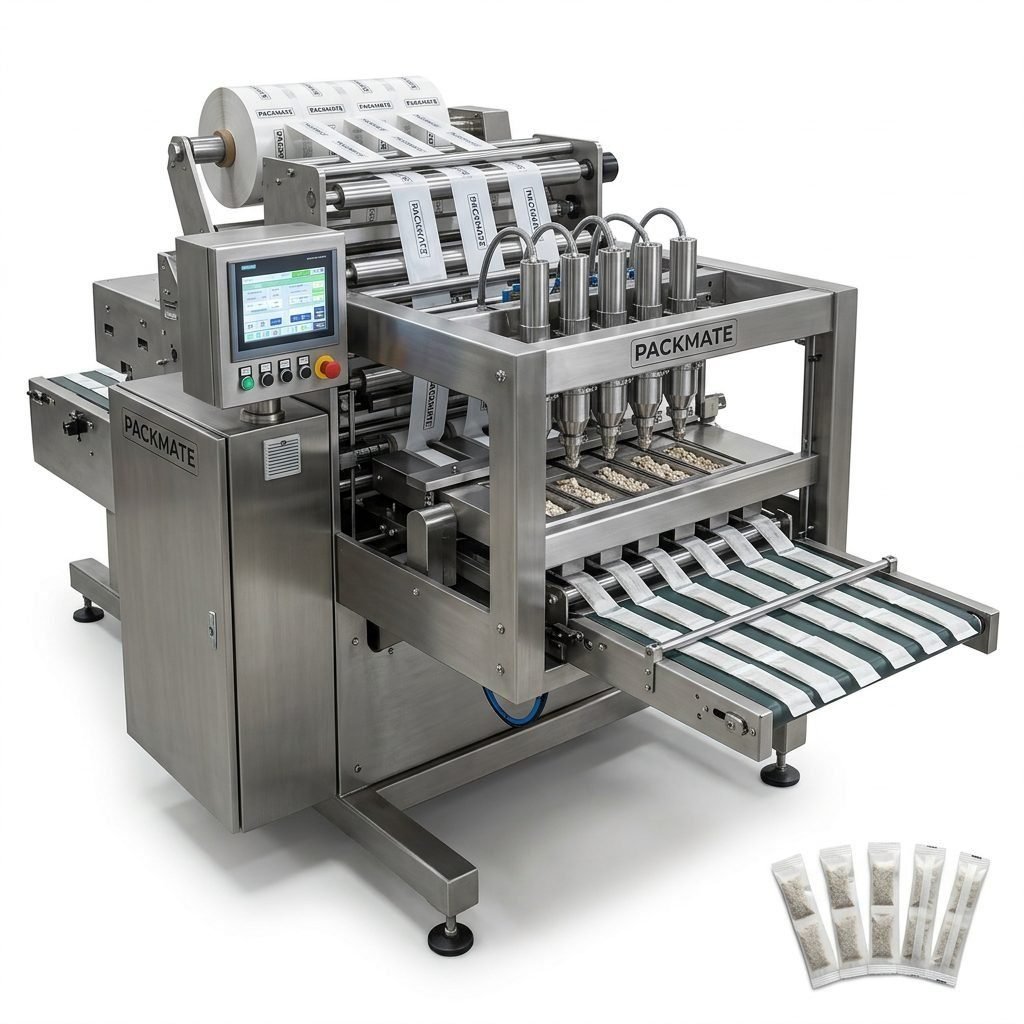
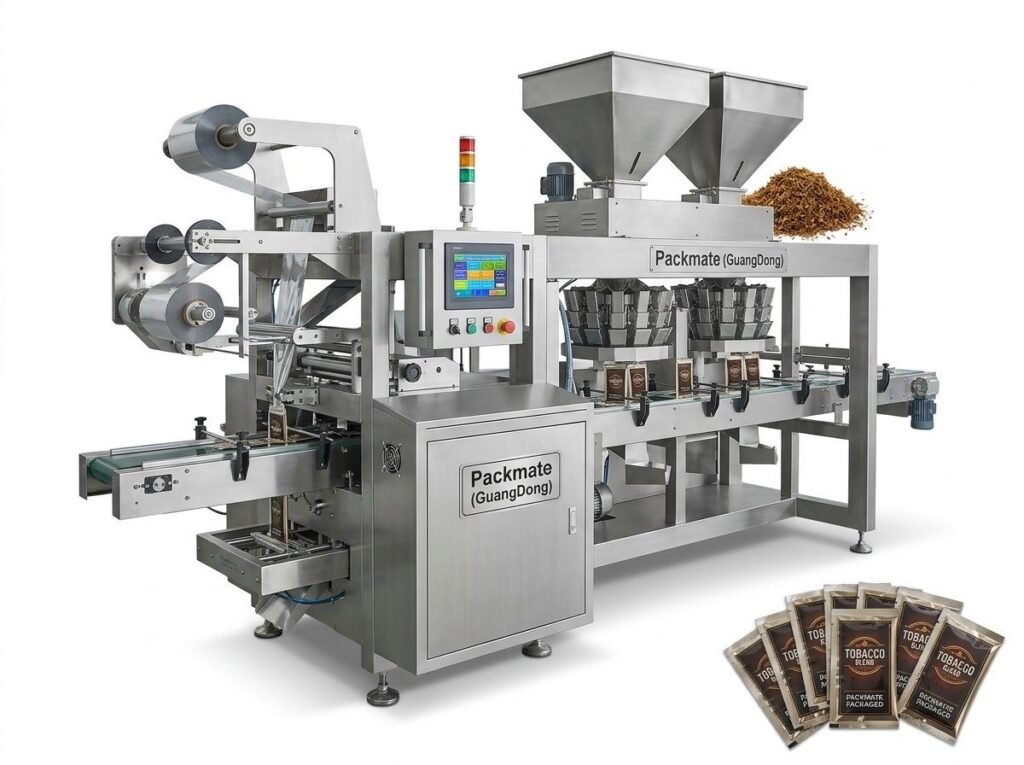
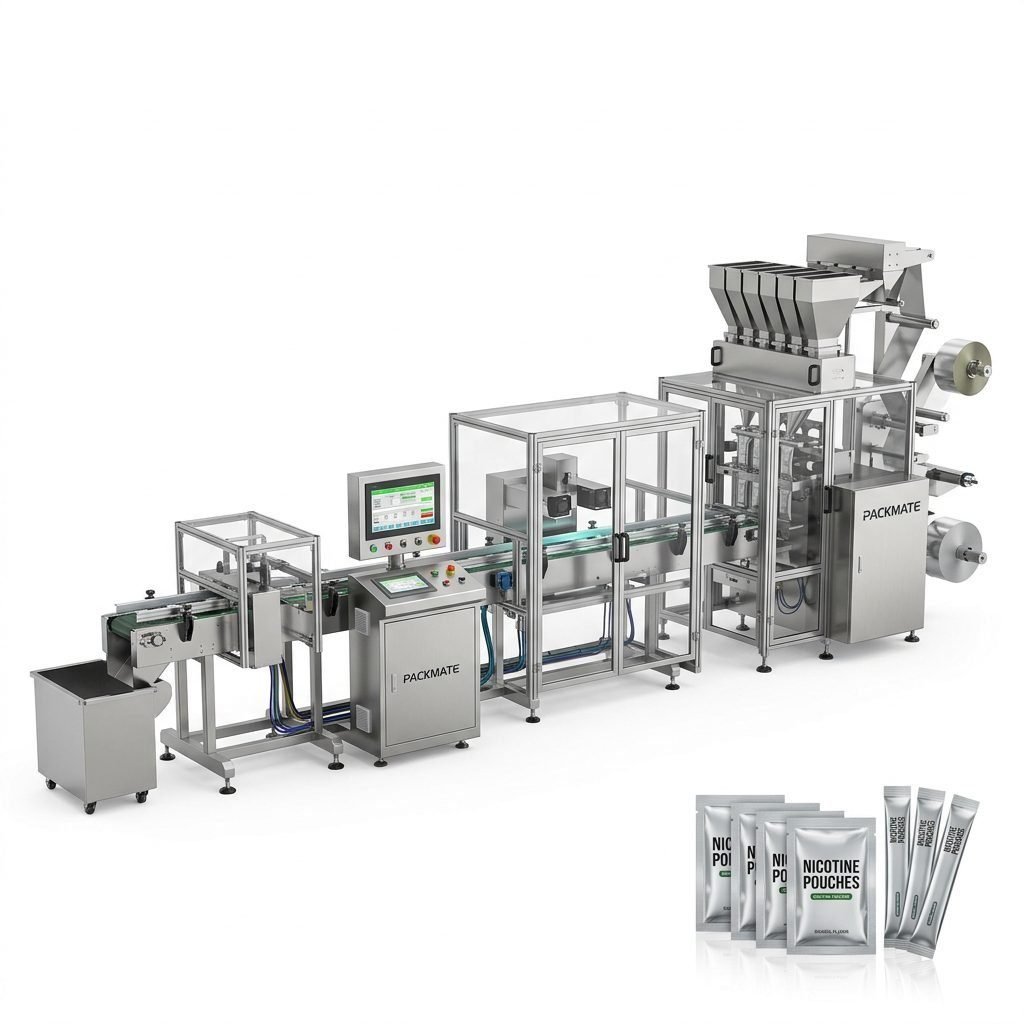
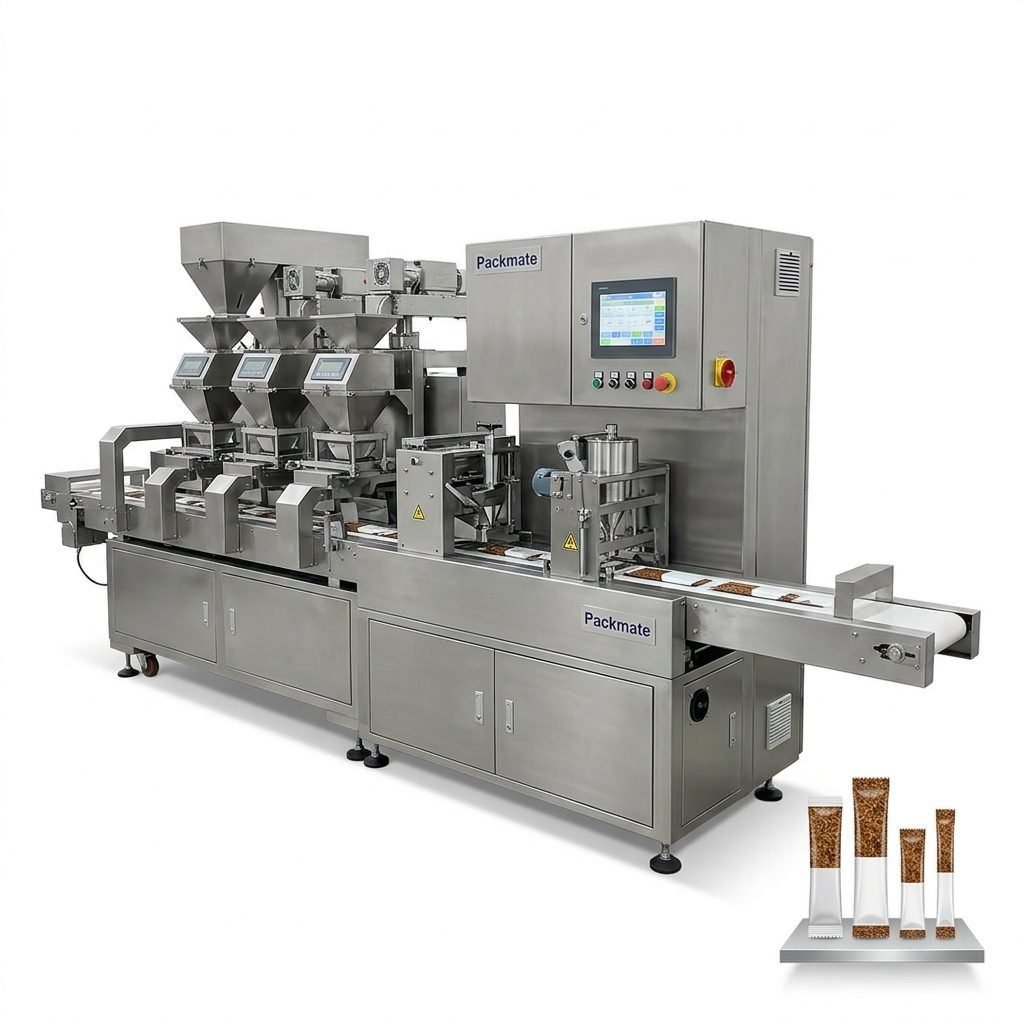
When evaluating suppliers, Packmate brings attributes that align with the needs of Peruvian buyers: three decades of industry experience, a wide range of snus & nicotine packaging machines, and a manufacturing base capable of customized turnkey lines. Their product portfolio covers snus/nicotine pouch machines, stick pack and sachet systems, and full filling & packaging lines designed for small-dose pouch production.
Explore product categories and learn more about their machine types:
Snus & Nicotine Packaging Machines,
Bag & Pouch Packaging Machines, and
Sachet & Stick Pack Machines.
🌎 Global capability: Packmate lists 50+ machine models and a 20,000㎡ manufacturing facility, which supports reliable spare parts supply and customized turnkey solutions — important for Peruvian operations seeking long-term partnerships.
Comparing quotes: more than the upfront price
When you receive multiple quotes, compare them on technical fit, warranty, spare part policies, training, and total cost of ownership (TCO). Consider energy consumption, expected maintenance intervals, and the availability of local technicians who can be trained. A slightly higher initial investment often pays off if it reduces downtime and increases yield.
Negotiation points
– Include FAT acceptance criteria in the contract.
– Clarify spare parts lead times and cost for the first 12 months.
– Request on-site commissioning and training in Peru (or remote Spanish training modules).
– Ask for references from customers in Latin America if available.
Making the final decision — a short decision flow
1) Technical fit: Does the machine meet your pouch format and throughput needs?
2) Compliance & documentation: Are CE/ISO and labeling integrations provided?
3) After-sales: Are spare parts and service response acceptable for Peru?
4) Cultural fit: Can the supplier communicate in Spanish and support on-site?
5) TCO vs ROI: Evaluate projected uptime, yield improvements, and payback period.
Practical next steps for Peruvian buyers
– Shortlist 2–3 suppliers and request tailored proposals.
– Ask for FAT using your actual nicotine pouch formula and pouch film.
– Verify logistics and import assistance for smooth delivery to Peru.
– Plan for staff training and a spare parts kit on arrival.
– Secure a post-sale service plan with response times and escalation paths.
If you want a deeper look at turnkey lines and real-world case studies, see Packmate’s documented case examples and service portfolio:
Case |
Service |
About Packmate.
Final checklist before signing
– Confirm FAT results and acceptance criteria. ✅
– Get a complete spare parts list and first-year kit. ✅
– Ensure Spanish documentation and training are included. ✅
– Lock in warranty and SLA terms. ✅
– Plan logistics and customs clearance details. ✅
⚠️ Don’t forget: Negotiate machine acceptance terms in writing and include remedies for non-conforming performance to protect your investment in Peru.
Summary — making a confident supplier choice in Peru
Choosing the right nicotine packaging machinery supplier in Peru requires balancing technical fit, manufacturing strength, after-sales service, and cultural compatibility. Prioritize suppliers that offer FAT with your product, Spanish-language support, robust spare parts policies, and turnkey solutions that simplify integration. Suppliers with proven global experience and strong manufacturing capabilities offer the best chance of long-term success.
Frequently Asked Questions (3-5)
Q: How important is a Factory Acceptance Test (FAT)?
A: A FAT is essential — it verifies machine performance using your product and defines acceptance criteria. Include it in the contract to avoid surprises at delivery.
Q: What spare parts should I keep on hand for the first year?
A: Keep consumables (seals, belts, cutters), critical electronics spares, and a recommended mechanical wear kit. Ask your supplier for a tailored spare parts package.
Q: Is Spanish-language training necessary?
A: Yes. Spanish documentation and training reduce miscommunication and speed up operator competency — vital for efficient operation in Peru.
Q: How do I verify a supplier’s claims about throughput and accuracy?
A: Request video demonstrations, FAT with your product, and references. Verify repeatability data and request a written performance guarantee.
Q: Where can I get more information or request a quote?
A: For detailed product lists and contact options, visit Packmate’s product and contact pages:
Filling & Packaging Lines |
Contact Us.