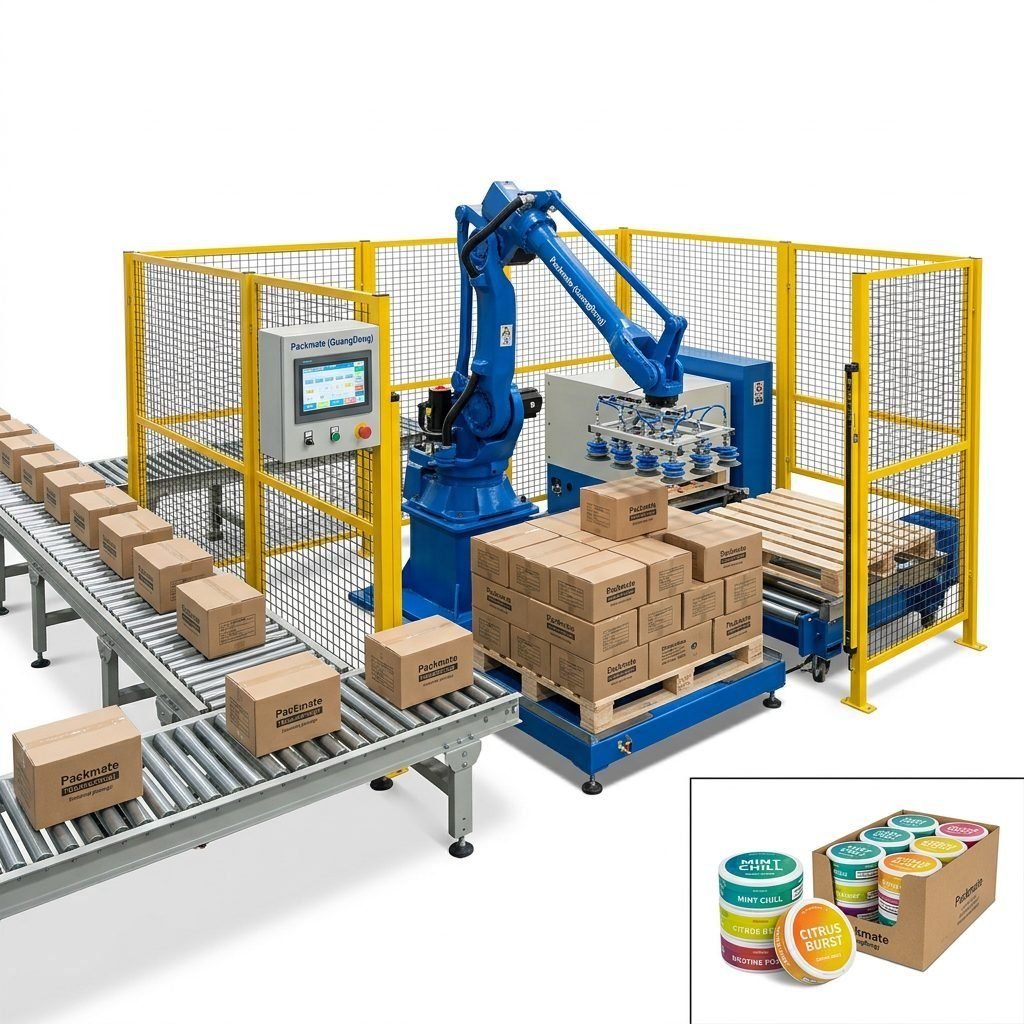
Choosing the right nicotine packaging machinery supplier is one of the most important strategic decisions for any Australian business entering or expanding in the snus and nicotine pouch market. The right partner will deliver machines that meet strict quality and regulatory demands, provide dependable after-sales support, and help you optimize production costs and product presentation for Australian consumers. This guide walks you through practical, Australia-specific considerations and a step-by-step selection process so you can make an informed decision with confidence.
Understand the Australian Context
Australia is known for rigorous product safety, biosecurity checks, and clear labeling requirements. When selecting a supplier, prioritize vendors that understand import procedures, can help with documentation, and design machines that comply with local electrical and workplace safety standards. Also consider packaging preferences in Australia — clear ingredient information, authoritative labeling in English, and formats that suit local distribution channels are often essential.
Tip: Work with suppliers who can provide guidance on regulatory documentation and customs clearance to avoid delays at Australian ports and ensure a smooth commissioning process.
Key Criteria to Evaluate Prospective Suppliers
Use this checklist to compare suppliers in a systematic way. Each item is a decision factor that affects production efficiency, compliance, and total cost of ownership.
✔ Quality and Certifications: Verify CE, ISO and other relevant certifications. Ask for test reports and quality control procedures.
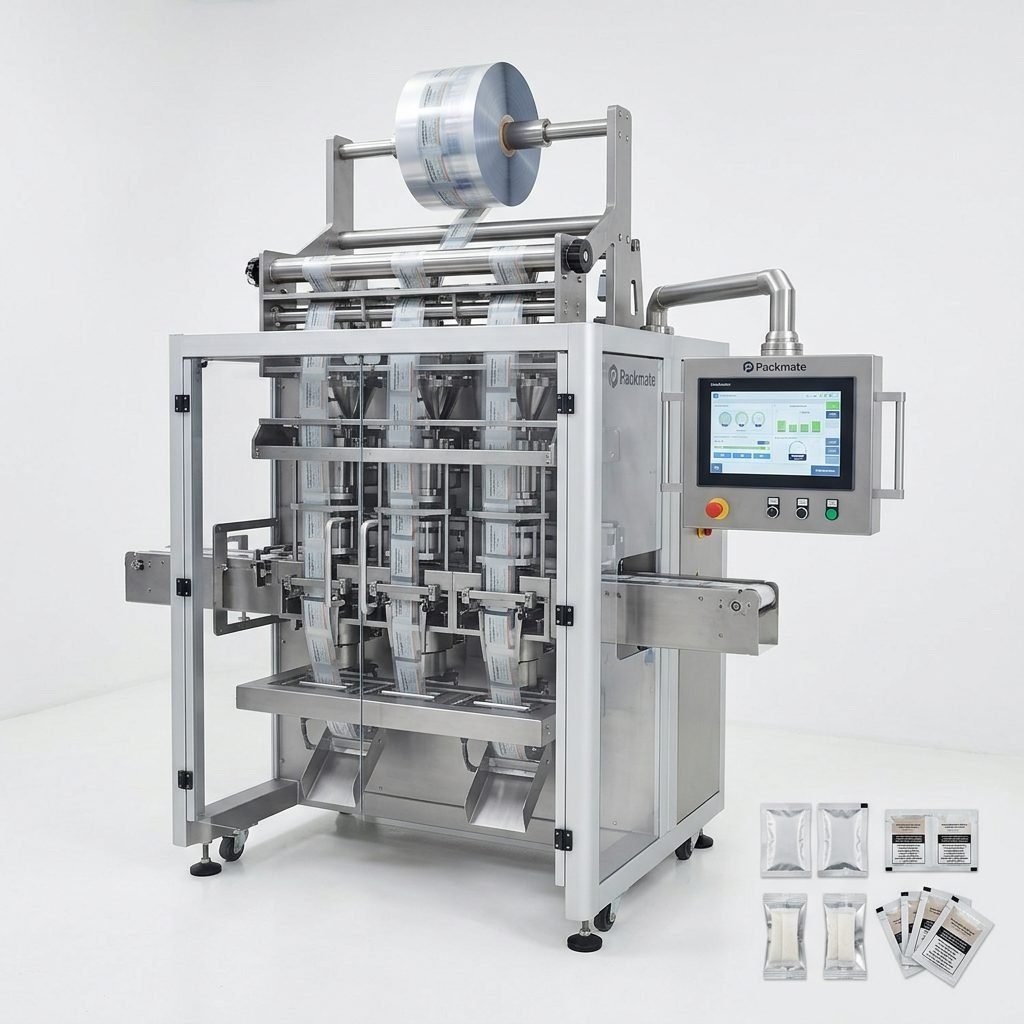
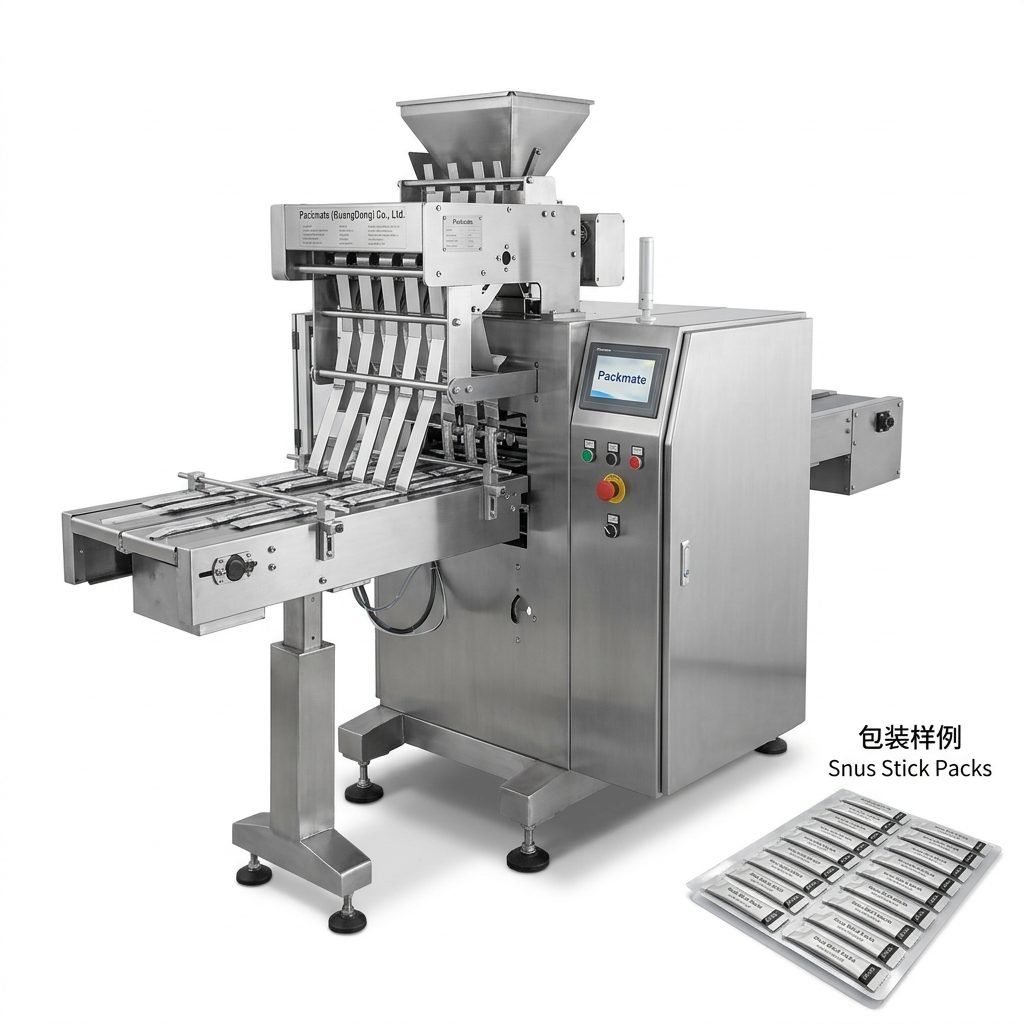
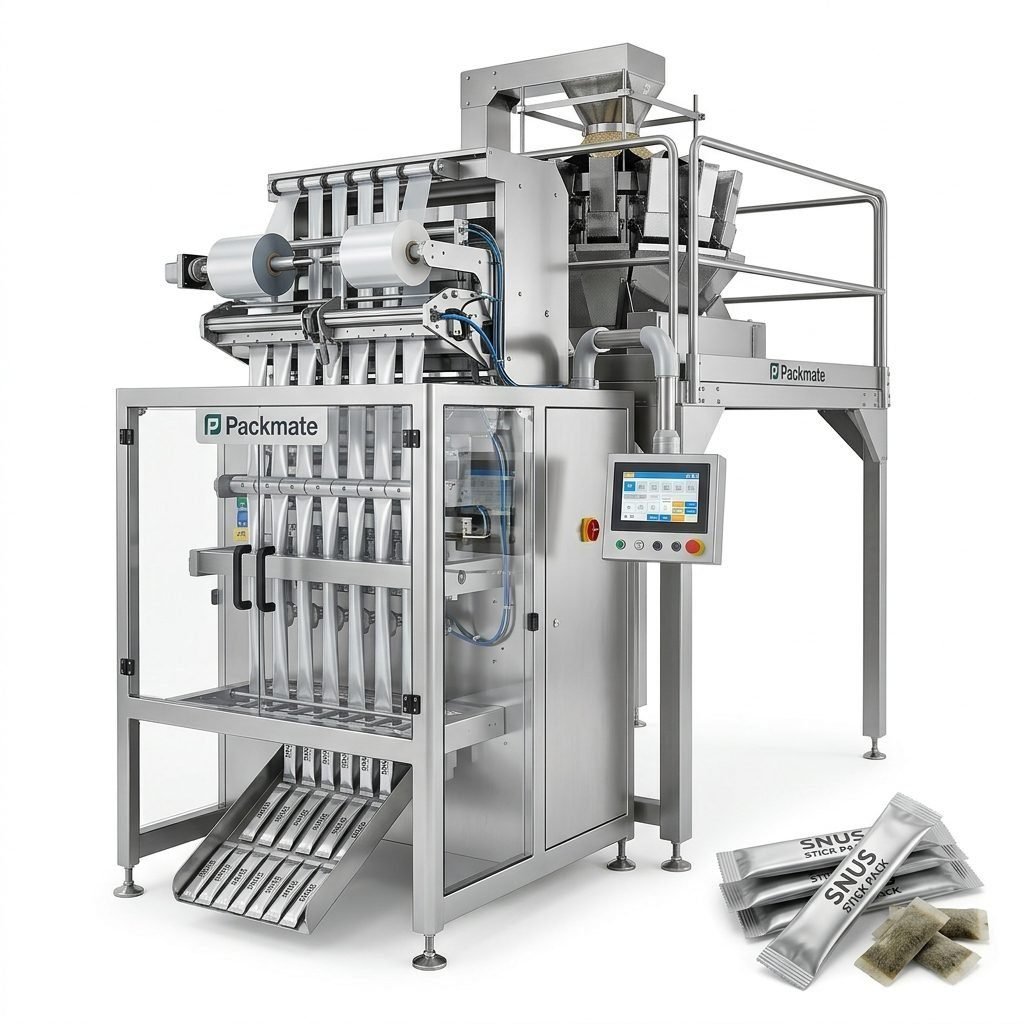
✔ Technical Capability: Ensure the supplier has experience with multi-lane snus, stick pack, sachet and low-dose pouch systems and can handle your target output and dose accuracy.
✔ After-Sales Support: Fast spare parts delivery, remote diagnostics, local representatives or in-country partners matter for uptime.
✔ Customization & Scalability: The ability to adapt machine formats, lanes and automation levels as your product line evolves is crucial.
✔ Case Studies & References: Request real-world examples and contactable references, especially those who have shipped and commissioned equipment in Australia or similar markets.
Why Factory Strength & Engineering History Matters
A strong manufacturing base and decades of engineering experience indicate a supplier’s ability to deliver robust machinery and continuous improvement. Companies with in-house CNC machining centers and precision assembly lines typically produce machines with better durability and serviceability. When possible, review the manufacturer’s factory capabilities, assembly processes and long-term product development history to assess reliability.
If you’d like to explore an established supplier with a track record in snus and nicotine pouch machines, check out the Snus & Nicotine Packaging Machines product line for examples of typical machine types and capabilities.
Evaluate Machine Types and Production Configurations
Different nicotine product formats require distinct equipment and production flows. Your supplier should be experienced in the specific technology you need:
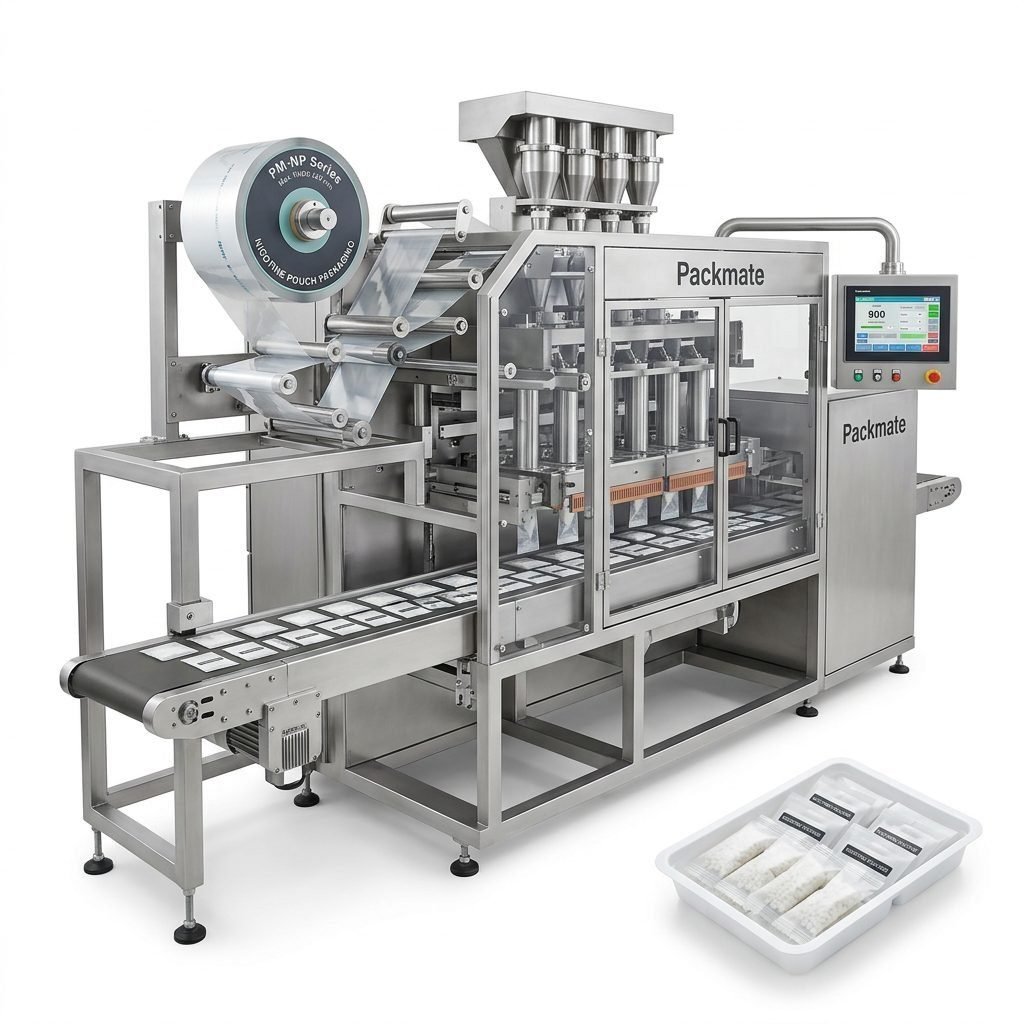
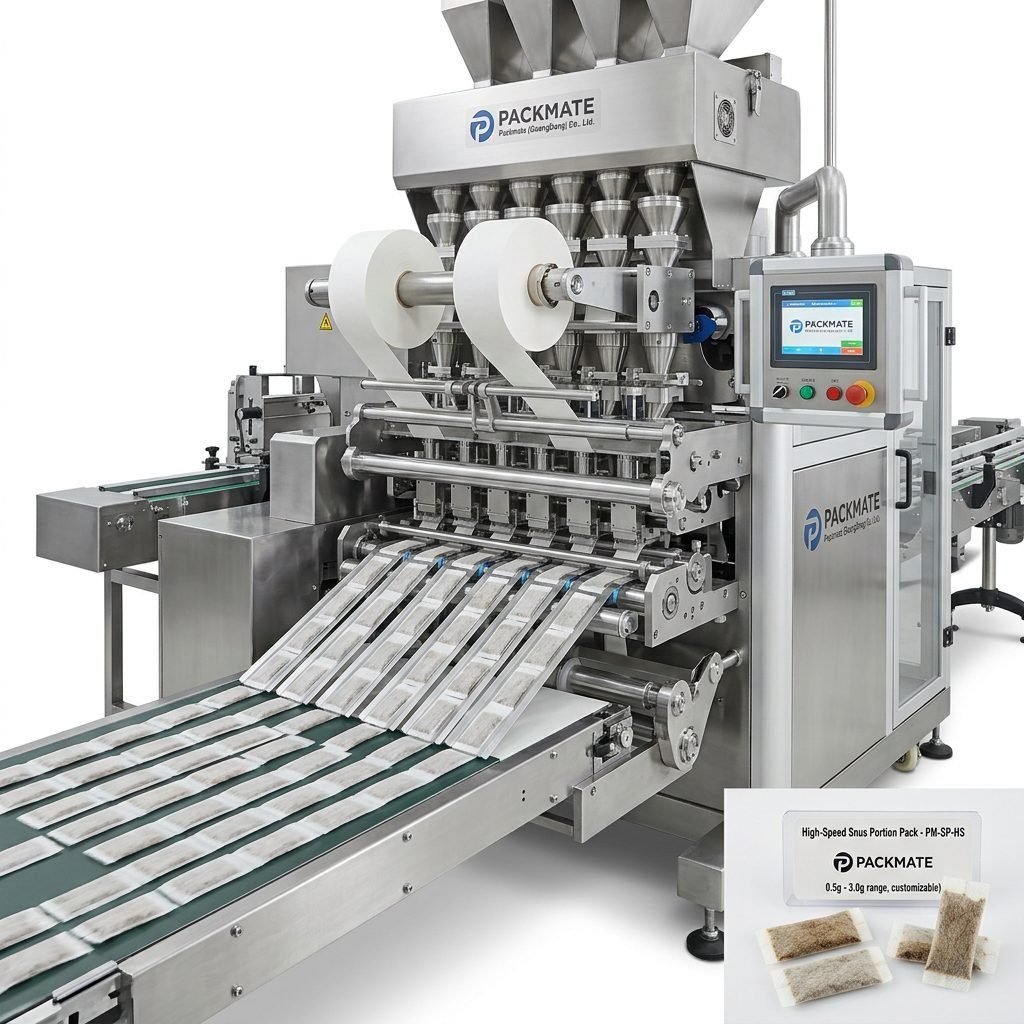
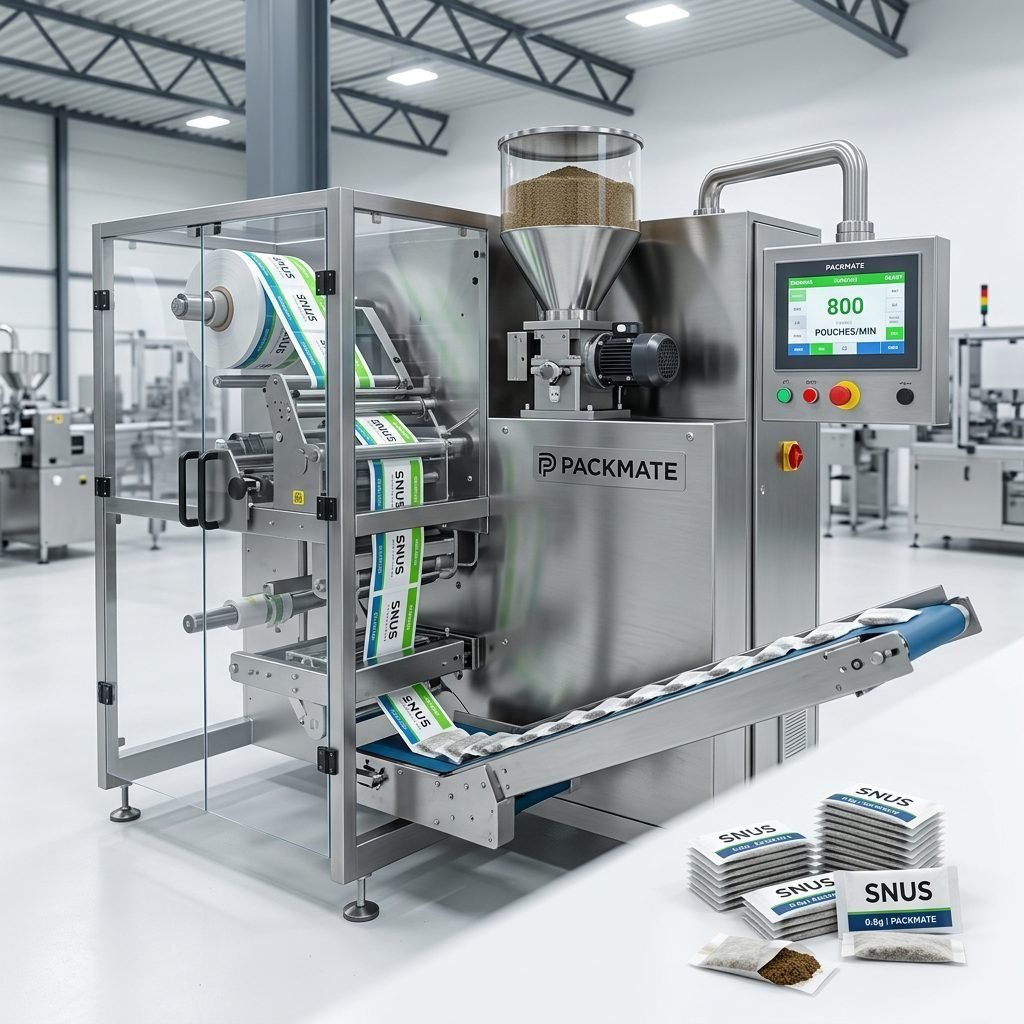
- Multi-lane snus pouch lines for high throughput small-dose pouches.
- Stick pack and sachet machines for sachet-style nicotine products and samples.
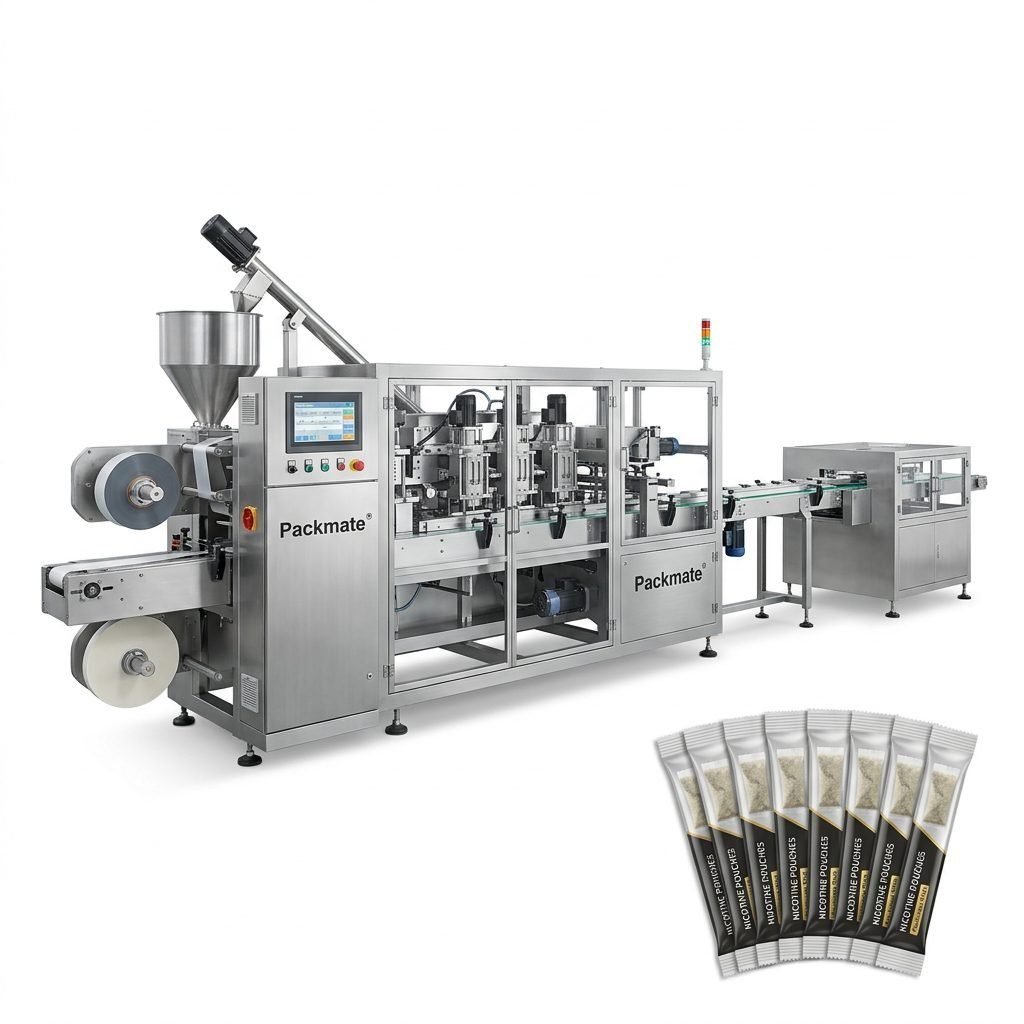
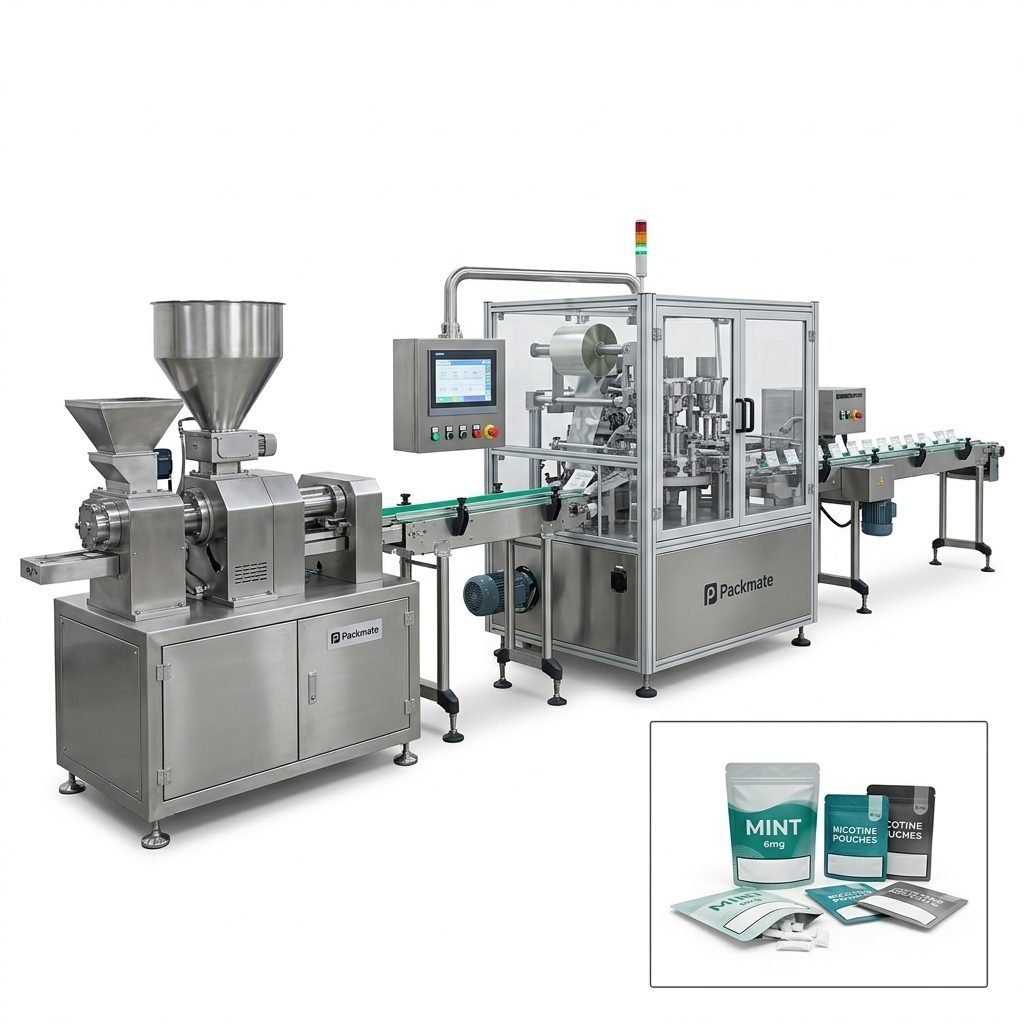
- Weighing, filling and sealing lines when precise dosing and integrated packaging are required.
- Auxiliary equipment such as conveyors, metal detectors, and capping/labeling units that fit into turnkey lines.
Note: Modular lines that support upgrades (for example adding lanes or automation modules) help manage investment risk and allow you to scale production as demand grows.
Assess Service, Training and Local Support
Downtime is costly. Prioritize suppliers that offer:
- Clear warranty terms and fast spare parts shipping to Australia.
- On-site commissioning and operator training, or remote FAT (Factory Acceptance Testing) and video-guided training if travel is restricted.
- Local or regional service partners, or a commitment to develop one with you.
Ask the supplier about spare parts lead times and whether they maintain a regional parts depot. Suppliers who can pre-stock critical spares reduce risk for Australian operations.
Supplier Verification: Audits, Certifications and Factory Visits
Before finalizing any purchase, perform due diligence:
Factory audits: If feasible, visit the factory to inspect production lines, quality control stations and assembly processes. If travel is not possible, request detailed video tours and live Q&A sessions.
Certificates and testing: Ask for CE, ISO certificates and any other relevant compliance documentation. Request sample test reports for dose accuracy and packaging integrity.
References & case studies: Speak to existing customers, particularly those who have imported and commissioned equipment in Australia. See live use cases to judge real-world performance — many suppliers provide documented Case studies.
Practical Steps to Selecting the Best Supplier
Follow these steps to narrow your choices and secure the best long-term outcome:
- Define your product and output needs: Specify pouch size, target throughput, lanes, packaging material and finish quality.
- Request detailed proposals: Ask for technical specs, total landed cost to Australia, lead times, site requirements and training plans.
- Compare total cost of ownership: Include energy usage, spare parts, consumables, expected life cycle and upgrade options.
- Perform FAT and acceptance testing: Ensure the supplier provides a clear FAT process and accepts responsibility for performance metrics before shipment.
- Confirm after-sales SLA: Delivery windows for parts, remote troubleshooting response times, and fee structures for field service.
Financial & Logistics Considerations for Australia
Beyond machine price, factor in shipping costs, customs duties, quarantine inspections, and local installation costs. Suppliers who support export documentation and provide packaging optimized for long-distance freight reduce the chance of damage during shipping. It’s also wise to confirm compatibility with local electrical systems and whether country-specific adaptors or transformers are required.
Economic perspective: Consider ROI models that include labor savings from automation, reduced product waste, and improved packaging consistency that can enhance shelf appeal in Australian retail channels.
Why Partner with an Experienced Manufacturer
An experienced manufacturer brings engineering know-how, robust QC systems, and global references. Suppliers that provide turnkey packaging solutions — combining snus pouch machines, weighing & packaging systems and auxiliary equipment — can simplify procurement and integration. Explore suppliers’ product portfolios and documented solutions to ensure they match your production goals. For more information on integrated lines, view examples of filling and packaging lines and auxiliary equipment from established vendors.
Questions to Ask During Supplier Shortlist Meetings
Use these targeted questions to expose strengths and gaps:
- Can you provide FAT and acceptance criteria in writing?
- What are typical lead times for machines and critical spares shipped to Australia?
- Do you have Australian customers or references in similar regulatory contexts?
- How do you handle remote diagnostics and software updates?
- What warranties and service response times are included?
To review supplier capabilities and product lines in detail, you can learn more about the manufacturer’s background and certifications via their About page or examine real-world installations in the Case library.
Bringing It Together: A Quick Selection Roadmap
Step 1: Define product formats, target throughput and quality tolerances.
Step 2: Shortlist suppliers with relevant snus and nicotine packaging experience and request proposals.
Step 3: Execute FAT, review case studies, confirm certifications and finalize total landed cost.
Step 4: Plan installation, training and spare part stocking prior to shipment.
Next Steps & Contacting Suppliers
After narrowing your shortlist, request formal quotations that include technical data sheets, FAT procedures, warranty details and a clear timeline for delivery to your Australian site. If you need more technical documentation or want to see product demonstrations, many manufacturers host exhibitions and online demos you can join. For direct inquiries and tailored solutions, reach out via the supplier Contact page — they can provide catalogs, case studies and arrange virtual factory tours.
Useful resources: Snus & Nicotine Packaging Machines, Case examples from live installations, and company background information can help you validate a supplier’s capacity and experience.
Final Checklist Before You Sign
⚠️ Ensure all compliance documentation is provided and that the supplier will assist with export/import paperwork.
🔍 Confirm FAT acceptance criteria and performance guarantees in the contract.
📌 Agree on spare parts lead times and set up a minimal spare parts package for initial commissioning.
✅ Verify training plans for operators and maintenance personnel, including documentation and remote support options.
Conclusion
Selecting the best nicotine packaging machinery supplier for Australia requires a careful balance of technical fit, regulatory understanding, service capability and total cost of ownership. Prioritize suppliers with proven snus and nicotine pouch experience, strong manufacturing capabilities, and clear after-sales support. Ask for FATs, case studies and verified references to reduce risk and ensure a smooth commissioning. When ready, contact shortlisted suppliers to request quotes and technical demonstrations tailored to your Australian operations.
Frequently Asked Questions
Q1: How important is FAT for nicotine packaging lines?
A1: FAT is essential. It verifies machine performance, dosing accuracy and packaging integrity before shipment, protecting you from unexpected performance gaps at site.
Q2: What certifications should I request from the supplier?
A2: Ask for CE, ISO and any product-specific testing documents. Also request documentation showing quality control processes and material traceability.
Q3: How do I manage spare parts and service when the supplier is overseas?
A3: Negotiate an initial spare parts kit, confirm shipping lead times to Australia, and seek suppliers who offer remote diagnostics and training to reduce downtime.
Q4: Should I choose a turnkey line or assemble components from different vendors?
A4: Turnkey suppliers simplify integration and responsibility. If you have strong integration capabilities in-house, modular components may reduce cost but increase coordination efforts.
Q5: Where can I see real examples of nicotine pouch lines and references?
A5: Review the supplier’s case studies and product pages for real-world installations and contact references to verify machine performance and service quality.
For more detailed product specifications and real-world examples, visit Snus & Nicotine Packaging Machines, review the Case library, learn more About the manufacturer, or get in touch via Contact Us to request catalogs and arrange demonstrations.