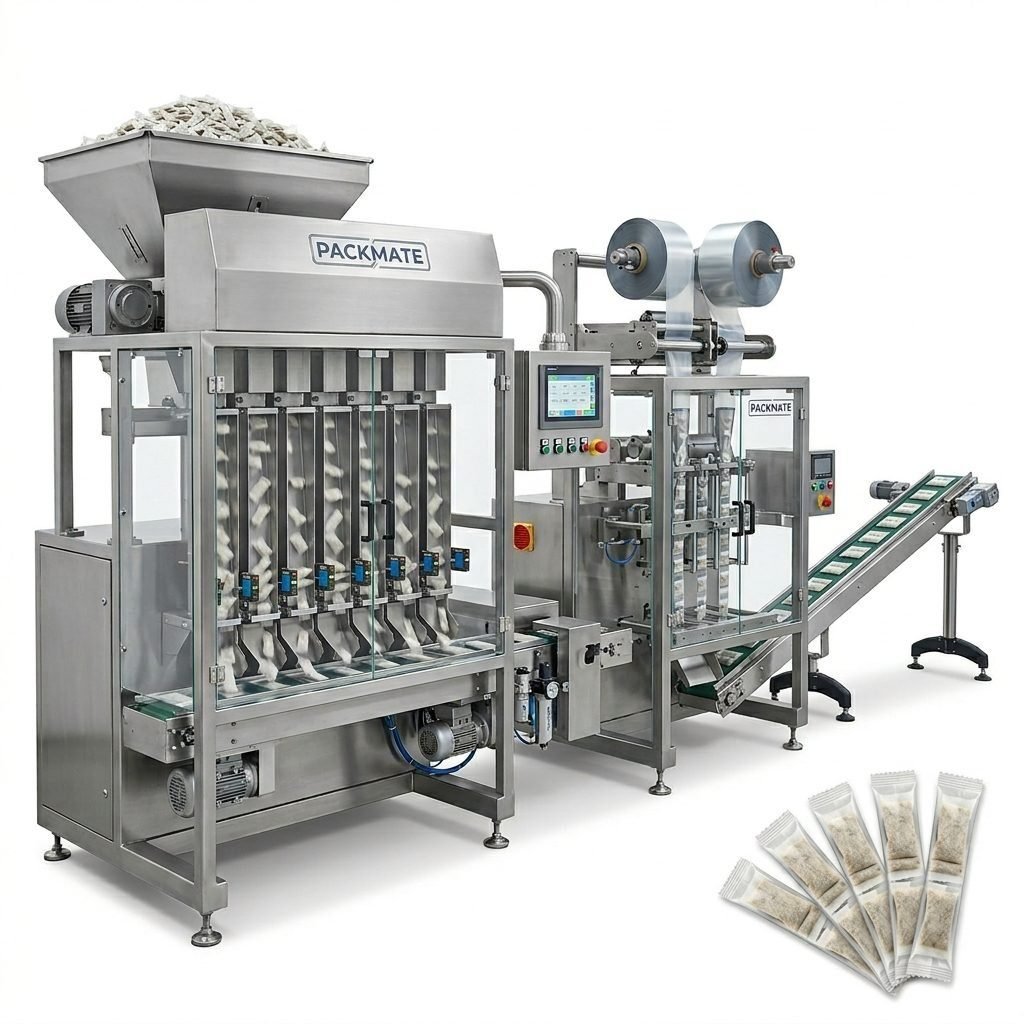
Estonia’s manufacturing and consumer landscape offers unique opportunities for brands producing nicotine pouches and snus. Whether you are launching a boutique local line for Tallinn cafés or scaling for export across the EU, selecting the right nicotine packaging machinery supplier is one of the most important decisions you will make. This guide breaks down practical steps, technical considerations, and local Estonian customs to help you choose a supplier that meets production targets, compliance demands, and cost expectations.
Understanding Estonia’s market and regulatory context 🇪🇪
Estonia is a small, export-oriented economy with strong ties to EU regulations. For nicotine pouch manufacturers, this means two immediate realities: first, any product placed on the Estonian market must respect EU rules (like aspects of the Tobacco Products Directive) and national labeling, advertising, and tax rules; second, Estonian customers and retailers value clean design, sustainability, and quality control. Be mindful that local retailers often expect information in Estonian and Russian, and that packaging must be compliant with local health and safety labeling.
Tip: Consult a local regulatory adviser early. Compliance affects machine choice (e.g., capabilities for tamper-evident seals, batch coding, and multi-language label printing).
Define production targets and product formats
Before you start comparing suppliers, articulate your production profile clearly:
• Annual volumes: Are you running a few million pouches per year or testing the market with a small pilot?
• Formats and lanes: Single-lane for artisanal batches vs multi-lane systems for high-speed production (multi-lane lines are common for small-dose nicotine pouches).
• Materials and sachet types: Do you need stick packs, sachets, doypacks, or tray-ready pouches? Each requires different filling, sealing, and packaging modules.
Key machine types and technical features to compare 🔧
Look for suppliers that offer machines covering these core functions:
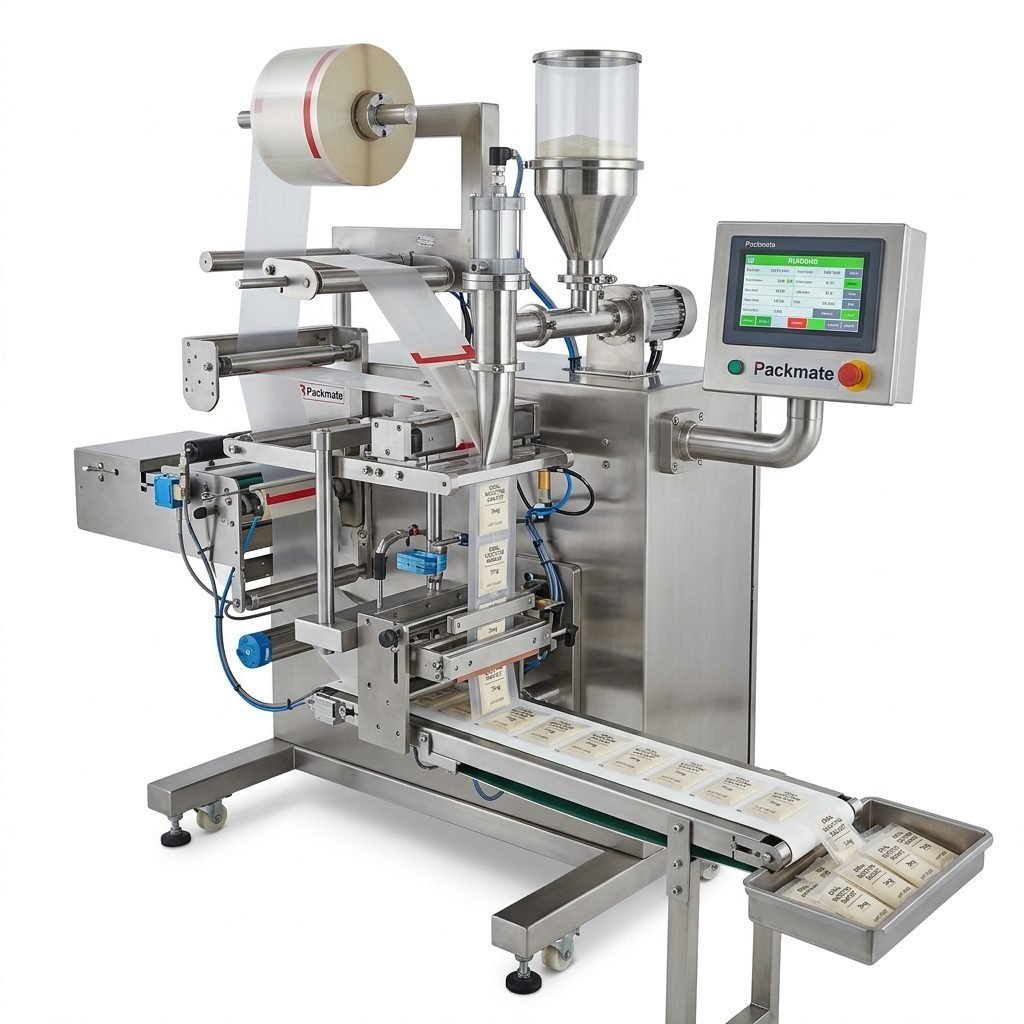
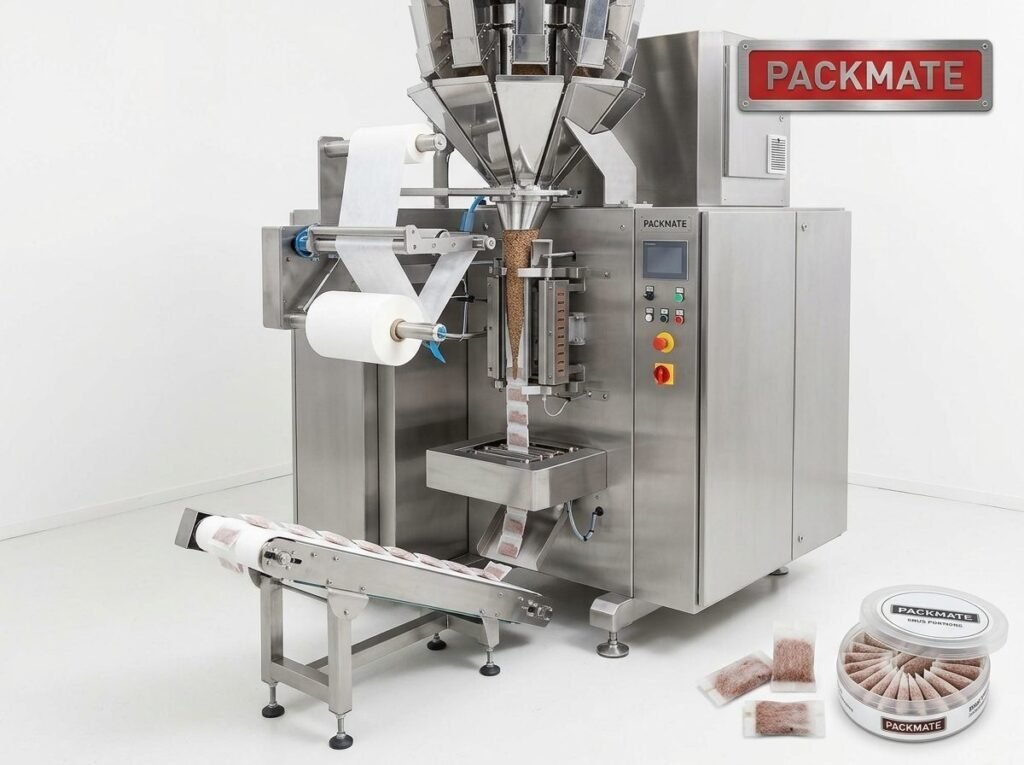
- Precision filling systems for low-dose nicotine powder or pouches (weighing accuracy and low wastage)
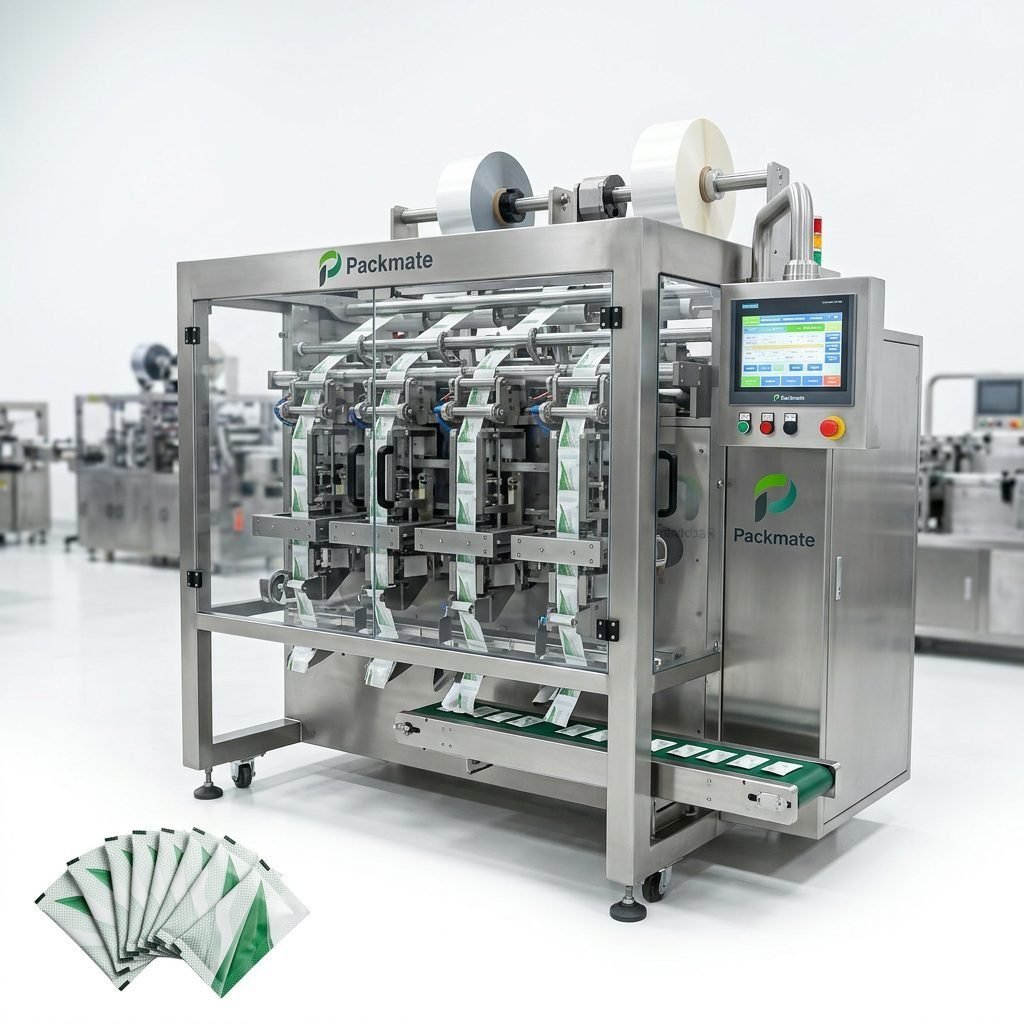
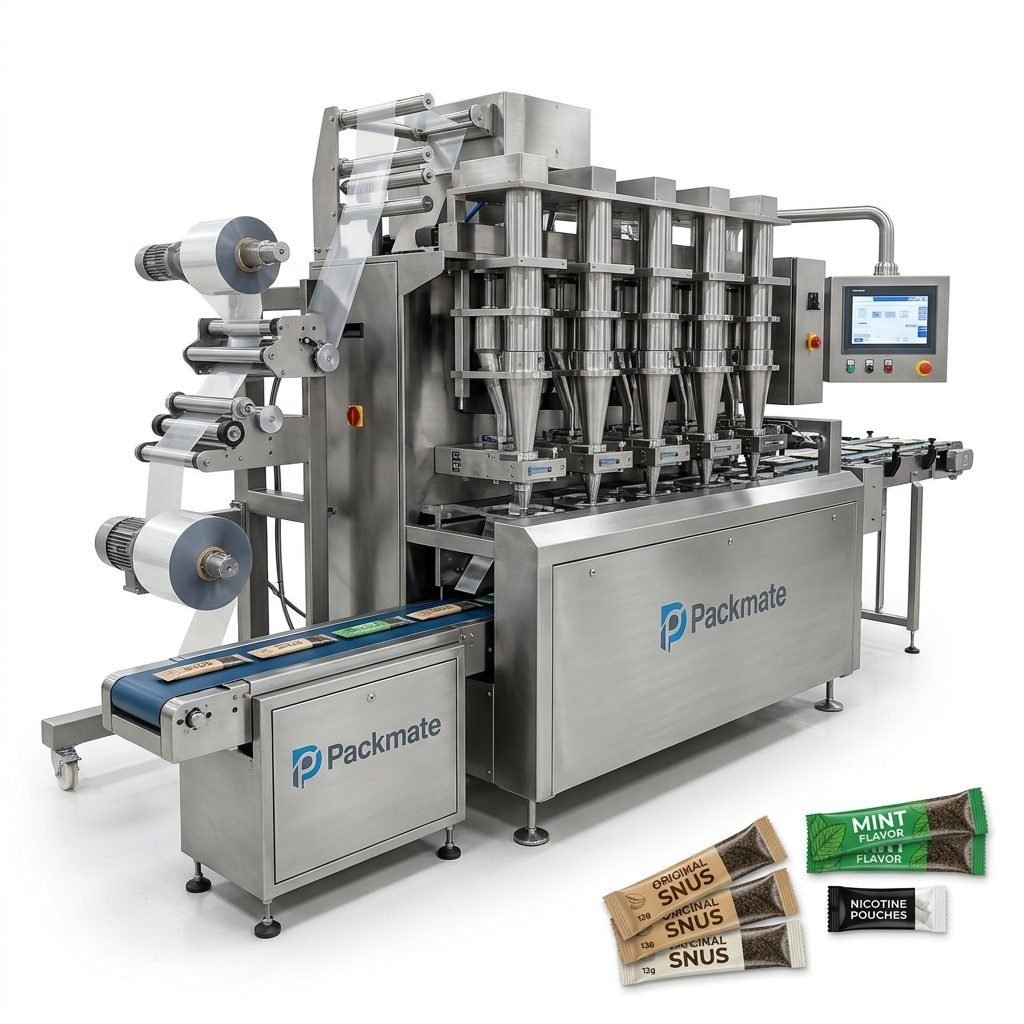
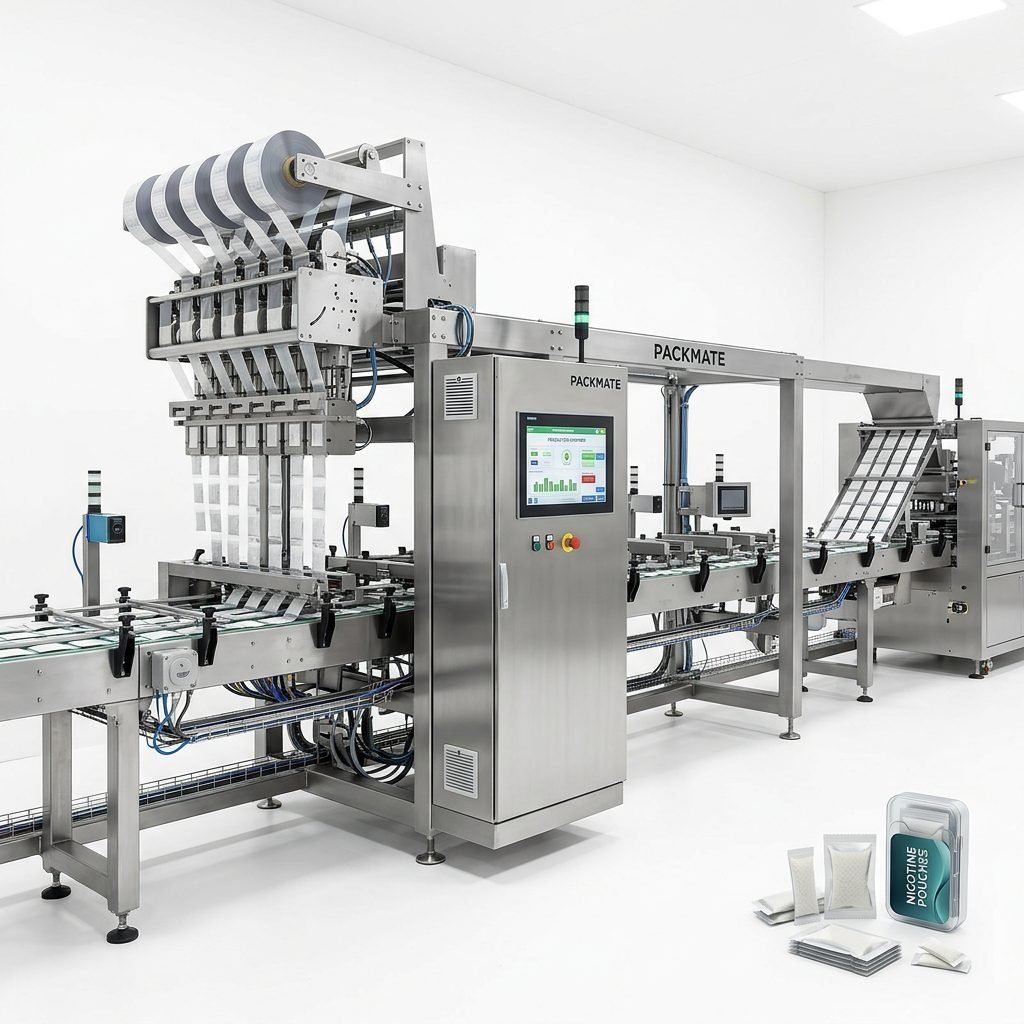
- Multi-lane forming and sealing machines for high throughput
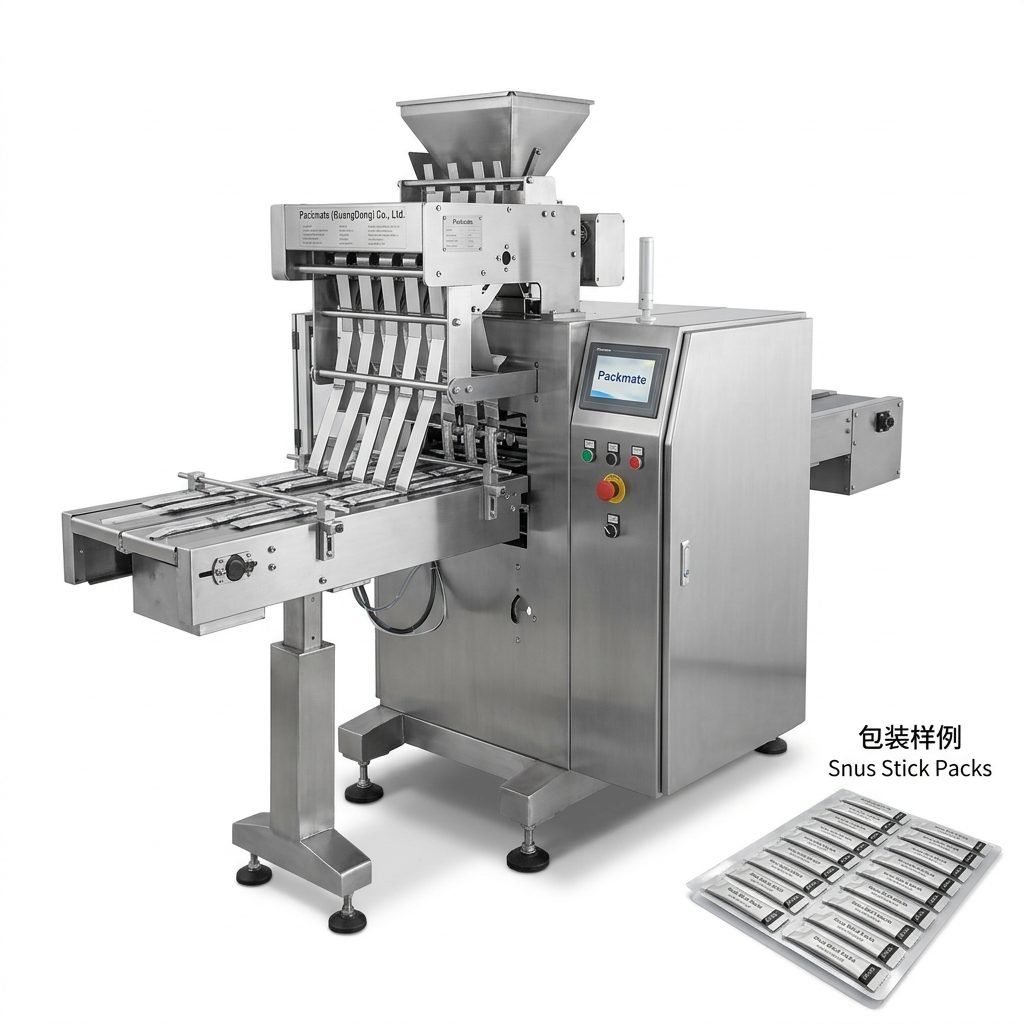
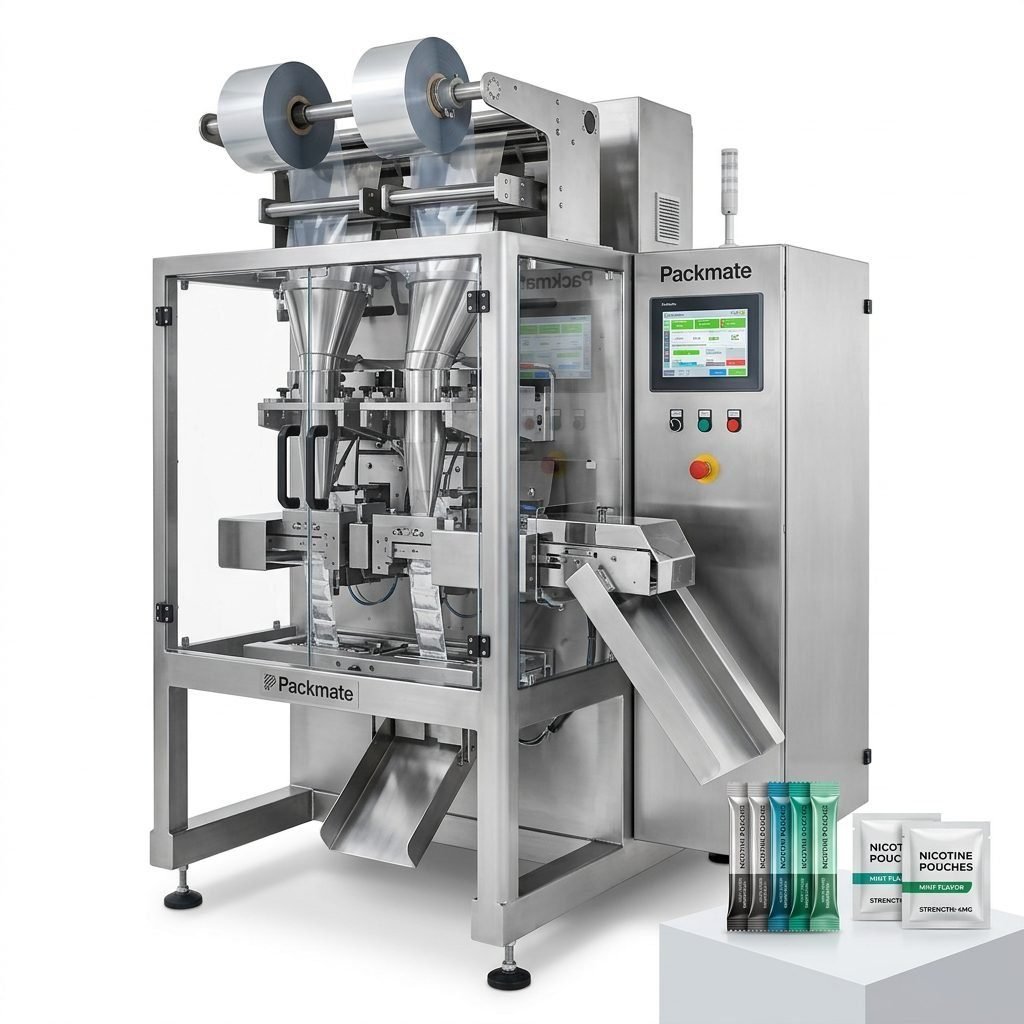
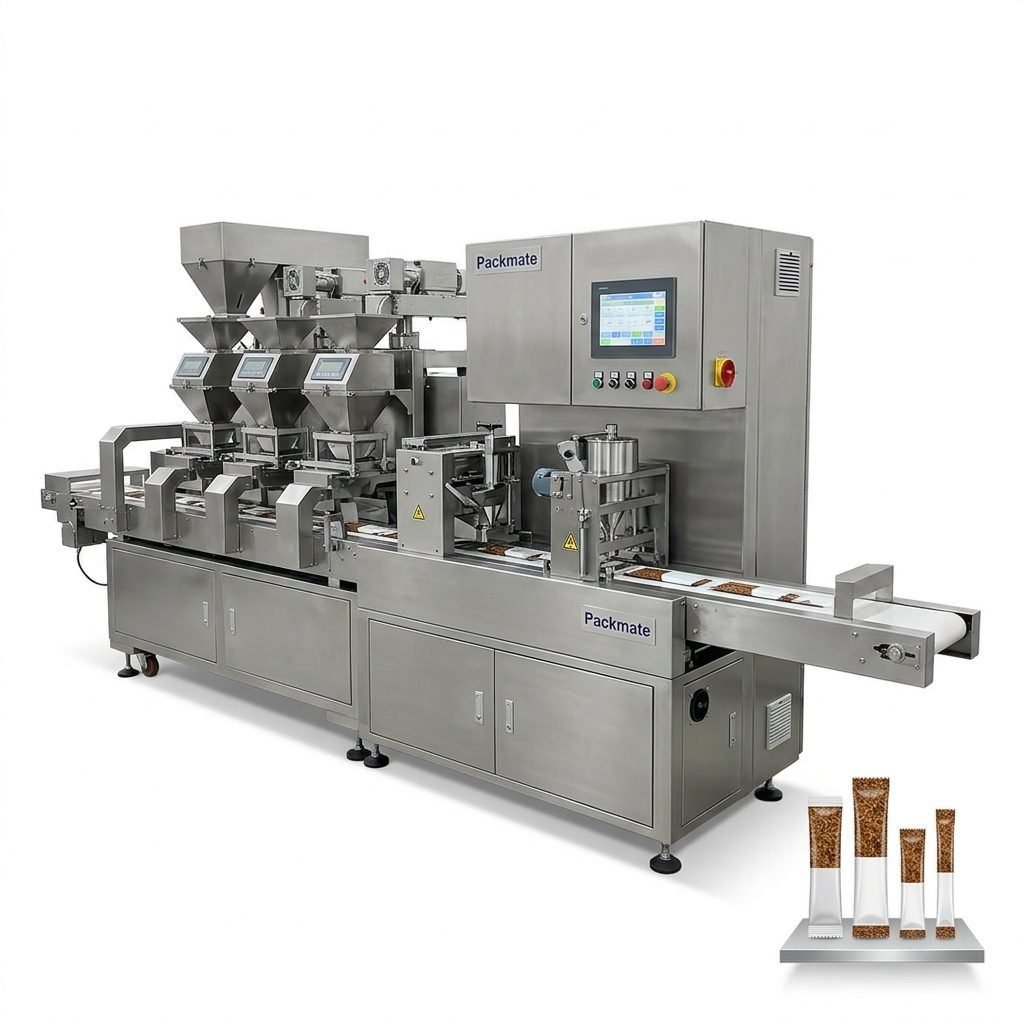
- Reliable sachet and stick pack equipment for single-serve options
- Integrated weighing and packaging systems for mixed-product lines
- Traceability modules: coding, date/batch printing, and serialization
Suppliers that can supply modular lines—mixing filling, weighing, and final pack machines—reduce integration risk and timeline.
Performance, reliability and engineering quality
Prioritize machine uptime and predictable maintenance. Ask for:
• MTBF and MTTR metrics (Mean Time Between Failures / Mean Time To Repair). Higher MTBF and low MTTR minimize unexpected downtime.
• Spare parts strategy: Which parts are wear items, what are lead times, and can parts be shipped to Estonia quickly?
Ask for real performance data from the supplier’s existing nicotine pouch lines: OEE (Overall Equipment Effectiveness), speed (pouches/min per lane), and reject rates.
Certifications and factory capabilities
European buyers often require CE and ISO certification. Verify that the supplier’s machines and factory follow international standards for safety and quality control. Packmate’s factory details—20,000㎡, CNC machining, and ISO/CE compliance—are examples of the type of capability that supports reliable long-term production.
Quick check: Ask the supplier to provide certificates and recent factory audit reports. Visit if possible, or request a live video tour and factory acceptance test (FAT).
After-sales support, training and spare parts in the EU
For Estonia, proximity to a European service hub or reliable remote support is essential. Assess:
- Installation and commissioning support on-site (or via accredited partners)
- Operator training in English and, where possible, documentation in Estonian/Russian
- Remote diagnostics and PLC/HMI support for quick troubleshooting
- Spare parts inventory and options for local stocking or consignment
Commercial terms, lead times and logistics 📦
Machine cost is important, but so are payment terms, delivery schedule, and logistics to Estonia. Key points:
• Lead time: Custom lines take longer. Confirm manufacturing and shipping windows early.
• Incoterms: DAP to Tallinn or CIF to a Baltic port are common. Work with freight forwarders experienced in handling large machinery.
NOTE: Customs procedures within the EU are simpler for importers with established VAT numbers; ensure documentation (CE declarations, packing lists, certificates) is complete to avoid delays.
Supplier evaluation checklist ✅
Use this checklist during vendor comparison:
- Factory capabilities and size (e.g., 20,000㎡, CNC centers)
- Relevant machine portfolio: snus/nicotine machines, multi-lane options
- Certifications: CE, ISO and conformity evidence
- After-sales network and spare parts availability in EU
- References and case studies from clients in Europe
- Warranty terms, training, and FAT procedures
Factory visit and Factory Acceptance Test (FAT)
Seeing machines running at the supplier’s site or attending a FAT provides confidence that specifications are met. During FAT, validate speed, accuracy, changeover times, and emergency stop performance. If you cannot travel, ask for a recorded FAT session and a live Q&A.
Commercial considerations specific to Estonian buyers
Estonian producers often prioritize:
- Energy efficiency and small footprint machines (sustainable operation is valued)
- Modular lines that enable quick format changes for niche SKUs
- Local language documentation and training options, or Russian-language materials for certain workforce segments
Also, consider partnerships with suppliers who understand European recycling requirements and can help optimize packaging for circularity.
How to validate supplier claims and references
Ask the supplier for:
- Client references in the EU and documented case studies (production data)
- Video demonstrations of similar machines running the same product type
- Transparent breakdown of machine warranty, service SLA, and spare parts lead times
Why Packmate (example supplier attributes to look for)
A supplier with 30+ years of engineering experience, comprehensive factory capability, a wide product portfolio, and international certifications is well-positioned to support nicotine pouch production in Estonia. Packmate Snus Machine, for instance, highlights strengths such as multi-lane systems, CE/ISO compliance, and full turnkey solutions—criteria that many Estonian buyers find valuable.
Explore product lines to match your format needs: Snus & Nicotine Packaging Machines, Sachet & Stick Pack Machines, and broader packaging options like Filling & Packaging Lines.
Integration, automation and future-proofing your line ⚙️
Plan for growth: select machines that allow upgrades (additional lanes, integration of weight checkers, vision systems, and automated case packers). Automation delivers consistent product quality, lower labor costs, and easier scale-up for Baltic or EU distribution.
Pro tip: Request a roadmap for incremental upgrades and an estimated cost for future expansions so you can budget long-term.
Negotiating terms: warranties, payment and returns
Ensure the contract includes clear performance acceptance criteria, warranty coverage for key components, and defined responsibilities for installation. Typical negotiation points include partial upfront payment, balance on delivery after FAT, and negotiated SLA for spare parts and remote support.
Local partnerships and technical language considerations
If your workforce prefers Estonian or Russian, confirm that operational manuals, training sessions, and on-site support can be provided in those languages. A supplier that provides multilingual documentation will reduce onboarding time and mistakes.
Final selection process: weighting your priorities
Create a scoring matrix to compare suppliers on categories such as cost, delivery time, references, warranty, spare parts availability, and upgradeability. Weight each category based on your priorities (e.g., uptime and spare parts may be more important than the lowest purchase price).
Useful resources and next steps
Review supplier case studies and certifications to validate claims: see Case studies and the supplier’s Certificate page. For more about the supplier, check About Packmate.
Conclusion
Choosing the best nicotine packaging machinery supplier for Estonia requires a balance of technical capability, regulatory knowledge, reliable after-sales support, and smart commercial terms. Focus on suppliers with proven multi-lane nicotine pouch experience, verified factory capabilities, and a solid European support strategy. With the right partner you can ensure compliance, consistent product quality, and a production line that scales with your business.
Frequently Asked Questions
Q1: What certifications should I ask from a nicotine packaging machinery supplier?
A1: Request CE conformity documents, relevant ISO certificates, and any client audit reports. These show compliance with EU safety and quality expectations.
Q2: How important is spare parts availability in Europe?
A2: Very important. Faster spare parts delivery reduces downtime. Ask suppliers for EU-based stock options or a guaranteed parts lead time.
Q3: Should I demand a Factory Acceptance Test (FAT)?
A3: Yes. FAT validates machine performance before shipping. If you can’t visit, request a live remote FAT and recorded test data.
Q4: Are modular machines better for small Estonian producers?
A4: Often yes. Modular machines allow lower initial investment with future upgrades. They also ease format changes for niche product ranges.
Q5: How do I ensure regulatory compliance for nicotine pouches in Estonia?
A5: Work with legal/regulatory advisors, ensure labeling capabilities on your line, and verify supplier features for tamper-evidence, batch coding, and language support. Confirm product classification under EU directives and Estonian national rules before commercial launch.