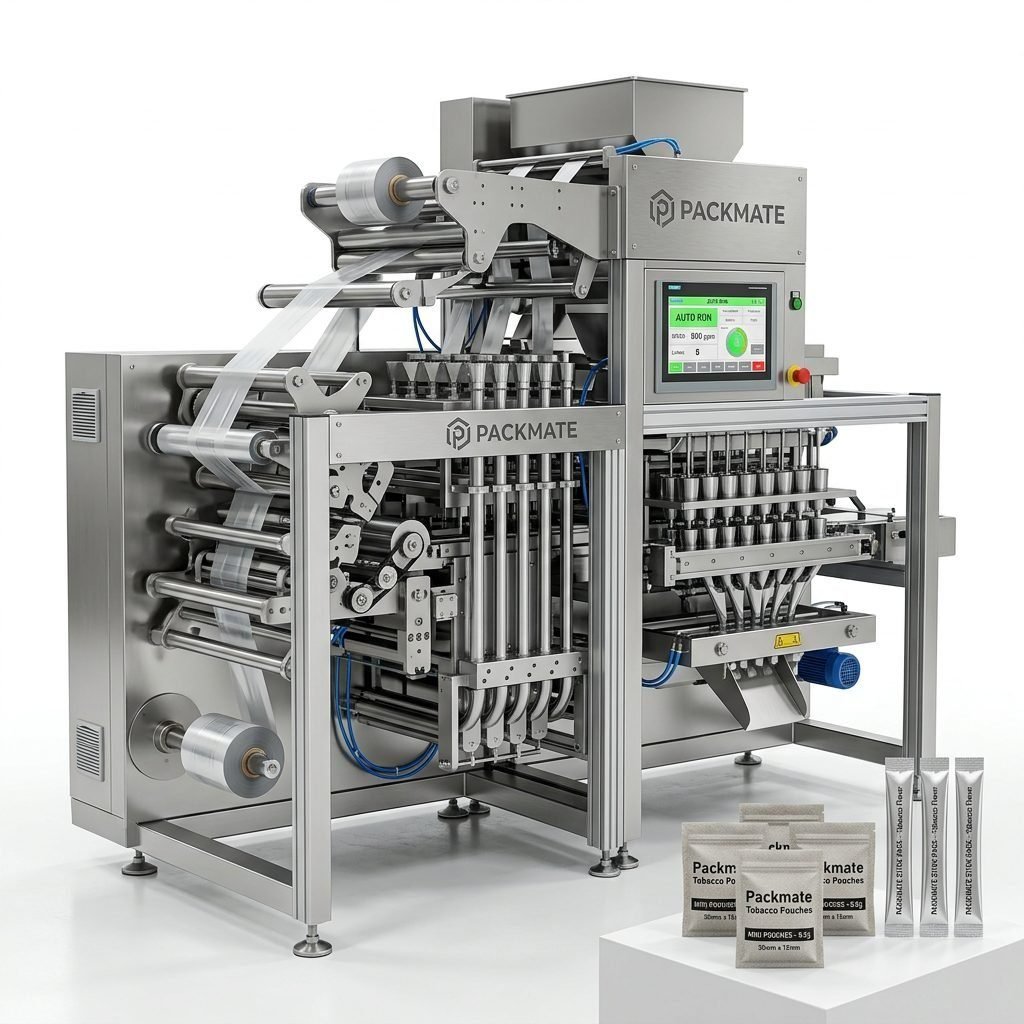
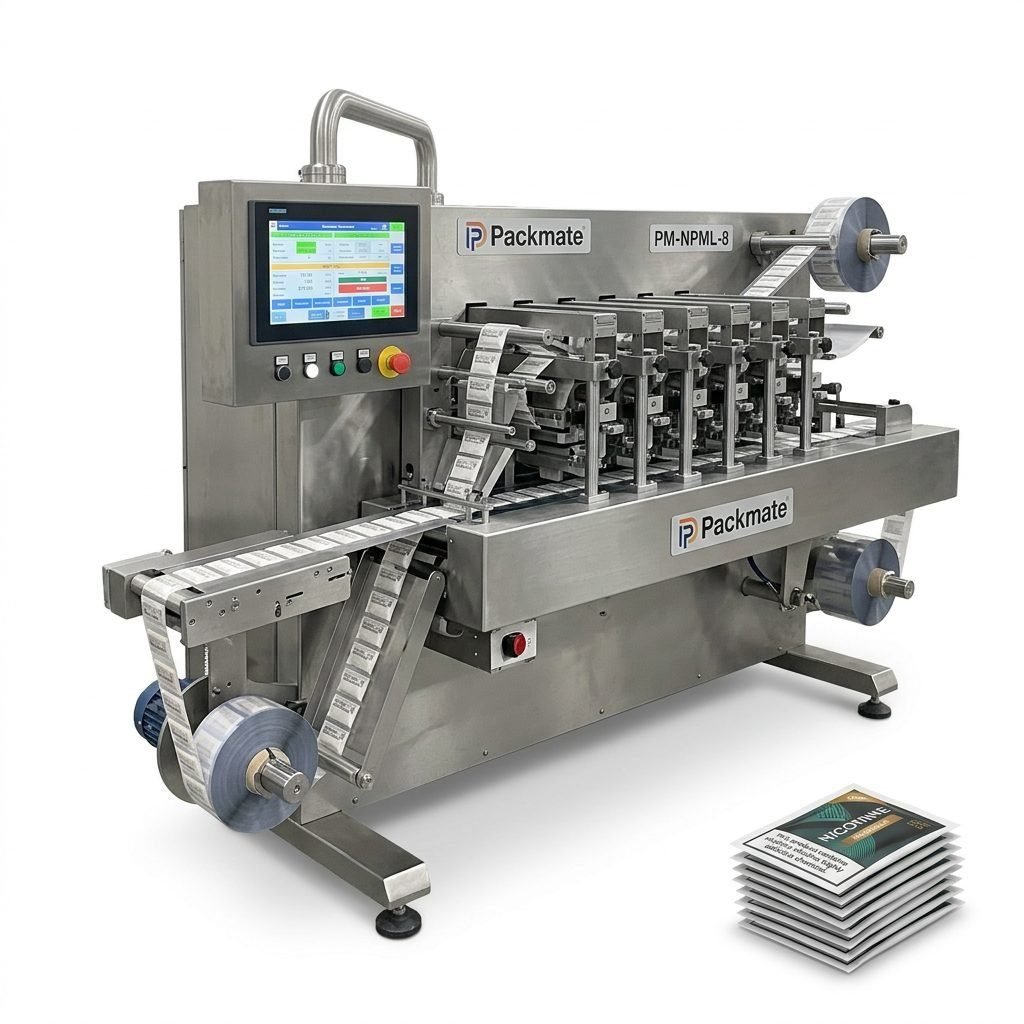
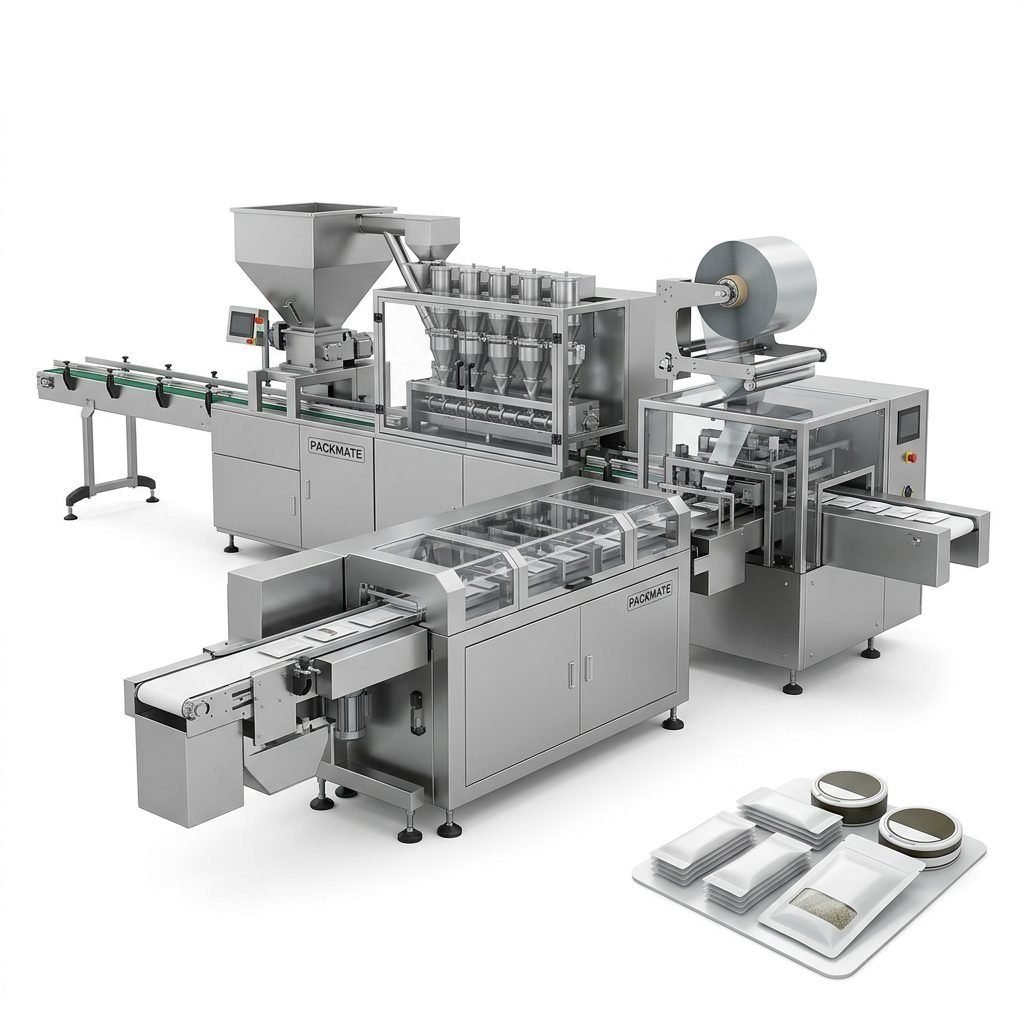
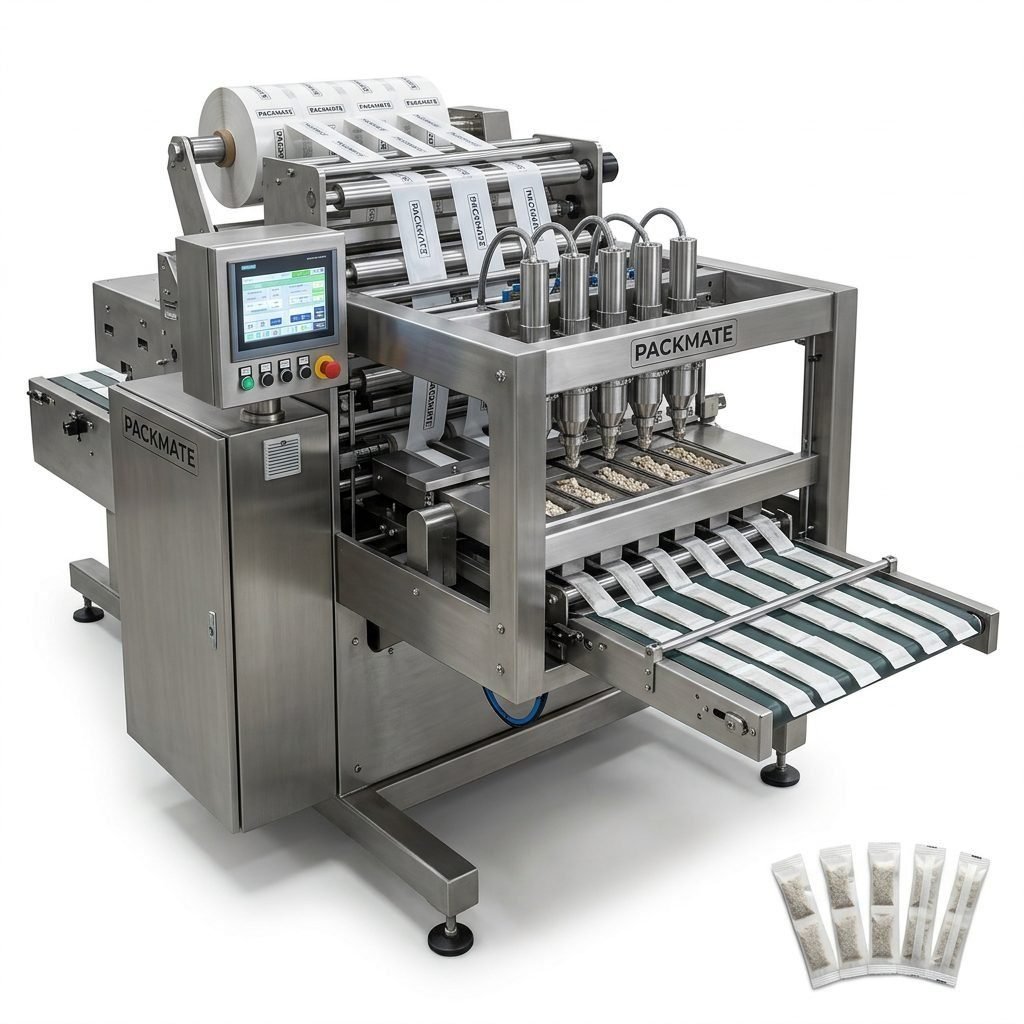
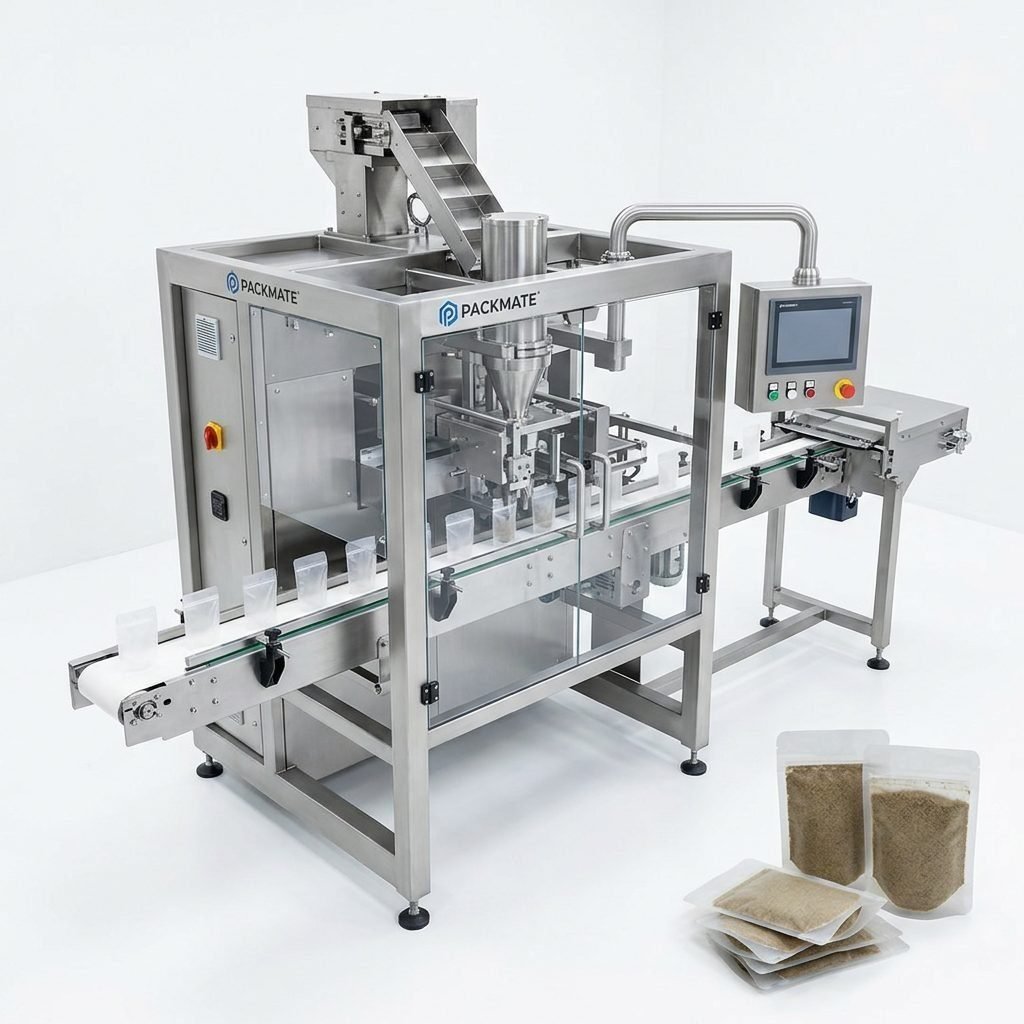
Choosing the right nicotine pouch or snus packaging machinery manufacturer in Portugal requires more than just comparing prices and delivery times. Manufacturers must understand the subtleties of Portuguese market preferences, EU regulatory frameworks, and the relationship-driven business culture that favors reliable long-term partners. This guide walks you through practical, actionable criteria to select the best partner for your production goals — from machine performance and customization to after-sales support and local compliance.
Know Your Production Profile and Goals
Before engaging any manufacturer, clearly define your production profile: annual output, pouch types (nicotine pouches, snus, sachets, stick packs), dosing precision, and desired automation level. Portuguese and wider European markets often value compact lines with high efficiency and low downtime to match boutique and mid-scale producers. If you plan to export across the EU, focus on machines that meet CE and ISO standards.
Quick checklist (use as conversation starters)
🔎 Target output per hour — Can the line sustain your peak demands?
✅ Dose accuracy & lane count — Multi-lane snus lines must avoid cross-lane variability.
⚙️ Integration ability — Weighing, filling, sealing and secondary packaging compatibility.
Technical Capabilities: What to Inspect
A credible manufacturer shows transparent technical data and testing records. Insist on documented performance metrics such as run speeds, mean time between failures (MTBF), and sample testing with your actual product. In Portugal, many buyers prefer machines that combine compact footprint with precise dosing because of smaller factory spaces and stricter EU conformity requirements.
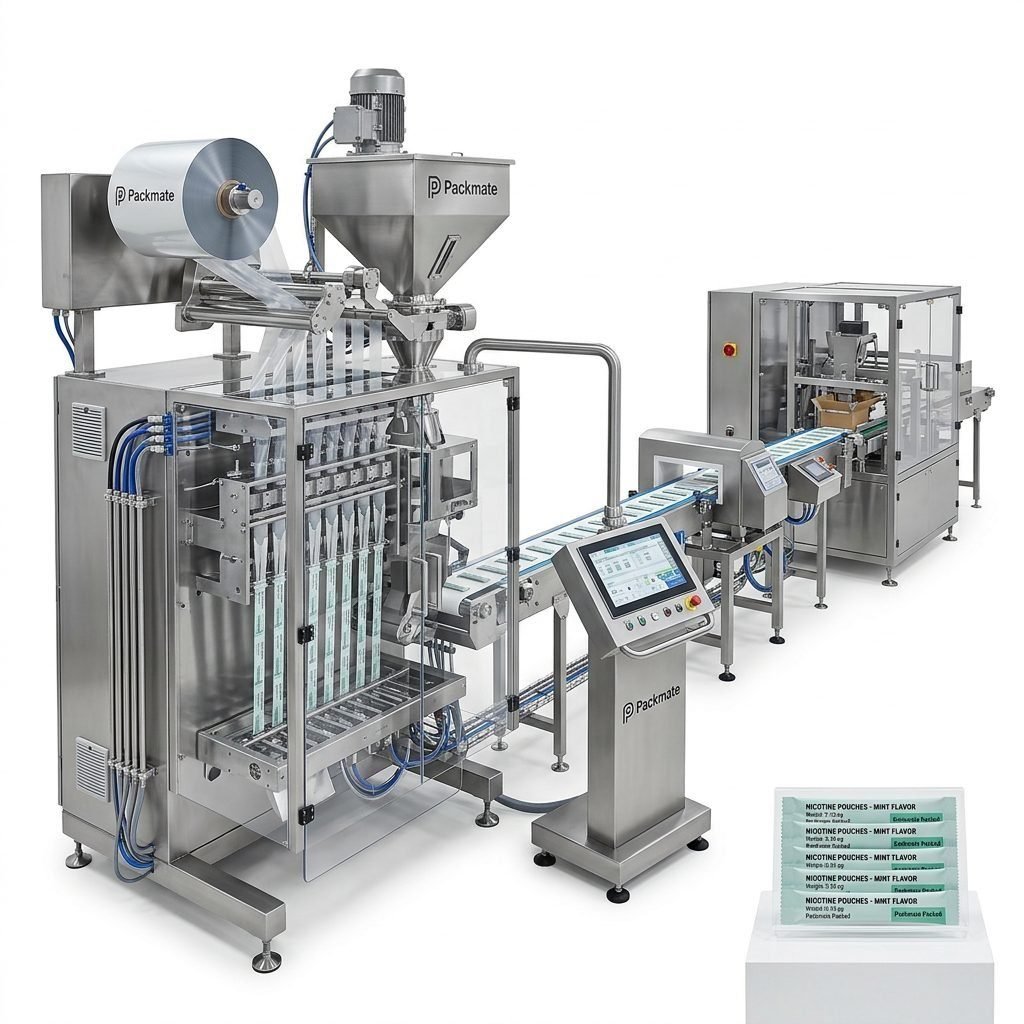
Important technical aspects include servo-driven controls for precise motion, hygienic contact parts for product safety, modular designs for future upgrades, and remote diagnostics capability. Manufacturers that supply full production solutions typically offer lines that combine feeding, dosing, packaging, and end-of-line case packing with integrated PLC and HMI systems.
Must-have technical documents
• Detailed spec sheet showing speed, lane count, and dosing tolerance.
• Test reports from pre-delivery runs with comparable materials.
• CE/ISO certificates and safety risk assessment documentation.
Quality, Manufacturing Strength and Certifications
Manufacturing competence is critical. Look for factories with advanced CNC machining centers, precision assembly lines, and structured quality control. A supplier claiming 30+ years of engineering experience and a 20,000㎡ facility signals scale and repeatability — both key when you plan to scale production in Portugal or across the EU.
Tip: Ask for factory floor photos, machine build logs, and a walk-through video of acceptance tests. If available, check references and case studies — for example, international installations showcased in a manufacturer’s case library.
Customization and Turnkey Solutions
Portuguese customers often favor tailored lines that align with product uniqueness and packaging aesthetics. A manufacturer that offers 50+ models and fully customized turnkey packaging lines can adapt to specific pouch sizes, multilane arrangements, and any secondary packaging preferences you may have.
When evaluating customization, ask about lead times for special tooling, costs for software customizations, and the ability to modify lanes or dosing systems later without full replacement. Also ensure spare modules and documentation are delivered with the system to speed up future changes.
After-sales Support, Spare Parts and Local Service
After-sales service is where many partnerships succeed or fail. Portuguese operators value vendors who provide timely spare parts and local or remotely assisted troubleshooting. Confirm whether the manufacturer has local agents or can dispatch technicians to Portugal, and what escalation procedures are in place for critical breakdowns.
Service checklist: spare parts lead time, availability of on-site commissioning, remote diagnostics, preventive maintenance contracts.
Regulatory Compliance and Local Considerations in Portugal
Portugal follows EU directives concerning machinery safety, electromagnetic compatibility, and product-specific regulations. Ensure machines are CE marked and the manufacturer provides compliance files. For nicotine products, be mindful of labeling, chemical testing requirements, and import rules if you source machines from outside the EU.
Portuguese buyers value reliable documentation and often prefer suppliers who can support packaging validation and documentation for regulatory audits. Local customs appreciate partner relationships — expect a measured decision-making process that emphasizes trust and demonstrated capability.
Factory Visits, Remote Demos and Acceptance Testing
Whenever possible, perform a factory visit or request live demonstrations. If visiting is impractical, insist on a live video demonstration with your product or representative sample. Confirm acceptance criteria in writing: run-in speed, defect tolerance, waste rate, and packaging integrity tests — these should be recorded and approved before final payment.
A robust manufacturer will offer FAT (Factory Acceptance Test) reports and SAT (Site Acceptance Test) plans. This reduces surprises during installation and commissioning in your Portuguese facility.
Evaluation matrix suggestion
Score suppliers across categories: Technical Fit, Quality & Manufacturing, Compliance, After-Sales, Price/Value. Weight the matrix according to your priorities — in Portugal, reliability and compliance often outweigh the lowest initial price.
Commercial Terms, Warranty and Financing
Negotiate clear warranty terms, spare parts lists, and service-level agreements. Many manufacturers provide extended warranties or parts packages for critical wear items. If you need financing or leasing to spread capital costs, check whether the supplier has existing financing partners who work in the EU.
Ensure incoterms, delivery schedules, penalties for late delivery, and acceptance criteria are included in the contract. Portuguese companies often appreciate transparency and clarity in contracts — align payment milestones with delivery and acceptance stages.
Why Manufacturer Reputation and Case Studies Matter
Review case studies and references from similar projects. A manufacturer with global turnkey experience — delivering snus and nicotine pouch lines to Europe, Asia, and the Americas — demonstrates versatility and proven problem-solving. Check for independent customer testimonials and evidence of consistent performance.
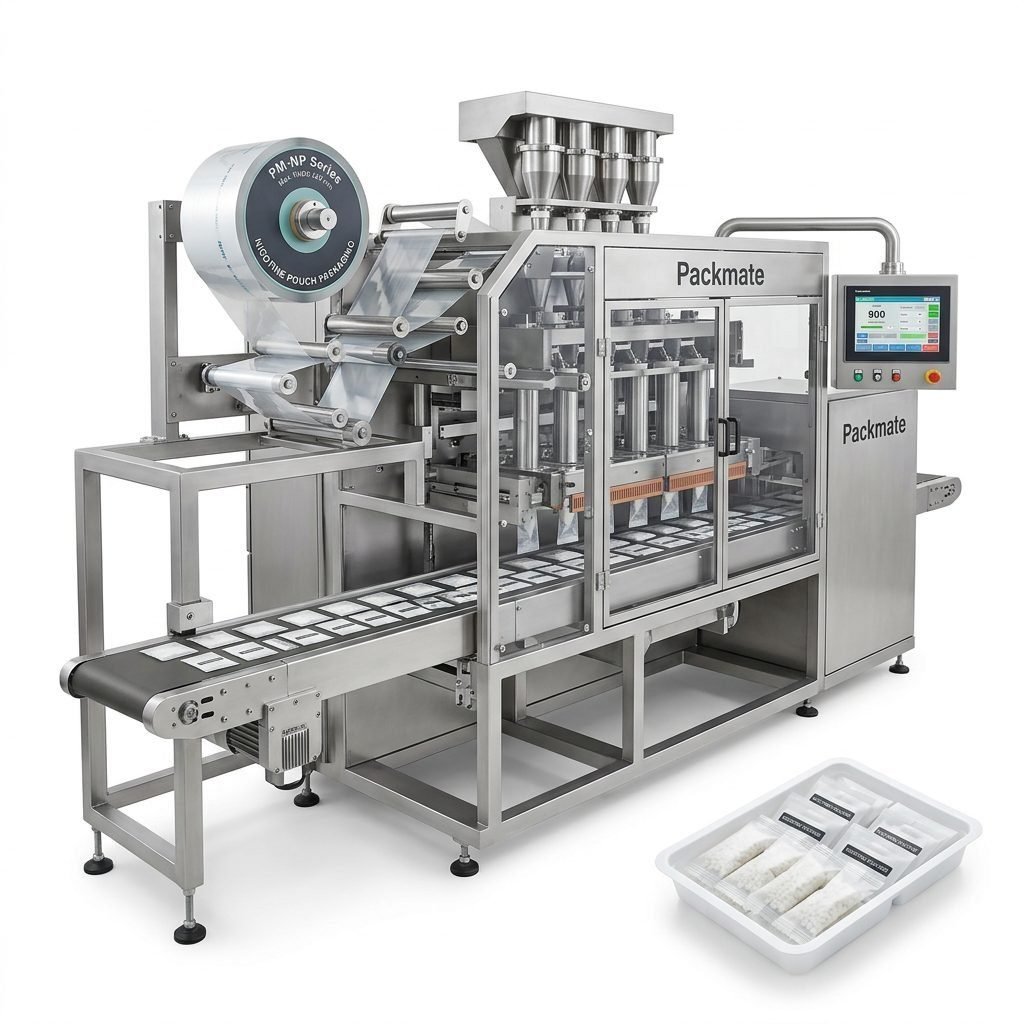
Explore product pages and case pages to understand their installed base and machine range. For example, look at Snus & Nicotine Packaging Machines and related product lines to compare models and application notes.
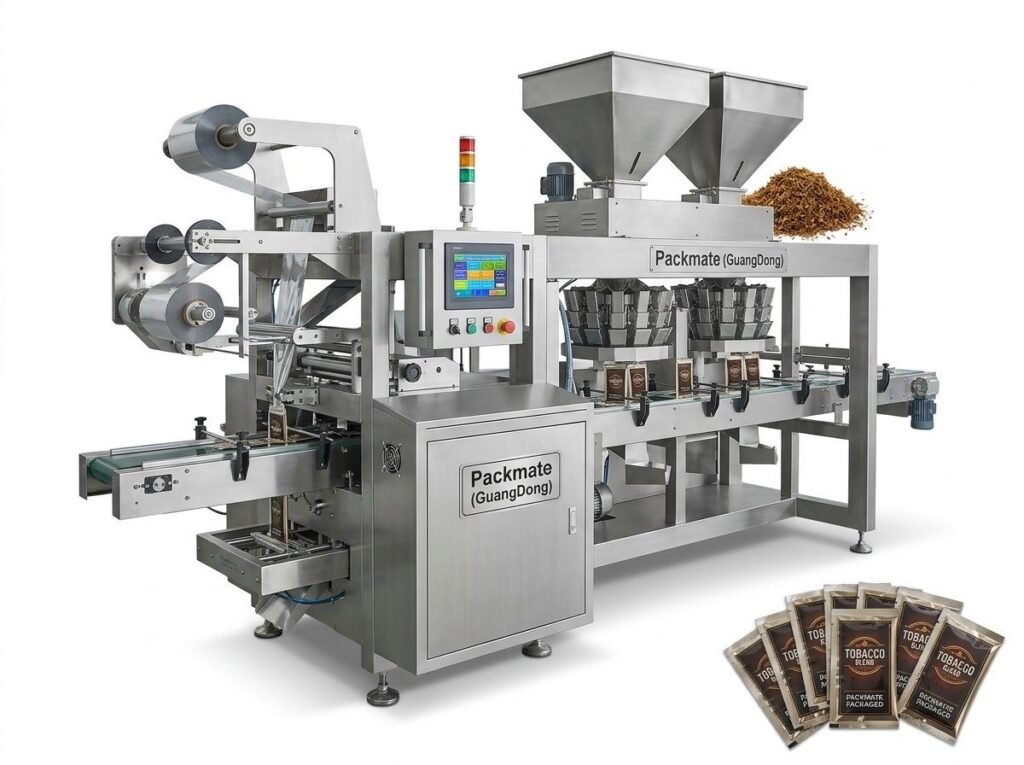
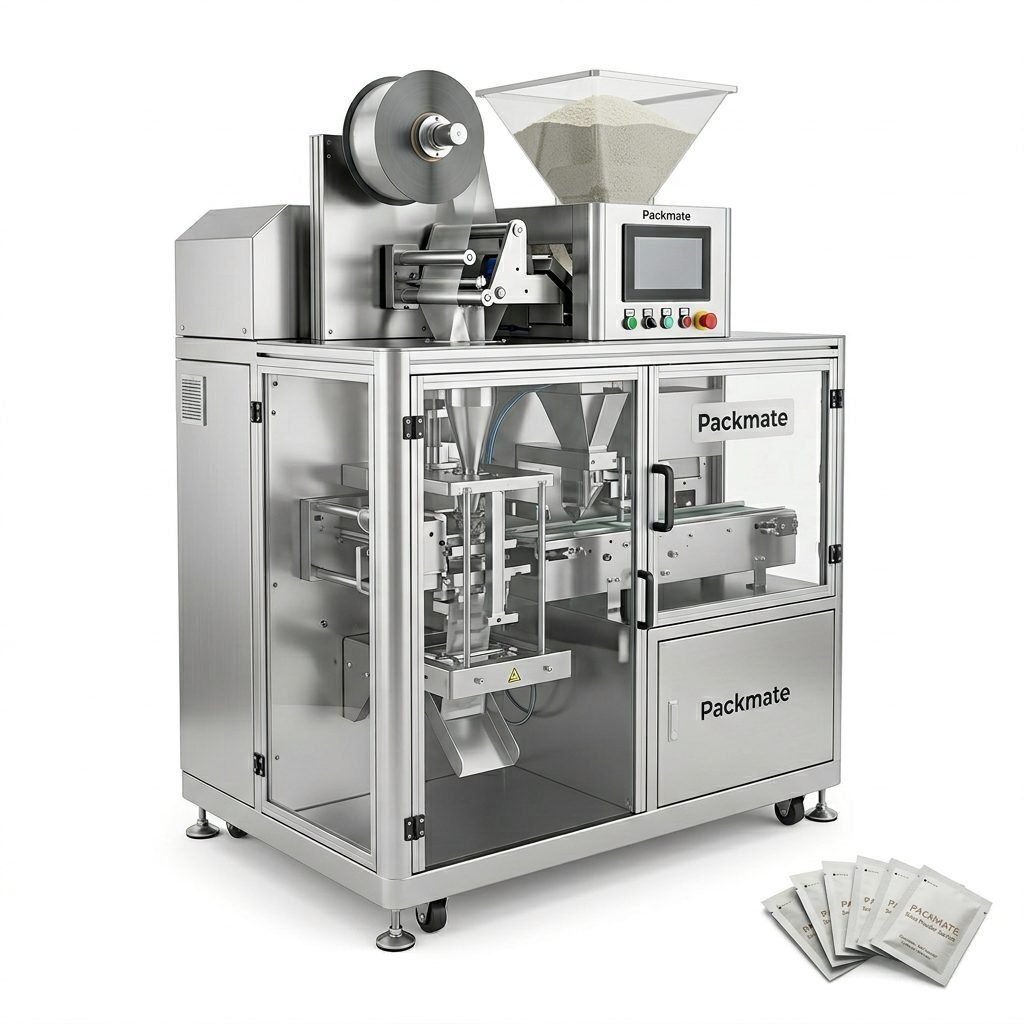
You can review specific machine types and solutions via manufacturer resources like Snus & Nicotine Packaging Machines, Bag & Pouch Packaging Machines, and Sachet & Stick Pack Machines for a clearer understanding of options and configurations.
Local Partnership: Language, Logistics and Cultural Fit
Portuguese businesses appreciate vendors who respect local norms: polite, patient negotiations and clear after-sales communication. Language support in Portuguese or Spanish can speed commissioning and reduce misunderstandings. Logistics and customs clearance should be planned in advance, especially for heavy equipment, to minimize port delays.
💡 Local tip: Arrange for local technical support or a trained operator during initial production runs. Portuguese teams value hands-on collaboration during ramp-up.
How to Compare Final Proposals
When proposals arrive, compare them on total cost of ownership rather than capital price alone. Include expected maintenance, spare parts consumption, energy usage, and downtime risks. Evaluate training offerings, documentation in English/Portuguese, and remote vs. on-site support inclusions.
Ask for a step-by-step implementation timeline. Suppliers who present a clear project plan — from delivery to installation, validation, and production handover — reduce project risk.
Key Red Flags to Watch For
⚠️ Lack of verifiable references or refusal to provide a FAT.
⚠️ No clear spare parts availability or vague service commitments.
⚠️ Overly aggressive performance claims without test evidence.
Recommended Next Steps
1) Define production KPIs and acceptance criteria internally.
2) Shortlist 3–5 manufacturers with relevant references and certified machines.
3) Request FAT with your product or representative material.
4) Clarify warranty, spare parts, and remote support terms before signing.
5) Plan for local language training and an initial support window during ramp-up.
Helpful resources
Visit product pages and company information to understand model ranges and credentials: Snus & Nicotine Packaging Machines, Case studies, and the About Packmate page for company background. For direct inquiries, use the Contact Us page.
Conclusion: Prioritize Reliability, Compliance and Local Fit
Choosing the best nicotine packaging machinery manufacturer in Portugal means balancing technical fit, regulatory compliance, service reliability, and cultural alignment. Prioritize manufacturers who demonstrate documented performance, provide clear acceptance testing, and commit to after-sales service and spare parts supply. With careful evaluation and a structured approach, you can secure a packaging partner that supports your growth and delivers consistent production quality across the Portuguese and European markets.
Frequently Asked Questions
Q: How important is CE certification for packaging machinery in Portugal?
A: CE certification is essential for machinery safety and legal compliance in the EU. Confirm that the supplier provides CE documentation and risk assessments for your line.
Q: Should I insist on Factory Acceptance Tests (FAT)?
A: Yes. FATs validate performance with representative materials and reduce risks during installation. Request video records and written FAT reports.
Q: What level of local support is realistic for a non-European manufacturer supplying to Portugal?
A: Good suppliers offer remote diagnostics, spare parts shipped from regional warehouses, and can send technicians for commissioning. Ask for concrete SLAs and local partner arrangements.
Q: Where can I see real-world installations and references?
A: Review the manufacturer’s case studies and exhibition records, and request contactable references that have similar production profiles.
Q: How do I balance price vs. long-term value?
A: Evaluate total cost of ownership: initial price, spare parts, energy use, downtime risk, and service levels. Often the lowest price increases long-term costs.