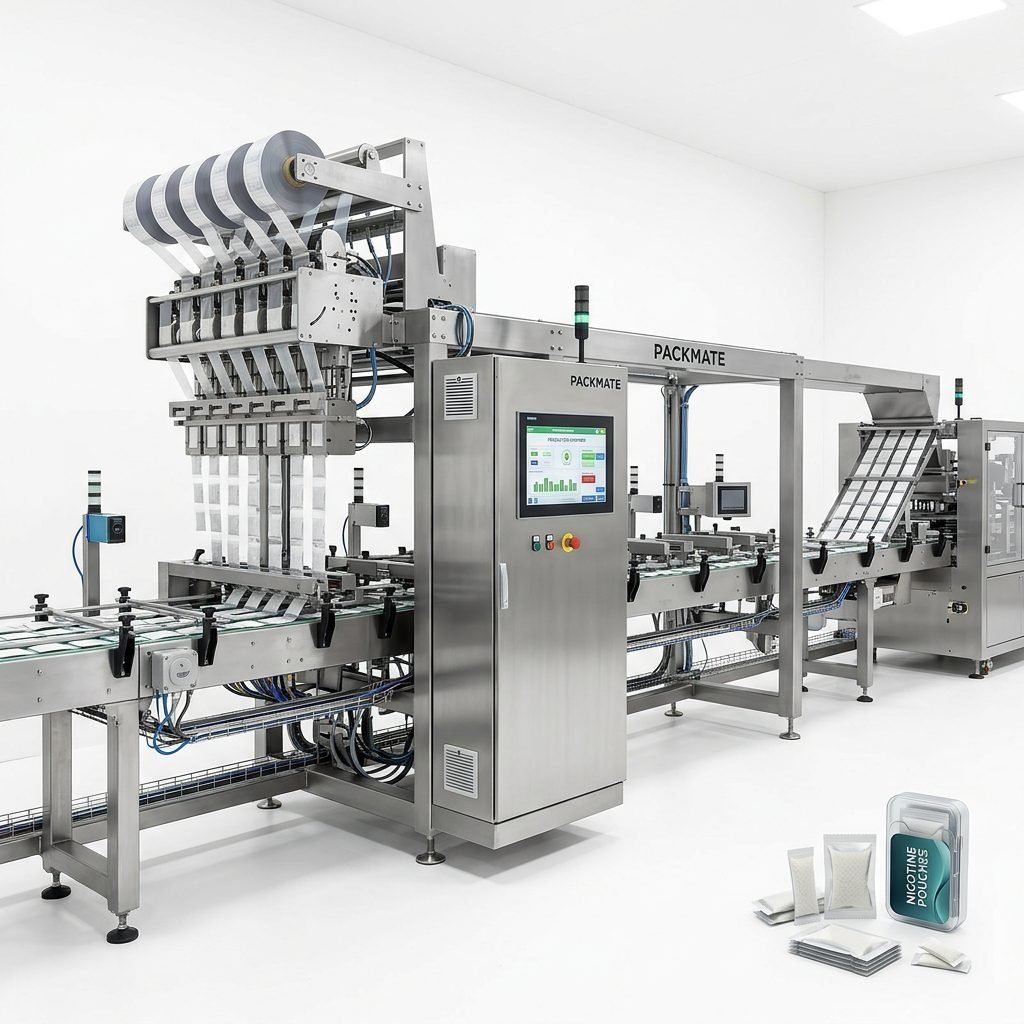
Choosing the right snus packaging machine manufacturer is a critical decision for any business planning to produce nicotine pouches or snus in Angola. This guide walks you through practical selection criteria, local market considerations, and service expectations so you can confidently invest in a production line that fits Luanda’s urban distribution channels, Angola’s climate conditions, and regulatory realities. Whether you are a startup exploring your first line or an established brand upgrading to multi-lane systems, these insights will help you evaluate suppliers and reduce costly surprises.
Understand Angola’s Market and Cultural Context
Angola is a Portuguese-speaking country with strong urban centers such as Luanda where consumer trends and discreet lifestyle preferences influence product formats. Consumers often prefer compact, sleek packaging that supports on-the-go use. Additionally, local climate factors — high humidity and coastal salt air — can affect packaging integrity and shelf life. When selecting a manufacturer, prioritize machines and materials that ensure airtight seals and moisture-resistant packs designed for tropical conditions. Consider logistics challenges: reliable after-sales service and spare parts availability are especially valuable in Angola due to shipping times and customs clearance.
Key Local Considerations
Language & Communication: Portuguese support or a clear bilingual technical team helps speed up installation and training. Climate-proofing: choose machines compatible with high humidity packaging materials. Distribution Logistics: compact packaging formats and multi-lane production help meet urban retail demands efficiently.
Define Your Product Requirements First
Before contacting manufacturers, list your exact product specifications: pouch size, fill weight, material layers, dosing accuracy, production speed (packs/min per lane), and whether you need single- or multi-lane configurations. Distinguish between machines for nicotine pouches, sachets, stick packs, or bulk pouch filling. Clear specifications accelerate quotes and ensure suppliers propose the correct model.
Quick checklist to prepare:
📦 Desired pouch dimensions and material structure
⚙️ Target output (units per minute / lanes)
🔧 Required filling accuracy and dosing method
🌍 Power supply constraints, shop floor layout, and local humidity
Technical Criteria: What to Inspect in a Manufacturer
Look beyond price — durability, consistency, and serviceability matter most. Assess a manufacturer based on machine design, control systems, modularity, and testing procedures. High-precision CNC components, stable multi-lane synchronization, and PLC/HMI controls with remote diagnostics are signs of a robust supplier. Certifications like CE and ISO indicate compliance with international standards, which is important for Angola importers and for entering other markets.
Must-have features
• Servo-driven dosing and sealing for consistent weight and seal strength.
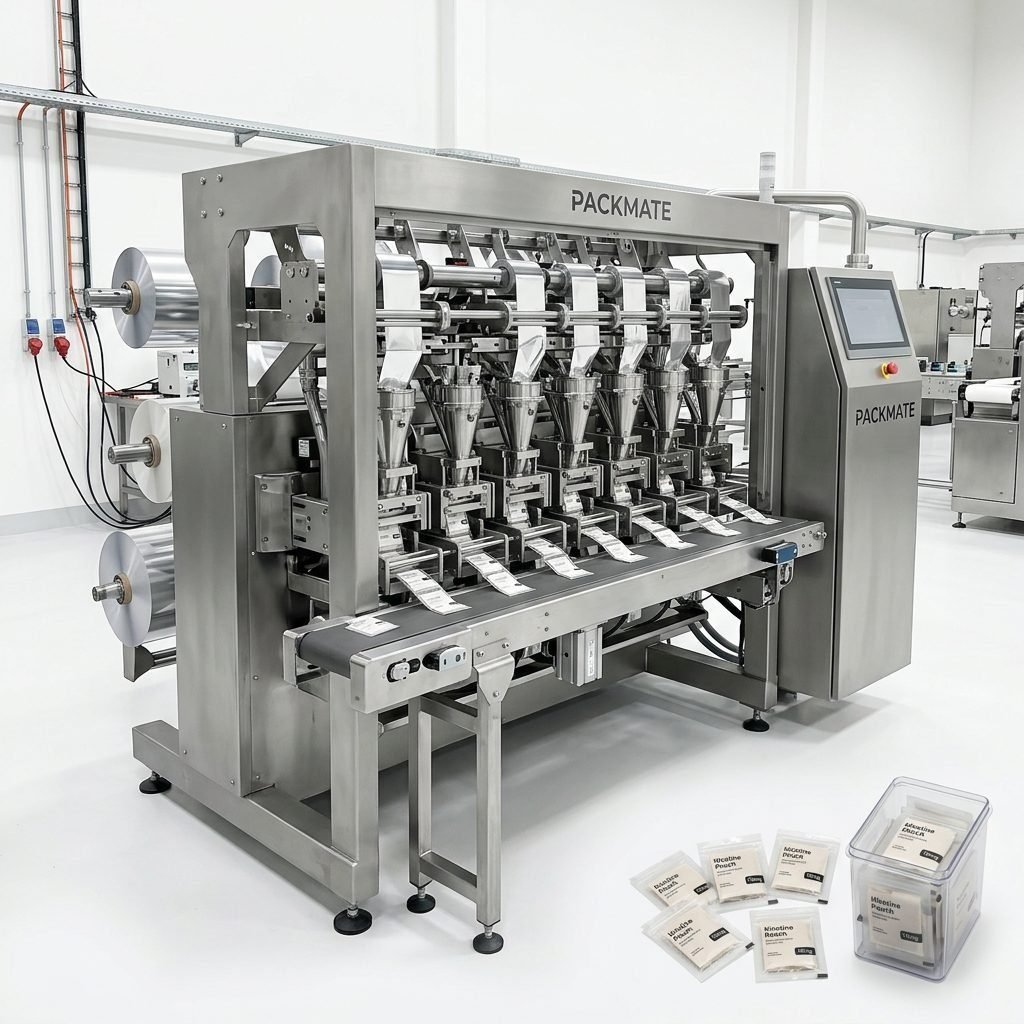
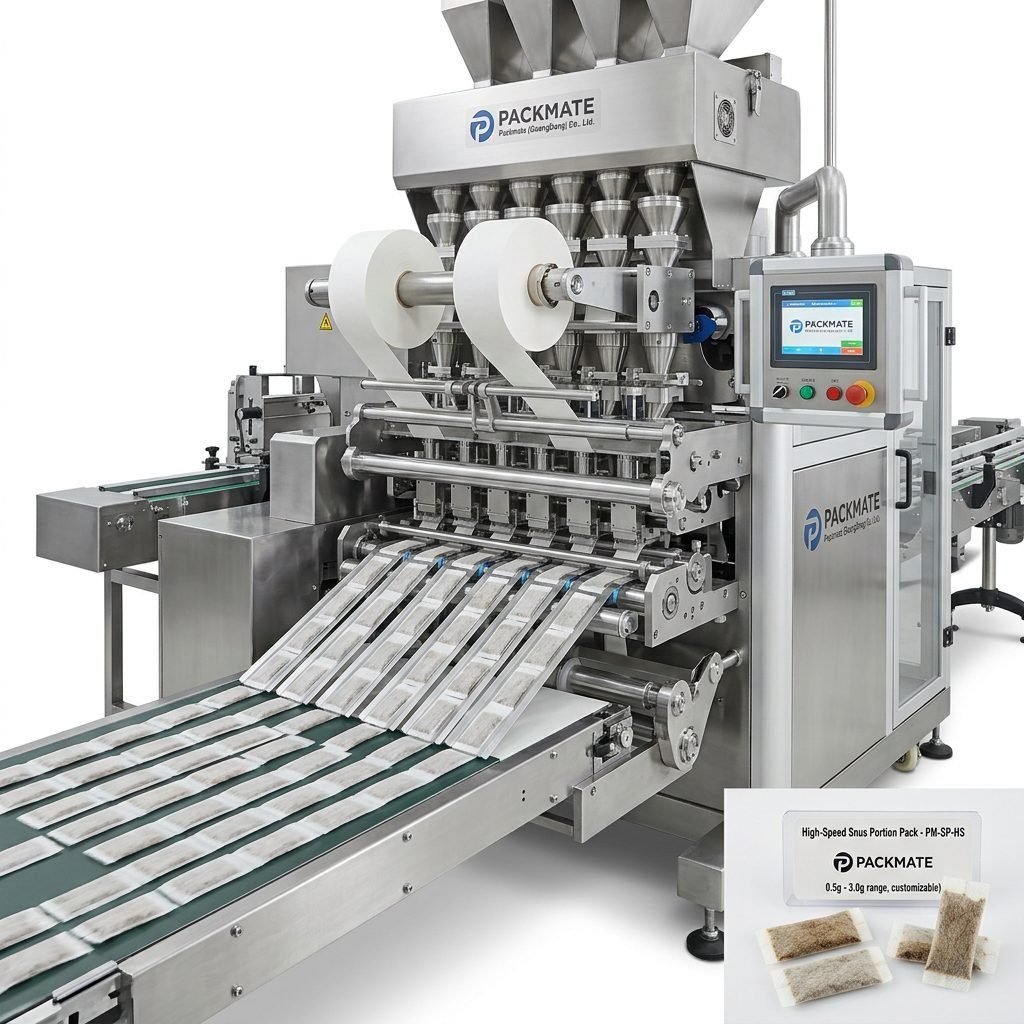
• High-precision multi-lane options if you plan to scale (saves floor space).
• Hygienic design with easy-to-clean surfaces for nicotine and powder handling.
• Modular design for future upgrades like nitrogen flushing or tamper-evident features.
Operational Factors: Throughput, Footprint, and Reliability
Match machine throughput with realistic sales forecasts and available factory space. Multi-lane systems achieve high throughput with smaller footprint but require precise feeding and synchronization. Consider maintenance needs and mean time between failures (MTBF). Suppliers with clear maintenance schedules, remote support, and a local spare parts strategy lower downtime costs in Angola.
Service & reliability signals to watch for:
🔧 On-site commissioning and operator training included
📈 Clear performance guarantees and acceptance testing
🌐 Remote diagnostic capability for fast troubleshooting
Quality Assurance: Factory Capabilities and Certifications
Evaluate the manufacturer’s factory capabilities: CNC machining centers, precision assembly lines, and quality testing labs are essential. A factory with over 20,000㎡ production area, multiple machine models, and turnkey solution capability indicates maturity. Request factory photos, production videos, and third-party test reports. Confirm certifications such as CE, ISO and ask for references or case studies from similar projects.
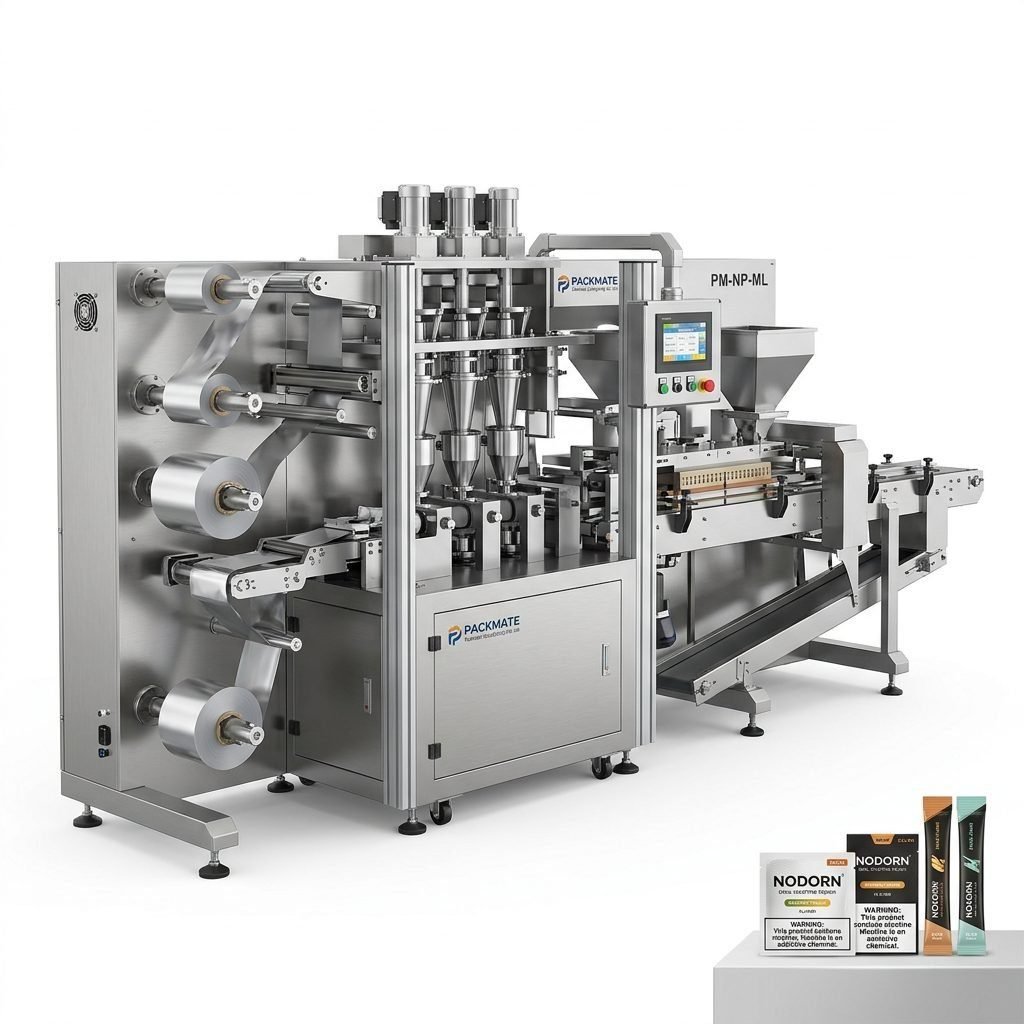
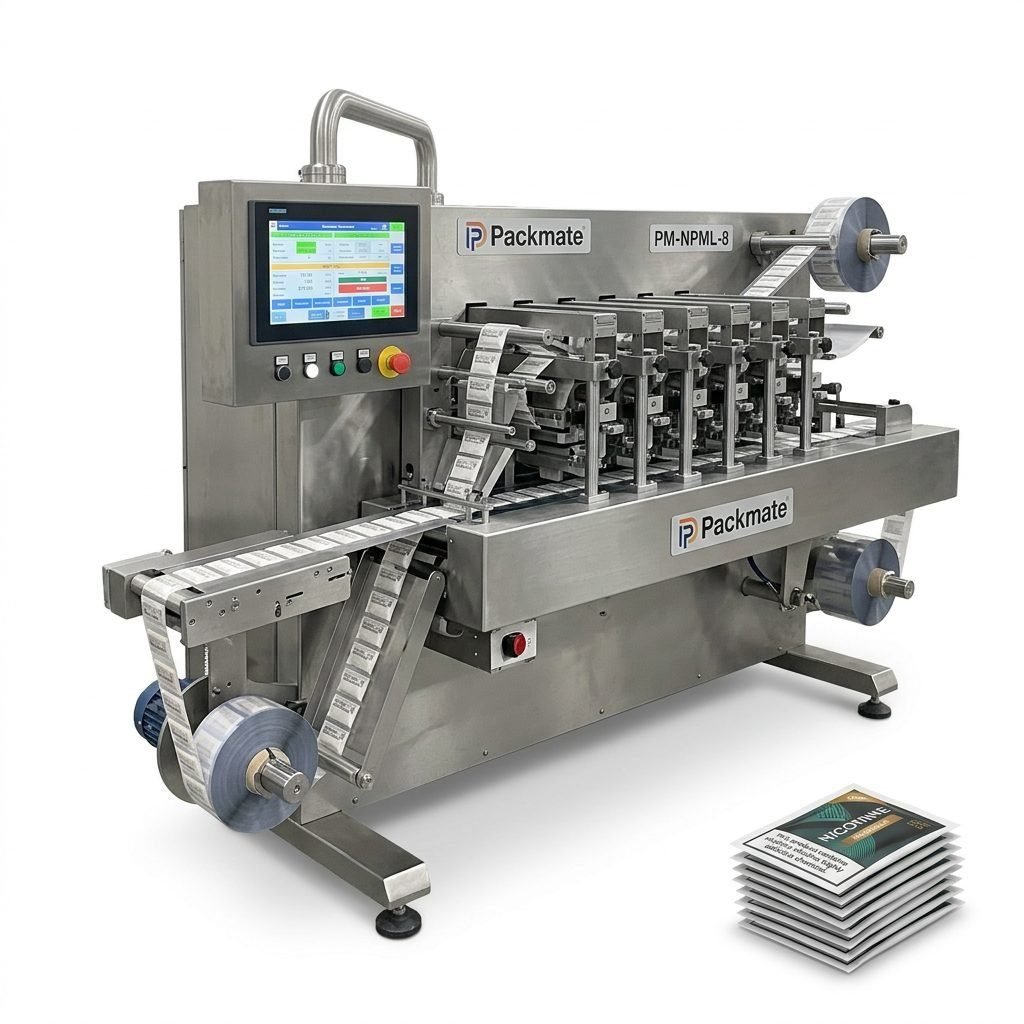
Packmate Snus Machine, for example, highlights a 20,000㎡ facility, 30+ years of engineering experience, and compliance with international standards — factors that matter when sourcing equipment for Angola’s demanding environment. For details on machine ranges, review product pages like Snus & Nicotine Packaging Machines and Sachet & Stick Pack Machines.
Customization, Scalability, and Turnkey Solutions
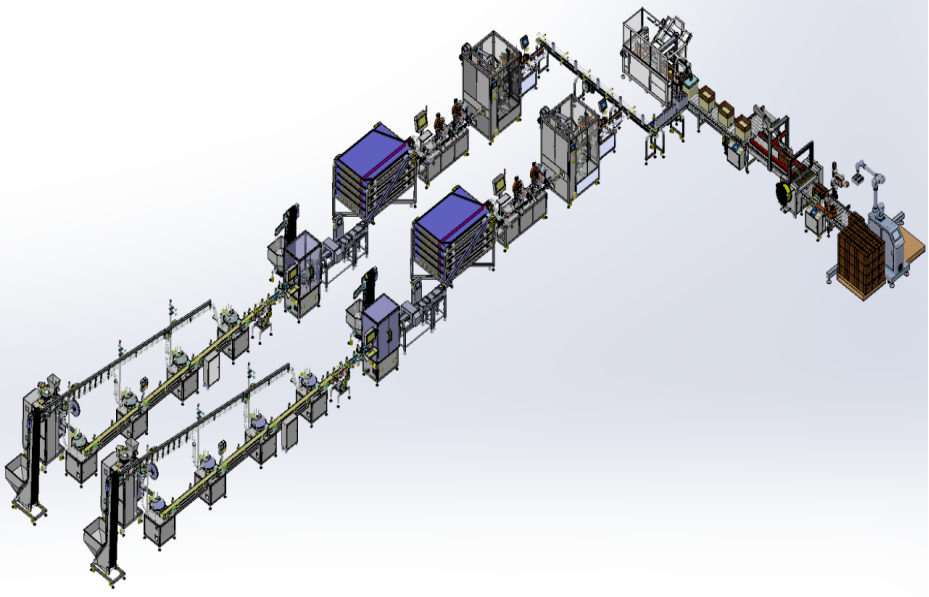
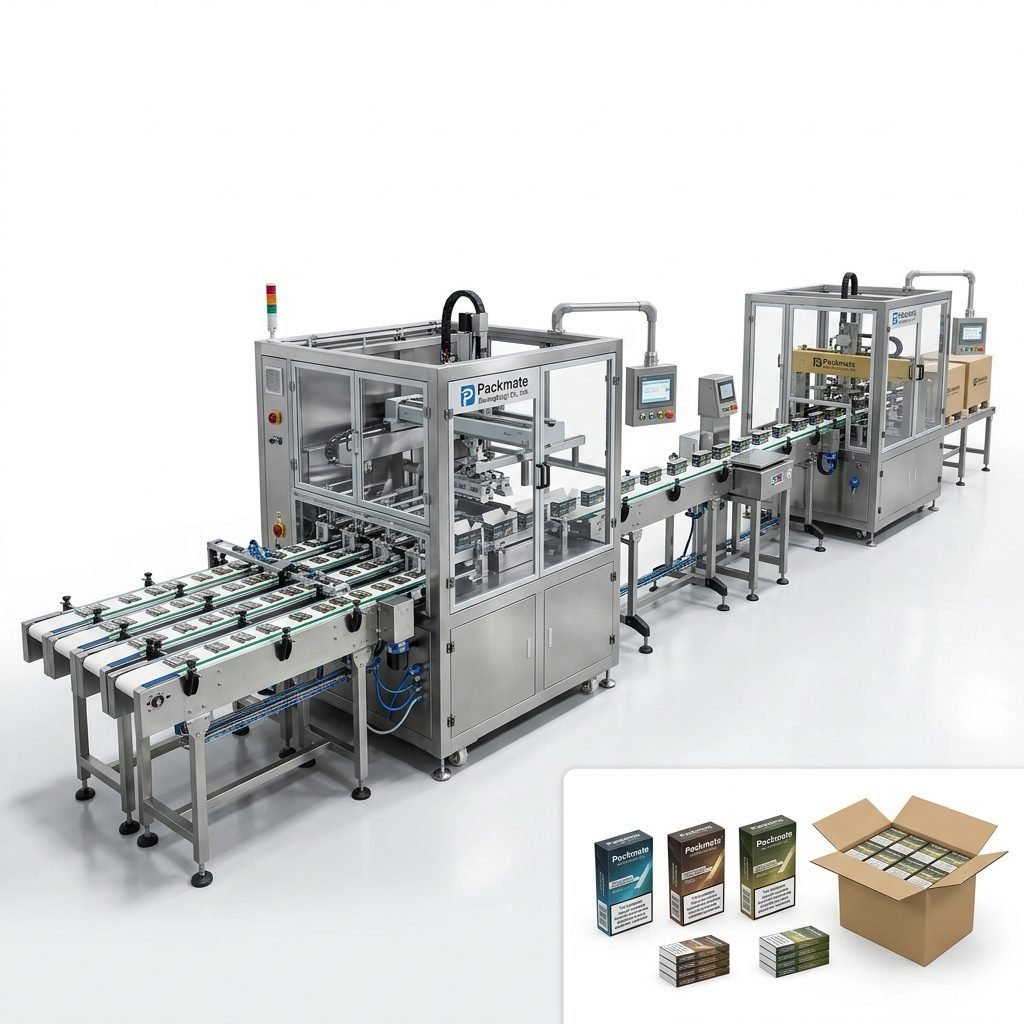
A reliable supplier offers tailored solutions: custom tooling for unique pouch shapes, multi-lane synchronization, and integration with upstream weighing or downstream cartoning equipment. Turnkey providers that handle process flow design, installation, and training reduce project risk. When planning import to Angola, ensure the supplier can support documentation required for customs and local certifications.
Integration with auxiliary equipment
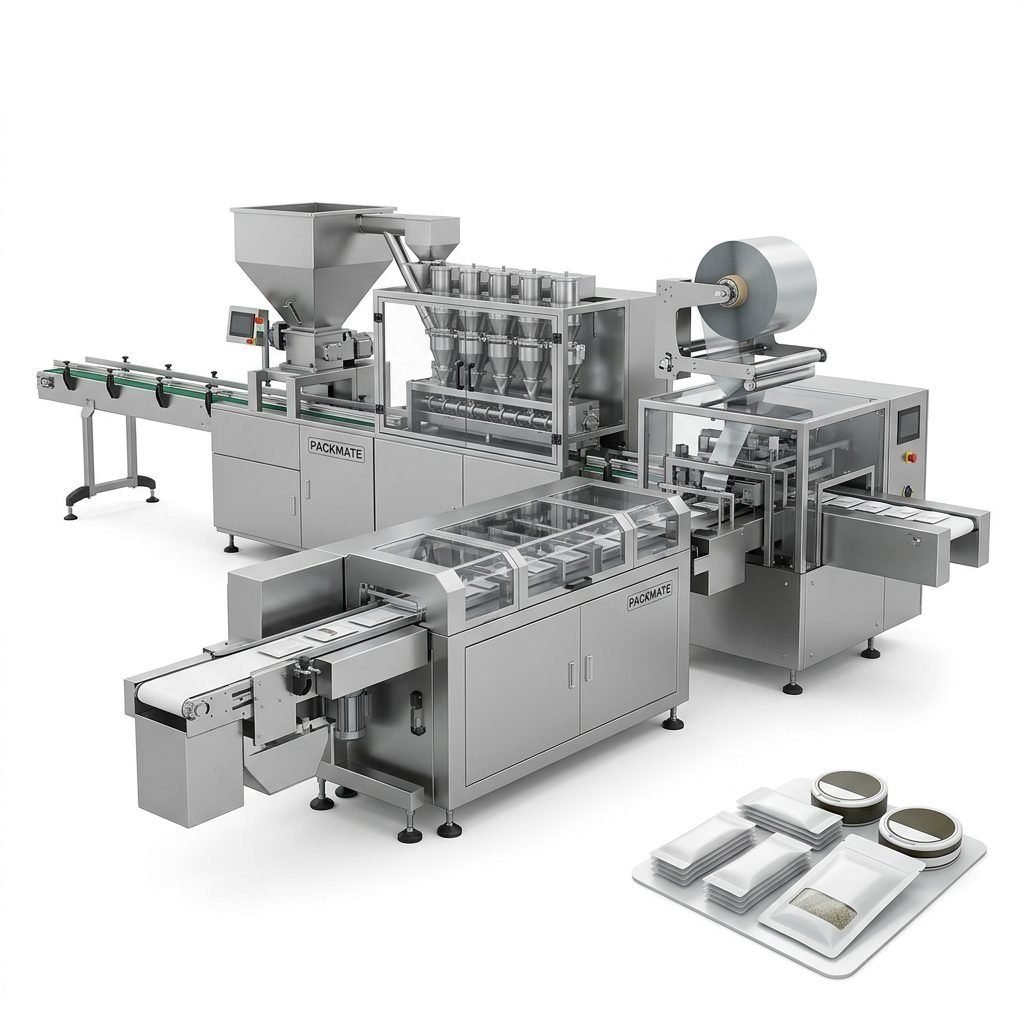
Look for compatibility with weighing systems, bag-making modules, and cooling/sealing accessories. Links to complementary lines like Weighing & Packaging Systems and Filling & Packaging Lines show a manufacturer’s ability to deliver complete workflows.
Commercial Terms and After-sales Support
Negotiate clear commercial terms: warranty length, spare parts lead times, installation fees, and training scope. Ask about local representation or service partners in Southern Africa or a reliable shipping plan to Luanda to avoid import delays. After-sales support should include remote diagnostics, a spare parts list, and easy access to consumables. A responsive supplier will help with CE/ISO documentation for customs clearance and future market compliance.
Negotiation checklist:
✅ Warranty & MTBF guarantees
✅ Clear spare parts pricing and availability
✅ Training and commissioning scope
Logistics, Importing and Local Compliance in Angola
Plan logistics early: equipment size, crating, and required certificates impact customs clearance. Work with freight forwarders experienced with Luanda port procedures and request a complete documentation package from your supplier. Learn local labeling and health regulations regarding nicotine product packaging to ensure your machine’s output meets Angolan requirements. Local legal counsel or a distributor can expedite regulatory compliance.
Evaluating Supplier Reputation: Visits, References and Case Studies
Visit manufacturers when possible or participate in trade exhibitions to see machines in operation. Ask for references and performance data from comparable installations. Review case studies and machine demos — Packmate’s exhibition history and case examples can be helpful references; see their Case page and Our Exhibition information for real-world examples.
Questions to ask references
• Was the machine performance consistent with the supplier’s claims?
• How responsive was after-sales support and spare parts delivery?
• Did commissioning and training meet expectations?
Price vs. Value: Making the Investment Decision
The lowest initial cost may lead to higher lifetime expenses through downtime, poor accuracy, or frequent repairs. Prioritize total cost of ownership: energy consumption, maintenance intervals, consumable costs, and expected throughput. A machine with a slightly higher price but better reliability and local support often delivers superior ROI in Angola’s distribution environment.
If you need a starting point for product research, explore Packmate’s machine ranges on the About Packmate and product pages. When you’re ready, contact suppliers with your prepared checklist so you can receive detailed proposals tailored to Angola’s market realities — a crucial step toward launching a successful snus or nicotine pouch operation.
Final Recommendations
1) Prepare detailed product specs and operating conditions before requesting quotes.
2) Choose manufacturers with proven multi-lane systems, CNC capabilities, and international certifications.
3) Prioritize suppliers offering turnkey solutions, on-site training, and robust spare parts support.
4) Verify references, performance claims, and ask for live demos or video proof of similar installations.
Contact and Next Steps
When ready to evaluate suppliers, request full technical packages, factory acceptance test (FAT) videos, and a clear delivery timeline. For additional information, product options, or to request a quote, visit Contact Us or view more product lines and services to match your production needs.
Frequently Asked Questions (FAQs)
Q1: What machine type is best for small-batch nicotine pouch production in Angola?
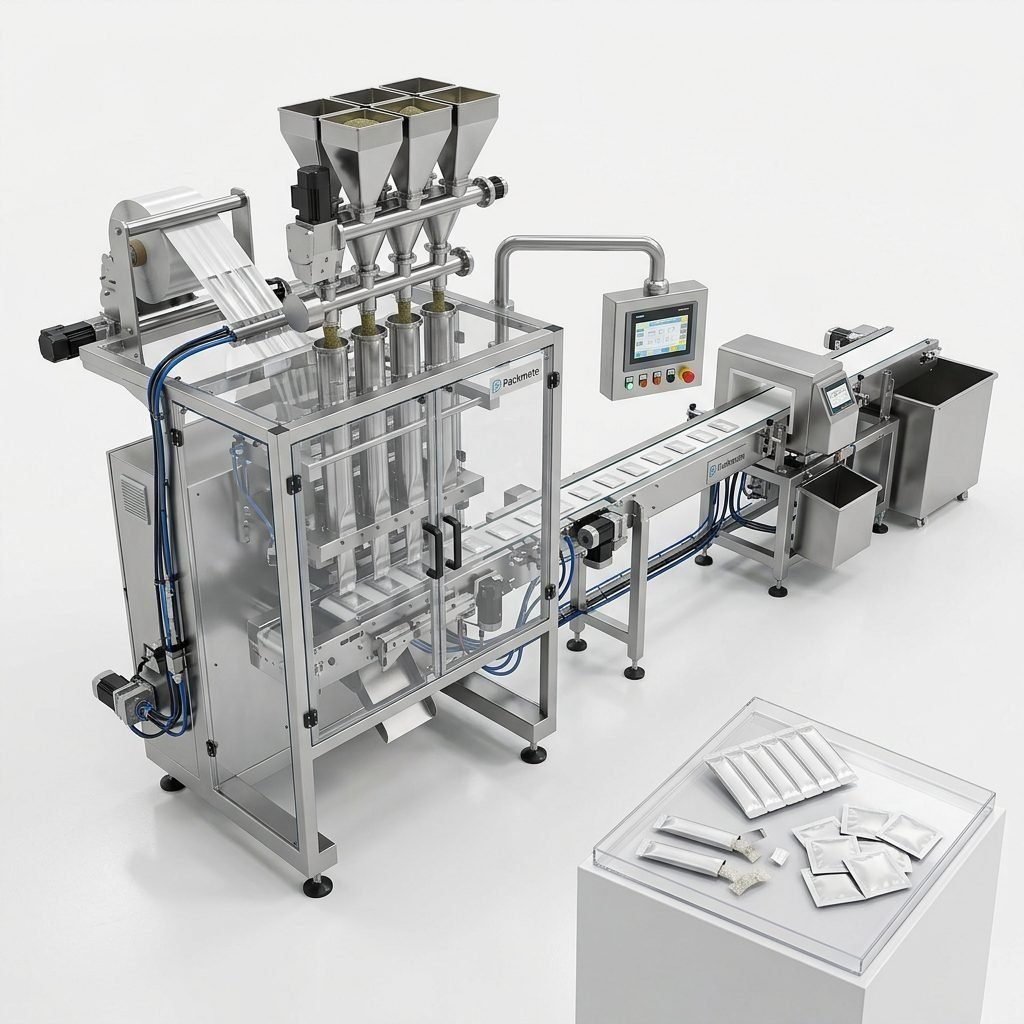
A1: For small batches, a single- or dual-lane sachet or stick pack machine with servo dosing is ideal. It reduces initial capital outlay while providing high accuracy. As demand grows, modular multi-lane upgrades allow scaling without full replacement.
Q2: How important are certifications like CE and ISO when importing into Angola?
A2: Very important. CE and ISO certifications demonstrate adherence to international safety and quality standards, simplify customs clearance, and reduce regulatory risk when exporting from the manufacturer’s country into Angola.
Q3: What after-sales support should I demand from a snus machine manufacturer?
A3: Ensure the supplier offers remote diagnostics, guaranteed spare parts delivery times, on-site commissioning, and operator training. A clear warranty and preventive maintenance plan are critical for minimizing downtime.
Q4: How can I protect my packaging integrity against Angola’s humid climate?
A4: Use high-barrier rollstock and machines capable of strong, hermetic seals. Consider nitrogen flushing, desiccants, or additional sealing features offered by the manufacturer to extend shelf life under tropical conditions.