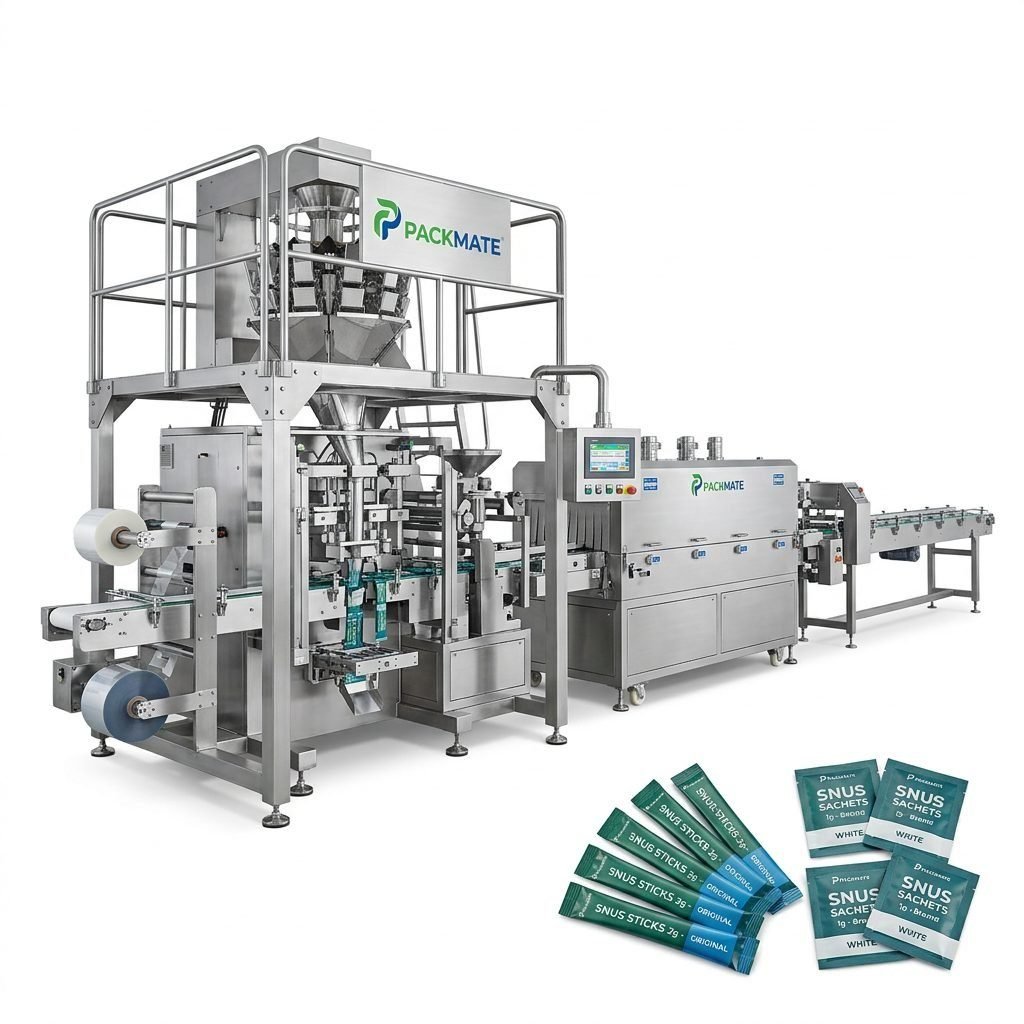
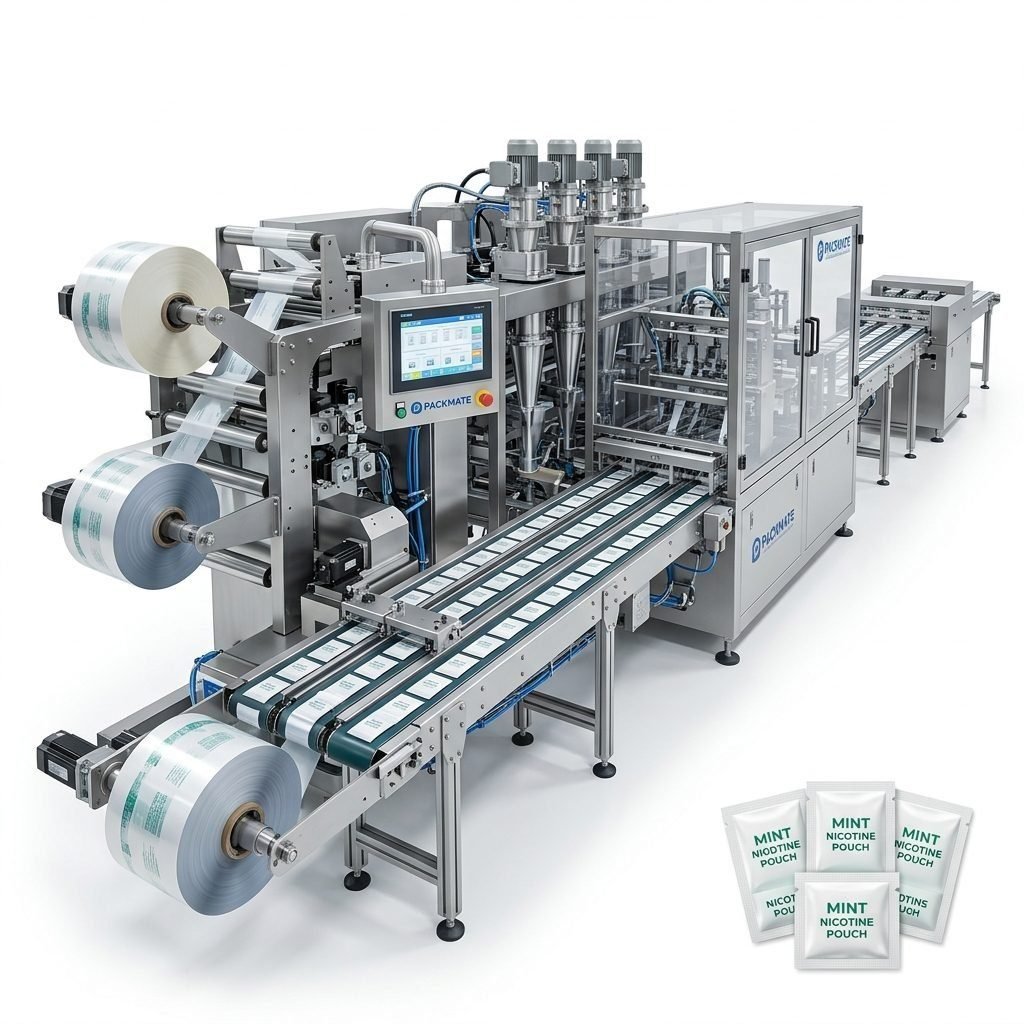
Choosing the right snus packaging machine manufacturer for production in Poland means balancing technical performance, regulatory compliance, local market understanding, and long-term service reliability. This guide walks production managers, entrepreneurs, and procurement teams through practical steps to evaluate manufacturers — with a focus on the needs of the Polish market and European distribution channels.
Understand Your Production Needs First
🔍 Before evaluating manufacturers, clearly define your production targets: planned daily output, pouch types (round snus pouch, nicotine pouch, stick pack, sachet), multi-lane requirements, and acceptable machine uptime. Typical Polish producers selling to the EU market prioritize machines that meet CE and ISO standards, support multilingual HMI, and are easy to validate for food and tobacco-adjacent products.
Key technical specs to list
– Output rate (pouches/minute) and whether multi-lane systems are needed.
– Pouch format compatibility (pre-formed, sachet, stick, round cut).
– Filling types (powder, granule, liquid, wet snus paste) and dosing accuracy requirements.
– Packaging materials supported (foil, laminated films, biodegradable films).
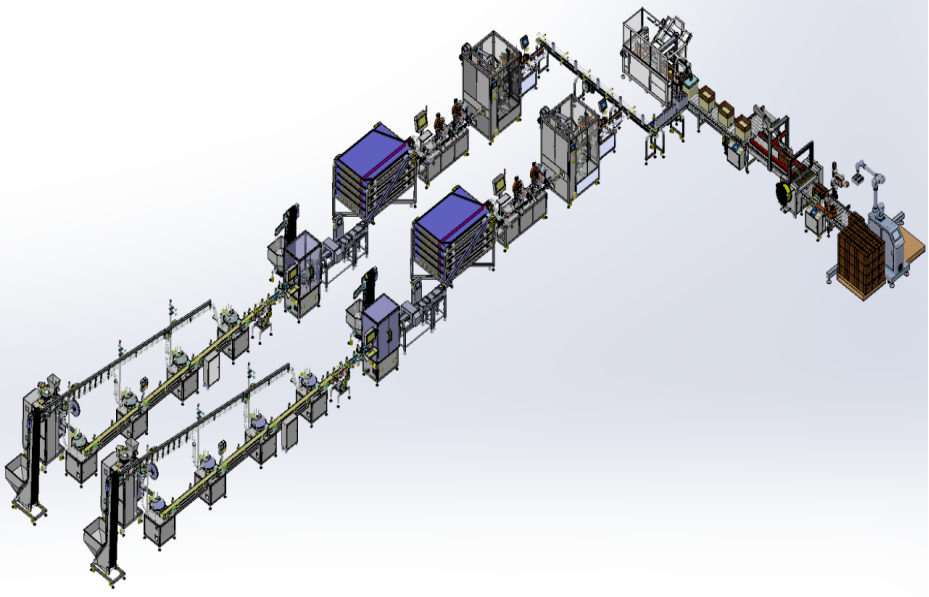
– Automation level: standalone machines vs turnkey lines with feeders, weighers, and secondary packaging.
⚙️ Practical tip: Request a capacity map showing how machine speed scales with pouch size and lane count — this avoids surprises during scale-up.
Evaluate Manufacturing & Quality Credentials
Poland, as an EU member, places strong emphasis on CE marking, occupational safety, and traceability. When assessing a manufacturer (whether local or international), verify their certifications, production capabilities, and quality control processes. Many reliable suppliers publish CE and ISO certificates and provide test reports for critical components such as servo systems and PLCs.
Checklist for manufacturing credibility
✅ Factory tours or virtual factory walkthroughs.
✅ List of engineering staff and years of experience in multi-lane snus systems.
✅ Evidence of CNC machining capability, precision assembly lines, and final test benches.
✅ Spare parts traceability and BOM transparency.
Ask for Performance Demonstrations and References
Live demonstrations — ideally with your product or a close surrogate — are the most convincing proof of machine performance. Polish buyers often request machine trials and reference visits within the EU for on-site validation and compliance checks. If on-site visits are difficult, ask the manufacturer for full video demonstrations, cycle charts, and data logs from installed machines.
📦 Reference check: Request case studies of recent snus packaging lines, especially those supplying to EU markets. If the manufacturer provides turnkey solutions, examine their case studies for real-world evidence.
Regulatory & Compliance Considerations in Poland and the EU
Poland’s regulatory environment follows EU directives for machinery safety and, for tobacco-related products, stricter labeling and tracking rules may apply. Choose manufacturers who understand EU conformity assessment: CE marking, machine safety (Machinery Directive), and relevant hygiene standards if your production touches consumable materials. Also ensure documentation supports customs and import checks when sourcing machines from outside the EU.
Documentation to request
– CE Declaration of Conformity and technical file.
– Material compatibility statements for contact parts.
– Electrical schematics and PLC program architecture.
– FAT (Factory Acceptance Test) and SAT (Site Acceptance Test) plans.
Service, Spare Parts & Local Support
In Poland, fast response times for maintenance and spare parts significantly reduce downtime. Evaluate the manufacturer’s spare parts strategy: do they have EU-based stock, regional partners, or fast courier options? Also check if they provide field technicians, remote diagnostics, and training packages in English or Polish.
Support model questions to ask
– Average lead time for critical spares delivered to Poland.
– Availability of local technicians or certified partners for installation and commissioning.
– Remote support capabilities: secure VPN, remote HMI access, and spare parts kits for first-line fixes.
– Training scope: operator, maintenance, and electrical troubleshooting courses.
Total Cost of Ownership (TCO) vs Purchase Price
A low purchase price can hide significant long-term costs. Calculate TCO including energy consumption, consumables, spare parts, training, and expected downtime. Polish manufacturers and distributors familiar with EU energy labeling and efficiency approaches can help estimate operational costs more accurately.
💡 Financial tip: Request a five-year operating cost projection and a parts consumption forecast for realistic budgeting.
Customization & Turnkey Integration
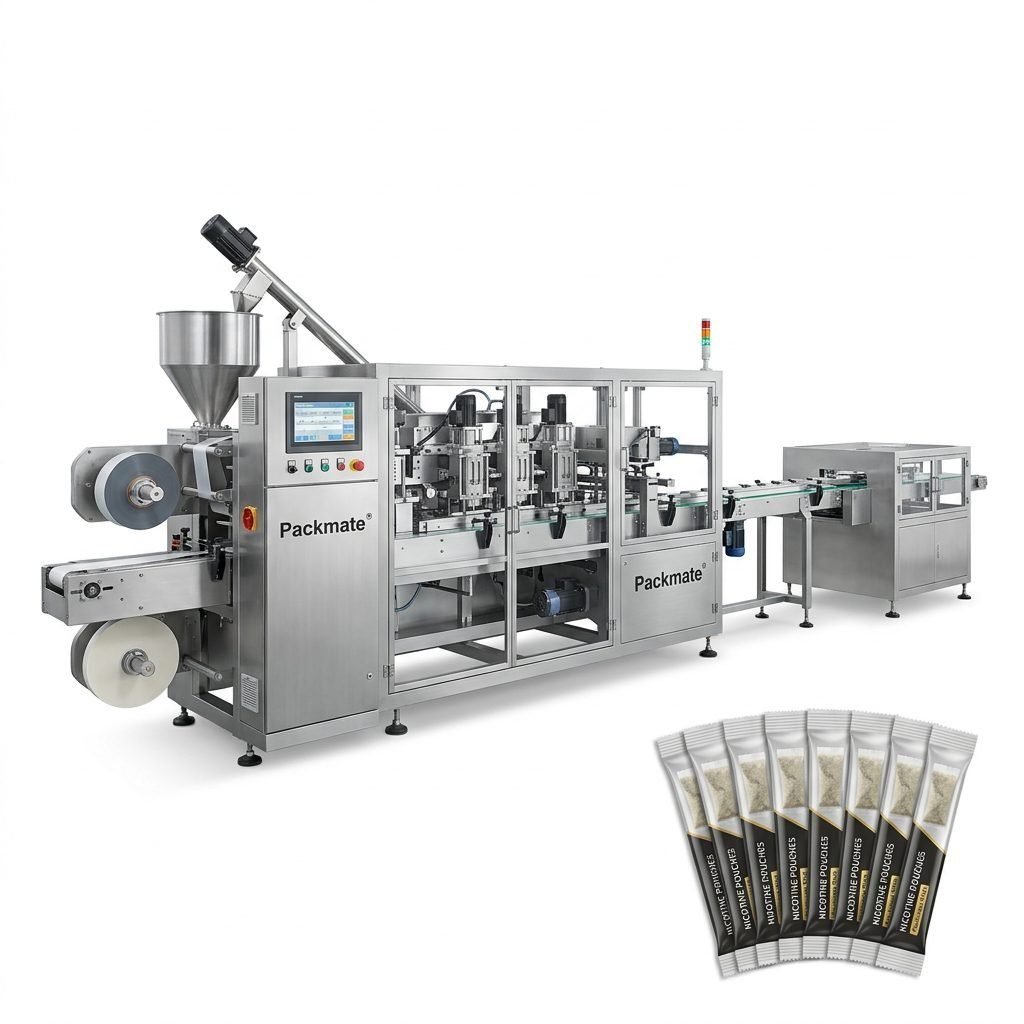
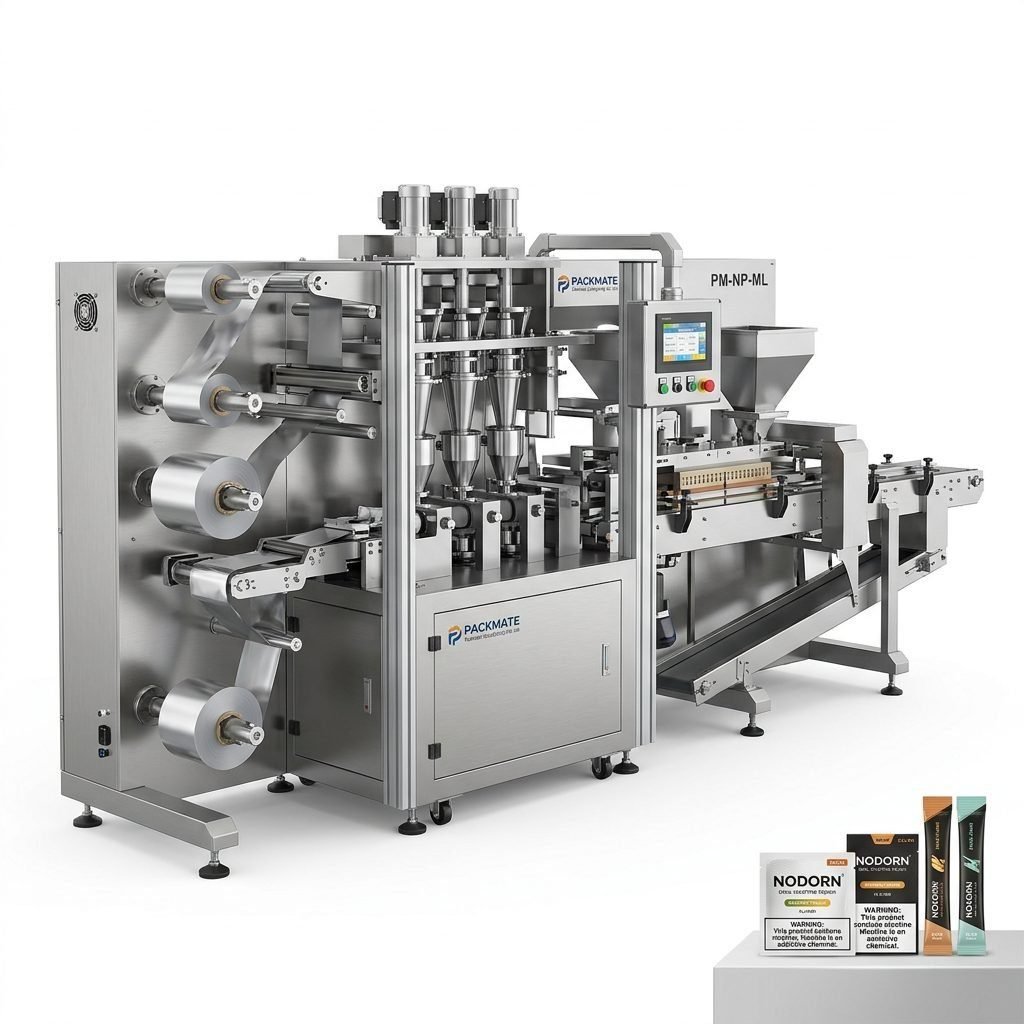
Many Polish producers prefer fully integrated lines: feeders, multi-head weighers, pouch machines, and end-of-line packing. Check whether the manufacturer can supply turnkey solutions and customize interfaces with your ERP, quality systems, and packaging suppliers. A supplier with experience in multi-lane snus systems will shorten start-up time and reduce integration risks.
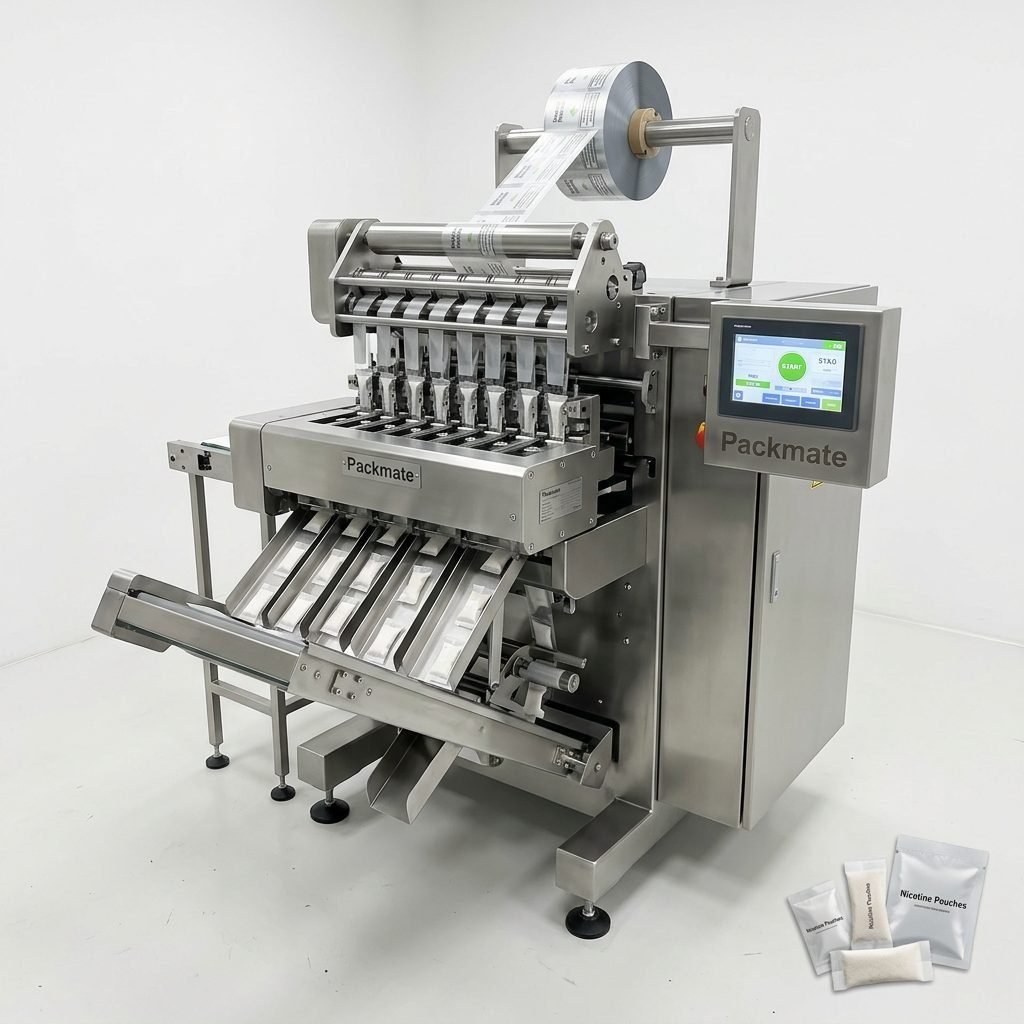
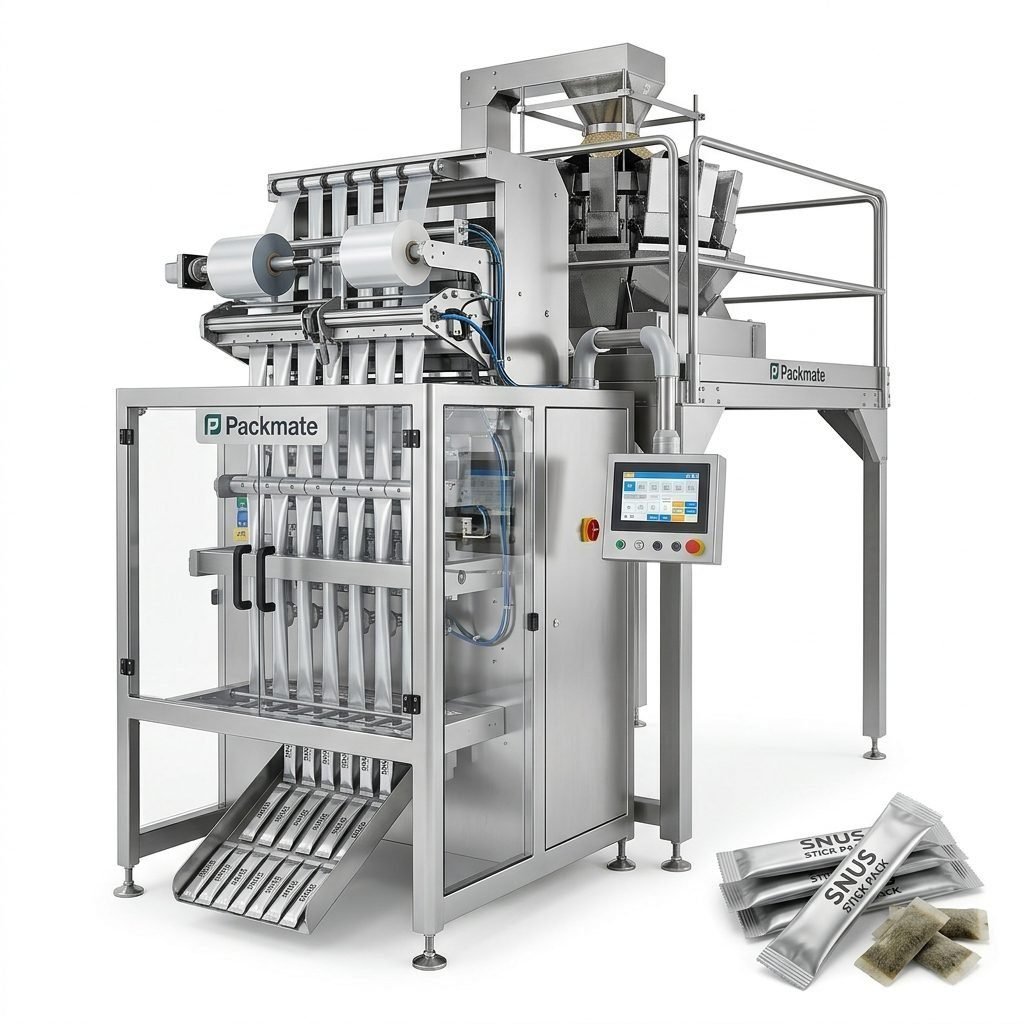
If you want to see product range and modular solutions, explore manufacturer product pages like Snus & Nicotine Packaging Machines and Bag & Pouch Packaging Machines.
Cultural Fit and Business Practices in Poland
Business relationships in Poland value direct communication, reliability, and contractual clarity. Polish manufacturers and buyers often prefer detailed contracts with clear milestones, penalties, and quality acceptance criteria. When working with international suppliers, make sure you have a clear SLA and escalation path. Respect for deadlines and transparent logistics planning are especially valued by Polish partners.
Local partner advantages
– Faster customs clearance and local VAT handling.
– Easier scheduling for on-site visits and training.
– Familiarity with Polish labor laws if installation requires local electricians or mechanical teams.
Logistics, Installation & Commissioning in Poland
Plan for transport routes, CE marking inspections, and installation permits. For machines imported from outside the EU, ensure the manufacturer provides clear packing lists, lifting diagrams, and customs paperwork. Commissioning should include an agreed FAT and SAT with acceptance criteria and performance verification under your product conditions.
🚚 Logistics checklist: crating for sea/air, skidding, lifting points, insurance, and a clear installation timeline aligned with production ramp-up.
Why Choose an Established Specialist for Snus Packaging
Specialist manufacturers with deep experience in snus and nicotine pouch lines bring refined solutions: multi-lane pouch forming, accurate micro-dosing, hygienic designs, and reliable sealing for small-dose pouches. A supplier with decades of mechanical and automation experience can reduce the number of iterations needed to reach stable production.
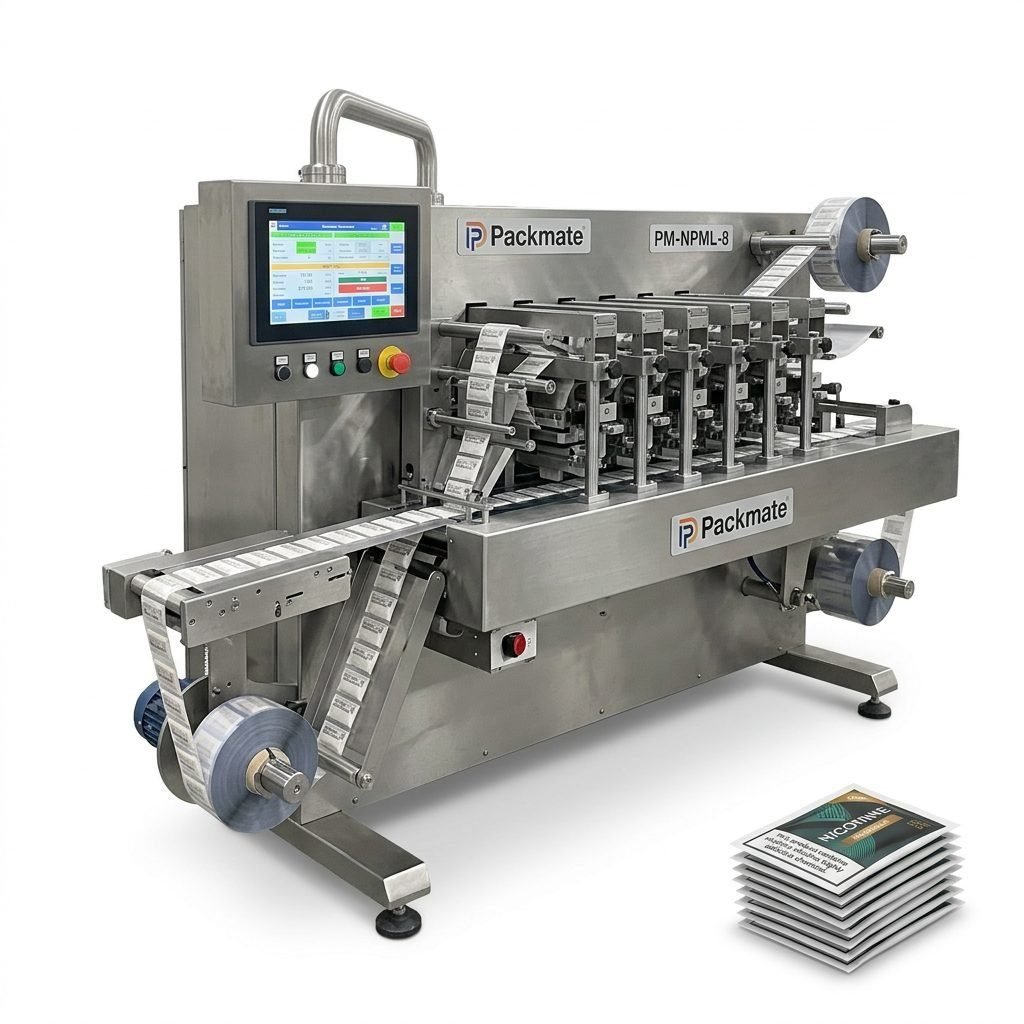
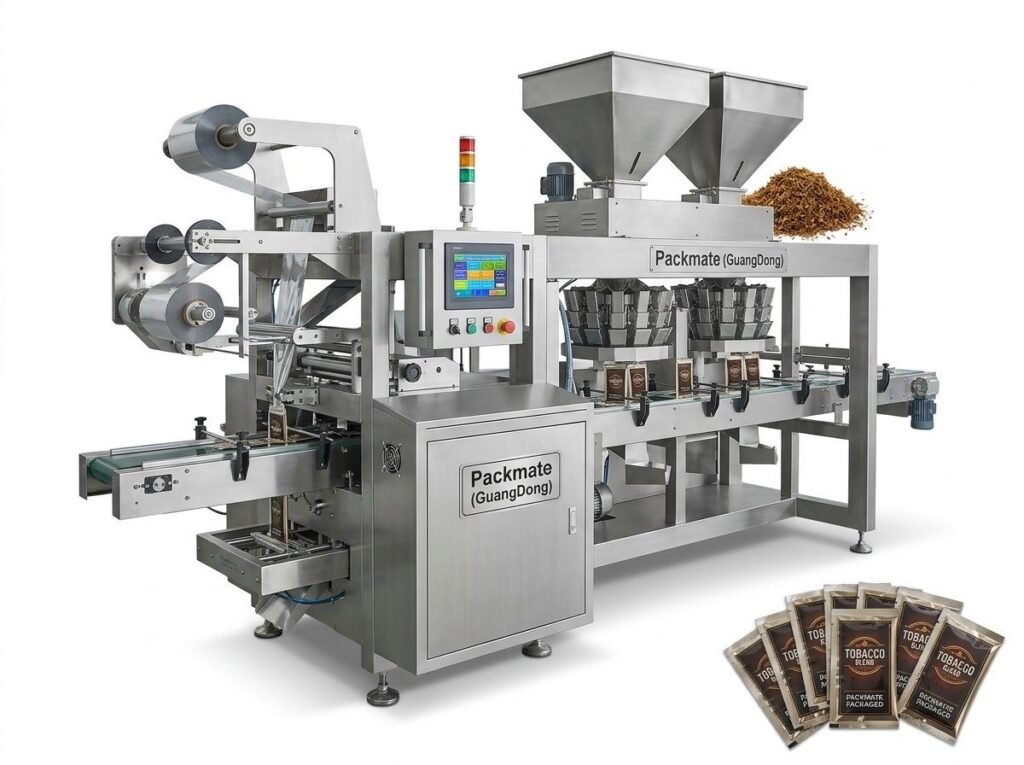
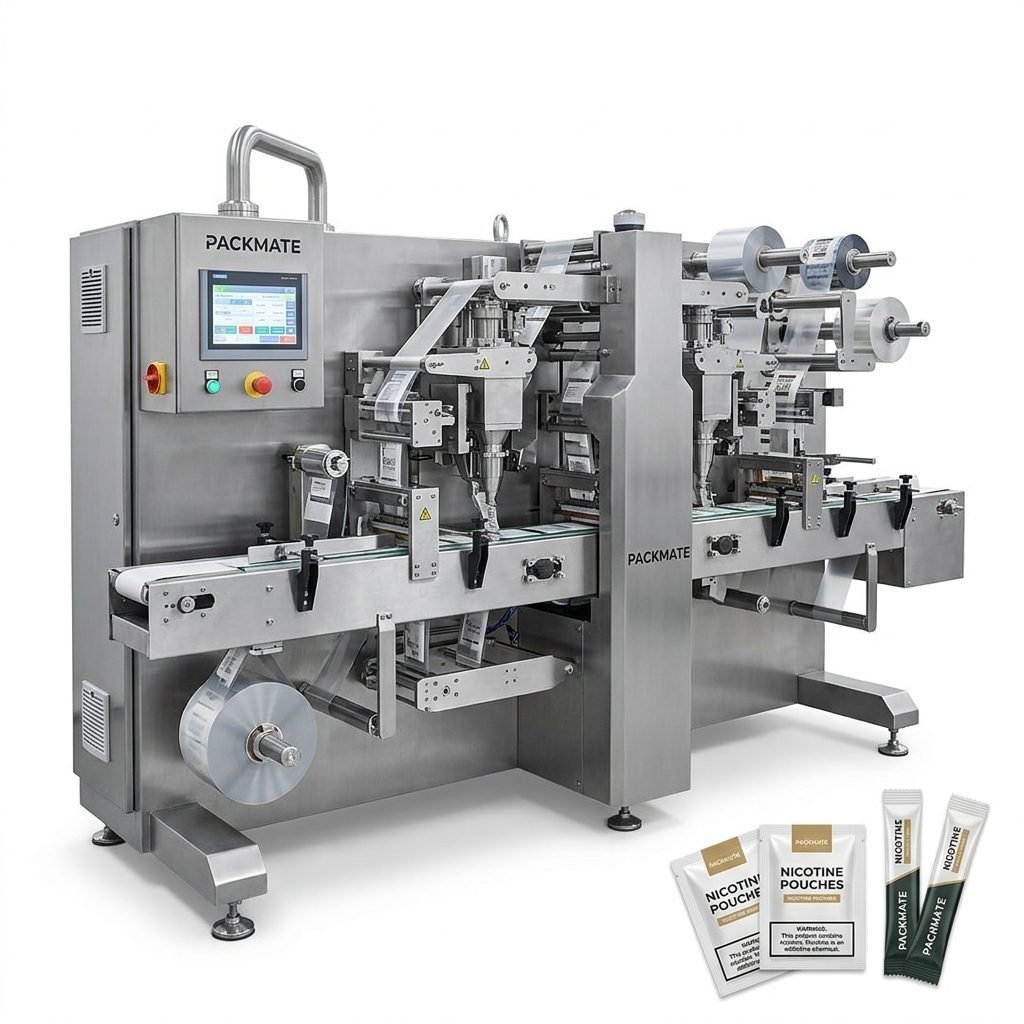
For example, Packmate Snus Machine positions itself as a specialist in snus packaging and turnkey lines with a broad product family. Learn more about their company background at About Packmate and view related product categories like Sachet & Stick Pack Machines.
Negotiating Contracts & Warranty Terms
Negotiate clear warranty scopes, spare parts lead times, and performance guarantees. A common approach is a 12-month warranty combined with performance acceptance criteria defined during SAT. For cross-border purchases, include terms for technical support travel costs and remote diagnostics service levels.
Important contractual items
– Warranty period and exclusions.
– Spare parts list and recommended stock levels.
– Acceptance testing protocols and penalties for missed KPIs.
– Intellectual property and software licensing for PLC/HMI.
Final Selection Checklist
Use a scoring matrix to compare manufacturers across: technical fit, certifications, references, TCO, service network in Poland/EU, delivered lead time, and contractual clarity. Give extra weight to references in the EU and multi-lane snus line experience.
✅ Quick summary: Prioritize CE/ISO compliance, proven multi-lane snus experience, clear spare-part logistics to Poland, and strong after-sales support.
Useful Resources & Next Steps
If you want to research specific machine models and system configurations, explore product pages and catalogs from specialized suppliers. For integrated weighing and packaging systems see Weighing & Packaging Systems and Filling & Packaging Lines. When you are ready, reach out for a tailored proposal or arrange a virtual factory tour via the manufacturer’s contact page: Contact Us.
Frequently Asked Questions
Q1: What certifications should a snus packaging machine have for use in Poland?
A: At minimum, machines should have CE conformity documentation and meet relevant EU directives for machinery safety and electrical equipment. For products that may be used with consumable items, request material contact declarations and hygiene design evidence.
Q2: How important is spare parts availability in the EU?
A: Extremely important — spare parts delivered from within the EU reduce downtime and customs delays. Ask manufacturers about regional distributors, recommended spare kits, and typical lead times for critical components.
Q3: Can I commission a turnkey snus packaging line remotely?
A: Many manufacturers support remote commissioning via secure VPN, guided setup, and virtual training. However, initial mechanical installation and regulatory acceptance (SAT) usually require an on-site engineer to meet Polish and EU compliance.
Q4: What local considerations should I keep in mind when importing a machine to Poland?
A: Consider customs paperwork, VAT handling, CE conformity checks, and local electrical/mechanical certification. Hiring an experienced freight forwarder and local installation partner will streamline the process.
Q5: How do I validate a manufacturer’s snus packaging performance?
A: Request FAT with your actual product or representative material, performance logs, and customer references. Insist on acceptance criteria tied to dosing accuracy, sealing integrity, and sustained production rates.