Choosing the right nicotine packaging machine manufacturer in Mozambique requires more than comparing prices. Importers, packagers, and brands need a partner who understands local distribution habits, Portuguese language support, regulatory sensitivity, and the logistical realities of southern Africa. This guide walks you through the technical, commercial, and after-sales factors to consider so your investment delivers consistent output, compliance, and growth.
🔍 Understand Mozambique’s Market Context
Mozambique’s retail landscape mixes modern supermarkets in Maputo and major cities with extensive informal trade across provinces. Portuguese is the official language, and business relationships often benefit from clear, patient communication and local representation. When choosing a manufacturer, prioritize suppliers who can provide documentation, manuals, and on-site training in Portuguese or offer reliable local partners.
🏷️ Regulatory & Compliance Considerations
Regulations for nicotine products vary and change quickly. Before committing to a machine, confirm whether nicotine pouches are permitted for import, sale, and manufacture in Mozambique, and ensure your chosen equipment supports labeling, tamper-evidence, and batch traceability needed for compliance. Always plan to work with a manufacturer that provides certification support (CE, ISO) and can assist with documentation for customs and inspection.
Key compliance features to request
• Electronic batch records and encoder-ready interfaces for traceability.
• Options for child-resistant or tamper-evident packaging modules.
• Hygienic design components and materials suitable for nicotine products.
• Warranty and CE/ISO certificates to simplify import clearances.
⚙️ Match Machine Type to Product Format and Volume
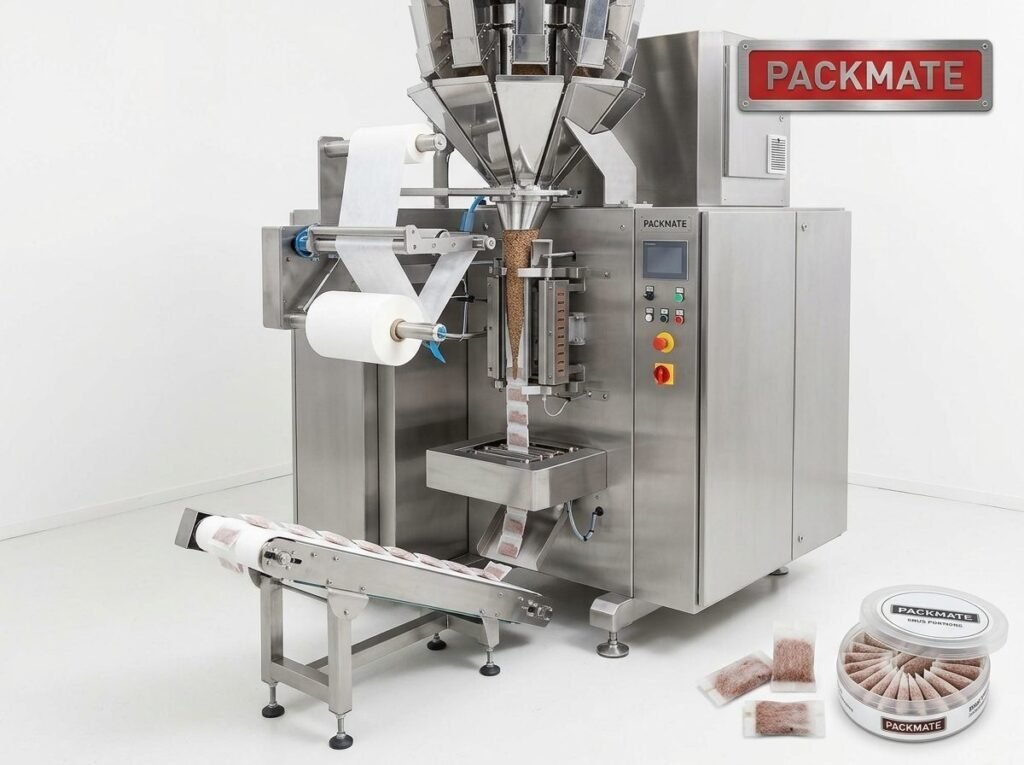
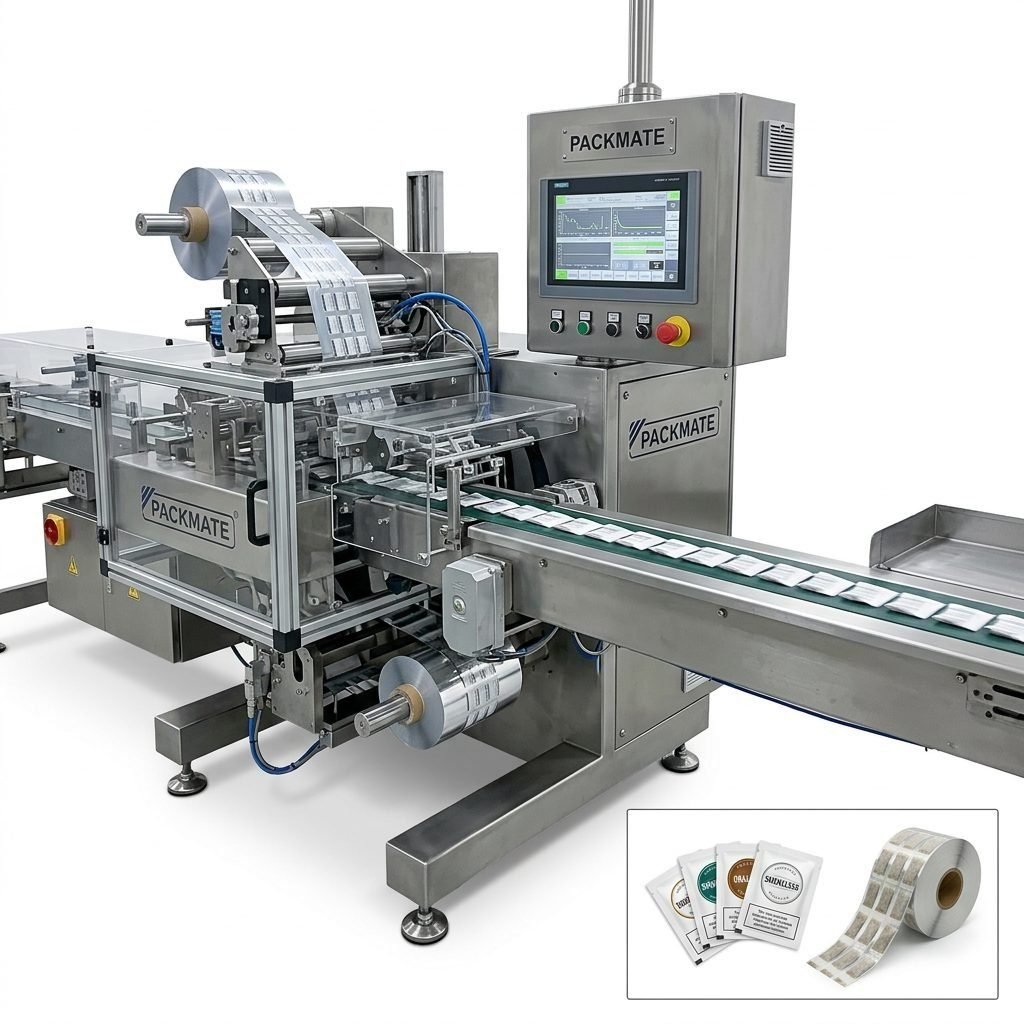
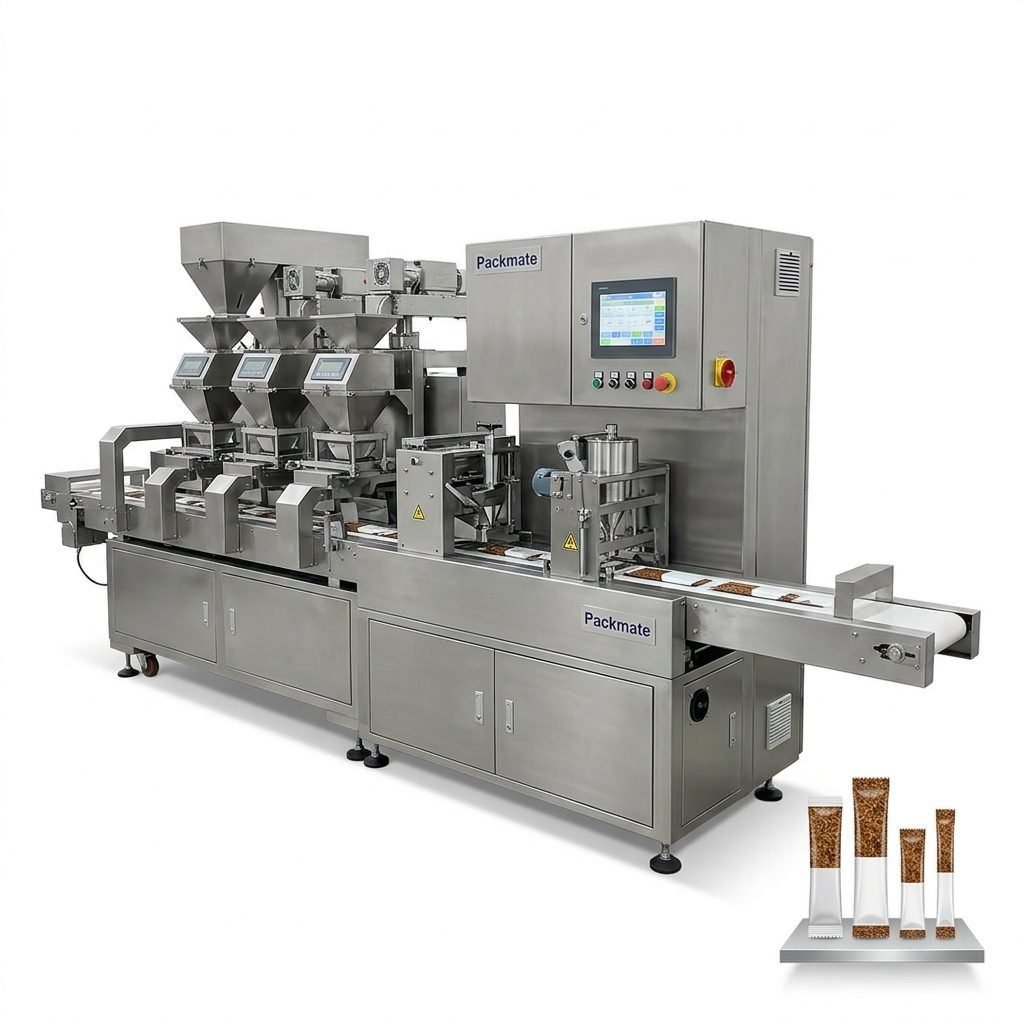
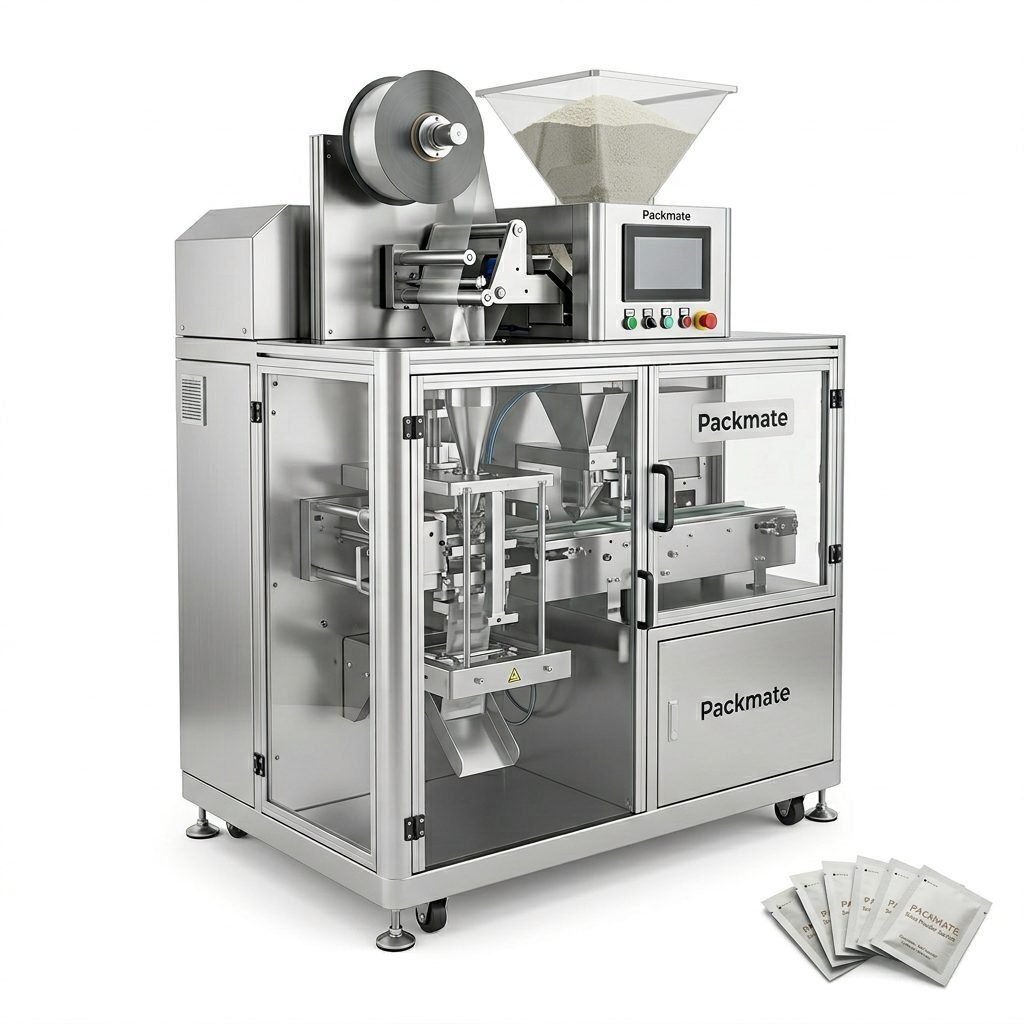
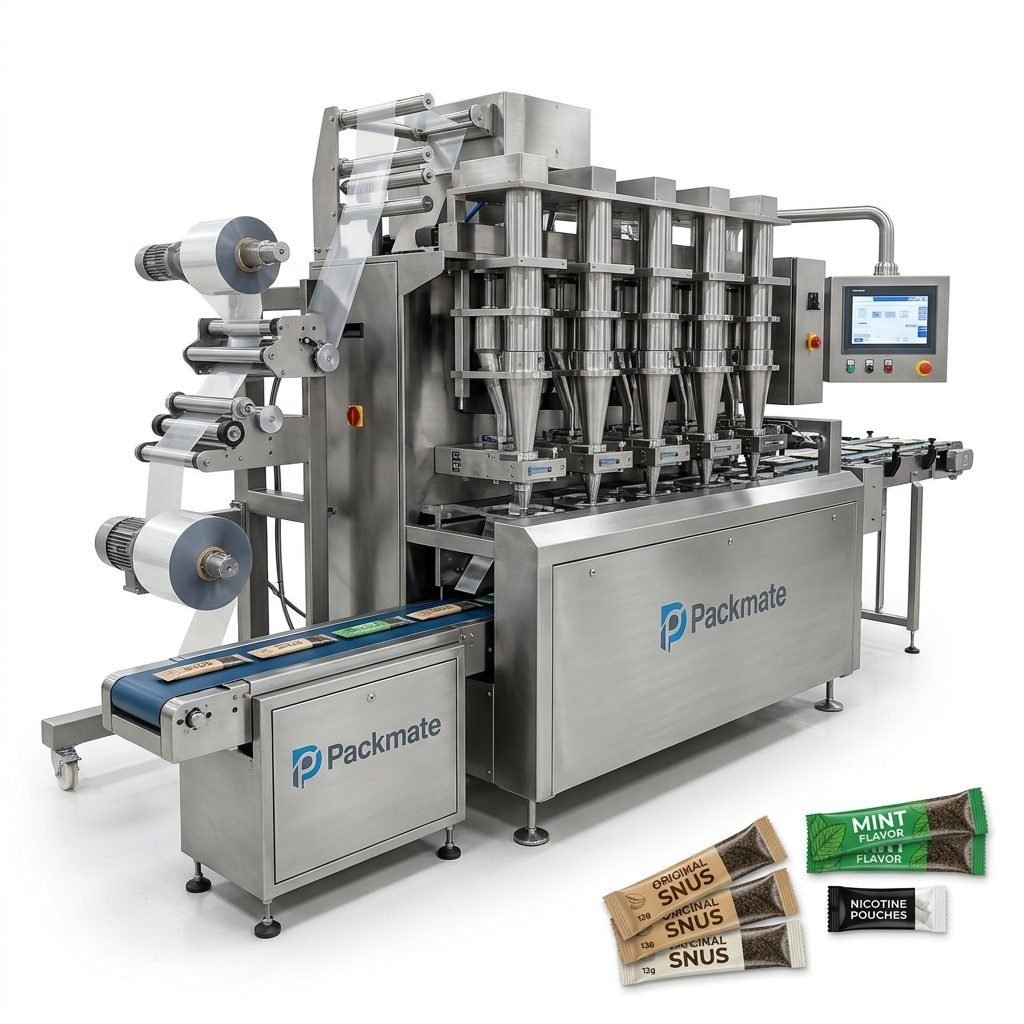
Nicotine pouch manufacturers typically choose among stick pack, sachet, and multi-lane pouch systems. Your selection should be driven by product size, pouch dose, target speed (pieces per minute), and future growth plans.
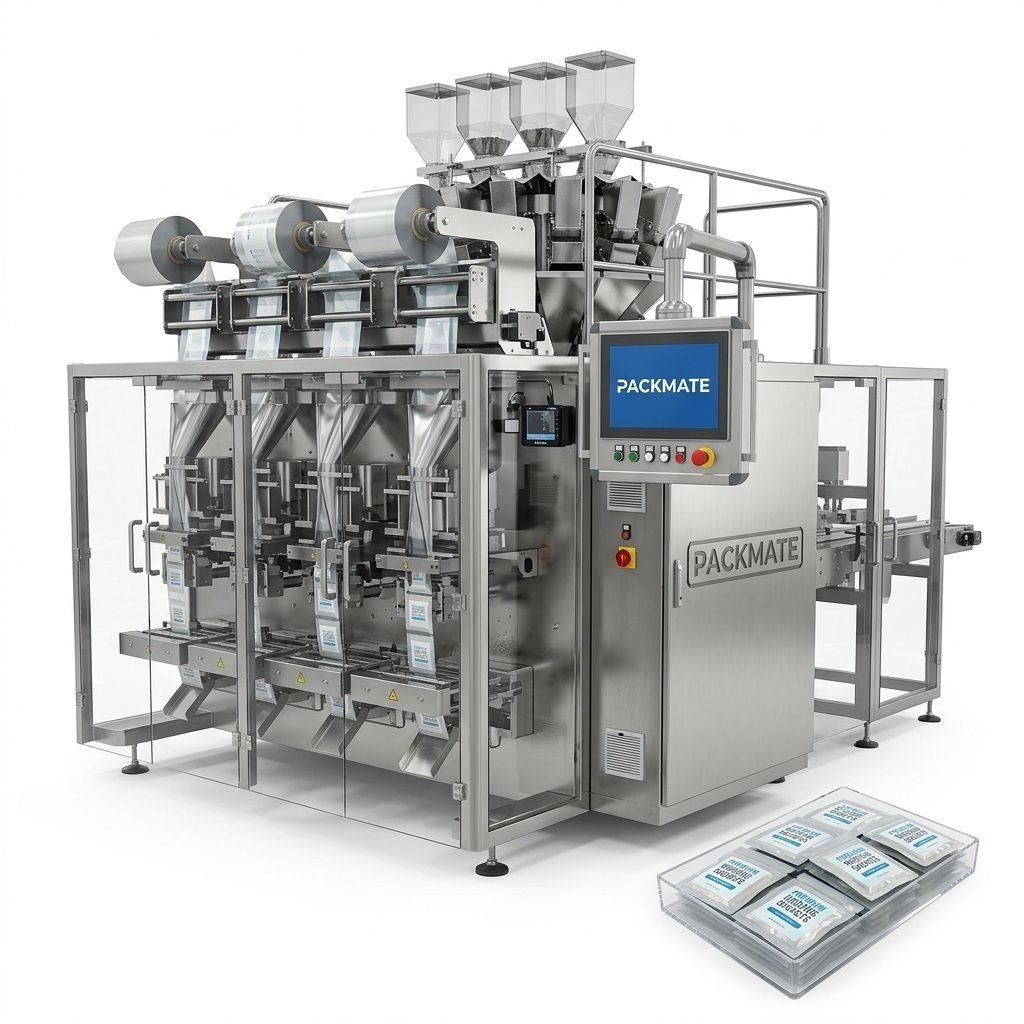
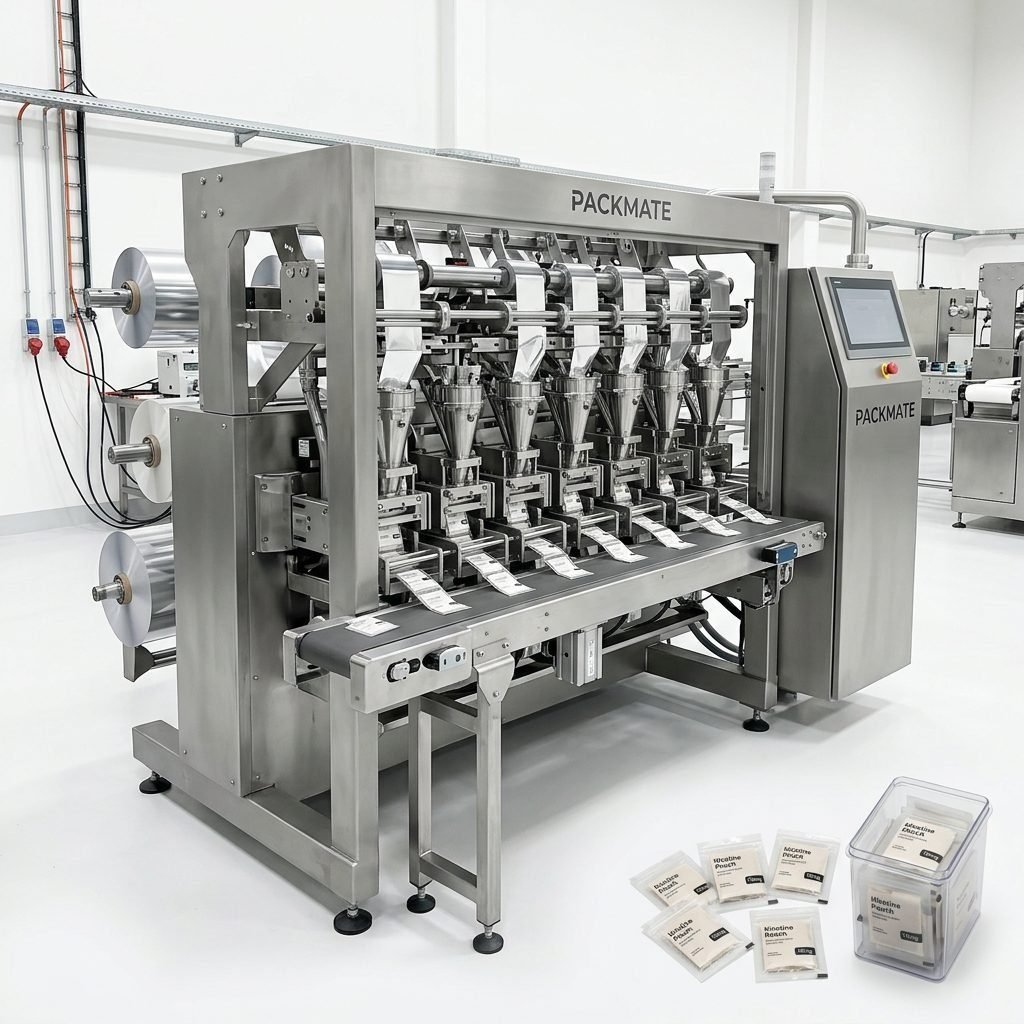
Tip: Multi-lane systems accelerate output for small-dose pouches and reduce labor cost per piece—ideal if you plan rapid expansion across southern African markets.
Machine type considerations
• Stick pack machines: compact, suitable for single-dose sticks; lower initial investment.
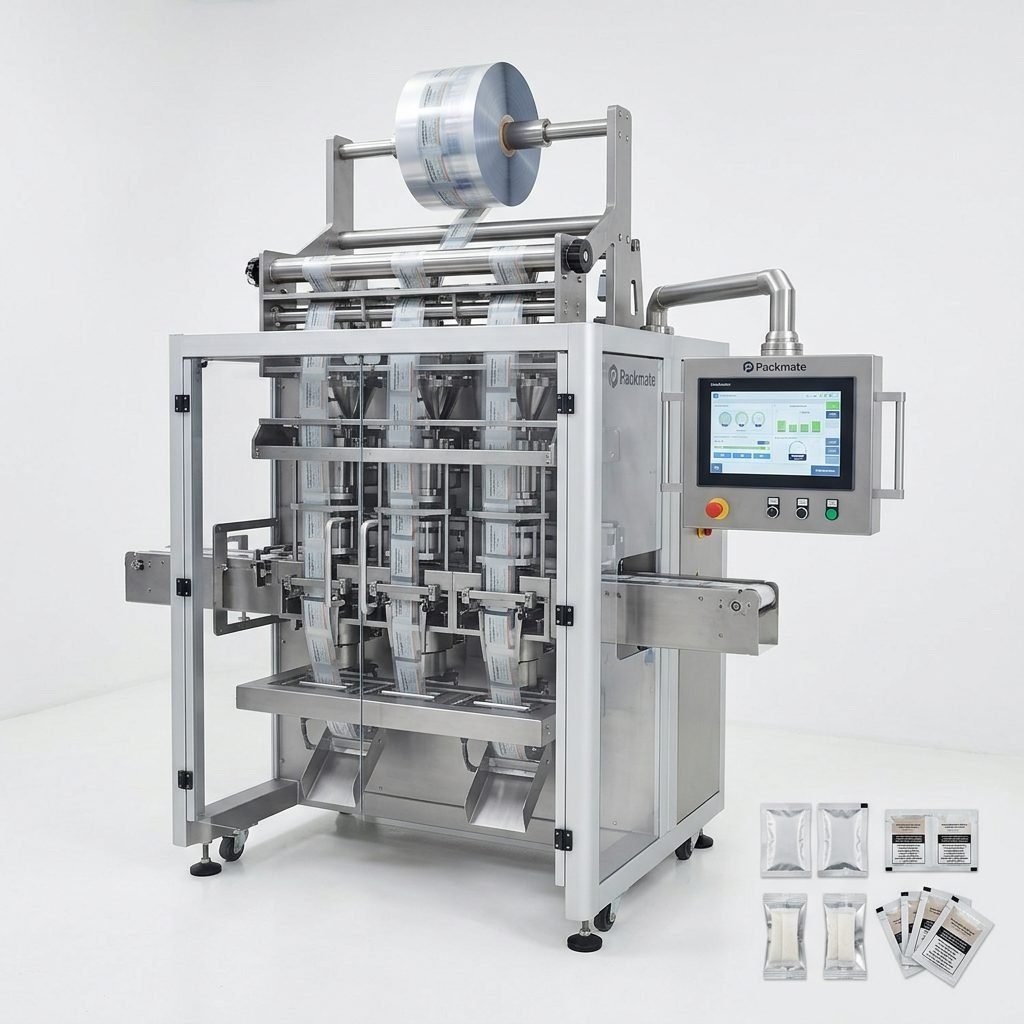
• Sachet & stick pack machines: flexible lines that handle varied shapes and can switch formats.
• Multi-lane snus / nicotine pouch machines: high-speed, high-capacity lines for mature brands.
🏭 Evaluate Manufacturer Capabilities and Factory Strength
Assess a manufacturer’s production capacity, CNC capabilities, and quality control systems. Manufacturers with large, modern facilities and an extensive machine model range are more likely to deliver tailored solutions and reliable lead times. Request factory photos, production timelines, and a list of machine models that match your needs.
Packmate Snus Machine, for example, highlights a 20,000㎡ facility with advanced CNC centers and 50+ models—indicative of scalability and in-house manufacturing control. For more product specifics, review the Snus & Nicotine Packaging Machines overview.
Explore product lines:
Snus & Nicotine Packaging Machines,
Sachet & Stick Pack Machines, and
Bag & Pouch Packaging Machines.
🔧 After-Sales Service, Training & Spare Parts
Local service capability is critical in Mozambique where remote locations can extend downtime. Verify the manufacturer’s warranty terms, spare parts availability, and whether they offer local technicians or remote diagnostics. Training in Portuguese for operators and maintenance staff will shorten the learning curve and reduce human error.
Ask for: spare parts kits, preventive maintenance schedules, onsite commissioning, and an escalation path for urgent repairs.
💡 Technical Features to Prioritize
When comparing quotes, focus on the features that reduce waste and increase uptime:
• Precision filling systems and high-accuracy weighing modules to reduce product giveaway.
• Stable multi-lane synchronization for uniform pouch sealing.
• Servo-driven components for repeatability and quieter operation.
• Quick-change tooling to switch formats without long stops.
• PLC + HMI with data logging for production analytics and traceability.
📦 Packaging Material Compatibility
Confirm that proposed machines are compatible with the laminates, foils, and inner liners you plan to use. Heat-seal temperatures, extrusion profiles for pouches, and vacuum or nitrogen-flushing options will determine packaging shelf life—important for humid tropical climates in Mozambique.
Moisture & climate considerations
Coastal and tropical storage conditions can accelerate product degradation. Choose machines that enable hermetic seals or modified atmosphere packaging, and design your production flow to minimize exposure during filling and sealing.
💲 Total Cost of Ownership (TCO) over Upfront Price
Evaluate TCO: initial price, installation, training, spare parts, energy consumption, and expected lifetime. A slightly higher-capability machine often pays back through lower downtime, reduced waste, and easier regulatory compliance. Ask for energy consumption specifications and mean time between failures (MTBF) data.
🤝 Local Support & Logistics
Shipping heavy machinery to Mozambique can involve port clearance at Maputo or Nacala and additional inland transport. Choose manufacturers experienced with African logistics or those who can recommend freight forwarders and customs brokers. Confirm lead times and local installation services and ensure that spare parts can be shipped quickly.
📋 Factory Acceptance Test (FAT) & Installation
Require a Factory Acceptance Test (FAT) before shipment to verify performance under production-like conditions. FAT reduces surprises during commissioning and can include trial runs with your actual pouch materials and nicotine formulations. Also clarify what installation support is included and any travel arrangements for factory engineers to Mozambique.
🏷️ Proof of Past Performance
Request case studies or references from similar markets. Manufacturers with proven deployments in Africa, Europe, or Latin America demonstrate adaptability to customs and regulatory diversity. Review published case pages and exhibition history to gauge the supplier’s global footprint and credibility.
See real examples and exhibition presence for reassurance:
Case •
Our Exhibition •
About Packmate.
🛠️ Installation, Commissioning & Training Plan
Agree on a detailed plan covering mechanical installation, electrical hookup, utility requirements (power, compressed air), commissioning runs, and operator/maintenance training. For Mozambique, include language needs, and plan training sessions that account for shift patterns and local labor practices.
Final selection checklist: regulatory support, machine fit for format, factory strength, TCO analysis, spare parts & service, FAT & commissioning plan, and Portuguese-language training options.
✅ How to Evaluate Quotes — a Practical Approach
1. Ask for total package pricing: machine, spare parts kit, FAT, shipping, installation, training.
2. Compare guaranteed speeds with your required throughput and expected uptime.
3. Get clarity on warranty scope and response times for service requests to Mozambique.
4. Confirm availability of consumables and tooling costs.
5. Request references from customers in similar climates or distribution models.
📞 Next Steps & Contact
Once you narrow your shortlist, schedule virtual factory walk-throughs and FAT witnessing. If you need vendor contact or machine spec sheets, use the manufacturer’s service channels and request Portuguese-language support where available. For direct inquiries and support, visit the manufacturer’s contact page.
Contact resources:
Contact Us •
Service.
🧾 Summary FAQs
Q1: How do I confirm a machine is legal for nicotine pouch production in Mozambique?
Check current national tobacco and nicotine regulations and request the manufacturer’s support documents (CE/ISO, material declarations). Work with a local legal or customs adviser to avoid import issues.
Q2: Should I buy a high-speed multi-lane machine immediately?
If you have a stable market and predictable demand, multi-lane systems reduce unit costs. For early-stage brands, flexible sachet or stick pack machines with lower capital demands may be wiser.
Q3: What after-sales support matters most for Mozambique?
Fast spare parts shipping, remote diagnostics, Portuguese training, and clear escalation paths for technicians are essential to minimize downtime.
Q4: How important is FAT before shipment?
Extremely important—FAT demonstrates performance with your materials and reduces surprises during installation. Attend FAT remotely or in person if possible.
Q5: Where can I learn more about machine options and certifications?
Review manufacturer product pages and certifications to compare capabilities and compliance documents. Useful starting points include the Snus packaging product listings and certification pages.