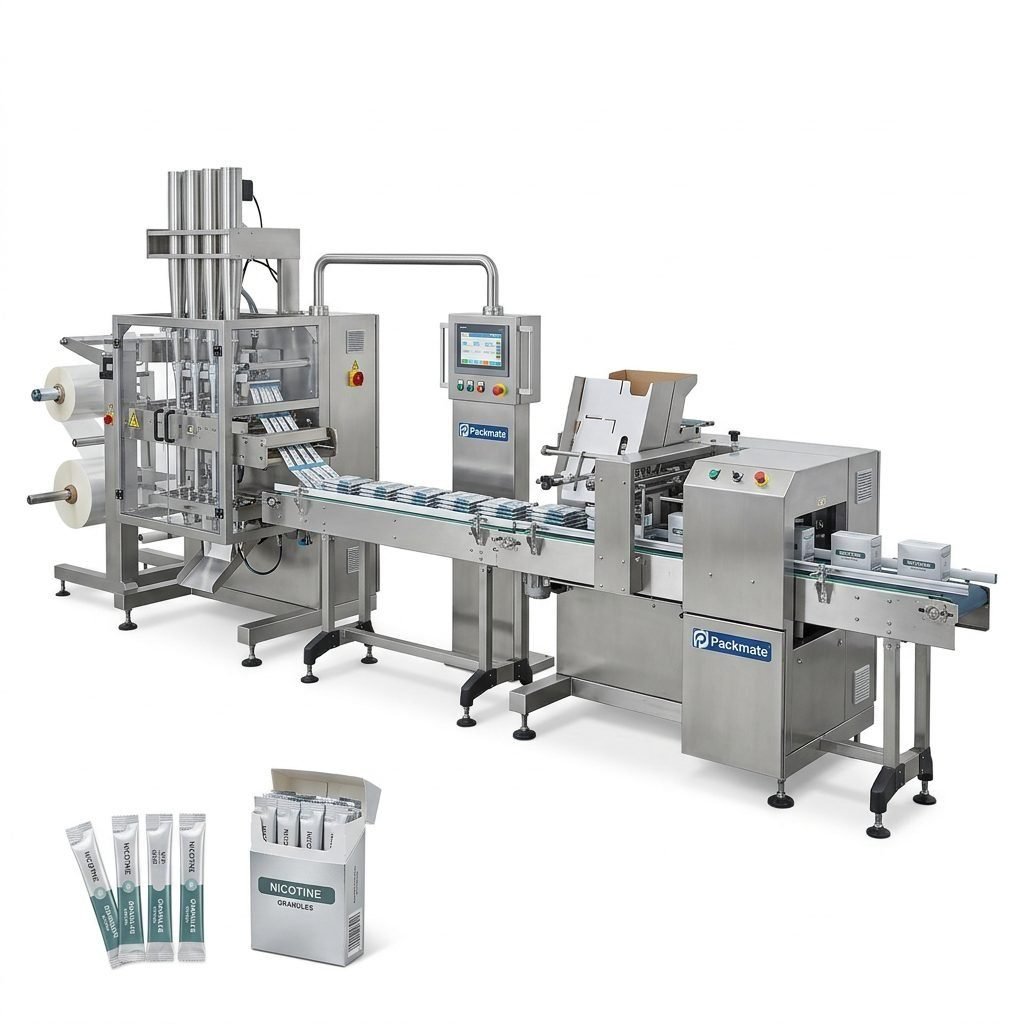
In highly regulated, high-speed production environments such as snus and nicotine pouch packaging, optimizing the packaging line is a strategic necessity. This article examines practical and engineering-driven ways to improve efficiency, reduce waste, and boost production quality on snus packaging lines. The guidance below draws on industry best practices and machine design features commonly offered by experienced manufacturers like Packmate Snus Machine, which provides tailored snus packaging machinery and turnkey lines for global customers.
Understand the Baseline: Measure, Map, and Analyze
Every optimization project must start with data. Conduct a baseline assessment of machine speeds, downtime causes, reject rates, material consumption, and operator tasks. Use simple dashboards or paper logs at the start; then move to automated data collection with PLC logs or MES integration. Key metrics to capture:
⚙️ Cycle time per pouch, average line speed (pouches/min);
✅ OEE (Availability × Performance × Quality);
♻️ Material waste per batch (film offcuts, rejected pouches);
📈 Changeover duration and frequency; root causes of unplanned stops.
Map the flow
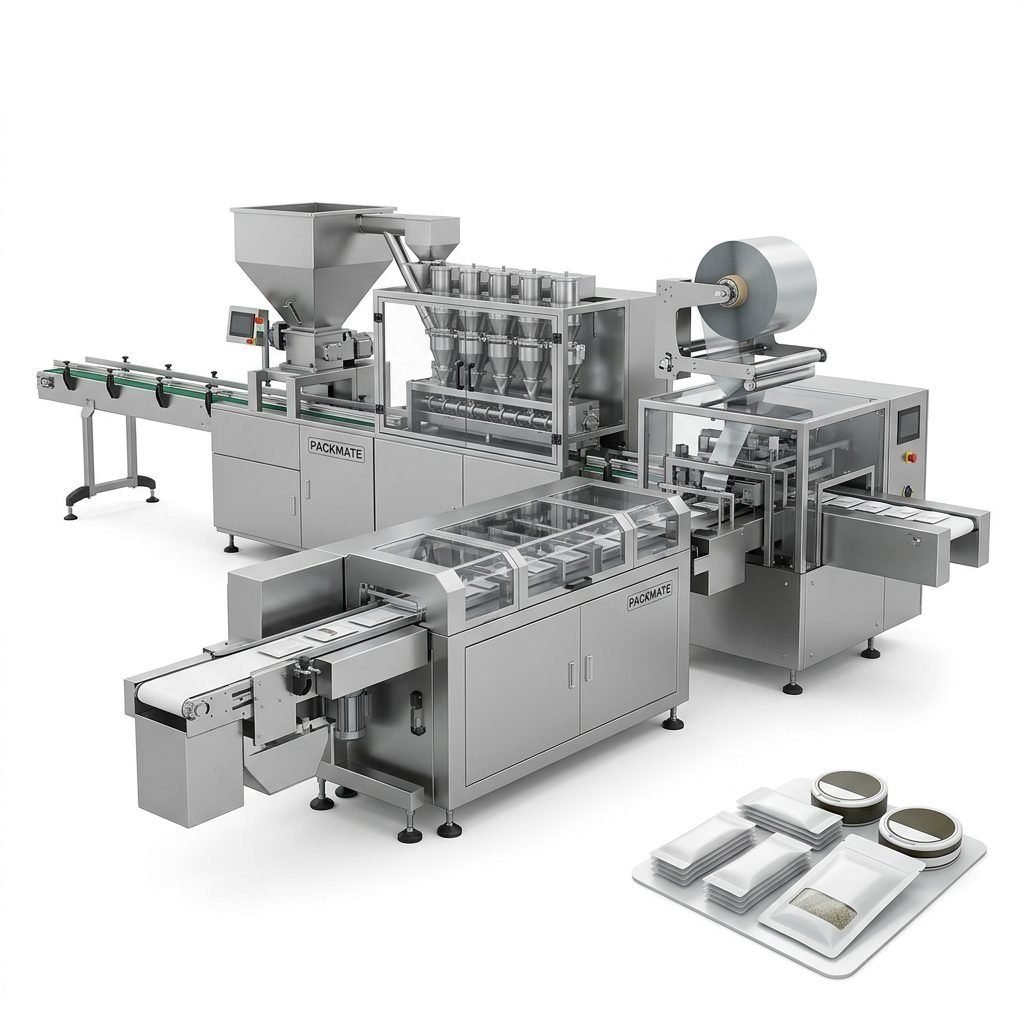
Create a visual layout of the entire production cell: feeders, weighers, dosing systems, form-fill-seal units, sealing stations, conveyors, metal detectors, and packing stations. Mapping helps identify bottlenecks (for example, a single-lane filler feeding a four-lane pouch former), and reveals opportunities for parallelization or balancing.
Choose the Right Machine Configuration
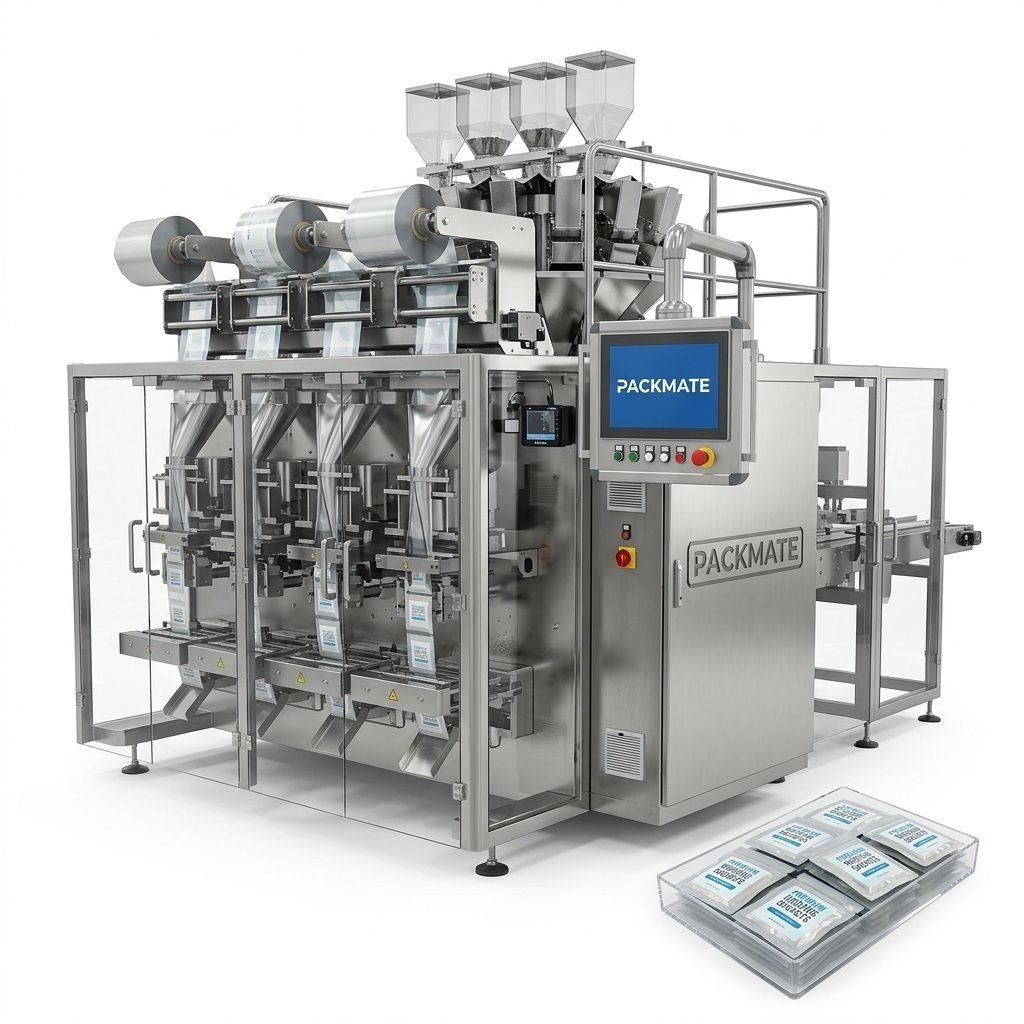
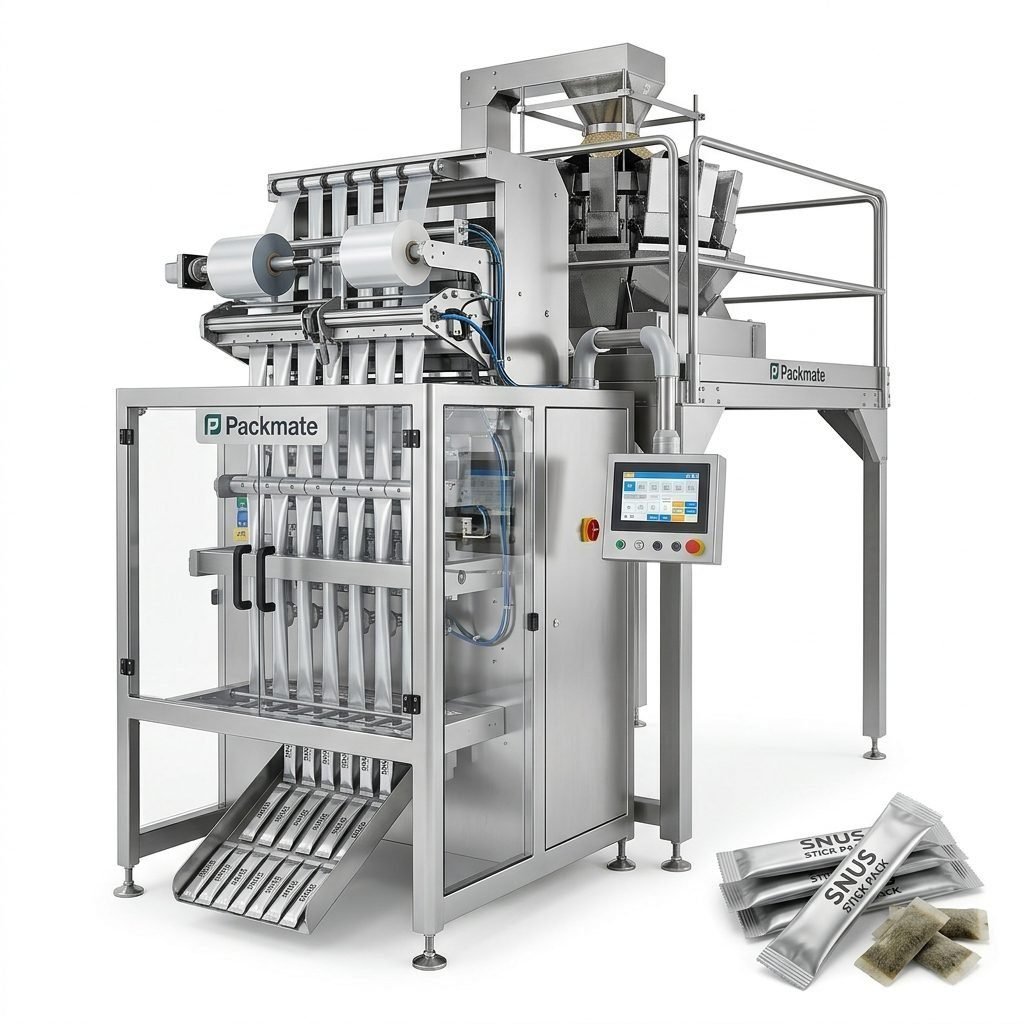
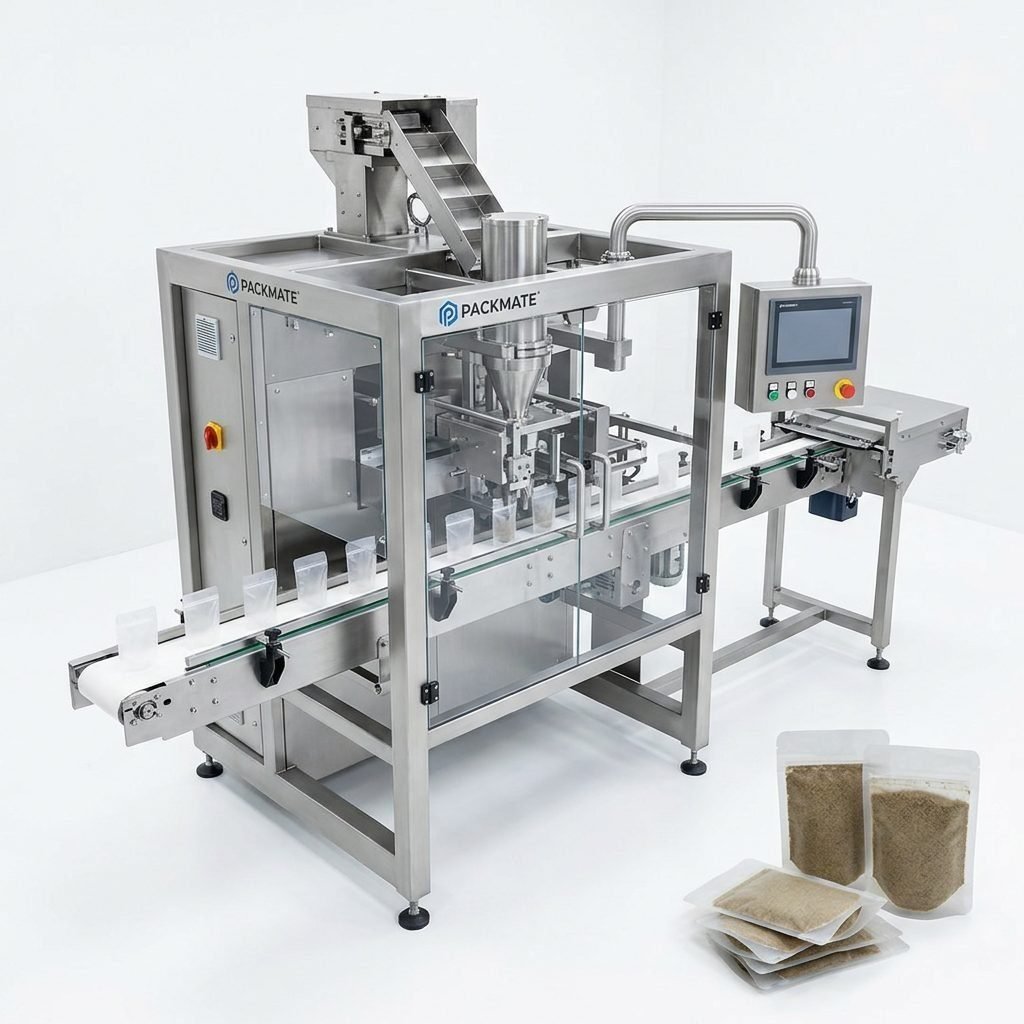
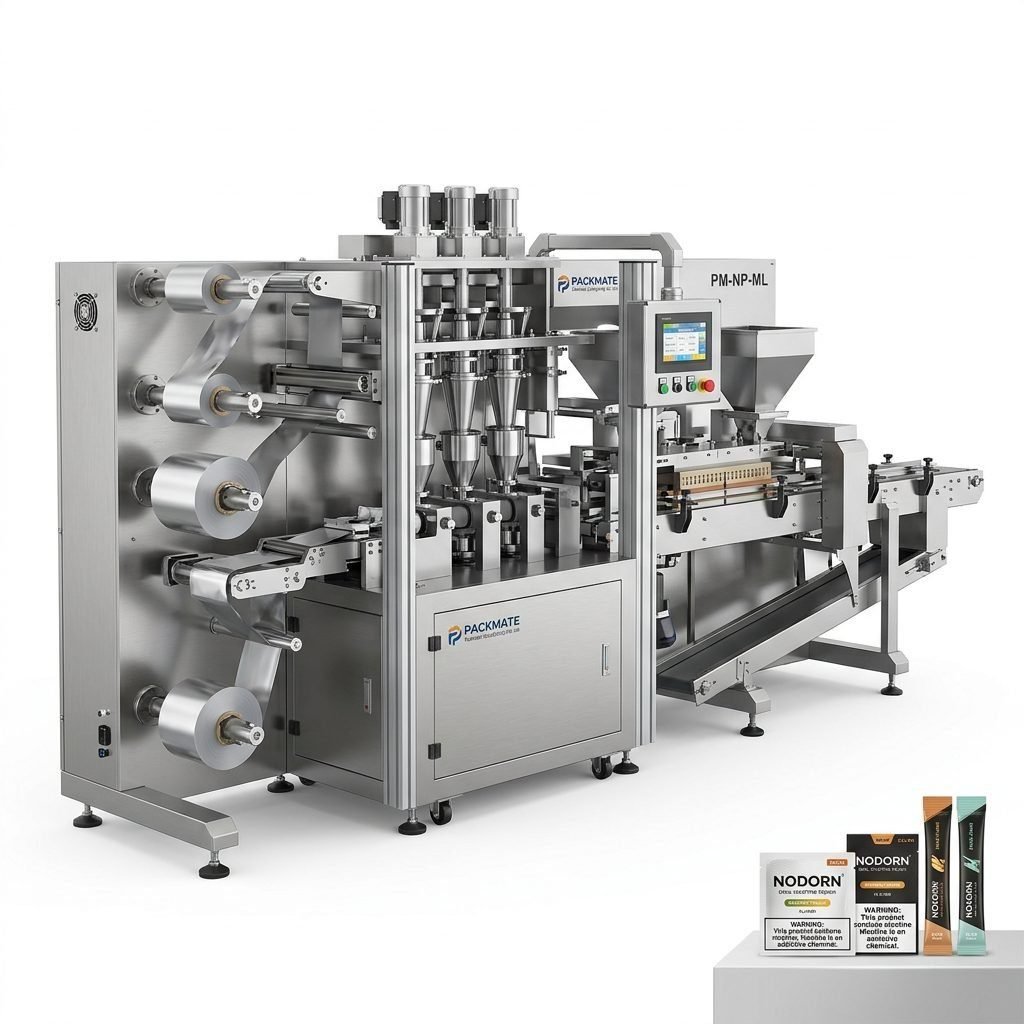
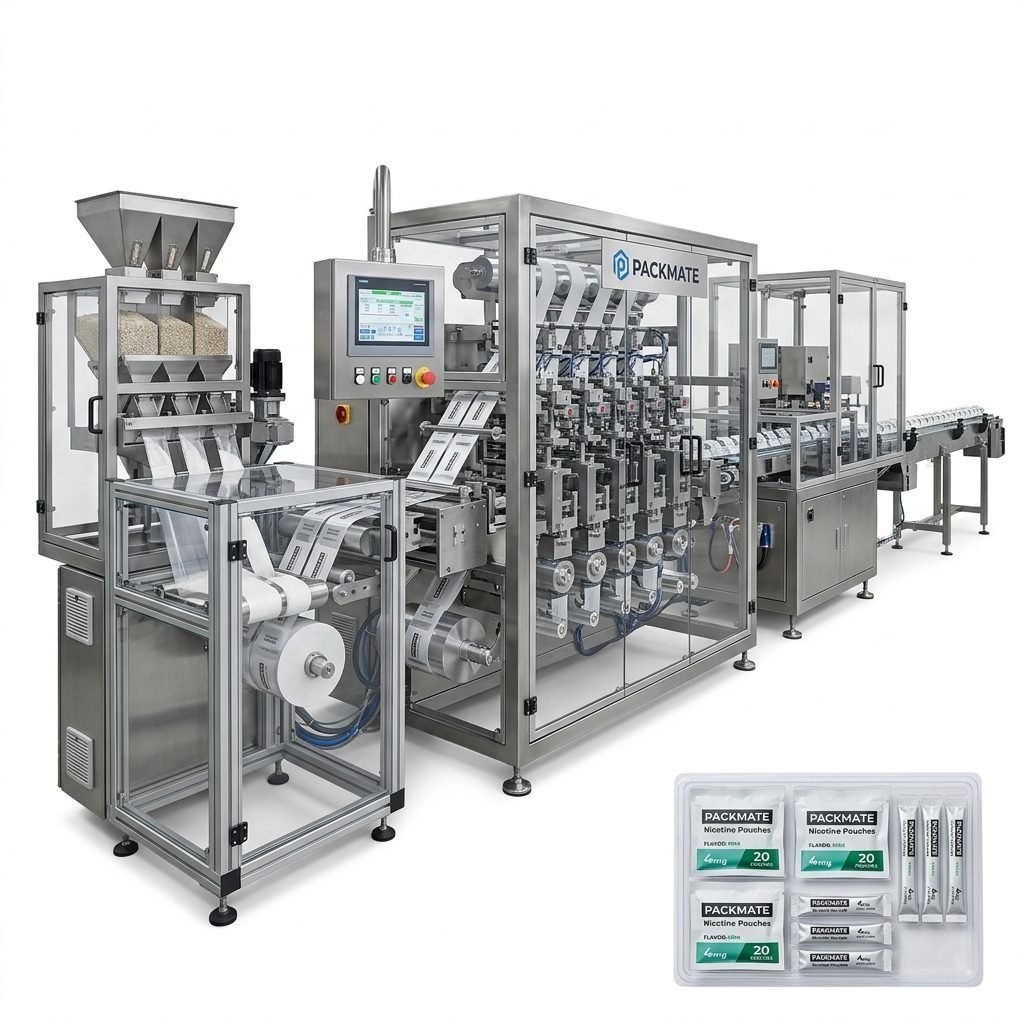
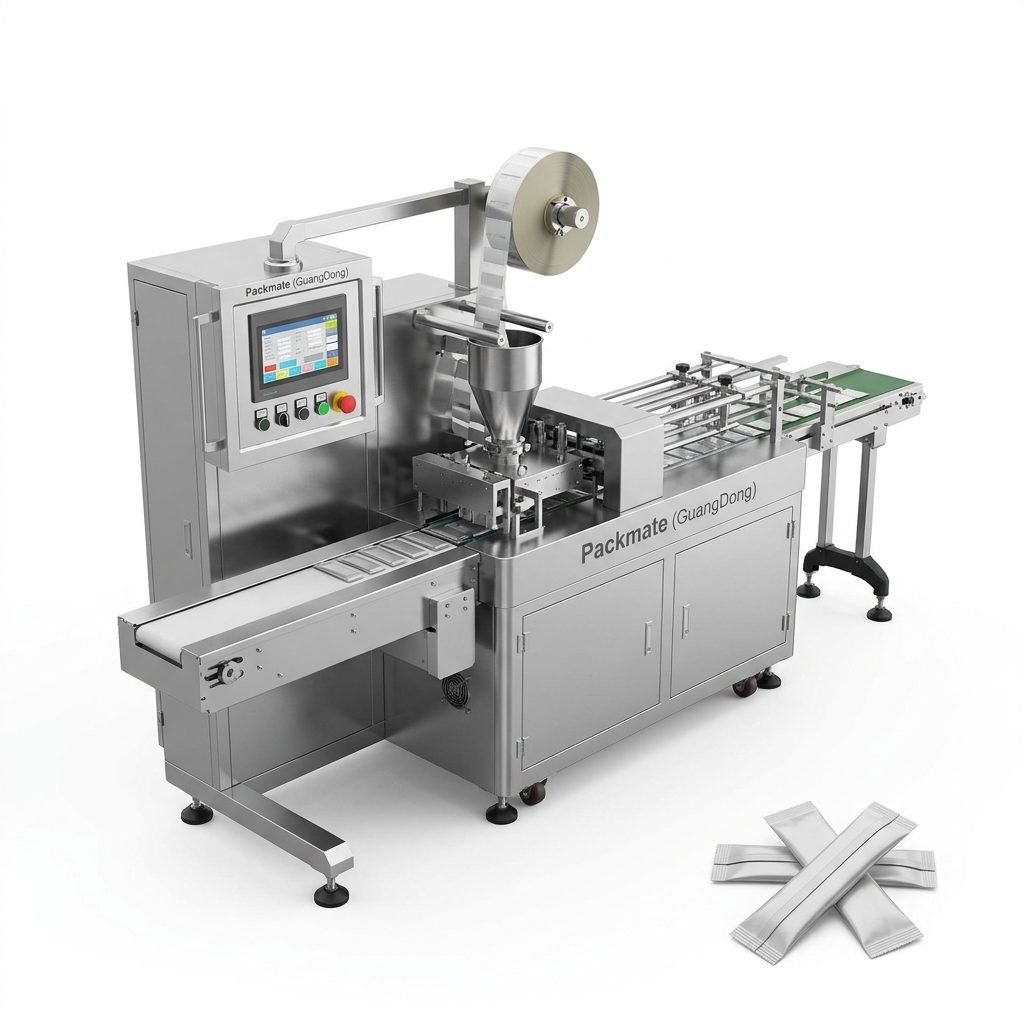
Matching machine capabilities to product specifications is a major lever for efficiency. Consider multi-lane systems for small-dose snus pouches: multi-lane formers or multi-head weighers increase throughput without proportionally increasing floor space or labor. Packmate and other specialists offer configurable solutions for nicotine pouches, sachets, and stick packs.
Important: Selecting a multi-lane snus packaging machine can yield a step-change in output. For example, converting a single-lane to a 4-lane configuration often multiplies throughput by nearly four while centrally controlling film usage and sealing parameters.
Modular automation vs. All-in-one lines
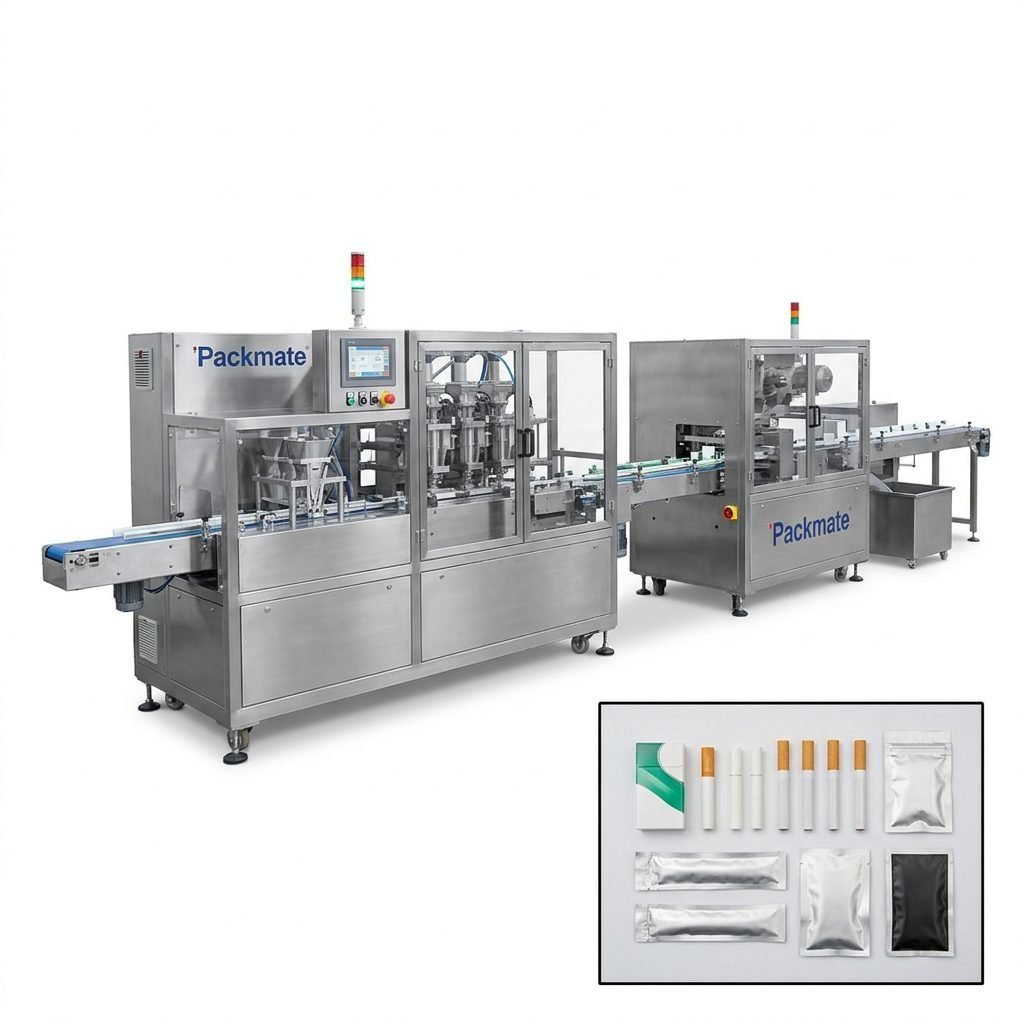
Decide whether a modular approach (separate dosing, forming, sealing, secondary packaging modules) or an integrated turnkey solution better suits your operations. Modular systems provide flexibility and easier upgrades; turnkey lines offer proven integration and faster commissioning. For turnkey examples and modular options, see Packmate’s product pages such as Snus & Nicotine Packaging Machines and Sachet & Stick Pack Machines.
Reduce Waste Through Material and Process Controls
Material waste in snus packaging mainly comes from film scrap, misfilled pouches, and rejected sealed packs. Targeted actions reduce these losses:
– Standardize film width and unwind handling to reduce edge trims.
– Optimize form-fill pattern and pouch spacing to minimize film overlap.
– Implement in-line weight control systems (feedback from multi-head weighers or load-cell governed dosing) to cut overfilling.
– Use smart sensors and vision systems for seal inspection so only truly defective pouches are rejected.
Consumables and supplier partnerships
Work with film and pouch material suppliers to develop specs that balance barrier properties, sealability, and machinability. Small formulation changes (to sealant layer or surface treatment) can improve seal integrity and reduce rework. Consider purchasing high-quality pre-made pouches or laminates if film scrap is a major contributor to cost.
Operational Best Practices for High Uptime
Uptime is earned through preventive maintenance, operator training, and reliable spare parts management:
✅ Implement a planned maintenance schedule based on runtime hours, not calendar days.
✅ Keep critical spares on hand (sealing jaws, belts, vacuum pumps, sensors).
✅ Train operators on quick changeover techniques for film splices, tool-free jaw swaps, and hygienic cleaning procedures.
✅ Use remote support and PLC data logging to troubleshoot intermittent faults quickly.
Tip: A short operator-led 5–10 minute line check at shift start reduces unplanned downtime by catching low vacuum, loose film clamps, or blocked hoppers before full-speed running.
Quality Assurance: Inline Inspection and Traceability
Inline quality systems protect brand reputation and reduce downstream rework. Recommended technologies:
– Vision systems for print verification and pouch integrity checks.
– Leak and seal-strength testing for moisture-sensitive products.
– Online weight checks and trend alarms to flag dosing drift.
– Integrated coding systems for batch codes and 2D barcodes to support full traceability.
Regulatory compliance and documentation
Ensure your line design supports regulatory needs for nicotine products: secure batch records, controlled access to dosing recipes, and cleaning logs. Packmate machines are designed to comply with international standards such as CE and ISO; integrate the machine’s data outputs with your quality management system to streamline audits.
Layout and Material Flow Optimization
Efficient floor layout reduces material handling time and non-value-added movements. Key tactics:
– Position upstream feeders and storage close to the line to reduce refill interruptions.
– Use gravity assists and conveyor buffers to decouple machine sections and smooth upstream variability.
– Design secondary packaging (cartoners, case packers) to match primary pack output to avoid bottlenecks.
Software Integration and Data-Driven Decisions
Modern packaging lines benefit from a digital layer: SCADA, MES, or simple PLC data collection. Use data to detect drift in sealing temperature, losing vacuum levels, or weight excursions before they produce rejects. Alert thresholds and dashboards drive faster corrective action and continuous improvement.
Analytics and continuous improvement
Regularly review performance data with cross-functional teams. Run short improvement sprints focused on one KPI (e.g., reduce film scrap by 20%) and measure results. Small, frequent wins accumulate into significant reductions in cost-per-pouch.
Partnering with Experienced Manufacturers
Working with an experienced packaging machinery partner reduces risk during line upgrades or new capacity builds. Packmate’s background—30+ years of engineering experience, a 20,000㎡ facility, and a broad product portfolio—illustrates why proven suppliers are valuable partners. Learn more about company capabilities on the About Packmate page.
Considerations when selecting a vendor:
– Service and spare-parts availability in your region;
– Field support for commissioning and operator training;
– Case studies and references for similar snus or small-dose pouch projects — review published Case examples;
– Compliance documentation and CE/ISO certificates for export markets.
Exhibitions and live demos
Seeing machines run real product at trade shows or factory demos accelerates decision-making. Visit manufacturer exhibitions or request a machine demonstration to verify cycle rates, changeover times, and product handling. Packmate regularly participates in global exhibitions—details at Our Exhibition.
Quick checklist before upgrading: align production target (pouches/min), expected product formats, regulatory needs, and available floor space. Validate that the supplier provides installation, commissioning, and operator training.
Sustainability and Cost Control
Reducing waste and energy consumption saves money and supports corporate sustainability goals. Strategies include:
– Optimize film layup and cutting patterns to reduce scrap;
– Use servo-driven systems for precise motion control and lower energy use compared with older hydraulic systems;
– Recover and recycle production scrap where local regulations and contamination limits permit.
Commissioning, Training, and After-Sales Service
A successful handover is as important as the hardware selection. Insist on thorough commissioning, operator and maintenance training, and a clear SLA for spare parts and service. Packmate’s global service resources and detailed machine documentation help shorten ramp-up time. For direct contact and support options, consult the Contact Us page.
Training topics to cover
– Safe operation and lockout/tagout;
– Quick changeovers and recipe management;
– Basic troubleshooting and first-line maintenance;
– Cleaning procedures and documentation for audits.
Conclusion: A Holistic, Data-Led Approach
Optimizing a snus packaging line is not a single action but a coordinated program: measure performance, select the appropriate machine configuration (multi-lane or turnkey), reduce material waste with better consumables and process control, and build uptime through preventive maintenance and operator training. Use data and supplier expertise to continually refine the line. With a partner experienced in snus and nicotine pouch lines, you can shorten the learning curve and achieve faster returns on investment.
Further resources
Browse specialized product lines for matching equipment and accessories: Bag & Pouch Packaging Machines, Weighing & Packaging Systems, and ancillary equipment at Auxiliary Packaging Equipment.
Frequently Asked Questions
Q: What is the fastest way to increase throughput on an existing snus line?
A: Begin with a bottleneck analysis; often adding parallel lanes, upgrading a feeder to a multi-head weigher, or optimizing changeover procedures yields the fastest gains.
Q: How can I reduce film scrap and edge waste?
A: Standardize film widths, optimize nesting and form patterns, and ensure correct unwind tension and registration. Consult your film supplier for sealant layer adjustments to improve machinability.
Q: Are multi-lane systems suitable for small manufacturers?
A: Yes—multi-lane systems offer high throughput with compact footprints. They are especially attractive when per-pouch labor and footprint costs are high relative to equipment investment.
Q: How important is inline inspection for snus packaging lines?
A: Very important—inline vision and leak/seal checks reduce field failures and ensure consistent product quality, which is crucial for nicotine products where safety and brand trust matter.
Q: Where can I find more information or request a demo?
A: For machine catalogs, demos, and service information visit the Catalog or contact the manufacturer directly via the Contact Us page.